Related News
- 00
0000-00
How to Specify a Quay Crane for Container Terminals by Vessel Size and Throughput? - 00
0000-00
Which Bulk Handling Equipment Suits High-Moisture Cargo? - 00
0000-00
Terminal Automation Technologies That Raise Container Throughput Without Yard Disruption - 00
0000-00
Planning Offshore Dredging Operations: Key Risks, Methods, and Project Controls - 00
0000-00
Where Do Automated Guided Vehicles Deliver the Fastest Warehouse Gains in the Middle East?
How to Evaluate High Efficiency Quay Crane Systems for Faster Container Turnaround
Container turnaround depends on much more than a crane brochure headline. When comparing high efficiency quay crane systems, the real question is how reliably each system converts design capacity into repeatable vessel moves under live terminal conditions.
That matters now because shipping networks are absorbing larger vessels, tighter berthing windows, labor variability, and rising pressure on energy use. In this environment, small differences in crane response, control quality, and terminal coordination can reshape berth productivity.
For ports, operators, and infrastructure decision teams, evaluating high efficiency quay crane systems means connecting mechanics, software, and traffic flow. That perspective sits close to the PS-Nexus view of maritime logistics, where heavy equipment performance and scheduling intelligence move together.
What High Efficiency Really Means at the Quay
A quay crane can post high theoretical speeds and still underperform on the berth. Efficiency should be judged by completed container cycles, consistency across shifts, and the crane’s ability to maintain output without creating downstream congestion.
In practical terms, high efficiency quay crane systems combine structural strength, fast but controlled motion, stable spreader positioning, low delay rates, and clean data exchange with yard and vessel systems.
The fastest crane is not always the most productive one. A slightly lower top speed can outperform if sway control, trolley travel smoothness, and handoff timing reduce interruptions across the full work cycle.
Cycle time matters more than isolated speed
Technical reviews often begin with hoist, trolley, and gantry speeds. Those figures are useful, but they are only inputs. What counts is the total time from box pickup to confirmed transfer, repeated across mixed load conditions.
A well-designed system shortens non-productive moments: spreader landing corrections, anti-sway recovery, operator hesitation, and truck or AGV waiting. These losses usually decide whether faster container turnaround is realistic.
Core Technical Indicators Worth Comparing
A sound comparison framework should balance mechanical capability with control behavior. Looking at one dimension alone tends to hide the real operating profile of high efficiency quay crane systems.
The best results appear when these indicators reinforce each other. A crane with high acceleration but weak positioning control may generate more rework than usable throughput.
Look beyond rated loads
Rated lift capacity is only one piece of the picture. Reviews should also examine twin-lift or tandem capability, spreader changeover behavior, and performance under uneven box weights or wind exposure.
For larger ships, outreach geometry and boom design deserve close attention. A crane can be efficient on paper yet lose time if its working envelope forces awkward moves on wide-beam vessels.
Why Control Systems Now Carry More Weight
Quay cranes are no longer judged as isolated machines. They sit inside automated or semi-automated ecosystems, where response quality between crane, truck lane, AGV, and yard block can determine berth output.
This is one reason industry intelligence platforms such as PS-Nexus pay close attention to low-latency communication, scheduling logic, and path coordination. Crane hardware remains critical, but software timing increasingly decides usable productivity.
When reviewing high efficiency quay crane systems, assess whether control architecture supports remote operation, automated landing assistance, predictive maintenance alerts, and standardized data interfaces with the terminal operating system.
Delay patterns reveal hidden weakness
A technical evaluation should map not only speed, but delay categories. Frequent short pauses often signal deeper control or integration issues than occasional major faults.
- Spreader alignment corrections that recur on specific container rows
- Truck or AGV mismatch during handoff windows
- Slow recovery after anti-sway intervention
- Control latency between operator input and motion response
- Repeated exceptions caused by sensor uncertainty
These patterns often explain why nominally similar cranes deliver very different berth results.
Operational Fit Is as Important as Equipment Quality
A system should be evaluated against the terminal it will serve. High efficiency quay crane systems must match vessel profile, berth length, apron traffic density, yard transfer mode, and local maintenance capacity.
For example, a port handling frequent mainline calls may prioritize outreach, tandem capability, and automation readiness. A terminal serving mixed feeder traffic may place more value on flexibility, quick mode changes, and robust manual override.
Environmental conditions also shape real performance. Wind, salinity, temperature swings, and power quality affect component life, sensor reliability, and motion smoothness. These factors belong in the evaluation model from the start.
Questions that sharpen the assessment
- What moves per hour are sustained over a full shift, not a short acceptance test?
- How does the crane behave during vessel mix changes and peak gate periods?
- Which subsystems cause the most stoppage minutes per month?
- Can diagnostics isolate faults quickly enough to protect berth windows?
- How much performance depends on ideal operator skill levels?
Energy, Lifecycle, and the Net-Zero Pressure
Faster container turnaround still has to work within lifecycle economics. Ports now compare high efficiency quay crane systems not only by throughput, but by energy intensity, maintenance burden, and upgrade pathway.
Regenerative braking, intelligent drive control, and peak demand smoothing can materially lower energy per container move. That matters as terminals align with wider decarbonization goals and face closer reporting on operational emissions.
PS-Nexus frames this as part of a broader smart port transition. A crane that supports data-rich monitoring, remote diagnostics, and staged automation upgrades may offer better long-term value than a machine optimized only for initial speed.
Maintenance design should be reviewed with equal rigor. Accessibility of components, redundancy in critical controls, spare parts lead times, and service documentation all influence whether high efficiency is preserved after commissioning.
A Practical Comparison Framework
Useful evaluations usually combine factory data, site observations, and operating records. One source alone rarely gives a dependable picture.
A balanced review process can include the following steps.
- Define the vessel mix, target moves per hour, and berth service expectations
- Compare crane motion, control logic, and structural envelope against those needs
- Review full-cycle data, not isolated peak performance snapshots
- Test integration with TOS, truck systems, AGVs, and remote support tools
- Estimate energy per move and planned maintenance exposure
- Stress-check performance under non-ideal conditions such as wind or traffic imbalance
This approach makes comparisons more defensible and reduces the risk of buying around headline specifications.
Where to Focus Next
The strongest evaluations of high efficiency quay crane systems start with terminal reality, then test whether the crane and its control environment can hold performance under real operating pressure.
That means building a decision matrix around cycle stability, integration quality, energy behavior, and maintainability, not just maximum motion figures. It also means tracking how crane performance interacts with the rest of the port system.
A useful next step is to translate berth goals into measurable thresholds: sustained moves per hour, acceptable delay categories, energy per move, and recovery time after faults. With those benchmarks in place, comparisons become clearer, and faster container turnaround becomes a technical outcome rather than a marketing claim.
Related News
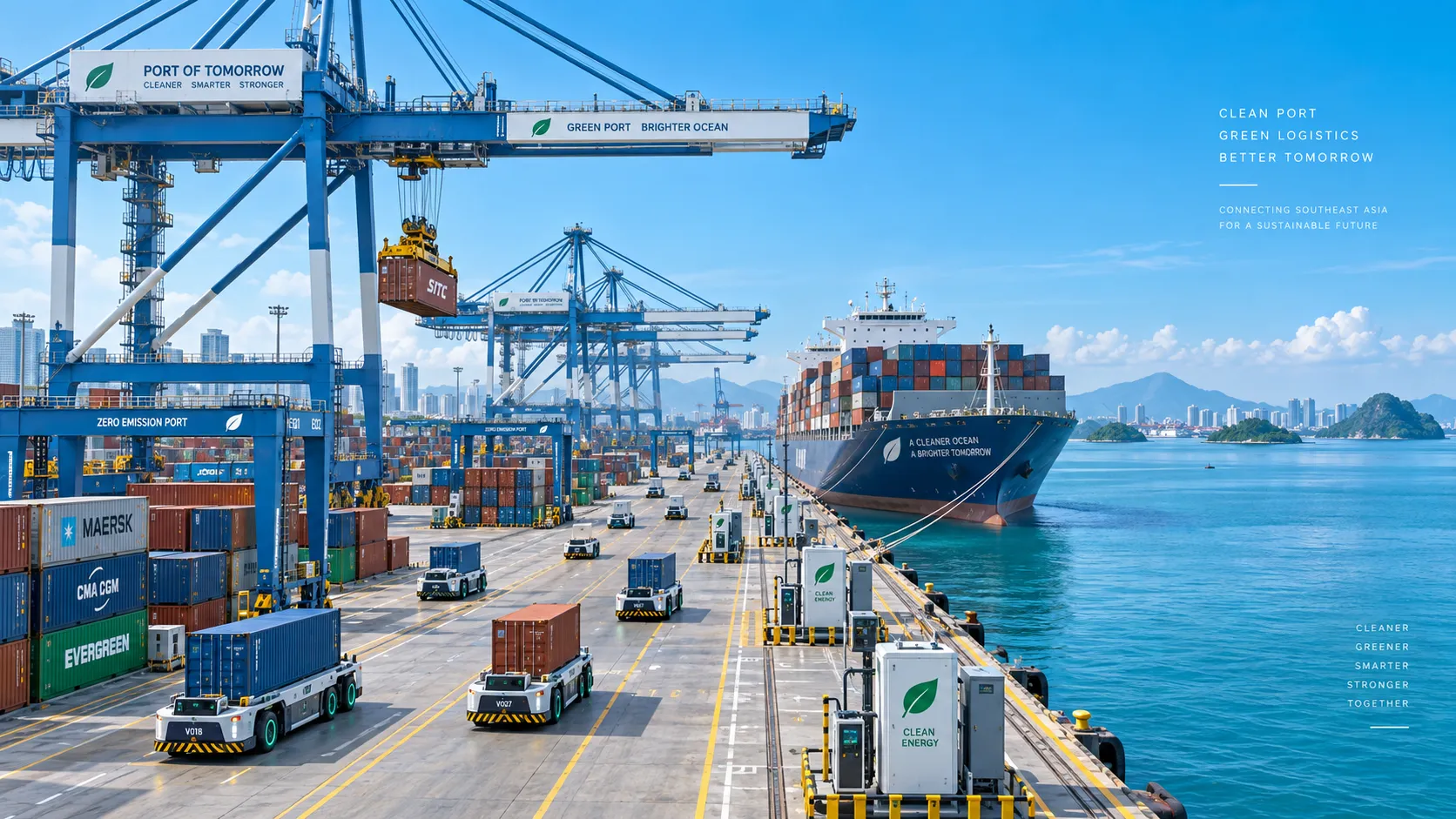
Smart Port Systems in Southeast Asia: Investment Priorities and Adoption Barriers
Smart port systems Southeast Asia: discover investment priorities, adoption barriers, and practical steps to build resilient, connected, high-performing terminals.

How to Evaluate Terminal Efficiency Solution Suppliers for High-Throughput Operations
Choose a terminal efficiency solutions supplier with confidence. Explore proven criteria for throughput, integration, lifecycle cost, safety, and reliable delivery.
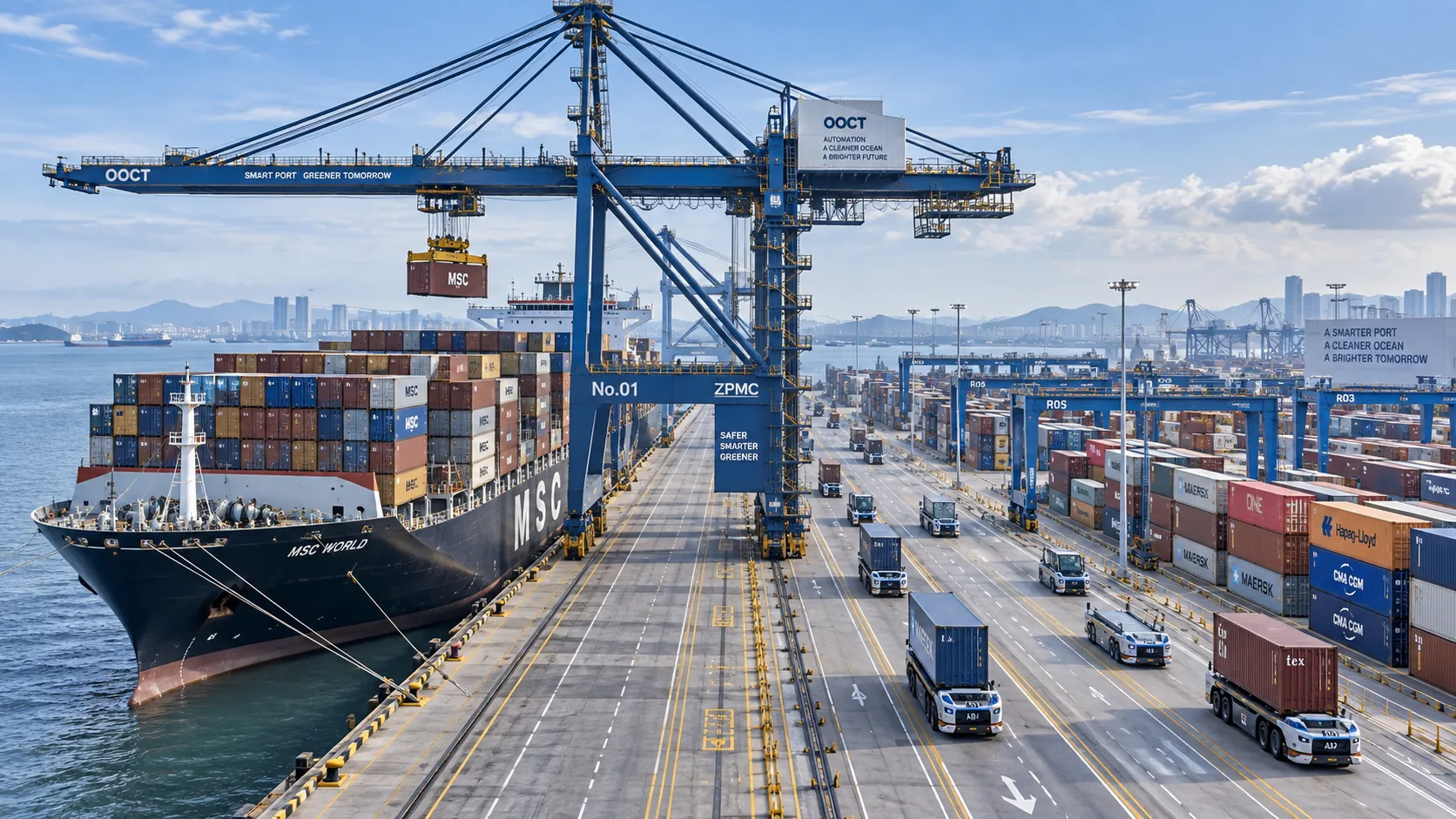
How to Specify a Quay Crane for Container Terminals by Vessel Size and Throughput?
Quay crane for container terminals: learn how to match outreach, lift height, capacity, automation, and cycle performance to vessel size and throughput goals.
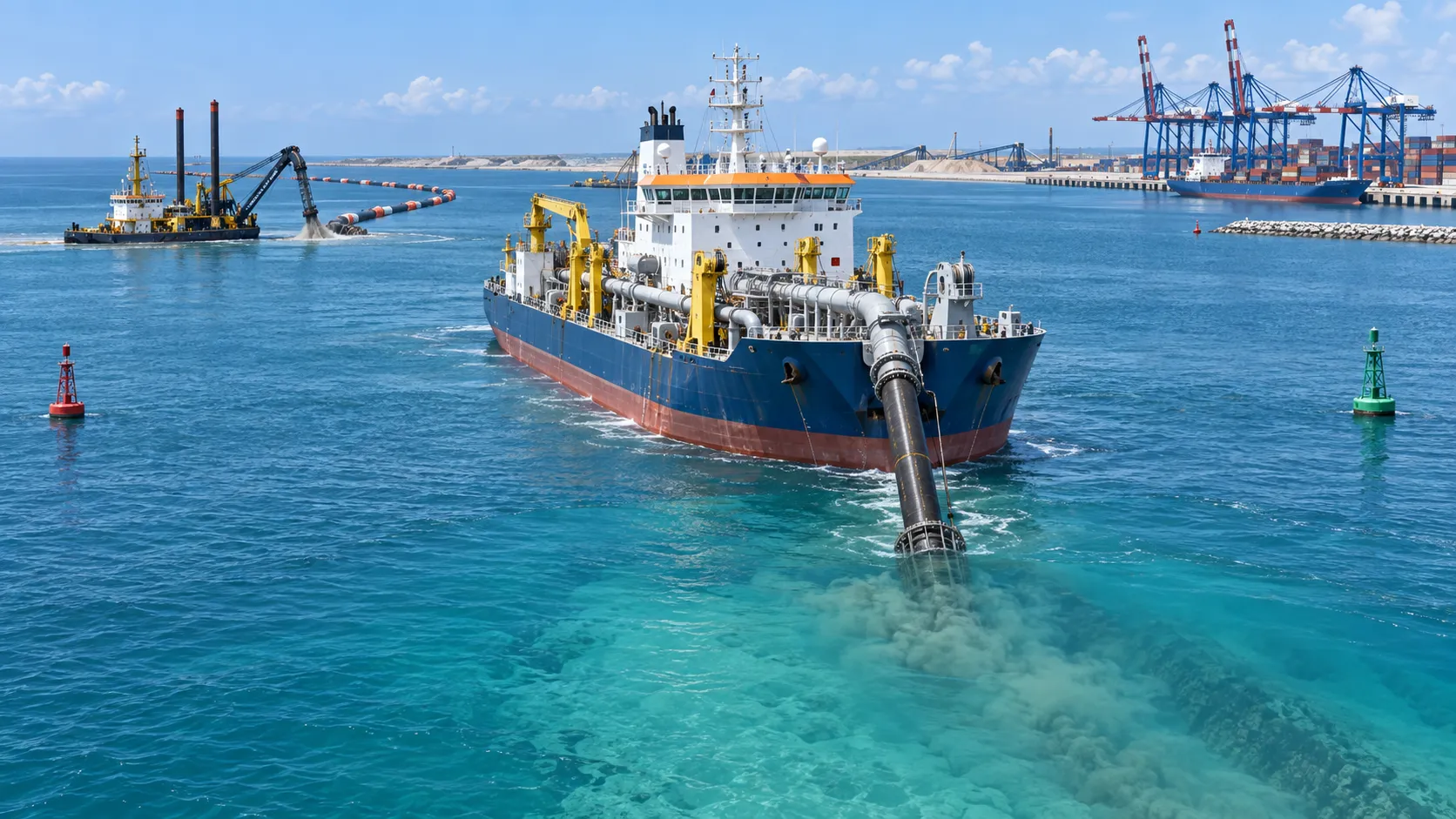
What Dredging Equipment Is Needed for Channel Deepening?
What dredging equipment is needed for channel deepening? Explore dredgers, pipelines, survey tools, and planning strategies for safer, more efficient port access.
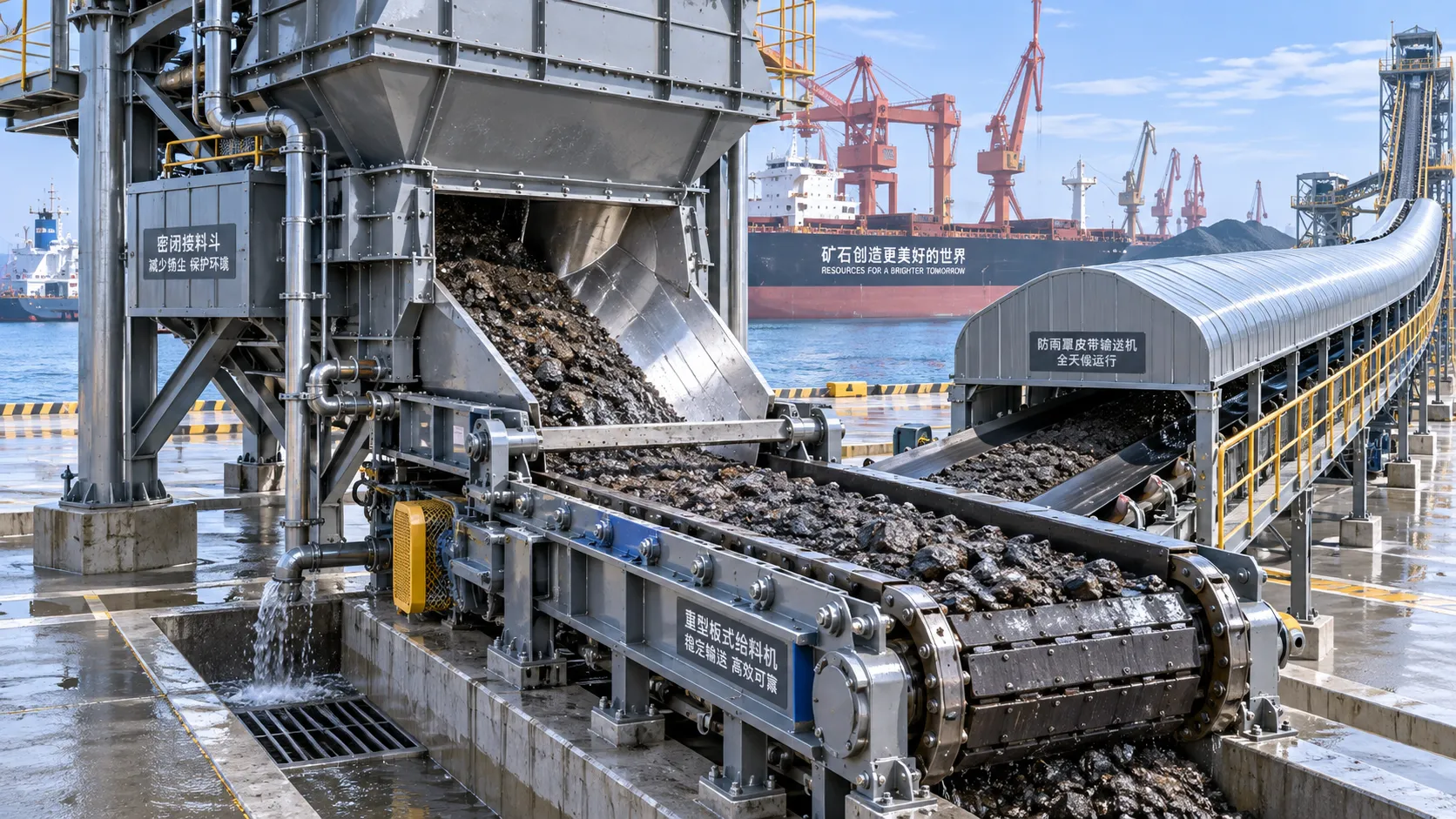
Which Bulk Handling Equipment Suits High-Moisture Cargo?
Which bulk handling equipment suits high-moisture cargo? Compare belt, apron, screw, drag, and slurry systems for reliable flow, less carryback, and higher terminal uptime.
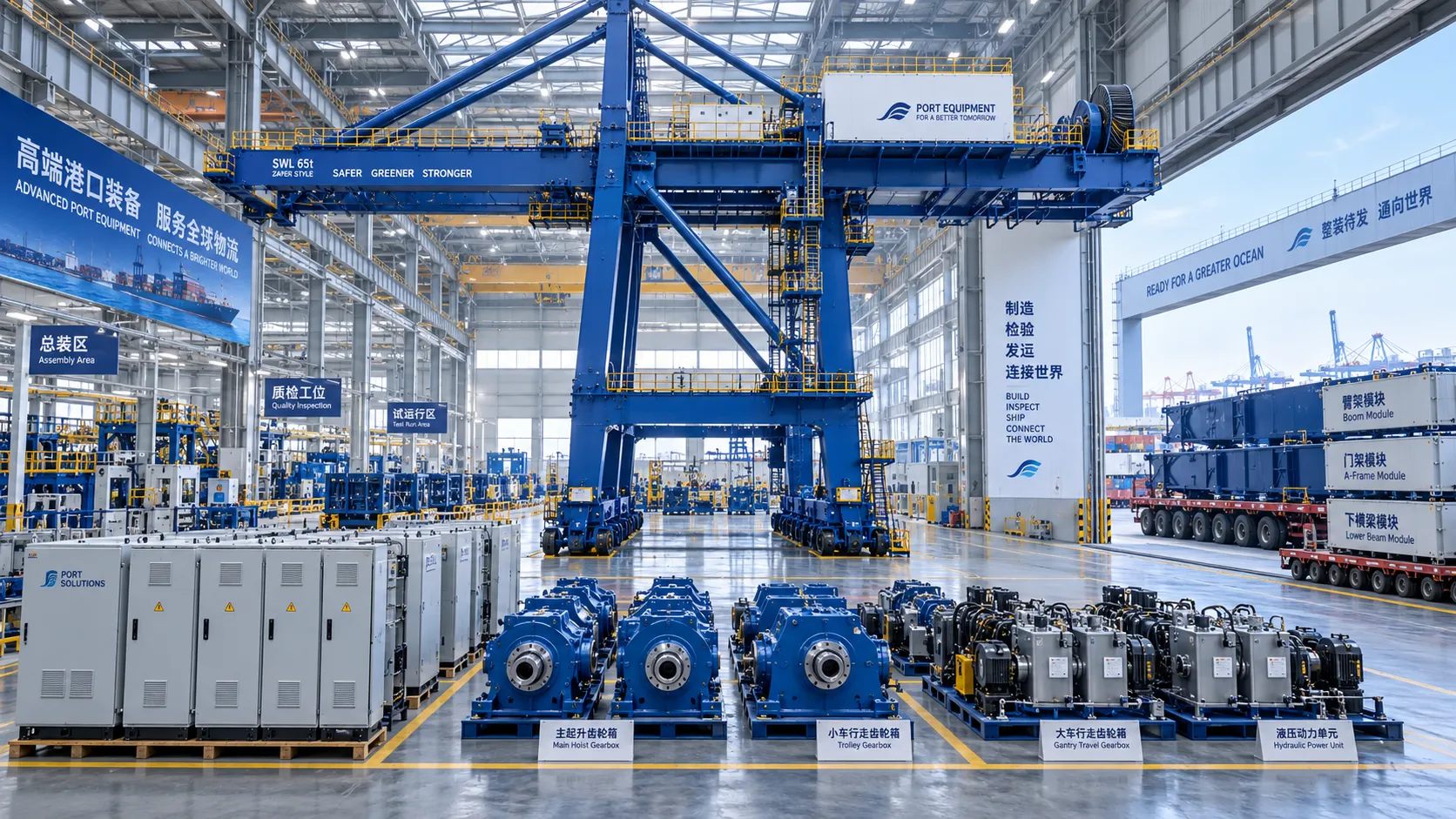
How Can Port Equipment Lead-Time Risk Be Managed?
How can port equipment lead-time risk be managed? Explore practical strategies to control critical paths, suppliers, transport, site readiness, and commissioning delays.
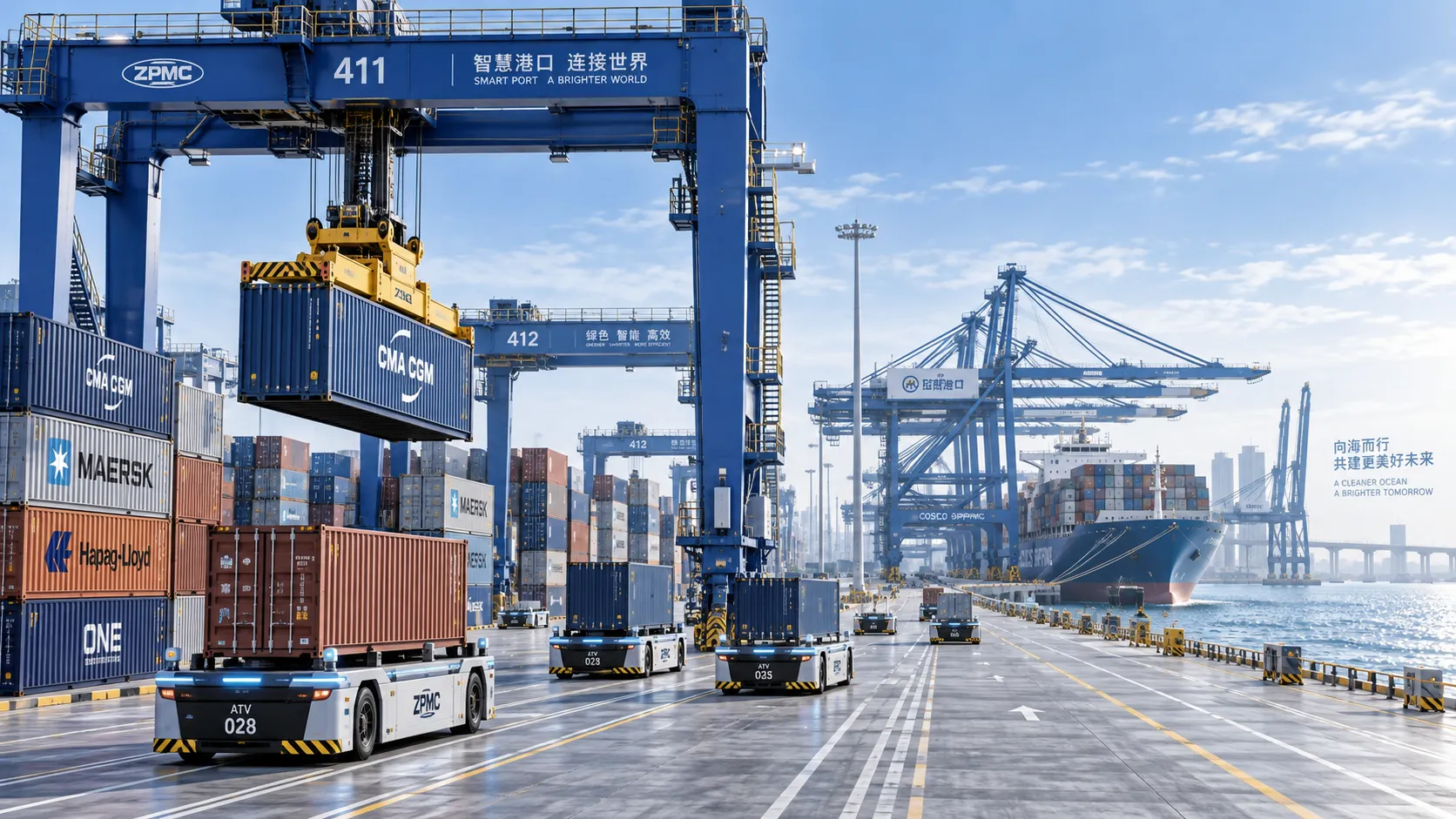
Terminal Automation Technologies That Raise Container Throughput Without Yard Disruption
Terminal automation technology that increases container throughput without disrupting yard flow. Explore smarter integration, resilient workflows, and phased deployment strategies.
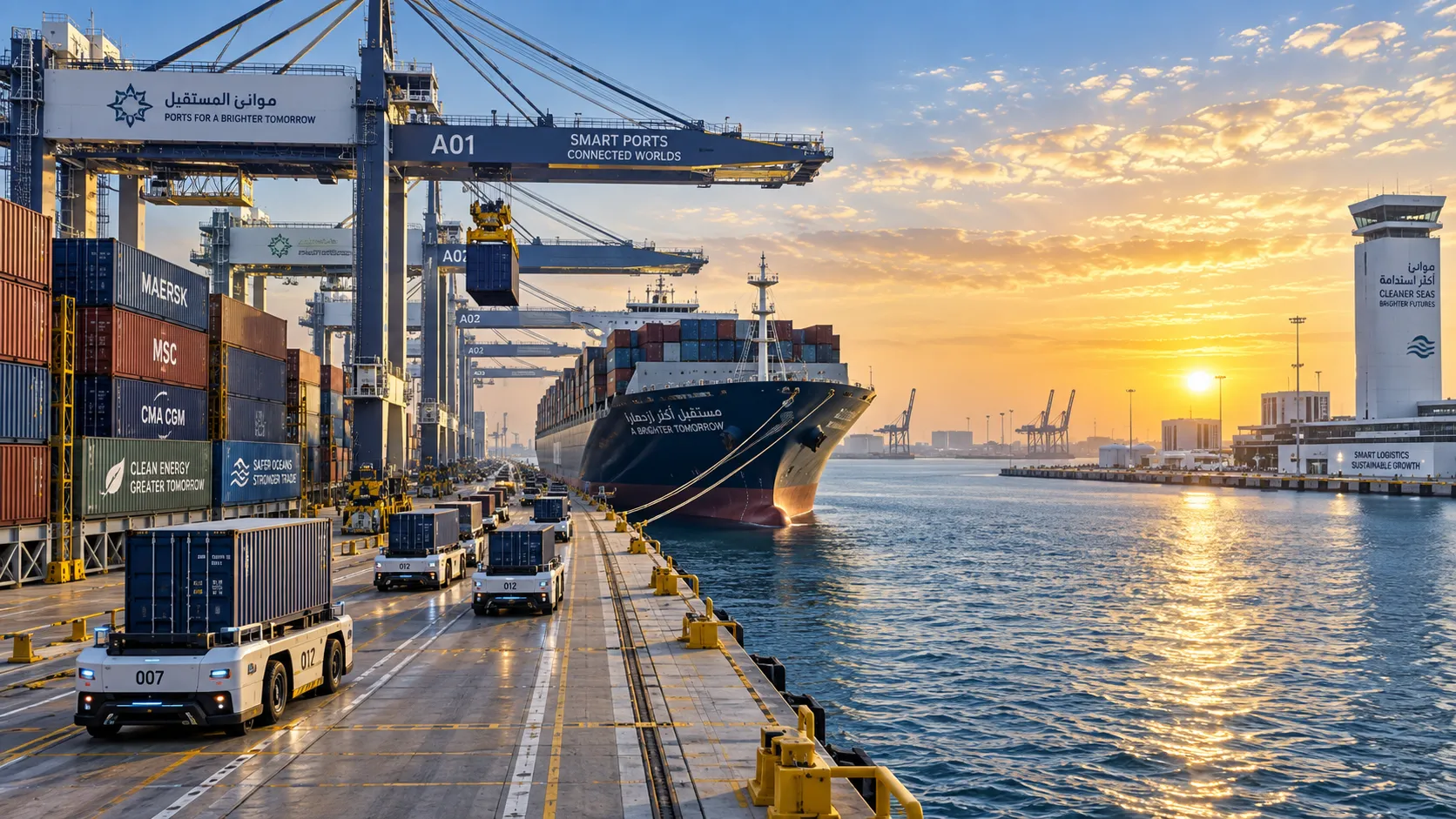
Middle East Port Automation: Key Market Drivers, Projects, and Investment Risks
Port automation systems Middle East: explore market drivers, flagship projects, integration challenges, and investment risks shaping smarter, resilient terminals.
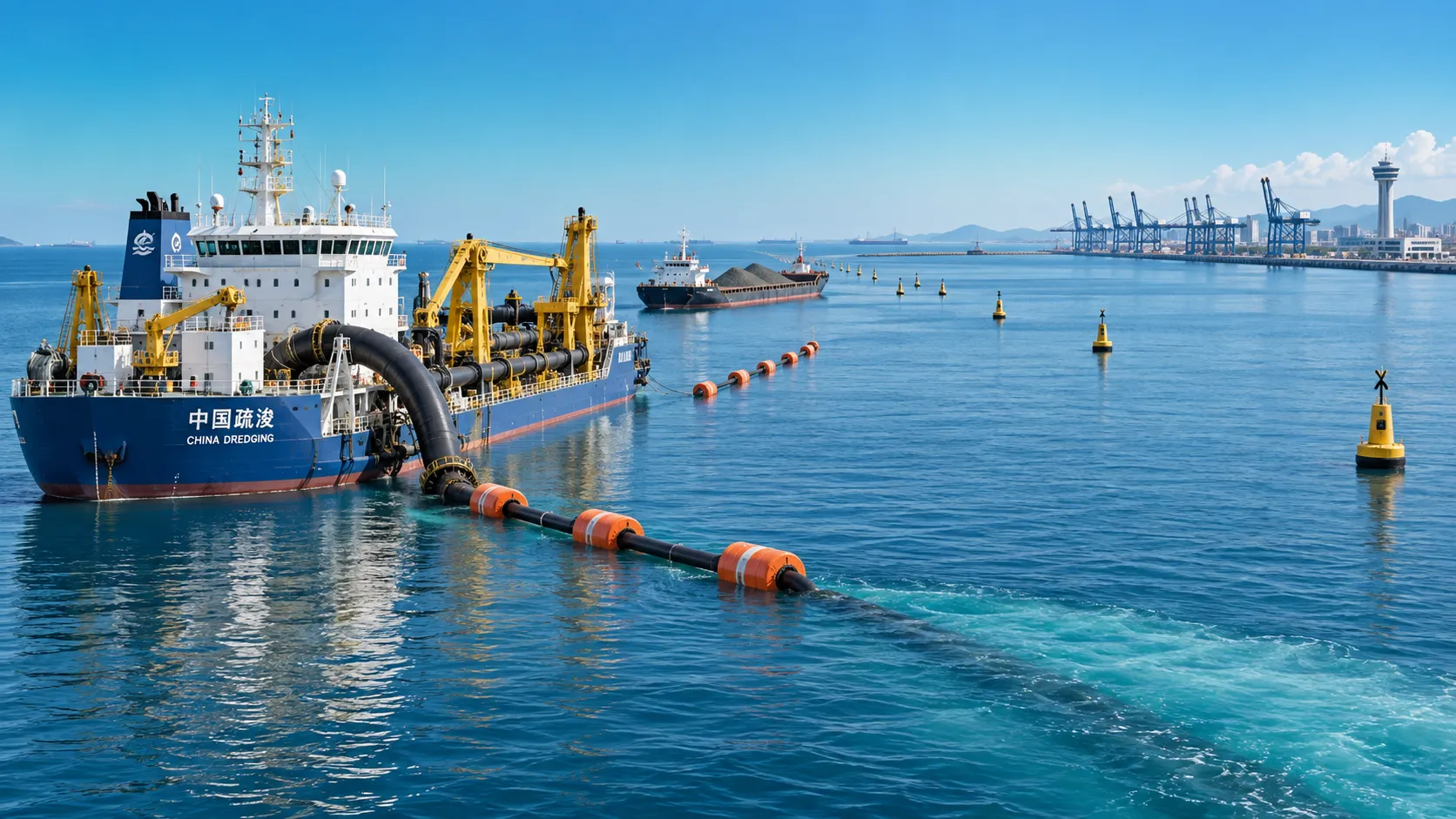
Planning Offshore Dredging Operations: Key Risks, Methods, and Project Controls
Offshore dredging operations demand smart planning. Explore key risks, proven methods, environmental controls, and project strategies for reliable delivery.