Related News
- 00
0000-00
How to Specify a Quay Crane for Container Terminals by Vessel Size and Throughput? - 00
0000-00
Which Bulk Handling Equipment Suits High-Moisture Cargo? - 00
0000-00
Terminal Automation Technologies That Raise Container Throughput Without Yard Disruption - 00
0000-00
Planning Offshore Dredging Operations: Key Risks, Methods, and Project Controls - 00
0000-00
Where Do Automated Guided Vehicles Deliver the Fastest Warehouse Gains in the Middle East?
How to Evaluate Remote-Controlled Cranes in Southeast Asia for Port and Yard Use
Evaluating remote-controlled cranes Southeast Asia operations involves far more than checking rated capacity or unit price. In port and yard environments, performance depends on signal reliability, automation fit, climate resistance, service access, and the crane’s ability to support stable throughput under regional operating pressure.
That is why this topic matters across modern maritime logistics. From container terminals to inland transfer yards, remote operation is increasingly tied to safety targets, labor efficiency, berth productivity, and the broader shift toward digitally coordinated cargo handling.
For platforms such as PS-Nexus, which track heavy terminal gear, control systems, and evolving port intelligence, remote-controlled cranes Southeast Asia represent both a technical asset class and a strategic infrastructure decision.
Why regional conditions change the evaluation logic
A crane that performs well in a dry, highly standardized terminal may face very different demands in Southeast Asia. Coastal humidity, salt exposure, heat, monsoon rainfall, and uneven digital infrastructure all influence real operating results.
Port layouts also vary widely. Some sites handle dense container traffic with advanced TOS integration. Others combine older yard equipment, mixed cargo flows, and staged automation upgrades. The evaluation process must reflect that diversity.
In practical terms, remote-controlled cranes Southeast Asia should be assessed as part of an operating ecosystem. The crane, control room, network, sensing package, maintenance plan, and traffic logic all affect value.
What counts as a remote-controlled crane in port and yard use
The term usually covers quay cranes, rubber-tired gantry cranes, rail-mounted gantry cranes, and specialized yard cranes operated from a remote station rather than an onboard cabin.
Control can be purely remote, semi-automated, or highly automated. Some systems still depend on operator judgment for final positioning. Others combine remote supervision with machine vision, anti-sway control, and job sequencing.
This distinction matters because two cranes may both be marketed as remote-controlled, yet require very different communication architecture, staffing models, and recovery procedures when something interrupts the workflow.
Common operating scenarios
- Quay-side container loading with camera-assisted remote operation
- Yard block handling linked to AGVs or terminal trucks
- Intermodal transfer areas with mixed manual and automated traffic
- Brownfield terminals upgrading from cabin operation in phases
The most important technical benchmarks
The strongest evaluations focus on measurable operating behavior. That means checking how the crane performs in motion, how quickly it responds, how reliably it communicates, and how clearly it presents situational awareness to the operator.
Communication stability and latency
For remote-controlled cranes Southeast Asia, network quality is not a secondary item. It is foundational. Even short signal interruptions can reduce cycle confidence, slow trolley motion, or trigger protective states that disrupt yard flow.
Evaluation should cover end-to-end latency, packet loss tolerance, failover behavior, and performance during peak traffic. It is also worth checking whether the system supports private LTE, industrial Wi-Fi, or hybrid redundancy.
Control precision and operator visibility
Remote operation depends on camera placement, depth perception, image refresh quality, and intuitive screen layout. A crane can meet mechanical specifications yet still underperform if the operator cannot judge spreader position quickly and accurately.
Look closely at anti-sway behavior, zoom switching, blind spot management, and alarm design. In busy yards, poor visual design becomes an operational risk long before it becomes an equipment fault.
Automation compatibility
Many terminal operators are not buying a standalone crane. They are buying a platform that must connect to TOS logic, OCR gates, yard management systems, fleet dispatch, and future automation layers.
PS-Nexus regularly highlights this systems perspective. In the field, remote-controlled cranes Southeast Asia are often judged by how well they fit evolving scheduling logic, not just current lifting tasks.
Durability in tropical ports and exposed yards
Tropical durability is often underestimated during early comparison. Yet for remote-controlled cranes Southeast Asia, climate exposure affects sensors, connectors, electrical cabinets, brakes, coatings, cooling performance, and camera clarity.
A useful review should include corrosion class, sealing protection, cable routing, condensation control, and heat dissipation under sustained operation. These details may seem routine, but they heavily influence downtime patterns after deployment.
Storm readiness is another point. Wind thresholds, emergency stop logic, lightning protection, and restart procedures should all be reviewed in site-specific terms rather than generic catalog language.
Maintenance access matters as much as innovation
Advanced control features bring value only when the maintenance model is realistic. In some ports, local service depth is strong. In others, specialist intervention can take time, especially for software, sensor alignment, or proprietary electronic modules.
That makes maintainability a major filter for remote-controlled cranes Southeast Asia. The right question is not whether failures can be fixed. It is how quickly the site can restore stable cycles without prolonged disruption.
Points worth checking early
- Availability of regional parts inventory
- Remote diagnostics and software support capability
- Training requirements for electrical and controls teams
- Clarity of fault logs and maintenance documentation
- Interchangeability of common wear components
How to compare value beyond purchase price
Shortlisted cranes often appear similar when viewed through capital expenditure alone. The more useful comparison looks at cycle consistency, operator productivity, incident exposure, maintenance burden, and the cost of integrating with future control architecture.
A lower-price crane may become expensive if it requires frequent communication tuning, imported spare modules, or extra staffing to manage degraded remote workflows. Conversely, a higher initial cost may pay back through steadier utilization.
This is especially relevant where ports are pushing for smarter operations, lower emissions, and better asset synchronization. The crane should support broader terminal efficiency, not operate as an isolated machine.
A practical evaluation sequence
A structured review usually delivers better decisions than a feature-by-feature checklist. The aim is to connect technical evidence with the exact yard or berth conditions where the crane will work.
Recommended sequence
- Define the intended duty cycle, cargo pattern, and automation roadmap
- Review communication architecture under realistic site constraints
- Test remote visibility, response behavior, and operator workload
- Assess durability against heat, salinity, moisture, and storm exposure
- Map service response, parts support, and software maintenance pathways
- Compare lifecycle value using uptime and integration assumptions
For remote-controlled cranes Southeast Asia, this sequence keeps attention on operational fit. It also helps separate promotional claims from conditions that can be validated before procurement or retrofit decisions move forward.
Where to focus next
The next step is usually to turn broad interest into a site-based comparison standard. That means listing non-negotiable performance thresholds, identifying integration dependencies, and deciding which risks are acceptable during phased deployment.
As PS-Nexus continues tracking port automation, low-latency control systems, and heavy terminal equipment trends, the most reliable evaluations remain grounded in operational detail. Remote-controlled cranes Southeast Asia should be judged by how well they sustain safe, connected, and efficient cargo movement in real regional conditions.
A clear benchmark matrix, a realistic pilot scope, and careful review of service depth will usually produce a stronger decision than headline specifications alone. That is the point where technical assessment becomes useful business judgment.
Related News
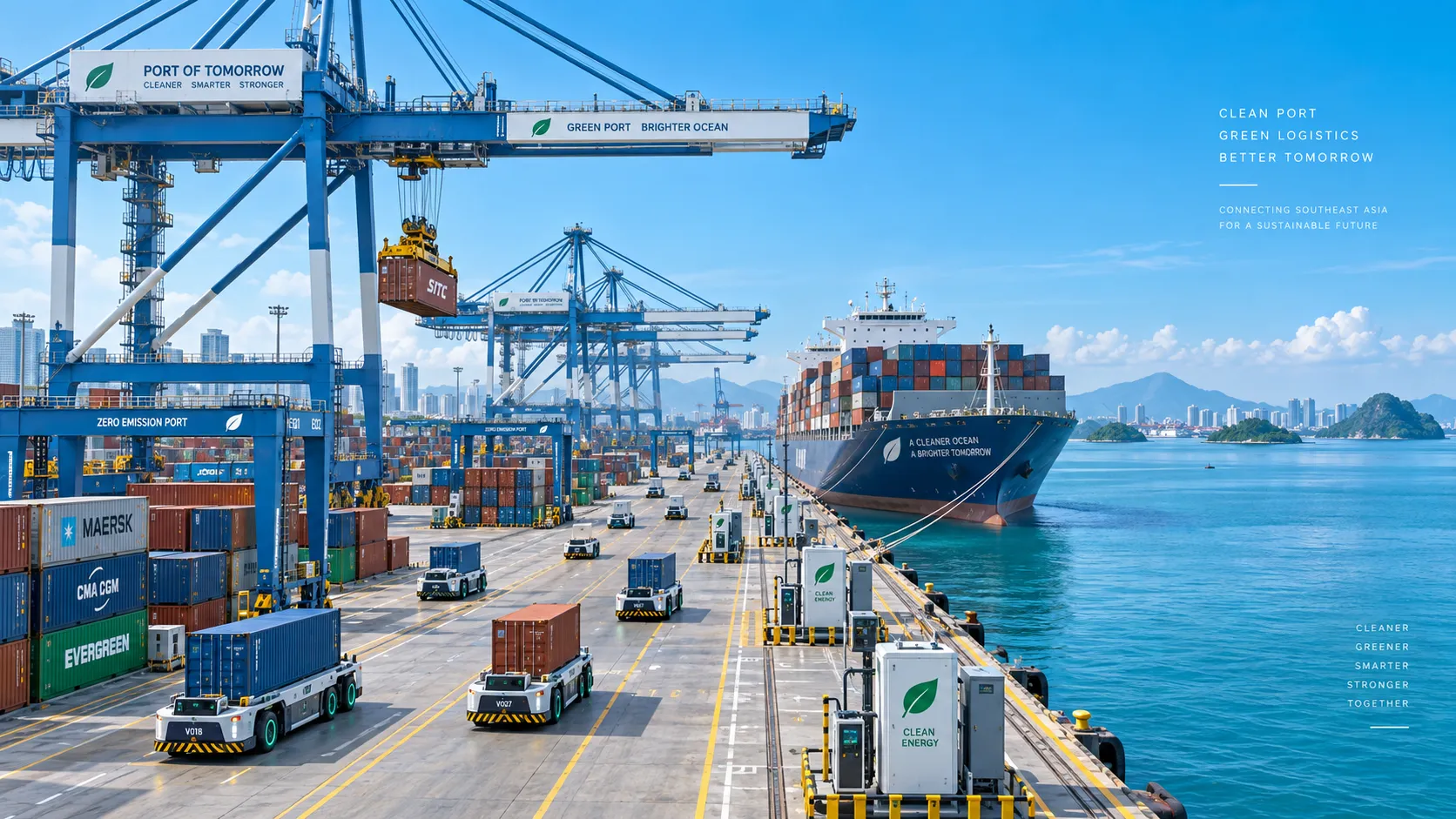
Smart Port Systems in Southeast Asia: Investment Priorities and Adoption Barriers
Smart port systems Southeast Asia: discover investment priorities, adoption barriers, and practical steps to build resilient, connected, high-performing terminals.

How to Evaluate Terminal Efficiency Solution Suppliers for High-Throughput Operations
Choose a terminal efficiency solutions supplier with confidence. Explore proven criteria for throughput, integration, lifecycle cost, safety, and reliable delivery.
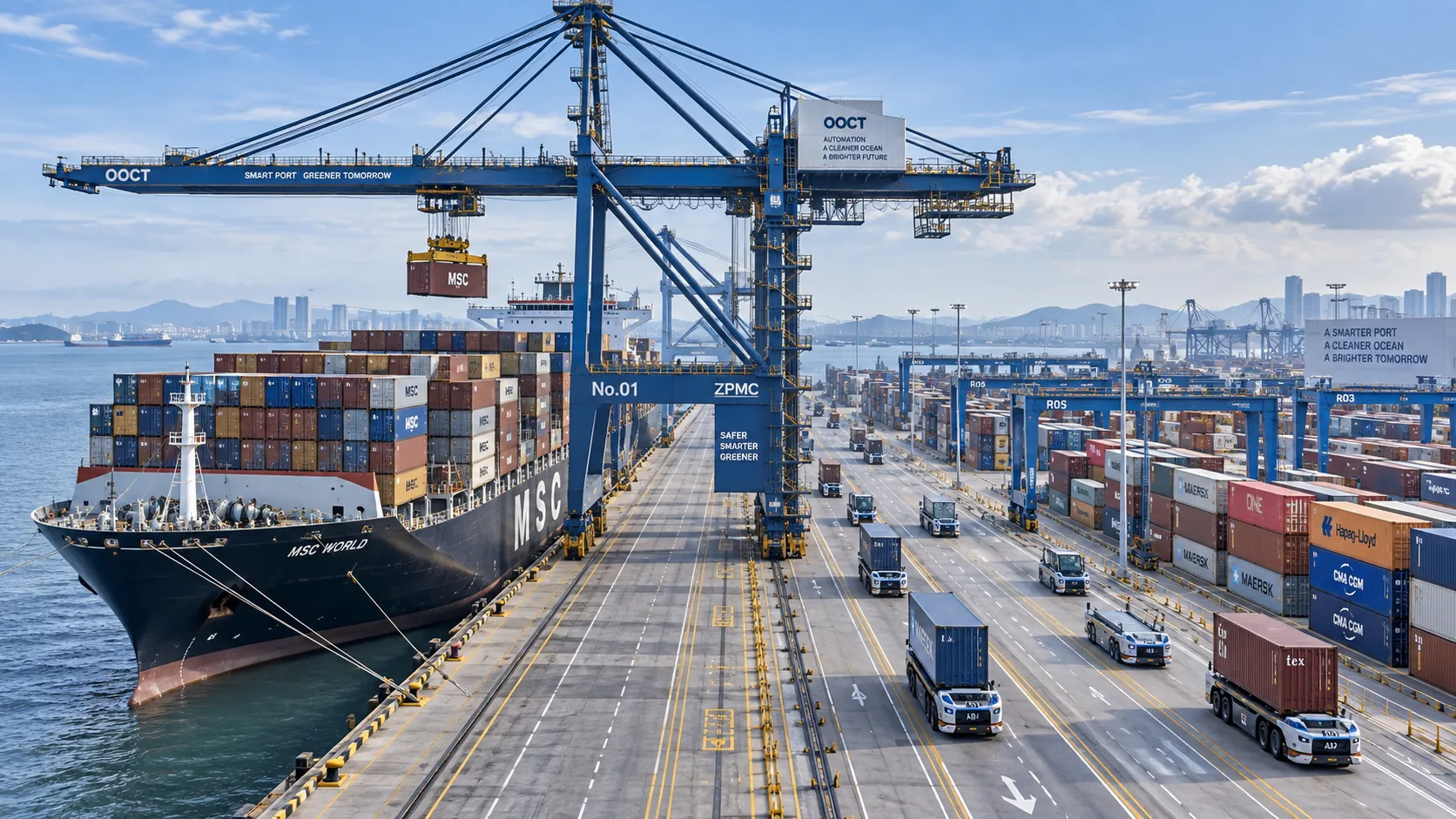
How to Specify a Quay Crane for Container Terminals by Vessel Size and Throughput?
Quay crane for container terminals: learn how to match outreach, lift height, capacity, automation, and cycle performance to vessel size and throughput goals.
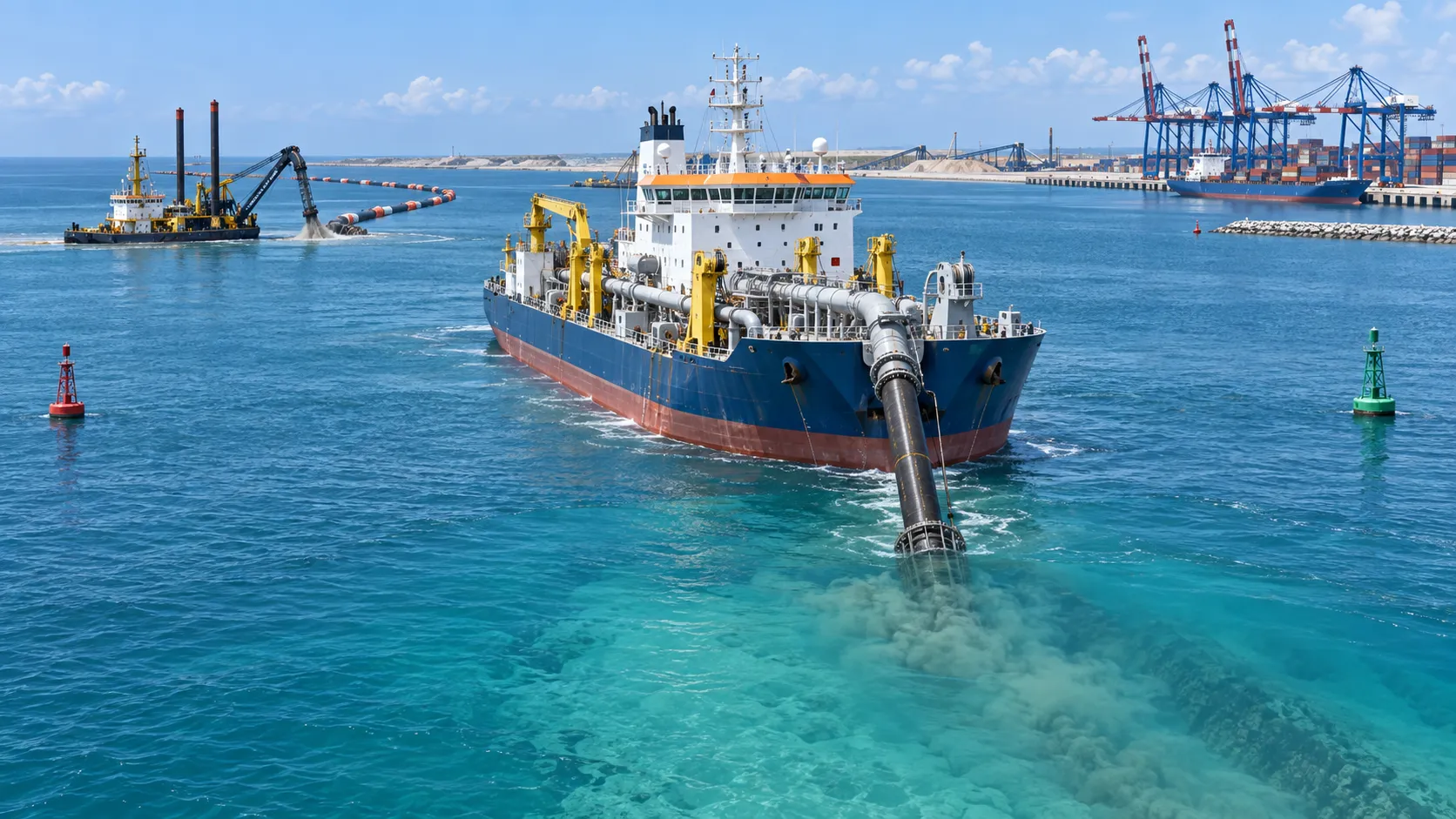
What Dredging Equipment Is Needed for Channel Deepening?
What dredging equipment is needed for channel deepening? Explore dredgers, pipelines, survey tools, and planning strategies for safer, more efficient port access.
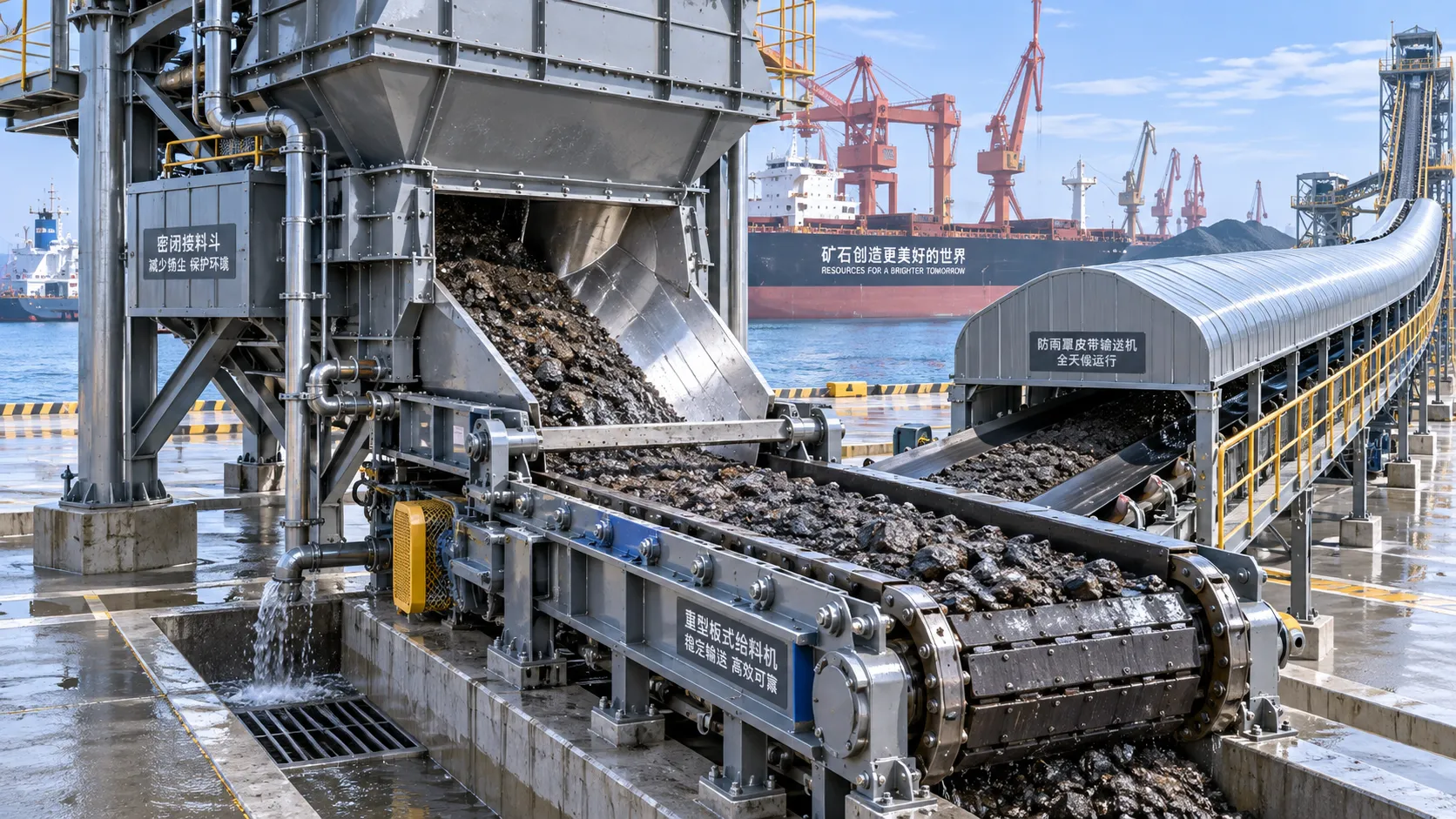
Which Bulk Handling Equipment Suits High-Moisture Cargo?
Which bulk handling equipment suits high-moisture cargo? Compare belt, apron, screw, drag, and slurry systems for reliable flow, less carryback, and higher terminal uptime.
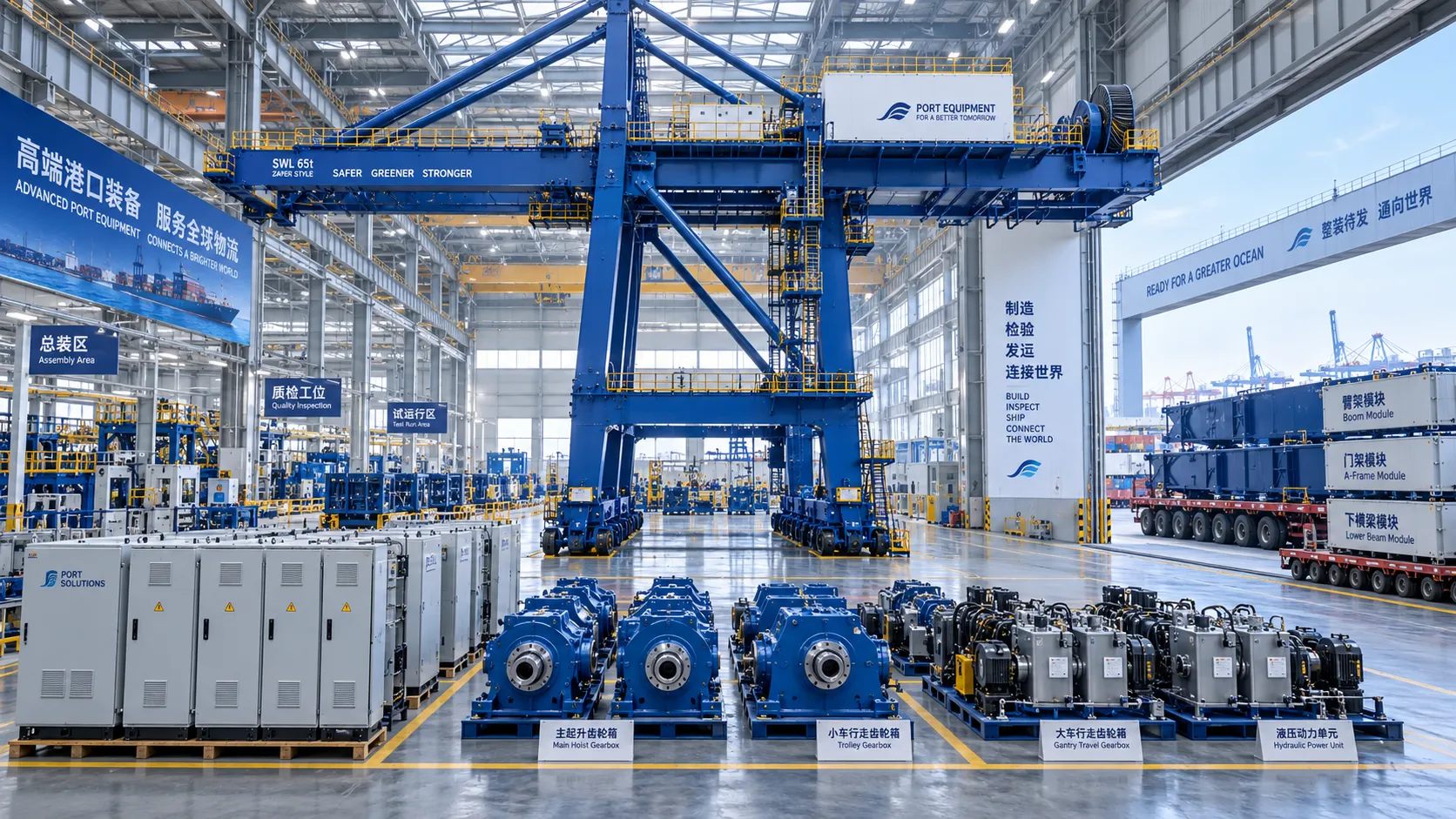
How Can Port Equipment Lead-Time Risk Be Managed?
How can port equipment lead-time risk be managed? Explore practical strategies to control critical paths, suppliers, transport, site readiness, and commissioning delays.
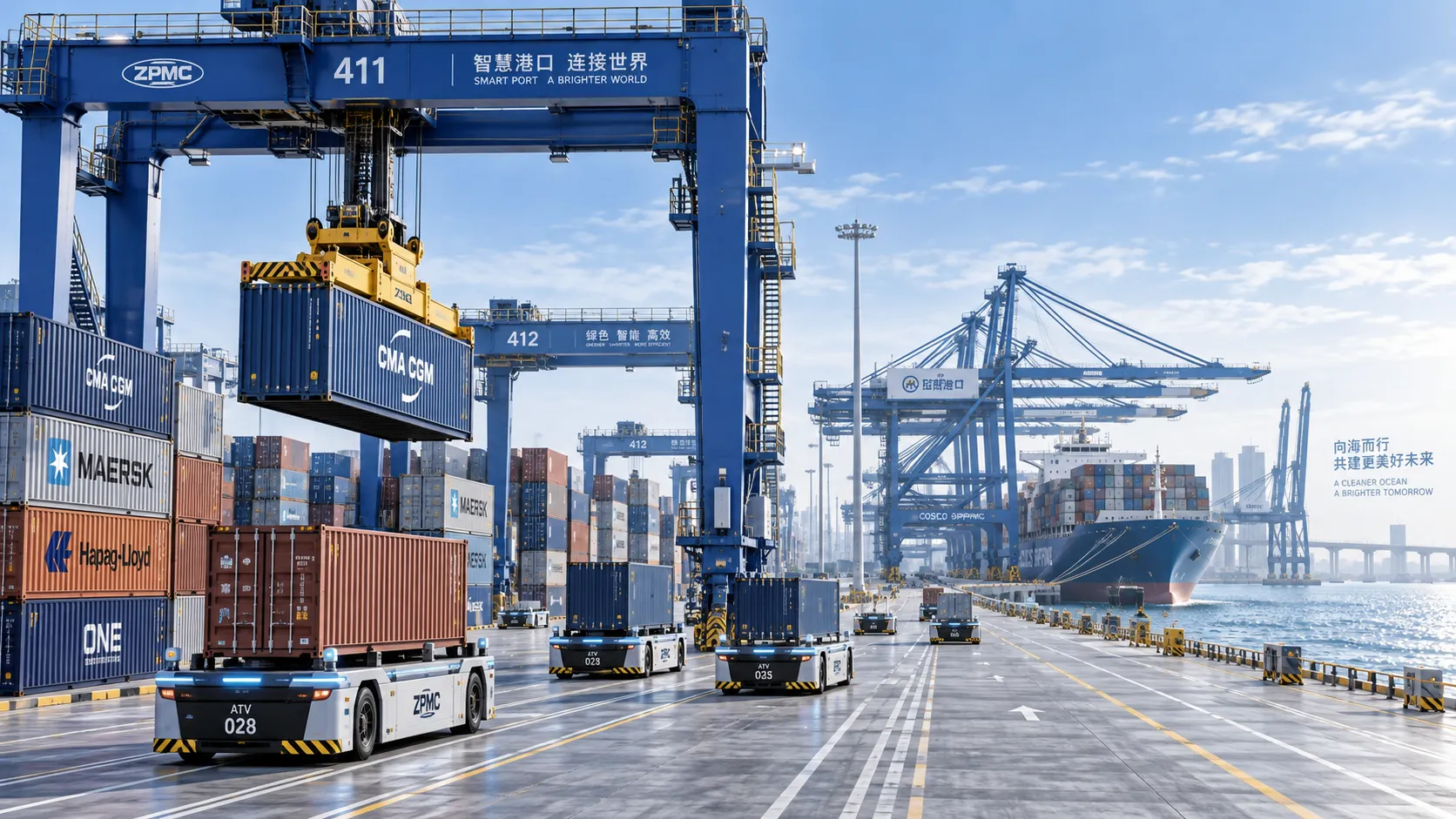
Terminal Automation Technologies That Raise Container Throughput Without Yard Disruption
Terminal automation technology that increases container throughput without disrupting yard flow. Explore smarter integration, resilient workflows, and phased deployment strategies.
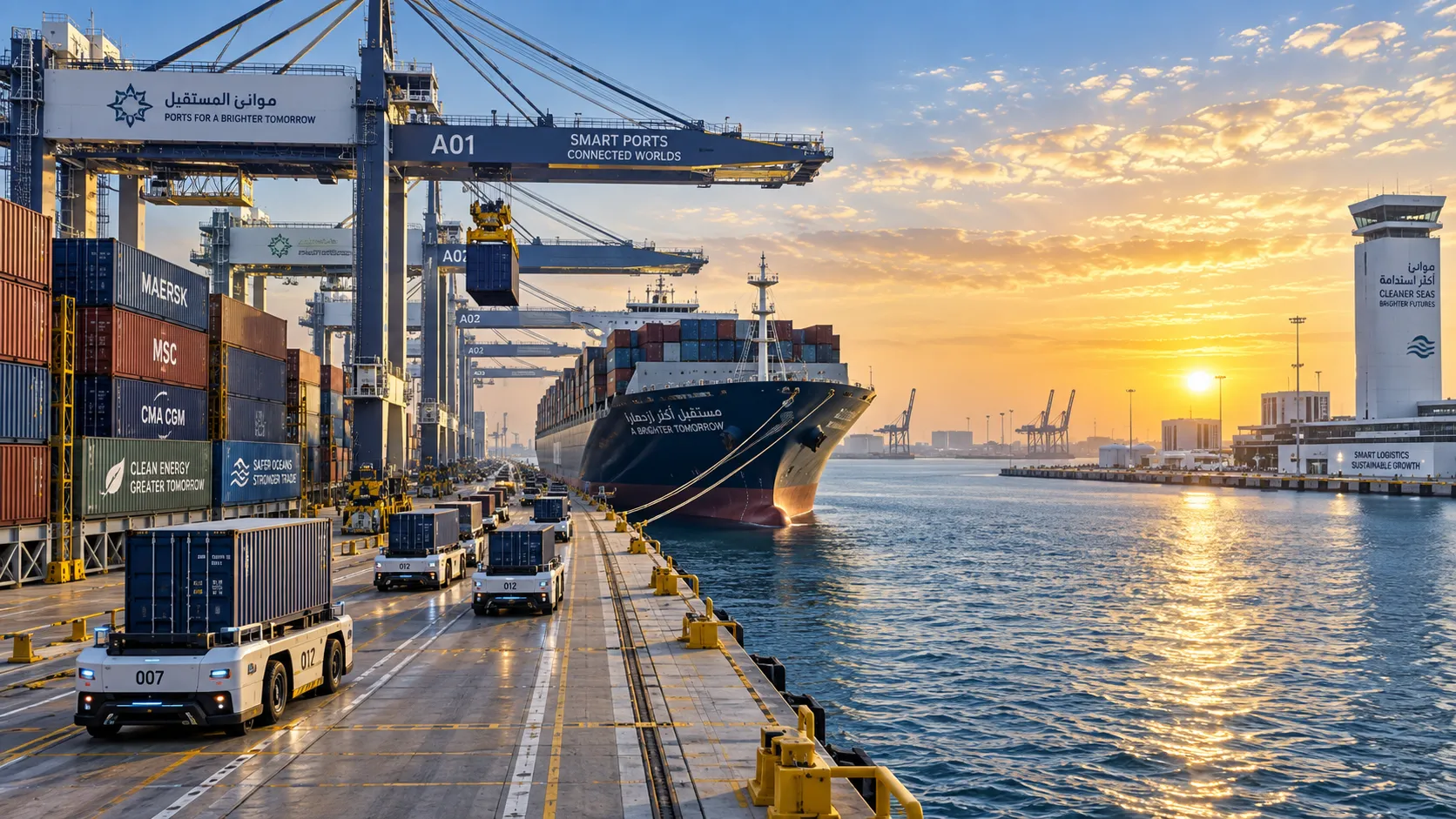
Middle East Port Automation: Key Market Drivers, Projects, and Investment Risks
Port automation systems Middle East: explore market drivers, flagship projects, integration challenges, and investment risks shaping smarter, resilient terminals.
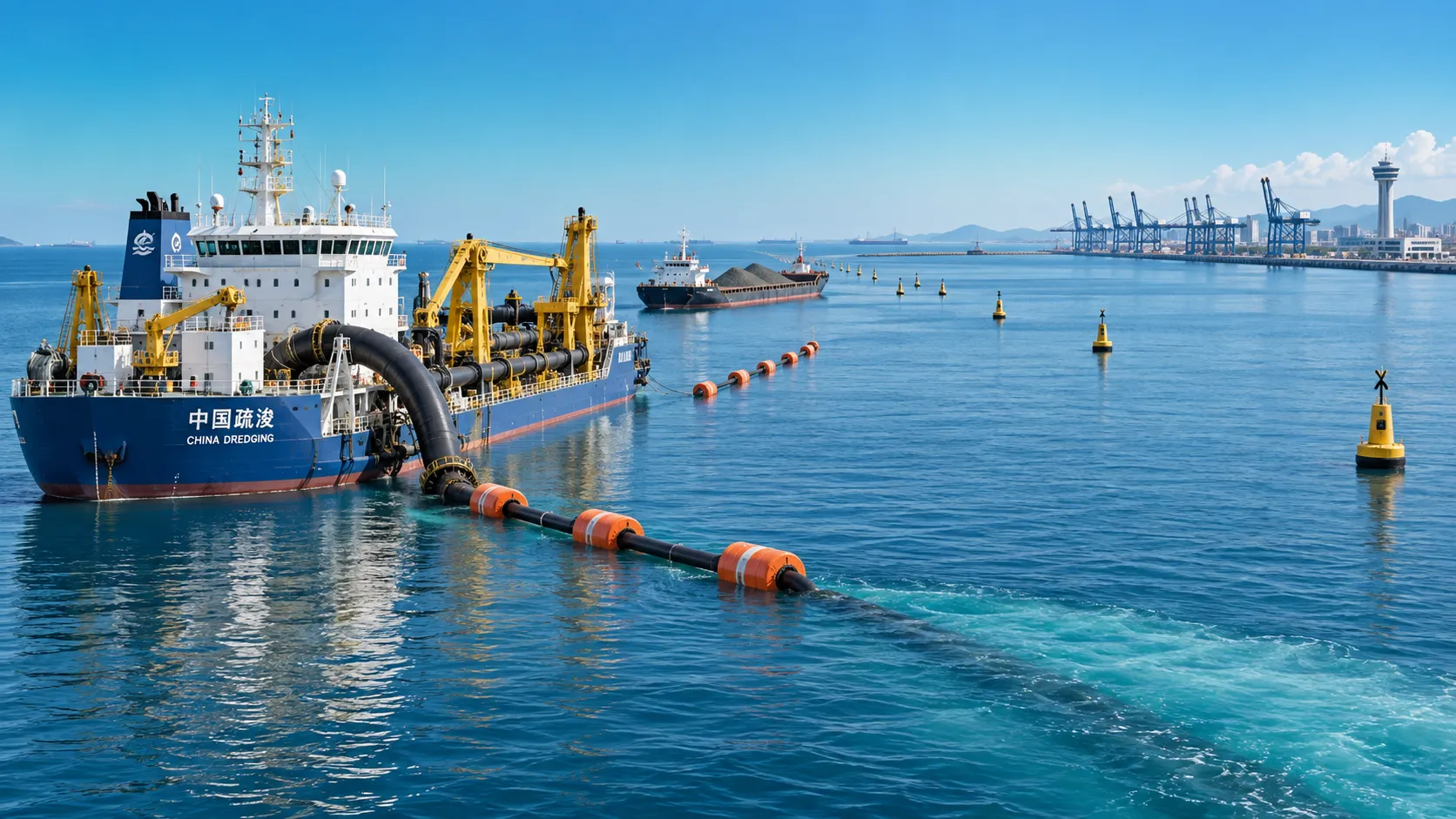
Planning Offshore Dredging Operations: Key Risks, Methods, and Project Controls
Offshore dredging operations demand smart planning. Explore key risks, proven methods, environmental controls, and project strategies for reliable delivery.