Related News
- 00
0000-00
How to Specify a Quay Crane for Container Terminals by Vessel Size and Throughput? - 00
0000-00
Which Bulk Handling Equipment Suits High-Moisture Cargo? - 00
0000-00
Terminal Automation Technologies That Raise Container Throughput Without Yard Disruption - 00
0000-00
Planning Offshore Dredging Operations: Key Risks, Methods, and Project Controls - 00
0000-00
Where Do Automated Guided Vehicles Deliver the Fastest Warehouse Gains in the Middle East?
Marine Engineering Equipment for Offshore Projects: Types, Functions, and Limits
Choosing marine engineering equipment offshore is rarely a procurement detail. It shapes schedule reliability, installation quality, safety exposure, and the ability to keep an offshore project commercially viable under changing sea conditions.
That matters even more now, because offshore work increasingly connects with port automation, dredging, coastal expansion, and terminal logistics. Equipment decisions made upstream often affect lifting windows, vessel coordination, sediment handling, and downstream trade efficiency.
Viewed through the lens of PS-Nexus, the topic sits at the intersection of heavy mechanical systems, marine geotechnics, and operational intelligence. In practice, marine engineering equipment offshore is not a single category, but a working system of assets with different limits.
What the category really includes
In offshore projects, equipment is typically grouped by the job it performs in the marine work chain. Some assets move soil, some create access, some lift structures, and some stabilize operations when weather or seabed conditions become less predictable.
This is why marine engineering equipment offshore should be understood functionally rather than by product name alone. A dredger, jack-up barge, floating crane, workboat, ROV, pump system, and control platform may all support one project phase.
The mix depends on water depth, seabed profile, load path, transport distance, environmental restrictions, and interface requirements with terminals or coastal infrastructure.
Main equipment groups
Why the industry is watching this closely
Offshore assets are getting larger, while tolerance for delay is getting smaller. Port-linked energy projects, coastal protection works, land reclamation, and terminal expansion now operate under tighter cost, carbon, and compliance pressure.
As a result, marine engineering equipment offshore is being evaluated less by nominal capacity and more by operational fit. A crane with sufficient rated load can still be the wrong choice if weather downtime destroys the installation sequence.
The same pattern applies in dredging. Pump power alone says little without knowing slurry density, pipeline route, maintenance intervals, and real discharge efficiency over the planned campaign.
PS-Nexus tracks this broader shift clearly. Heavy equipment performance now has to be read alongside control logic, digital monitoring, vessel coordination, and trade-node timing. Offshore execution is becoming part of a larger logistics intelligence problem.
Functions change across project phases
One reason selection becomes difficult is that the required function changes from phase to phase. Early-stage survey and access works do not demand the same fleet structure as foundation installation or seabed improvement.
During site preparation
Survey vessels, positioning systems, dredgers, and support craft dominate this stage. The aim is to understand the seabed, create access, and remove uncertainty before expensive lifting assets arrive.
During structural installation
Lift vessels, barges, piling systems, and mooring support become central. At this point, marine engineering equipment offshore must deliver positional accuracy, lifting stability, and dependable sequencing between marine and landside teams.
During commissioning and maintenance
Monitoring systems, inspection tools, smaller support vessels, and remote diagnostics matter more. Long-term performance often depends on whether the original equipment set can support efficient inspection and intervention later.
The limits that usually decide outcomes
The critical limits are rarely hidden, but they are often underestimated during planning. Most offshore delays can be traced back to a small number of recurring constraints.
- Sea state and weather window availability
- Seabed bearing capacity and geotechnical uncertainty
- Mobilization time and port access restrictions
- Interface mismatch between vessel, crane, and installed component
- Emission controls, noise limits, and turbidity thresholds
- Data latency or poor visibility across remotely managed assets
These limits can compound each other. A narrow tidal window may reduce productive hours, which then increases pressure on deck layout, crew transfer timing, and emergency maintenance readiness.
That is why marine engineering equipment offshore should be assessed as a system with interacting constraints, not as isolated line items on a fleet list.
Where business value is actually created
The direct value of marine engineering equipment offshore is obvious: excavation, lifting, installation, and transport. The larger value appears in reduced rework, tighter schedule control, cleaner handoffs, and better predictability of marine operations.
For terminal-linked projects, this becomes especially important. Dredging campaigns, berth extension, breakwater installation, and access-channel improvement all influence throughput potential later.
A port can invest in advanced cranes and automated yard systems, yet still lose efficiency if offshore enabling works are late or built around mismatched marine equipment assumptions.
This explains why intelligence-led planning is gaining ground. Platforms such as PS-Nexus matter because they connect marine equipment capability with logistics flow, digital control evolution, and long-cycle infrastructure demand.
A practical way to evaluate equipment options
In real projects, the best comparison method is scenario-based. Instead of asking which asset is strongest, ask which asset remains workable under the most likely site restrictions.
Key questions worth testing early
- What is the true operating envelope in expected wave, wind, and current conditions?
- How sensitive is productivity to sediment type, lift geometry, or tidal access?
- Can the asset interface cleanly with survey data, control systems, and remote monitoring tools?
- What contingency exists if a critical vessel or pump train goes offline?
- How much port-side support is required for fueling, spares, and crew rotation?
This approach usually exposes hidden cost better than headline charter rates do. A lower daily rate can become expensive if mobilization is slow, maintenance is frequent, or productivity collapses outside ideal conditions.
Digital control is becoming part of the equipment decision
The offshore sector is moving closer to the logic already seen in advanced terminals. Equipment value now includes how well an asset communicates, reports, and integrates with planning tools.
For dredging and installation campaigns, live pump data, positioning accuracy, remote diagnostics, and low-latency communications can materially improve execution. They support better shift planning, earlier fault detection, and cleaner reporting to stakeholders.
That is especially relevant where marine engineering equipment offshore supports wider supply-chain goals, including smarter port access, lower emissions, and coordinated construction around active trade routes.
What to review before the next decision
A useful next step is to map equipment needs against project phase, site condition, and operational limit. That creates a clearer view than reviewing brochures or capacity tables in isolation.
It also helps to compare marine engineering equipment offshore across three layers: physical capability, environmental tolerance, and digital visibility. Gaps usually appear in the second and third layers first.
Where uncertainty remains high, the better move is often to refine the operating scenario, not simply enlarge the asset. Offshore performance depends on fit, coordination, and constraint management more than on nominal size alone.
For teams following offshore construction, dredging, and port-linked marine works, the strongest decisions come from combining equipment knowledge with live market intelligence, control-system trends, and realistic site limits. That is the point where planning becomes durable.
Related News
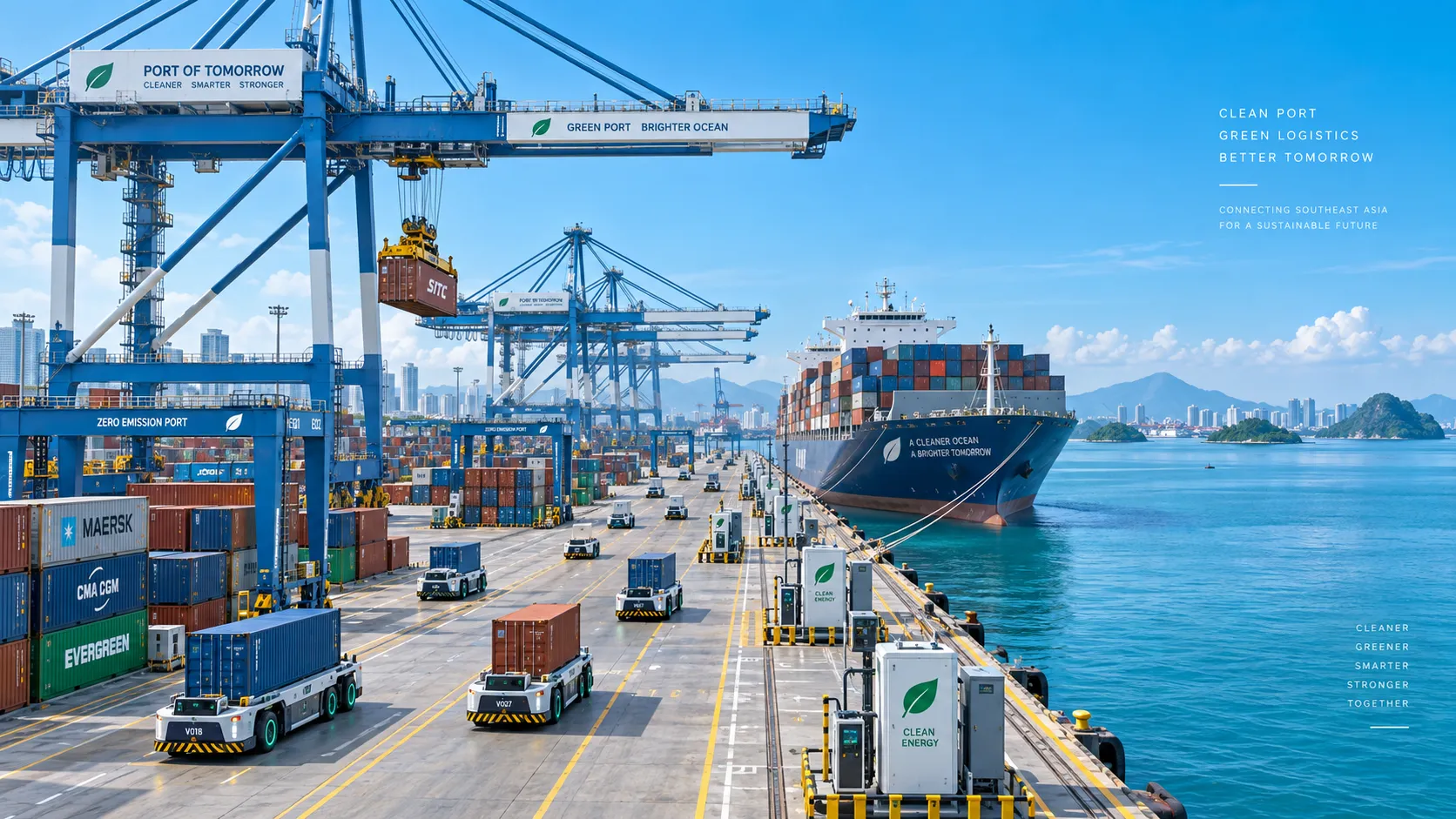
Smart Port Systems in Southeast Asia: Investment Priorities and Adoption Barriers
Smart port systems Southeast Asia: discover investment priorities, adoption barriers, and practical steps to build resilient, connected, high-performing terminals.
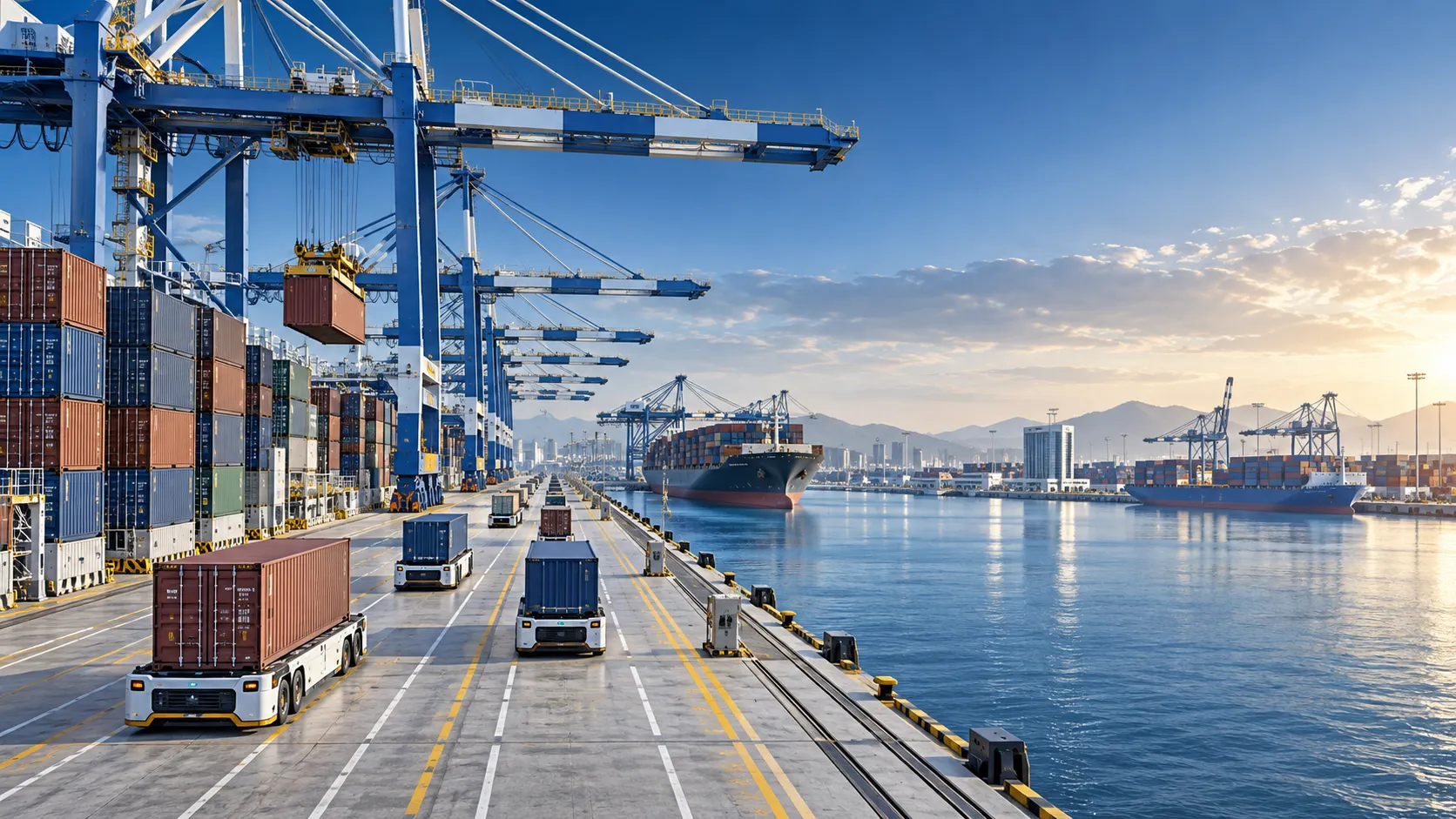
How to Evaluate Terminal Efficiency Solution Suppliers for High-Throughput Operations
Choose a terminal efficiency solutions supplier with confidence. Explore proven criteria for throughput, integration, lifecycle cost, safety, and reliable delivery.
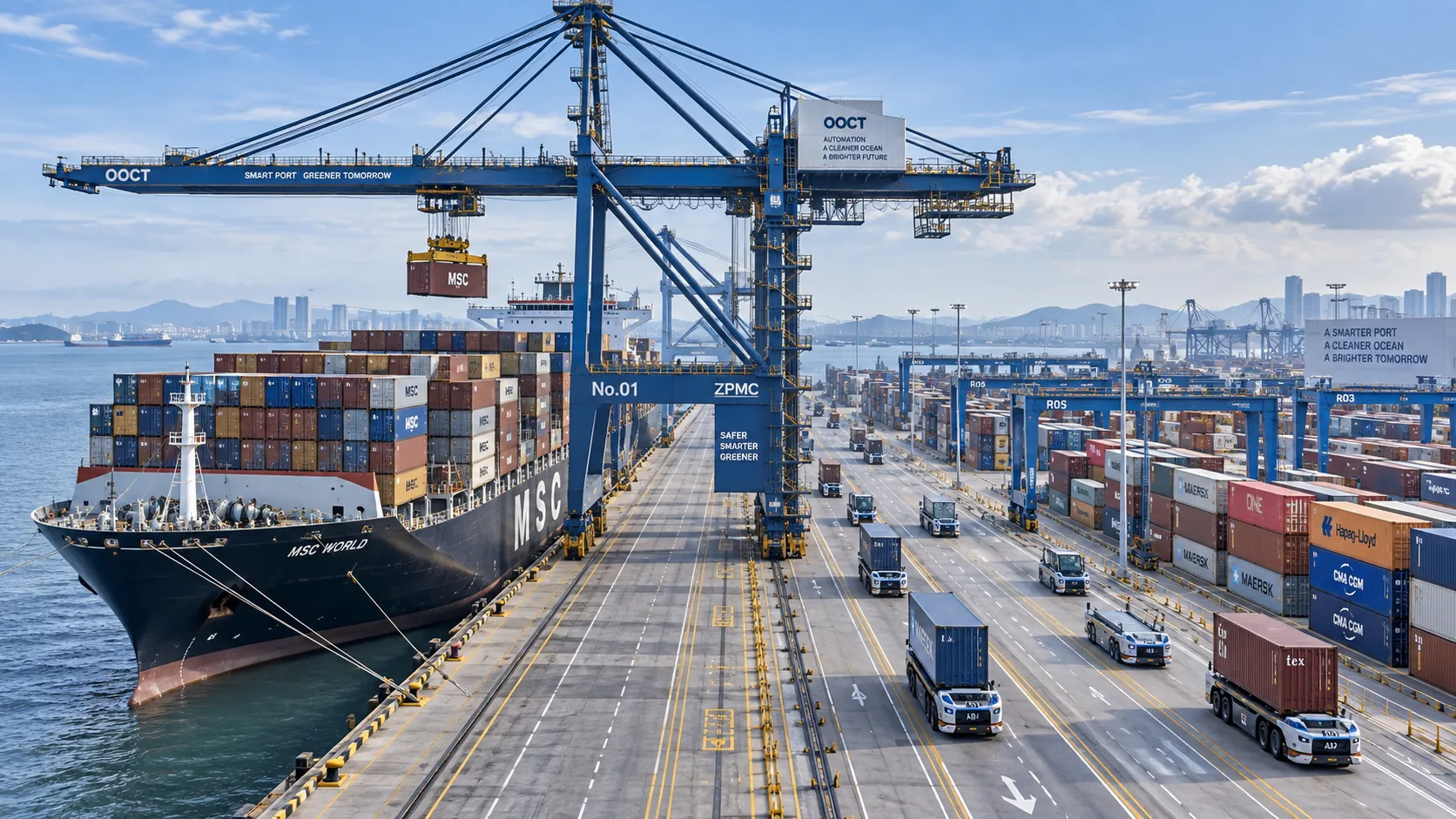
How to Specify a Quay Crane for Container Terminals by Vessel Size and Throughput?
Quay crane for container terminals: learn how to match outreach, lift height, capacity, automation, and cycle performance to vessel size and throughput goals.
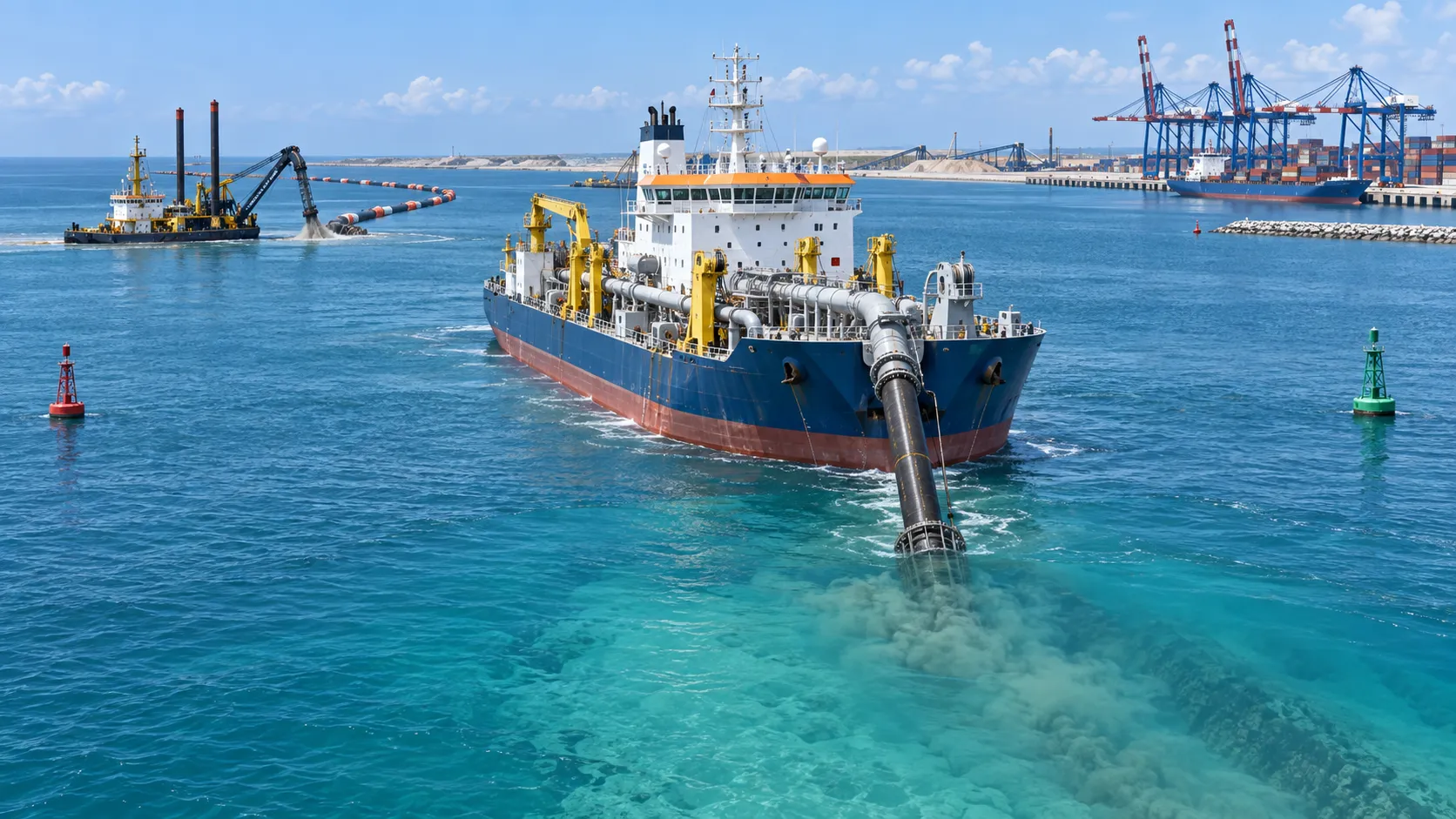
What Dredging Equipment Is Needed for Channel Deepening?
What dredging equipment is needed for channel deepening? Explore dredgers, pipelines, survey tools, and planning strategies for safer, more efficient port access.
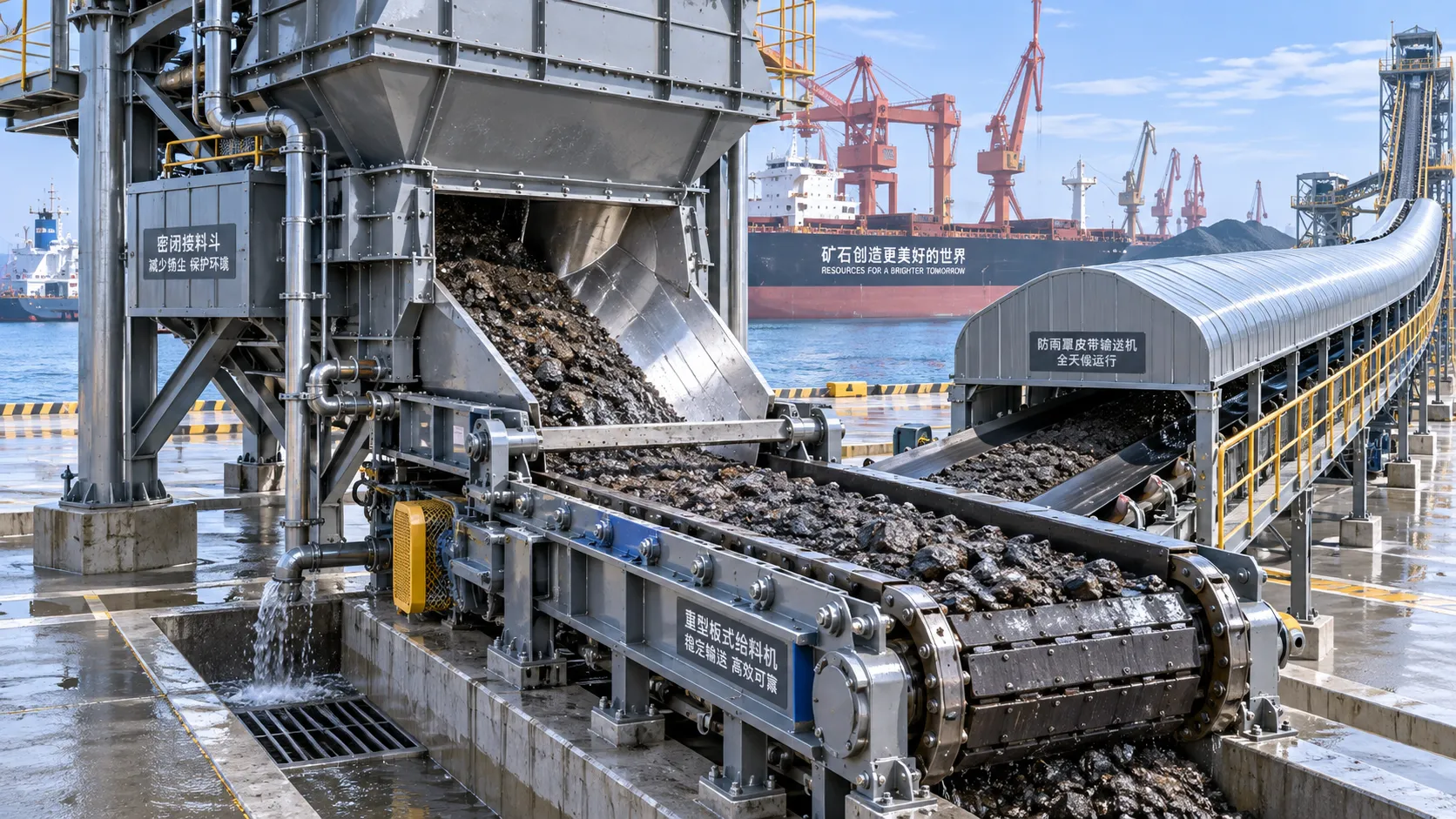
Which Bulk Handling Equipment Suits High-Moisture Cargo?
Which bulk handling equipment suits high-moisture cargo? Compare belt, apron, screw, drag, and slurry systems for reliable flow, less carryback, and higher terminal uptime.
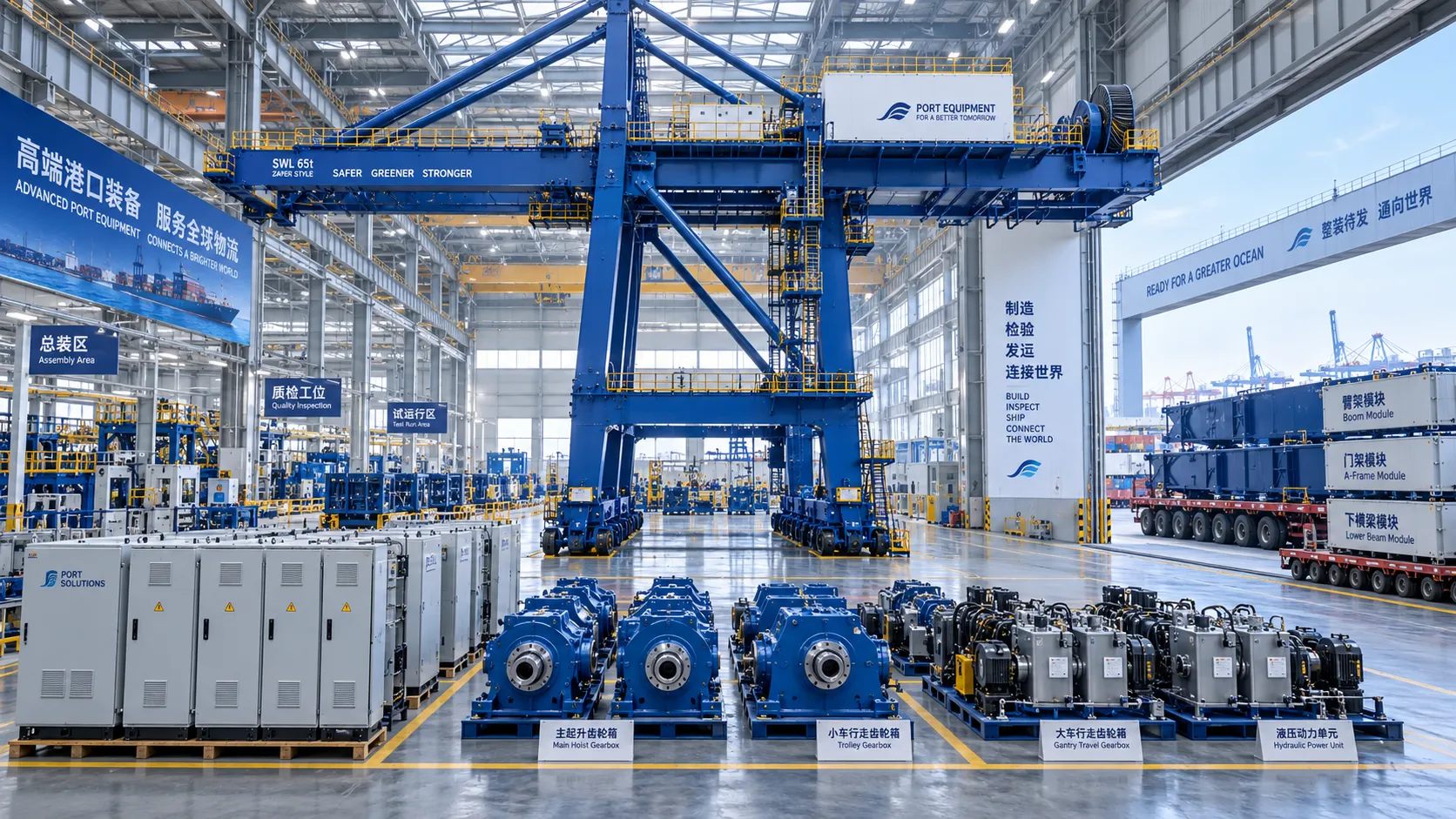
How Can Port Equipment Lead-Time Risk Be Managed?
How can port equipment lead-time risk be managed? Explore practical strategies to control critical paths, suppliers, transport, site readiness, and commissioning delays.
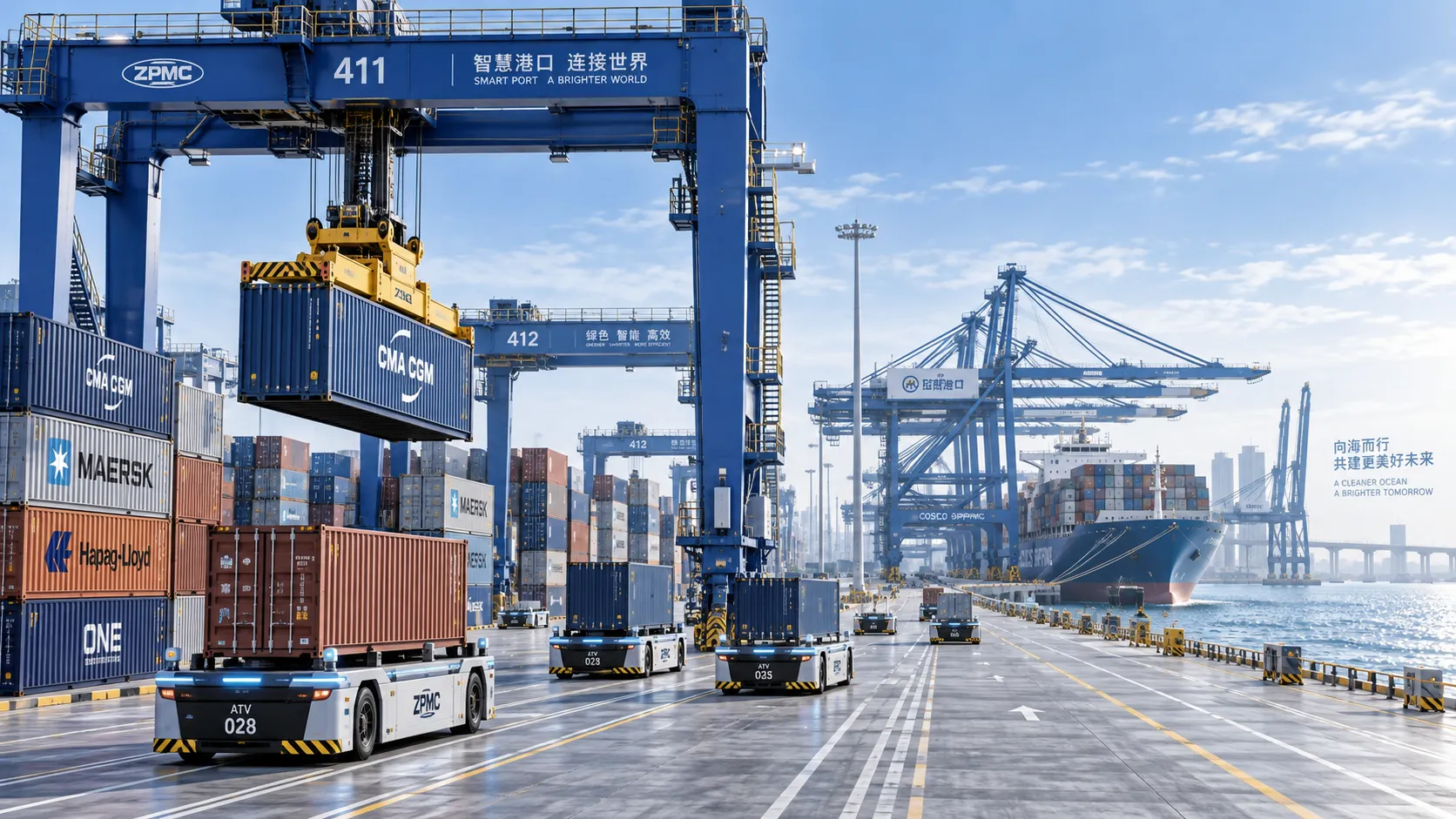
Terminal Automation Technologies That Raise Container Throughput Without Yard Disruption
Terminal automation technology that increases container throughput without disrupting yard flow. Explore smarter integration, resilient workflows, and phased deployment strategies.
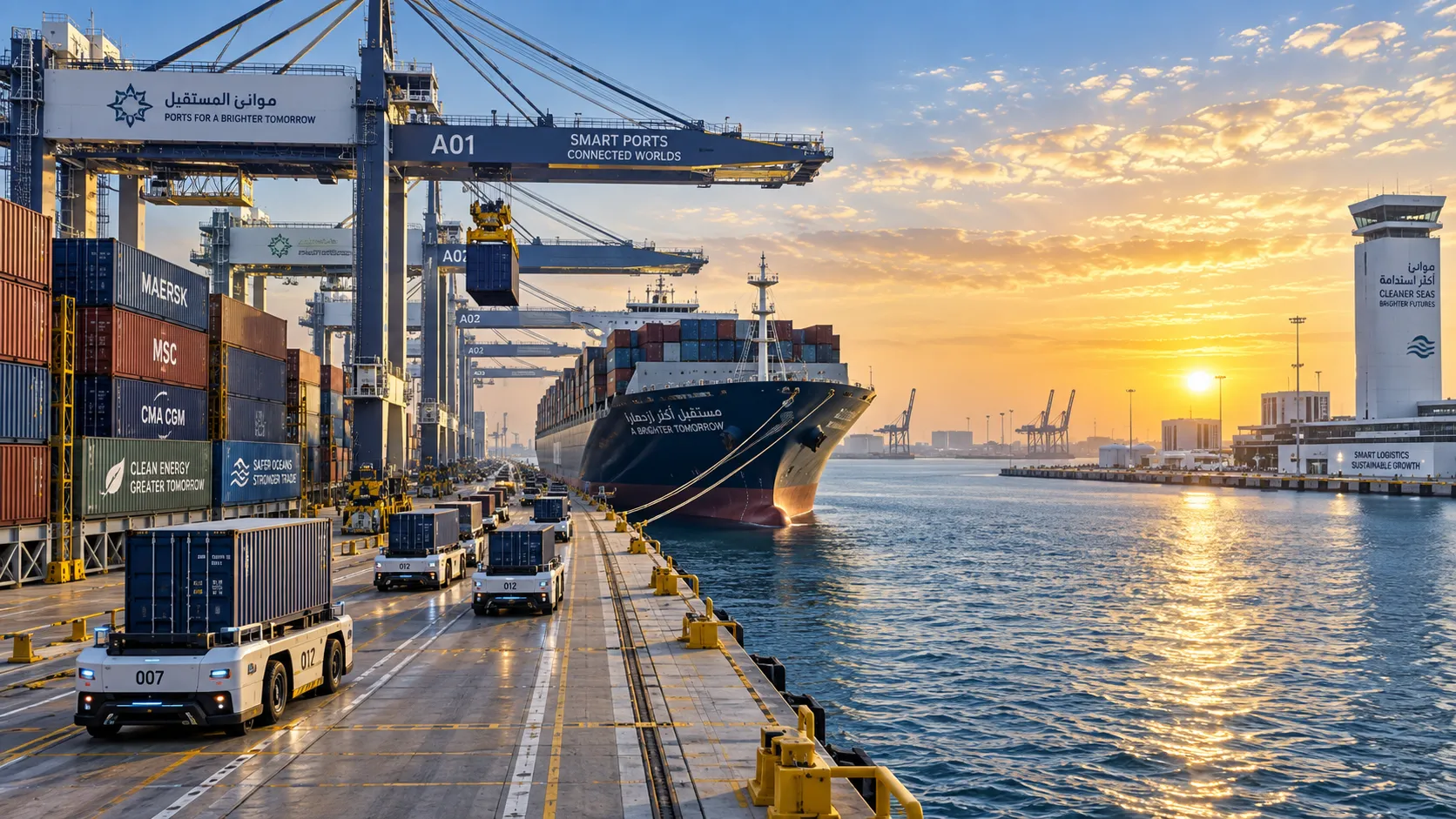
Middle East Port Automation: Key Market Drivers, Projects, and Investment Risks
Port automation systems Middle East: explore market drivers, flagship projects, integration challenges, and investment risks shaping smarter, resilient terminals.
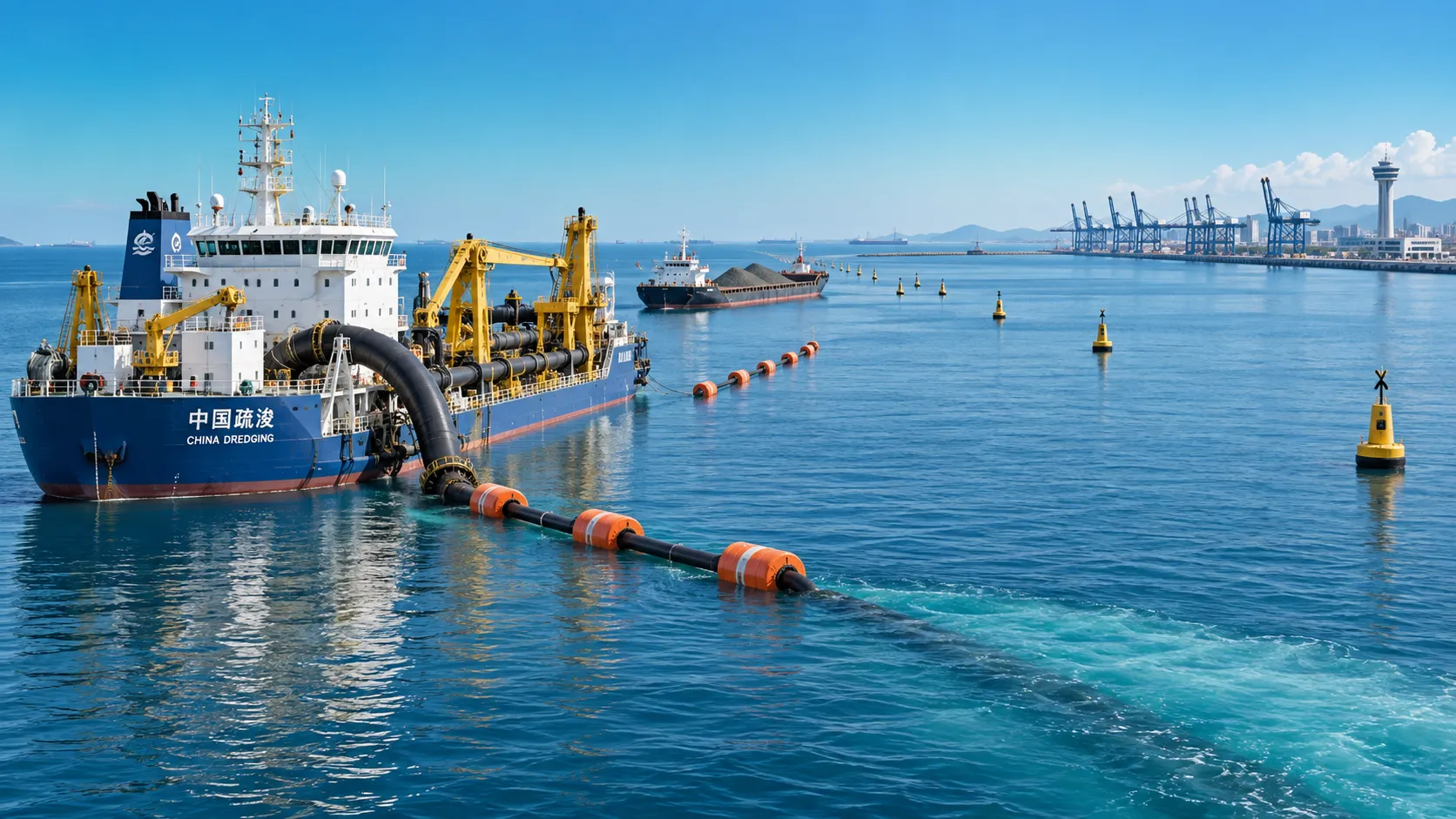
Planning Offshore Dredging Operations: Key Risks, Methods, and Project Controls
Offshore dredging operations demand smart planning. Explore key risks, proven methods, environmental controls, and project strategies for reliable delivery.