Related News
- 00
0000-00
How Can Port Equipment Lead-Time Risk Be Managed? - 00
0000-00
Maritime Logistics Operations: How Ports Can Reduce Container Dwell Time - 00
0000-00
What Does Logistics Node Monitoring Cost Across Warehouses and Transport Hubs? - 00
0000-00
How Can IoT Smart Port Solutions Improve Container Tracking and Yard Efficiency? - 00
0000-00
How Real-Time Port Logistics Intelligence Improves Container Yard Efficiency
How to Choose a Coastal Infrastructure Equipment Distributor for Long-Term Project Supply
How to Choose a Coastal Infrastructure Equipment Distributor for Long-Term Project Supply
Choosing a coastal infrastructure equipment distributor is not a simple price comparison.
It shapes uptime, project timing, lifecycle cost, and supply continuity for years.
That matters even more in ports, terminals, dredging programs, and heavy marine works.
Equipment demand is long-cycle, technical risk is high, and delays quickly become expensive.
A capable coastal infrastructure equipment distributor supports procurement before, during, and after delivery.
The best partners bring sourcing resilience, engineering judgment, and operational awareness.
They also understand how maritime logistics shifts can affect equipment lead times and service support.
This guide breaks down how to evaluate a coastal infrastructure equipment distributor for dependable long-term project supply.
Start With Project Fit, Not Catalog Size
A large catalog can look impressive, but it does not guarantee project alignment.
The first question is whether the distributor understands your operating environment.
Coastal projects face corrosion, salt exposure, variable tides, abrasive materials, and strict availability targets.
That changes what counts as a suitable machine, component, or control system.
A strong coastal infrastructure equipment distributor asks detailed questions early.
These usually cover duty cycle, berth conditions, maintenance windows, operator skill, and automation level.
From a decision standpoint, that early diagnostic work is a useful signal.
It shows the distributor is qualifying risk, not just moving inventory.
What to confirm at this stage
- Experience in port equipment, dredging systems, bulk handling, or terminal automation
- Ability to match equipment specifications to local marine conditions
- Knowledge of integration issues across mechanical, electrical, and digital systems
- Track record with phased delivery and long procurement cycles
If the discussion stays shallow, the risk usually shows up later in commissioning.
Evaluate Supply Stability Across the Full Project Timeline
Long-term supply is where many distributor evaluations fall short.
A coastal infrastructure equipment distributor must remain reliable beyond the initial shipment.
In actual projects, demand often changes after civil progress, budget revisions, or design updates.
That means your distributor needs sourcing flexibility, not just a fixed supplier list.
Recent market changes make this even more important.
Shipping disruptions, raw material swings, and export controls can affect critical equipment lead times.
A reliable coastal infrastructure equipment distributor should explain how it manages those variables.
Ask for evidence in four areas
- Supplier depth. Can they source across more than one approved manufacturer?
- Inventory strategy. Do they hold key parts or rely fully on factory dispatch?
- Lead-time visibility. Can they provide realistic planning windows and update them fast?
- Change control. How do they handle substitutions, redesigns, or urgent replenishment?
This is where commercial intelligence becomes useful.
Distributors with a clear view of maritime logistics tend to react faster under pressure.
They can flag bottlenecks before they become schedule failures.
Check Technical Depth Beyond Sales Support
A coastal infrastructure equipment distributor should be commercially strong, but that is not enough.
For long-cycle projects, technical depth is often the real difference maker.
This applies to quay cranes, stackers, dredging pumps, AGV systems, conveyors, and terminal control software.
A distributor without engineering fluency may miss compatibility issues until late-stage installation.
That creates cost, delay, and avoidable operational friction.
More clearly now, buyers need partners who can discuss system architecture, controls, and lifecycle performance.
Technical review points
- Compliance with relevant marine, electrical, and safety standards
- Control system compatibility with existing terminal platforms
- Spare parts standardization across fleets and project phases
- Corrosion protection, material selection, and environmental durability
- Remote diagnostics, monitoring, and maintenance data availability
A capable coastal infrastructure equipment distributor should answer these issues with specifics.
If answers stay generic, the technical support model is probably thin.
Review After-Sales Capacity as a Risk Control System
After-sales support is often treated as a service add-on.
In coastal infrastructure, it is closer to a risk control system.
A distributor may win the contract on price, then struggle with field response.
That is expensive when the project depends on installation sequencing or strict operational targets.
The better coastal infrastructure equipment distributor builds service into the commercial model from day one.
Look for a support structure that includes
- Commissioning assistance and acceptance support
- Regional service coverage or qualified local partners
- Spare parts response commitments for critical failures
- Training for operators, technicians, and maintenance planners
- Clear escalation routes for warranty and non-warranty issues
Try to separate promised service from proven service.
References, response records, and spare parts policies tell you more than brochures.
Assess Commercial Transparency and Contract Discipline
A coastal infrastructure equipment distributor should be easy to compare on paper.
In reality, quotations often hide future cost exposure.
This usually appears in exclusions, freight assumptions, software licensing, commissioning scope, or spare parts packaging.
A disciplined distributor makes these boundaries visible early.
That transparency improves internal evaluation and reduces approval friction.
A trustworthy coastal infrastructure equipment distributor usually welcomes this level of scrutiny.
Look for Market Awareness, Not Just Product Access
The market is changing quickly across maritime logistics and coastal development.
Automation, remote operations, emissions pressure, and digital maintenance are affecting buying criteria.
A future-ready coastal infrastructure equipment distributor should track these shifts closely.
That does not mean trend talk for its own sake.
It means practical guidance on equipment selection, upgrade paths, and replacement timing.
This is where intelligence-led platforms such as PS-Nexus add value.
They help buyers and distributors interpret signals behind equipment demand, automation shifts, and supply risk.
That broader view supports better distributor selection, especially in long-cycle infrastructure trade.
Use a Practical Selection Framework
A structured decision process helps separate strong proposals from attractive presentations.
When comparing a coastal infrastructure equipment distributor, score each candidate on the same factors.
- Project relevance: similar applications, asset types, and marine environments
- Supply resilience: sourcing depth, logistics visibility, and parts continuity
- Technical support: engineering capability, integration knowledge, and documentation quality
- Service capacity: commissioning, training, warranty, and field response
- Commercial clarity: total cost visibility, contract discipline, and risk allocation
- Strategic fit: ability to support future automation, sustainability, and expansion needs
This approach keeps the evaluation grounded in operational value.
It also helps internal teams explain why one coastal infrastructure equipment distributor is a better long-term choice.
Final Decision: Choose the Partner Built for Continuity
The right coastal infrastructure equipment distributor does more than fill an order.
It protects project continuity, supports asset performance, and reduces supply-side surprises.
For long-term port and marine projects, that reliability is usually worth more than a narrow upfront saving.
Focus on project fit, supply stability, technical depth, service capacity, and commercial transparency.
Then test each claim with evidence.
That is the most reliable way to choose a coastal infrastructure equipment distributor for long-term project supply.
Related News
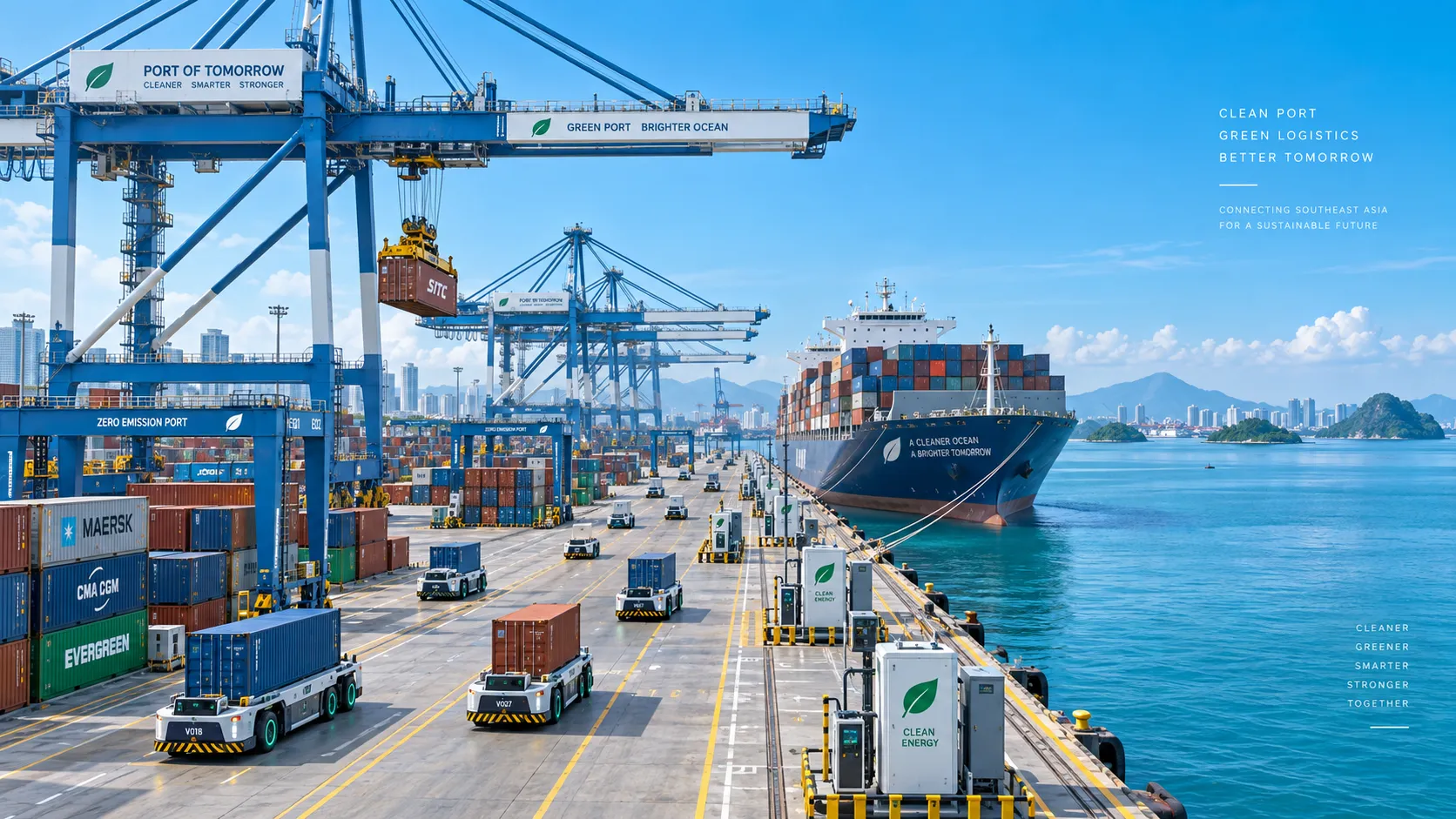
Smart Port Systems in Southeast Asia: Investment Priorities and Adoption Barriers
Smart port systems Southeast Asia: discover investment priorities, adoption barriers, and practical steps to build resilient, connected, high-performing terminals.
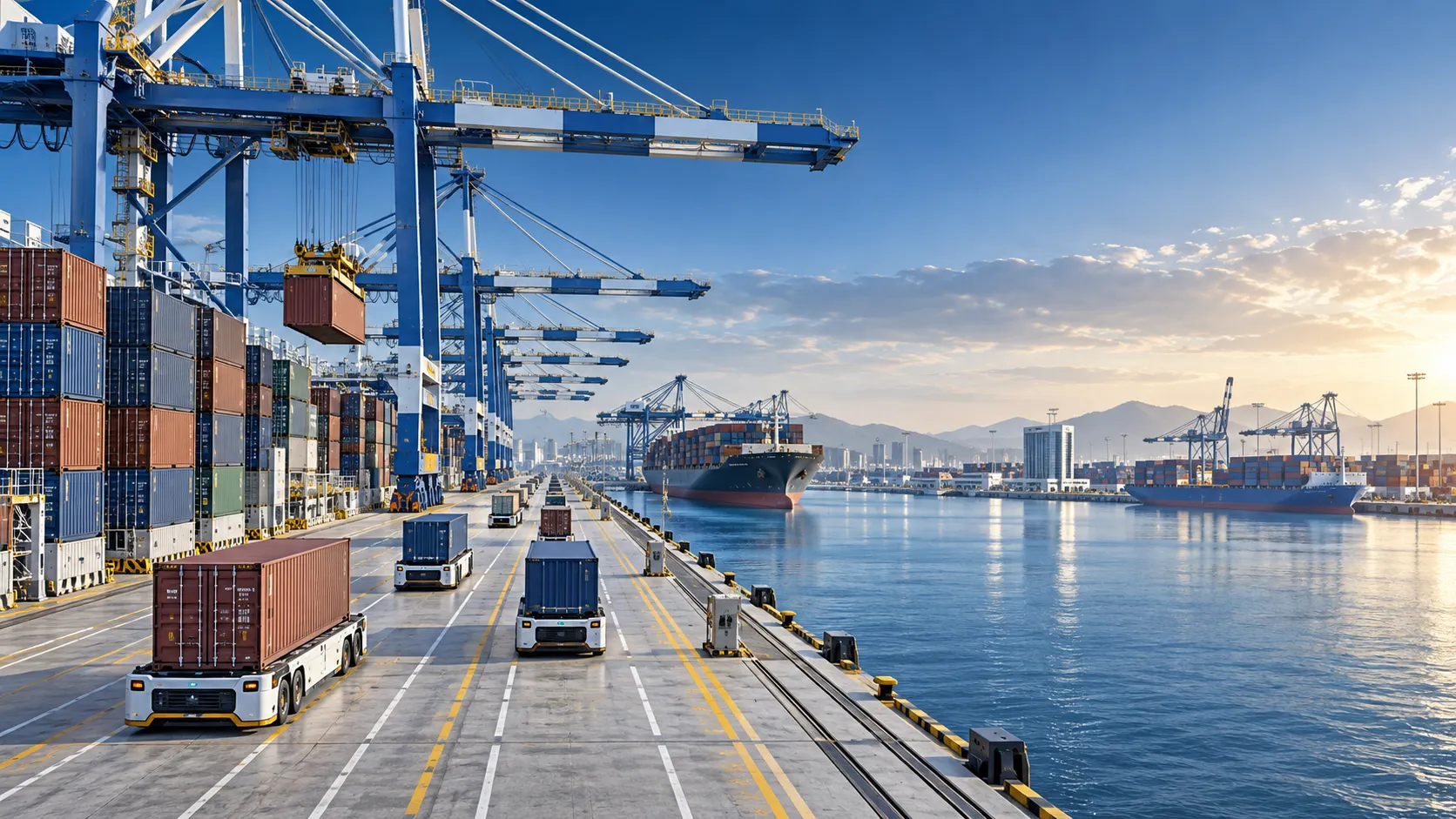
How to Evaluate Terminal Efficiency Solution Suppliers for High-Throughput Operations
Choose a terminal efficiency solutions supplier with confidence. Explore proven criteria for throughput, integration, lifecycle cost, safety, and reliable delivery.
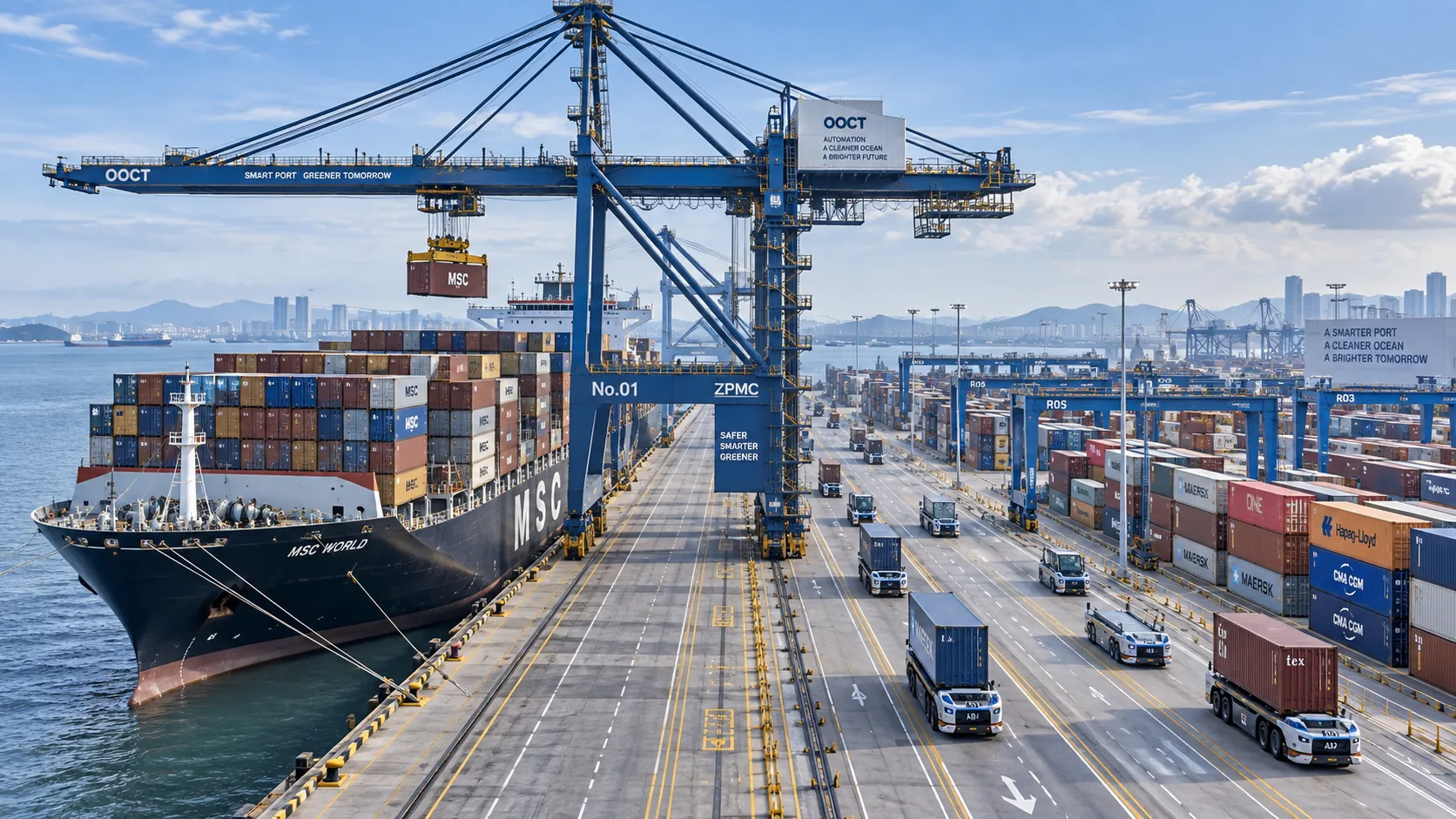
How to Specify a Quay Crane for Container Terminals by Vessel Size and Throughput?
Quay crane for container terminals: learn how to match outreach, lift height, capacity, automation, and cycle performance to vessel size and throughput goals.
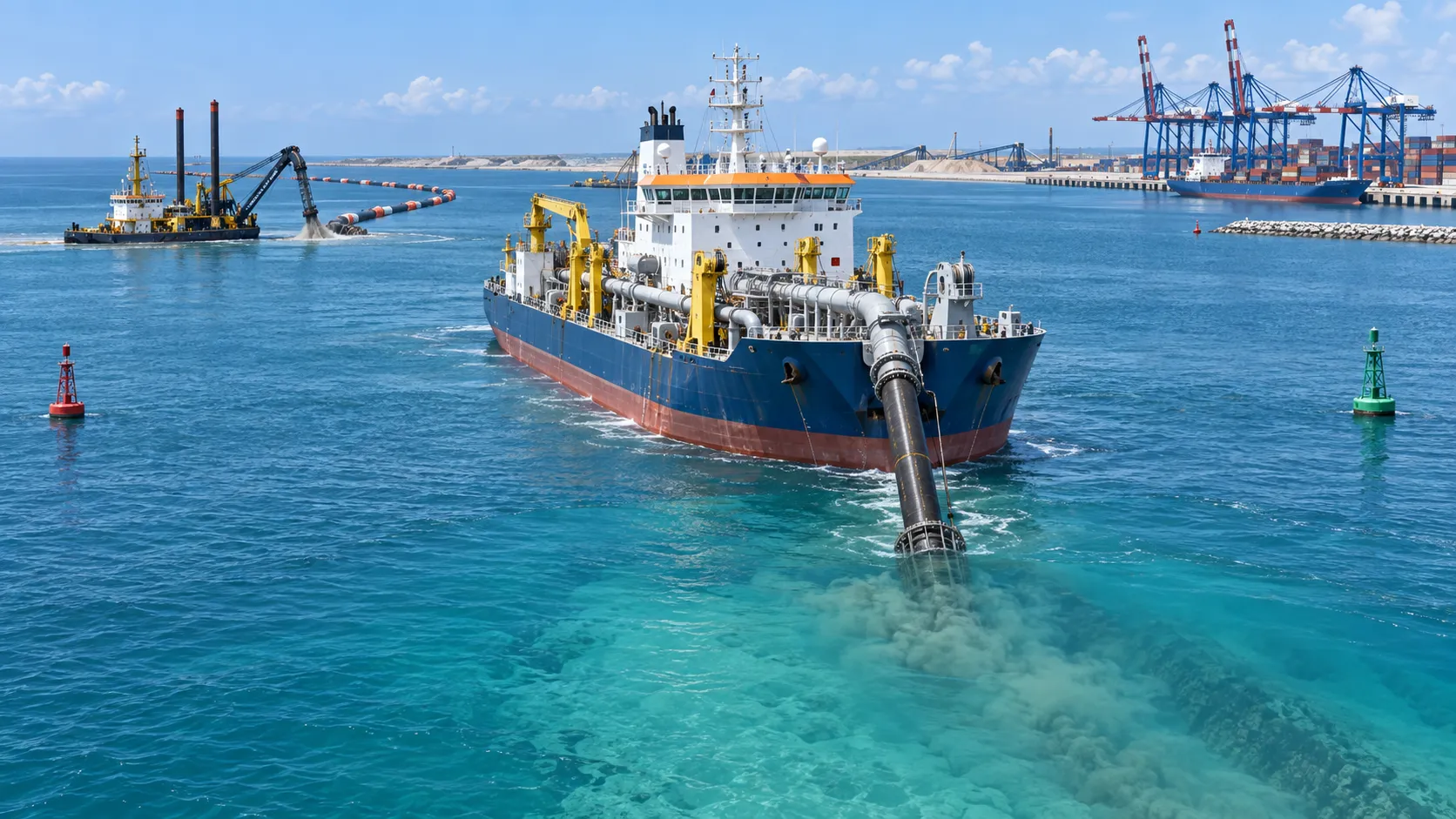
What Dredging Equipment Is Needed for Channel Deepening?
What dredging equipment is needed for channel deepening? Explore dredgers, pipelines, survey tools, and planning strategies for safer, more efficient port access.
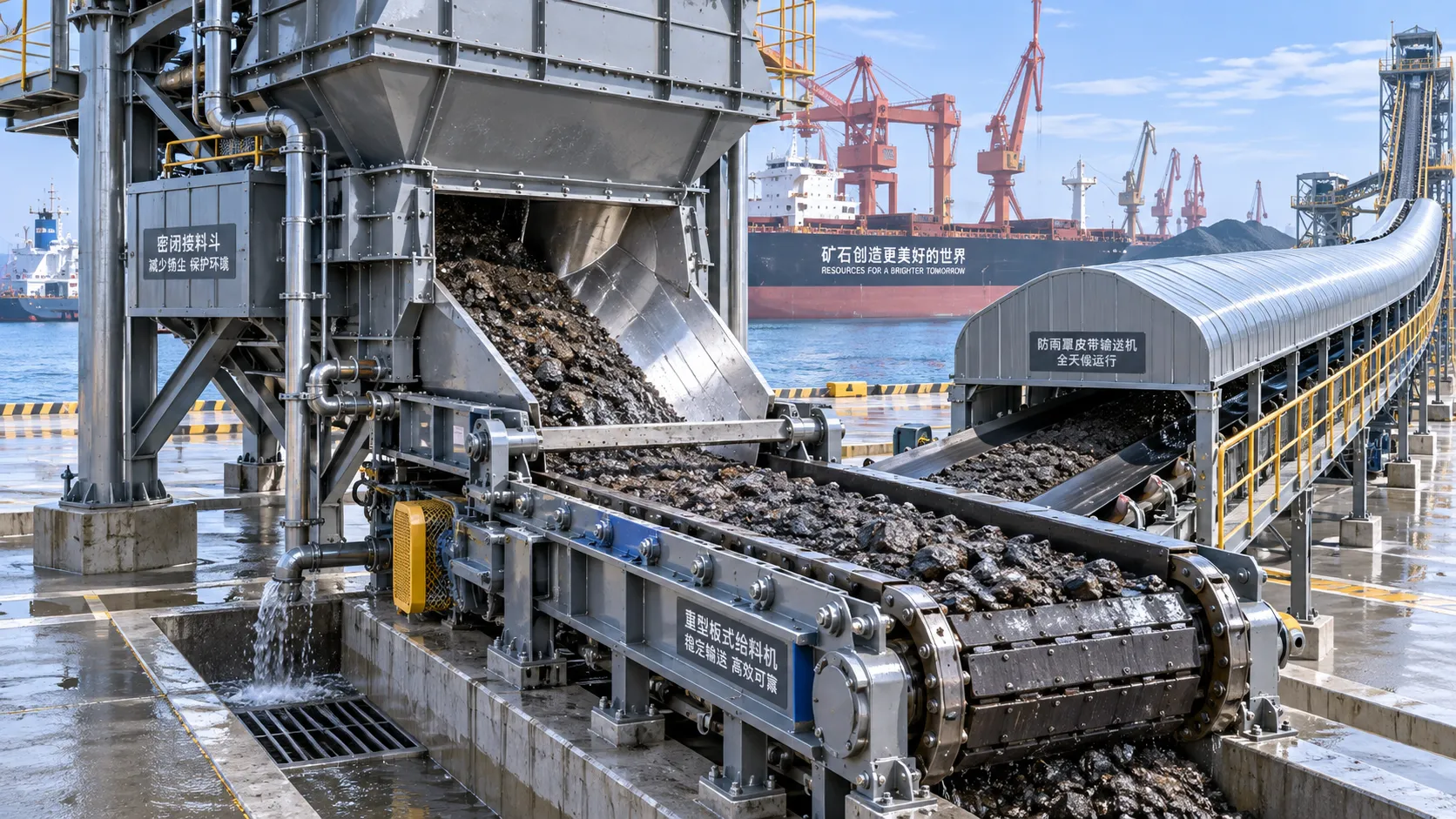
Which Bulk Handling Equipment Suits High-Moisture Cargo?
Which bulk handling equipment suits high-moisture cargo? Compare belt, apron, screw, drag, and slurry systems for reliable flow, less carryback, and higher terminal uptime.
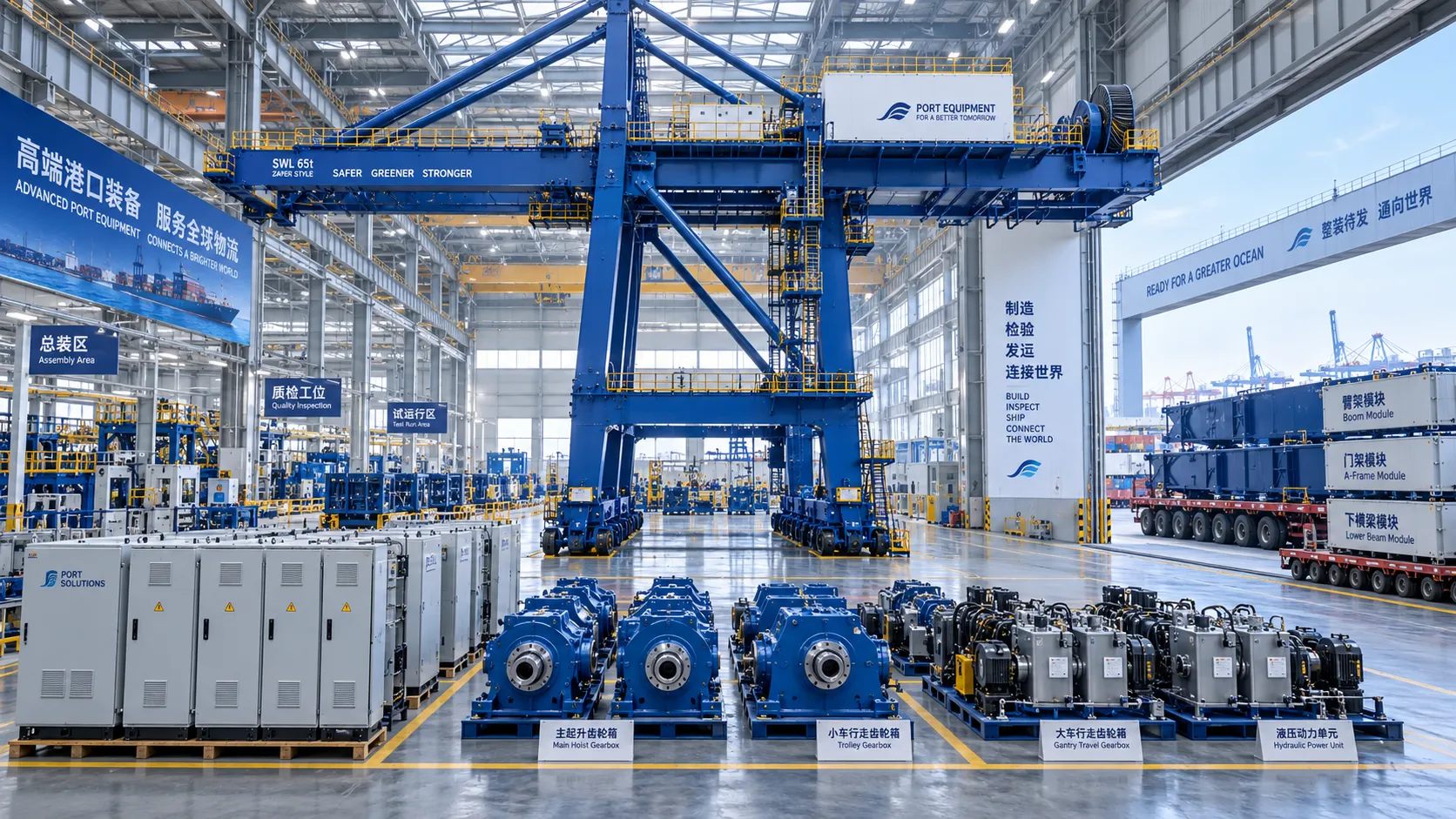
How Can Port Equipment Lead-Time Risk Be Managed?
How can port equipment lead-time risk be managed? Explore practical strategies to control critical paths, suppliers, transport, site readiness, and commissioning delays.
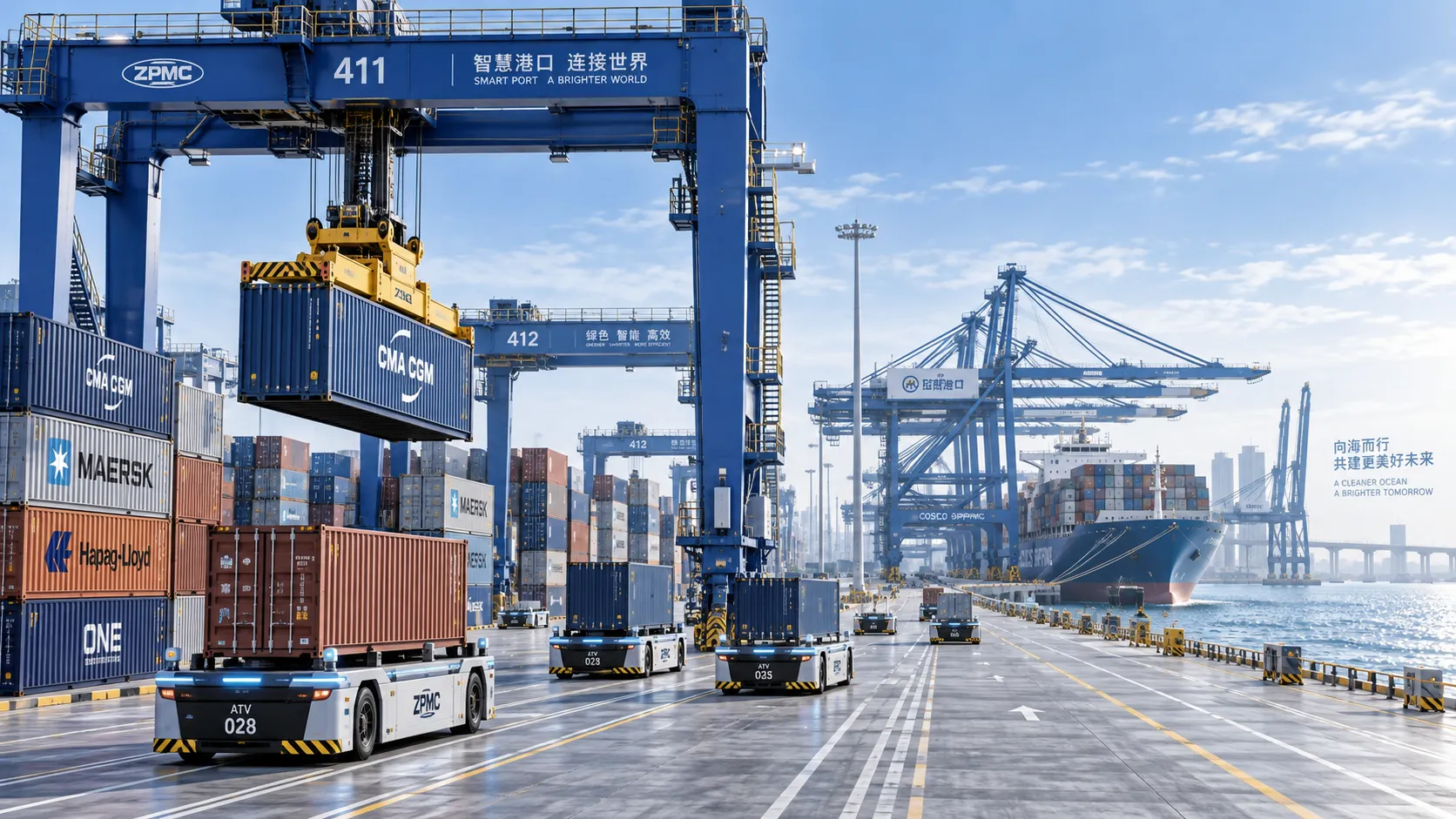
Terminal Automation Technologies That Raise Container Throughput Without Yard Disruption
Terminal automation technology that increases container throughput without disrupting yard flow. Explore smarter integration, resilient workflows, and phased deployment strategies.
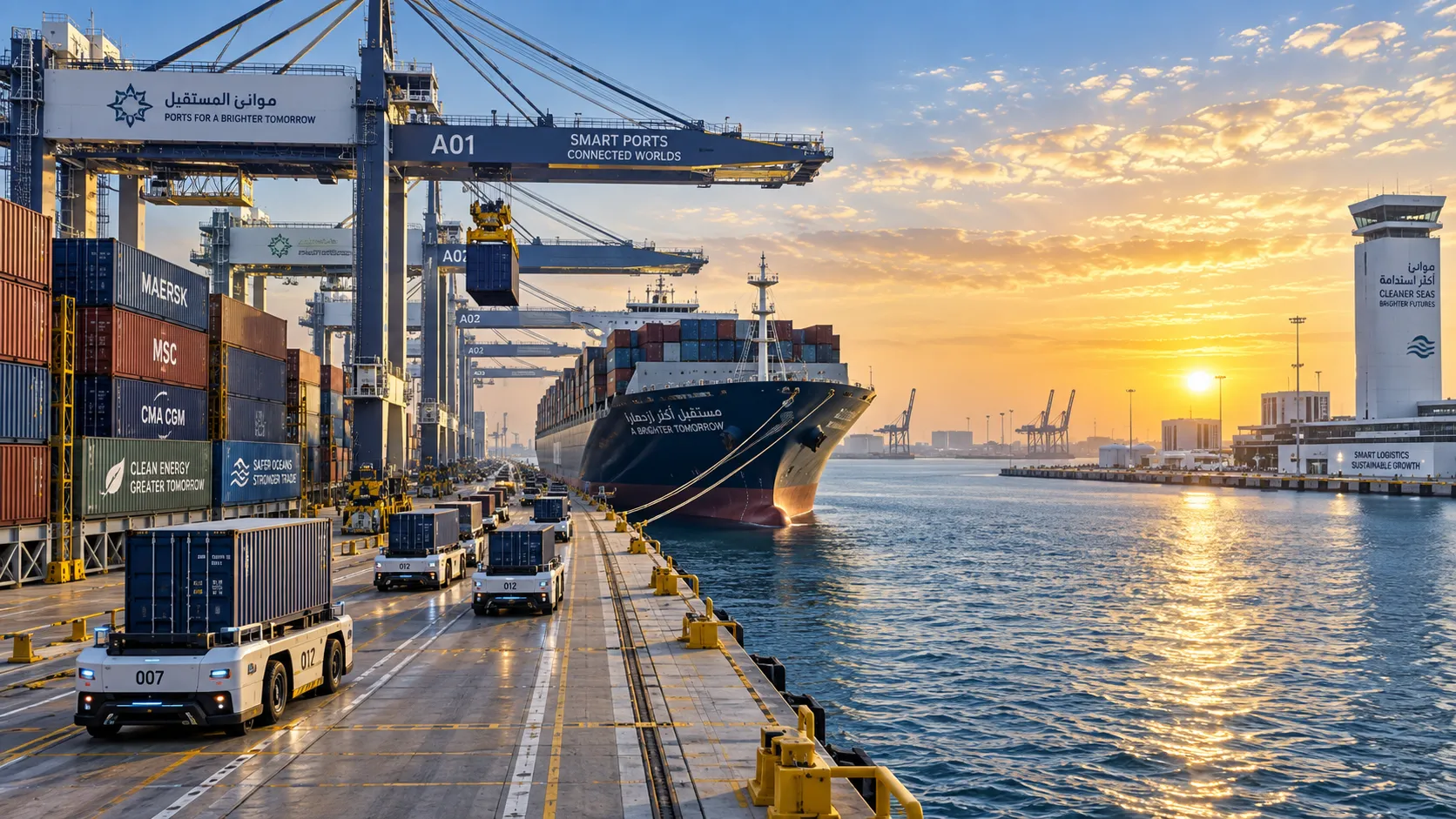
Middle East Port Automation: Key Market Drivers, Projects, and Investment Risks
Port automation systems Middle East: explore market drivers, flagship projects, integration challenges, and investment risks shaping smarter, resilient terminals.
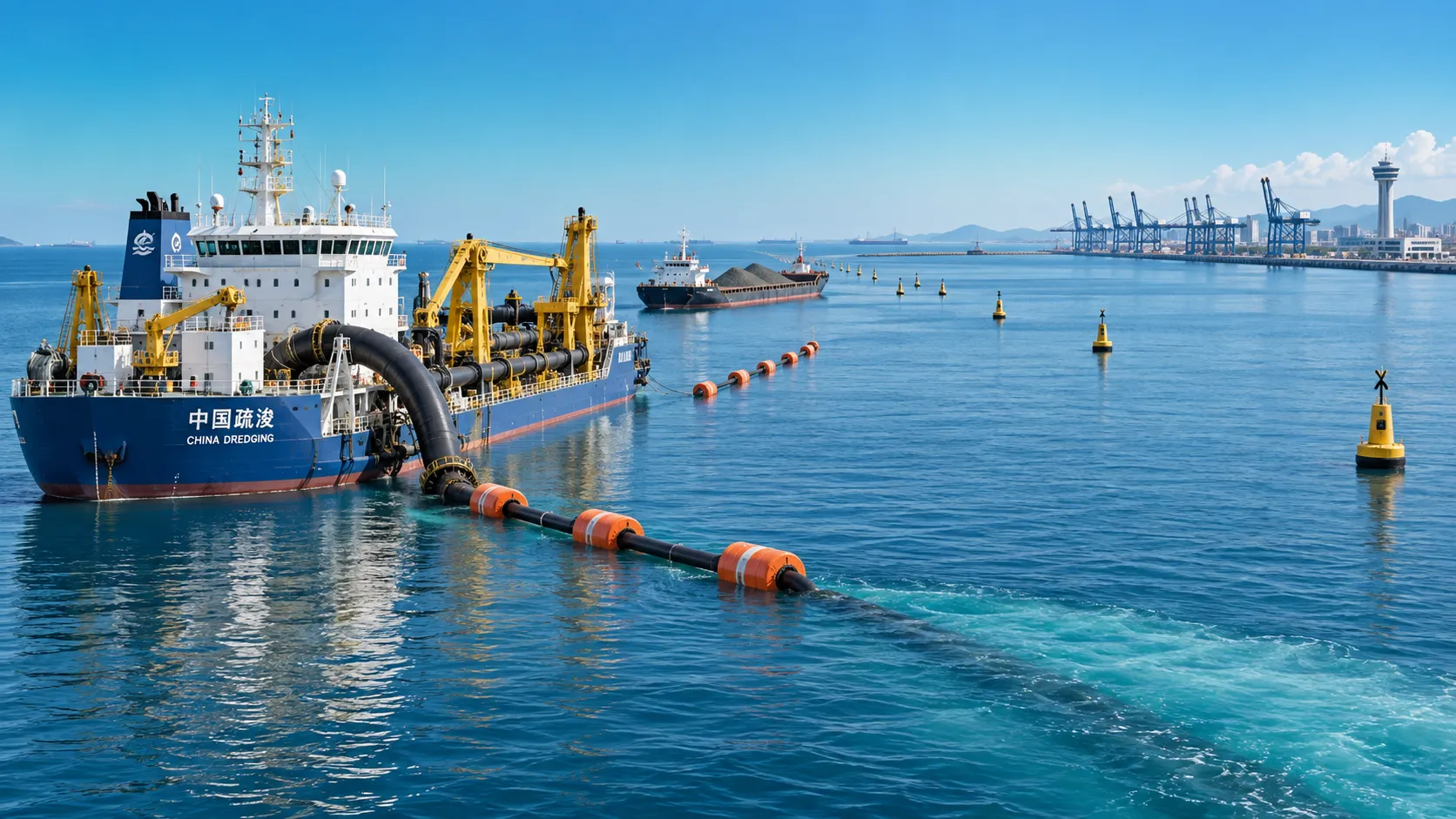
Planning Offshore Dredging Operations: Key Risks, Methods, and Project Controls
Offshore dredging operations demand smart planning. Explore key risks, proven methods, environmental controls, and project strategies for reliable delivery.