Related News
- 00
0000-00
How Can Port Equipment Lead-Time Risk Be Managed? - 00
0000-00
Maritime Logistics Operations: How Ports Can Reduce Container Dwell Time - 00
0000-00
What Does Logistics Node Monitoring Cost Across Warehouses and Transport Hubs? - 00
0000-00
How Can IoT Smart Port Solutions Improve Container Tracking and Yard Efficiency? - 00
0000-00
How Real-Time Port Logistics Intelligence Improves Container Yard Efficiency
Global Supply Chains Intelligence: What Data Sources Matter for Route and Risk Analysis
Global supply chains intelligence has moved beyond tracking ships on a map. In route and risk analysis, the useful question is which data streams truly explain delay, capacity, and resilience. For maritime logistics, that means connecting vessel movement, terminal productivity, port equipment status, dredging conditions, inland transfer, and market signals into one operational picture.
That shift matters because route choices are now shaped by more than distance or freight rates. Congestion, draft limits, crane uptime, labor pressure, weather windows, customs flow, and hinterland disruption can all change the best route within hours. Reliable global supply chains intelligence depends less on raw data volume and more on timely, validated, context-rich information.
Why route and risk analysis now depends on deeper data
A route that looks efficient on paper may fail at the terminal gate. A port with attractive published capacity may still underperform if yard density is high or channel depth is constrained.
This is why global supply chains intelligence is becoming a cross-layer discipline. It must read physical infrastructure, equipment behavior, automation logic, commercial pressure, and regulatory friction at the same time.
In the maritime sector, PS-Nexus reflects this broader view. Its focus on terminal gear, automated container handling, dredging engineering, and strategic intelligence matches the real sources of route variability that conventional shipment dashboards often miss.
The data sources that matter most
Not all data carries the same decision value. The strongest route and risk models usually combine several source categories, each answering a different operational question.
1. Vessel movement and schedule integrity
AIS feeds, carrier schedules, berth calls, and blank sailing notices form the basic layer. They show where vessels are, how they are deviating, and whether planned rotations remain credible.
By themselves, these feeds are not enough. AIS may indicate arrival, but not whether the ship will wait offshore, face berth conflict, or encounter slow discharge due to terminal bottlenecks.
2. Port congestion and berth performance
Queue time, berth occupancy, average crane moves per hour, yard dwell, truck turnaround, and gate fluidity are essential. These indicators explain whether a route is operationally reliable, not just geographically possible.
For container gateways, berth productivity often has greater forecasting value than headline throughput. A port can post high annual volume yet still show unstable handling performance during peak windows.
3. Terminal equipment and automation data
This layer is often underestimated. Quay crane utilization, RTG or ASC availability, AGV dispatch logic, maintenance alarms, and power system interruptions directly affect vessel turnaround.
For ports with advanced automation, route reliability increasingly depends on control system quality. Low-latency communication, scheduling logic, and asset synchronization can determine whether nominal capacity becomes usable capacity.
That is where the PS-Nexus perspective is useful. Observing remote-controlled cranes, AGV path planning, and smart terminal systems helps convert technical equipment data into route intelligence.
4. Nautical access and dredging conditions
Draft availability, tidal windows, sedimentation patterns, channel restrictions, and dredging schedules are critical for many bulk and container corridors. These signals shape whether larger vessels can call safely and consistently.
In practice, a small change in fairway depth can shift cargo allocation, vessel size strategy, and transshipment dependency. Global supply chains intelligence should therefore include marine geotechnical and dredging-related updates, especially in expansion ports.
5. Inland connectivity and node transfer data
A route is only as strong as its inland continuation. Rail slot availability, barge reliability, trucking constraints, border clearance time, warehouse saturation, and intermodal transfer efficiency all affect end-to-end performance.
Many route assessments fail because they stop at the port boundary. Stronger global supply chains intelligence follows the cargo from berth to inland node, not just from sea lane to terminal.
6. Market, policy, and disruption signals
Freight indices, bunker costs, insurance conditions, sanctions, customs policy shifts, labor negotiations, and security incidents all shape risk exposure. These data sources help explain why a technically open route may still be commercially weak.
The best route models mix operating data with strategic context. That combination is what turns monitoring into usable global supply chains intelligence.
How to judge data quality, not just data quantity
Large datasets can still produce poor route analysis if the underlying signals are delayed, inconsistent, or detached from actual operations. Three tests usually reveal whether a source is decision-grade.
- Timeliness: Does the source update quickly enough for routing changes, berth planning, or disruption response?
- Operational relevance: Does the metric explain real handling constraints, or only a broad market trend?
- Cross-verifiability: Can the data be checked against another independent source or engineering signal?
For example, a carrier ETA gains more value when compared with berth congestion, crane availability, and yard occupancy. A dredging update becomes more actionable when paired with vessel draft plans and port expansion timelines.
Where these data sources create practical value
The business value of global supply chains intelligence is clearest when route analysis moves from static selection to dynamic adjustment. That change supports better planning across several recurring scenarios.
These use cases show why the strongest intelligence platforms do not stop at shipping headlines. They connect engineering, operations, and trade signals in a format that supports real comparison.
Common gaps in route and risk analysis
One frequent gap is overreliance on public vessel tracking. Useful as it is, vessel position data does not reveal enough about quay crane availability, terminal automation friction, or channel maintenance.
Another gap is treating port capacity as a fixed number. In reality, capacity changes with weather exposure, labor conditions, equipment reliability, software integration, and yard strategy.
A third gap is ignoring infrastructure transition. As ports automate, electrify, and expand for larger calls, old routing assumptions may lose validity. Global supply chains intelligence must therefore watch the evolution of assets, not only current throughput.
A practical framework for better evaluation
A workable starting point is to group data into four decision layers: movement, handling, access, and exposure. Each layer answers a different risk question.
- Movement asks whether cargo and vessels are following the planned path.
- Handling asks whether the terminal can process volume at the required speed.
- Access asks whether physical entry conditions remain stable and safe.
- Exposure asks which external events can break the route economics or timing.
This structure helps filter noise. It also fits the PS-Nexus approach, where heavy terminal gear, automation systems, bulk handling, and dredging intelligence are treated as route-relevant factors rather than separate technical topics.
What to monitor next
The next step is not to collect every available feed. It is to identify which ports, corridors, and transfer nodes carry the greatest cost of failure, then build a data stack around those pressure points.
Usually, that means reviewing schedule reliability against terminal productivity, checking whether nautical access is stable, and verifying whether inland links can absorb disruption. It also means tracking infrastructure upgrades that may alter route competitiveness over time.
Well-structured global supply chains intelligence turns route analysis into an ongoing discipline, not a one-time report. For anyone assessing maritime corridors, the most valuable move now is to compare data sources by decision impact, validate them against real operating conditions, and keep refining the signals that explain risk before disruption becomes visible in the shipment record.
Related News
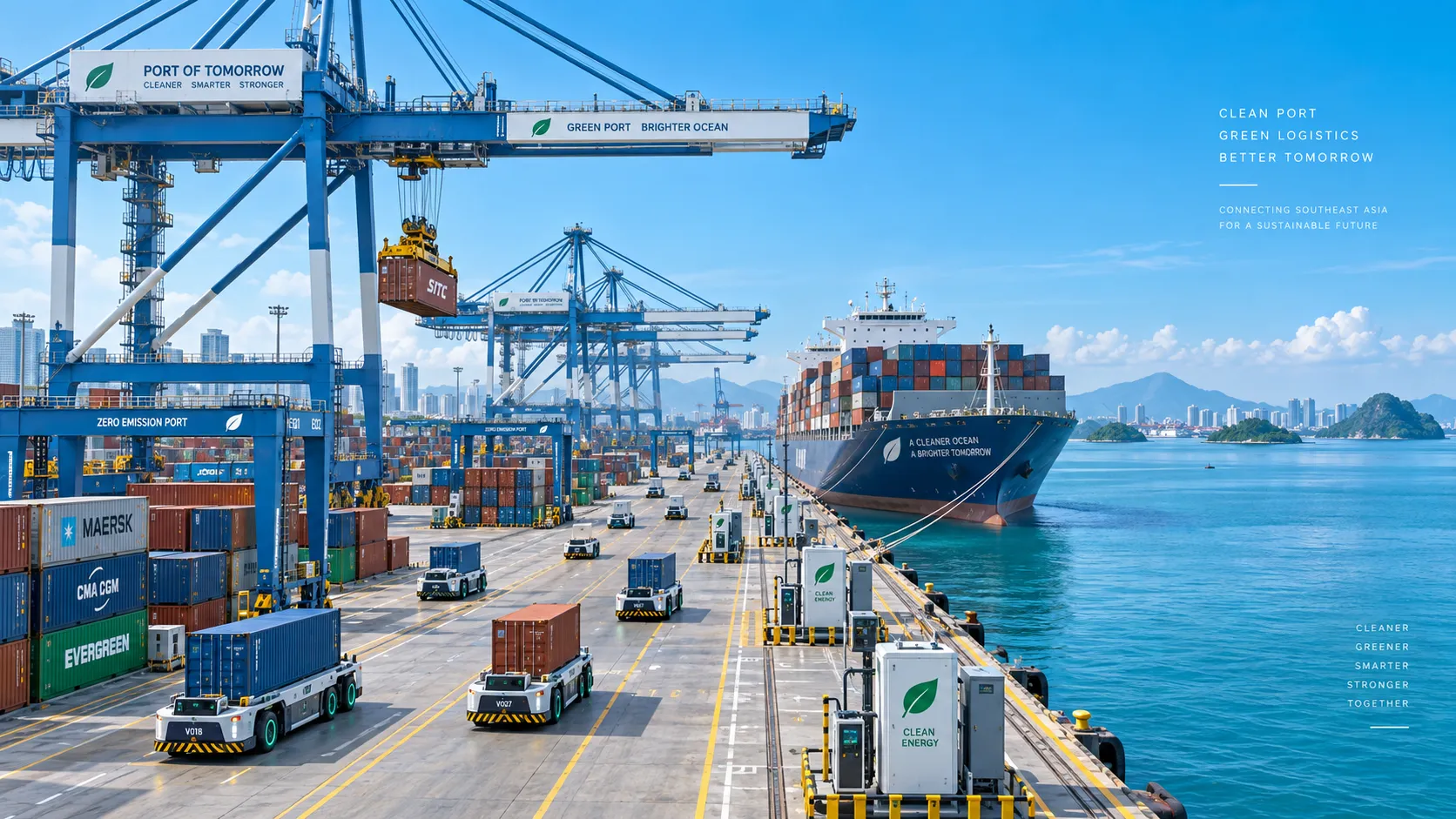
Smart Port Systems in Southeast Asia: Investment Priorities and Adoption Barriers
Smart port systems Southeast Asia: discover investment priorities, adoption barriers, and practical steps to build resilient, connected, high-performing terminals.
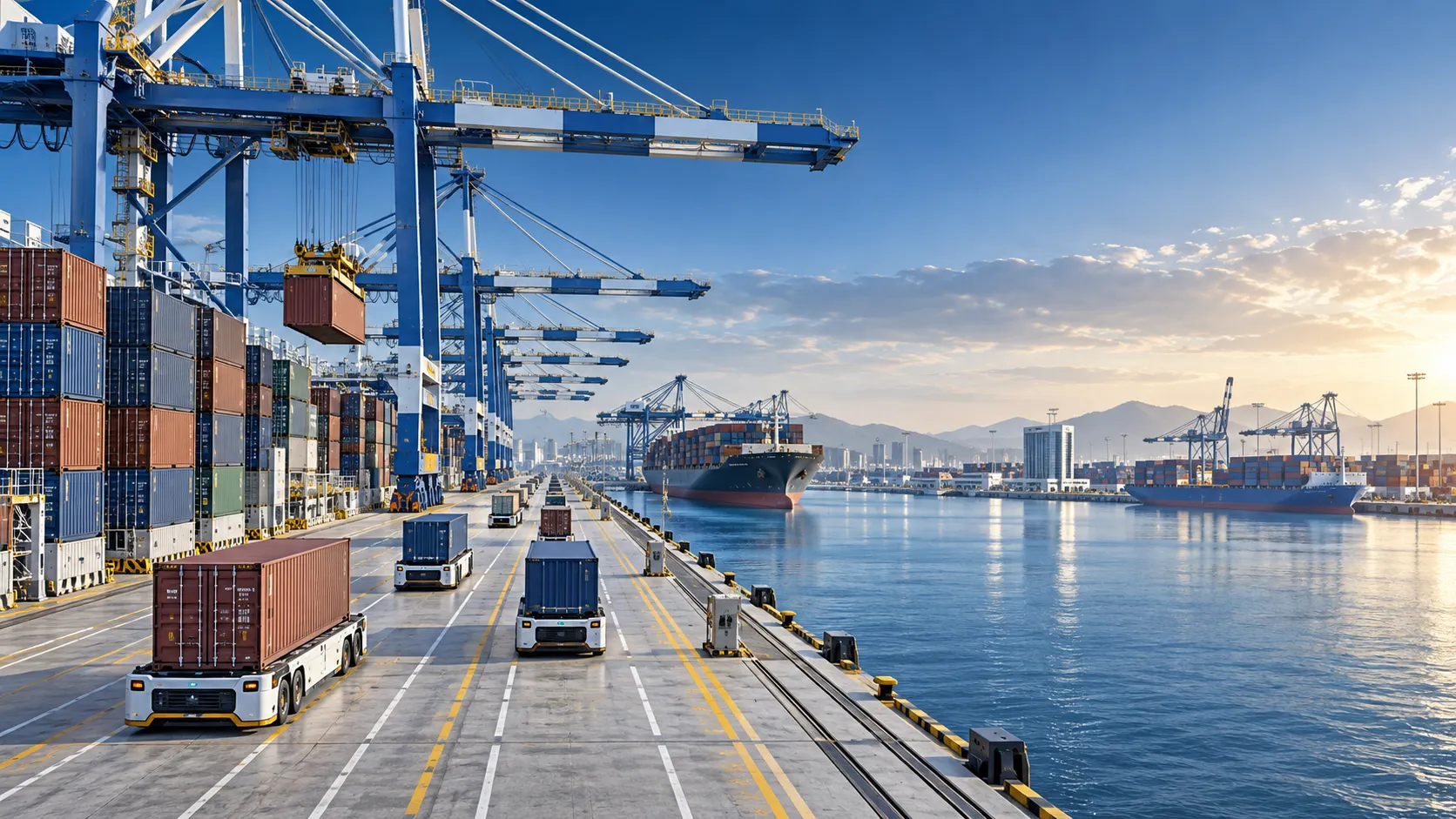
How to Evaluate Terminal Efficiency Solution Suppliers for High-Throughput Operations
Choose a terminal efficiency solutions supplier with confidence. Explore proven criteria for throughput, integration, lifecycle cost, safety, and reliable delivery.
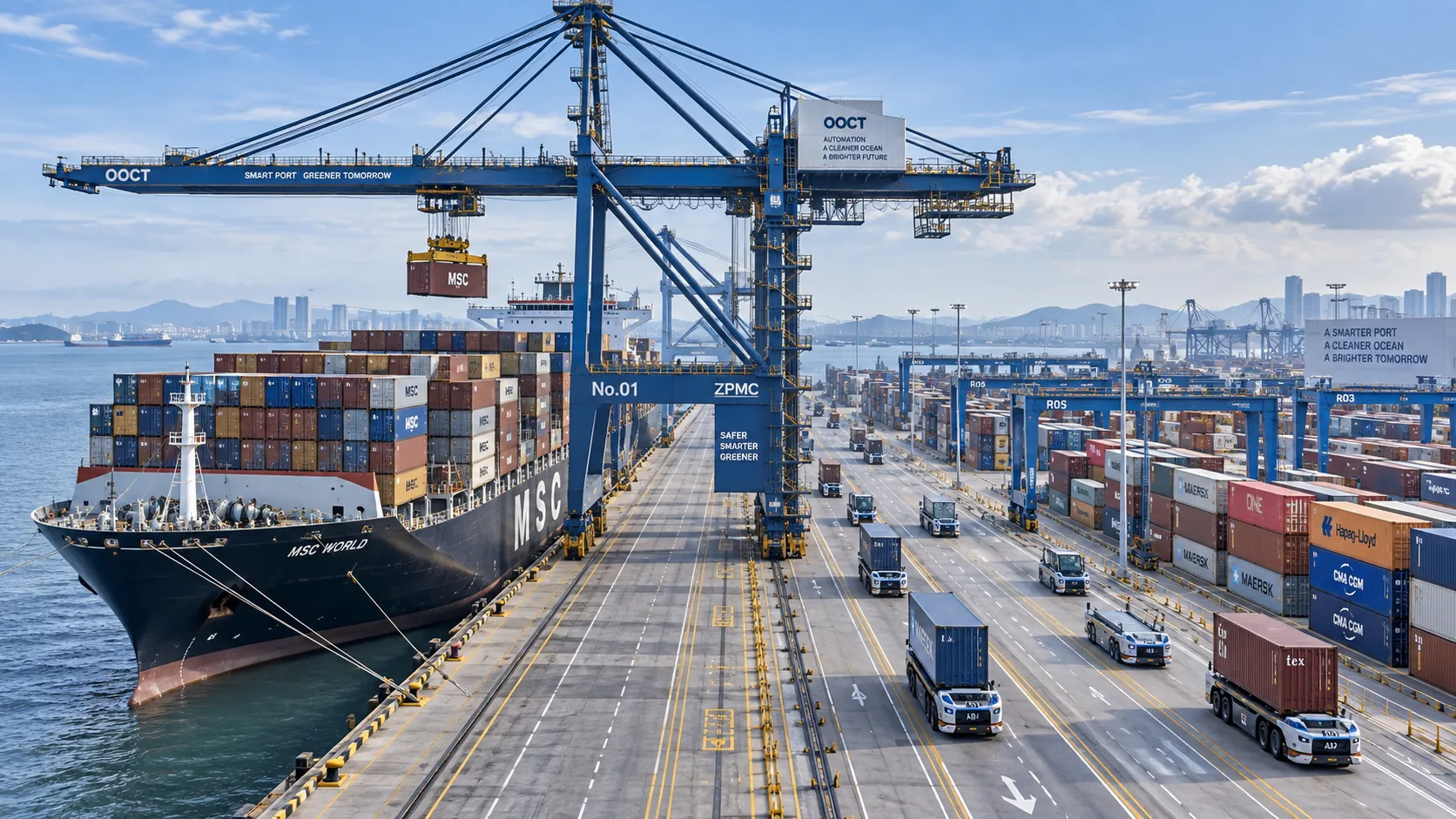
How to Specify a Quay Crane for Container Terminals by Vessel Size and Throughput?
Quay crane for container terminals: learn how to match outreach, lift height, capacity, automation, and cycle performance to vessel size and throughput goals.
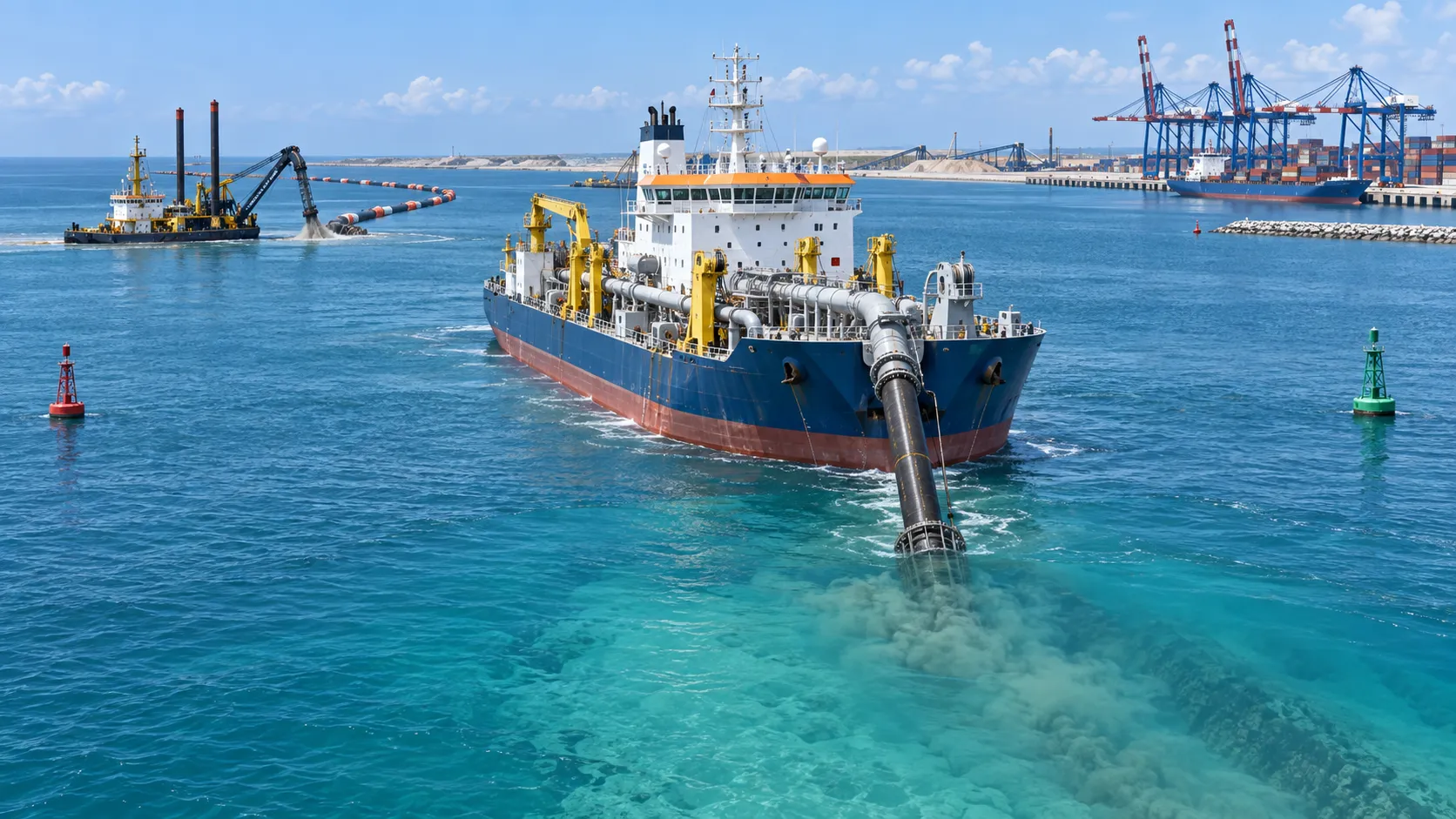
What Dredging Equipment Is Needed for Channel Deepening?
What dredging equipment is needed for channel deepening? Explore dredgers, pipelines, survey tools, and planning strategies for safer, more efficient port access.
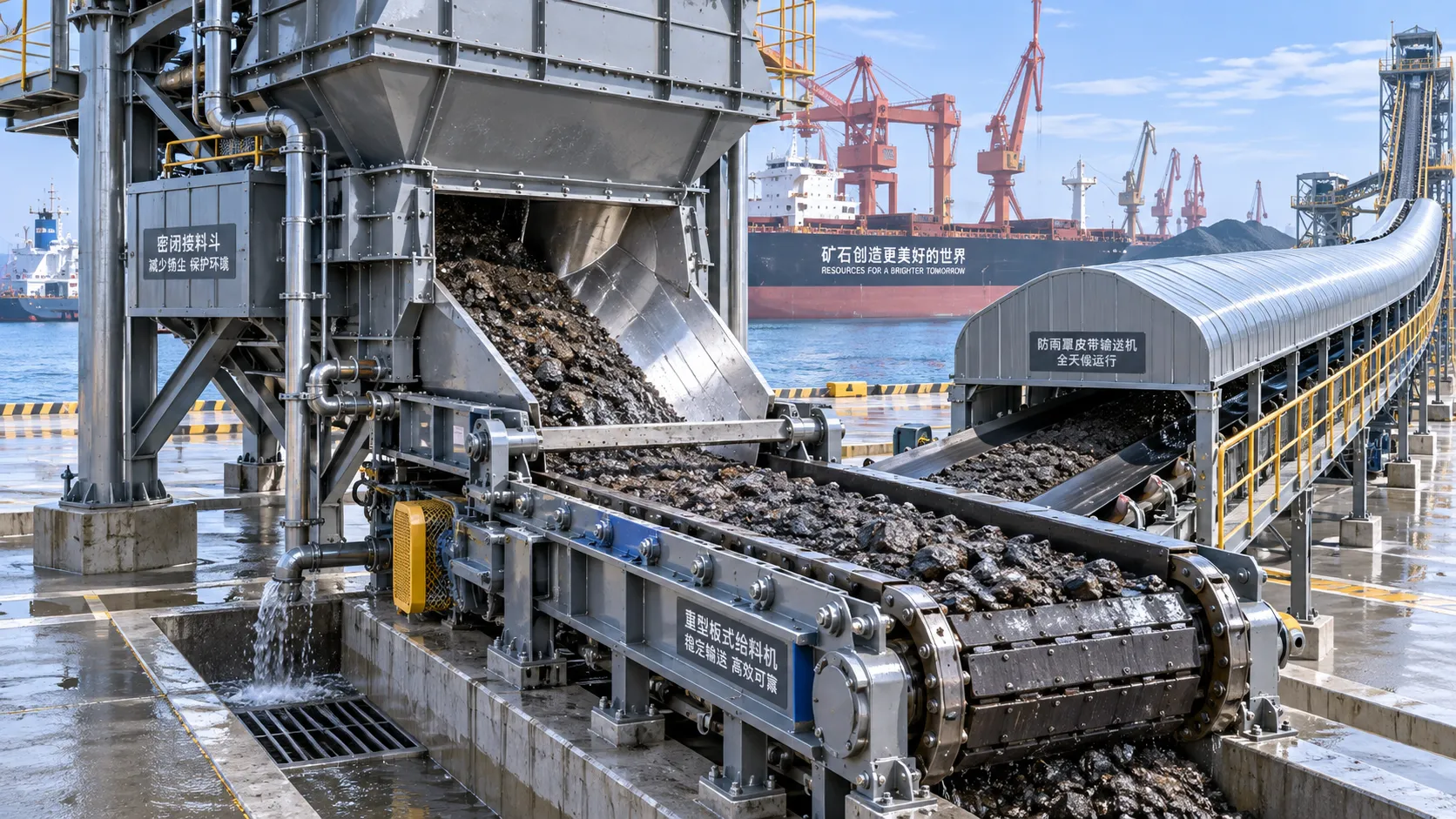
Which Bulk Handling Equipment Suits High-Moisture Cargo?
Which bulk handling equipment suits high-moisture cargo? Compare belt, apron, screw, drag, and slurry systems for reliable flow, less carryback, and higher terminal uptime.
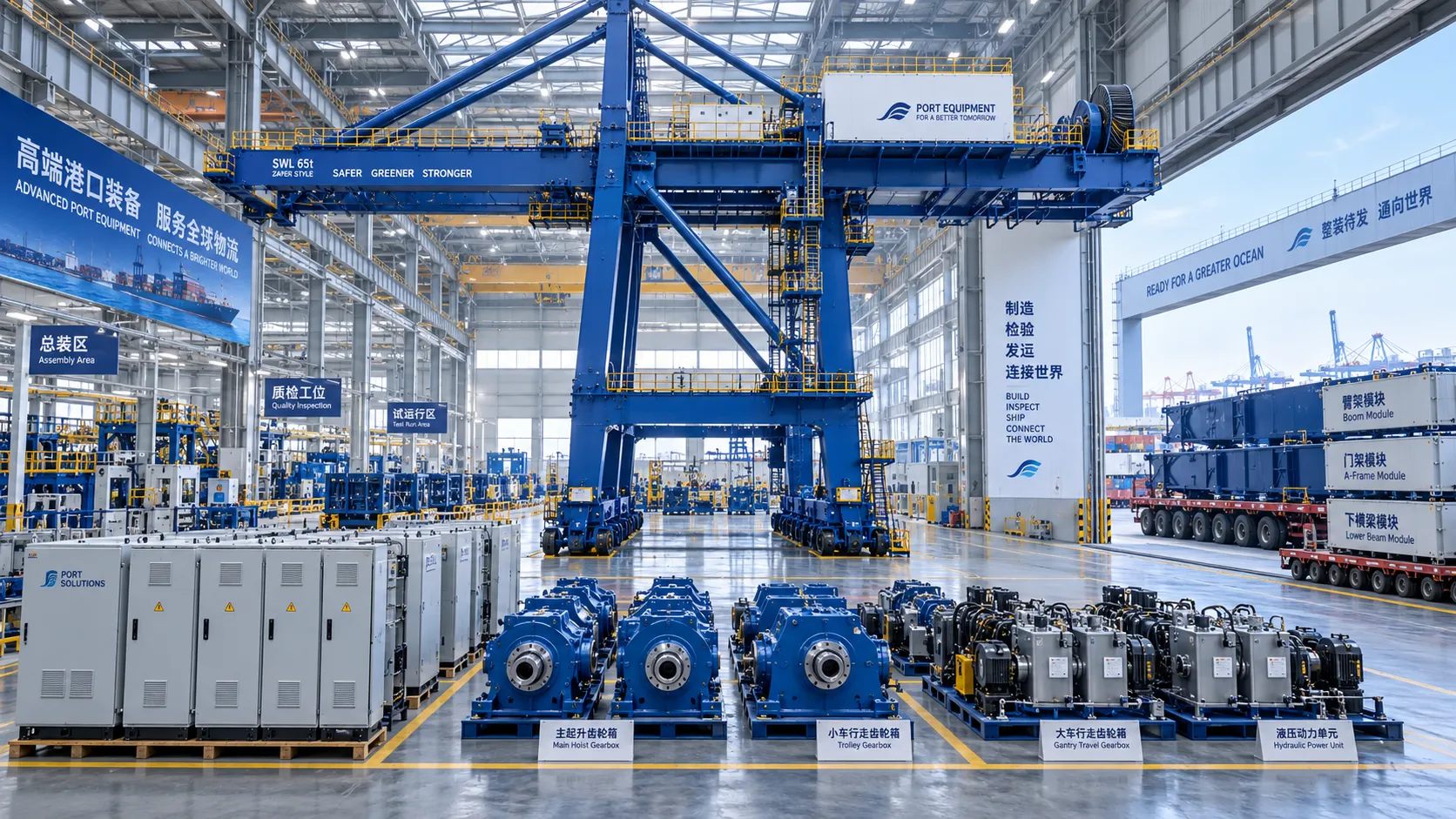
How Can Port Equipment Lead-Time Risk Be Managed?
How can port equipment lead-time risk be managed? Explore practical strategies to control critical paths, suppliers, transport, site readiness, and commissioning delays.
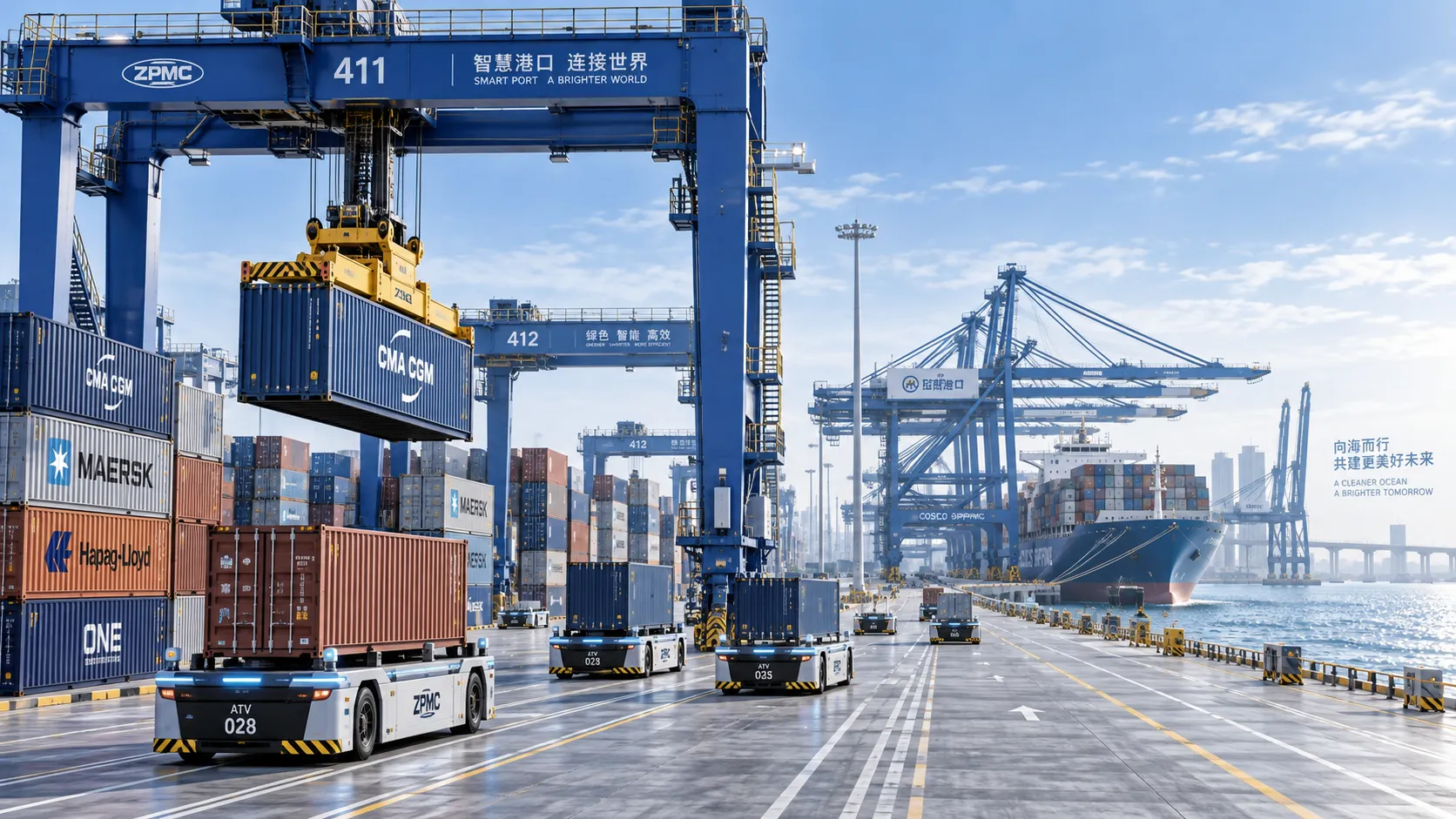
Terminal Automation Technologies That Raise Container Throughput Without Yard Disruption
Terminal automation technology that increases container throughput without disrupting yard flow. Explore smarter integration, resilient workflows, and phased deployment strategies.
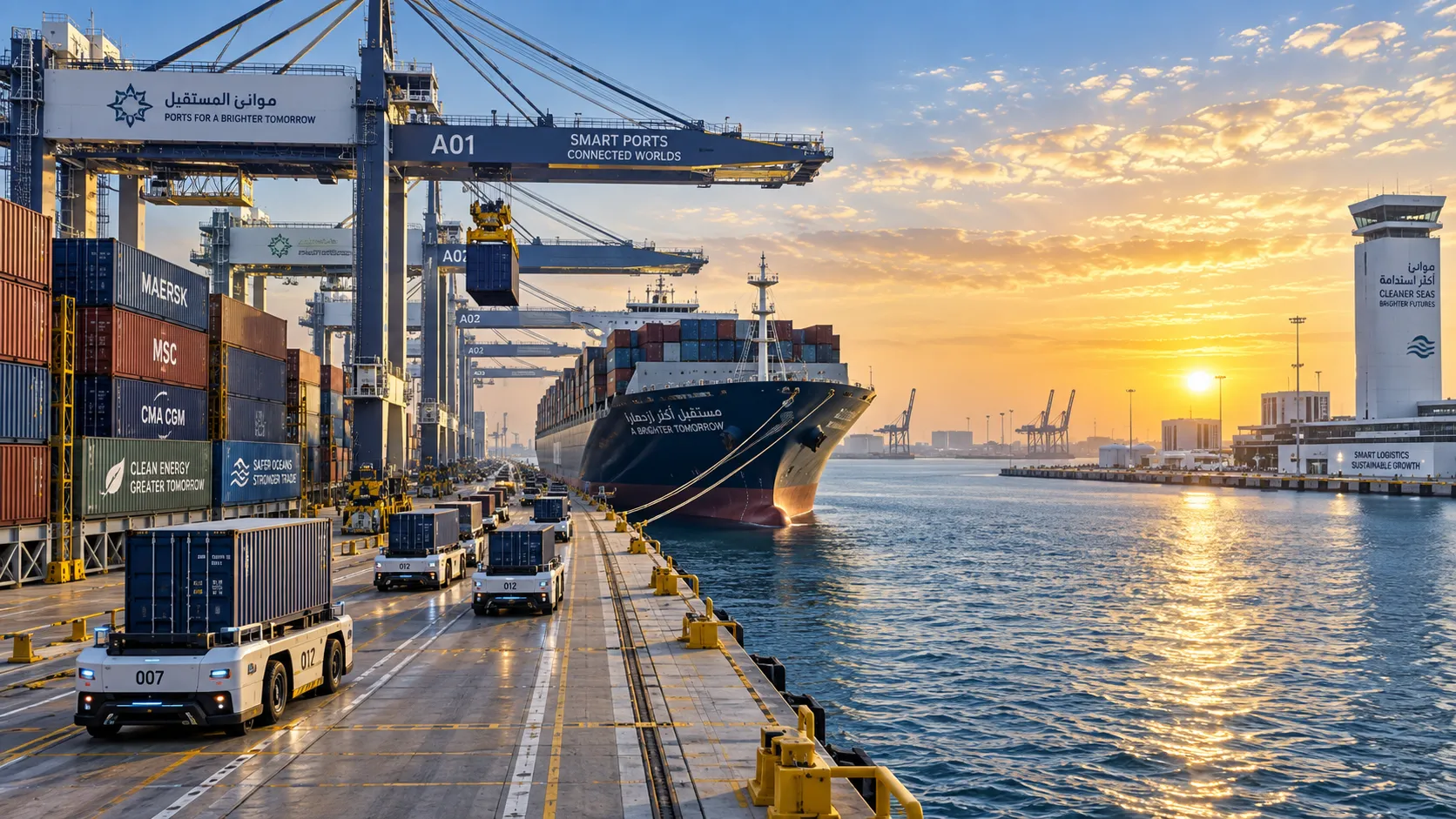
Middle East Port Automation: Key Market Drivers, Projects, and Investment Risks
Port automation systems Middle East: explore market drivers, flagship projects, integration challenges, and investment risks shaping smarter, resilient terminals.
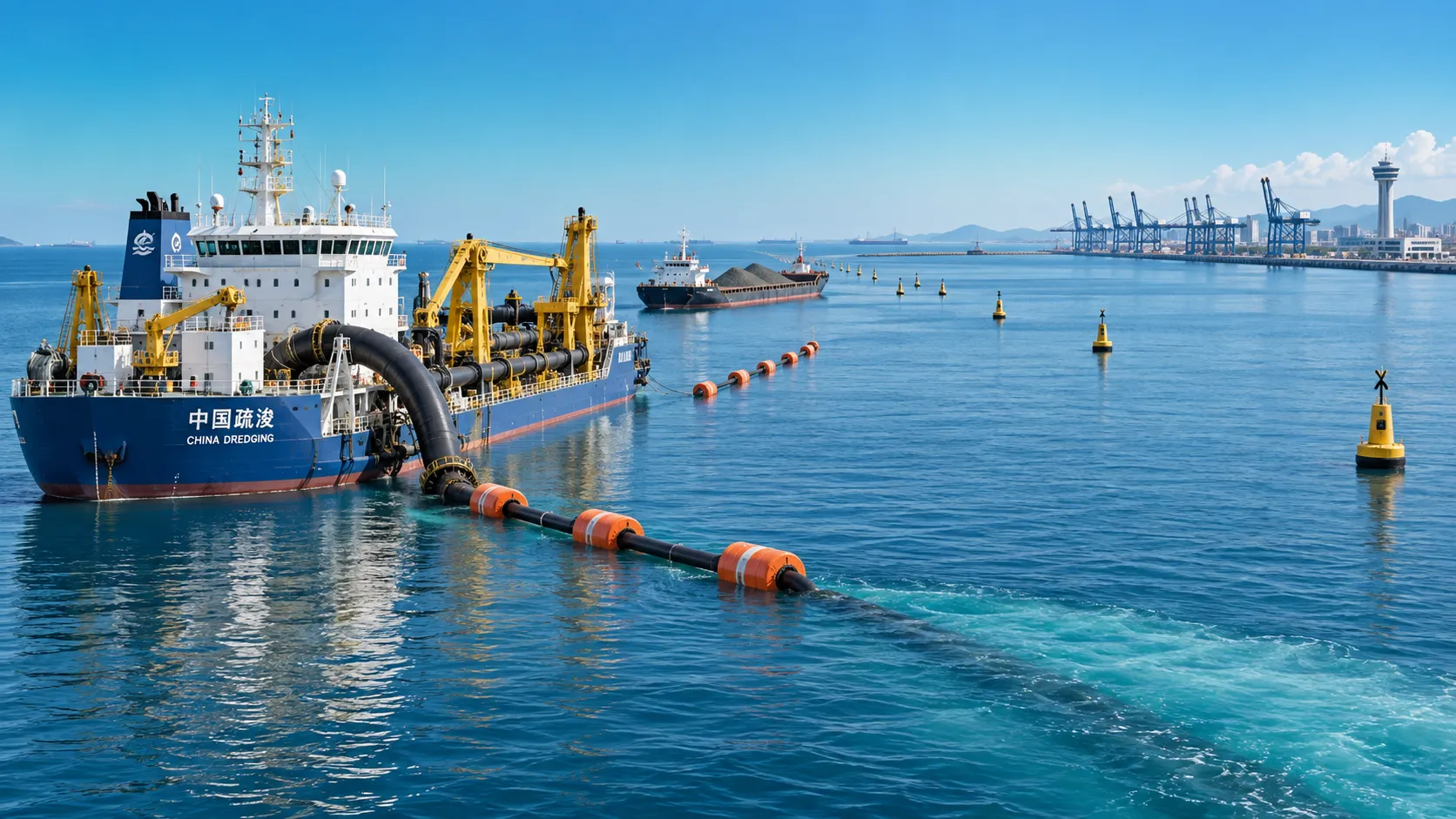
Planning Offshore Dredging Operations: Key Risks, Methods, and Project Controls
Offshore dredging operations demand smart planning. Explore key risks, proven methods, environmental controls, and project strategies for reliable delivery.