Related News
- 00
0000-00
How to Specify a Quay Crane for Container Terminals by Vessel Size and Throughput? - 00
0000-00
Which Bulk Handling Equipment Suits High-Moisture Cargo? - 00
0000-00
Terminal Automation Technologies That Raise Container Throughput Without Yard Disruption - 00
0000-00
Planning Offshore Dredging Operations: Key Risks, Methods, and Project Controls - 00
0000-00
Where Do Automated Guided Vehicles Deliver the Fastest Warehouse Gains in the Middle East?
What Are Smart Operations Solutions? Key Use Cases, System Modules, and ROI Drivers
Why are smart operations solutions getting so much attention?
Smart operations solutions matter because industrial systems are no longer isolated. Assets, software, schedules, and energy decisions now affect one another in real time.
That shift is especially visible in ports, bulk terminals, container yards, and dredging projects, where one delay can ripple across an entire logistics chain.
In simple terms, smart operations solutions combine operational data, automation logic, and decision support into one coordinated framework.
The goal is not just digitization. The real goal is better timing, lower downtime, safer asset use, and faster decisions under changing trade conditions.
PS-Nexus follows this closely across maritime logistics and coastal economics, where heavy machinery, scheduling algorithms, and global trade pressure must work together.
That is why the phrase appears in discussions about unmanned terminals, remote crane control, AGV routing, dredging telemetry, and low-latency port control systems.
What are smart operations solutions in practical business terms?
A practical definition is easier than the buzzword version. Smart operations solutions help an organization sense, decide, and act with less delay.
They usually connect equipment status, workflow events, maintenance records, and business rules into one operating picture.
In a terminal, that can mean linking quay cranes, yard equipment, gate flow, and dispatch logic. In dredging, it can mean connecting pump data, seabed progress, fuel use, and project timing.
A common misunderstanding is that smart operations solutions are only about dashboards. They are not.
The stronger systems influence live decisions. They trigger alerts, optimize task sequencing, suggest dispatch changes, and support predictive maintenance.
When designed well, they become an operational layer between field assets and management decisions, not a reporting tool added after the fact.
How are they different from basic automation or ERP systems?
Basic automation controls machines. ERP tracks business transactions. Smart operations solutions sit between those worlds and coordinate them.
They use live data from operations, then translate it into decisions that improve throughput, reliability, and cost control.
That distinction matters in environments where every minute of asset idle time has a visible commercial impact.
Which use cases make the strongest case for adoption?
The best use cases are not the most fashionable ones. They are the ones where variability, downtime, and coordination problems already cost money.
In port and terminal operations, several patterns appear again and again.
- Berth and yard coordination, where vessel arrival changes force constant rescheduling.
- Remote or automated crane management, where latency and equipment health directly affect safety and cycle time.
- AGV and container routing, where path conflicts reduce mobility efficiency.
- Bulk handling flow control, where stockpile movement and conveyor loading must stay synchronized.
- Dredging performance monitoring, where pump efficiency, sediment conditions, and fuel burn shape project economics.
Outside maritime sectors, the same logic applies to warehouses, mining logistics, utilities, and complex project operations.
A useful test is simple: if operations depend on expensive equipment, time-sensitive flow, and many handoffs, smart operations solutions are usually relevant.
Where do organizations usually see early wins?
Early wins often come from bottleneck visibility rather than full autonomy. Teams discover hidden waiting time, duplicated moves, and preventable maintenance events.
That is why phased adoption tends to work better than a large, one-time transformation.
What system modules are typically included?
Most smart operations solutions share a modular structure, even when vendors describe it differently.
The table below helps clarify what decision-makers should actually look for.
In the PS-Nexus view, the most valuable modules are the ones that connect machinery intelligence with scheduling logic and commercial reality.
A system may look advanced on paper, yet still underperform if its modules do not share clean, timely data.
How should value be measured beyond the usual efficiency claims?
ROI is rarely driven by one metric. Stronger evaluations combine throughput, reliability, labor utilization, maintenance savings, and risk reduction.
For example, a terminal may justify smart operations solutions through fewer crane stoppages, shorter truck turn times, and better yard density.
A dredging operator may focus more on pump efficiency, fuel consumption, rework reduction, and tighter project completion windows.
The strongest ROI drivers often include the following:
- Reduced unplanned downtime on high-value assets.
- Better scheduling under volatile operating conditions.
- Lower empty moves, waiting time, and energy waste.
- Improved asset life through condition-based intervention.
- More predictable service levels for customers and partners.
More mature evaluations also include strategic value. That means resilience during trade disruption, readiness for automation, and stronger data foundations for future expansion.
What is the common ROI mistake?
The common mistake is measuring only labor reduction. In capital-heavy operations, delay avoidance and equipment productivity often create larger returns.
What should be checked before choosing a smart operations solution?
Selection usually fails when organizations buy features before defining operating priorities. The better path starts with a short list of business constraints.
Need to reduce vessel waiting? Improve yard flow? Stabilize remote equipment control? Lower dredging fuel intensity? Each goal points to different modules.
It also helps to compare solutions using a practical decision lens.
In actual projects, implementation discipline matters as much as software capability. Data quality, process alignment, and operator trust are decisive.
That is one reason intelligence platforms like PS-Nexus pay attention not only to equipment, but also to the control logic behind asset scheduling and system evolution.
Are there risks or misconceptions worth watching?
Yes, and they are usually operational rather than technical.
One misconception is assuming smart operations solutions will fix broken workflows automatically. They will expose process weaknesses, but they will not erase them.
Another risk is overbuilding. Not every site needs a fully autonomous stack on day one.
A more practical approach is to start where operational friction is measurable and asset intensity is high.
- Do not ignore data governance and cybersecurity.
- Do not rely on KPIs without a verified baseline.
- Do not separate automation goals from maintenance reality.
- Do not underestimate change management in live operations.
Where heavy terminal gear and marine engineering are involved, reliability and safety remain the foundation of every digital decision.
What is the sensible next step if evaluation is just beginning?
Start with one operational map. Identify where delays, idle assets, maintenance surprises, or coordination gaps create the most value leakage.
Then connect those pain points to a short list of smart operations solutions capabilities, not to a long vendor checklist.
In many cases, the right sequence is visibility first, optimization second, and deeper automation after process confidence improves.
For organizations tracking port automation, bulk handling, container mobility, or dredging intelligence, this staged view is usually more durable.
Smart operations solutions create value when they align machines, data, and decisions around real operating constraints.
The most useful next move is to define measurable objectives, compare modules against actual workflows, and test ROI drivers before scaling wider adoption.
Related News
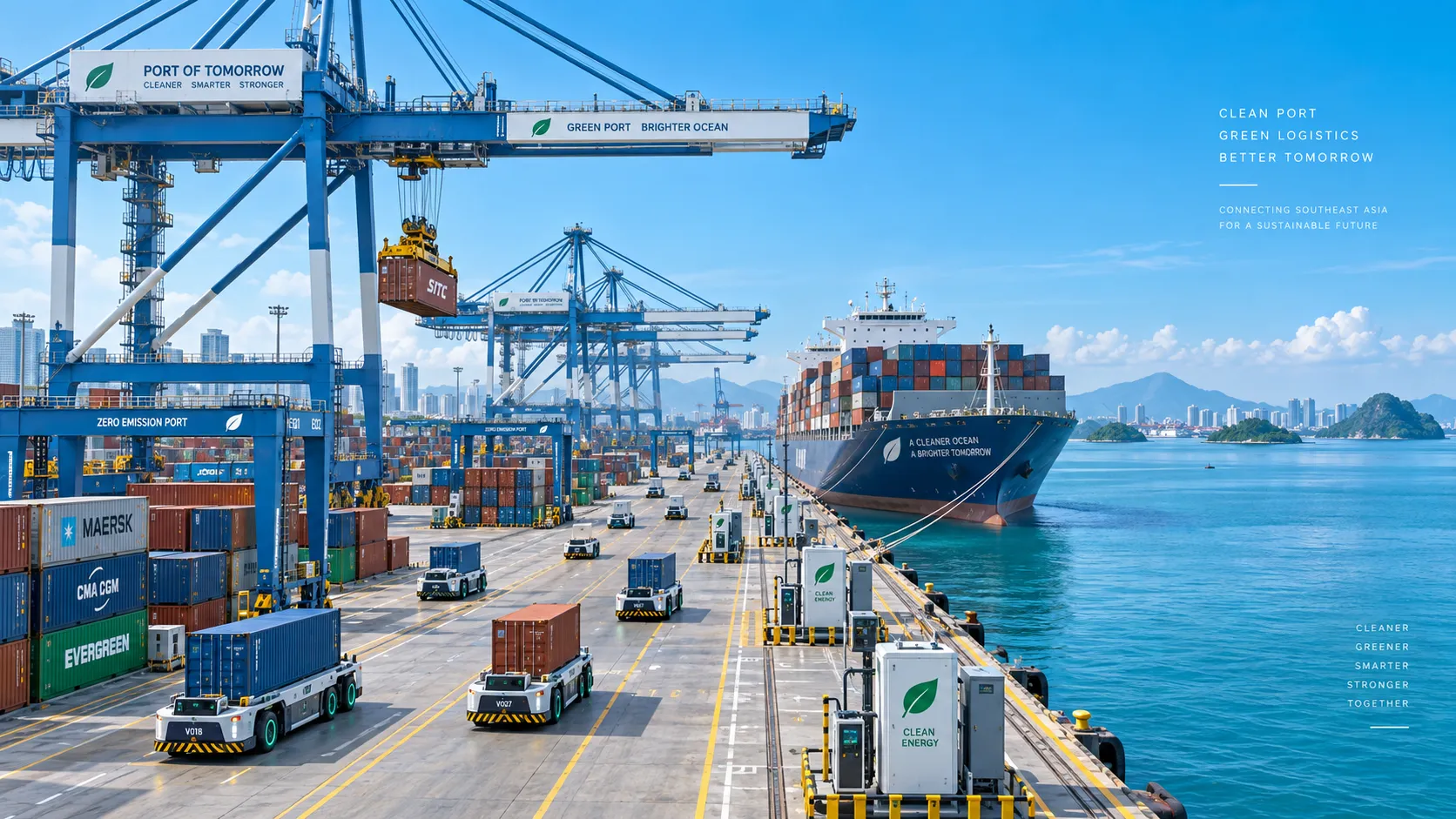
Smart Port Systems in Southeast Asia: Investment Priorities and Adoption Barriers
Smart port systems Southeast Asia: discover investment priorities, adoption barriers, and practical steps to build resilient, connected, high-performing terminals.

How to Evaluate Terminal Efficiency Solution Suppliers for High-Throughput Operations
Choose a terminal efficiency solutions supplier with confidence. Explore proven criteria for throughput, integration, lifecycle cost, safety, and reliable delivery.
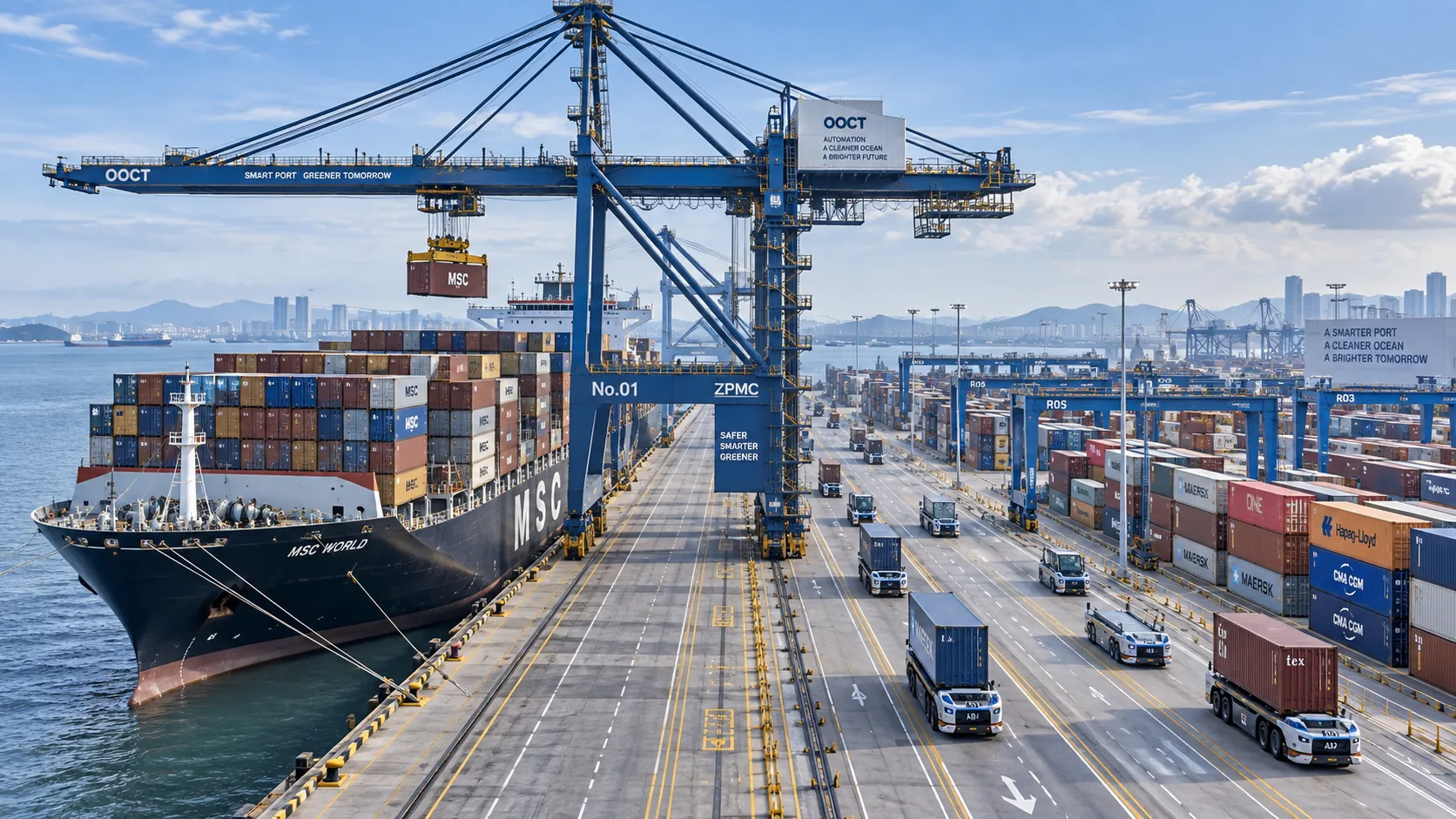
How to Specify a Quay Crane for Container Terminals by Vessel Size and Throughput?
Quay crane for container terminals: learn how to match outreach, lift height, capacity, automation, and cycle performance to vessel size and throughput goals.
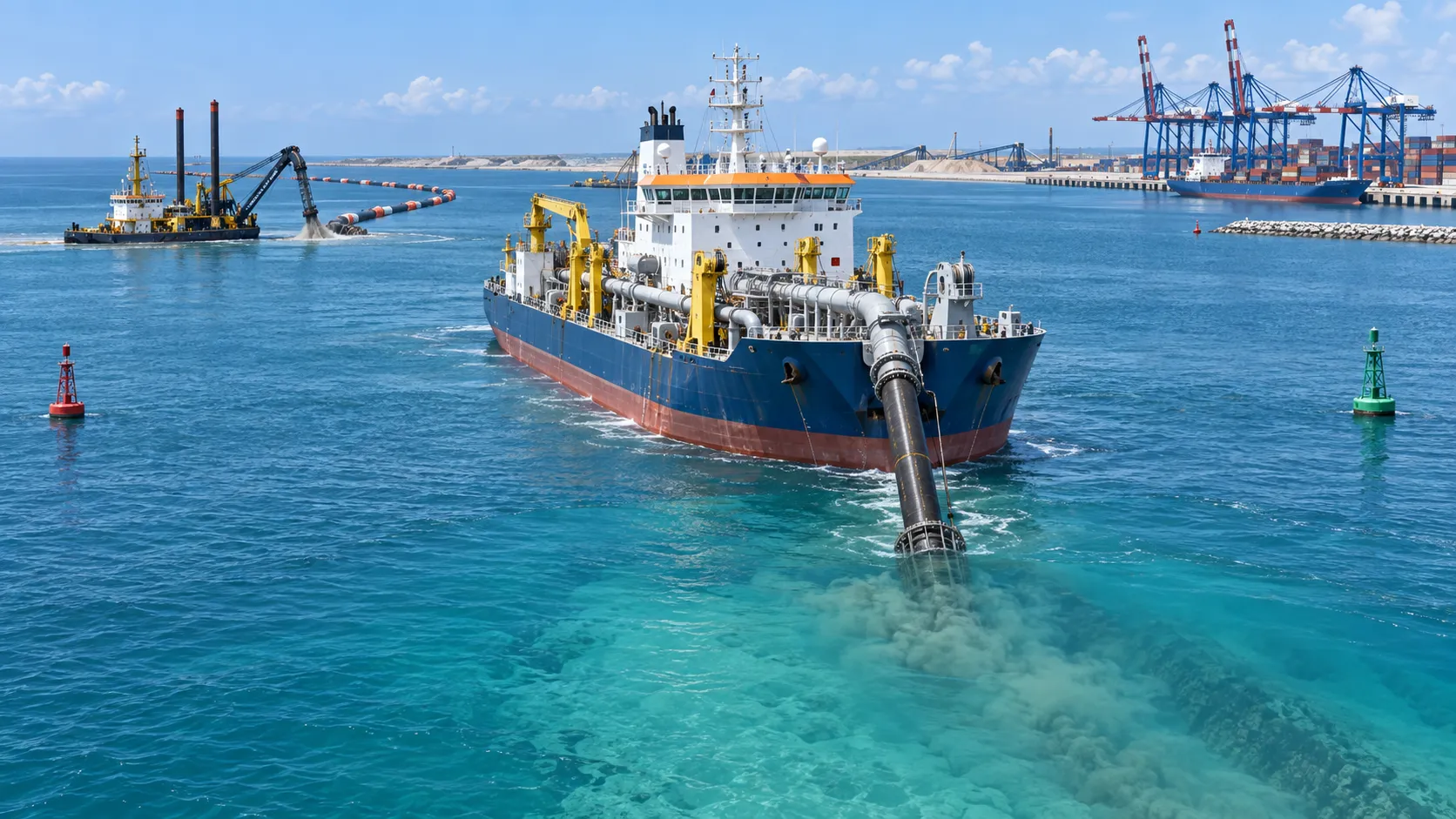
What Dredging Equipment Is Needed for Channel Deepening?
What dredging equipment is needed for channel deepening? Explore dredgers, pipelines, survey tools, and planning strategies for safer, more efficient port access.
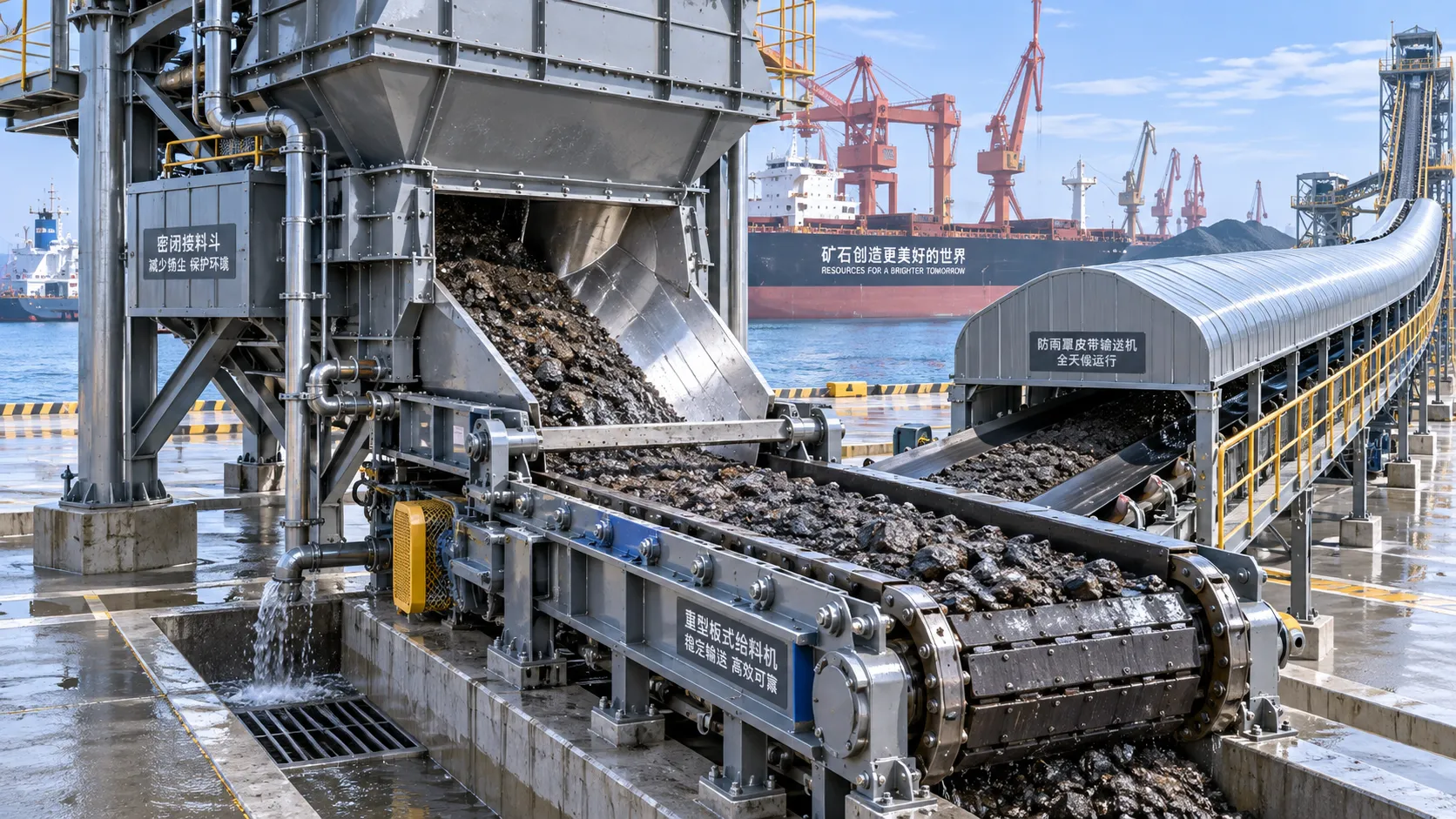
Which Bulk Handling Equipment Suits High-Moisture Cargo?
Which bulk handling equipment suits high-moisture cargo? Compare belt, apron, screw, drag, and slurry systems for reliable flow, less carryback, and higher terminal uptime.
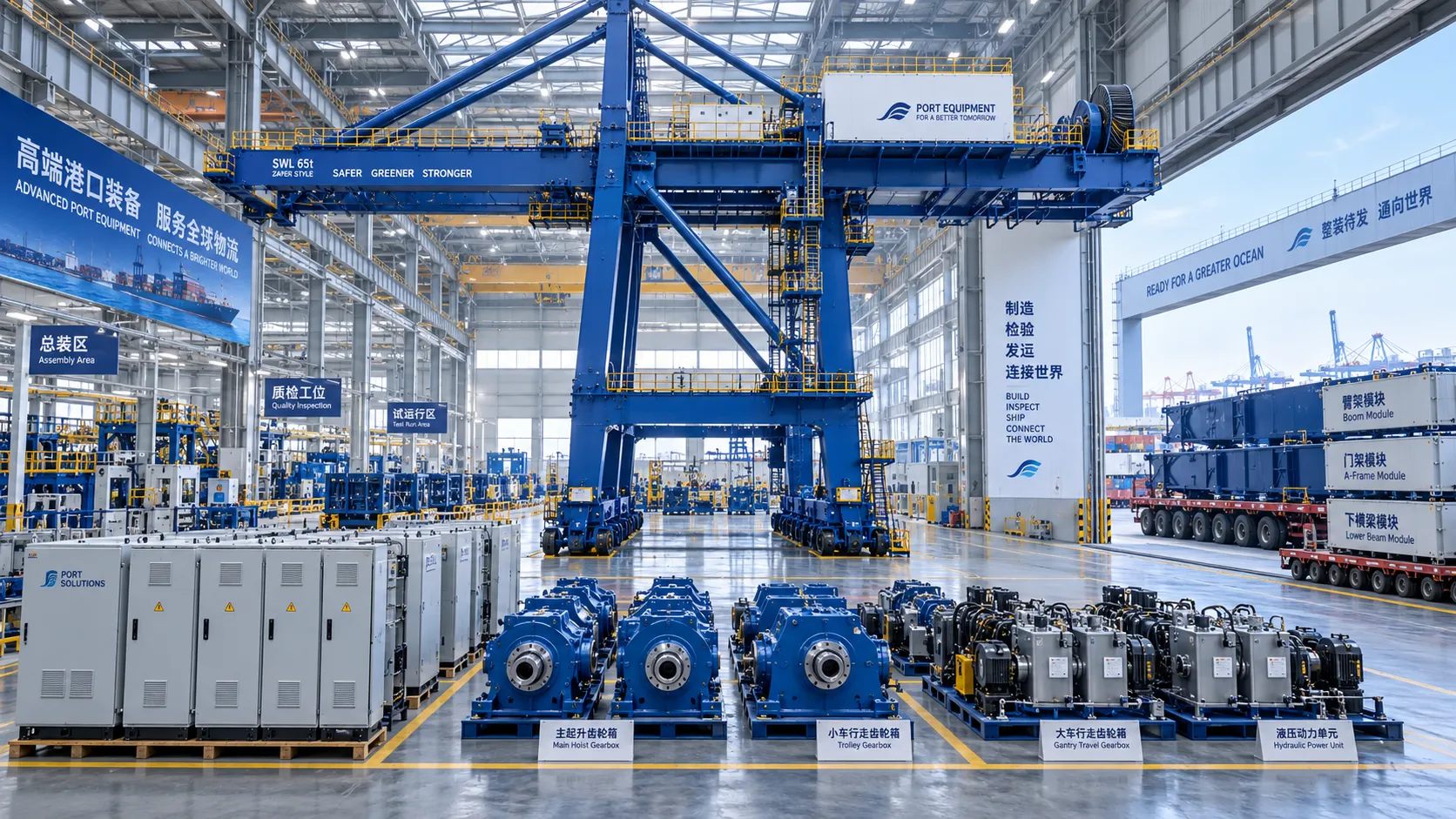
How Can Port Equipment Lead-Time Risk Be Managed?
How can port equipment lead-time risk be managed? Explore practical strategies to control critical paths, suppliers, transport, site readiness, and commissioning delays.
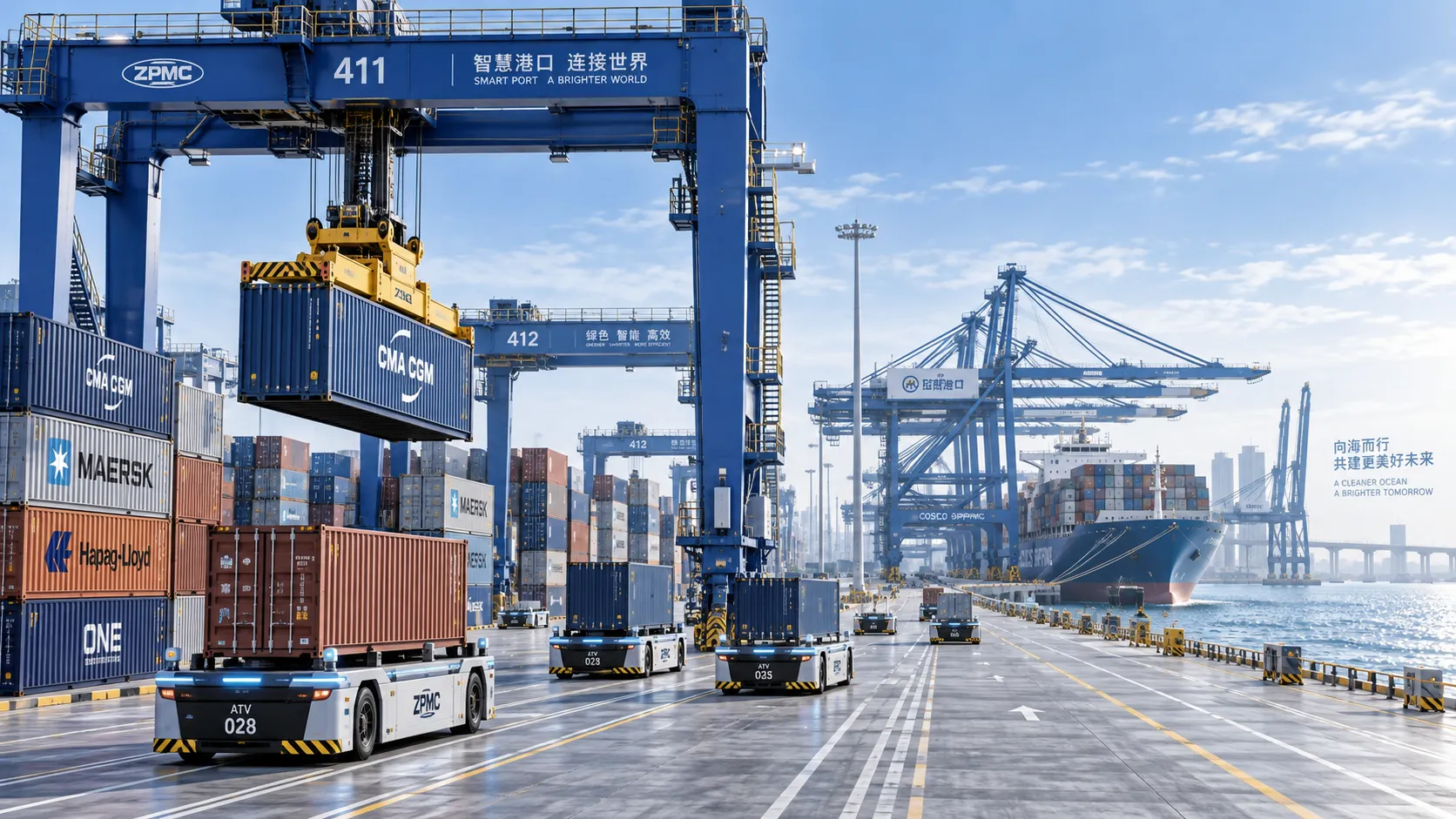
Terminal Automation Technologies That Raise Container Throughput Without Yard Disruption
Terminal automation technology that increases container throughput without disrupting yard flow. Explore smarter integration, resilient workflows, and phased deployment strategies.
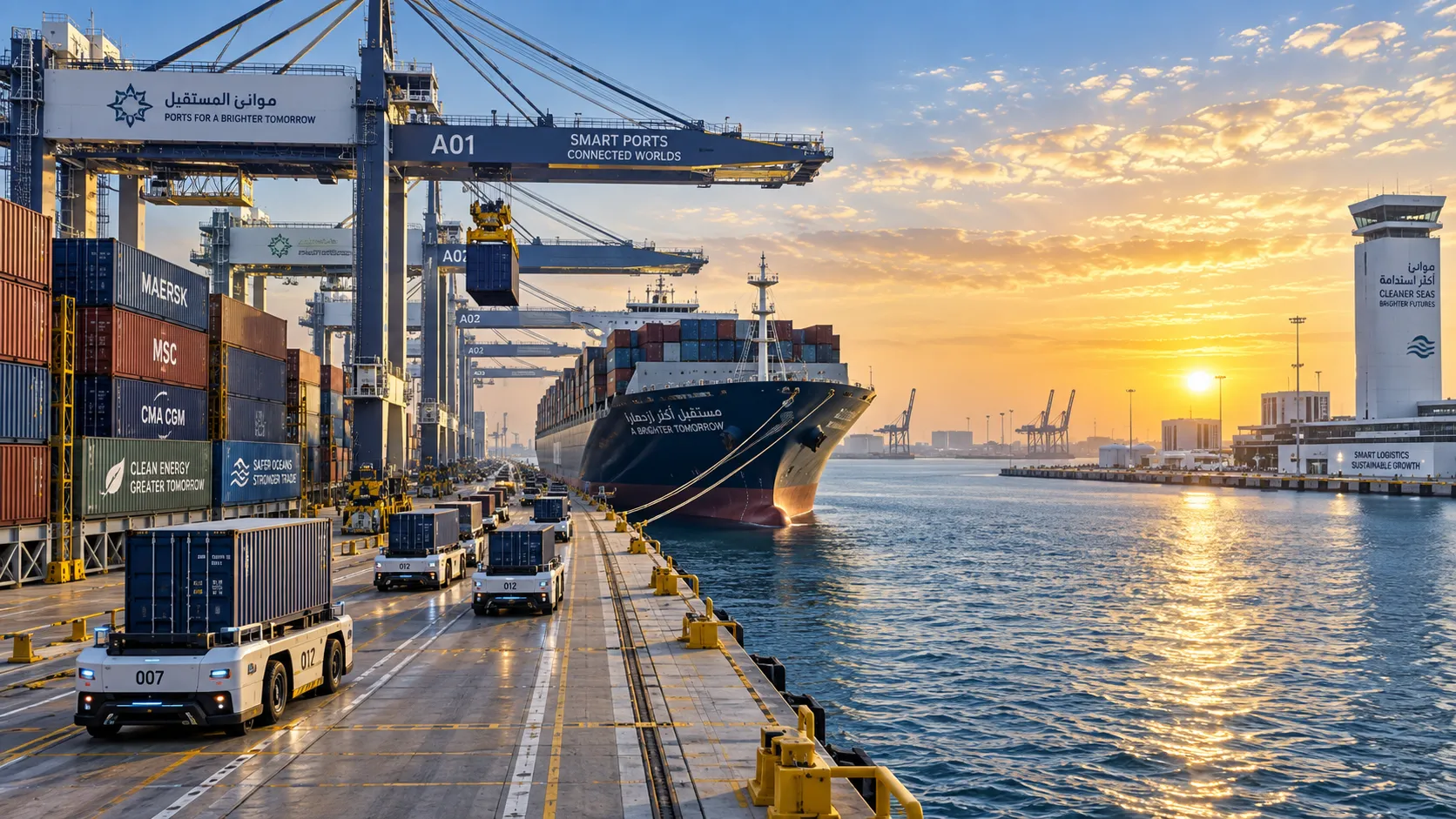
Middle East Port Automation: Key Market Drivers, Projects, and Investment Risks
Port automation systems Middle East: explore market drivers, flagship projects, integration challenges, and investment risks shaping smarter, resilient terminals.
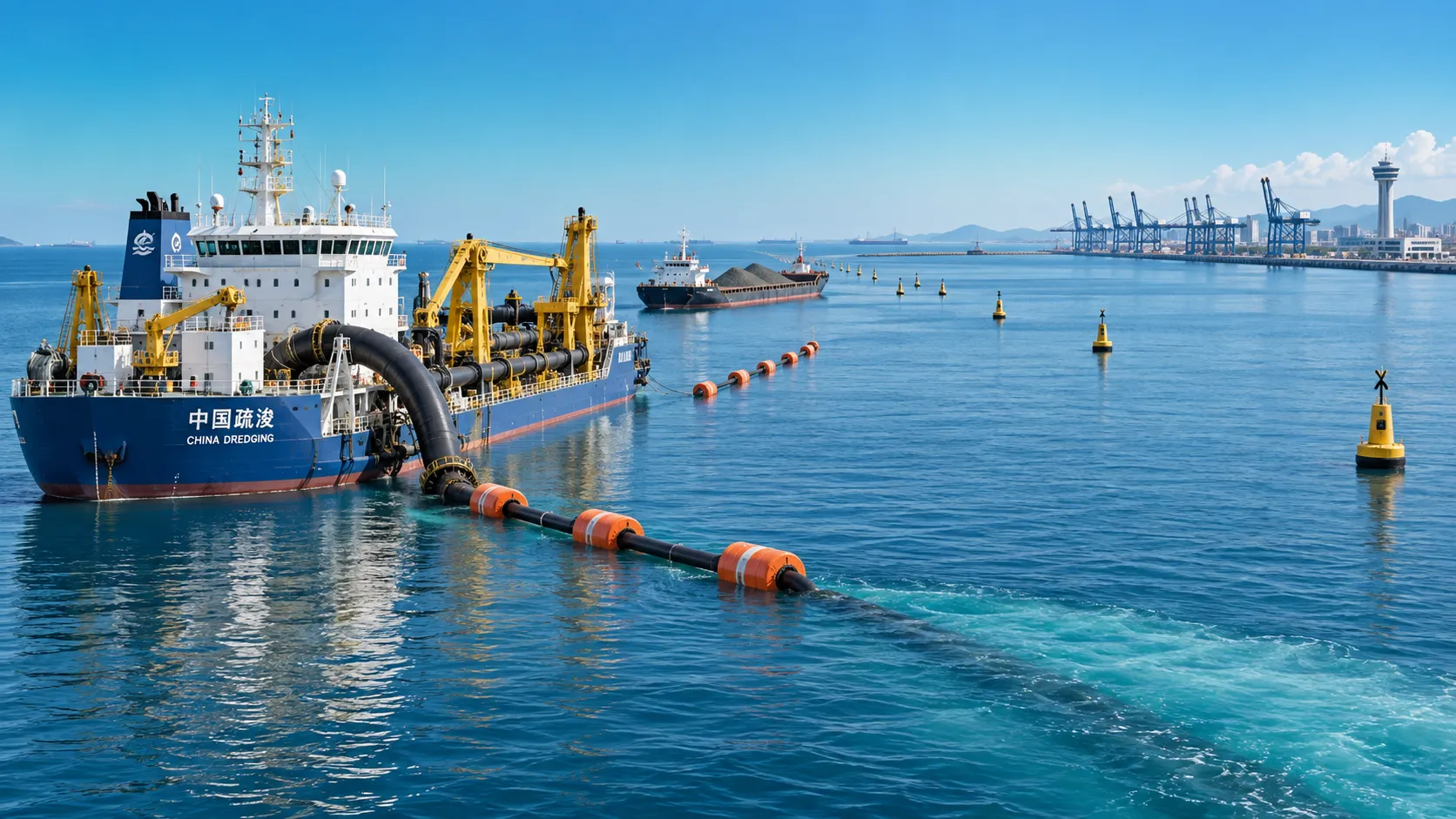
Planning Offshore Dredging Operations: Key Risks, Methods, and Project Controls
Offshore dredging operations demand smart planning. Explore key risks, proven methods, environmental controls, and project strategies for reliable delivery.