
Related News
- 00
0000-00
How Can Port Equipment Lead-Time Risk Be Managed? - 00
0000-00
Maritime Logistics Operations: How Ports Can Reduce Container Dwell Time - 00
0000-00
What Does Logistics Node Monitoring Cost Across Warehouses and Transport Hubs? - 00
0000-00
How Can IoT Smart Port Solutions Improve Container Tracking and Yard Efficiency? - 00
0000-00
How Real-Time Port Logistics Intelligence Improves Container Yard Efficiency
How Maritime Trade Analytics Helps Predict Route Demand, Congestion, and Freight Risk
How maritime trade analytics changes decisions before disruption becomes visible
Volatile shipping markets rarely fail in one obvious moment. They tighten gradually across routes, terminals, drafts, labor windows, and inland connections.
That is where maritime trade analytics becomes practical rather than theoretical. It helps interpret weak signals before they turn into missed capacity, delayed calls, or costly freight exposure.
In real operating conditions, route demand is not driven by cargo volume alone. Berth productivity, yard density, dredging status, feeder reliability, and equipment availability all reshape traffic choices.
For an intelligence platform like PS-Nexus, this matters because maritime logistics now depends on linked systems. Heavy terminal gear, automated handling, bulk machinery, and marine engineering all influence trade timing.
Used well, maritime trade analytics connects vessel movements, port capacity signals, rate shifts, and infrastructure constraints into a clearer planning picture.
Actual demand signals vary by trade lane, port design, and cargo mix
Different scenarios create different readings. A container gateway under crane pressure behaves differently from a bulk corridor affected by channel depth and dredging cycles.
This is why maritime trade analytics should not be reduced to vessel counts. A rising number of calls can reflect real demand, diversion traffic, or schedule compression.
More useful judgment starts with operational context. Is the port absorbing larger ships? Is yard automation improving dwell time? Are bulk loaders or stacker systems limiting turnaround?
PS-Nexus often sits closest to this operational layer. Its coverage of quay cranes, specialized container systems, automation controls, and dredging engineering helps explain why similar routes produce very different risk profiles.
When route demand rises but terminal readiness does not
A common case appears after trade rerouting. New cargo inflow reaches a port faster than berth planning, crane cycles, gate throughput, or AGV scheduling can adjust.
In that setting, maritime trade analytics should track demand and handling elasticity together. If one grows while the other stalls, congestion risk forms early.
When bulk trade depends on marine access conditions
Bulk flows often look stable until draft restrictions change. Sedimentation, weather windows, and delayed dredging can quietly reduce route attractiveness.
Here, maritime trade analytics becomes more valuable when it includes channel depth trends, equipment uptime, and port-side transfer capacity instead of freight rates alone.
The most useful scenarios are usually tied to real bottlenecks
In practice, three high-frequency situations reveal the strength of maritime trade analytics.
Rerouted container flows after geopolitical or canal disruption
Demand forecasting becomes difficult when services skip traditional corridors. Carriers may add transshipment calls, stretch loops, or consolidate volumes into fewer hubs.
The right question is not only where ships are going. It is whether the receiving hubs have crane productivity, yard space logic, and inland evacuation capacity to absorb them.
That is why route demand prediction works better when terminal automation and handling equipment data are interpreted with schedule data.
Bulk commodity corridors facing infrastructure strain
Iron ore, grain, coal, and energy shipments often depend on highly specific transfer chains. Conveyor availability, grab efficiency, reclaim timing, and draft depth can change freight risk quickly.
In these corridors, maritime trade analytics should test whether apparent demand growth is supported by discharge speed and channel access, not just contract volume.
Emerging hubs investing in automation and expansion
Some ports are not congested today, yet still matter in forecasting. New control systems, remote crane operations, and dredging projects can reposition a port within regional networks.
This is where PS-Nexus adds context. Signals from automation architecture, low-latency control protocols, and dredging execution can indicate future route competitiveness before traffic statistics fully catch up.
Different scenarios rarely need the same indicators
A simple comparison makes the differences clearer.
This comparison shows why maritime trade analytics works best when each route is read through its operational structure.
What often gets misread when congestion and freight risk are assessed
One frequent error is treating all busy ports as equally constrained. Two terminals may show similar vessel queues while facing completely different recovery prospects.
A highly automated terminal may clear backlog once yard logic stabilizes. Another port may remain delayed because channel depth, crane maintenance, or landside evacuation still lag.
Another misread is focusing on spot freight alone. Freight rates usually reflect visible stress, but maritime trade analytics should catch hidden exposure earlier.
- Rising transshipment dependency can mask weakening direct route reliability.
- High vessel arrivals can look positive while terminal cycle time actually worsens.
- New port capacity announcements may overstate readiness if dredging or controls are unfinished.
- Lower upfront routing cost may hide higher delay, fuel, or inventory exposure.
The better approach is to combine trade flow signals with engineering and scheduling realities. That is the layer where many route forecasts become materially more accurate.
A practical way to adapt maritime trade analytics to changing networks
Useful application starts with narrowing the decision frame. Not every route needs the same depth of monitoring.
Where congestion risk is the main concern, begin with berth productivity, yard dwell, and feeder synchronization. Where freight risk dominates, compare service reliability with physical access constraints.
If network shifts depend on port investment, focus on implementation timing. Design capacity on paper matters less than the commissioning pace of cranes, controls, and dredging assets.
In actual planning cycles, these checks usually help:
- Separate structural demand growth from temporary diversion traffic.
- Map each route to its limiting asset, not only its cargo volume.
- Review whether automation, dredging, and handling systems are operational or still transitional.
- Compare short-term rate moves with medium-term infrastructure readiness.
- Build scenario thresholds for delay, draft, throughput, and recovery time.
This is also where PS-Nexus becomes relevant as an intelligence source. Its view across terminal gear, control systems, and marine engineering helps connect commercial route analysis with physical execution limits.
The next useful step is not more data, but better scenario alignment
Maritime trade analytics creates value when route demand, congestion, and freight risk are judged within the right operating context.
Some routes fail because demand jumps too quickly. Others weaken because equipment, draft conditions, or automation maturity cannot support the traffic they attract.
A practical next step is to sort current routes by exposure type, then compare them against terminal readiness, marine access, and recovery flexibility.
From there, maritime trade analytics becomes more than a reporting layer. It becomes a method for setting route priorities, testing assumptions, and reading risk before disruption hardens into cost.
Related News
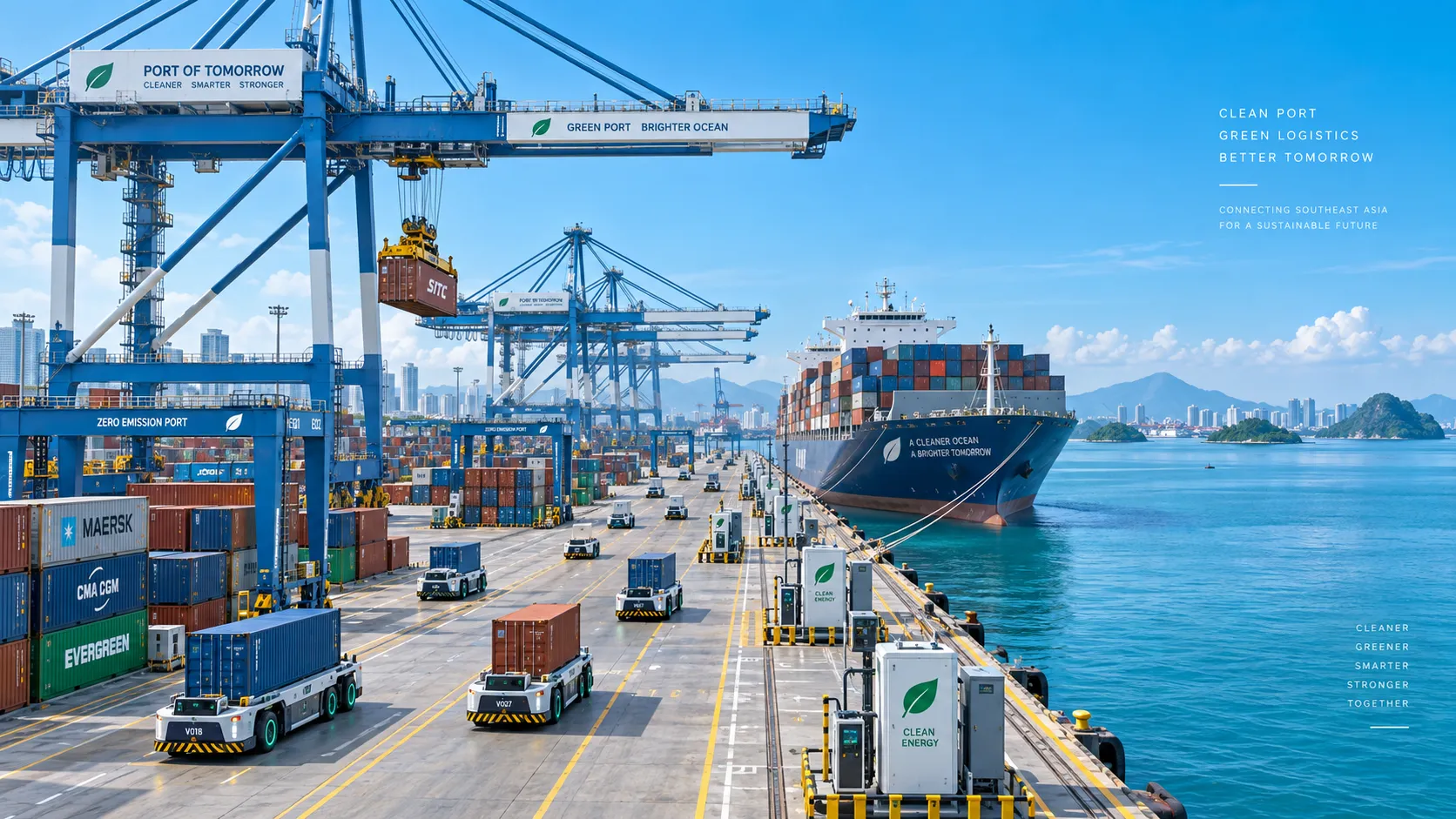
Smart Port Systems in Southeast Asia: Investment Priorities and Adoption Barriers
Smart port systems Southeast Asia: discover investment priorities, adoption barriers, and practical steps to build resilient, connected, high-performing terminals.
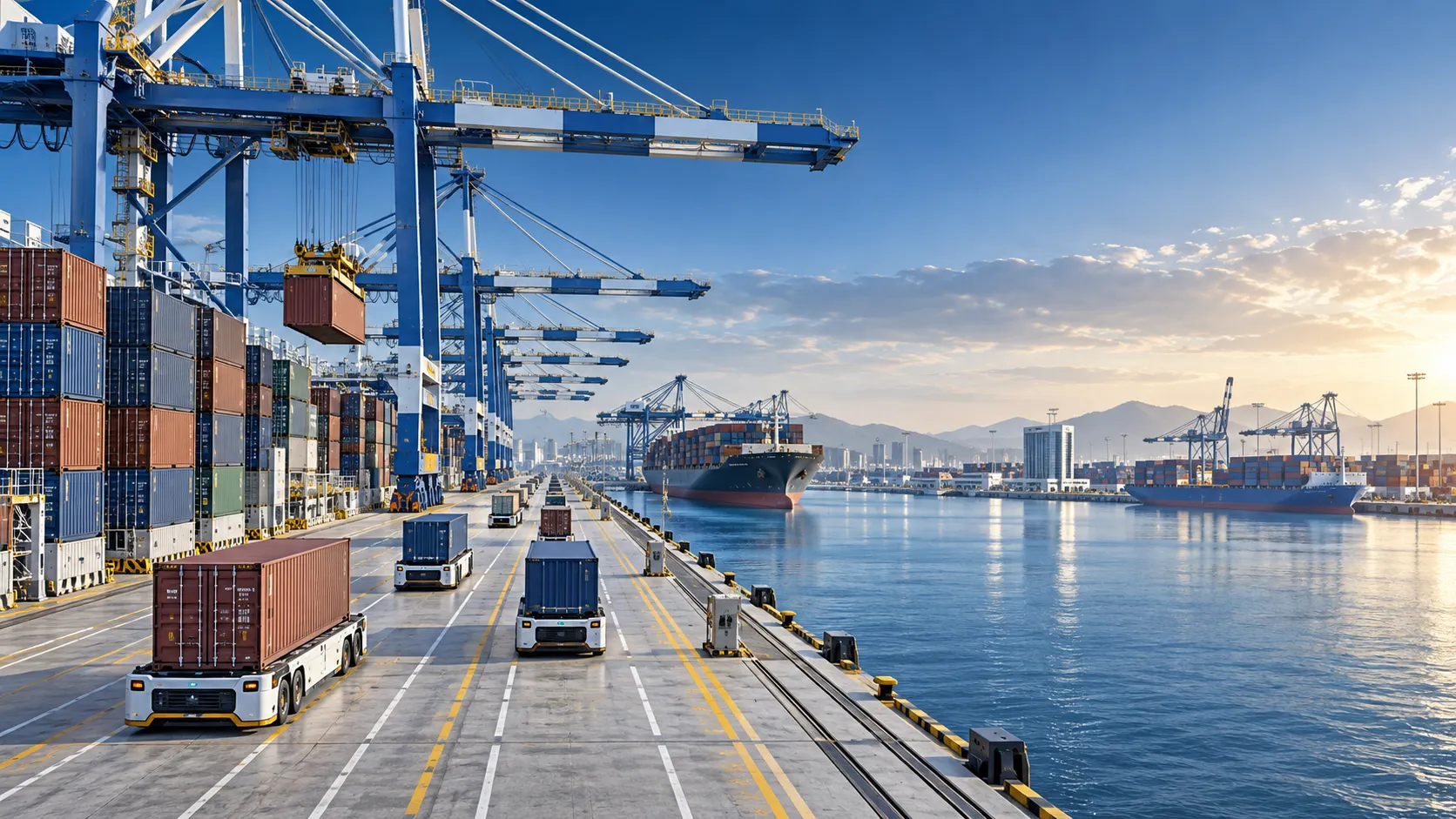
How to Evaluate Terminal Efficiency Solution Suppliers for High-Throughput Operations
Choose a terminal efficiency solutions supplier with confidence. Explore proven criteria for throughput, integration, lifecycle cost, safety, and reliable delivery.
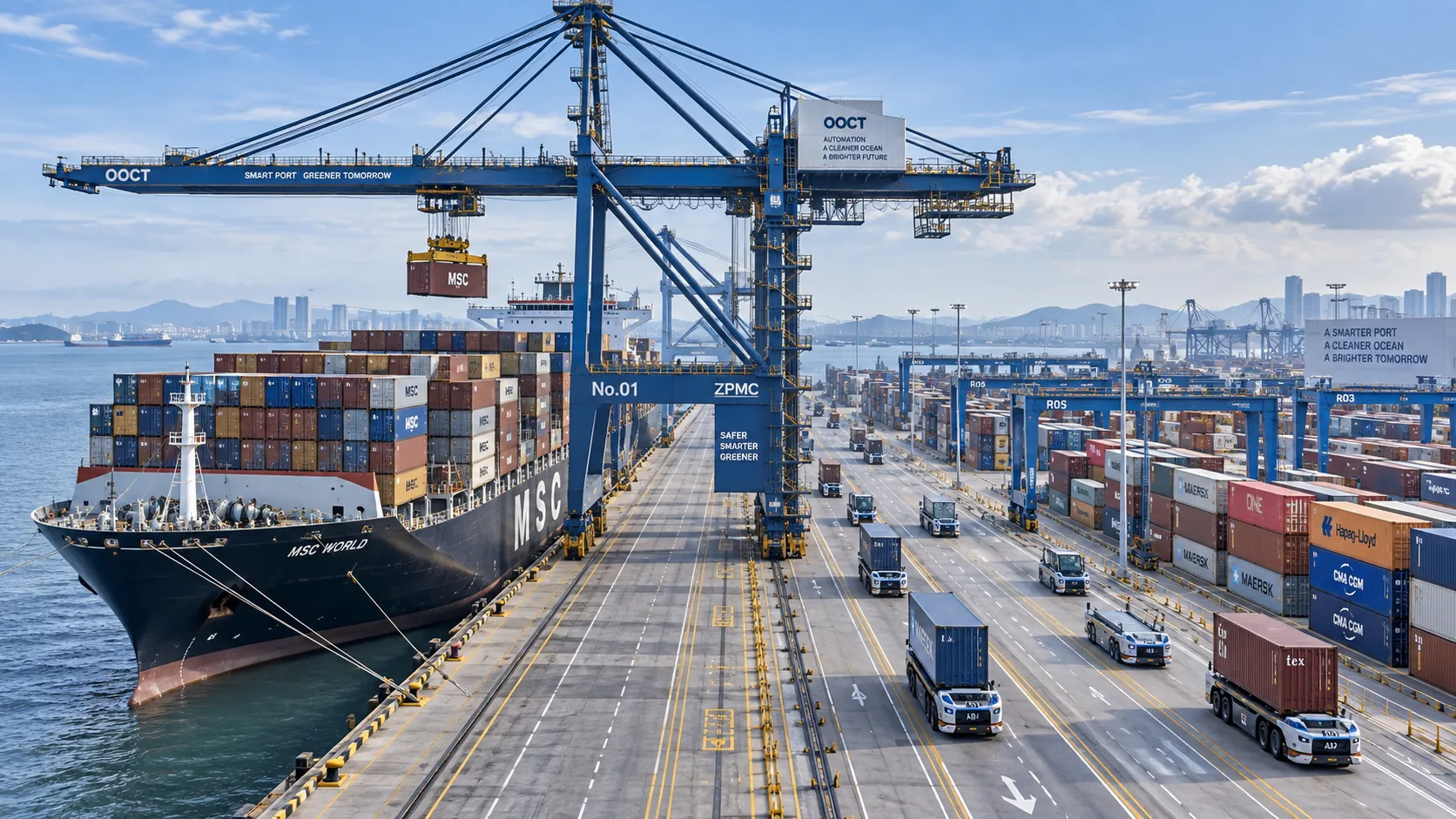
How to Specify a Quay Crane for Container Terminals by Vessel Size and Throughput?
Quay crane for container terminals: learn how to match outreach, lift height, capacity, automation, and cycle performance to vessel size and throughput goals.
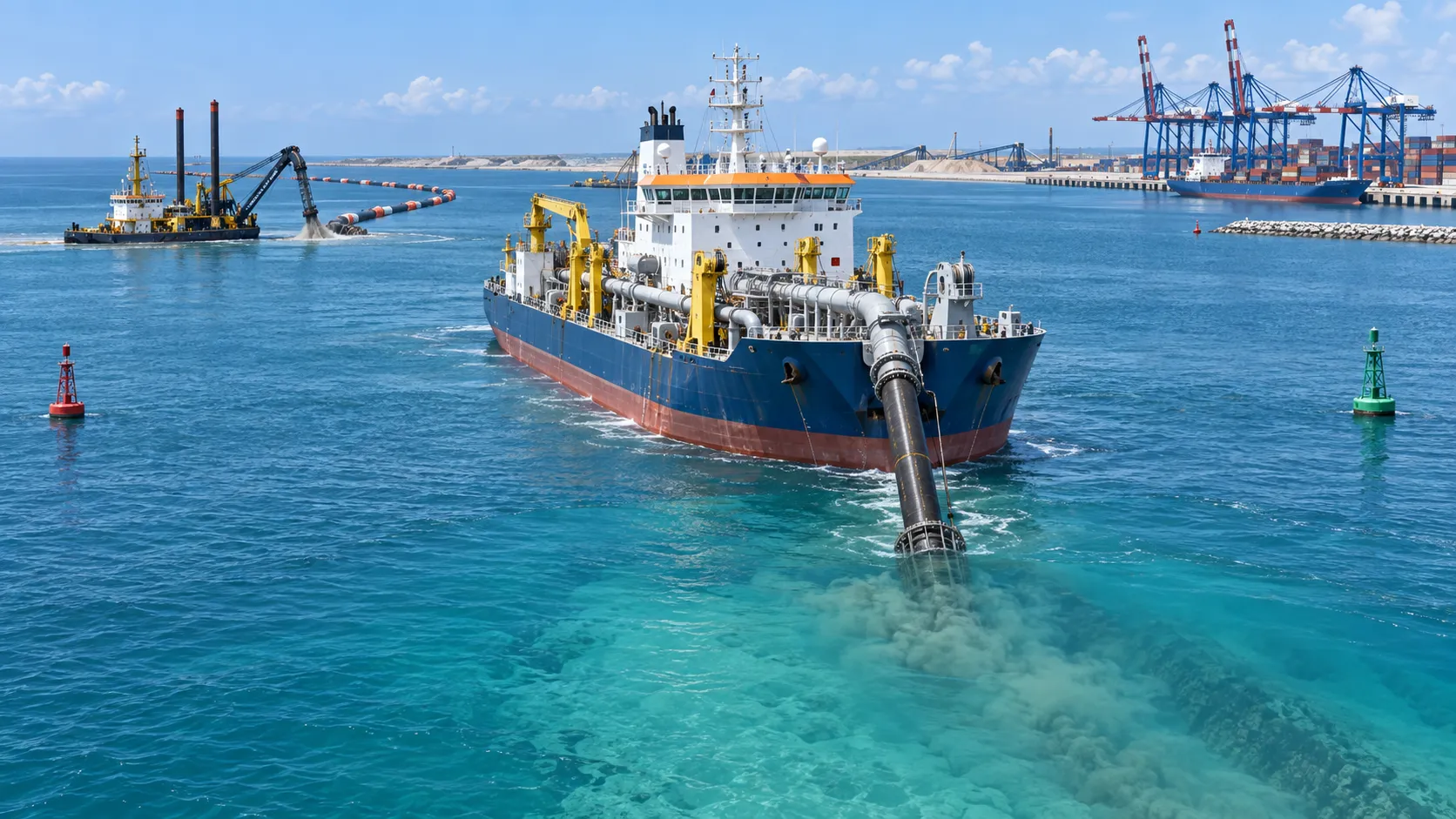
What Dredging Equipment Is Needed for Channel Deepening?
What dredging equipment is needed for channel deepening? Explore dredgers, pipelines, survey tools, and planning strategies for safer, more efficient port access.
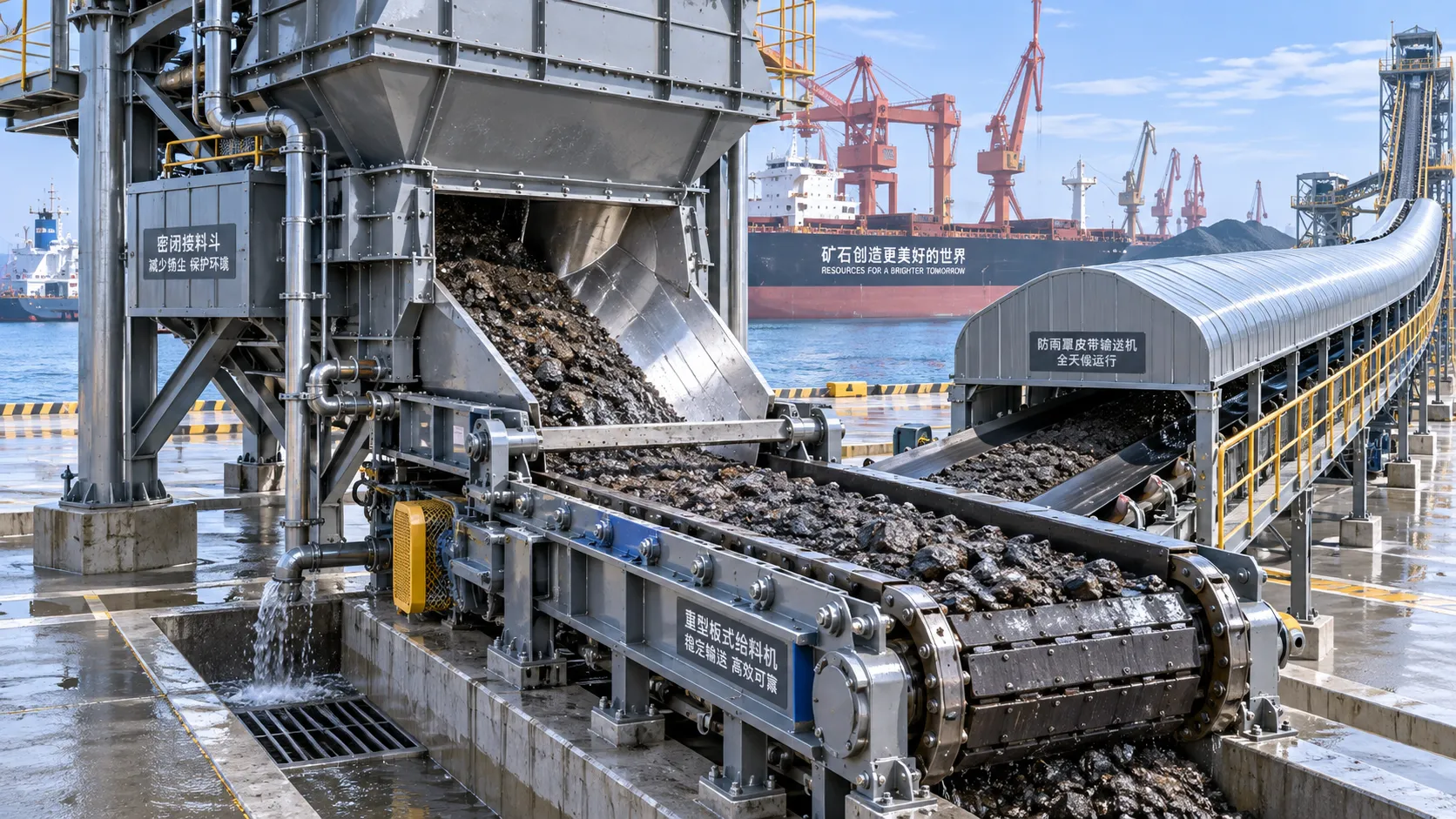
Which Bulk Handling Equipment Suits High-Moisture Cargo?
Which bulk handling equipment suits high-moisture cargo? Compare belt, apron, screw, drag, and slurry systems for reliable flow, less carryback, and higher terminal uptime.
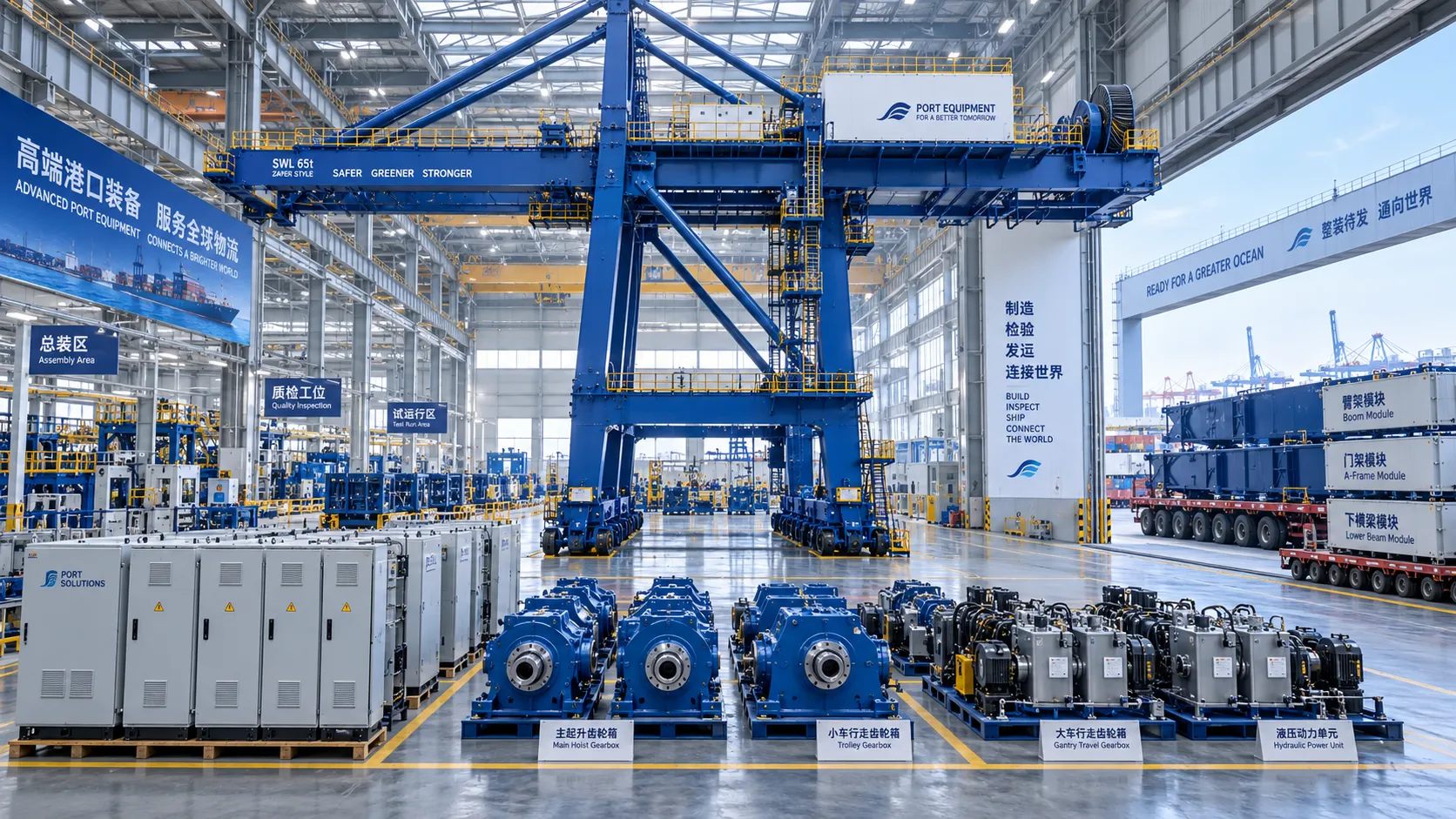
How Can Port Equipment Lead-Time Risk Be Managed?
How can port equipment lead-time risk be managed? Explore practical strategies to control critical paths, suppliers, transport, site readiness, and commissioning delays.
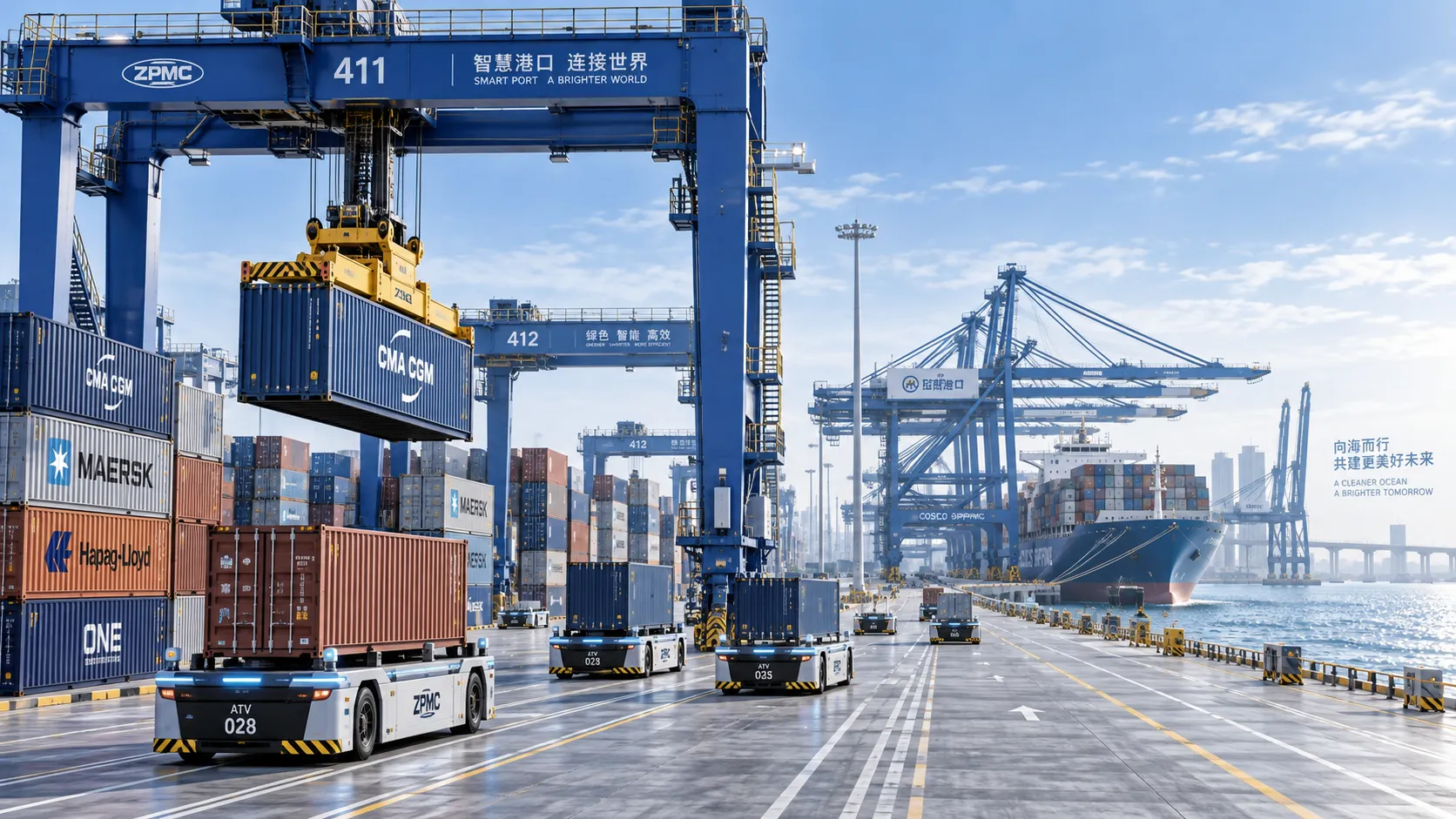
Terminal Automation Technologies That Raise Container Throughput Without Yard Disruption
Terminal automation technology that increases container throughput without disrupting yard flow. Explore smarter integration, resilient workflows, and phased deployment strategies.
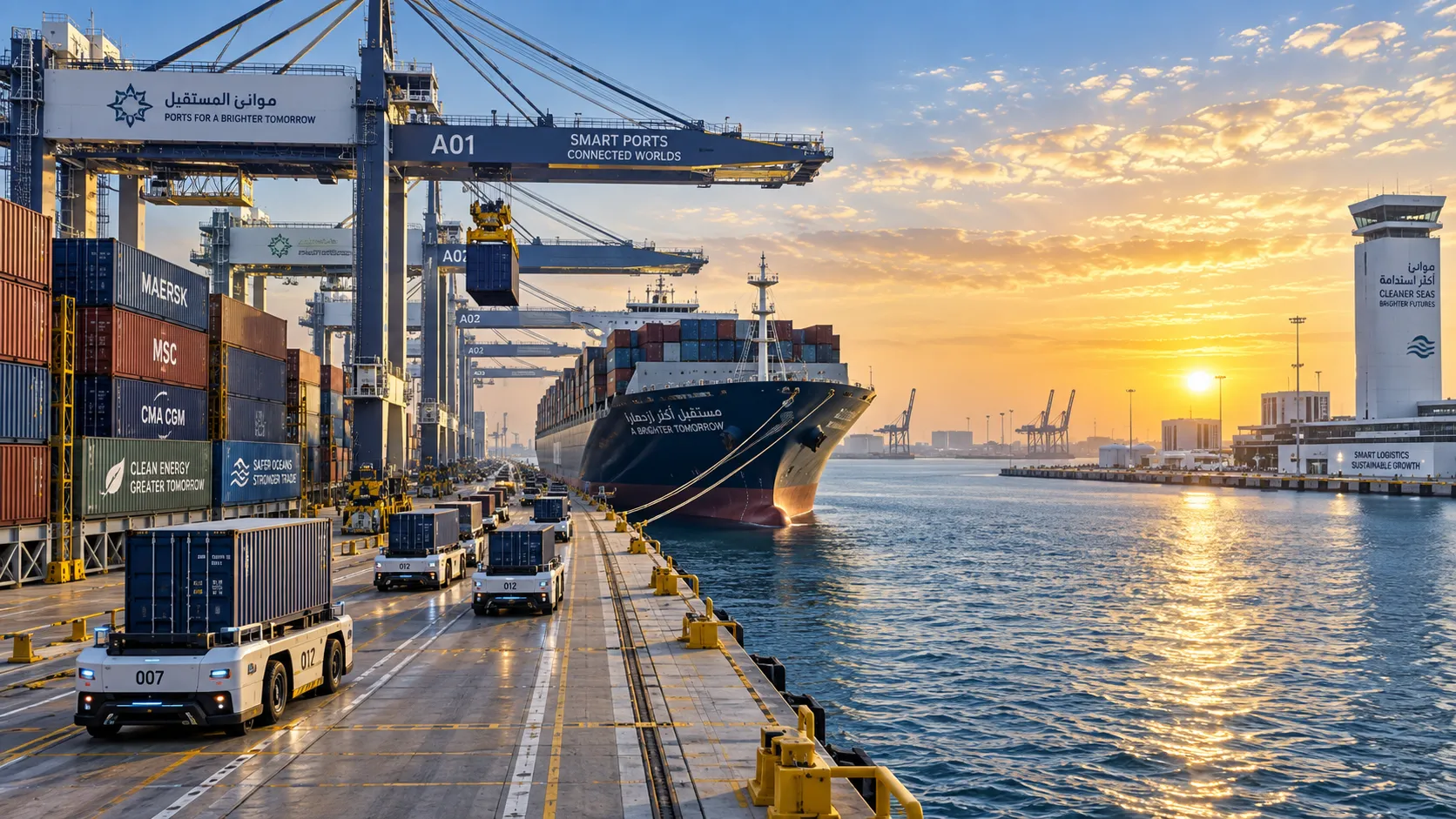
Middle East Port Automation: Key Market Drivers, Projects, and Investment Risks
Port automation systems Middle East: explore market drivers, flagship projects, integration challenges, and investment risks shaping smarter, resilient terminals.
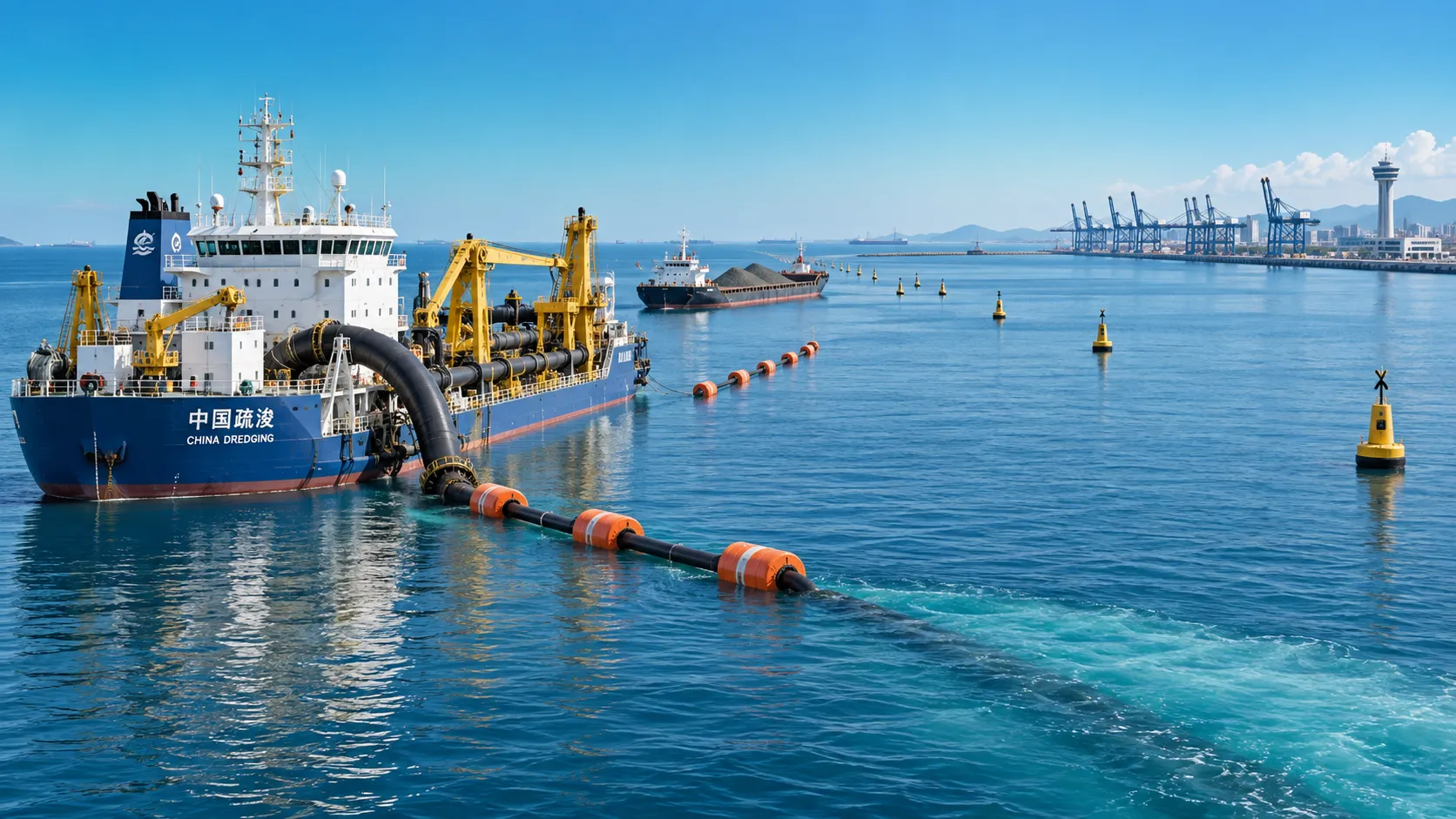
Planning Offshore Dredging Operations: Key Risks, Methods, and Project Controls
Offshore dredging operations demand smart planning. Explore key risks, proven methods, environmental controls, and project strategies for reliable delivery.