
Related News
- 00
0000-00
Smart Port Systems Pricing: How to Compare Lifecycle Costs and ROI by Terminal Scale - 00
0000-00
What Drives Bulk Material Handling Pricing in Large Conveyor System Projects? - 00
0000-00
How Shipping Rate Analytics in Europe Help Importers Predict Costs and Route Risk - 00
0000-00
What Buyers Check When Reviewing Used PVC Coating Line Output and Condition - 00
0000-00
Automated Port Systems Cost Breakdown: CAPEX, Integration, and Maintenance Factors
Heavy Machinery Logistics Costs Explained: What Impacts Transport, Handling, and Delays
Heavy Machinery Logistics Costs Explained: What Impacts Transport, Handling, and Delays
For finance approvers, heavy machinery logistics costs rarely stop at the freight quote.
A low transport price can still turn into an expensive move.
Route limits, crane time, permits, waiting charges, and delivery slippage often reshape the budget.
That is why heavy machinery logistics should be reviewed as a full cost chain, not a single line item.
This guide breaks down the real cost drivers and shows how to approve transport with better control.
Why Heavy Machinery Logistics Budgets Often Miss the Real Number
The first quote usually reflects base movement only.
It may exclude escort vehicles, temporary storage, disassembly, lifting studies, and customs handling.
In practice, heavy machinery logistics costs increase when cargo dimensions disrupt normal operations.
That includes oversized cranes, terminal equipment, dredging units, and automated handling components.
A standard container move follows established processes.
Heavy machinery logistics often needs custom planning, special assets, and tighter scheduling windows.
Core reason budgets drift
- Scope assumptions differ between procurement, carriers, and site teams.
- Engineering requirements appear after booking, not before approval.
- Site readiness issues create paid waiting time.
- Permit or port delays trigger rescheduling and extra handling.
The Main Cost Drivers in Heavy Machinery Logistics
To review a quote properly, it helps to separate direct transport from operational cost layers.
1. Cargo size, weight, and configuration
This is the starting point for all heavy machinery logistics decisions.
Longer, taller, or heavier units need specialized trailers, lifting plans, and route checks.
Odd shapes also reduce loading efficiency and increase securing complexity.
2. Origin and destination constraints
A move between major ports may look simple on paper.
Still, inland bridges, road turns, quay access, and site bearing capacity can add cost fast.
Heavy machinery logistics becomes more expensive when the final mile is not prepared.
3. Mode selection and transfer points
Ocean freight, barge, rail, and road each carry different handling profiles.
Every transfer point introduces lift charges, coordination time, and damage exposure.
A cheaper freight leg can lose its advantage after multiple transloads.
4. Port and terminal handling
Port costs are a common blind spot in heavy machinery logistics planning.
Charges may include stevedoring, crane hire, berth coordination, storage, and gate scheduling support.
For heavy terminal gear, lift windows can be limited and expensive to rebook.
5. Permits, escorts, and compliance
Oversized cargo often requires route permits, police support, engineering checks, or municipal approvals.
These are not optional details.
In heavy machinery logistics, compliance gaps can stop a shipment completely and create sunk costs.
Handling Costs: The Quiet Budget Multiplier
Handling costs deserve separate review because they are highly sensitive to execution quality.
This matters even more for port cranes, automated yard systems, and dredging modules.
A machine may require partial dismantling before transport.
It may also need reassembly, alignment checks, electrical protection, or vibration-safe packing.
Those tasks sit outside pure freight, yet they directly affect heavy machinery logistics costs.
Common handling cost items
- Pre-lift surveys and method statements.
- Special spreaders, slings, and lifting beams.
- Temporary supports, blocking, and lashing materials.
- Technical labor for dismantling and recommissioning.
- Inspection after arrival and before handover.
When these items are left vague, approval risk increases because final invoices can widen significantly.
Delay Costs in Heavy Machinery Logistics Are Often More Serious Than Freight Costs
Delays create the most painful surprises.
That is especially true when machinery is tied to installation crews, vessel windows, or shutdown schedules.
A two-day slip can trigger idle labor, crane rebooking, equipment standby, and contract penalties.
From a finance view, those indirect costs can exceed the original transport price.
Typical delay triggers
- Incomplete shipping documents or customs holds.
- Port congestion or missed vessel cut-off.
- Permit approval arriving later than loading readiness.
- Bad weather affecting heavy lifts or marine transfer.
- Site access not ready when cargo arrives.
Recent market shifts also make heavy machinery logistics more timing-sensitive, especially across congested trade corridors.
How to Evaluate Heavy Machinery Logistics Quotes Before Approval
The best approvals come from structured comparison, not from choosing the lowest headline number.
Use this review checklist
- Confirm whether the scope is door-to-door, port-to-port, or transport-only.
- Check if handling, dismantling, and reassembly are priced or excluded.
- Ask which permits, escorts, and engineering reviews are included.
- Review storage, detention, demurrage, and waiting-time terms.
- Test the schedule against customs, vessel, and site readiness milestones.
- Clarify liability, cargo insurance, and damage inspection procedures.
This simple review often reveals whether a heavy machinery logistics quote is complete or only attractive.
A practical comparison table
How Smarter Planning Lowers Heavy Machinery Logistics Costs
The strongest savings usually come from preparation, not bargaining pressure.
When technical, port, and delivery teams align early, fewer surprises reach the invoice stage.
High-value cost control moves
- Finalize cargo dimensions after engineering sign-off, not before.
- Bundle permits and route surveys early to protect the schedule.
- Reserve port handling windows only after documents are validated.
- Prepare destination access, foundations, and unloading tools in advance.
- Use milestone-based reporting for every critical transfer point.
For complex port equipment projects, this approach improves both cost visibility and approval confidence.
It also fits the intelligence-led approach promoted by PS-Nexus across terminal gear and marine engineering operations.
Final Takeaway
Heavy machinery logistics is a budget decision shaped by transport, handling, compliance, and timing.
The real question is not whether a quote looks low.
The real question is whether the full movement risk has been priced and controlled.
When reviewing heavy machinery logistics, focus on total landed impact, not freight alone.
That means checking handling scope, port costs, permit timing, and delay exposure before approval.
A disciplined review process helps prevent avoidable overruns and protects project returns.
If the next move involves terminal gear, bulk handling assets, or dredging equipment, assess the whole logistics chain first, then approve with confidence.
Related News
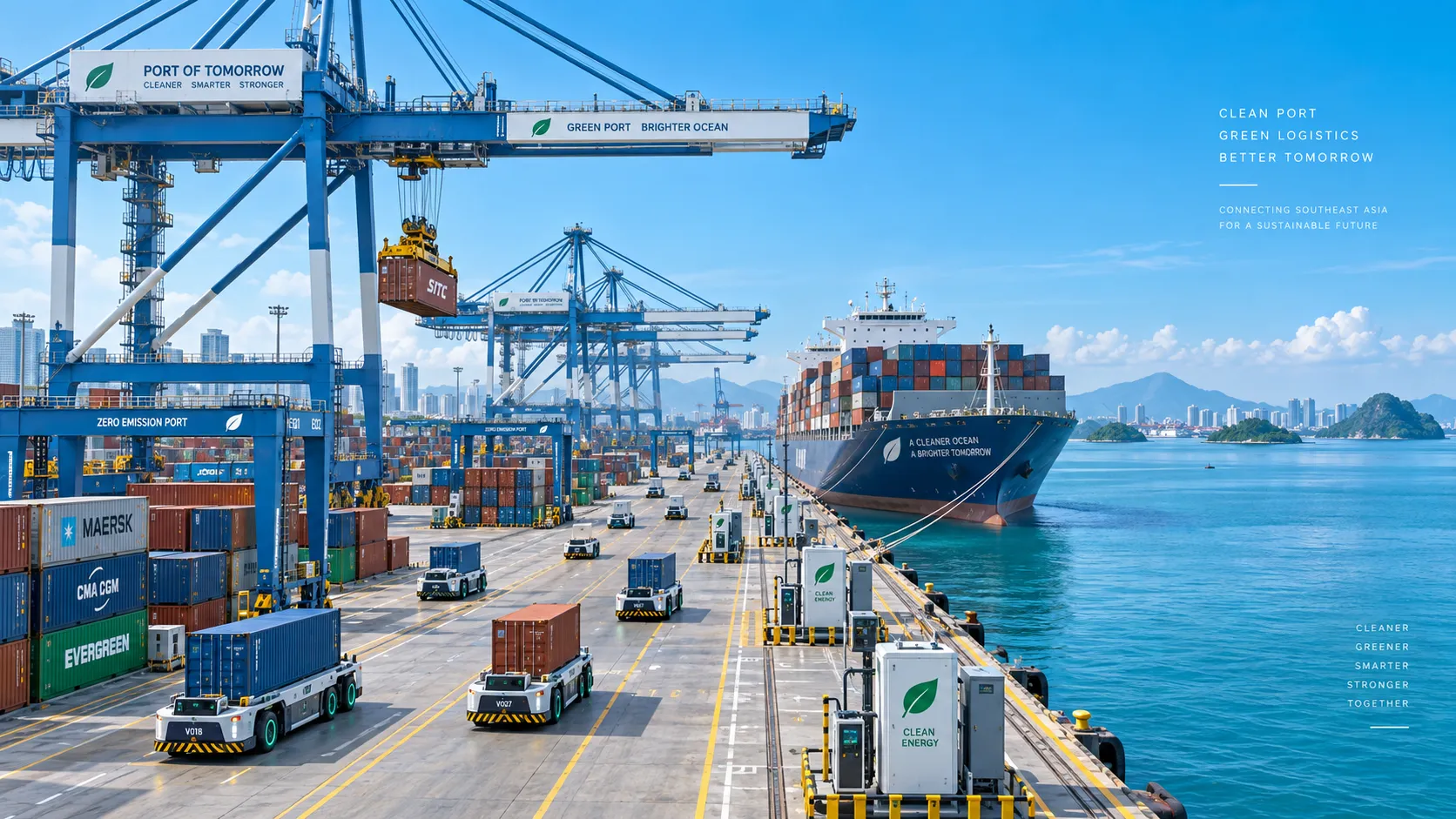
Smart Port Systems in Southeast Asia: Investment Priorities and Adoption Barriers
Smart port systems Southeast Asia: discover investment priorities, adoption barriers, and practical steps to build resilient, connected, high-performing terminals.
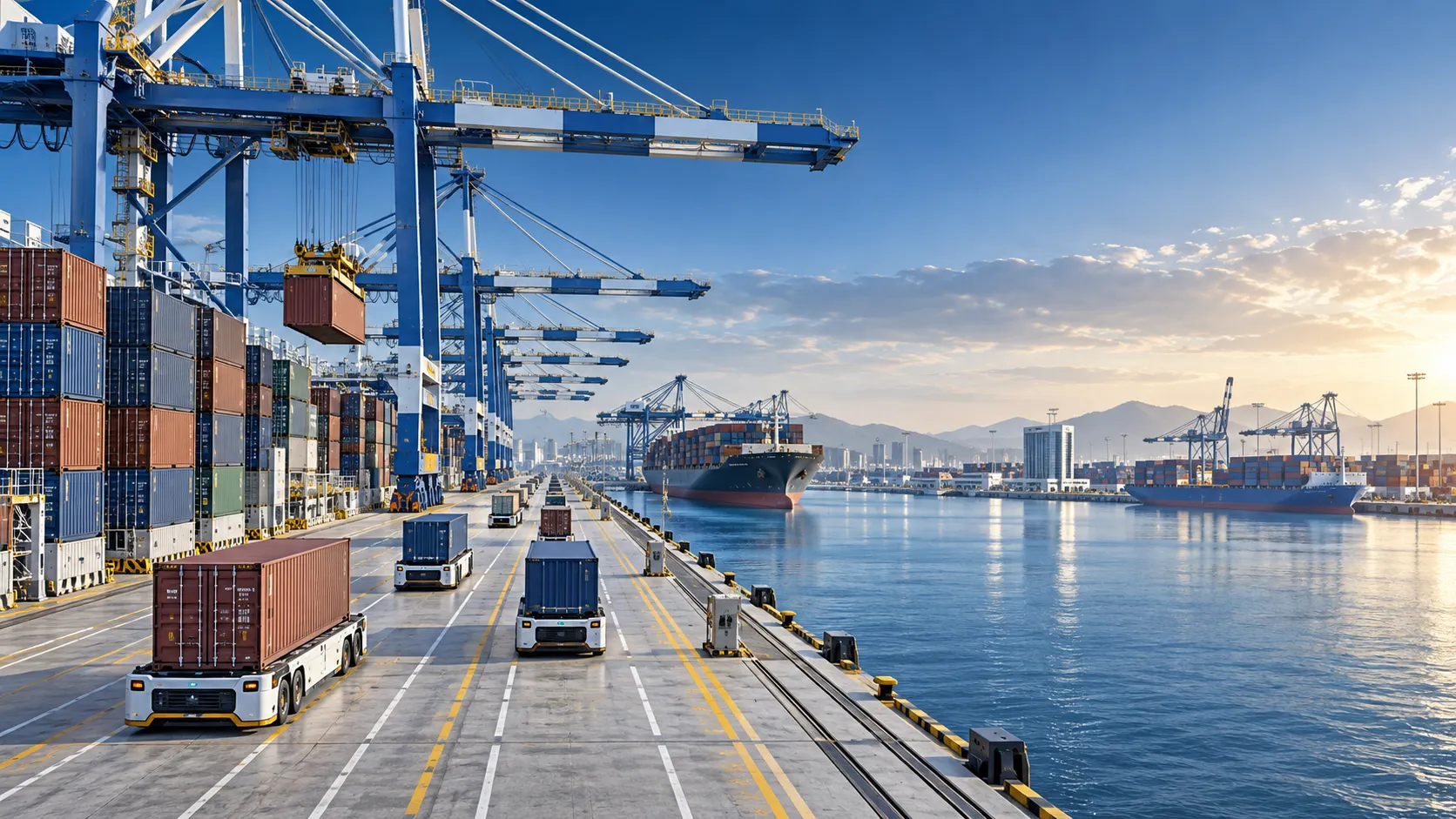
How to Evaluate Terminal Efficiency Solution Suppliers for High-Throughput Operations
Choose a terminal efficiency solutions supplier with confidence. Explore proven criteria for throughput, integration, lifecycle cost, safety, and reliable delivery.
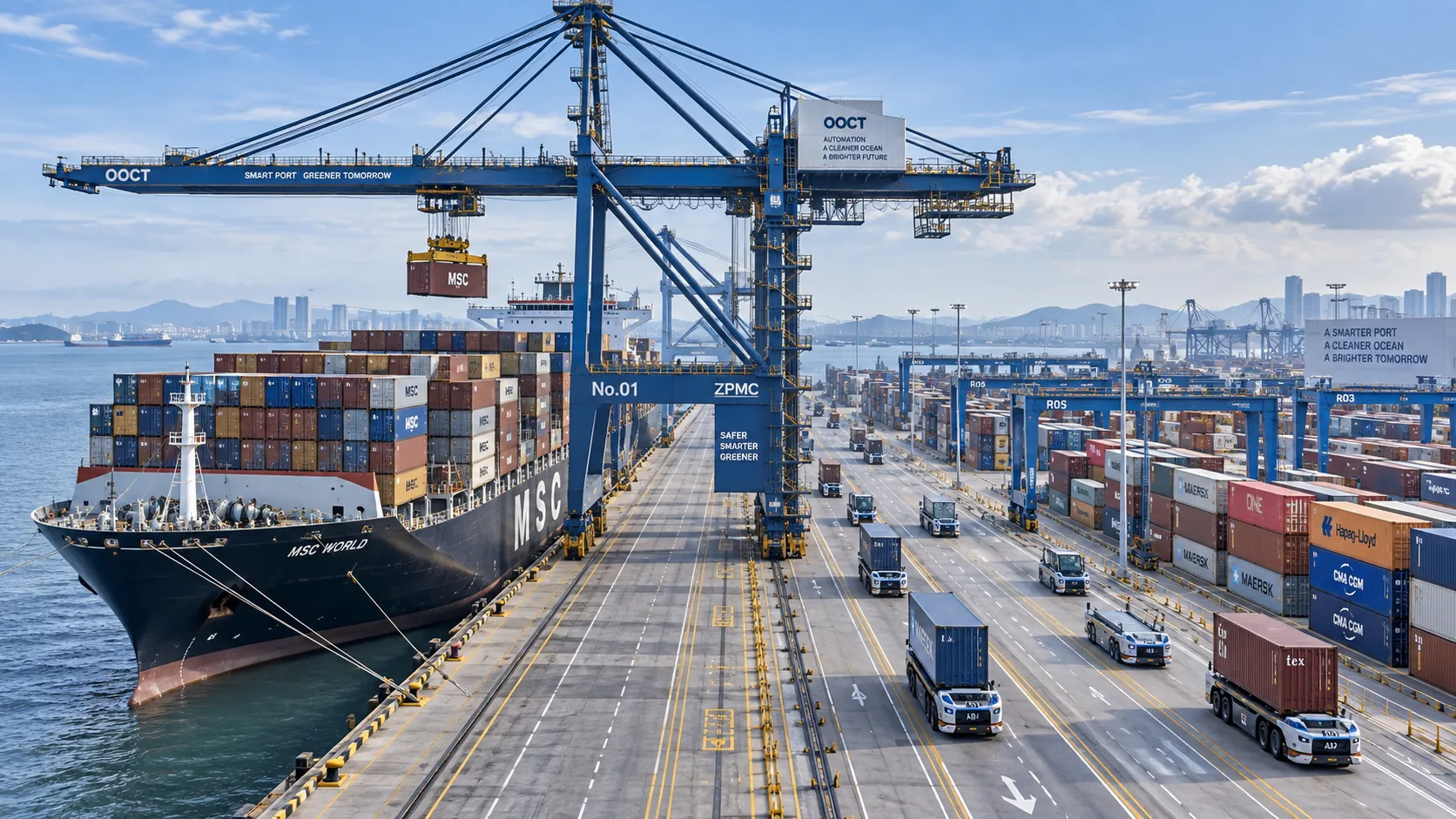
How to Specify a Quay Crane for Container Terminals by Vessel Size and Throughput?
Quay crane for container terminals: learn how to match outreach, lift height, capacity, automation, and cycle performance to vessel size and throughput goals.
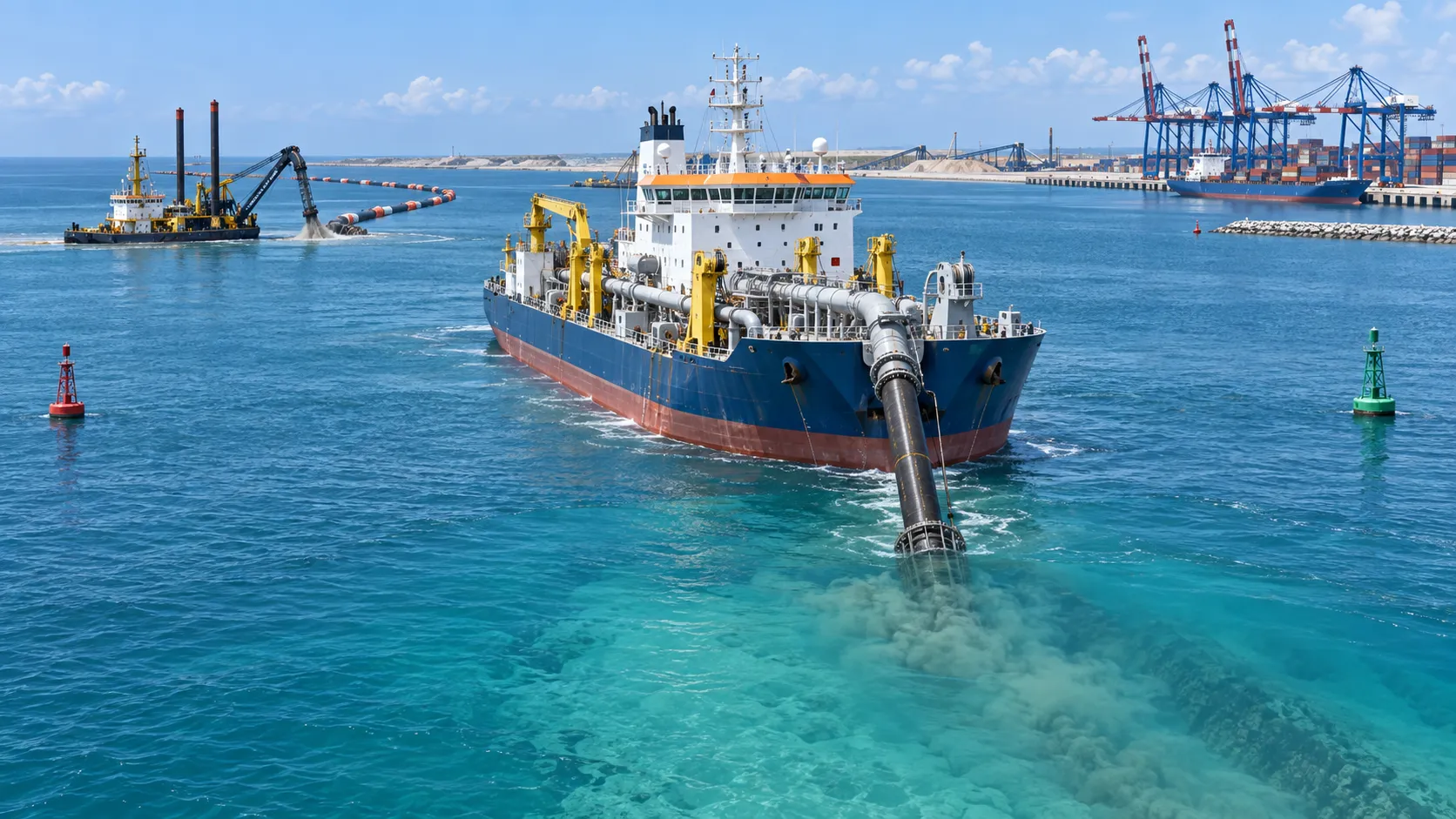
What Dredging Equipment Is Needed for Channel Deepening?
What dredging equipment is needed for channel deepening? Explore dredgers, pipelines, survey tools, and planning strategies for safer, more efficient port access.
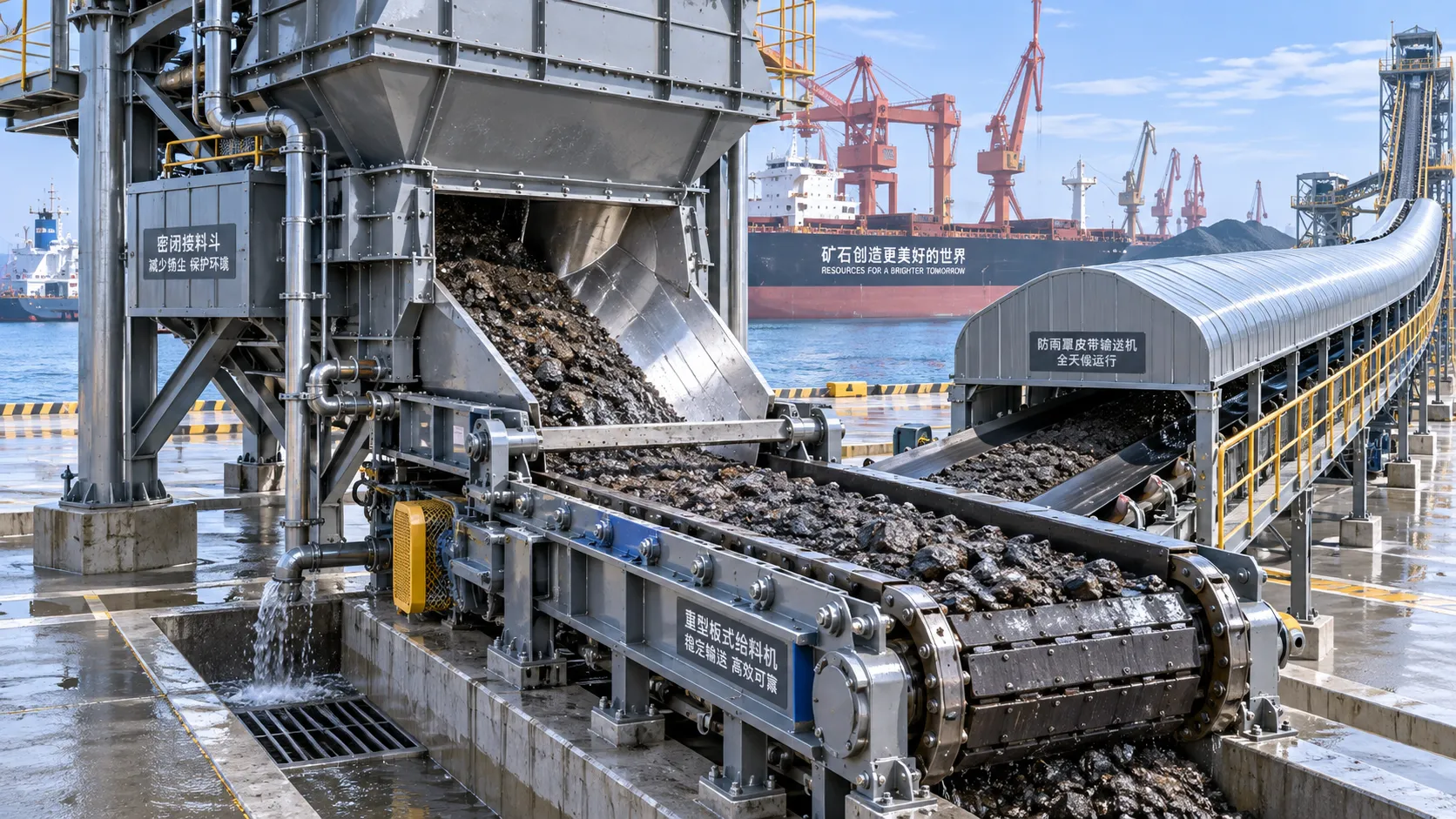
Which Bulk Handling Equipment Suits High-Moisture Cargo?
Which bulk handling equipment suits high-moisture cargo? Compare belt, apron, screw, drag, and slurry systems for reliable flow, less carryback, and higher terminal uptime.
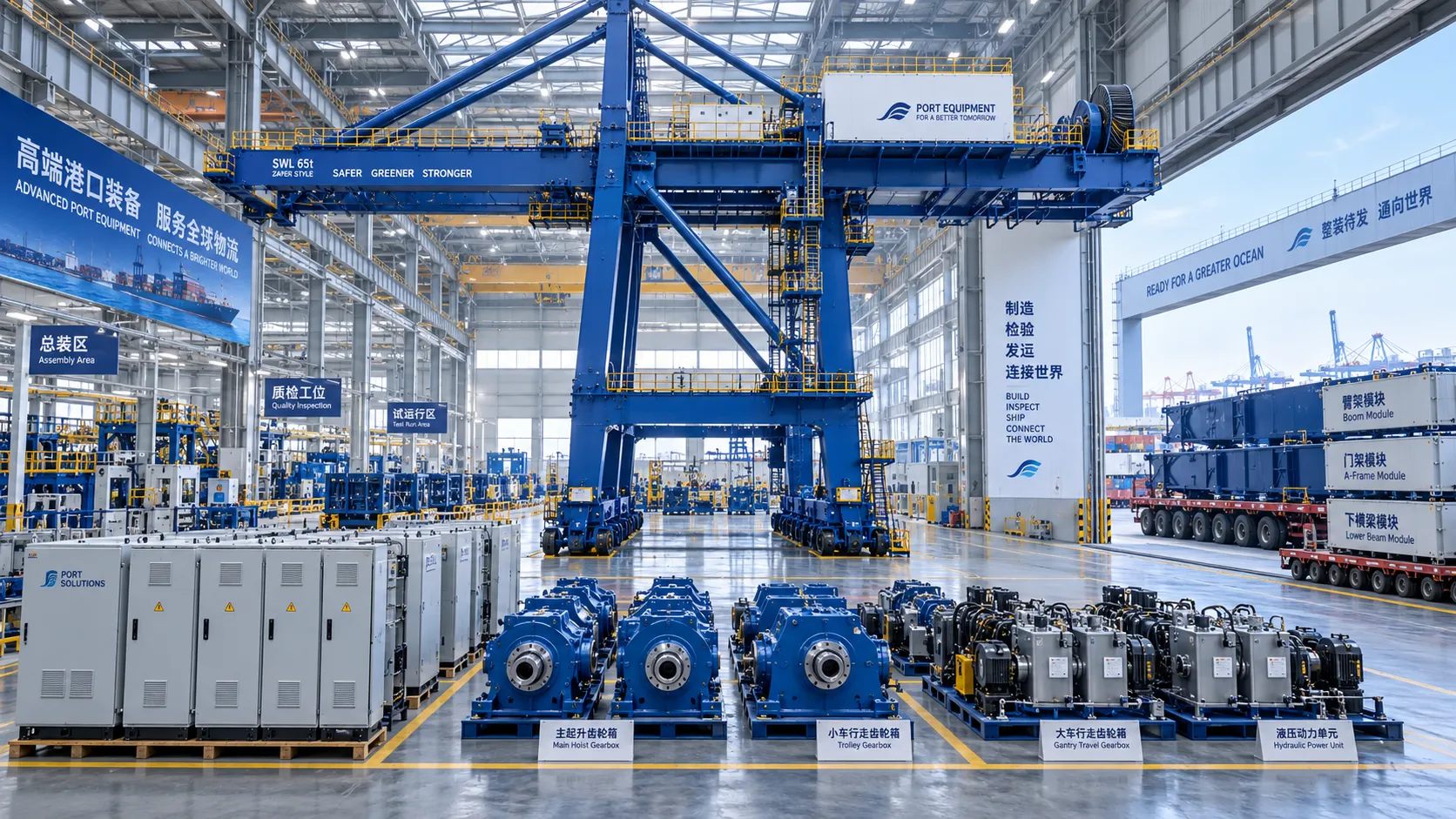
How Can Port Equipment Lead-Time Risk Be Managed?
How can port equipment lead-time risk be managed? Explore practical strategies to control critical paths, suppliers, transport, site readiness, and commissioning delays.
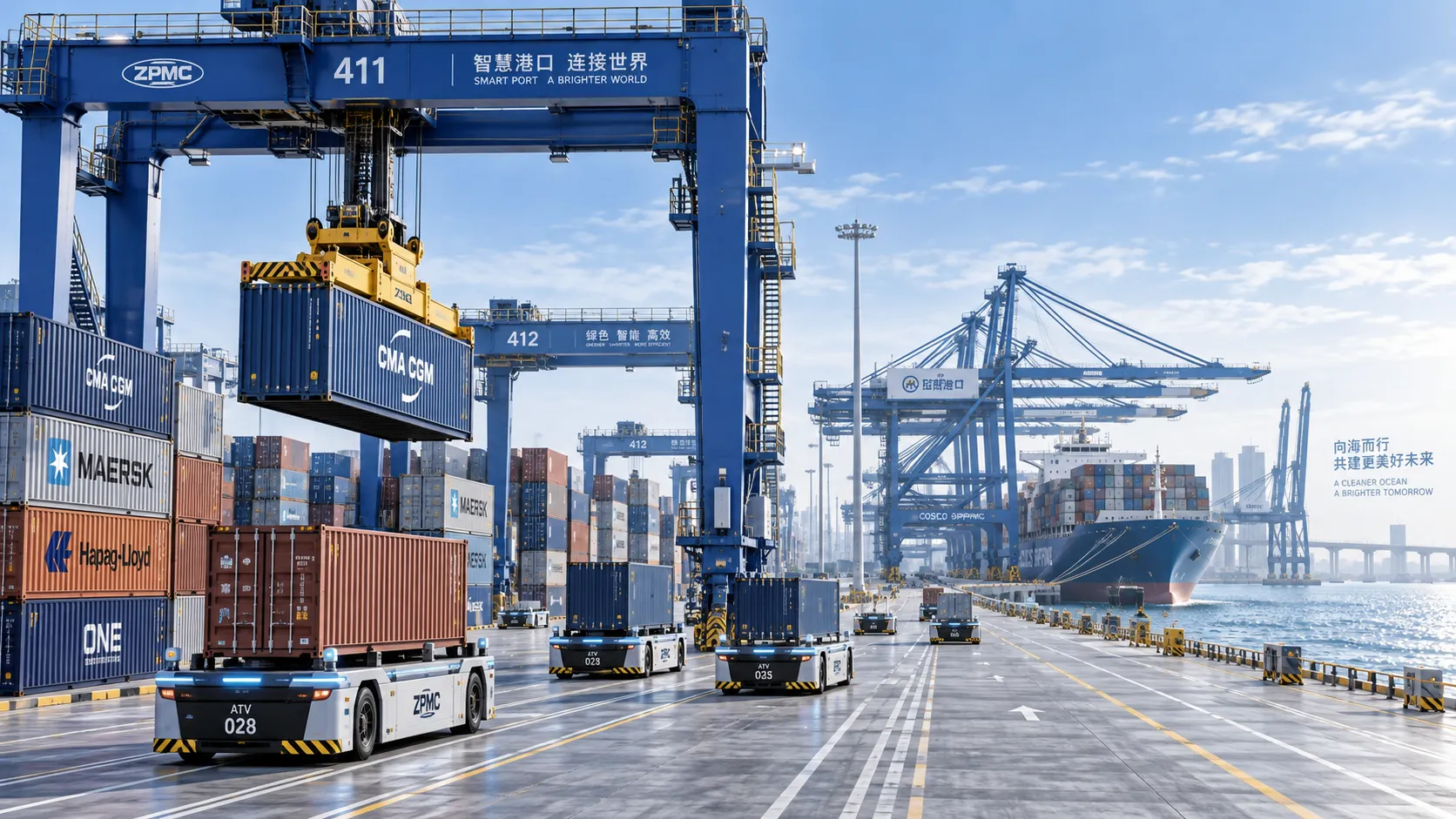
Terminal Automation Technologies That Raise Container Throughput Without Yard Disruption
Terminal automation technology that increases container throughput without disrupting yard flow. Explore smarter integration, resilient workflows, and phased deployment strategies.
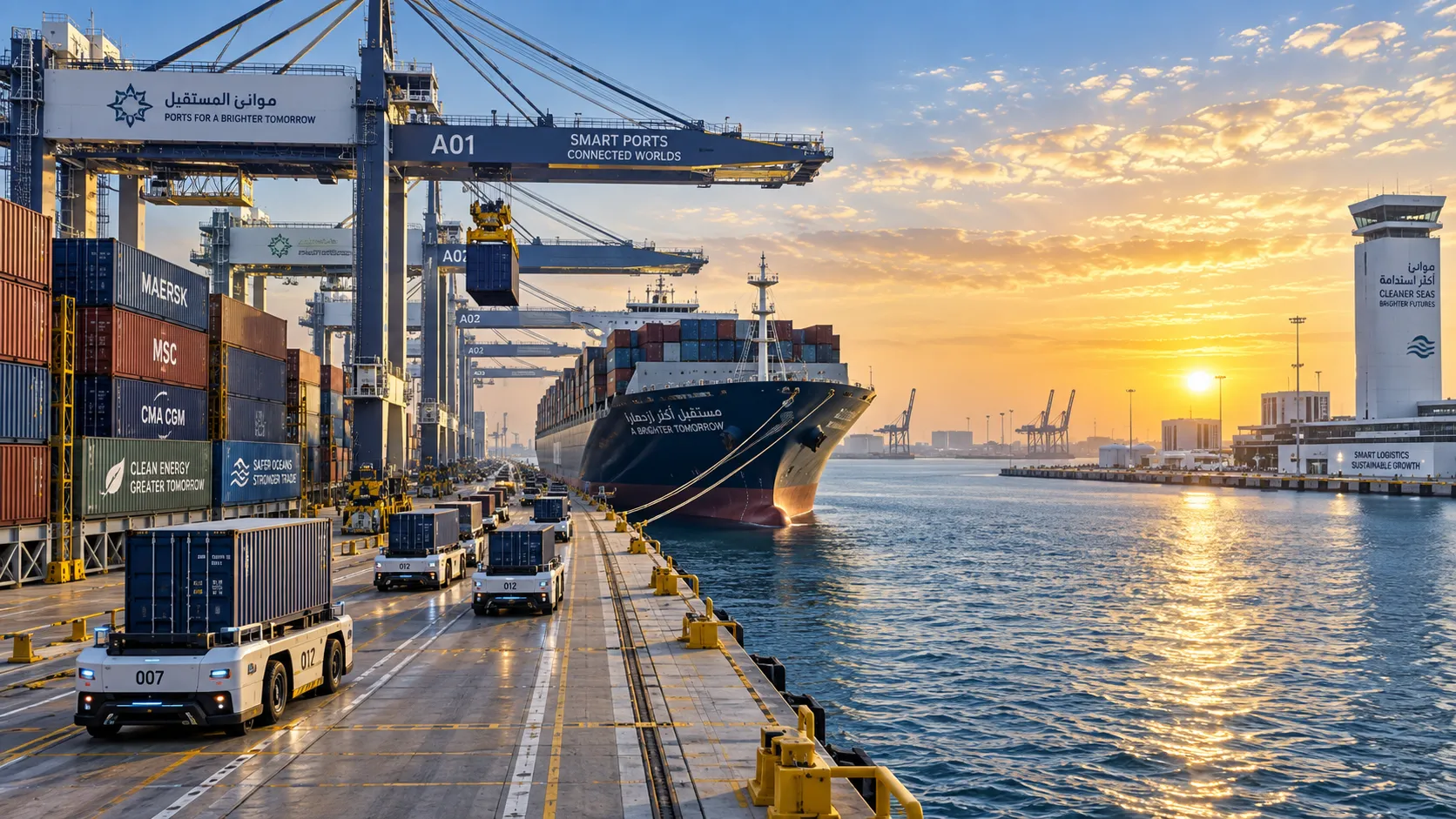
Middle East Port Automation: Key Market Drivers, Projects, and Investment Risks
Port automation systems Middle East: explore market drivers, flagship projects, integration challenges, and investment risks shaping smarter, resilient terminals.
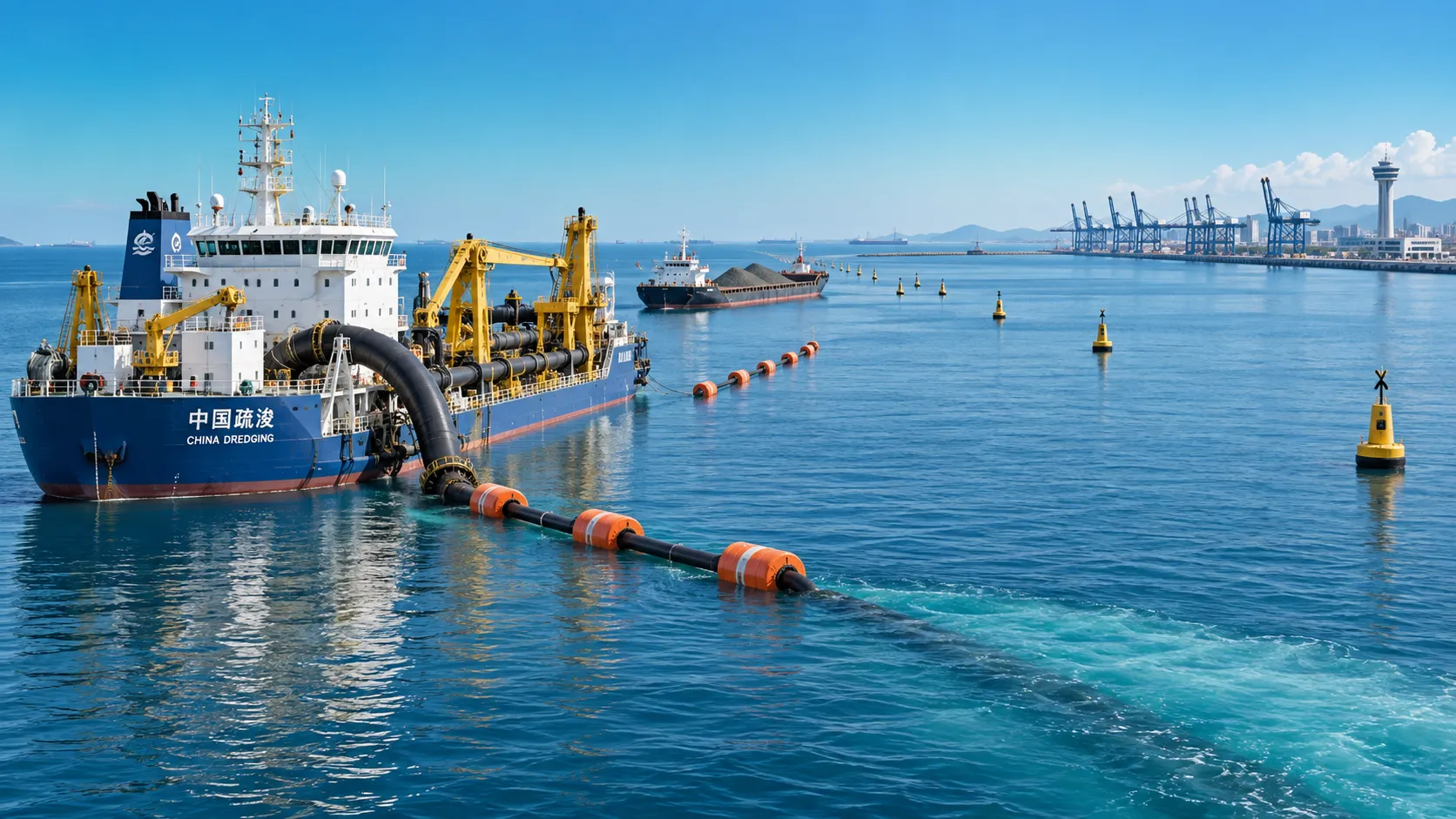
Planning Offshore Dredging Operations: Key Risks, Methods, and Project Controls
Offshore dredging operations demand smart planning. Explore key risks, proven methods, environmental controls, and project strategies for reliable delivery.