Related News
- 00
0000-00
Smart Port Systems Pricing: How to Compare Lifecycle Costs and ROI by Terminal Scale - 00
0000-00
What Drives Bulk Material Handling Pricing in Large Conveyor System Projects? - 00
0000-00
How Shipping Rate Analytics in Europe Help Importers Predict Costs and Route Risk - 00
0000-00
What Buyers Check When Reviewing Used PVC Coating Line Output and Condition - 00
0000-00
Automated Port Systems Cost Breakdown: CAPEX, Integration, and Maintenance Factors
What Drives Cost Overruns in Dredging Operations?
What Drives Cost Overruns in Dredging Operations?
Cost overruns in dredging operations rarely stem from a single miscalculation.
They emerge from shifting seabed conditions, equipment downtime, fuel volatility, permitting delays, and weak project controls.
For complex marine works, understanding these drivers protects margins, schedules, and stakeholder confidence.
This article examines operational, technical, and commercial factors that push dredging operations beyond budget.
It also explains how smarter forecasting, asset monitoring, and decision intelligence help keep marine projects financially disciplined.
Scenario Background: Why Dredging Operations Behave Differently by Site
Dredging operations are not uniform construction tasks.
A port deepening project, a reclamation campaign, and a maintenance channel program each carry different cost exposure.
The same cutter suction dredger may perform efficiently in one site and lose productivity in another.
The difference often lies in soil behavior, disposal distance, weather windows, and vessel traffic restrictions.
Cost discipline begins with recognizing the operating scenario before estimating dredging operations.
If assumptions are copied from another harbor, the budget may look accurate but fail in execution.
Scenario-based planning allows teams to identify where uncertainty can damage production rates and cash flow.
For maritime logistics and coastal economics, that distinction is critical.
Scenario One: Port Deepening With Uncertain Ground Conditions
Port deepening projects are among the most sensitive dredging operations for cost escalation.
They usually occur beside active terminals, navigation channels, and high-value marine infrastructure.
The largest risk is often geotechnical uncertainty.
Soft silt, dense sand, clay lenses, boulders, and buried debris can appear within short distances.
When ground conditions differ from surveys, dredging operations face slower cutting, higher wear, and additional passes.
Each productivity loss compounds through fuel, crew time, standby vessels, and revised disposal cycles.
The core judgment point is survey density.
Sparse boreholes may be acceptable for early feasibility, but they are weak foundations for firm execution budgets.
Advanced bathymetry, sub-bottom profiling, and staged sampling reduce blind spots before dredging operations begin.
Scenario Two: Maintenance Dredging Under Tight Traffic Windows
Maintenance dredging operations look predictable because they repeat over time.
Yet they often suffer overruns when sedimentation rates exceed historical patterns.
Storm seasons, river discharge, and changed coastal currents can increase the dredging volume unexpectedly.
Traffic windows add another layer of difficulty.
When container vessels, bulk carriers, or tankers require uninterrupted access, dredgers operate around restricted schedules.
Short work windows reduce continuous production and raise mobilization cost per cubic meter.
The core judgment point is not only dredged volume.
It is the usable production window after pilotage, safety exclusion zones, tide limits, and berth priorities are considered.
Successful dredging operations model traffic interference as a cost variable, not a coordination detail.
Scenario Three: Land Reclamation With Long Pumping Distances
Reclamation-related dredging operations depend heavily on transport efficiency.
Material may need to travel through floating pipelines, booster stations, or split hopper barges.
As pumping distance increases, energy demand rises and hydraulic losses become more severe.
Pipeline leaks, blockages, and booster failures can quickly distort budget assumptions.
Reclamation quality requirements also influence cost.
If fill placement needs strict grading, drainage control, or settlement management, dredging operations require closer process monitoring.
The core judgment point is the full production chain.
Excavation capacity alone is misleading if transport, placement, and ground improvement cannot match dredger output.
Balanced system design prevents idle equipment and prevents hidden cost leakage.
Scenario Four: Environmental Dredging With Strict Compliance Controls
Environmental dredging operations carry a different cost profile.
The main objective is often controlled removal, not maximum volume production.
Contaminated sediment, turbidity limits, wildlife windows, and disposal restrictions shape the working method.
Overruns occur when compliance requirements are underestimated during tender planning.
Low turbidity thresholds may force slower cutter speeds, enclosed buckets, or additional silt curtains.
Special disposal sites may require longer sailing distances and more documentation.
The core judgment point is regulatory certainty.
If permit conditions remain open during pricing, dredging operations should include contingency tied to likely control measures.
Compliance planning must be integrated with production planning from the start.
Different Scenario Requirements That Change the Cost Base
This comparison shows why generic unit rates often fail in dredging operations.
A low cubic-meter price may hide severe exposure in downtime, rework, or extended disposal logistics.
Operational Drivers That Push Dredging Operations Over Budget
Equipment Downtime and Maintenance Gaps
Dredgers, pumps, cutters, winches, pipelines, and positioning systems operate under heavy mechanical stress.
Unplanned failure can stop production while crew, fuel, support vessels, and site overhead continue accumulating.
Cost control depends on condition monitoring, spare parts readiness, and realistic maintenance windows.
Digital pump monitoring and vibration analysis can identify degradation before dredging operations lose critical production days.
Fuel Volatility and Energy Intensity
Fuel is a major variable cost in dredging operations.
Harder soils, longer sailing routes, and inefficient pumping layouts increase consumption beyond planned levels.
Fuel escalation clauses, optimized routing, and pump efficiency tracking reduce exposure.
They also support net-zero transition goals by reducing avoidable emissions.
Weather, Tides, and Marine Access
Marine construction schedules are shaped by weather and tidal windows.
High waves, strong currents, fog, and cyclonic systems can suspend dredging operations without reducing fixed daily costs.
Weather downtime should be priced using local historical records, not broad regional averages.
Commercial and Contract Factors Behind Cost Overruns
Commercial structure strongly influences how overruns appear and who carries them.
Lump-sum contracts can punish inaccurate ground assumptions in dredging operations.
Remeasurement contracts may reduce ground risk but require strict quantity verification and transparent survey procedures.
Variation handling is another frequent weak point.
If changed disposal areas or revised environmental limits are not documented quickly, disputes grow expensive.
Effective dredging operations need clear rules for changed conditions, standby compensation, and productivity loss claims.
Exchange rates, import duties, and local content requirements can also affect marine equipment costs.
These risks are especially relevant when specialized spare parts or overseas dredging assets are mobilized.
Scenario Fit Recommendations for Better Budget Control
- Match survey intensity to risk, not only project size.
- Model production using actual traffic windows and tidal constraints.
- Check whether disposal capacity matches daily dredging operations output.
- Use equipment telemetry to detect wear, pump loss, and fuel deviation.
- Separate weather contingency from technical contingency in cost plans.
- Define escalation clauses for fuel, regulation changes, and standby events.
- Review permit conditions before finalizing the production method.
These actions convert dredging operations from reactive problem solving into controlled scenario management.
They also create a stronger evidence base for financial decisions and stakeholder reporting.
Common Misjudgments That Hide Overrun Risk
One frequent mistake is treating the lowest tender price as the lowest project cost.
In dredging operations, a weak method statement can create higher downstream exposure than a higher initial bid.
Another mistake is relying on average production rates without testing them against local restrictions.
Average rates rarely capture turning time, pipeline relocation, survey checks, or vessel traffic interruption.
A third mistake is separating engineering, commercial, and environmental decisions.
Dredging operations are integrated systems, so one late permit condition can reshape productivity and cost.
Finally, many teams underestimate data latency.
If cost signals arrive after weekly reporting, corrective action may already be too late.
How Decision Intelligence Supports Financial Discipline
Modern dredging operations benefit from intelligence systems that connect production, equipment, weather, and commercial data.
Platforms such as PS-Nexus focus on this intersection of maritime logistics, port automation, and marine dredging engineering.
The value is not only reporting what happened.
The value is forecasting which scenario will damage cost performance next.
When pump efficiency, vessel movement, bathymetric progress, and fuel use are viewed together, decisions become faster.
Risk forecasting also improves conversations with ports, regulators, insurers, and financing parties.
That transparency is essential when dredging operations affect terminal capacity, coastal expansion, and supply chain resilience.
Action Guide: Turning Cost Risk Into Controlled Decisions
- Classify the project scenario before confirming the estimate.
- Map the top five uncertainty sources for dredging operations.
- Test productivity assumptions against soil, weather, traffic, and disposal limits.
- Set monitoring thresholds for fuel, downtime, volume, and turbidity.
- Create escalation paths before the first production delay occurs.
Cost overruns in dredging operations are not inevitable.
They become manageable when risks are linked to specific scenarios, measurable indicators, and timely decisions.
For the blue economy, disciplined dredging operations support safer ports, deeper channels, smarter reclamation, and stronger trade networks.
The next practical step is to audit current cost assumptions against site reality.
That audit should combine geotechnical evidence, equipment intelligence, contract terms, and live operational data.
Related News
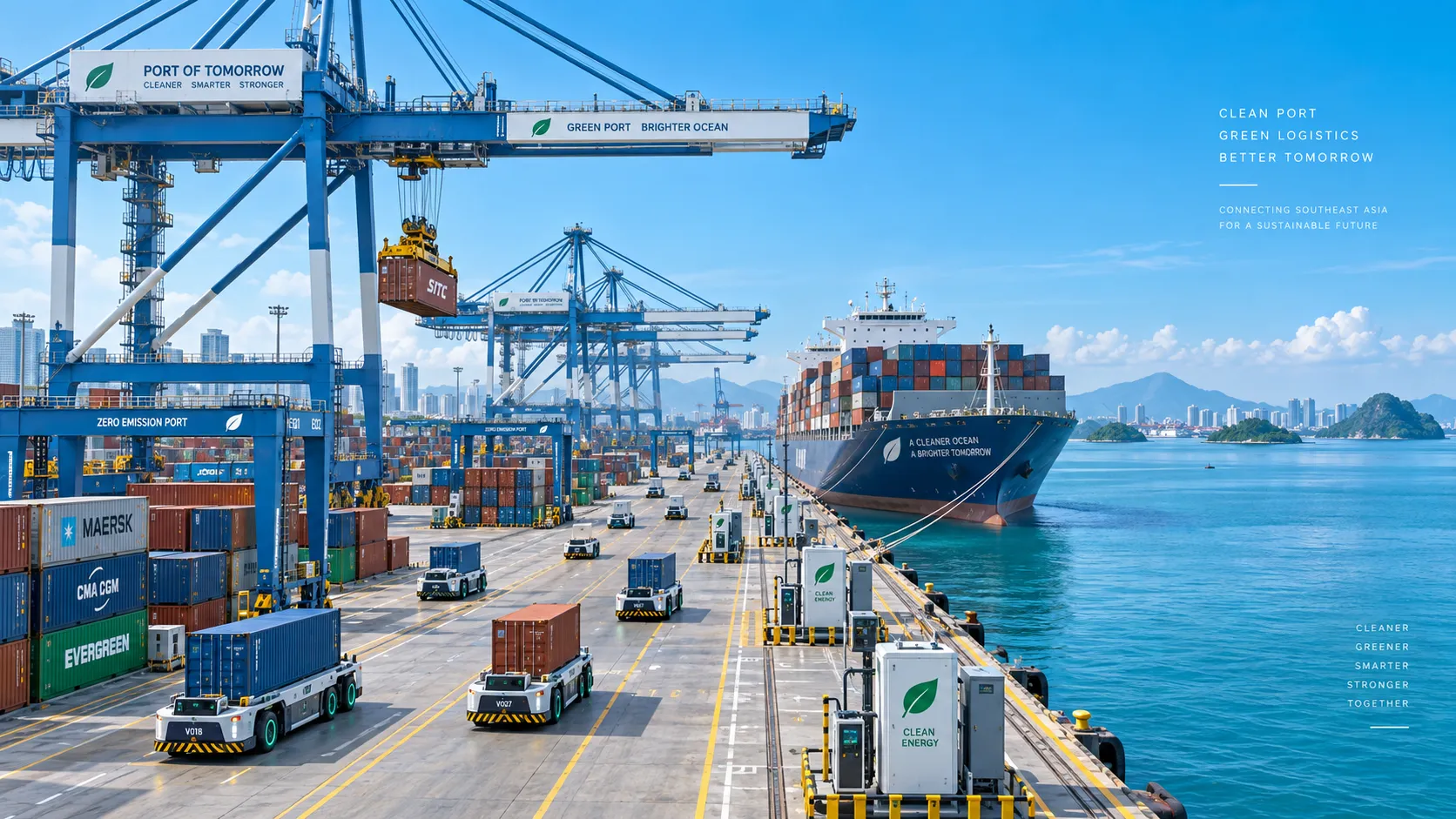
Smart Port Systems in Southeast Asia: Investment Priorities and Adoption Barriers
Smart port systems Southeast Asia: discover investment priorities, adoption barriers, and practical steps to build resilient, connected, high-performing terminals.
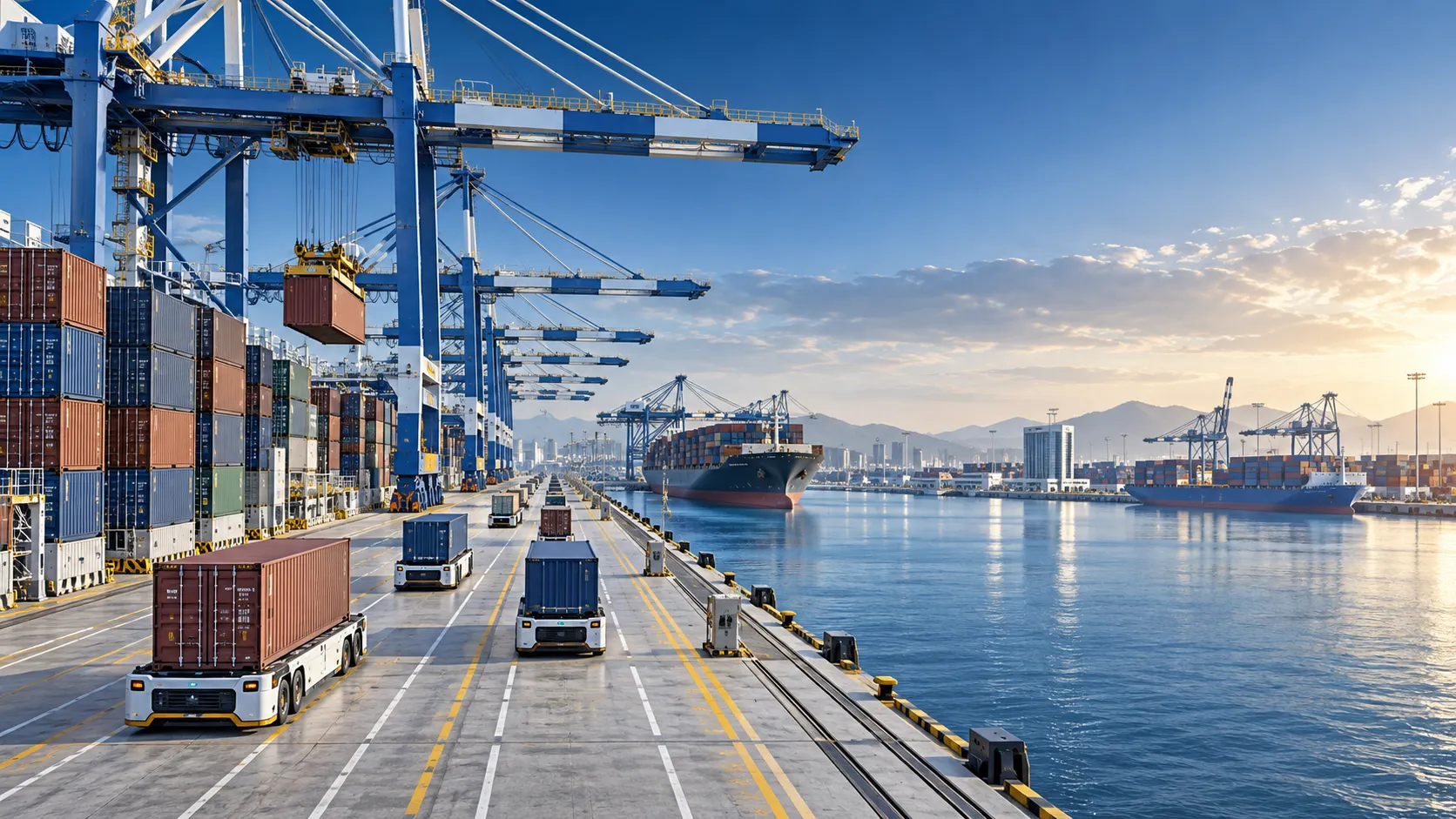
How to Evaluate Terminal Efficiency Solution Suppliers for High-Throughput Operations
Choose a terminal efficiency solutions supplier with confidence. Explore proven criteria for throughput, integration, lifecycle cost, safety, and reliable delivery.
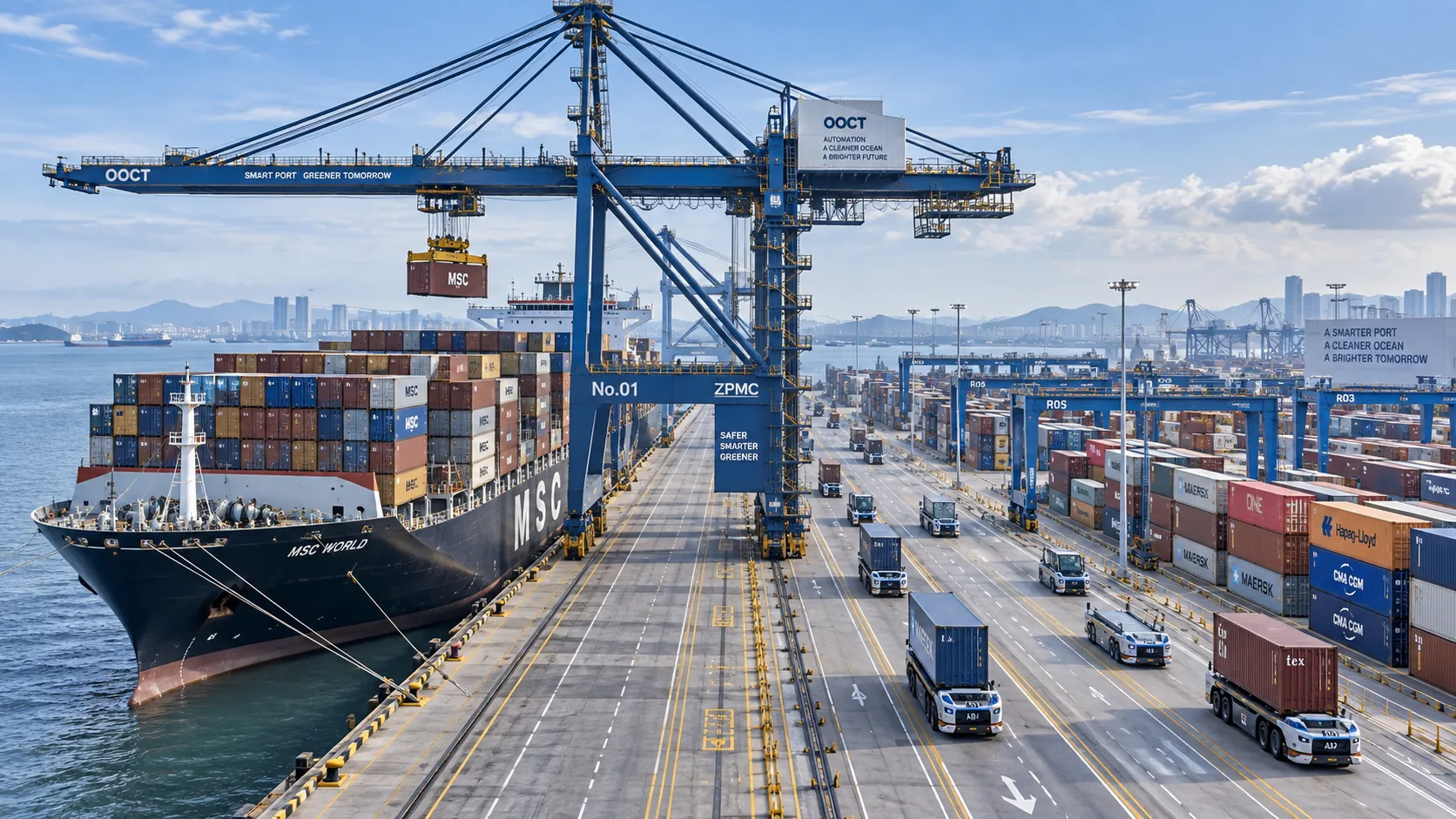
How to Specify a Quay Crane for Container Terminals by Vessel Size and Throughput?
Quay crane for container terminals: learn how to match outreach, lift height, capacity, automation, and cycle performance to vessel size and throughput goals.
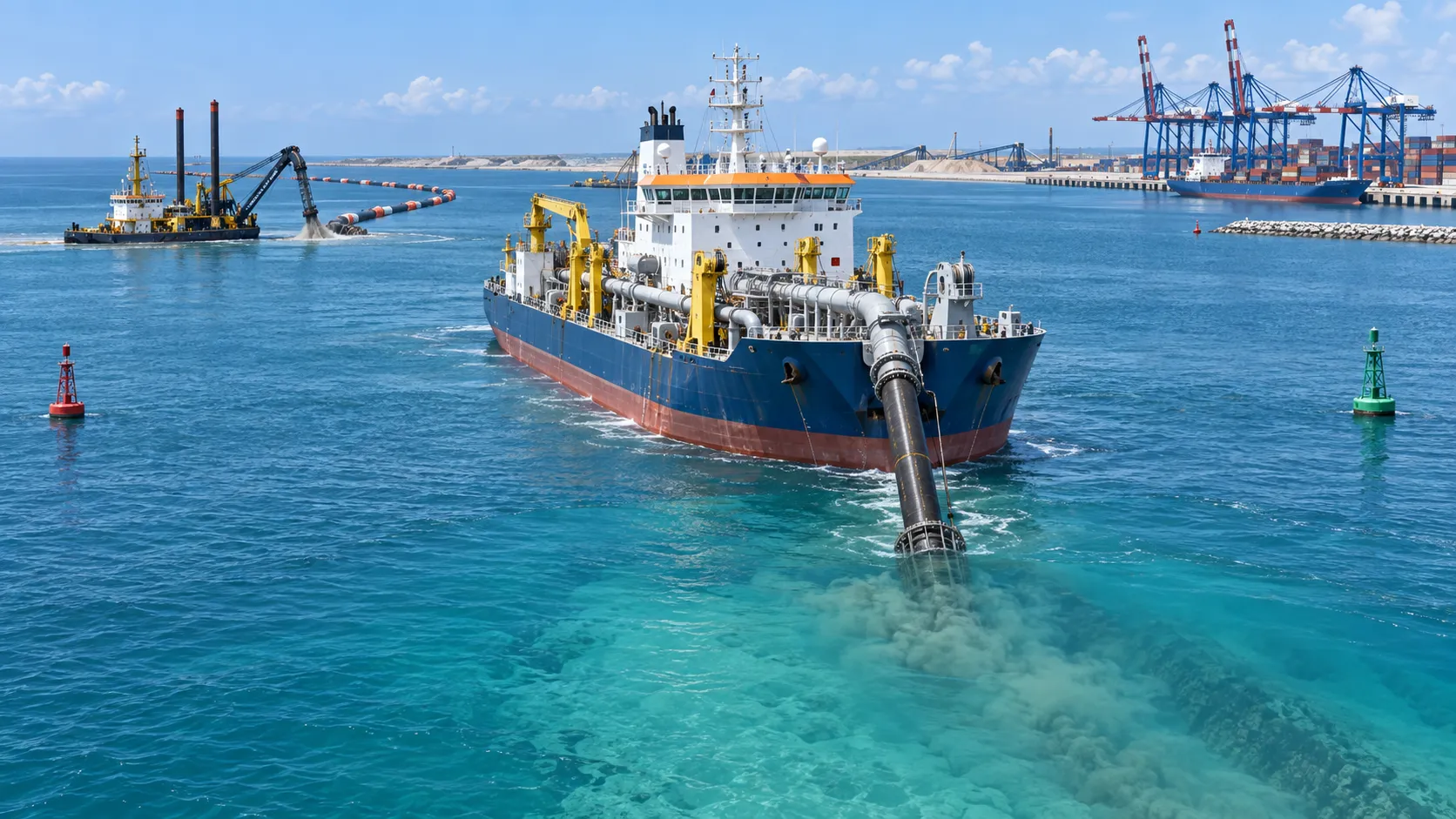
What Dredging Equipment Is Needed for Channel Deepening?
What dredging equipment is needed for channel deepening? Explore dredgers, pipelines, survey tools, and planning strategies for safer, more efficient port access.
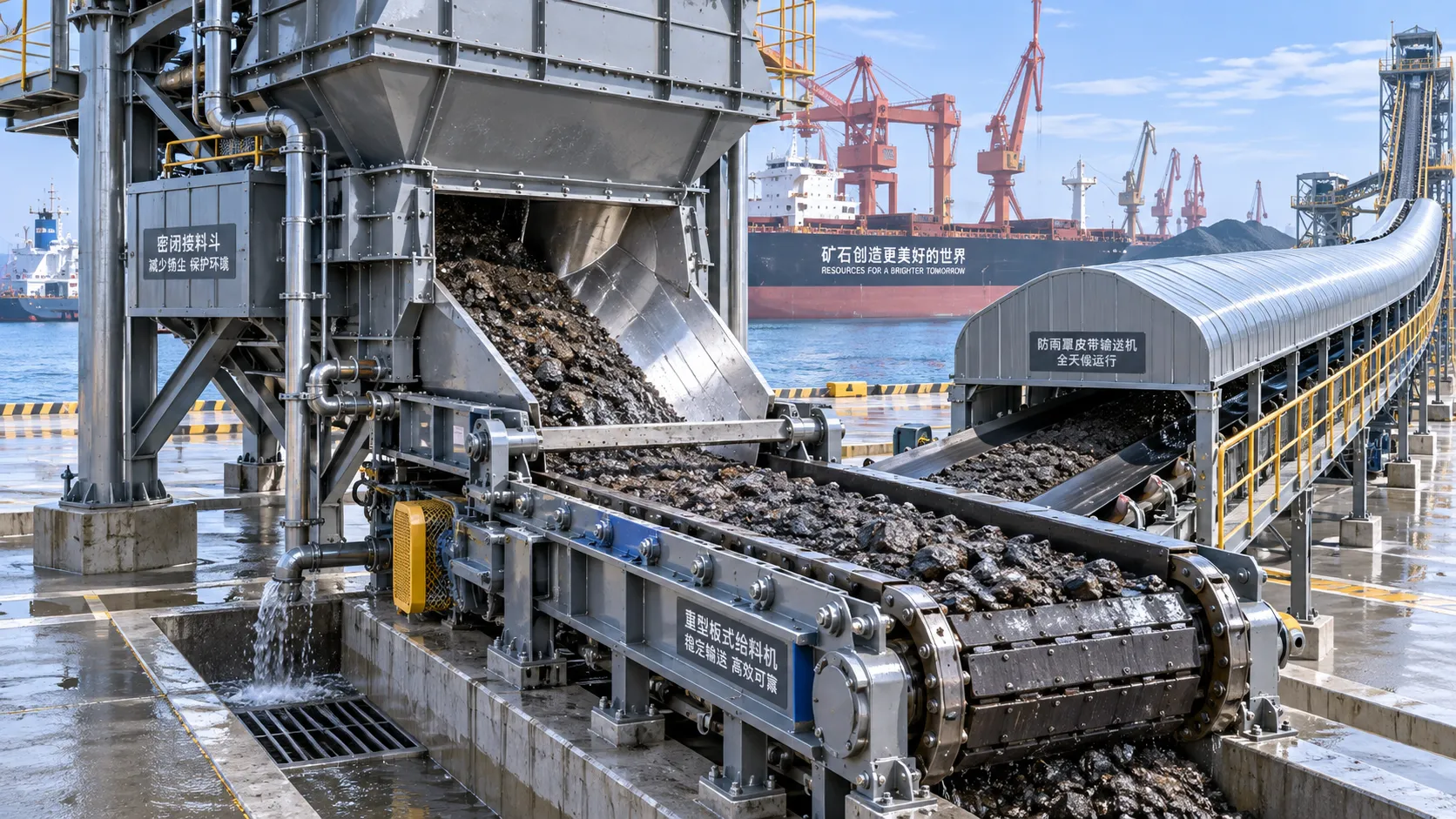
Which Bulk Handling Equipment Suits High-Moisture Cargo?
Which bulk handling equipment suits high-moisture cargo? Compare belt, apron, screw, drag, and slurry systems for reliable flow, less carryback, and higher terminal uptime.
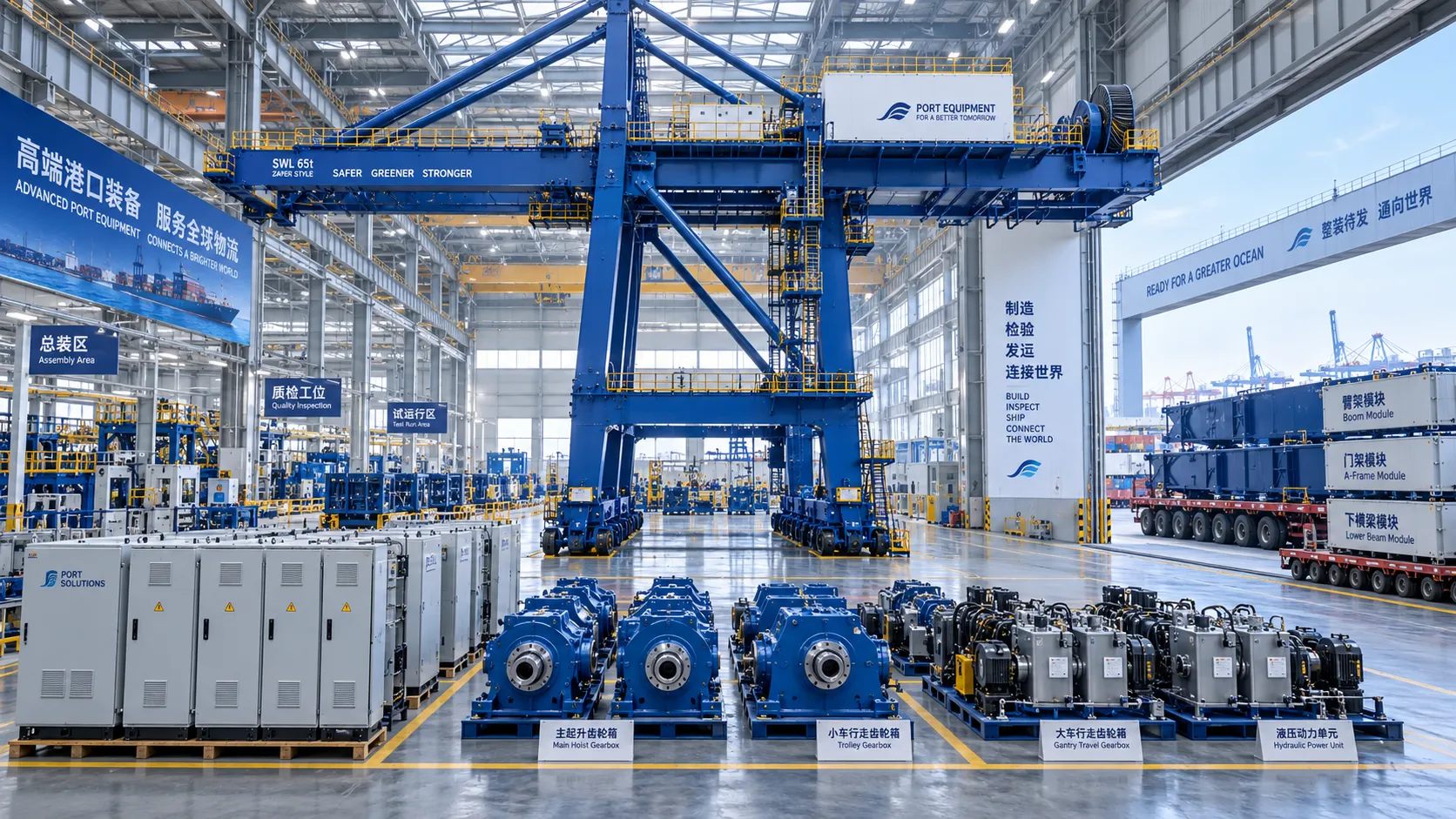
How Can Port Equipment Lead-Time Risk Be Managed?
How can port equipment lead-time risk be managed? Explore practical strategies to control critical paths, suppliers, transport, site readiness, and commissioning delays.
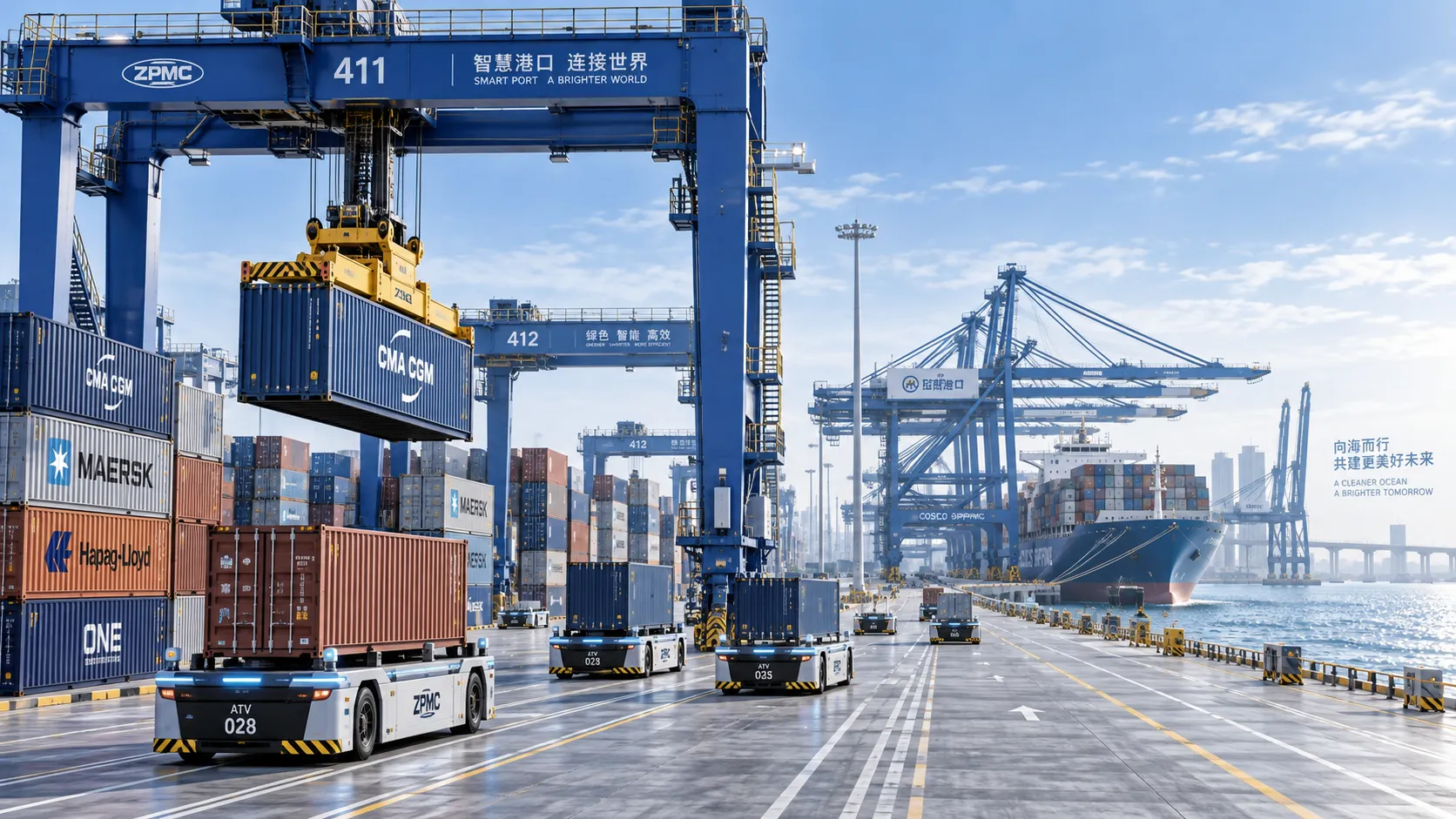
Terminal Automation Technologies That Raise Container Throughput Without Yard Disruption
Terminal automation technology that increases container throughput without disrupting yard flow. Explore smarter integration, resilient workflows, and phased deployment strategies.
Middle East Port Automation: Key Market Drivers, Projects, and Investment Risks
Port automation systems Middle East: explore market drivers, flagship projects, integration challenges, and investment risks shaping smarter, resilient terminals.
Planning Offshore Dredging Operations: Key Risks, Methods, and Project Controls
Offshore dredging operations demand smart planning. Explore key risks, proven methods, environmental controls, and project strategies for reliable delivery.