Related News
- 00
0000-00
Smart Port Systems Pricing: How to Compare Lifecycle Costs and ROI by Terminal Scale - 00
0000-00
What Drives Bulk Material Handling Pricing in Large Conveyor System Projects? - 00
0000-00
How Shipping Rate Analytics in Europe Help Importers Predict Costs and Route Risk - 00
0000-00
What Buyers Check When Reviewing Used PVC Coating Line Output and Condition - 00
0000-00
Automated Port Systems Cost Breakdown: CAPEX, Integration, and Maintenance Factors
What makes maritime infrastructure costs hard to forecast?
Forecasting maritime infrastructure costs is challenging because every project sits at the intersection of engineering complexity, volatile trade flows, regulatory pressure, and long asset lifecycles. For financial approvers, the real risk is not only capital overrun, but also misjudging dredging needs, automation readiness, equipment utilization, and future throughput demand. This article examines the hidden variables that make port, terminal, and coastal investment budgets difficult to predict—and how better intelligence can support more confident capital decisions.
Unlike a standard industrial facility, maritime infrastructure must operate under tide cycles, vessel schedule pressure, sediment movement, and multi-decade asset commitments. A quay, crane fleet, channel, or automated yard can lock capital for 20–40 years.
For CFOs, investment committees, lenders, and public-sector budget holders, the question is rarely whether a port needs capacity. The harder question is which assumptions will still be valid after procurement, construction, commissioning, and market change.
Why Maritime Infrastructure Cost Forecasts Break Down
The first source of uncertainty is that maritime infrastructure combines civil works, heavy terminal gear, control systems, marine equipment, utilities, and environmental obligations. Each package follows a different cost curve.
Engineering scope changes after early feasibility
A concept budget may assume stable soil, predictable dredging, and standard berth geometry. Detailed surveys often reveal weak strata, buried debris, scour risk, or deeper foundation requirements.
Even a 0.5–1.5 meter change in required channel depth can reshape dredging volumes, disposal logistics, environmental testing, and equipment mobilization. That shift can affect both capital cost and approval timing.
Demand assumptions move faster than assets
Terminal projects are planned around vessel size, cargo mix, berth occupancy, and yard density. Yet shipping alliances, commodity flows, and regional transshipment patterns can change within 12–24 months.
Financial approvers must test whether maritime infrastructure budgets rely on a single growth scenario. A safer model usually includes base, downside, and surge cases with clear trigger points.
- Container throughput may require different crane outreach, AGV routes, and yard automation density.
- Bulk terminals may face changing stockpile capacity, conveyor redundancy, and dust-control costs.
- Dredging projects may expand if new vessel classes demand deeper access channels.
- Energy-transition cargo can require new safety zones, utilities, and emergency systems.
The practical lesson is simple: a maritime infrastructure estimate that does not connect engineering assumptions to trade-flow assumptions is incomplete. Cost certainty begins with scenario discipline.
The Hidden Cost Drivers Behind Port and Terminal Budgets
Visible costs include cranes, berth construction, dredgers, conveyors, power supply, and automation platforms. Hidden drivers often sit between interfaces, where one package changes another.
For example, selecting larger ship-to-shore cranes can increase quay load requirements, electrical demand, maintenance bay dimensions, and spare-parts inventory. The headline equipment price is only one layer.
The table below summarizes common variables that make maritime infrastructure forecasts difficult for approval teams comparing concept estimates, vendor proposals, and final investment cases.
The key conclusion is that maritime infrastructure cost control depends on interface visibility. Approvers should challenge estimates that treat dredging, civil works, automation, and equipment as isolated purchases.
Procurement timing can distort the budget
Large cranes, dredging equipment, switchgear, sensors, and automation servers can have lead times of 6–18 months. Currency movement and freight availability can change procurement economics.
A budget approved in one quarter may face different steel, electronics, and shipping conditions by award date. Financial models need escalation logic rather than a single static price.
Interfaces create compounding risk
Automation readiness is a common example. If civil works, network architecture, safety fencing, and operating procedures are not aligned, commissioning can become the most expensive stage.
For unmanned or semi-automated terminals, latency thresholds, fail-safe logic, and exception handling must be tested before full utilization. A 2-week delay can affect revenue recognition.
What Financial Approvers Should Test Before Funding
Financial approvers do not need to become marine engineers. They do need a structured review method that converts technical uncertainty into funding decisions, reserves, and governance gates.
A practical 5-step review model
A disciplined investment review reduces surprises by separating scope maturity from commercial optimism. The following 5 steps can be applied to ports, bulk terminals, and coastal works.
- Validate the demand case using at least 3 throughput scenarios and a defined utilization threshold.
- Confirm marine survey maturity, including bathymetry, geotechnics, metocean data, and sediment classification.
- Review interface maps between civil structures, equipment, automation, utilities, and operating procedures.
- Separate base cost, escalation, contingency, owner’s costs, and commissioning allowance.
- Set approval gates tied to design maturity, permit status, vendor offers, and risk retirement.
This model helps decision-makers avoid the common mistake of approving maritime infrastructure on early cost optimism while postponing the most expensive questions until execution.
Contingency should reflect maturity, not comfort
A concept-stage estimate may justify a contingency of 20–35%, while a tender-stage estimate may move toward 10–15%. The percentage should reflect evidence, not negotiation preference.
For maritime infrastructure, contingency should also distinguish quantity risk, pricing risk, schedule risk, and regulatory risk. Combining all uncertainty into one number weakens budget accountability.
Questions that expose fragile assumptions
Before releasing capital, approval committees should ask questions that connect cost, operability, and long-term value. The best questions are specific, measurable, and linked to decisions.
- What throughput level triggers the next crane, berth, yard block, or dredging campaign?
- Which assumptions would change the budget by more than 5%?
- What equipment utilization rate is required to support the investment case?
- Which permits or stakeholder approvals sit on the critical path?
- How many months of commissioning are allowed before full operating performance?
These questions move the discussion from “Can we afford this asset?” to “Which variables could make this asset underperform?” That distinction is vital for maritime infrastructure governance.
How Intelligence Improves Capital Confidence
Reliable forecasts require more than spreadsheets. They require live intelligence on shipping rates, port congestion, equipment lead times, dredging conditions, automation adoption, and regional trade shifts.
PS-Nexus approaches maritime infrastructure through five connected pillars: mega port terminal gear, bulk handling machinery, specialized container handling, port automation systems, and dredging engineering equipment.
From news monitoring to decision intelligence
A headline about freight rates is useful, but not sufficient. Financial teams need to understand how market signals translate into berth demand, crane cycles, yard density, and dredging requirements.
For example, a shift toward larger vessels may require higher outreach cranes, deeper channels, upgraded fenders, and wider turning basins. One commercial trend can create 4–6 technical consequences.
The following framework shows how an intelligence-led review can support maritime infrastructure budgeting from early screening through final investment decision and post-commissioning evaluation.
The central value of intelligence is not predicting one perfect number. It is narrowing uncertainty, revealing dependencies, and giving financial approvers a clearer basis for staged capital release.
Digital signals that matter for cost forecasting
Modern maritime infrastructure increasingly depends on digital performance signals. Crane telemetry, AGV routing data, pump monitoring, and berth-planning systems all expose utilization gaps and future investment triggers.
A terminal targeting remote-controlled cranes may need low-latency communications, redundant control rooms, and cybersecurity controls. These elements can represent multiple work packages, not minor IT add-ons.
For dredging assets, digital pump monitoring and production tracking can reveal fuel consumption, wear patterns, and sediment conditions. That information improves maintenance planning over 1–3 year cycles.
Common Forecasting Mistakes in Maritime Infrastructure
Cost overruns often begin as logical shortcuts. The project team may simplify uncertainty to keep momentum, while financial approvers may accept broad ranges without enough technical challenge.
Mistake 1: Treating equipment price as total cost
A crane or conveyor package may look competitive at bid stage. However, foundations, power upgrades, spares, operator training, maintenance tooling, and software interfaces can change the full cost.
Approval teams should compare total ownership cost over at least 10 years. For long-cycle maritime infrastructure, short-term procurement savings can become persistent operating penalties.
Mistake 2: Underestimating maintenance dredging
Capital dredging opens access, but maintenance dredging protects it. Depending on sedimentation patterns, some channels require annual, semi-annual, or event-driven campaigns after storms.
A budget that excludes recurring hydrographic surveys, sediment testing, disposal fees, and dredger mobilization may understate the economic cost of maritime infrastructure access.
Mistake 3: Assuming automation delivers instant productivity
Automation can improve consistency, safety, and asset utilization. Yet ramp-up requires process redesign, exception management, operator training, and software tuning across several performance cycles.
A realistic model may assume staged productivity, such as 60%, 80%, and then target output across 3 commissioning milestones. This protects the investment case from premature revenue assumptions.
A better approval mindset
Financial teams should view maritime infrastructure as a system of interdependent assets. The best budget is not the lowest estimate, but the one that explains risk transparently.
When an estimate shows its assumptions, survey maturity, interface risks, and escalation logic, committees can decide whether to fund, phase, redesign, or defer with greater confidence.
Building a More Bankable Forecast
A bankable maritime infrastructure forecast should connect technical scope, commercial demand, implementation schedule, and operational readiness. It should also make uncertainty visible to non-technical approvers.
Core elements of a stronger capital case
- A clear design basis, including vessel class, berth occupancy, yard density, and channel depth.
- A risk register ranking cost exposure by likelihood, impact, owner, and retirement date.
- A package-by-package budget covering civil works, gear, automation, dredging, utilities, and owner’s costs.
- A phased schedule that distinguishes permits, procurement, construction, testing, and operational ramp-up.
- A sensitivity model showing which 5–7 assumptions most affect return, cash flow, and payback.
These elements help financial approvers separate manageable uncertainty from unacceptable exposure. They also support lender discussions, board reviews, and public-sector accountability requirements.
Where PS-Nexus supports better decisions
PS-Nexus helps decision teams interpret maritime infrastructure signals across machinery, automation, dredging, and logistics markets. The aim is practical clarity, not abstract commentary.
Through its Strategic Intelligence Center, PS-Nexus follows equipment evolution, port control architectures, AGV path-planning logic, dredging monitoring practices, and the commercial forces reshaping terminal demand.
For financial approvers, that intelligence can sharpen capital timing, challenge vendor assumptions, benchmark automation readiness, and identify when a project should be phased instead of overbuilt.
The result is a more balanced investment conversation: engineering teams can explain technical limits, commercial teams can defend demand, and finance teams can assign capital with clearer risk boundaries.
Moving From Cost Guesswork to Capital Discipline
Maritime infrastructure costs are hard to forecast because the assets are large, the environment is uncertain, and the revenue logic depends on global trade behavior beyond one operator’s control.
However, uncertainty does not have to become approval paralysis. With staged reviews, scenario testing, interface mapping, and current sector intelligence, investment committees can make better-informed decisions.
The strongest capital cases do not promise perfect certainty. They show where the estimate is mature, where it is exposed, and which 3–5 actions will reduce risk before commitment.
PS-Nexus connects heavy mechanical power, algorithmic scheduling, dredging engineering, and coastal economics to support that discipline. For long-cycle port and terminal investments, better intelligence is a financial control tool.
If your team is evaluating maritime infrastructure funding, equipment strategy, automation readiness, or dredging exposure, explore PS-Nexus intelligence resources and request a tailored discussion to support your next capital decision.
Related News
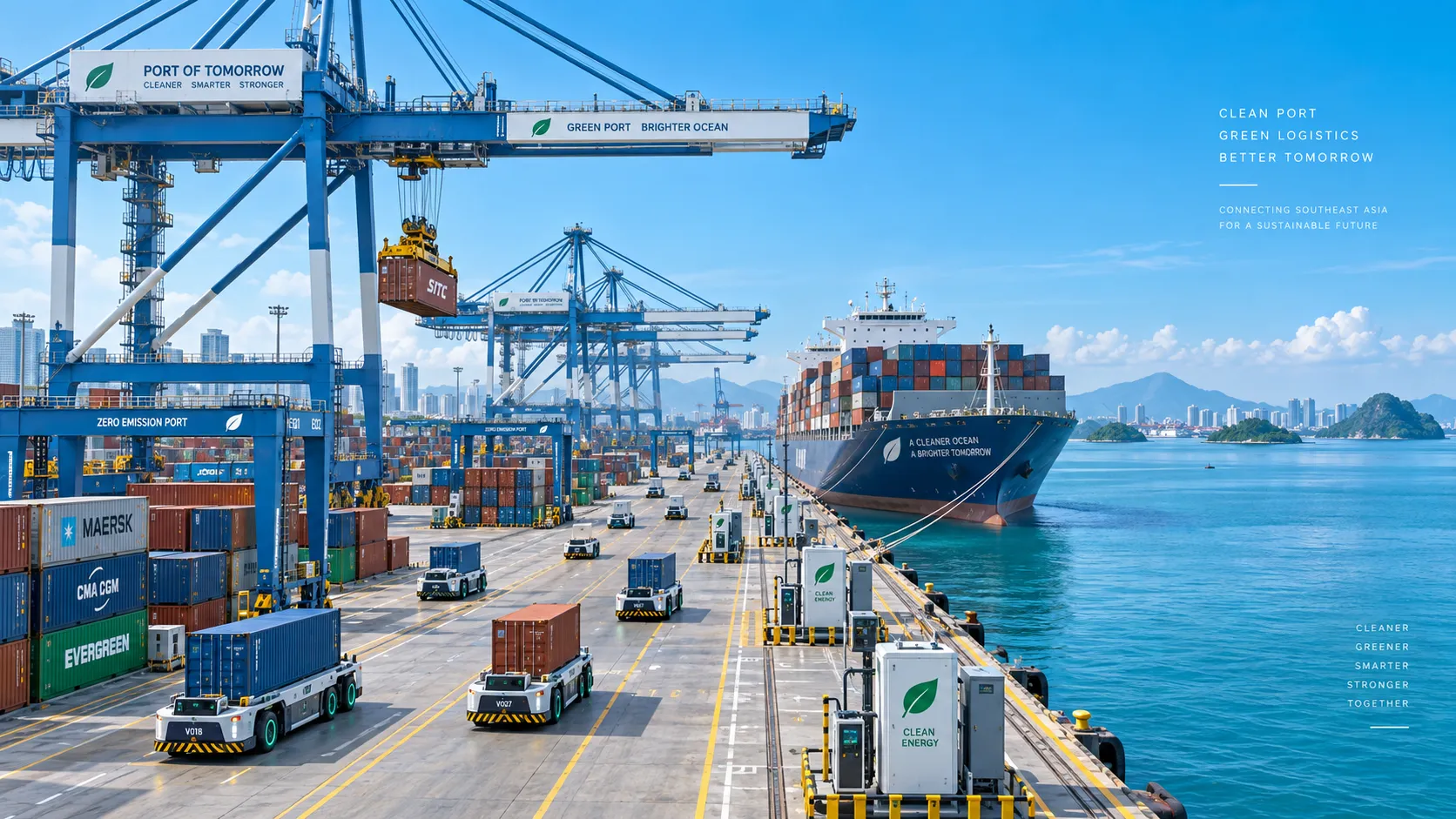
Smart Port Systems in Southeast Asia: Investment Priorities and Adoption Barriers
Smart port systems Southeast Asia: discover investment priorities, adoption barriers, and practical steps to build resilient, connected, high-performing terminals.
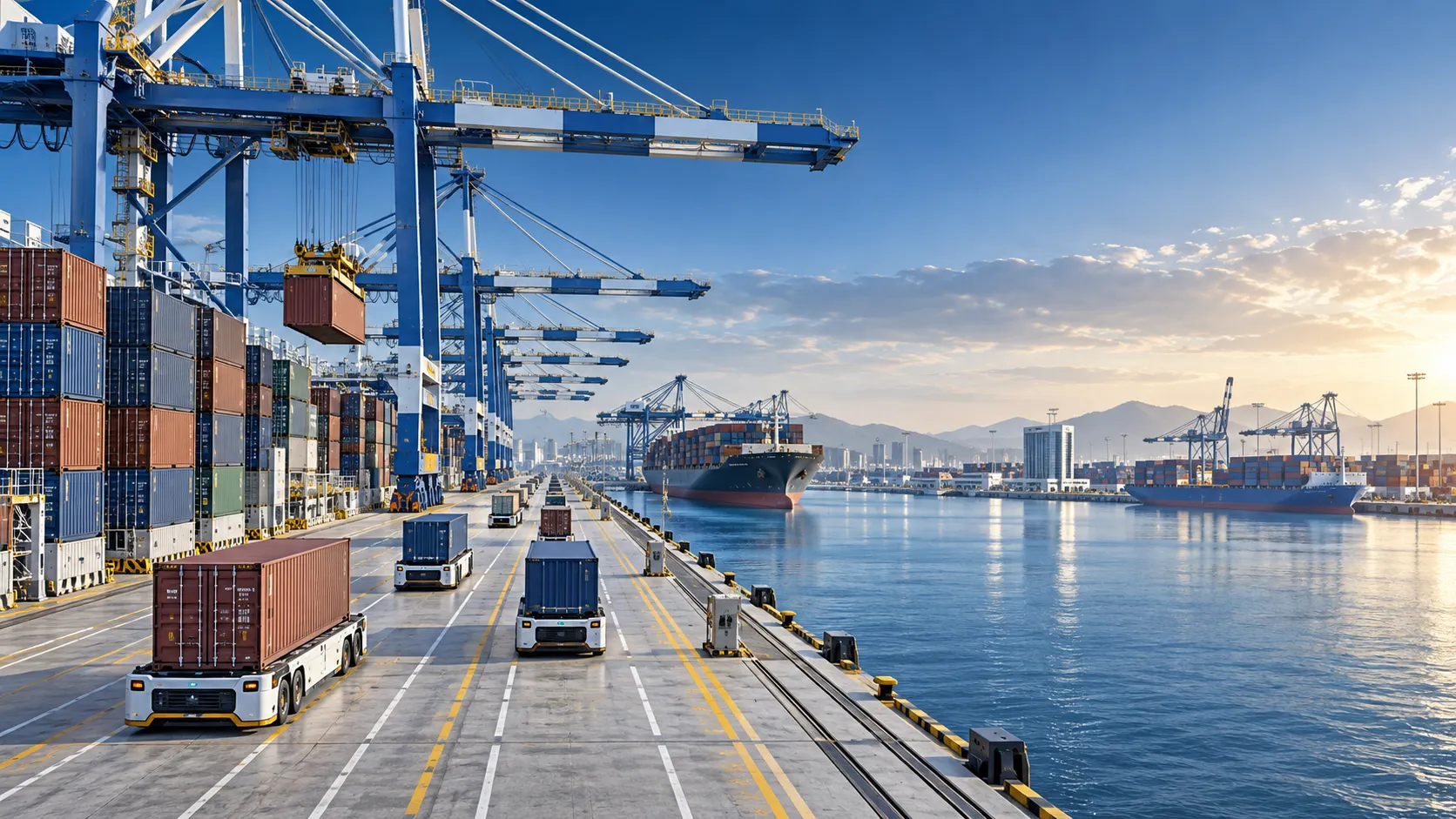
How to Evaluate Terminal Efficiency Solution Suppliers for High-Throughput Operations
Choose a terminal efficiency solutions supplier with confidence. Explore proven criteria for throughput, integration, lifecycle cost, safety, and reliable delivery.
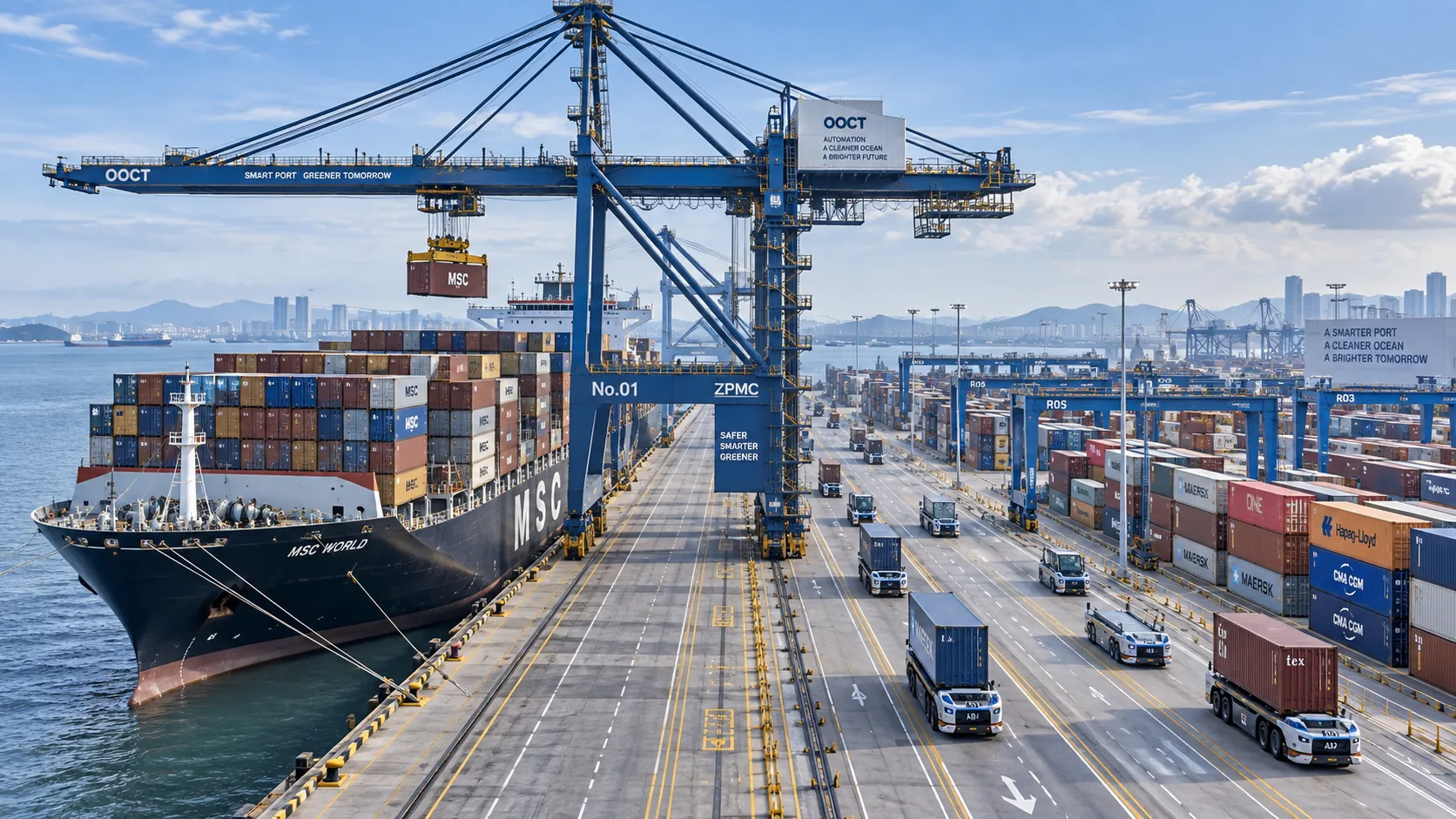
How to Specify a Quay Crane for Container Terminals by Vessel Size and Throughput?
Quay crane for container terminals: learn how to match outreach, lift height, capacity, automation, and cycle performance to vessel size and throughput goals.
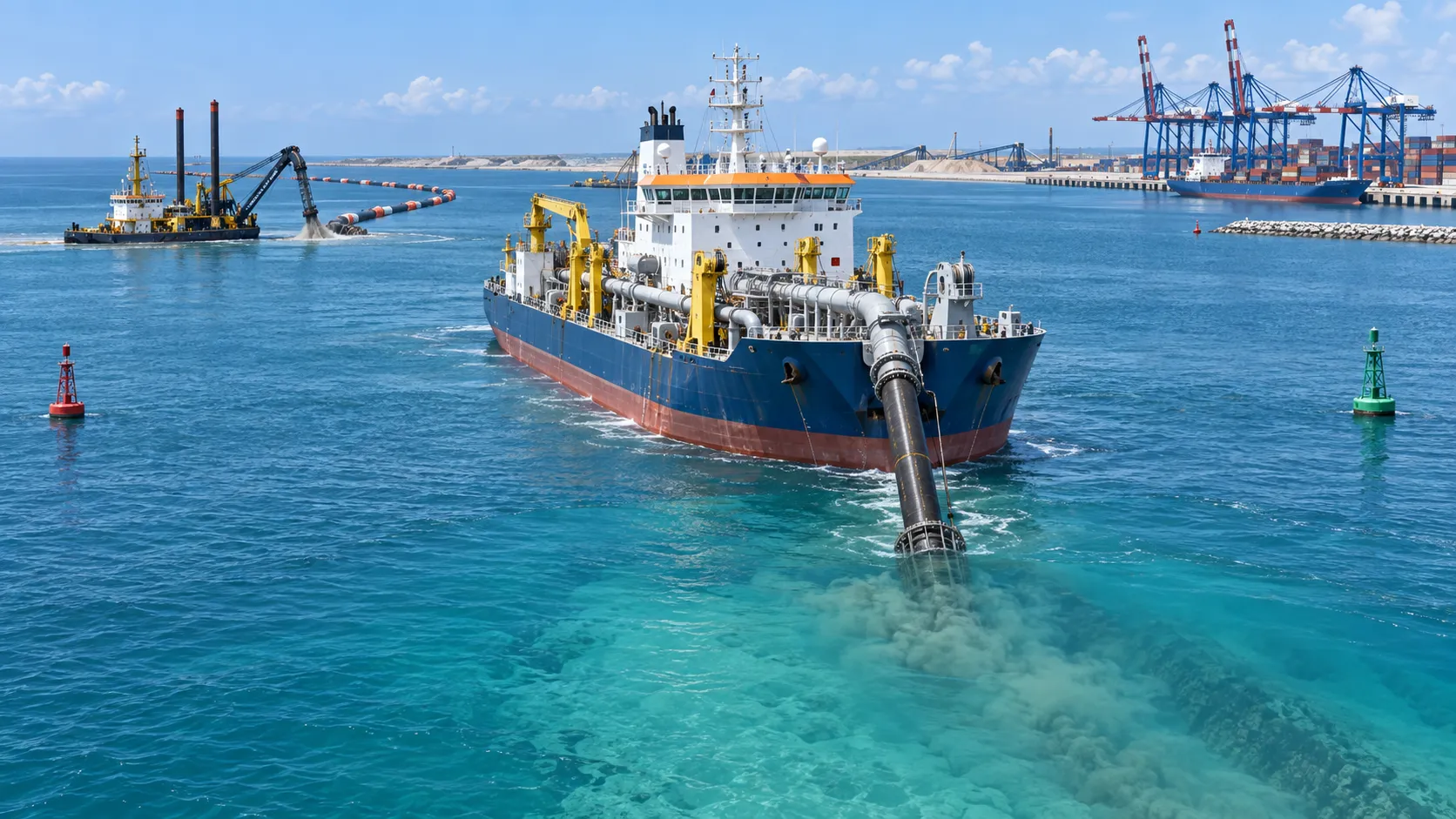
What Dredging Equipment Is Needed for Channel Deepening?
What dredging equipment is needed for channel deepening? Explore dredgers, pipelines, survey tools, and planning strategies for safer, more efficient port access.
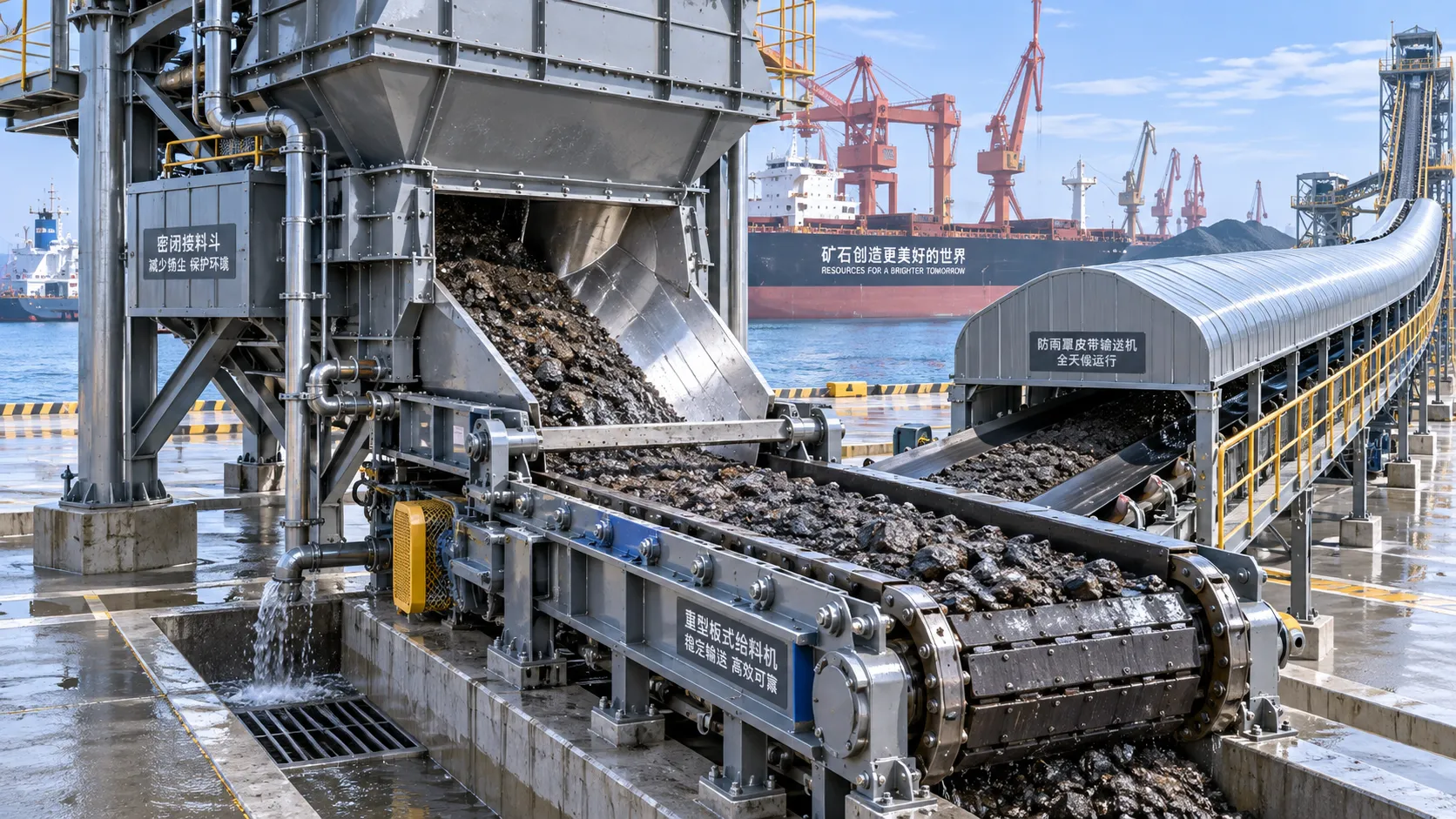
Which Bulk Handling Equipment Suits High-Moisture Cargo?
Which bulk handling equipment suits high-moisture cargo? Compare belt, apron, screw, drag, and slurry systems for reliable flow, less carryback, and higher terminal uptime.
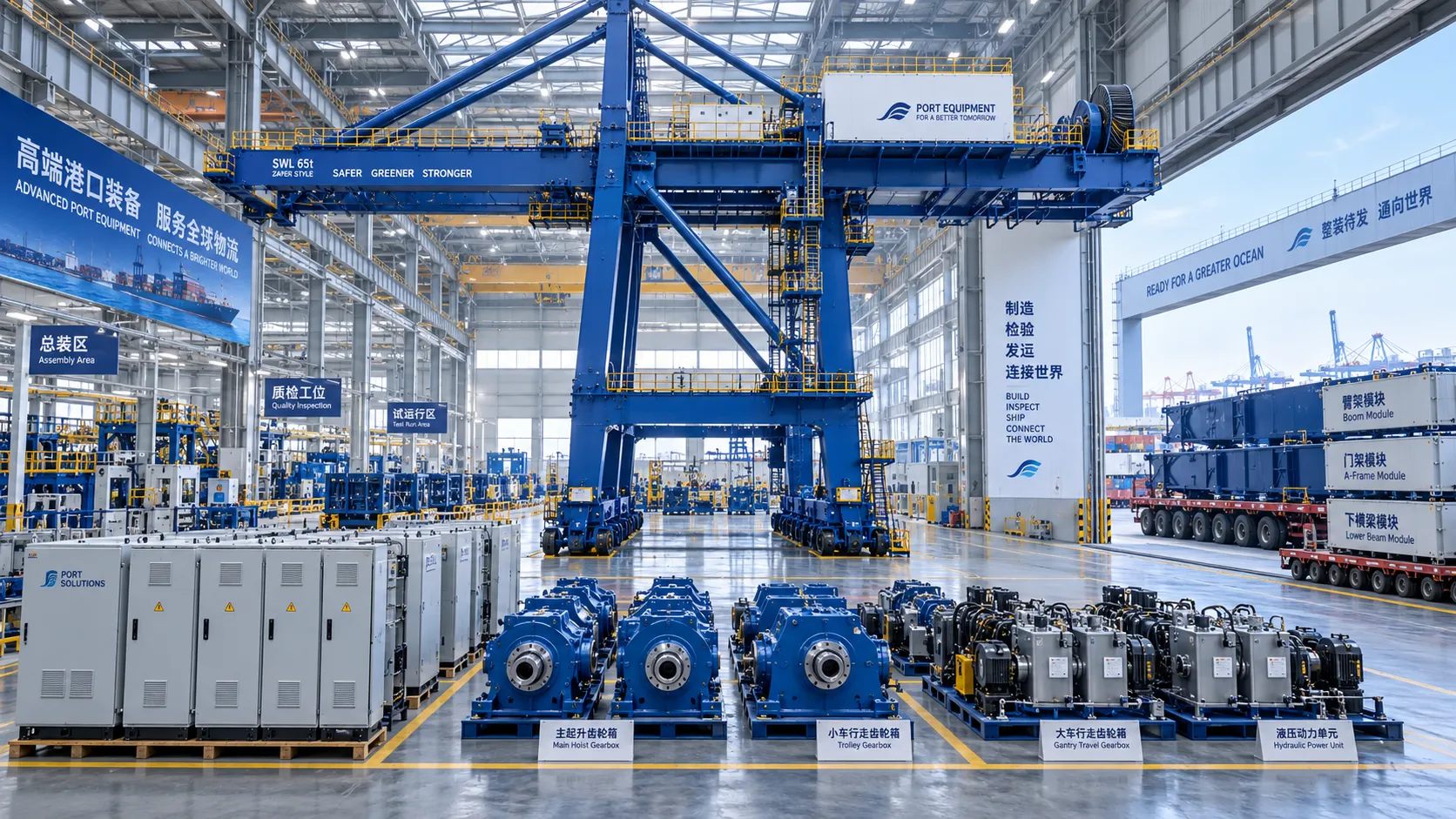
How Can Port Equipment Lead-Time Risk Be Managed?
How can port equipment lead-time risk be managed? Explore practical strategies to control critical paths, suppliers, transport, site readiness, and commissioning delays.
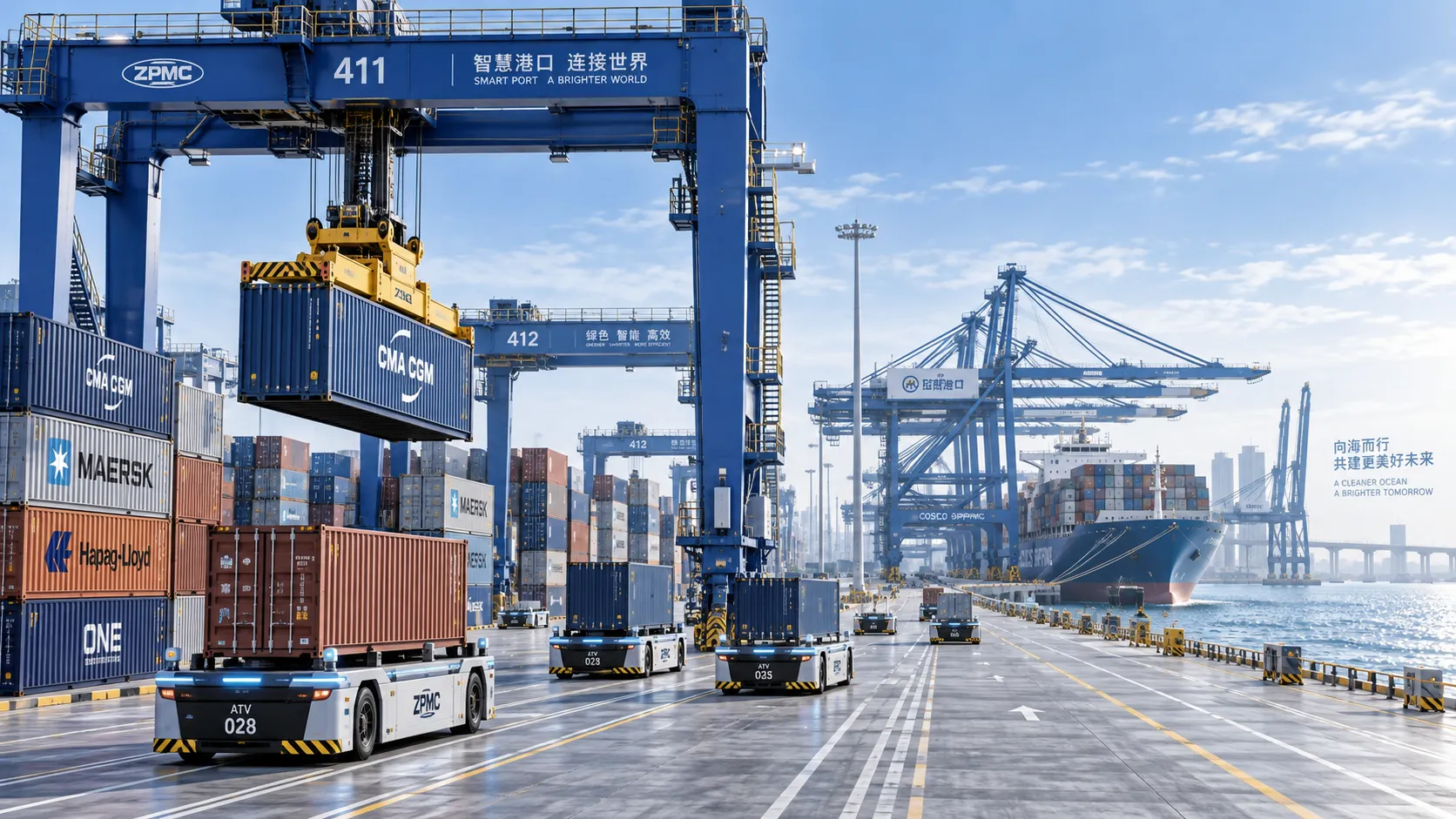
Terminal Automation Technologies That Raise Container Throughput Without Yard Disruption
Terminal automation technology that increases container throughput without disrupting yard flow. Explore smarter integration, resilient workflows, and phased deployment strategies.
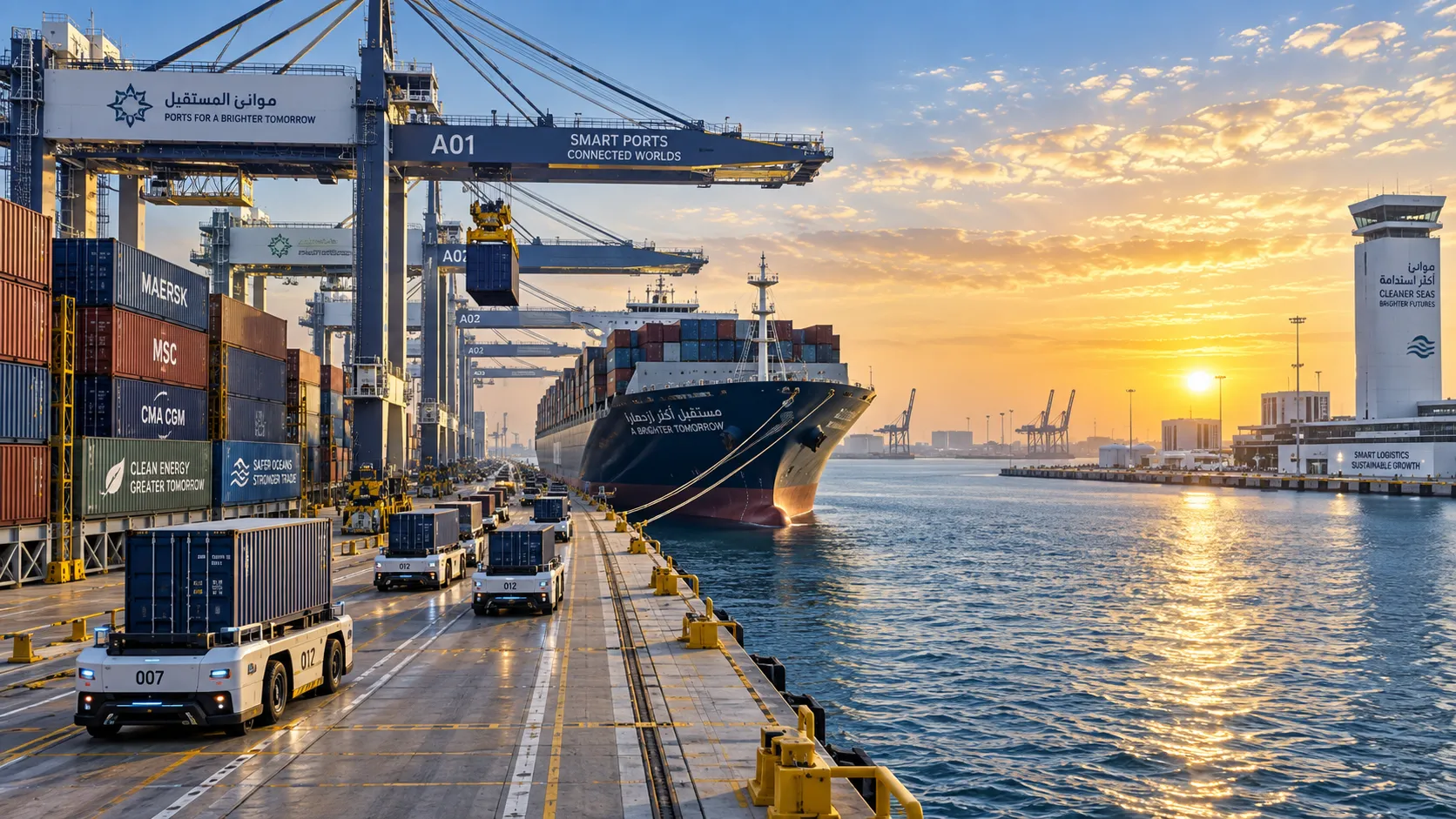
Middle East Port Automation: Key Market Drivers, Projects, and Investment Risks
Port automation systems Middle East: explore market drivers, flagship projects, integration challenges, and investment risks shaping smarter, resilient terminals.
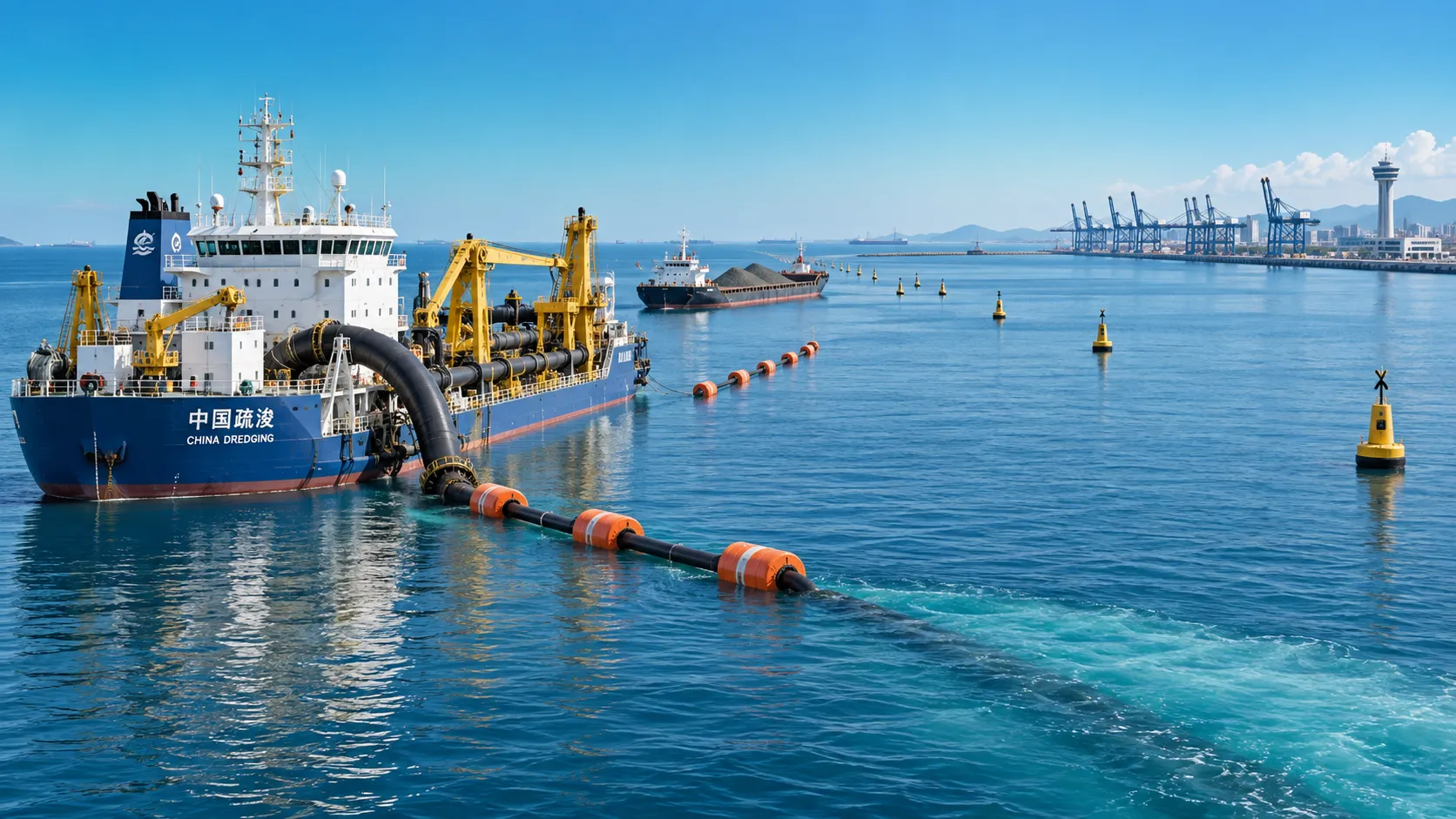
Planning Offshore Dredging Operations: Key Risks, Methods, and Project Controls
Offshore dredging operations demand smart planning. Explore key risks, proven methods, environmental controls, and project strategies for reliable delivery.