Related News
- 00
0000-00
Smart Port Systems Pricing: How to Compare Lifecycle Costs and ROI by Terminal Scale - 00
0000-00
What Drives Bulk Material Handling Pricing in Large Conveyor System Projects? - 00
0000-00
How Shipping Rate Analytics in Europe Help Importers Predict Costs and Route Risk - 00
0000-00
What Buyers Check When Reviewing Used PVC Coating Line Output and Condition - 00
0000-00
Automated Port Systems Cost Breakdown: CAPEX, Integration, and Maintenance Factors
Shipping Rate Analytics for Supply Chains: Which Cost Drivers Matter Most in 2025?
In 2025, shipping rate analytics for supply chains has moved well beyond freight benchmarking. It now sits at the center of margin control, sourcing flexibility, and network design.
Rate volatility no longer comes from one obvious source. Ocean carriers, terminal congestion, fuel swings, labor availability, environmental rules, and inland transfer constraints now interact in faster cycles.
That is why shipping rate analytics for supply chains matters across industries, not only in maritime operations. The real question is which cost drivers deserve the most attention, and which ones only create noise.
For businesses tied to global trade corridors, that distinction affects procurement timing, contract structures, inventory buffers, and capital planning around automated logistics assets.
What shipping rate analytics really measures
At a practical level, shipping rate analytics for supply chains tracks how total transport cost changes across routes, modes, time windows, and handling conditions.
It is not limited to headline ocean freight. A useful model connects base freight with bunker costs, port charges, congestion surcharges, equipment imbalance, customs friction, and inland repositioning.
The strongest analytics also explain why rates move. That means linking commercial pricing with physical constraints such as berth productivity, yard density, crane availability, channel depth, and truck turn times.
This is where the PS-Nexus perspective becomes relevant. Global shipping costs are increasingly shaped by heavy terminal gear, automated container handling, dredging capacity, and control systems inside the port ecosystem.
The cost drivers that matter most in 2025
Not every variable has equal weight. In 2025, several drivers stand out because they influence both price formation and operational reliability.
1. Port productivity and terminal throughput
Port delays now carry larger financial consequences than many planners assumed. A slow terminal can trigger berth waiting, missed rail slots, extra storage, and inventory misalignment downstream.
Mega port terminal gear and specialized container handling systems directly affect this outcome. When cranes, yard automation, and transfer nodes perform unevenly, rate pressure rises quickly.
2. Fuel and energy costs
Fuel remains a major pricing lever, but it is now tied to a broader energy transition. Low-sulfur compliance, alternative fuels, and emissions accounting can change cost structures route by route.
Shipping rate analytics for supply chains should therefore separate pure fuel fluctuation from regulatory fuel cost pass-through. Those are related, but they are not the same decision variable.
3. Equipment imbalance and asset utilization
Empty container repositioning remains expensive. In several trade lanes, the issue is less about vessel space and more about where the right equipment sits at the wrong time.
Analytics should capture dwell time, container circulation speed, and yard congestion. These factors often explain sudden premiums that look irrational when viewed only through published rate indexes.
4. Labor disruption and operating continuity
Labor issues still matter, but the deeper concern is continuity risk. Even short disruptions can create a backlog that keeps affecting rates after the formal event is over.
Port automation and control systems can reduce some volatility here. Better scheduling logic, AGV coordination, and remote equipment monitoring help stabilize handling performance during stressed periods.
5. Compliance and carbon-related charges
Environmental compliance is no longer a side note. Carbon reporting, regional emissions schemes, and customer-driven sustainability requirements now reshape carrier pricing behavior.
For some networks, these costs remain modest. For others, especially those with older fleets or inefficient port calls, they become a visible freight differentiator.
6. Coastal access and dredging conditions
This driver is still underappreciated. Draft restrictions, sediment buildup, and channel maintenance can limit vessel size, delay entry windows, and reduce schedule reliability.
Dredging engineering equipment and fairway capacity therefore affect cost indirectly but materially. Where access constraints persist, freight rates often reflect hidden infrastructure inefficiency.
Why the port layer now deserves more attention
Many organizations still treat shipping cost analysis as a carrier procurement exercise. That approach misses the operational layer where cost inflation increasingly starts.
A port with strong automation, reliable communications, and well-maintained heavy handling assets can compress turnaround time and reduce uncertainty across the network.
A port without those strengths creates ripple effects. Rate spikes then appear as a market problem, even when the root cause is local infrastructure or scheduling friction.
This is one reason intelligence platforms such as PS-Nexus are valuable. They connect shipping rates with logistics node dynamics, crane performance, digital control capability, and coastal engineering realities.
How to read shipping rate analytics for supply chains in real business settings
The most useful analytics are tied to decisions, not dashboards. Different operating models should read the same data in different ways.
The point is simple. Shipping rate analytics for supply chains should be interpreted through the operational realities of each corridor, commodity, and service model.
Common mistakes in cost analysis
Some of the biggest errors come from incomplete framing rather than poor data quality.
- Using average freight rates without separating peak disruption periods from normal operating weeks.
- Treating port charges as fixed overhead instead of variable outcomes tied to productivity and congestion.
- Ignoring dredging, berth access, and terminal equipment constraints in gateway comparisons.
- Looking only at ocean spend while hidden inland and storage costs quietly expand.
- Measuring savings by contract rate alone, without testing service reliability and inventory impact.
These mistakes can produce false confidence. They also make it harder to see where automation or infrastructure intelligence would create the strongest return.
A practical way to strengthen decision quality
A stronger approach starts with a narrower set of decision variables. In most cases, five layers are enough to build a workable rate intelligence model.
- Base transport rate by lane and season.
- Terminal and handling performance at origin and destination.
- Fuel, energy, and environmental surcharge exposure.
- Equipment circulation and inland connection reliability.
- Infrastructure conditions, including channel access and maintenance status.
From there, compare costs against service outcomes. A slightly higher nominal rate may still be preferable when it protects schedule integrity, lowers buffer inventory, or reduces exception handling.
That broader view is increasingly important in automated trade environments. Smart ports, remote-controlled cranes, and algorithmic yard scheduling can shift cost patterns faster than older benchmarks suggest.
Where to focus next
Shipping rate analytics for supply chains in 2025 is really about identifying structural cost drivers before they show up as financial surprises.
The most resilient decisions come from combining market prices with port intelligence, automation signals, and coastal infrastructure conditions. That is especially true when trade networks depend on high-throughput terminals and synchronized handling systems.
A sensible next step is to map the top trade lanes against the cost drivers above, then test which variables explain recent rate changes most consistently. That creates a clearer base for contract strategy, network redesign, and future logistics investment.
- heavy terminal gear
- automated container handling
- mega port terminal
- specialized container handling
- port automation
- control systems
- logistics node dynamics
- remote-controlled cranes
- coastal infrastructure
- terminal equipment
- shipping rate analytics
- shipping rate analytics for supply chains
- specialized container handling systems
Related News
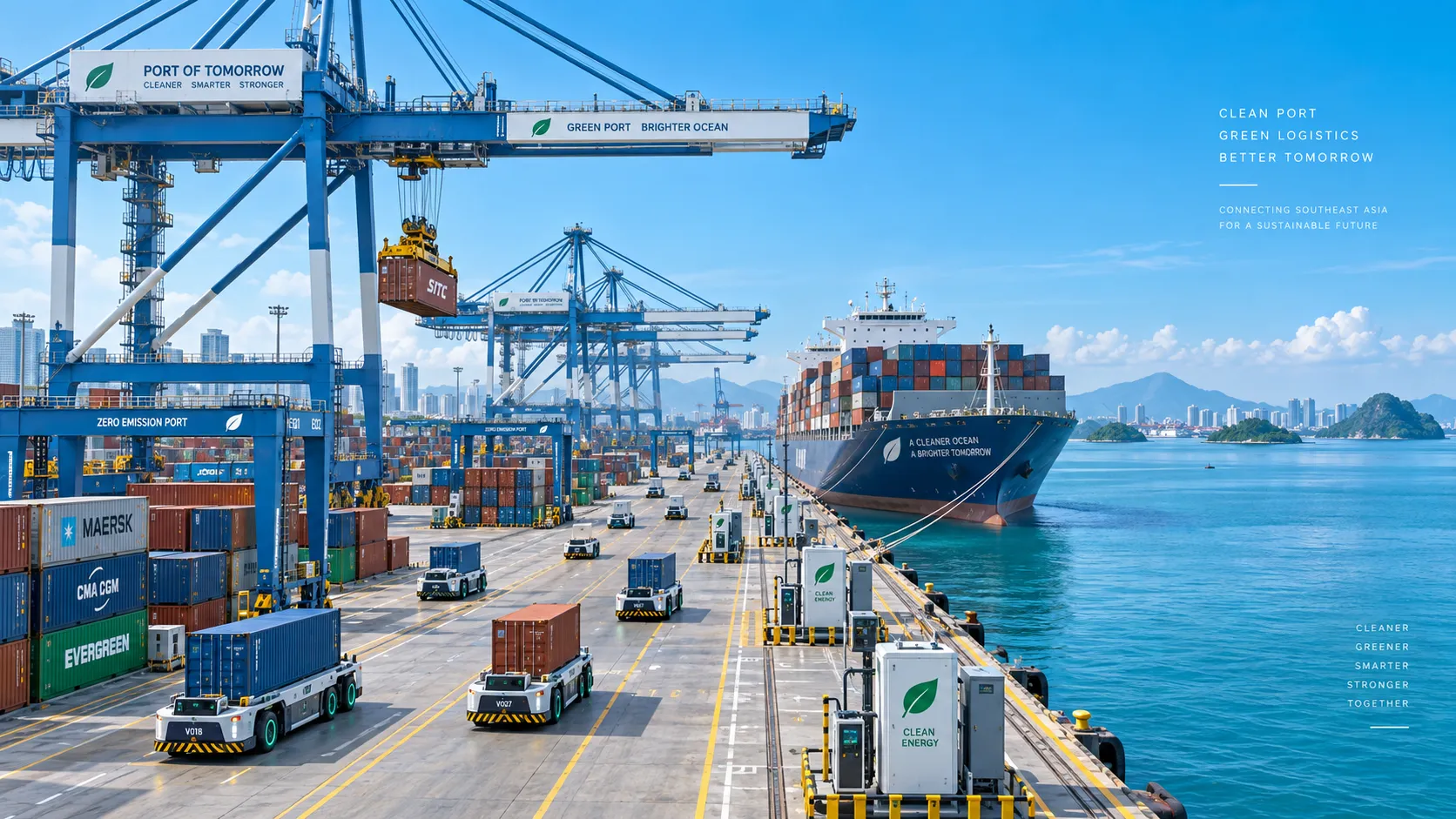
Smart Port Systems in Southeast Asia: Investment Priorities and Adoption Barriers
Smart port systems Southeast Asia: discover investment priorities, adoption barriers, and practical steps to build resilient, connected, high-performing terminals.
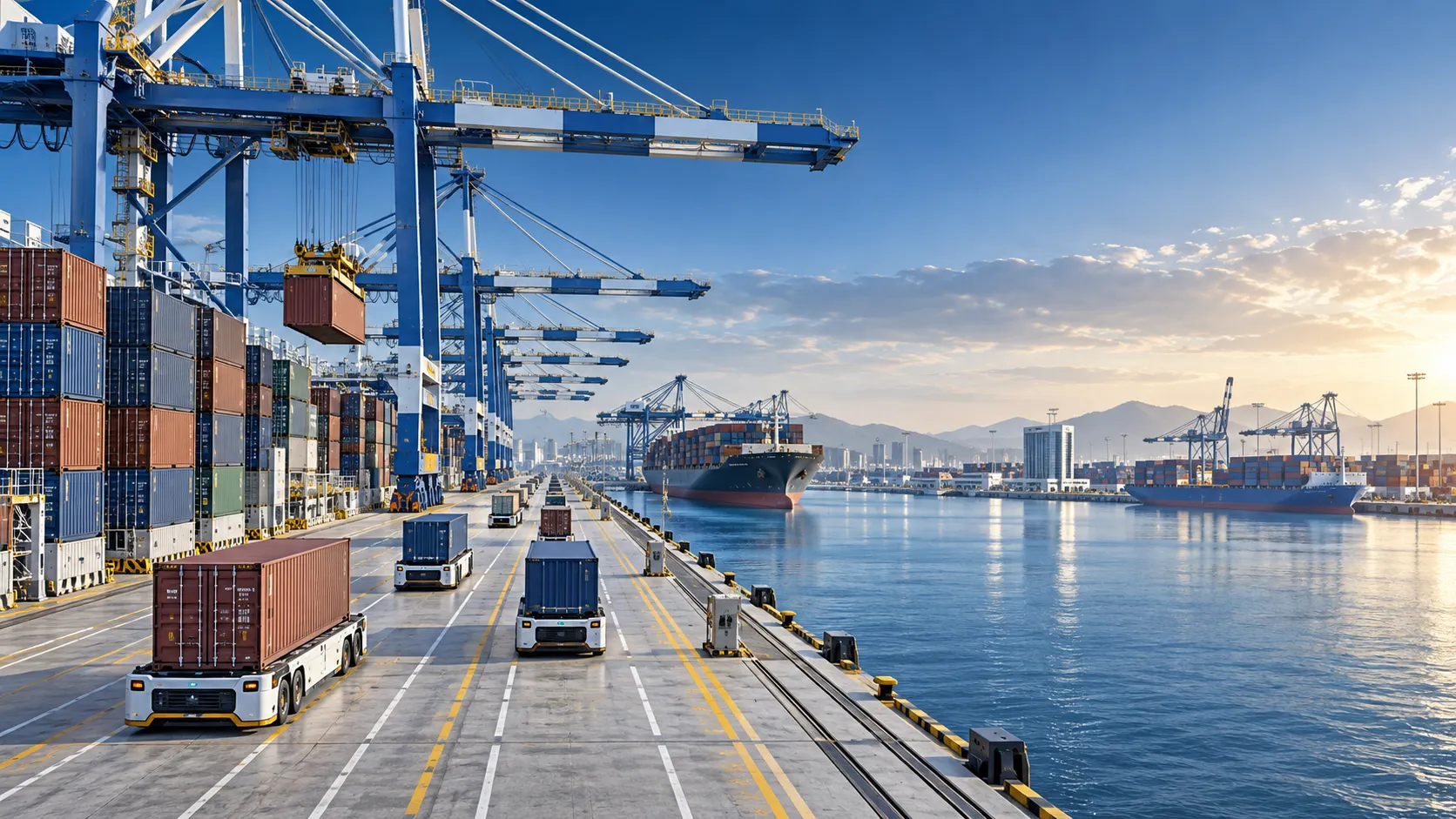
How to Evaluate Terminal Efficiency Solution Suppliers for High-Throughput Operations
Choose a terminal efficiency solutions supplier with confidence. Explore proven criteria for throughput, integration, lifecycle cost, safety, and reliable delivery.
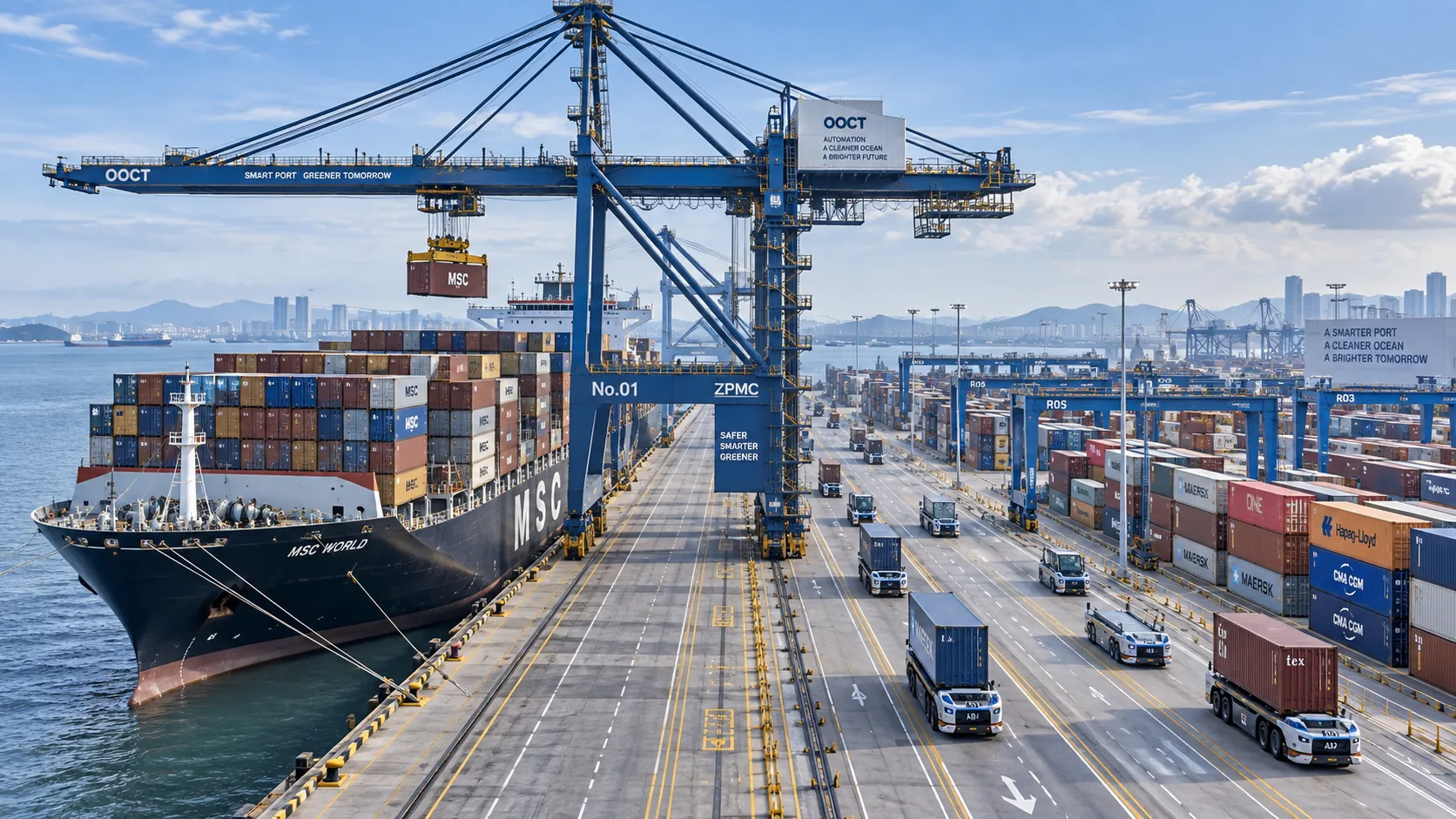
How to Specify a Quay Crane for Container Terminals by Vessel Size and Throughput?
Quay crane for container terminals: learn how to match outreach, lift height, capacity, automation, and cycle performance to vessel size and throughput goals.
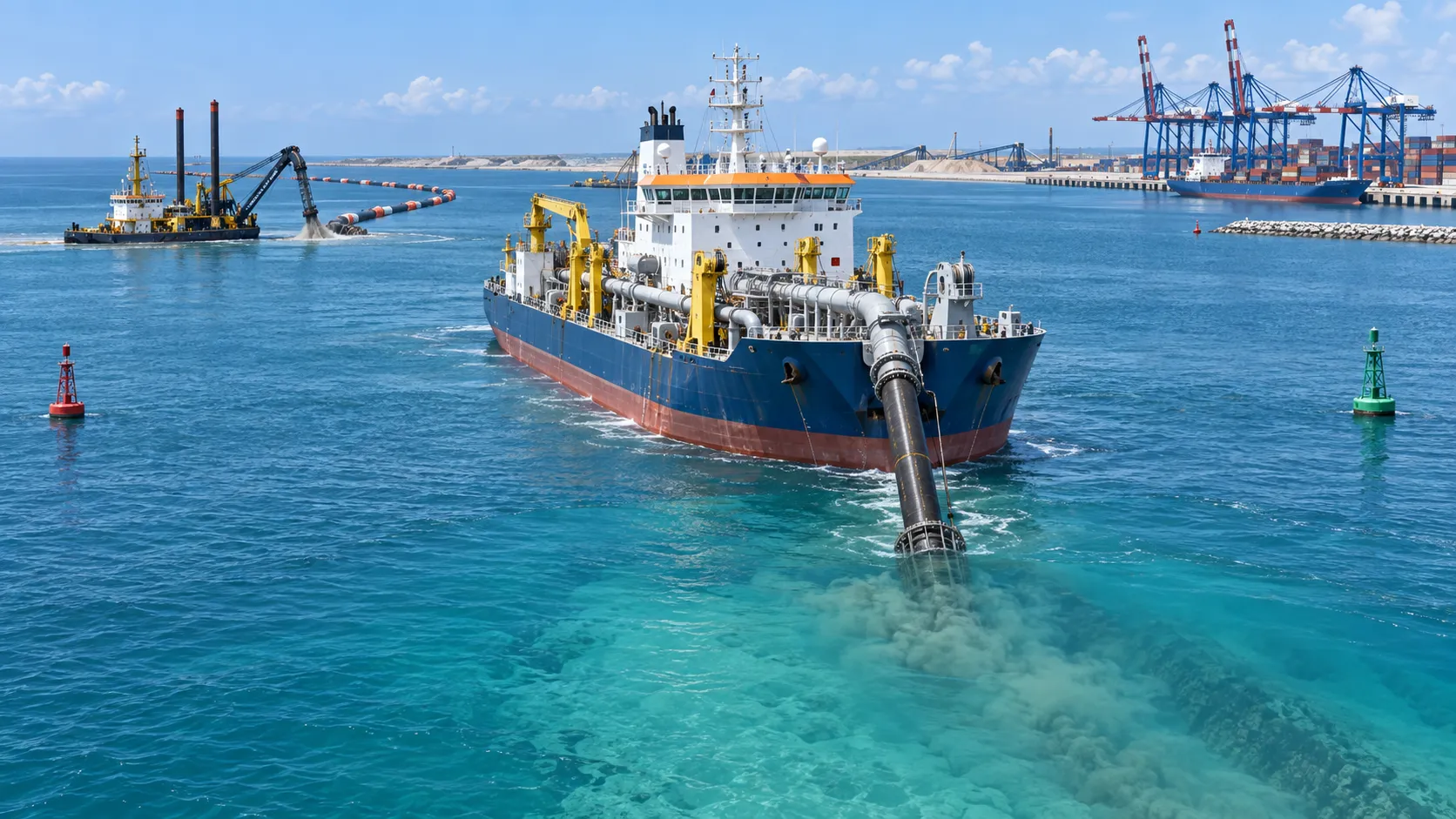
What Dredging Equipment Is Needed for Channel Deepening?
What dredging equipment is needed for channel deepening? Explore dredgers, pipelines, survey tools, and planning strategies for safer, more efficient port access.
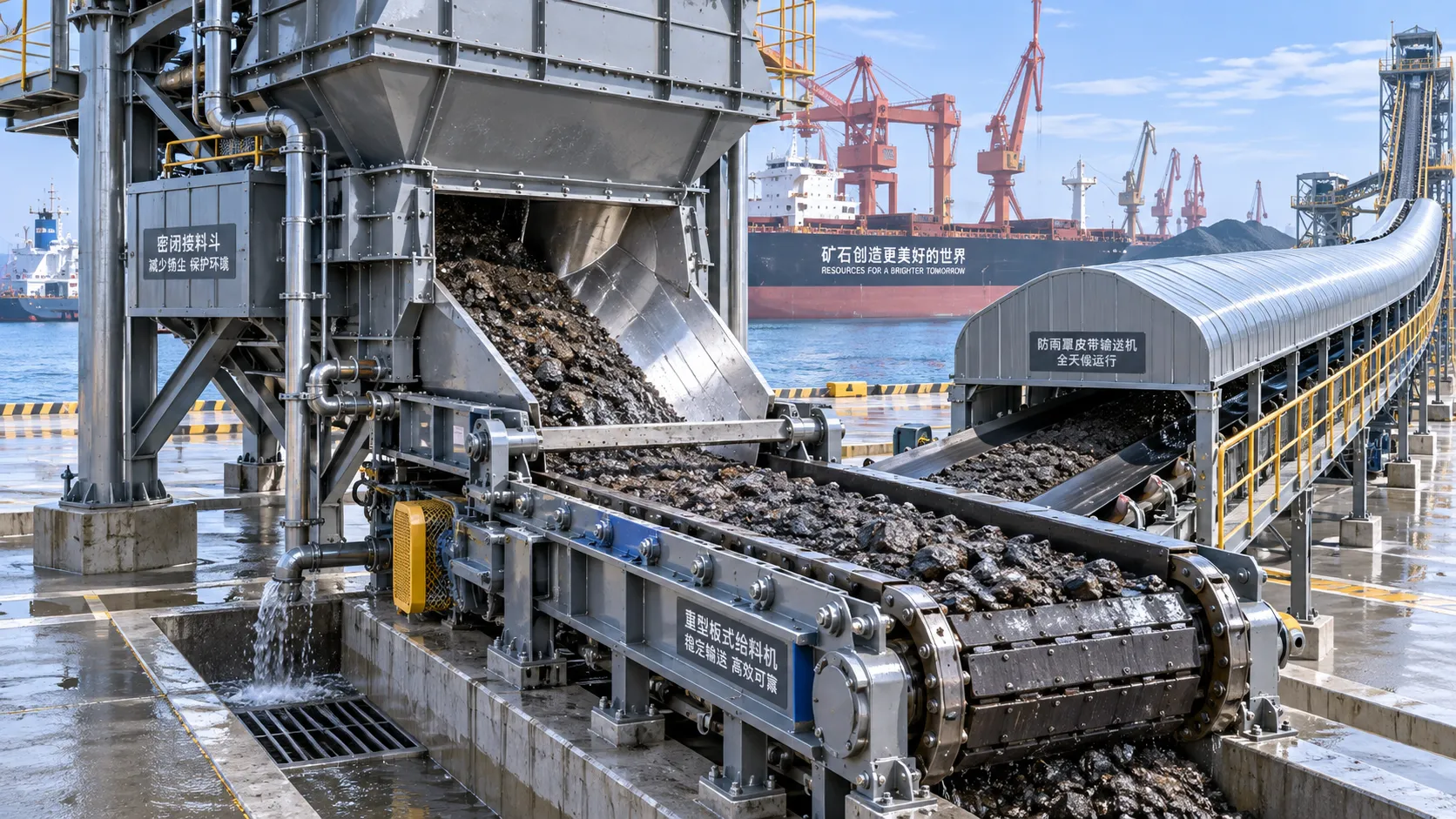
Which Bulk Handling Equipment Suits High-Moisture Cargo?
Which bulk handling equipment suits high-moisture cargo? Compare belt, apron, screw, drag, and slurry systems for reliable flow, less carryback, and higher terminal uptime.
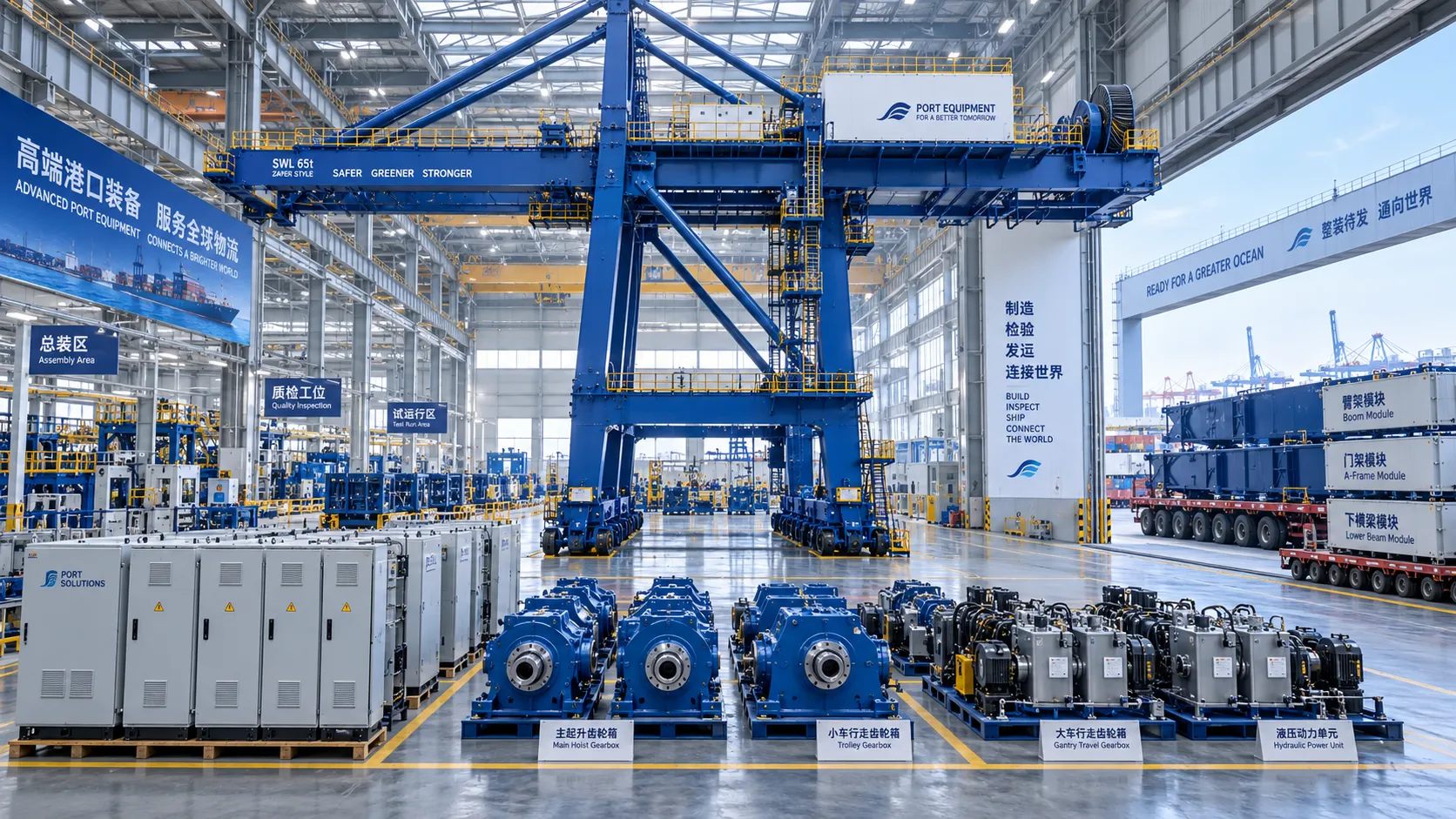
How Can Port Equipment Lead-Time Risk Be Managed?
How can port equipment lead-time risk be managed? Explore practical strategies to control critical paths, suppliers, transport, site readiness, and commissioning delays.
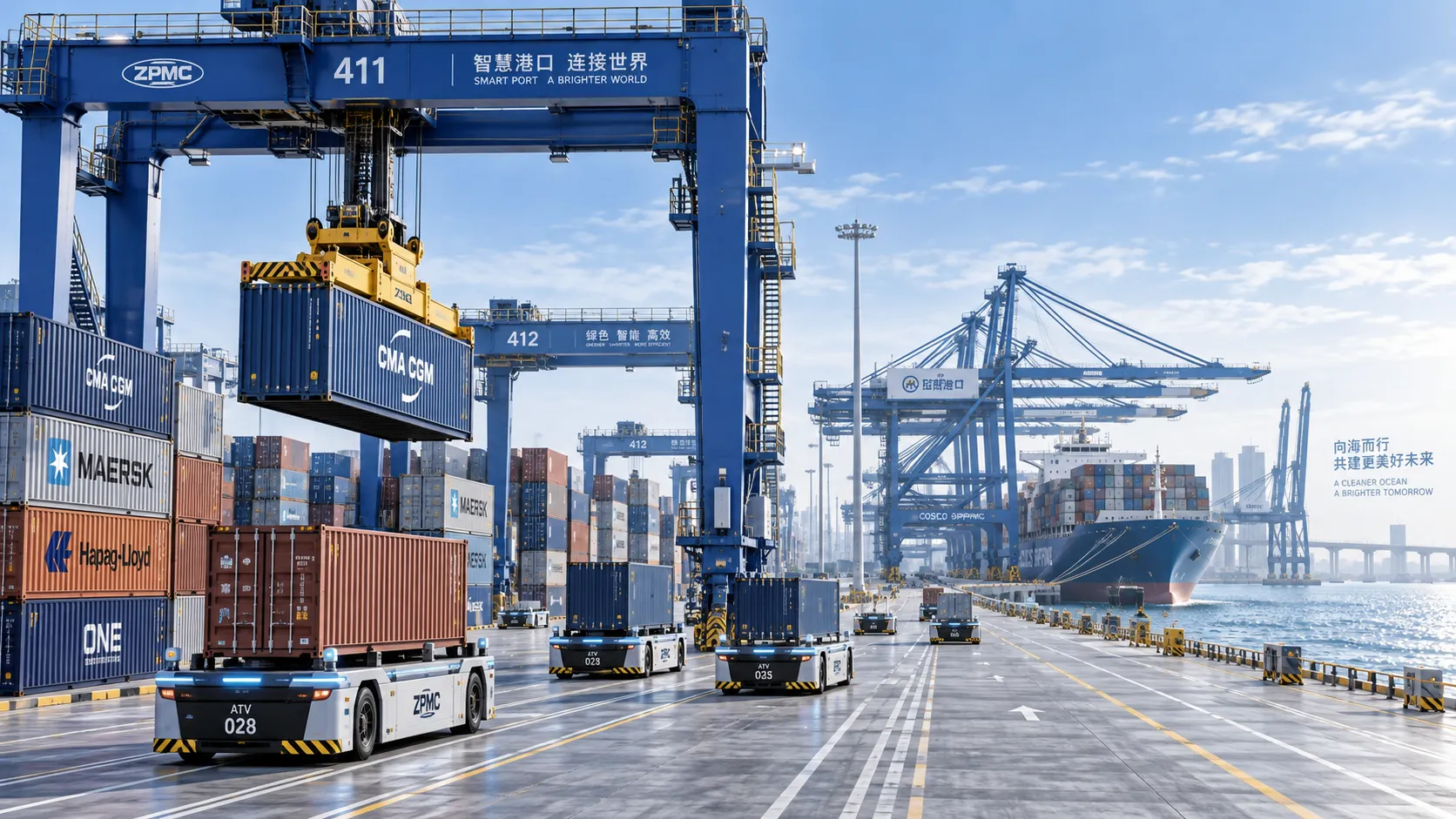
Terminal Automation Technologies That Raise Container Throughput Without Yard Disruption
Terminal automation technology that increases container throughput without disrupting yard flow. Explore smarter integration, resilient workflows, and phased deployment strategies.
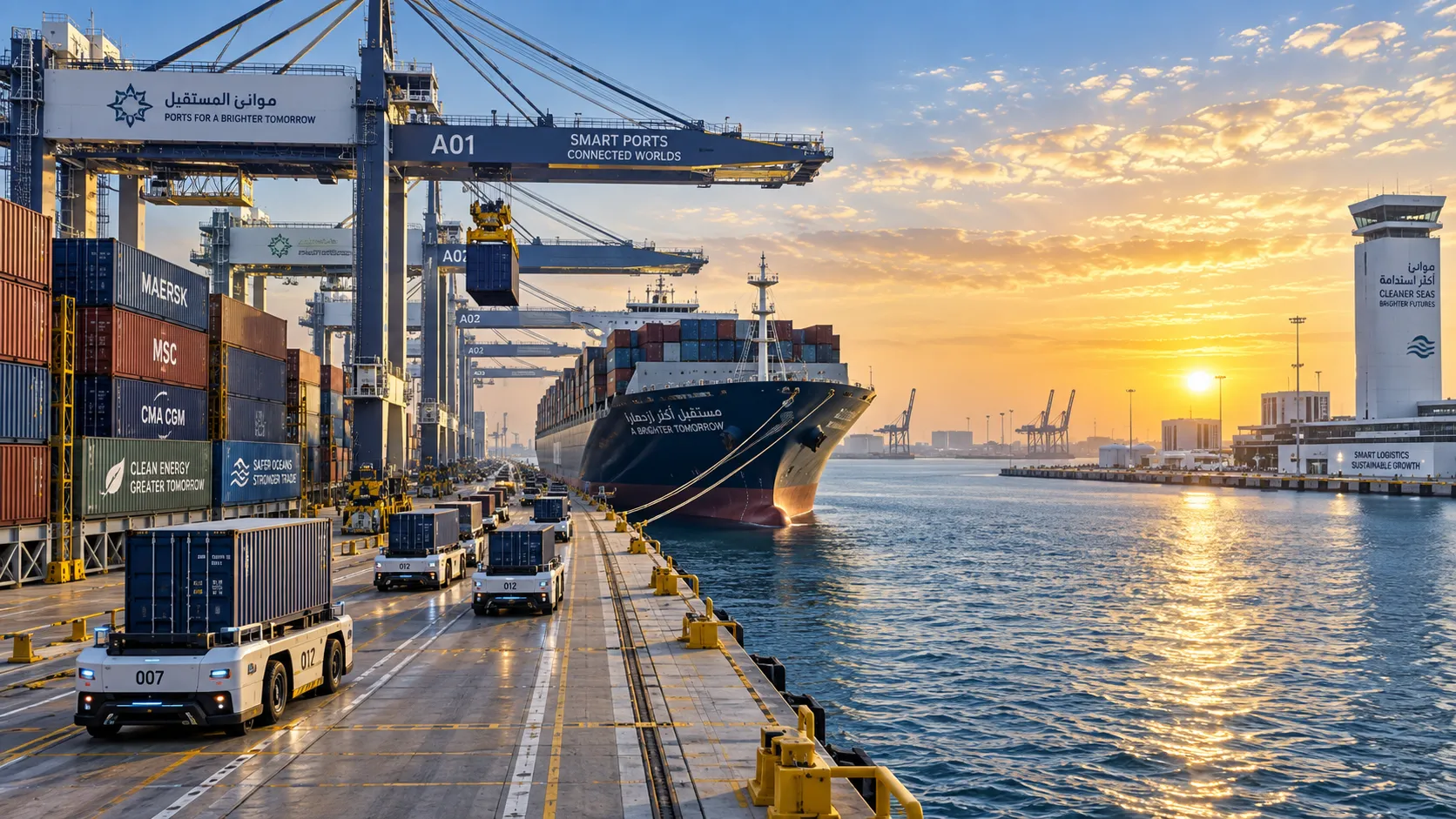
Middle East Port Automation: Key Market Drivers, Projects, and Investment Risks
Port automation systems Middle East: explore market drivers, flagship projects, integration challenges, and investment risks shaping smarter, resilient terminals.
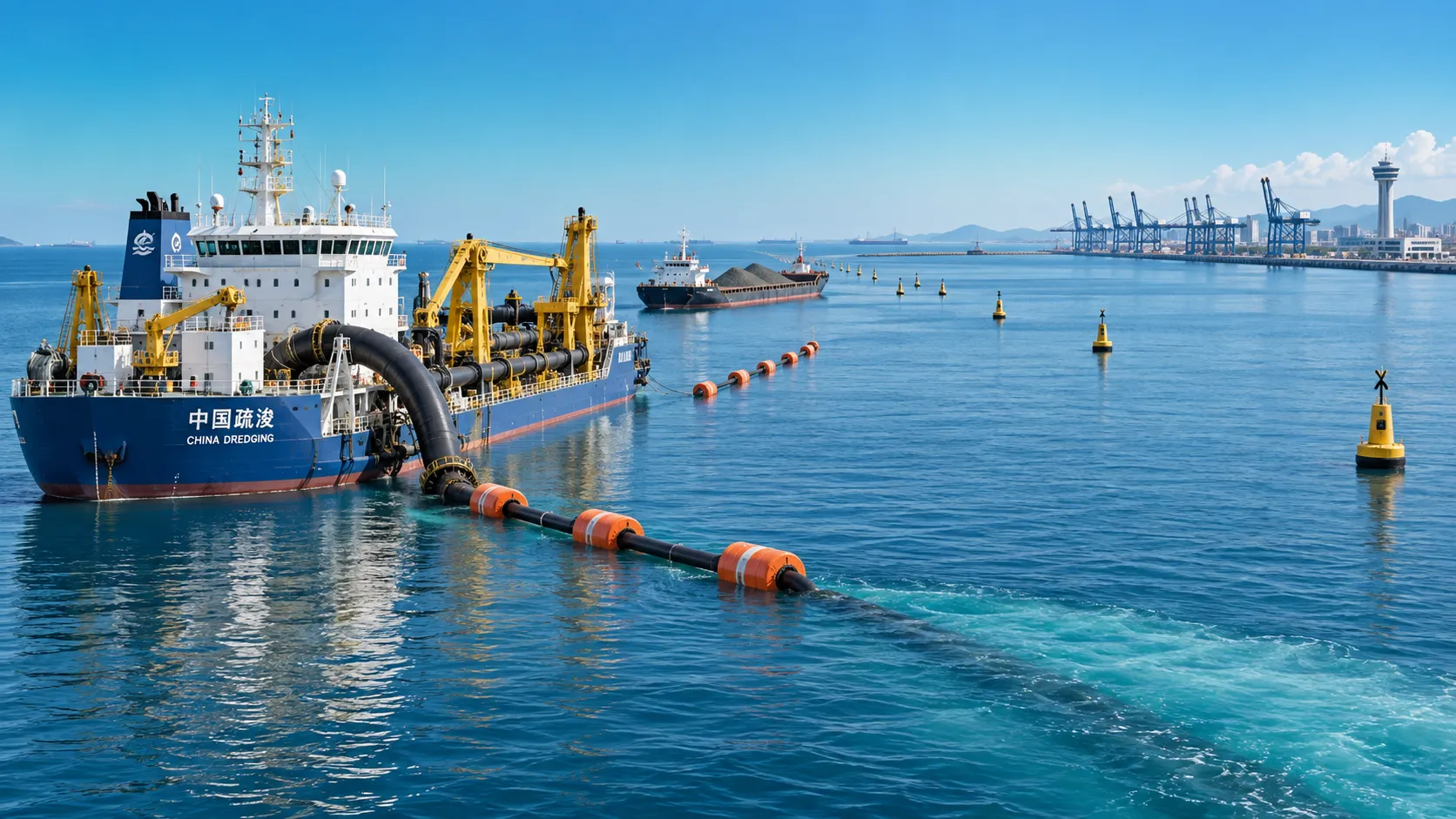
Planning Offshore Dredging Operations: Key Risks, Methods, and Project Controls
Offshore dredging operations demand smart planning. Explore key risks, proven methods, environmental controls, and project strategies for reliable delivery.