Related News
- 00
0000-00
How to Evaluate Terminal Efficiency Solution Suppliers for High-Throughput Operations - 00
0000-00
What to Consider When Buying Electric Port Machinery for Container Terminals - 00
0000-00
How to Select Container Handling Equipment for Middle East Ports and Terminals - 00
0000-00
How to Evaluate a Port Machinery Exporter for Large-Scale Terminal Projects - 00
0000-00
Evaluating a Dredging Equipment Manufacturer for Mining Plant Supply
What Does a Port Infrastructure Development Company Do in Greenfield and Brownfield Projects?
Why does a port infrastructure development company matter in both new and existing ports?
A port infrastructure development company turns coastal strategy into working cargo capacity. That sounds broad, but the role is very practical.
It connects marine engineering, terminal layout, dredging depth, utility systems, traffic flow, and equipment planning into one deliverable port asset.
In greenfield projects, the company helps create a port from the ground up. In brownfield projects, it upgrades a live facility without breaking daily operations.
That difference matters because the technical questions change. One project starts with land, seabed, and access. The other starts with constraints.
A capable port infrastructure development company usually works across feasibility, permitting, civil design, dredging coordination, berth planning, automation readiness, and phased delivery.
For anyone following maritime logistics, this role sits at the center of terminal efficiency, supply chain resilience, and future trade competitiveness.
This is also where PS-Nexus offers useful context. Its coverage of terminal gear, automated handling, and dredging trends helps explain why infrastructure choices shape operating performance for years.
What does a port infrastructure development company actually do day to day?
The short answer is coordination with engineering depth. The longer answer is a series of linked decisions that determine whether a port can scale safely.
A port is not only a quay wall and a yard. It is a system of marine access, structural capacity, cargo logic, and information control.
In actual delivery, the work often includes the following:
- Site and hydrographic studies to confirm draft, soil behavior, wave action, and sediment conditions.
- Master planning for berths, yards, roads, rail links, utilities, and future expansion corridors.
- Dredging and reclamation planning to secure navigable depth and workable terminal land.
- Structural engineering for quay walls, revetments, foundations, drainage, and heavy-load pavements.
- Equipment interface planning for STS cranes, RTGs, AGVs, conveyors, or bulk loaders.
- Automation and control system readiness, especially where remote operations are expected later.
- Phasing strategies that align construction windows with commercial and environmental realities.
More advanced firms also test how infrastructure choices affect truck turn time, berth productivity, and yard congestion before construction begins.
That systems view is increasingly important. PS-Nexus regularly tracks how heavy terminal gear and scheduling logic now influence infrastructure design, not just operations.
Greenfield or brownfield: where does the job change most?
This is usually the first comparison people want. Both project types need engineering discipline, but they start from very different realities.
A greenfield port project gives a port infrastructure development company more layout freedom. Berth length, yard geometry, automation corridors, and utility routing can be planned together.
A brownfield project is more constrained. Existing assets, legacy foundations, navigation limits, and active cargo movement all shape what is possible.
The practical differences are easier to see side by side:
A good port infrastructure development company adjusts its methods accordingly. The design tools may look similar, but the decision logic is not.
How do automation, dredging, and heavy equipment fit into the same decision?
They fit together earlier than many people expect. Ports often lose performance when infrastructure is designed first and operating systems are considered later.
For example, deeper dredging affects vessel class access. That changes crane outreach, apron loads, yard transfer rates, and power demand.
The same is true for automation. If AGV paths, charging zones, control rooms, and data links are ignored at the civil stage, retrofits become costly.
This is why a port infrastructure development company increasingly works with digital and mechanical inputs at concept stage, not after tender.
PS-Nexus follows this convergence closely. Its intelligence on remote crane communications, path-planning logic, and dredging equipment monitoring shows how physical and digital design now overlap.
In practical terms, integrated planning usually checks:
- whether berth structure can carry future crane classes;
- whether dredged depth matches target vessel mix over time;
- whether yard geometry supports automated transfer logic;
- whether power, fiber, and control architecture can scale later;
- whether net-zero goals require electrified equipment from the start.
When these checks happen early, infrastructure becomes more durable commercially, not just structurally.
What should you look at when judging one port infrastructure development company against another?
Experience alone is not enough. The stronger question is whether the firm can align marine works, terminal flow, and long-cycle equipment strategy.
One useful approach is to evaluate capability through evidence, not just portfolio headlines.
This last point is often underrated. A port infrastructure development company should understand not only how to build, but also what trade pattern it is building for.
Where do projects usually go wrong, and what questions prevent expensive mistakes?
The biggest failures rarely come from one dramatic error. More often, they come from small assumptions that were never tested together.
A common mistake is sizing the port for current cargo only. Ports are long-life assets, so vessel shifts and equipment changes must be built into the brief.
Another issue is underestimating brownfield complexity. Existing utilities, buried structures, and live berth commitments can erase time savings fast.
Environmental approvals also affect schedule more than many early budgets admit, especially where dredging disposal or shoreline impact is sensitive.
Before moving ahead, it helps to ask a few blunt questions:
- Is the draft target based on real vessel forecasts or prestige assumptions?
- Can the selected quay and pavement design support heavier future equipment?
- What operational downtime is acceptable during a brownfield upgrade?
- Which parts of the project depend on permits with uncertain timing?
- Will today’s control architecture still work if automation expands later?
The better port infrastructure development company is usually the one that surfaces these risks early, even when the answers are uncomfortable.
So, what is the best next step if you are trying to understand this market?
Start by separating project ambition from project condition. Is the need a new gateway, an expansion, a berth renewal, or an automation-ready retrofit?
Then build a comparison frame around four things: marine constraints, cargo mix, equipment pathway, and phasing risk.
That makes the role of a port infrastructure development company much easier to assess, because the discussion moves from generic capability to fit-for-purpose delivery.
For ongoing research, it also helps to follow sources that connect engineering with market behavior. PS-Nexus is relevant here because it tracks port machinery, automation systems, dredging engineering, and commercial shifts as one ecosystem.
In simple terms, the company you are studying is not just building waterfront structures. It is shaping how trade capacity, terminal logic, and coastal economics will work together.
The most useful next move is to map your scenario, compare greenfield and brownfield implications, and test every infrastructure assumption against future operations before judging any solution.
Related News
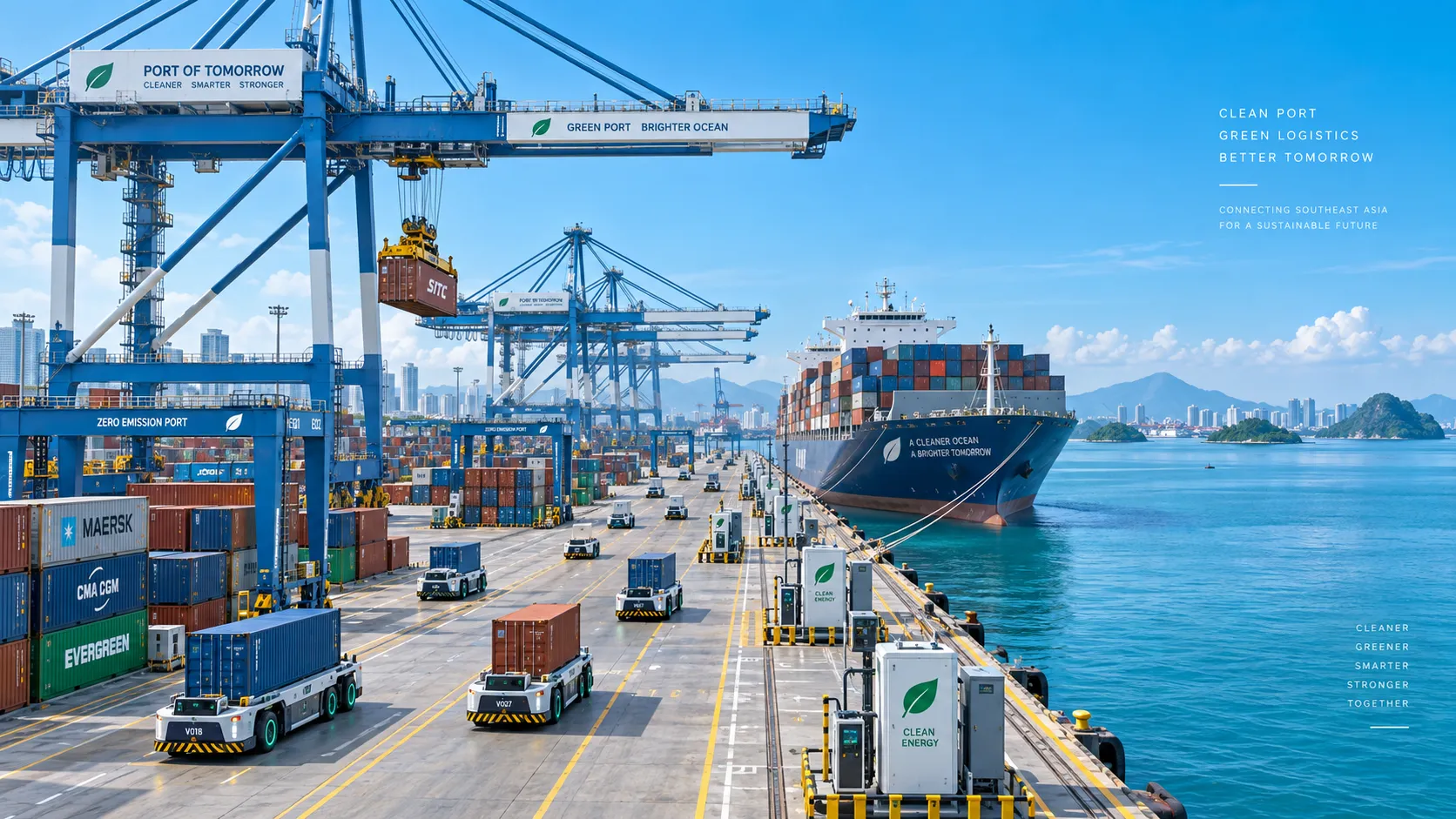
Smart Port Systems in Southeast Asia: Investment Priorities and Adoption Barriers
Smart port systems Southeast Asia: discover investment priorities, adoption barriers, and practical steps to build resilient, connected, high-performing terminals.
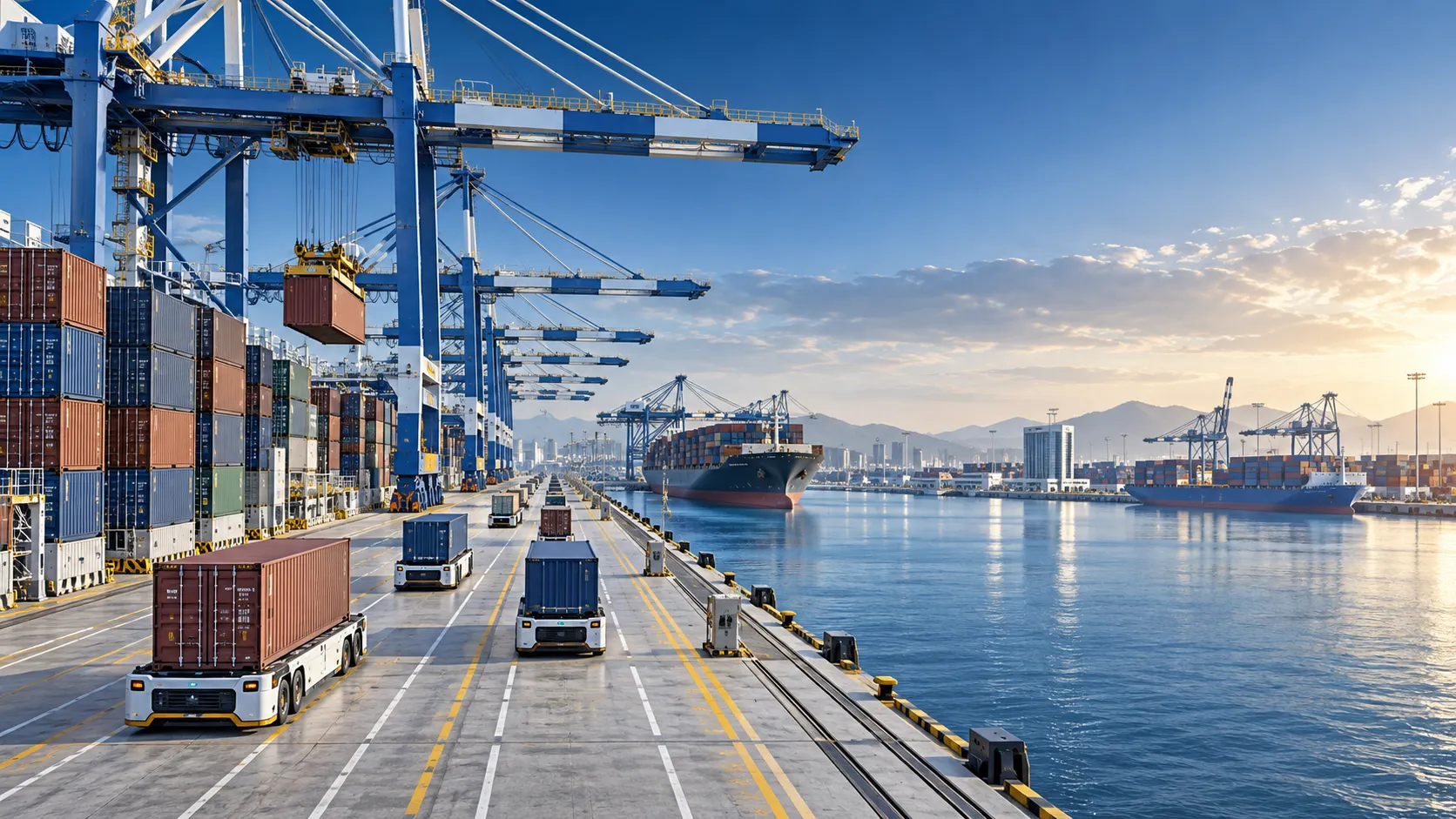
How to Evaluate Terminal Efficiency Solution Suppliers for High-Throughput Operations
Choose a terminal efficiency solutions supplier with confidence. Explore proven criteria for throughput, integration, lifecycle cost, safety, and reliable delivery.
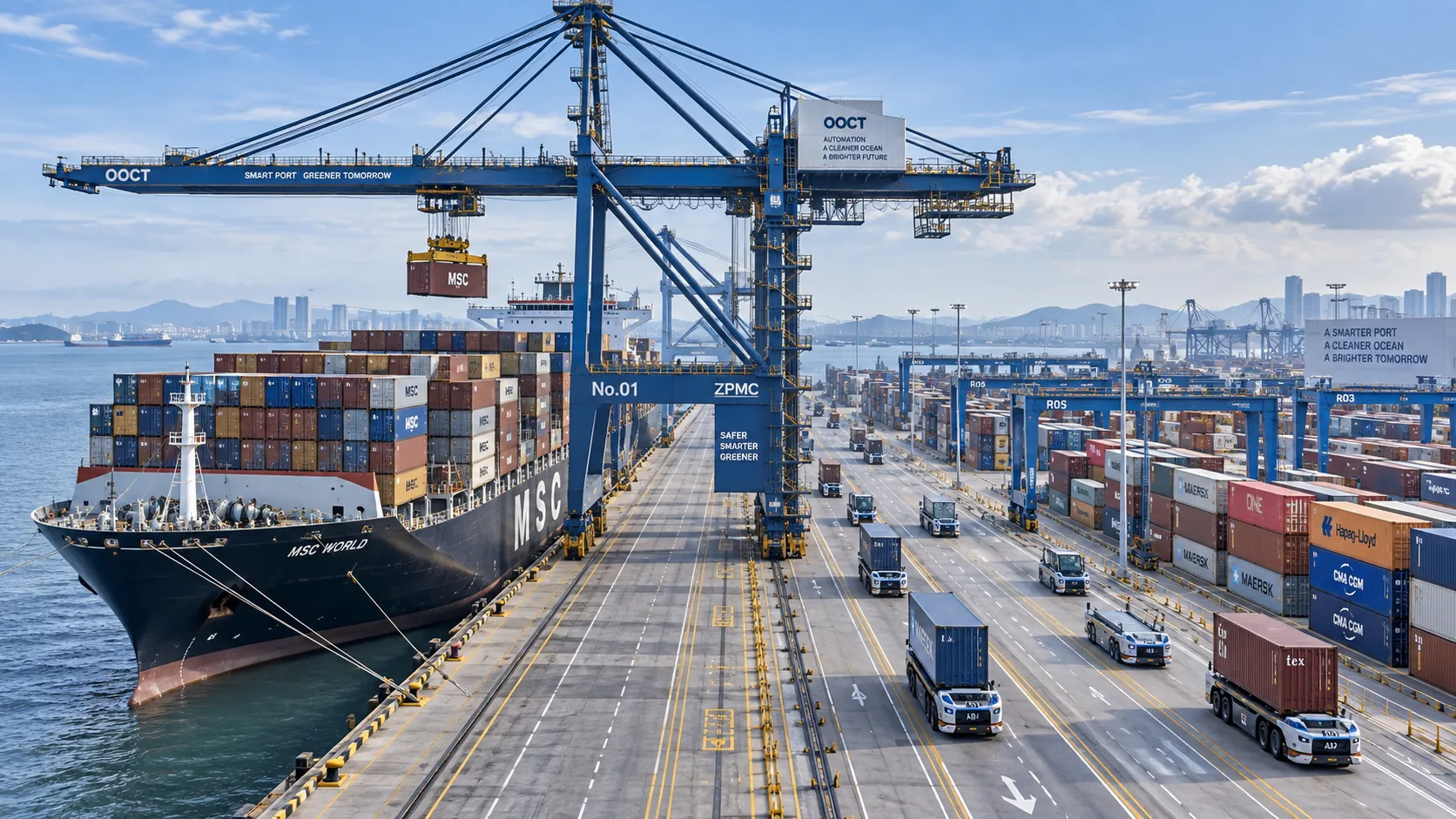
How to Specify a Quay Crane for Container Terminals by Vessel Size and Throughput?
Quay crane for container terminals: learn how to match outreach, lift height, capacity, automation, and cycle performance to vessel size and throughput goals.
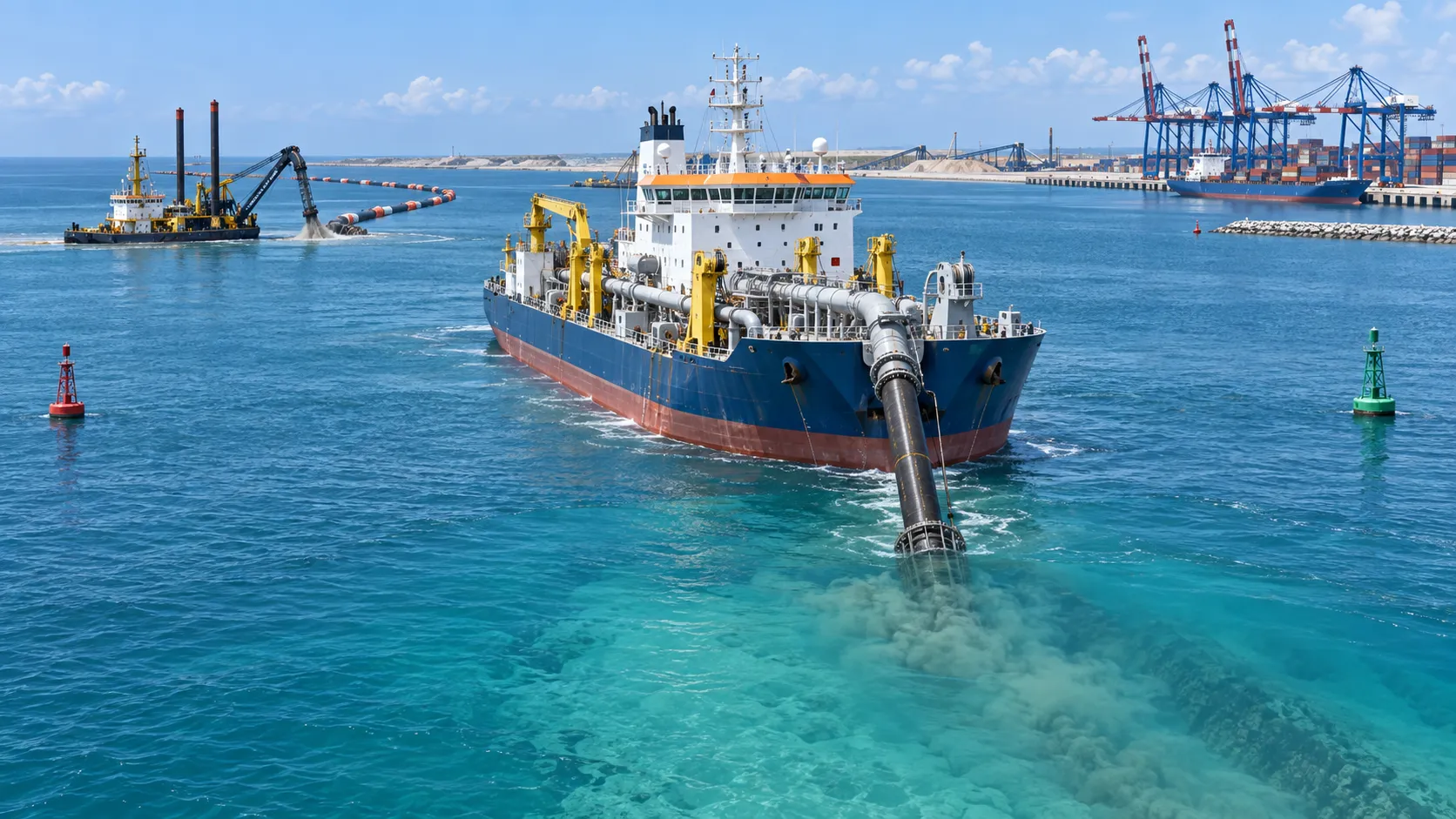
What Dredging Equipment Is Needed for Channel Deepening?
What dredging equipment is needed for channel deepening? Explore dredgers, pipelines, survey tools, and planning strategies for safer, more efficient port access.
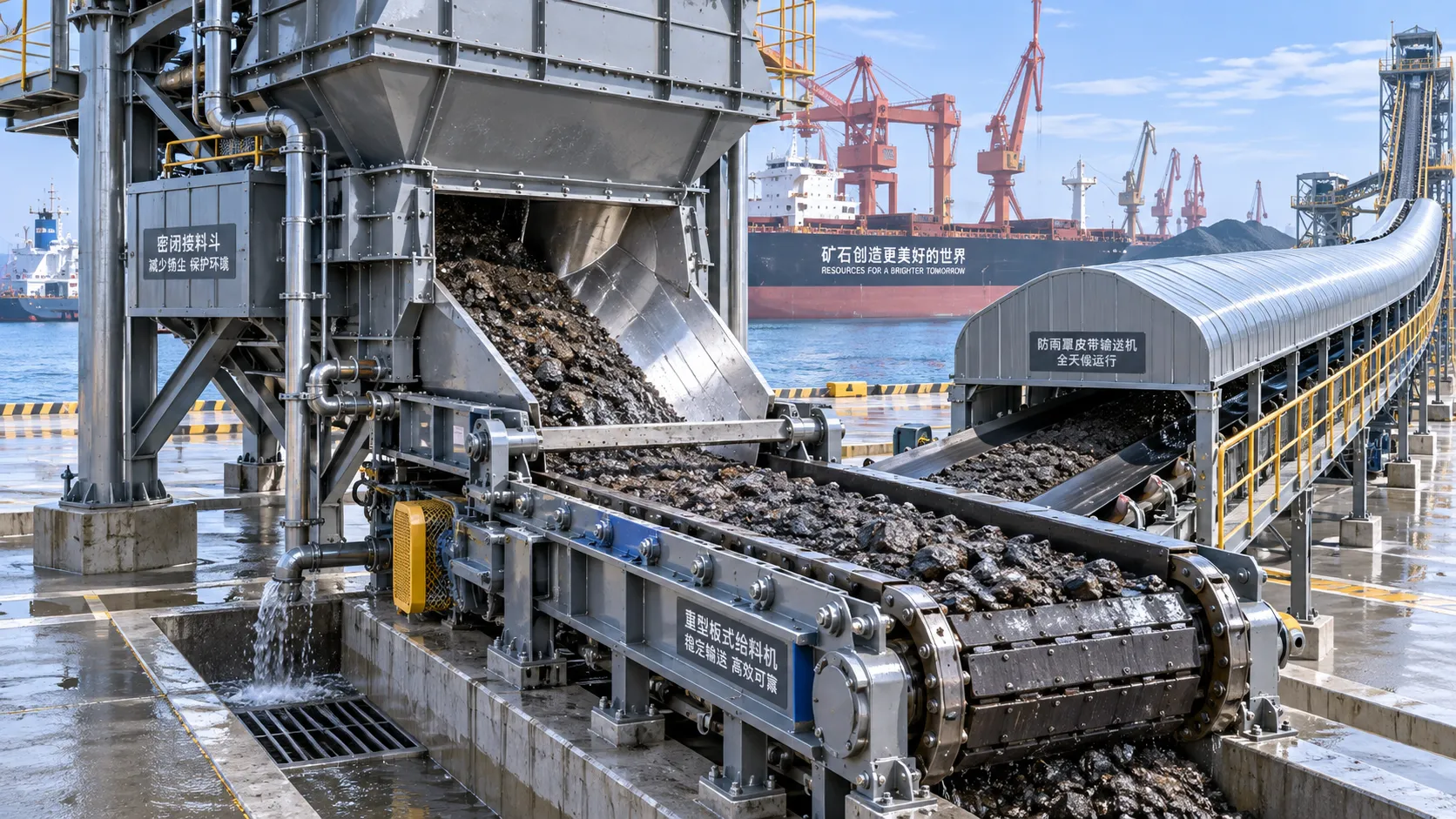
Which Bulk Handling Equipment Suits High-Moisture Cargo?
Which bulk handling equipment suits high-moisture cargo? Compare belt, apron, screw, drag, and slurry systems for reliable flow, less carryback, and higher terminal uptime.
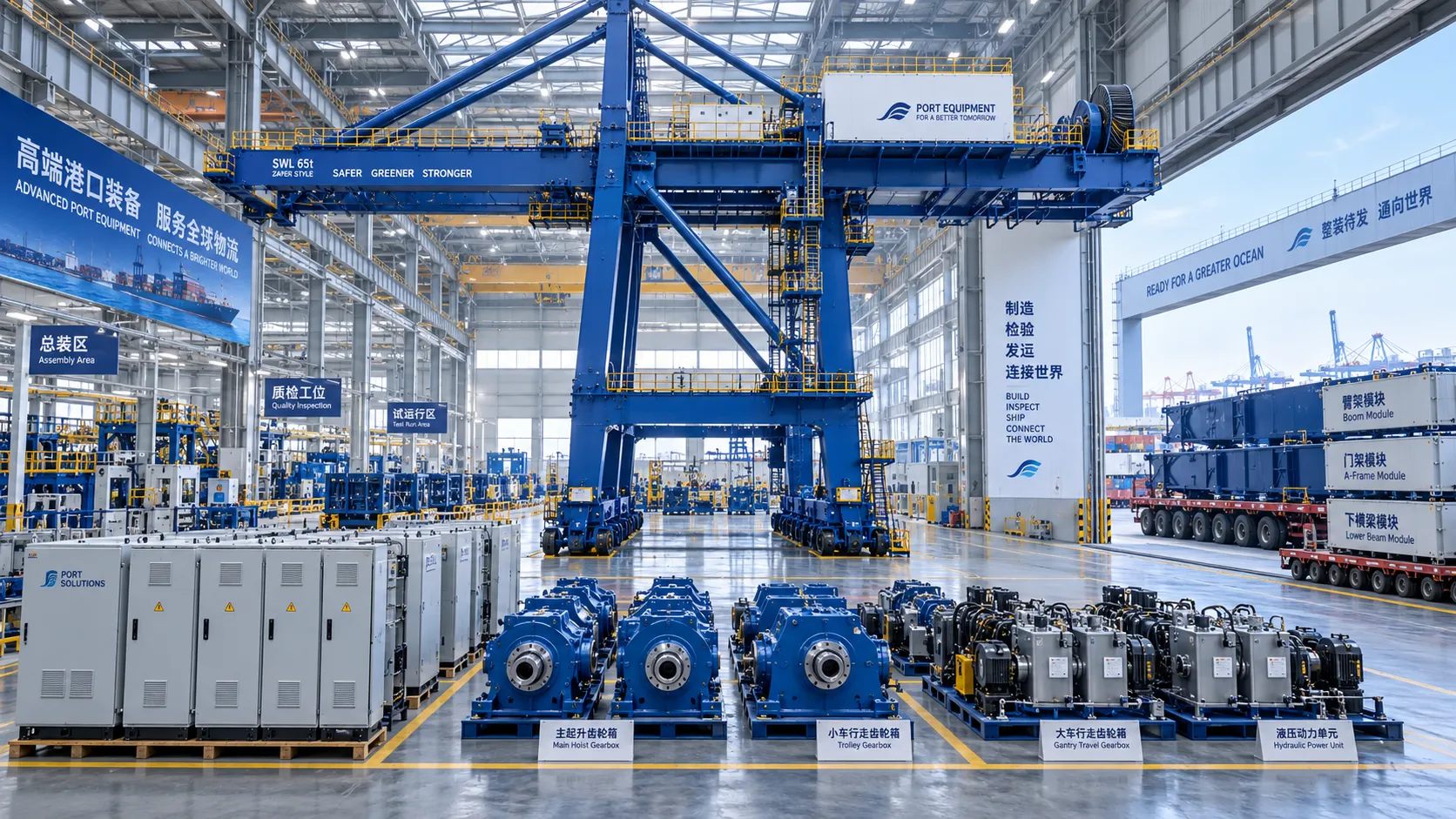
How Can Port Equipment Lead-Time Risk Be Managed?
How can port equipment lead-time risk be managed? Explore practical strategies to control critical paths, suppliers, transport, site readiness, and commissioning delays.
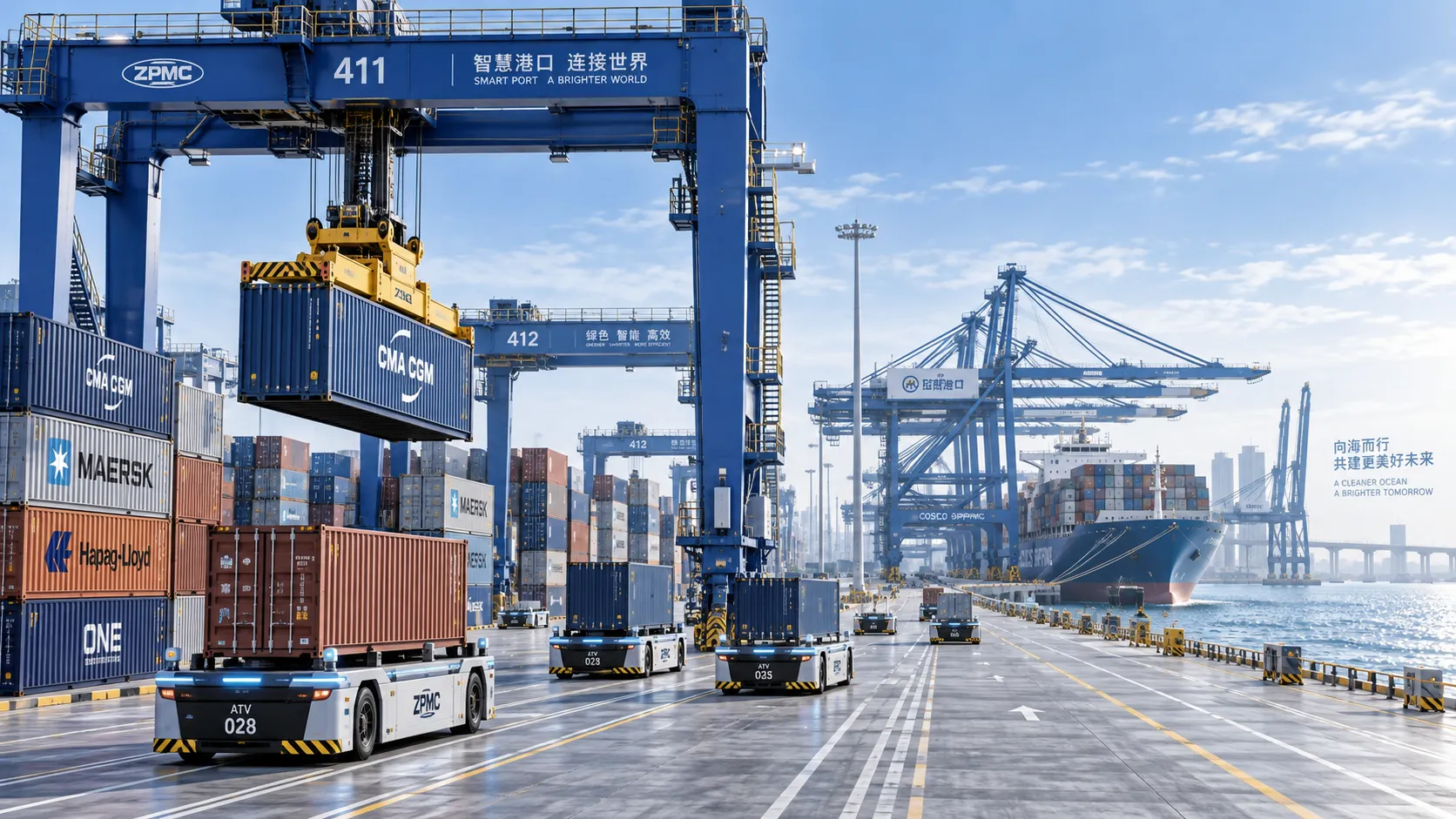
Terminal Automation Technologies That Raise Container Throughput Without Yard Disruption
Terminal automation technology that increases container throughput without disrupting yard flow. Explore smarter integration, resilient workflows, and phased deployment strategies.
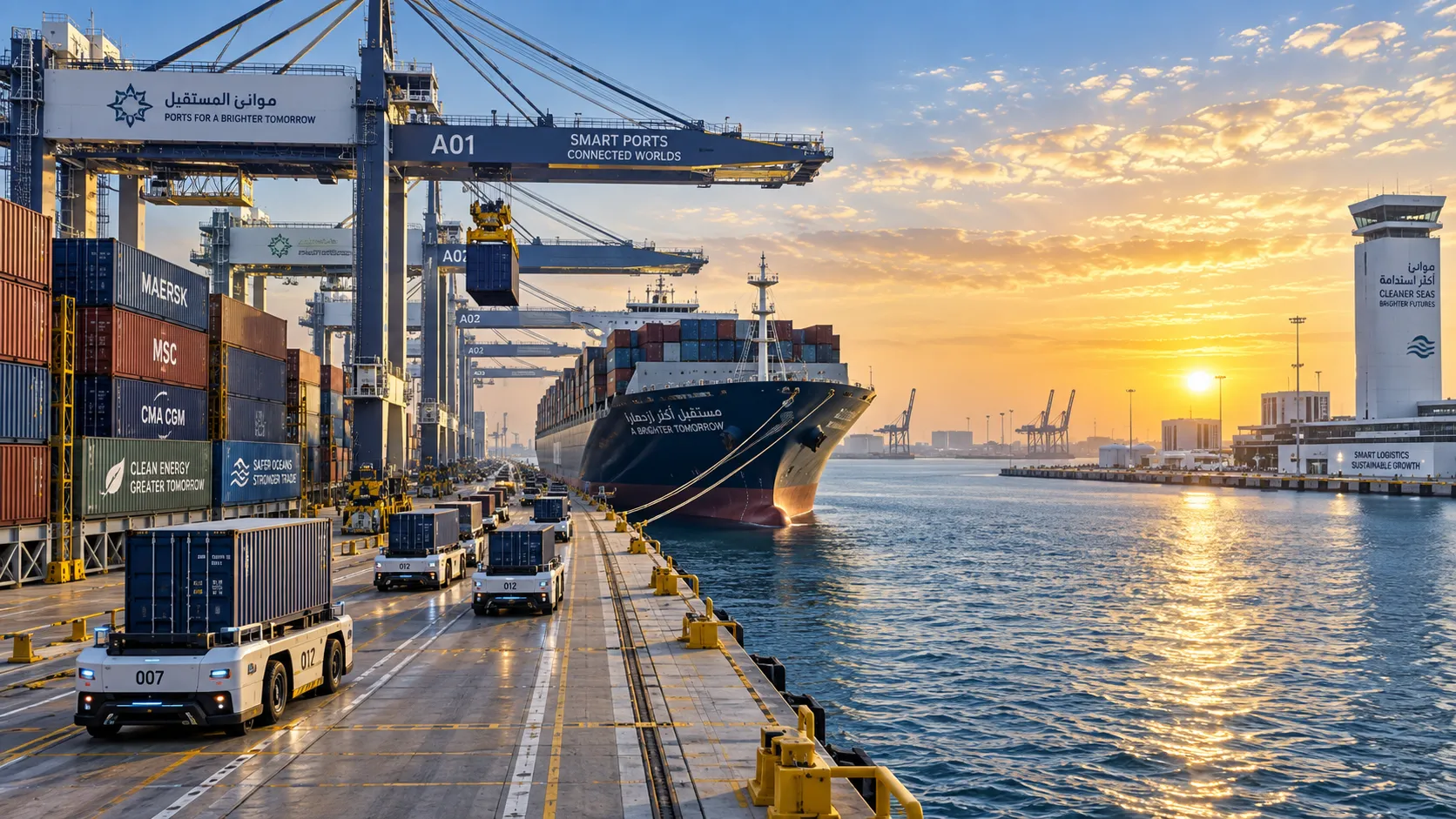
Middle East Port Automation: Key Market Drivers, Projects, and Investment Risks
Port automation systems Middle East: explore market drivers, flagship projects, integration challenges, and investment risks shaping smarter, resilient terminals.
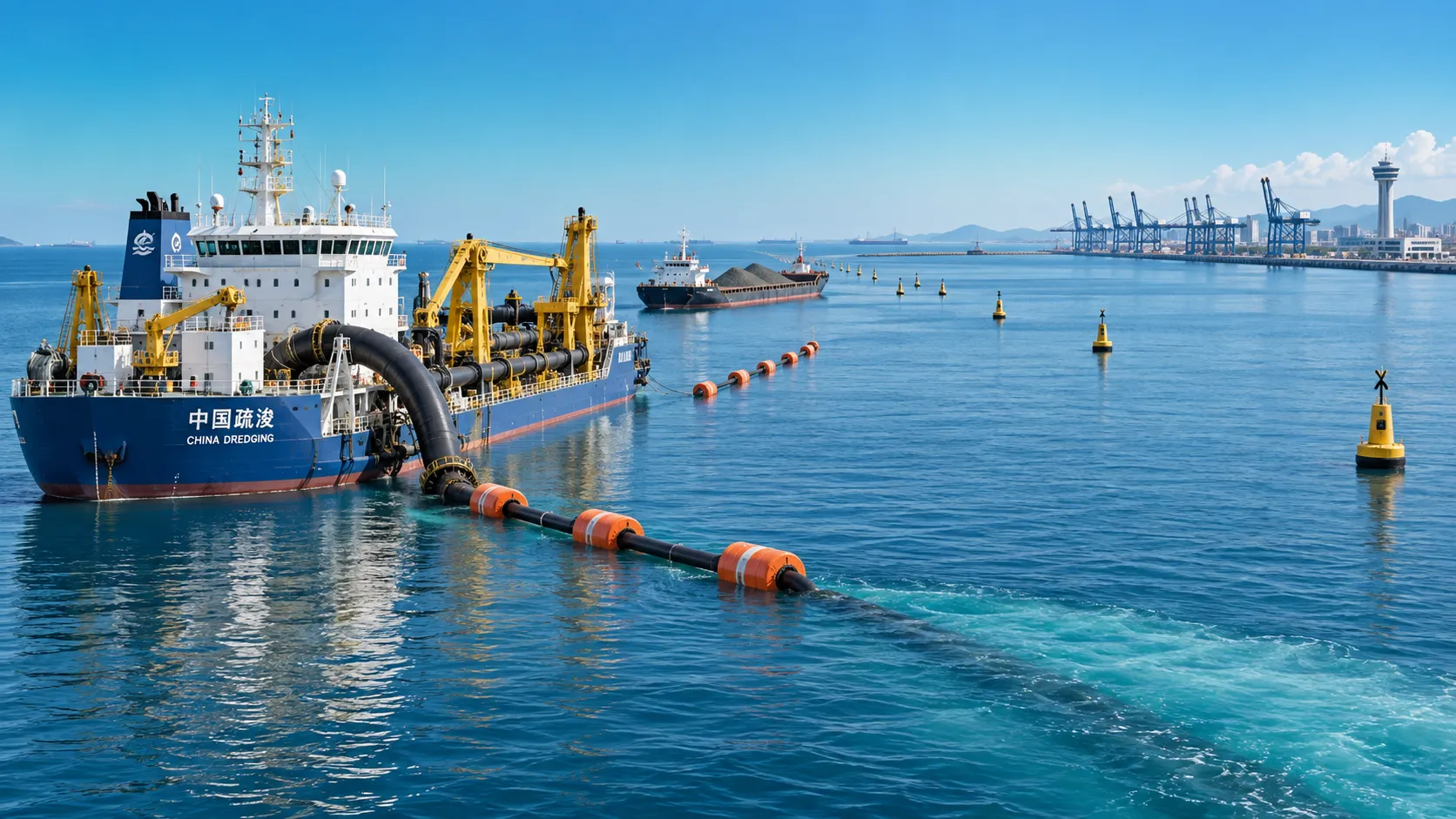
Planning Offshore Dredging Operations: Key Risks, Methods, and Project Controls
Offshore dredging operations demand smart planning. Explore key risks, proven methods, environmental controls, and project strategies for reliable delivery.