
Related News
- 00
0000-00
How Can Port Equipment Lead-Time Risk Be Managed? - 00
0000-00
Maritime Logistics Operations: How Ports Can Reduce Container Dwell Time - 00
0000-00
What Does Logistics Node Monitoring Cost Across Warehouses and Transport Hubs? - 00
0000-00
How Can IoT Smart Port Solutions Improve Container Tracking and Yard Efficiency? - 00
0000-00
How Real-Time Port Logistics Intelligence Improves Container Yard Efficiency
Port Logistics Node Monitoring: What Data Matters for Daily Operations
Port Logistics Node Monitoring: What Data Matters for Daily Operations
In daily terminal operations, port logistics node monitoring separates stable cargo flow from expensive disruption.
When operators can see the right signals early, decisions become faster, safer, and easier to defend.
That matters because a modern port is not one process.
It is a chain of connected nodes, each one affecting the next.
A berth delay can push yard congestion.
A gate backlog can distort vessel planning.
A crane fault can ripple across the whole shift.
This is why port logistics node monitoring should focus on practical operational data, not just dashboard volume.
The goal is simple: identify constraints early and keep assets synchronized.
Why Node-Level Visibility Matters
Port logistics node monitoring works best when each handoff is visible.
That includes ship arrival, berth allocation, crane activity, yard transfer, stacking, gate movement, and inland dispatch.
Without that view, teams often react after congestion already forms.
With it, they can rebalance labor, equipment, and routing before service levels drop.
From a daily operations angle, the most valuable data usually shares three traits.
- It updates fast enough to support live decisions.
- It connects clearly to a bottleneck or service risk.
- It triggers an operational response, not just a report.
That also means not every metric deserves equal attention.
In real operations, a few high-value indicators often outperform dozens of low-context charts.
The Core Data Categories That Matter Most
1. Berth and Vessel Timing Data
Every port logistics node monitoring program should start with vessel timing accuracy.
This covers ETA changes, pilot boarding time, berth occupancy, start of operations, and actual departure.
Small timing errors here multiply downstream.
If a vessel arrives early but the berth is blocked, crane assignment and yard preparation lose alignment.
If arrival slips, trucks and labor may wait idle.
Useful berth metrics include berth productivity, waiting time, turnaround time, and berth plan deviation.
2. Crane and Handling Equipment Status
Equipment data is another foundation of port logistics node monitoring.
Operators need live status for quay cranes, RTGs, RMGs, reach stackers, AGVs, terminal tractors, and supporting systems.
The most useful signals are availability, utilization, fault alarms, cycle time, idle time, and move count.
A machine can appear active while still underperforming.
That is why cycle consistency matters as much as uptime.
When cycle times drift upward, it often signals interference, poor routing, or operator transition loss.
3. Yard Position and Density Data
Port logistics node monitoring becomes much more useful when yard conditions are visible in detail.
Key data includes occupancy by block, stack height, reefer slot usage, dwell time, rehandle count, and empty versus loaded distribution.
High yard density is not always the main problem.
Poor slot quality can be worse.
For example, if export containers are technically stored but inaccessible, loading productivity still falls.
That is why dwell segmentation and retrieval difficulty should be tracked together.
4. Gate and Landside Flow Data
Many daily disruptions begin outside the berth line.
Port logistics node monitoring should include gate queue length, truck turn time, appointment adherence, OCR success, inspection delays, and chassis availability.
These indicators show whether landside access is supporting or constraining terminal rhythm.
A surge at the gate can quickly overload transfer lanes and yard blocks.
In practice, this data is especially useful before peak cut-off windows.
How to Read the Right Signals During a Shift
Raw visibility is only the start.
Effective port logistics node monitoring depends on reading cause and effect across nodes.
A few examples make this clearer.
- Rising crane idle time plus full transfer lanes usually points to yard dispatch imbalance.
- Long truck turn time plus normal gate volume may suggest paperwork or inspection friction.
- High yard occupancy plus low rehandle counts can still hide poor block allocation.
- Stable berth schedule plus low vessel productivity often indicates equipment coordination loss.
This is where context matters more than isolated numbers.
Daily operations teams should watch linked indicators in short review cycles.
Fifteen-minute and hourly checks are often enough to catch meaningful drift.
A Practical Monitoring Table for Frontline Use
A table like this helps convert port logistics node monitoring into clear action ownership.
It also reduces debate during busy shifts.
Common Monitoring Mistakes That Reduce Value
Some terminals collect a lot of data but still struggle with response speed.
Usually, the issue is not missing sensors.
It is poor monitoring design.
- Tracking lagging reports instead of live operating constraints.
- Separating vessel, yard, and gate data into disconnected screens.
- Ignoring data quality issues from sensors, OCR, or manual inputs.
- Using too many KPIs without decision thresholds.
- Watching averages that hide critical peak-period stress.
A stronger approach is to define trigger points in advance.
For example, when truck turn time crosses a set threshold, a supervisor reviews gate lane staffing immediately.
That makes port logistics node monitoring operational, not theoretical.
Where Automation and Intelligence Add Real Value
As terminals modernize, port logistics node monitoring is moving beyond passive dashboards.
The next step is coordinated intelligence.
This includes event correlation, short-horizon prediction, and schedule adjustment support.
A well-designed system can flag likely congestion before it becomes visible on the ground.
It can also connect mechanical condition data with operating performance.
That matters for quay cranes, AGVs, and dredging support assets working near channel or berth constraints.
For organizations following maritime intelligence platforms such as PS-Nexus, the wider value is strategic as well as operational.
The same monitoring logic that improves a shift today can reveal asset demand, automation readiness, and system weak points over time.
What to Prioritize First
For daily execution, the best port logistics node monitoring setup is usually the simplest useful one.
Start with the nodes that create the biggest service ripple.
- Confirm berth and vessel timing accuracy.
- Track equipment availability and cycle performance in real time.
- Watch yard density with dwell and accessibility together.
- Measure gate turn time during peak windows, not only daily averages.
- Assign a response action for every major threshold.
That sequence gives port logistics node monitoring a clear operational purpose.
It keeps teams focused on flow, not just measurement.
In the end, the data that matters most is the data that helps a terminal act earlier, recover faster, and run each node with fewer surprises.
Related News
Smart Port Systems in Southeast Asia: Investment Priorities and Adoption Barriers
Smart port systems Southeast Asia: discover investment priorities, adoption barriers, and practical steps to build resilient, connected, high-performing terminals.
How to Evaluate Terminal Efficiency Solution Suppliers for High-Throughput Operations
Choose a terminal efficiency solutions supplier with confidence. Explore proven criteria for throughput, integration, lifecycle cost, safety, and reliable delivery.
How to Specify a Quay Crane for Container Terminals by Vessel Size and Throughput?
Quay crane for container terminals: learn how to match outreach, lift height, capacity, automation, and cycle performance to vessel size and throughput goals.
What Dredging Equipment Is Needed for Channel Deepening?
What dredging equipment is needed for channel deepening? Explore dredgers, pipelines, survey tools, and planning strategies for safer, more efficient port access.
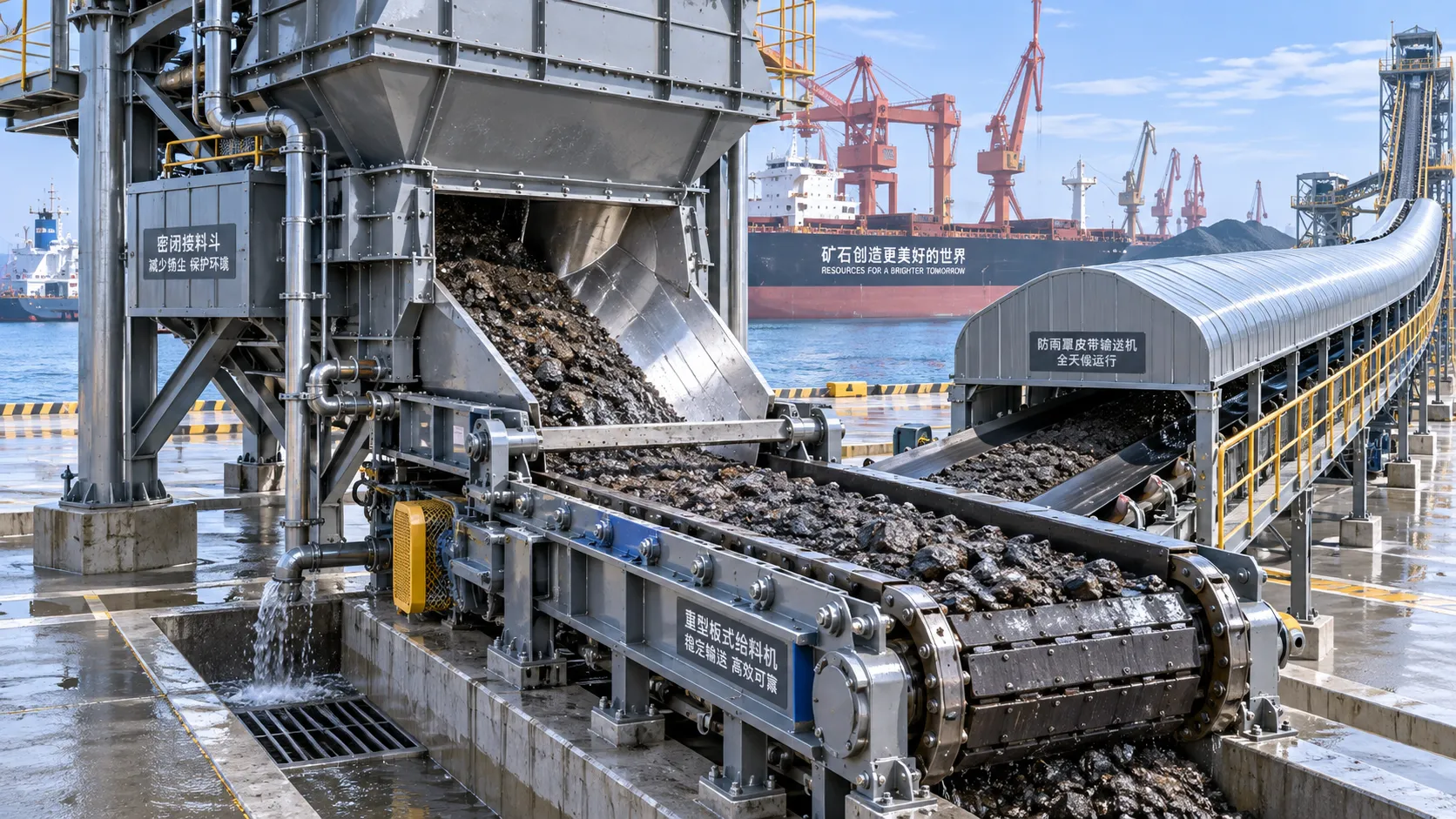
Which Bulk Handling Equipment Suits High-Moisture Cargo?
Which bulk handling equipment suits high-moisture cargo? Compare belt, apron, screw, drag, and slurry systems for reliable flow, less carryback, and higher terminal uptime.
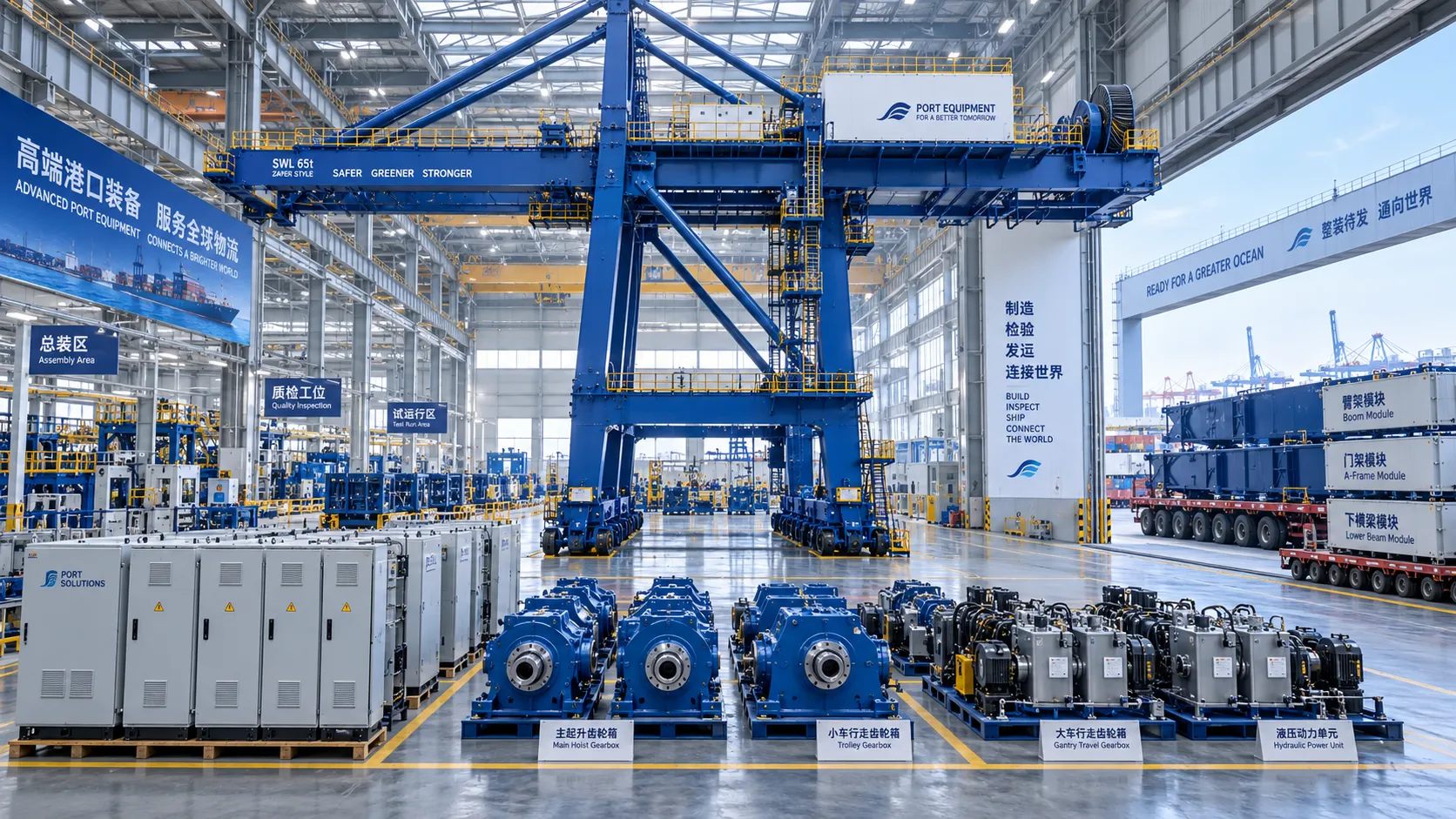
How Can Port Equipment Lead-Time Risk Be Managed?
How can port equipment lead-time risk be managed? Explore practical strategies to control critical paths, suppliers, transport, site readiness, and commissioning delays.
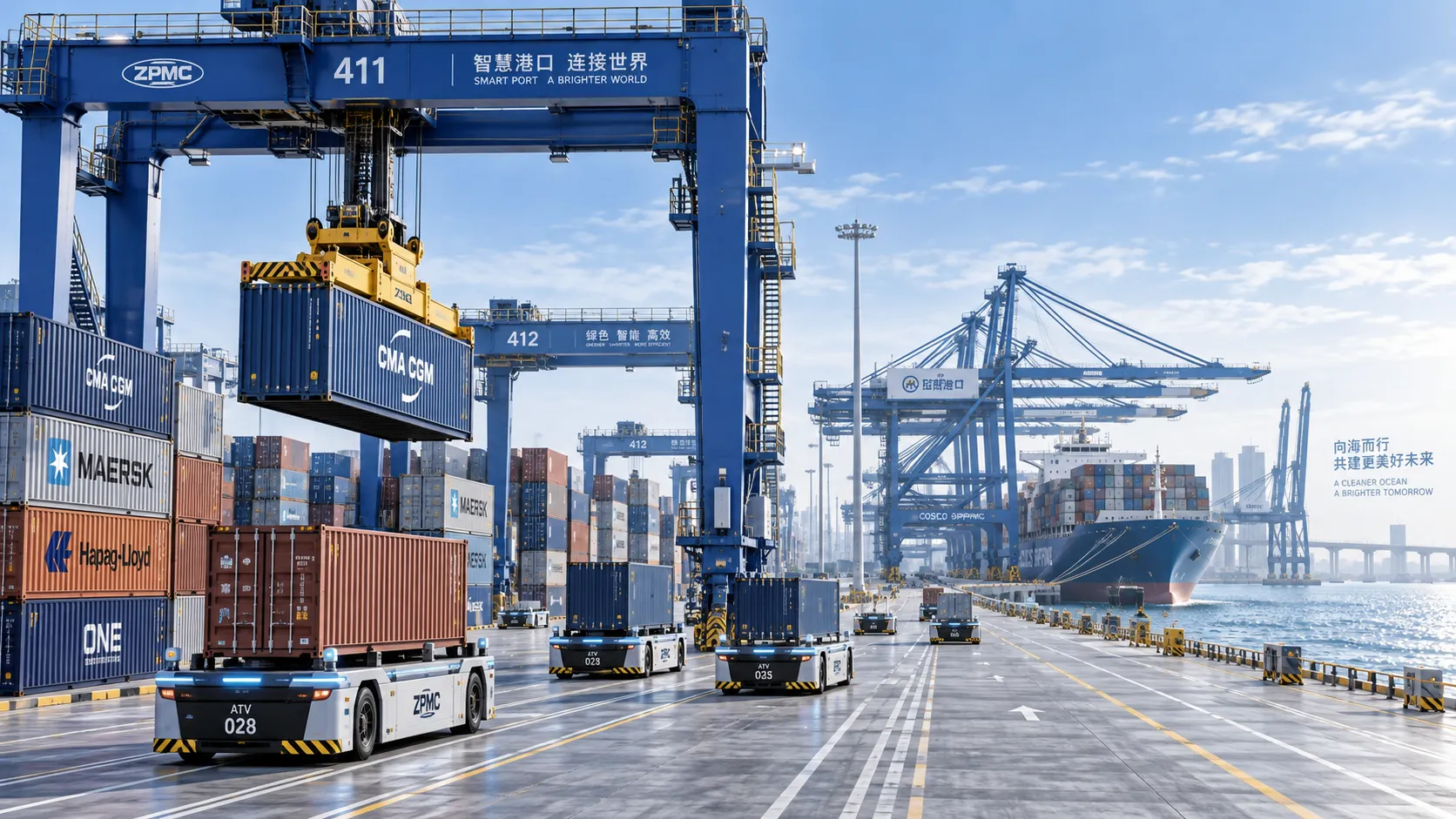
Terminal Automation Technologies That Raise Container Throughput Without Yard Disruption
Terminal automation technology that increases container throughput without disrupting yard flow. Explore smarter integration, resilient workflows, and phased deployment strategies.
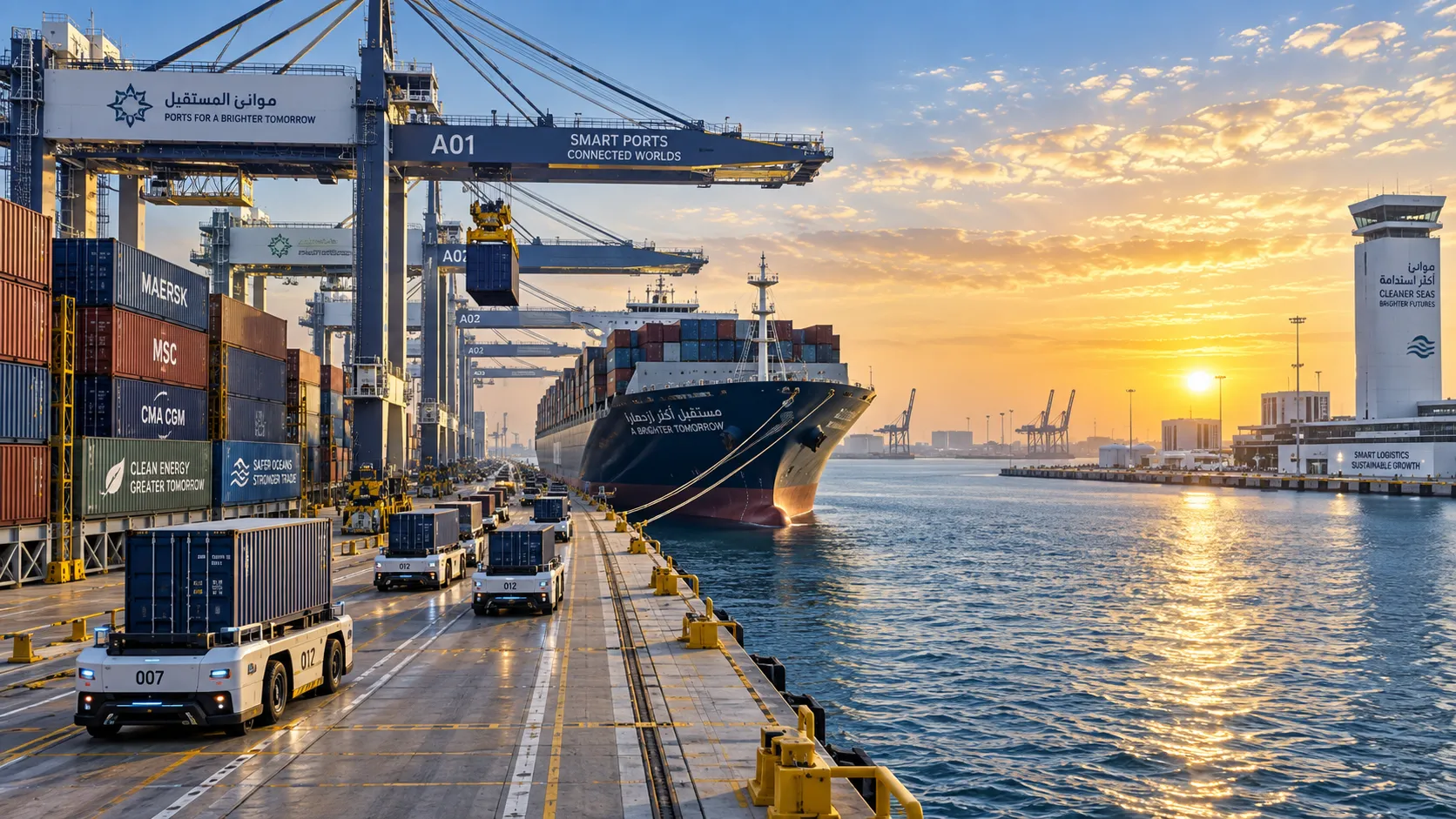
Middle East Port Automation: Key Market Drivers, Projects, and Investment Risks
Port automation systems Middle East: explore market drivers, flagship projects, integration challenges, and investment risks shaping smarter, resilient terminals.
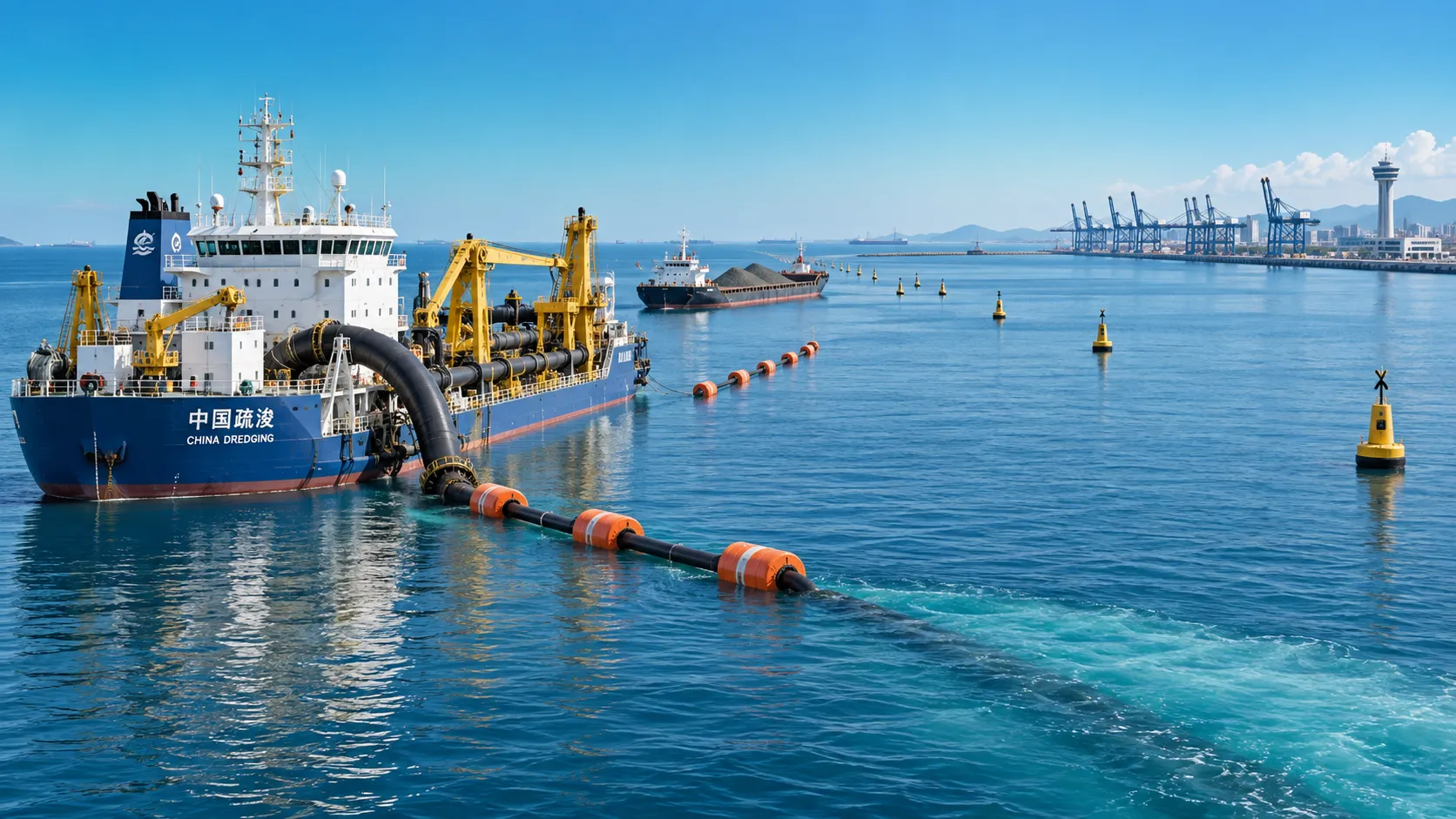
Planning Offshore Dredging Operations: Key Risks, Methods, and Project Controls
Offshore dredging operations demand smart planning. Explore key risks, proven methods, environmental controls, and project strategies for reliable delivery.