Related News
- 00
0000-00
How Can Port Equipment Lead-Time Risk Be Managed? - 00
0000-00
Maritime Logistics Operations: How Ports Can Reduce Container Dwell Time - 00
0000-00
What Does Logistics Node Monitoring Cost Across Warehouses and Transport Hubs? - 00
0000-00
How Can IoT Smart Port Solutions Improve Container Tracking and Yard Efficiency? - 00
0000-00
How Real-Time Port Logistics Intelligence Improves Container Yard Efficiency
Real Time Logistics Node Dynamics: What to Track for Port Congestion and Handover Delays
Real time logistics node dynamics sit at the center of modern port performance. They show how equipment status, berth flow, yard movement, and data latency combine to shape congestion and handover delays.
For ports handling containers, bulk cargo, and heavy engineering activity, small timing gaps can spread fast. A missed crane window or late yard transfer often becomes a vessel delay, a truck queue, or an inland schedule break.
That is why the topic matters beyond shipping operations alone. It affects project sequencing, contractor coordination, terminal upgrades, automation planning, and the commercial reliability of trade corridors.
Why node dynamics matter more than isolated delay reports
A delay report tells what already happened. Real time logistics node dynamics explain how the delay formed, where it accelerated, and which linked assets are likely to be affected next.
In port environments, a node is not just a place on a map. It can be a berth, quay crane, gate, transfer lane, stack block, rail connection, dredged channel, or control-system checkpoint.
Each node exchanges cargo, machines, instructions, and timing commitments. Handover delays usually appear when one node operates within tolerance, but the next node receives work outside its practical capacity.
This is especially visible in automated and semi-automated terminals. Mechanical throughput may remain high, while software dispatch, sensor visibility, or exception handling becomes the true bottleneck.
PS-Nexus follows this intersection closely because heavy terminal gear, automated container handling, and marine dredging rarely fail in isolation. Performance depends on how connected systems behave under real operating pressure.
The signals that usually reveal congestion first
Congestion rarely begins with a vessel waiting outside the port. Earlier indicators usually appear inside the terminal network, where transfer timing starts to drift from planned sequence.
The most useful signals are measurable, comparable across shifts, and tied to specific handover points. They should also be available fast enough to support intervention, not just reporting.
Core indicators worth tracking
- Berth occupancy against planned vessel windows, including overlap pressure and idle gaps.
- Quay crane availability, fault duration, remote-control lag, and changeover time.
- Yard transfer cycle time between quay, stack, gate, and rail interfaces.
- AGV or terminal truck dispatch variance, queue length, and route conflict frequency.
- Stack density by block, reshuffle intensity, and exception moves caused by poor slot timing.
- Gate turn time, document clearance lag, and truck arrival bunching.
- Control-system alerts, sensor blind spots, and communication latency between assets.
- Channel availability, draft constraints, and dredging-related access limitations where relevant.
These metrics become more valuable when viewed together. A crane stoppage may look minor until yard cycle times and stack reshuffles rise at the same time.
Where handover delays typically build
Handover delays are usually less about one failed task and more about misaligned timing between adjacent tasks. The problem grows when local teams optimize one node without protecting the downstream sequence.
This is where real time logistics node dynamics become practical. They make it possible to see whether a problem is capacity-driven, sequence-driven, or data-driven.
How equipment and control systems shape node behavior
Ports with advanced terminal gear often assume mechanical strength guarantees flow. In practice, the value of large cranes, bulk handlers, and automated stacking systems depends on synchronization quality.
A quay crane can achieve high peak moves, yet still worsen congestion if the yard cannot absorb discharge patterns. The same applies to bulk machinery when reclaiming and loading rates fall out of sequence.
Port automation and control systems act as the operating nervous system. They assign work, manage priorities, and translate planning logic into machine motion.
When those systems run with unstable communication or weak exception handling, delays become harder to diagnose. Throughput may fluctuate even when no major mechanical fault is visible.
PS-Nexus places attention on low-latency crane communication, AGV path planning, and digital equipment monitoring because those layers often explain why two terminals with similar hardware perform very differently.
Reading congestion in different port scenarios
Real time logistics node dynamics should be interpreted in context. Container terminals, bulk ports, and dredging-influenced access channels all show different congestion signatures.
Container terminal conditions
The main watchpoints are crane productivity stability, horizontal transport availability, stack occupancy, and rehandle intensity. Here, handover speed matters more than isolated peak output.
Bulk and energy cargo conditions
Continuous flow is critical. Conveyor interruptions, shiploader positioning delays, and stockpile reclaim conflicts can cause long dwell even when berth space appears available.
Channel and dredging-sensitive conditions
Where access depth is constrained, node dynamics start before the terminal. Tidal windows, dredging schedules, sediment behavior, and traffic sequencing directly affect berth reliability.
That broader view matters for coastal infrastructure planning. Congestion is sometimes treated as a terminal productivity issue when the root cause sits in navigational access or asset deployment logic.
A practical way to use the data
The goal is not to collect every signal. The goal is to build a small set of trusted indicators around the most failure-prone handovers.
- Map the full cargo path from channel entry or gate arrival to final release.
- Mark every physical and digital handover where timing, control, or responsibility changes.
- Assign one leading indicator and one lagging indicator to each critical node.
- Set operating thresholds that trigger intervention before contractual delay occurs.
- Review exceptions by sequence, not only by department or asset owner.
This approach helps separate noise from true risk. It also supports better alignment between operations, engineering, IT, maintenance, and commercial planning.
What deserves closer attention next
As ports move toward deeper automation and lower-emission operations, real time logistics node dynamics will become even more important. Electrified fleets, remote control, and tighter vessel schedules reduce tolerance for hidden delays.
The strongest next step is usually a structured review of node-level visibility. Check where timing data is missing, where control signals arrive too late, and where equipment performance is measured without downstream context.
From there, compare which congestion patterns repeat across shifts, cargo types, or weather windows. That creates a firmer basis for terminal upgrades, software refinement, dredging coordination, and capacity planning.
Real time logistics node dynamics are most useful when they support decisions early. Once a port can see how each node hands over work to the next, congestion becomes easier to predict and harder to ignore.
Related News
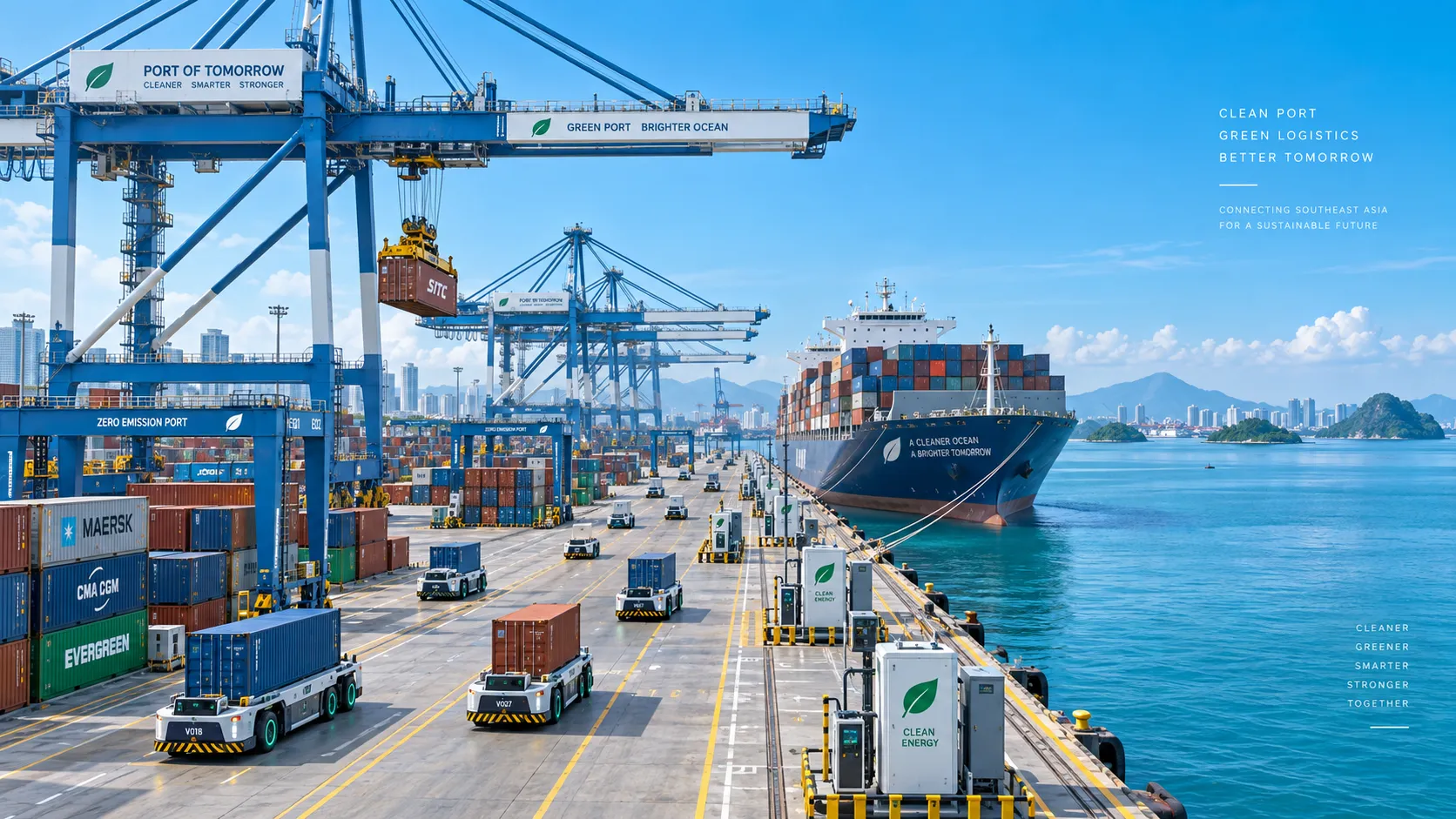
Smart Port Systems in Southeast Asia: Investment Priorities and Adoption Barriers
Smart port systems Southeast Asia: discover investment priorities, adoption barriers, and practical steps to build resilient, connected, high-performing terminals.
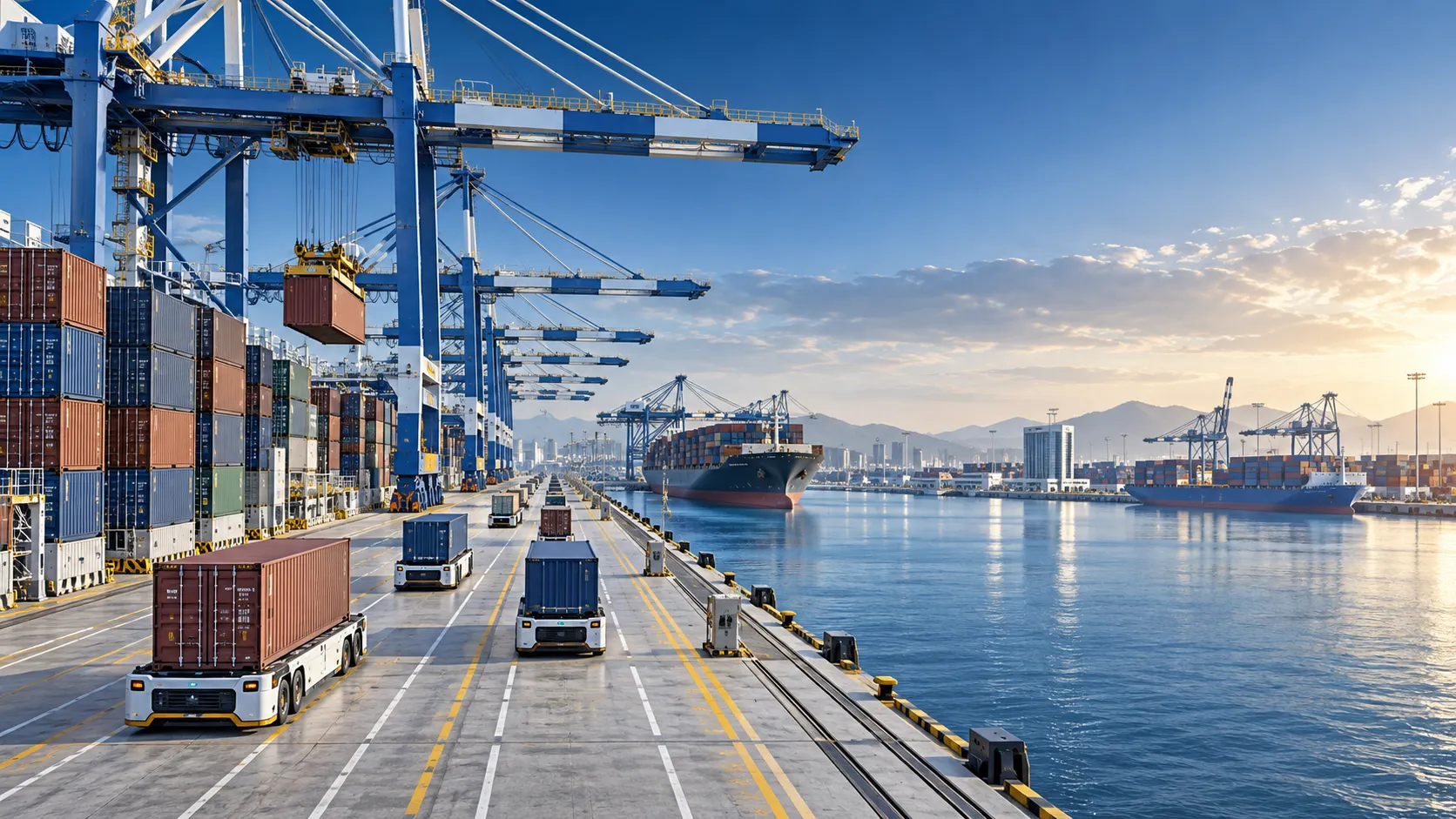
How to Evaluate Terminal Efficiency Solution Suppliers for High-Throughput Operations
Choose a terminal efficiency solutions supplier with confidence. Explore proven criteria for throughput, integration, lifecycle cost, safety, and reliable delivery.
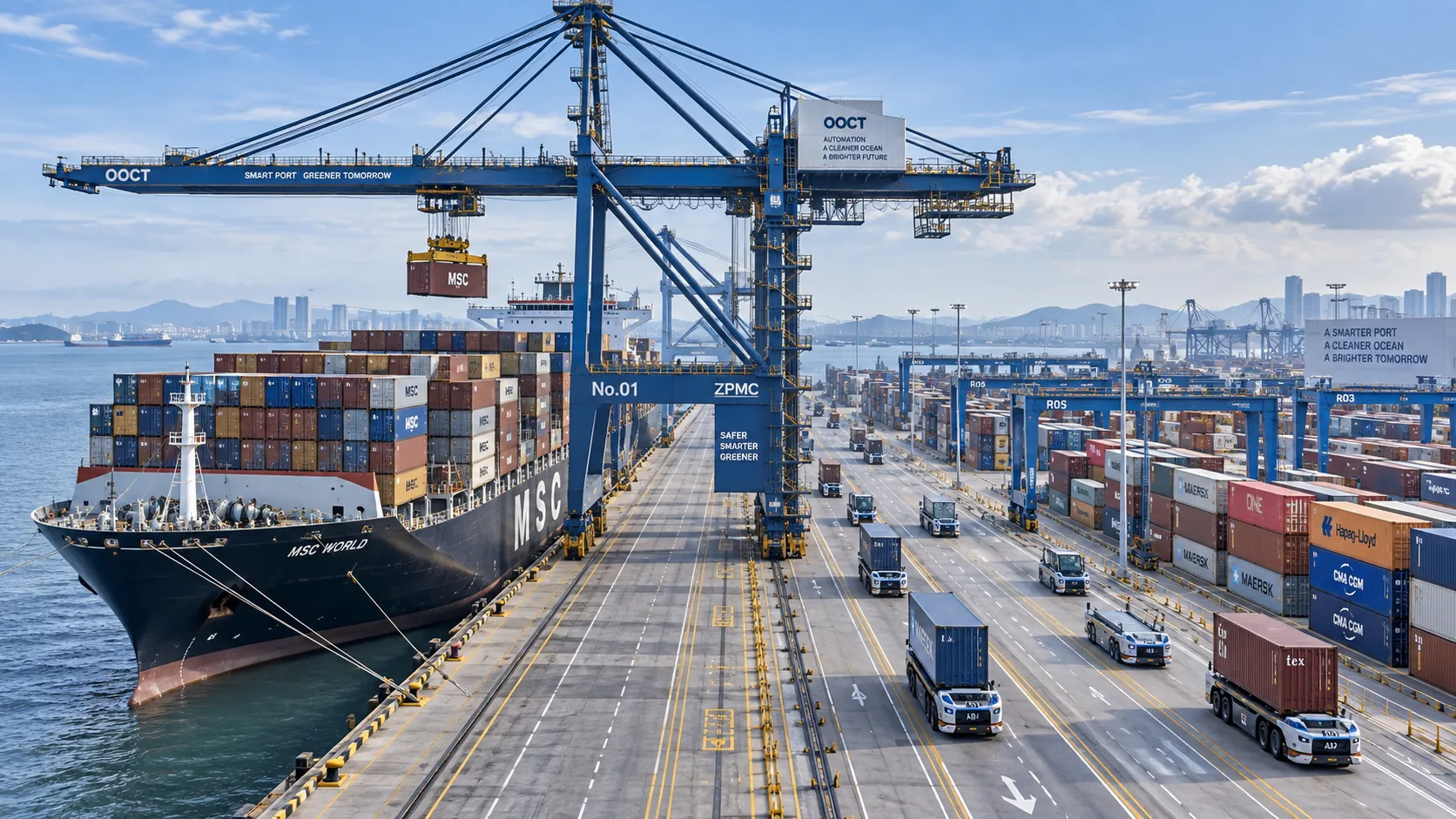
How to Specify a Quay Crane for Container Terminals by Vessel Size and Throughput?
Quay crane for container terminals: learn how to match outreach, lift height, capacity, automation, and cycle performance to vessel size and throughput goals.
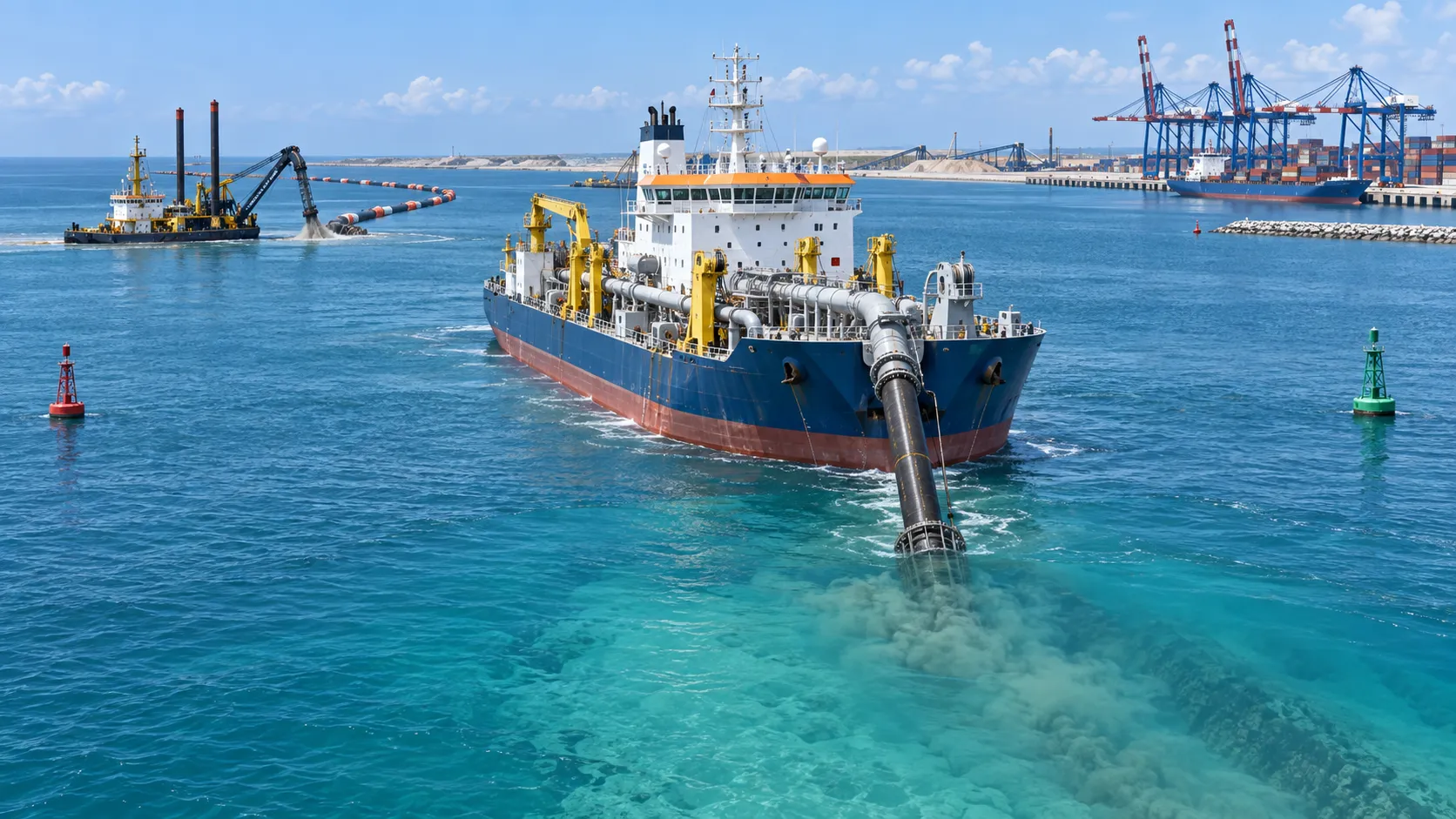
What Dredging Equipment Is Needed for Channel Deepening?
What dredging equipment is needed for channel deepening? Explore dredgers, pipelines, survey tools, and planning strategies for safer, more efficient port access.
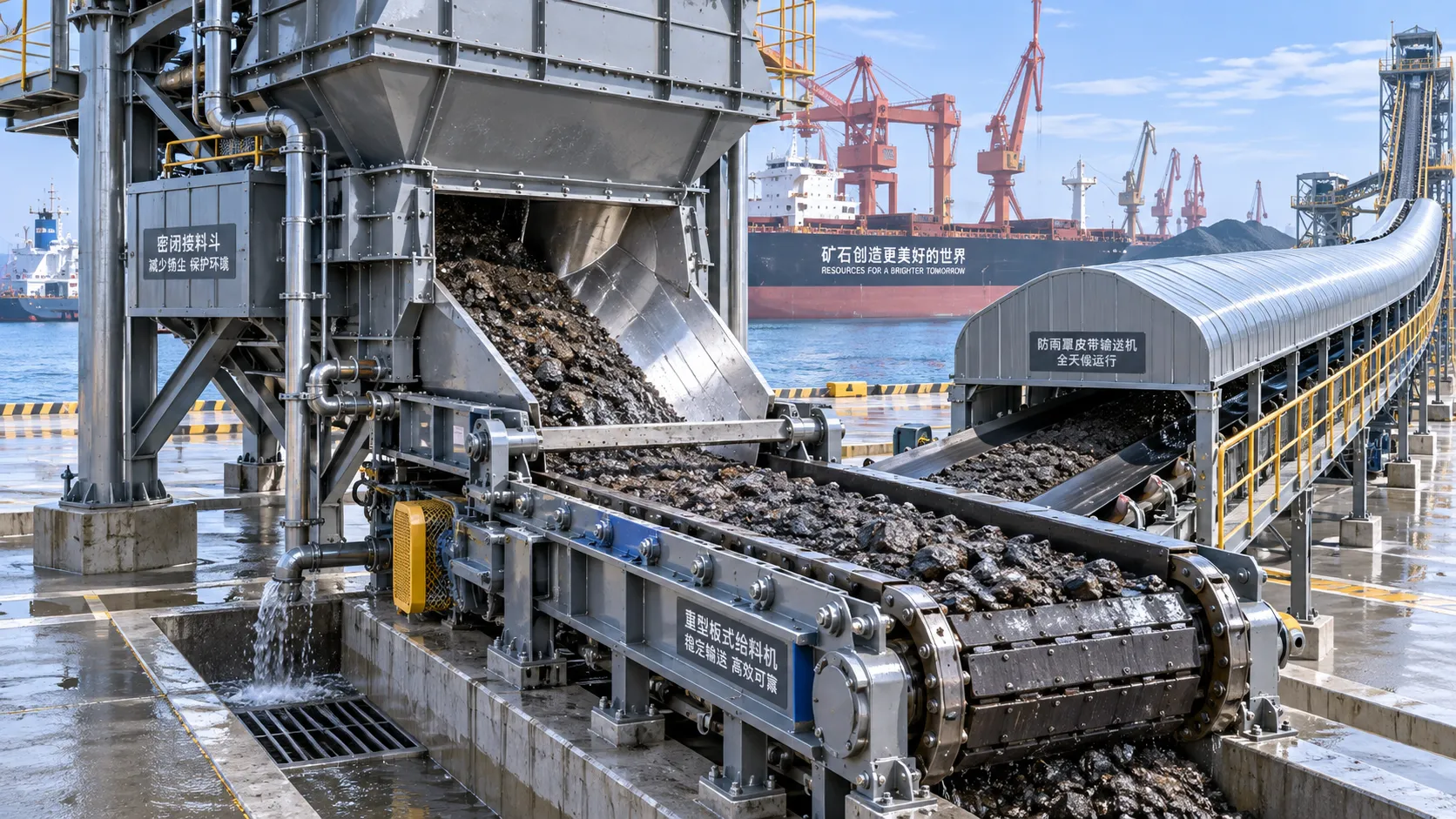
Which Bulk Handling Equipment Suits High-Moisture Cargo?
Which bulk handling equipment suits high-moisture cargo? Compare belt, apron, screw, drag, and slurry systems for reliable flow, less carryback, and higher terminal uptime.
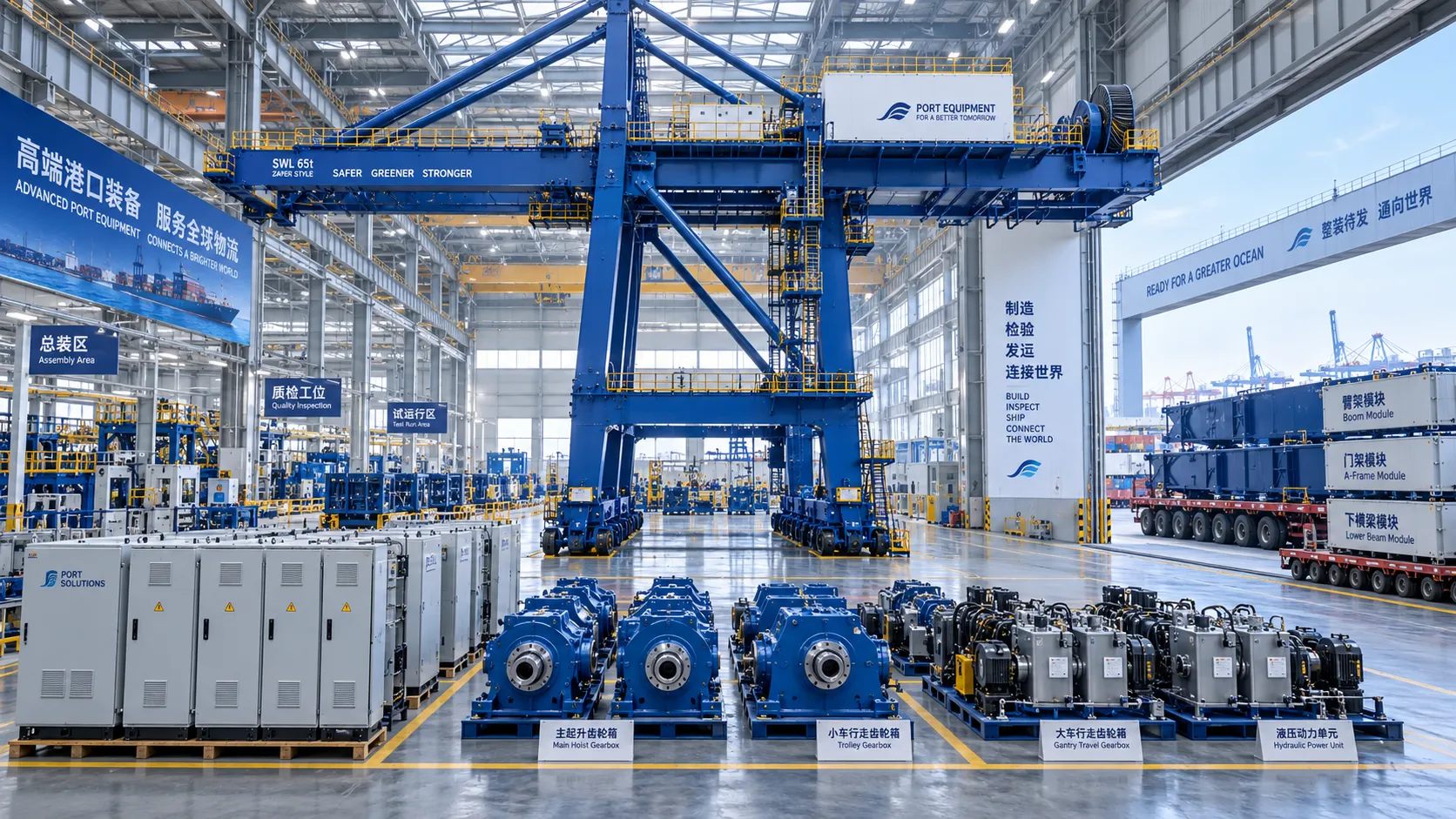
How Can Port Equipment Lead-Time Risk Be Managed?
How can port equipment lead-time risk be managed? Explore practical strategies to control critical paths, suppliers, transport, site readiness, and commissioning delays.
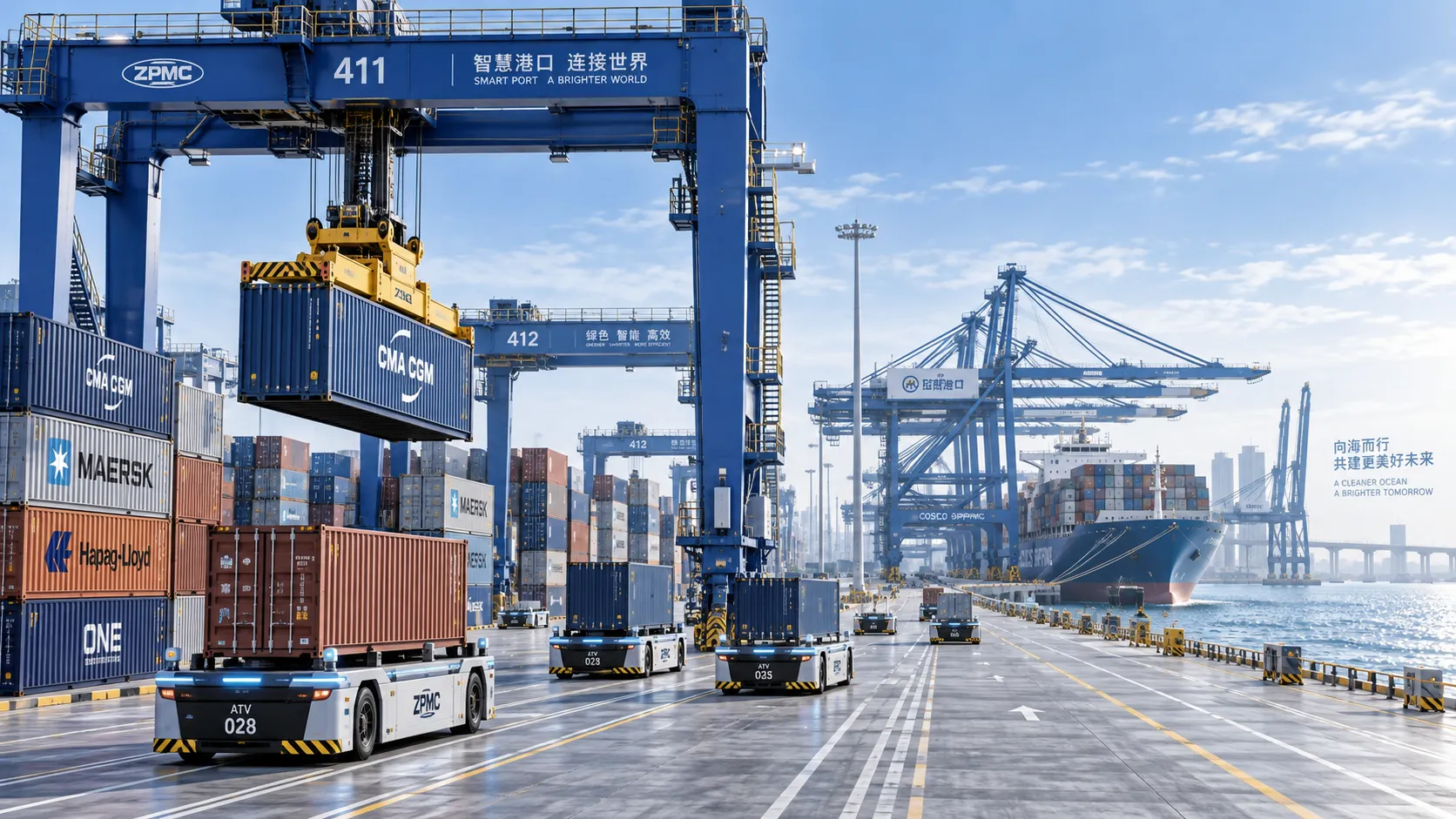
Terminal Automation Technologies That Raise Container Throughput Without Yard Disruption
Terminal automation technology that increases container throughput without disrupting yard flow. Explore smarter integration, resilient workflows, and phased deployment strategies.
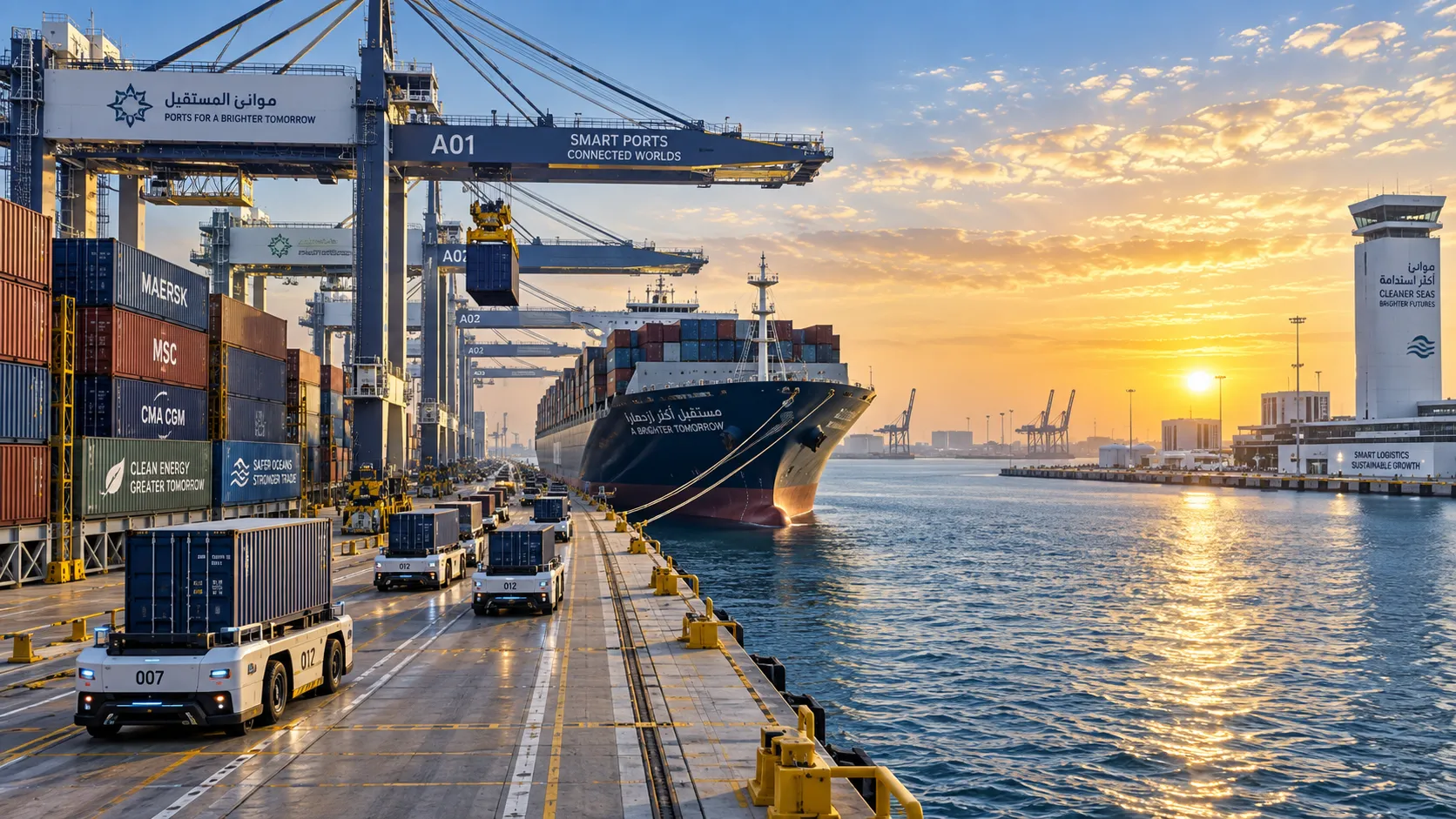
Middle East Port Automation: Key Market Drivers, Projects, and Investment Risks
Port automation systems Middle East: explore market drivers, flagship projects, integration challenges, and investment risks shaping smarter, resilient terminals.
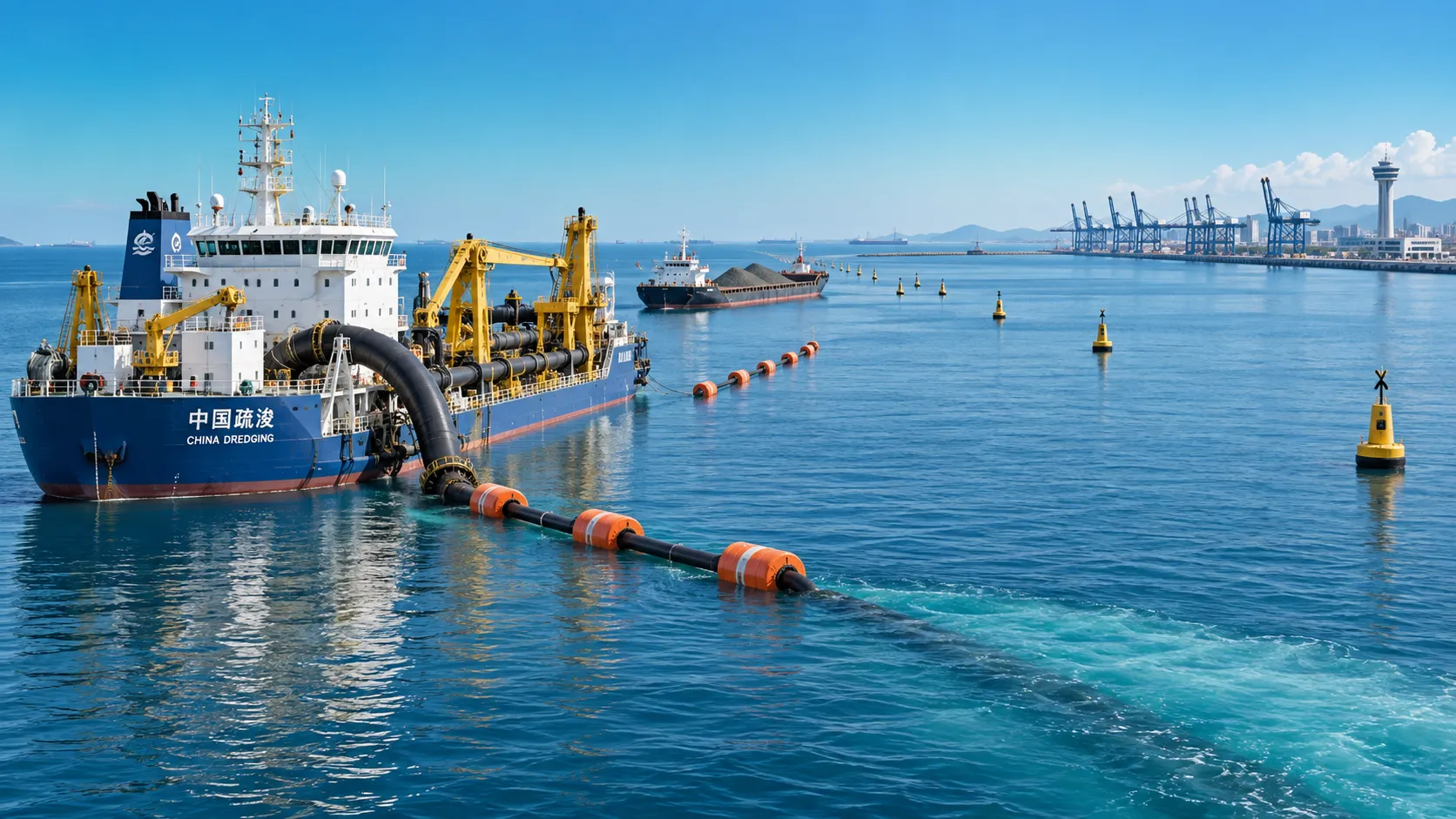
Planning Offshore Dredging Operations: Key Risks, Methods, and Project Controls
Offshore dredging operations demand smart planning. Explore key risks, proven methods, environmental controls, and project strategies for reliable delivery.