Related News
- 00
0000-00
How to Specify a Quay Crane for Container Terminals by Vessel Size and Throughput? - 00
0000-00
Which Bulk Handling Equipment Suits High-Moisture Cargo? - 00
0000-00
Terminal Automation Technologies That Raise Container Throughput Without Yard Disruption - 00
0000-00
Planning Offshore Dredging Operations: Key Risks, Methods, and Project Controls - 00
0000-00
Where Do Automated Guided Vehicles Deliver the Fastest Warehouse Gains in the Middle East?
Remote Controlled Crane Systems for Terminals: Key Safety and Control Features to Compare
Remote Controlled Crane Systems for Terminals: Key Safety and Control Features to Compare
As terminals accelerate automation, choosing remote controlled crane systems for terminals is now a safety decision, not only a productivity choice.
For quality and safety teams, the comparison should start with risk exposure, control integrity, and predictable behavior under abnormal conditions.
That matters even more in mixed fleets, older yards, and terminals facing pressure to raise throughput without increasing incidents.
The strongest systems combine stable remote operation, clear situational awareness, layered protection, and evidence that performance stays consistent in real work.
In practice, remote controlled crane systems for terminals should be judged as complete operating environments, not as isolated hardware packages.
That broader view helps teams compare safety logic, operator interface design, maintenance demands, and compliance readiness in one framework.
Why comparison standards have changed
A few years ago, remote crane evaluation often focused on radio range, joystick response, and basic emergency stop behavior.
That is no longer enough for modern terminal environments.
Today, remote controlled crane systems for terminals interact with TOS platforms, yard planning logic, camera networks, and anti-collision layers.
A control failure can now spread beyond one crane movement.
It may affect adjacent equipment, stack accuracy, traffic sequencing, or vessel-side handoff timing.
This is why technical reviews should examine both machine-level safeguards and system-level coordination behavior.
From a quality standpoint, the best remote controlled crane systems for terminals show repeatable results across latency shifts, weather variation, and operating density.
Start with fail-safe architecture
Fail-safe design is the first filter when comparing remote controlled crane systems for terminals.
If communications degrade, the crane should move toward a defined safe state without ambiguity.
That safe state must be documented, tested, and easy to verify during acceptance.
Key points to compare include:
- loss-of-signal behavior for travel, trolley, hoist, and spreader functions
- independent safety PLC architecture and redundancy level
- safe braking logic during power interruption or network drop
- fault prioritization, alarm clarity, and event logging accuracy
- manual takeover process after system interruption
A supplier may claim fail-safe capability, but the real question is how the crane behaves during messy, partial failures.
Look for test records covering packet loss, sensor disagreement, encoder faults, and unstable voltage events.
Verify anti-collision and motion protection depth
Remote controlled crane systems for terminals need more than simple limit switches and warning buzzers.
Modern yards require layered motion protection that understands position, speed, direction, and interaction zones.
This becomes critical where ship-to-shore cranes, RMGs, ARMGs, trucks, and maintenance crews share constrained spaces.
A useful comparison checklist includes:
- gantry collision prevention with dynamic distance monitoring
- spreader anti-sway and load path stabilization
- truck lane, pedestrian, and maintenance access zone protection
- overtravel, skew, and obstacle detection logic
- automatic speed reduction near restricted boundaries
The detail that often separates systems is prediction.
Basic systems react after a threshold is crossed.
Better remote controlled crane systems for terminals slow or block motion before the risk becomes immediate.
That difference usually lowers both incident probability and operator stress.
Assess signal stability and network resilience
No review of remote controlled crane systems for terminals is complete without communications testing.
In terminal settings, signal quality is affected by steel structures, moving containers, vessel geometry, weather, and network congestion.
What matters is not ideal latency in a vendor demo.
What matters is consistent control under operational interference.
Focus on these comparison items:
- end-to-end latency under peak traffic conditions
- jitter tolerance for precise load placement
- network redundancy and automatic path switching
- performance during partial camera stream loss
- cybersecurity controls for command integrity and access management
This is also where international standards and local port policies should be checked together.
A system can meet baseline technical requirements yet still perform poorly inside a dense, multipath yard.
For that reason, site acceptance tests for remote controlled crane systems for terminals should include realistic traffic loads and interference scenarios.
Compare operator visibility and interface design
Remote operation removes direct line of sight, so interface quality becomes a core safety control.
Operators need fast comprehension, not overloaded screens.
Strong remote controlled crane systems for terminals present the right information at the right moment.
Useful design questions include:
- Are camera views placed according to real operating decisions?
- Can blind spots be reduced through sensor fusion or smart overlays?
- Are alarms prioritized by risk, not by raw quantity?
- Does the control interface remain usable during fault escalation?
- Is operator fatigue managed through ergonomics and response timing?
In actual terminal work, visibility problems often appear during edge cases.
Examples include poor weather, nighttime vessel work, damaged containers, and unusual truck approach positions.
The better remote controlled crane systems for terminals keep the operator ahead of those changes instead of forcing late corrections.
Review emergency response and recovery procedures
Emergency stop buttons alone do not define a robust response design.
Remote controlled crane systems for terminals should support clear escalation, controlled shutdown, and disciplined restart procedures.
This area deserves close attention because recovery errors can create second incidents.
Compare suppliers on:
- emergency stop logic separation between safe halt and full power isolation
- remote diagnostics available during stoppage
- step-by-step restart permissions after fault clearance
- local rescue or maintenance override protections
- black box event records for root cause analysis
A good recovery process is structured, time-stamped, and resistant to improvised shortcuts.
That is particularly important for terminals running high volumes with pressure to resume operations quickly.
Check compliance evidence and maintainability
Technical claims should always be backed by evidence.
When comparing remote controlled crane systems for terminals, request compliance documents, validation reports, and update control procedures.
Look beyond initial certification.
Lifecycle discipline often tells you more about future reliability.
Maintainability also affects safety. A system that is difficult to diagnose or recalibrate can slowly drift into higher operational risk.
A practical way to compare suppliers
A simple feature checklist is useful, but it should not be the final decision tool.
For remote controlled crane systems for terminals, a weighted evaluation model usually gives a clearer result.
Many terminal teams score options across five groups:
- safety architecture and functional protection
- control responsiveness and signal resilience
- operator visibility and human-machine usability
- maintenance support and lifecycle governance
- integration fit with terminal workflows and control systems
Then validate those scores with witnessed tests, scenario simulations, and post-fault recovery drills.
That process makes comparisons more objective and harder to distort with presentation-driven claims.
For PS-Nexus readers tracking terminal automation, this is the more durable market signal.
The next generation of remote controlled crane systems for terminals will win less on headline automation promises.
They will win on stable safety performance, controllable recovery, and proven fit inside complex port ecosystems.
When evaluating options, use field evidence, not brochure language, as the final decision anchor.
Related News
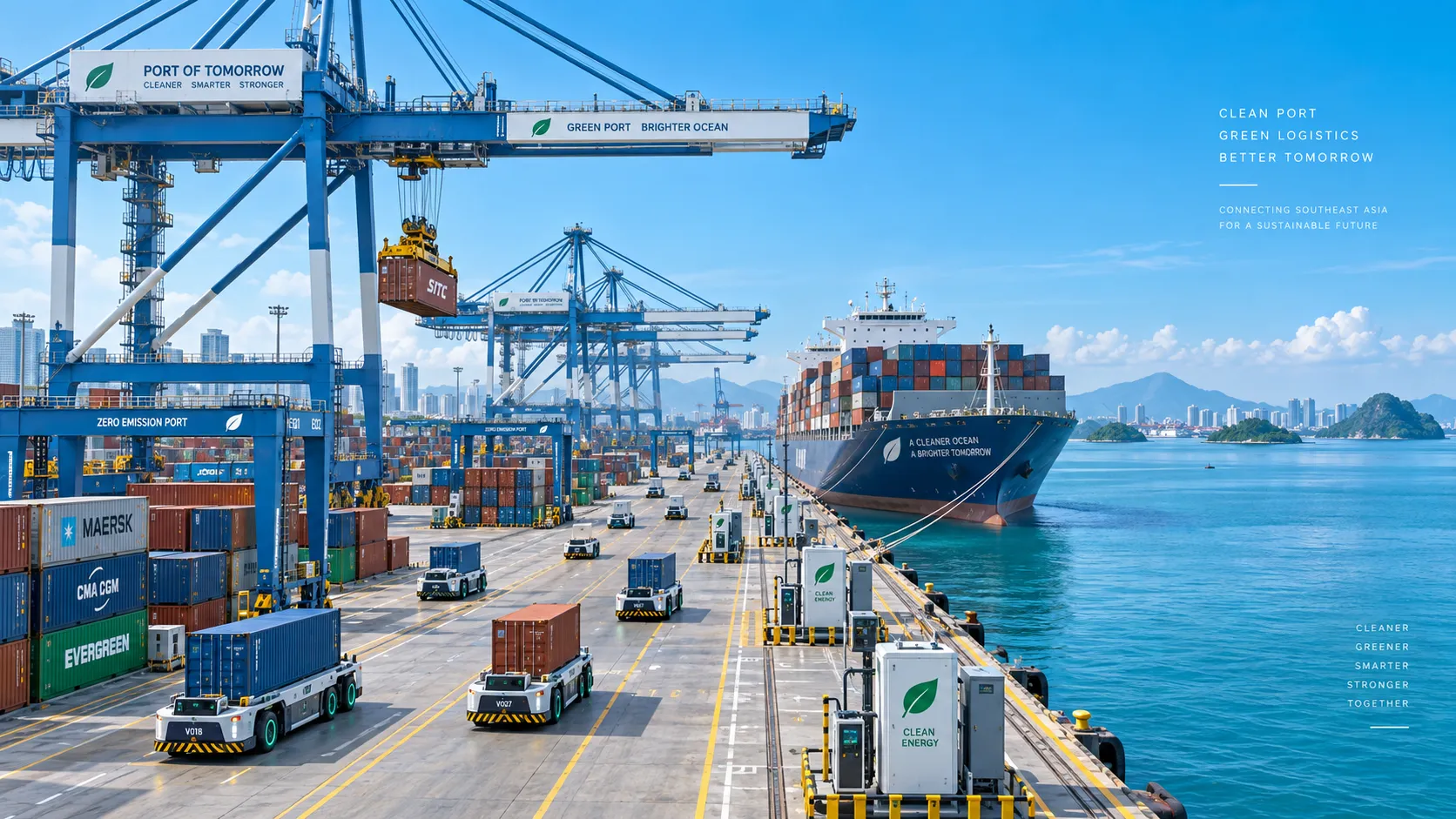
Smart Port Systems in Southeast Asia: Investment Priorities and Adoption Barriers
Smart port systems Southeast Asia: discover investment priorities, adoption barriers, and practical steps to build resilient, connected, high-performing terminals.

How to Evaluate Terminal Efficiency Solution Suppliers for High-Throughput Operations
Choose a terminal efficiency solutions supplier with confidence. Explore proven criteria for throughput, integration, lifecycle cost, safety, and reliable delivery.
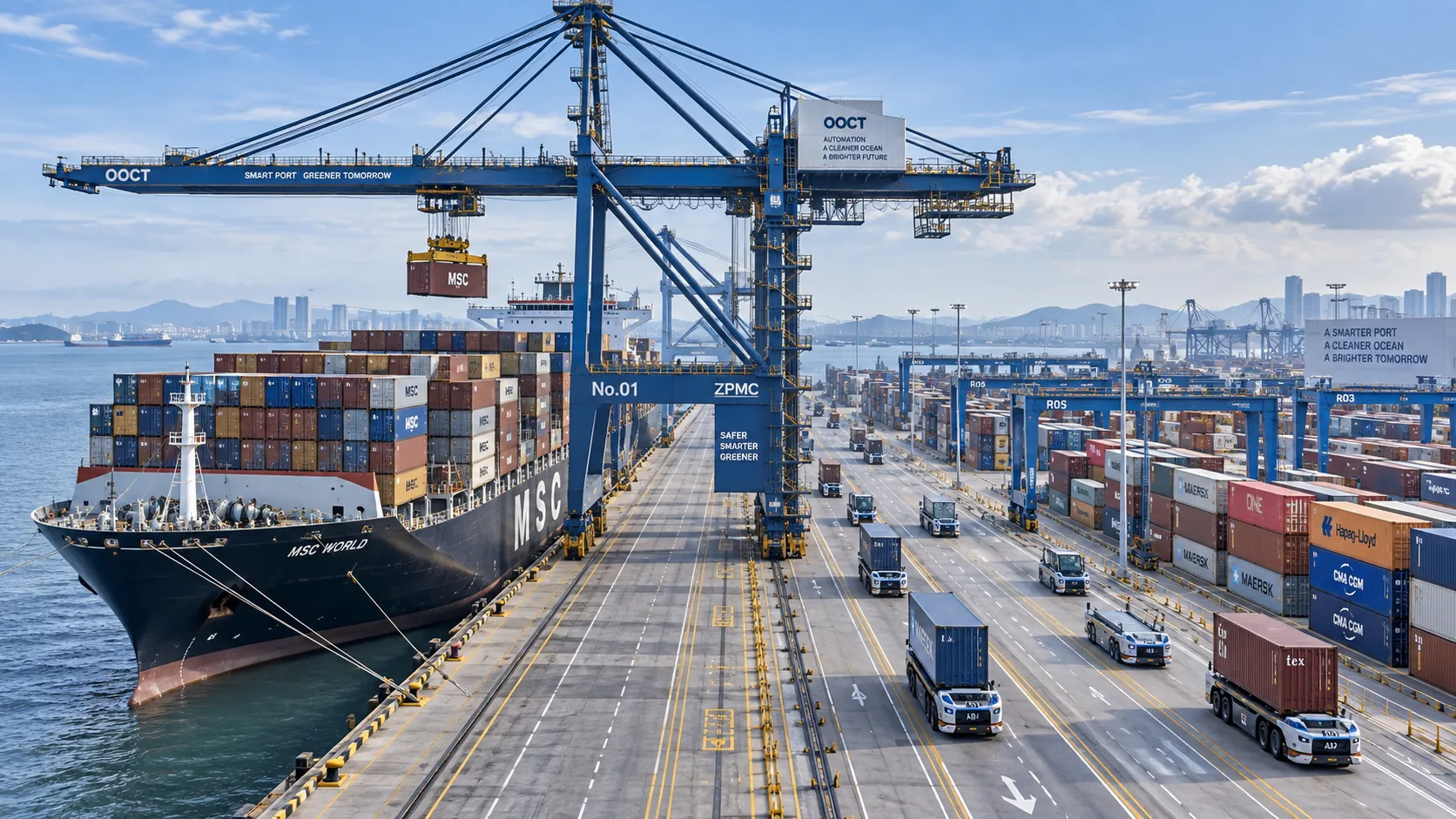
How to Specify a Quay Crane for Container Terminals by Vessel Size and Throughput?
Quay crane for container terminals: learn how to match outreach, lift height, capacity, automation, and cycle performance to vessel size and throughput goals.
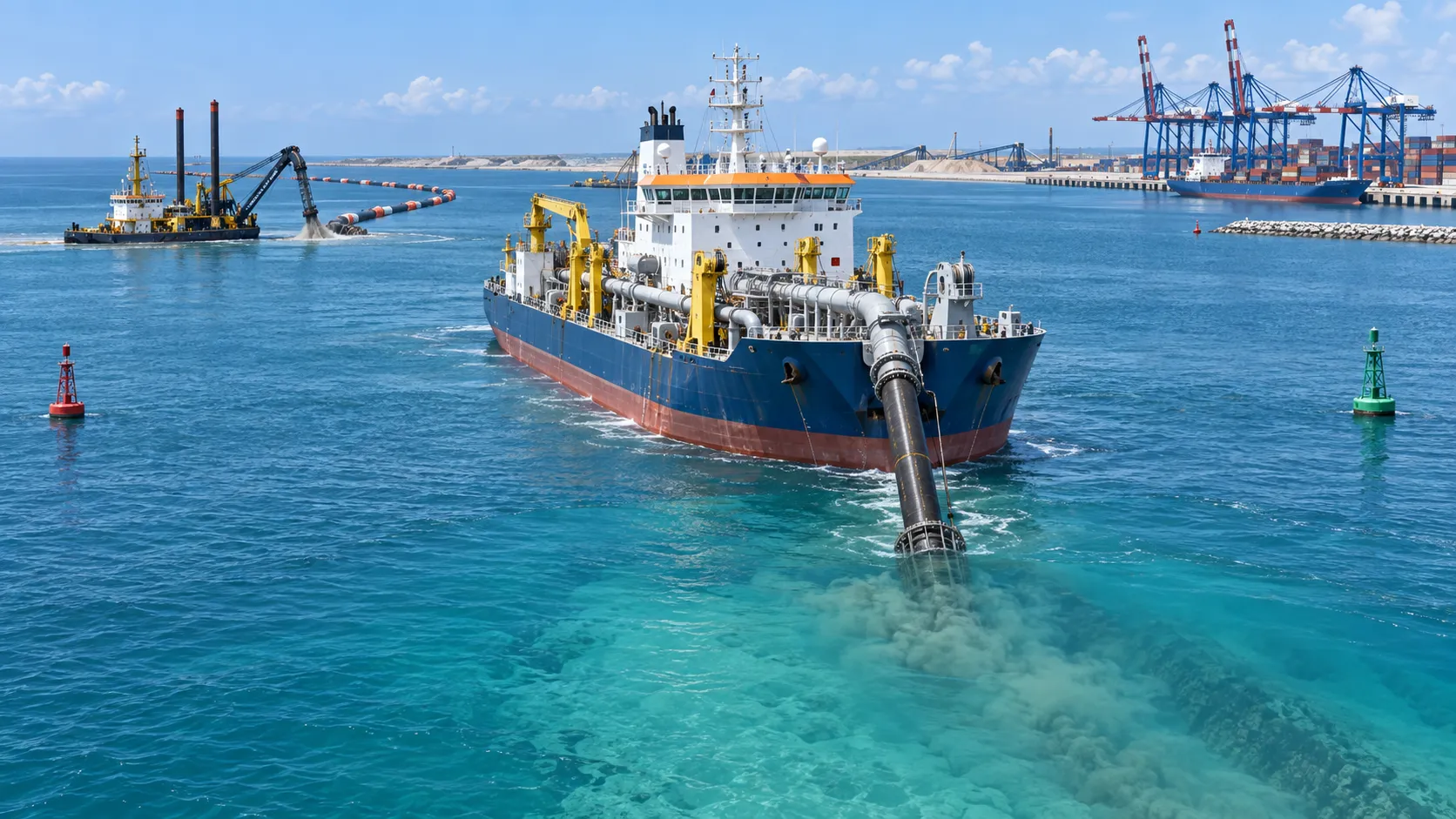
What Dredging Equipment Is Needed for Channel Deepening?
What dredging equipment is needed for channel deepening? Explore dredgers, pipelines, survey tools, and planning strategies for safer, more efficient port access.
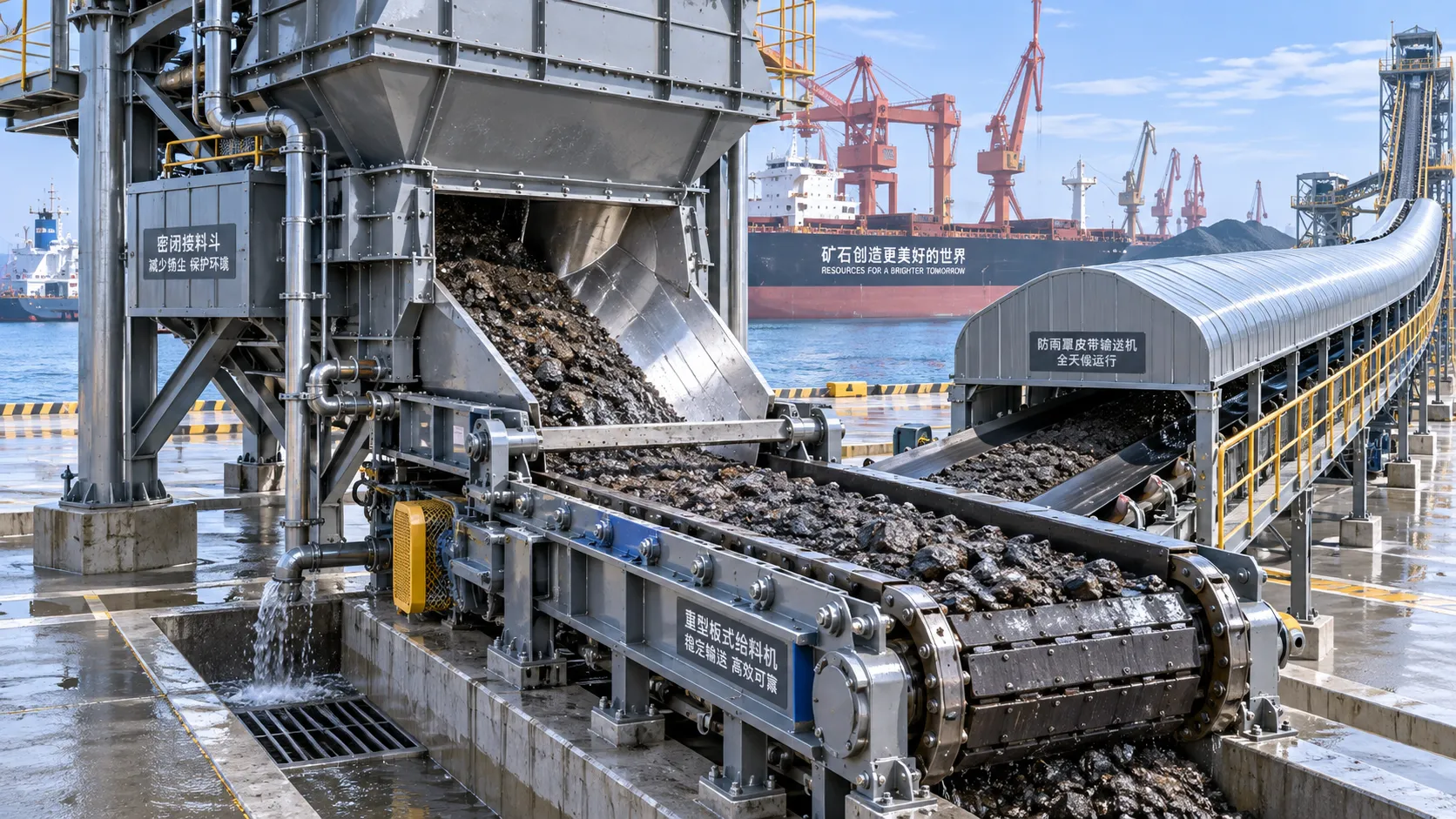
Which Bulk Handling Equipment Suits High-Moisture Cargo?
Which bulk handling equipment suits high-moisture cargo? Compare belt, apron, screw, drag, and slurry systems for reliable flow, less carryback, and higher terminal uptime.
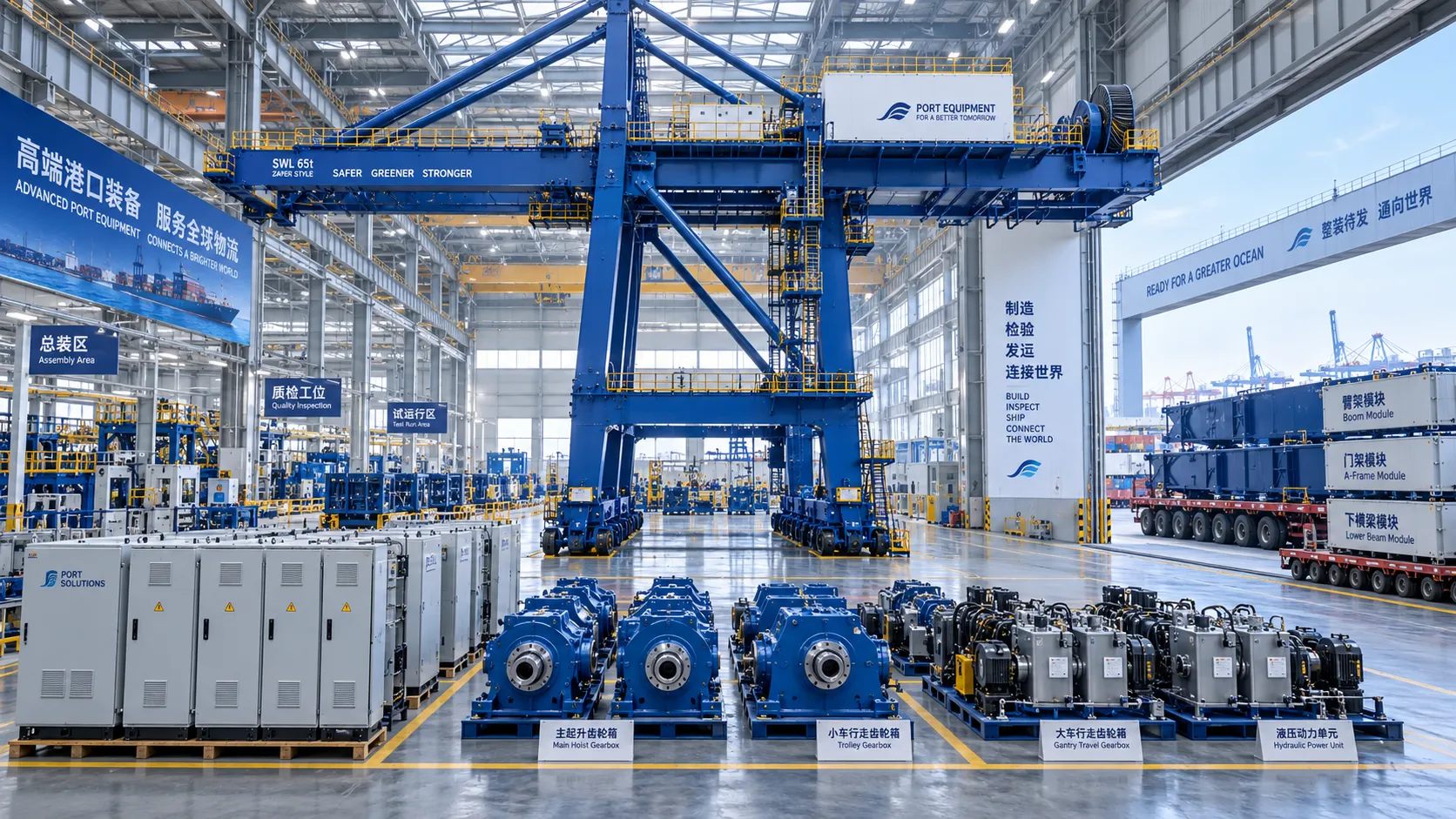
How Can Port Equipment Lead-Time Risk Be Managed?
How can port equipment lead-time risk be managed? Explore practical strategies to control critical paths, suppliers, transport, site readiness, and commissioning delays.
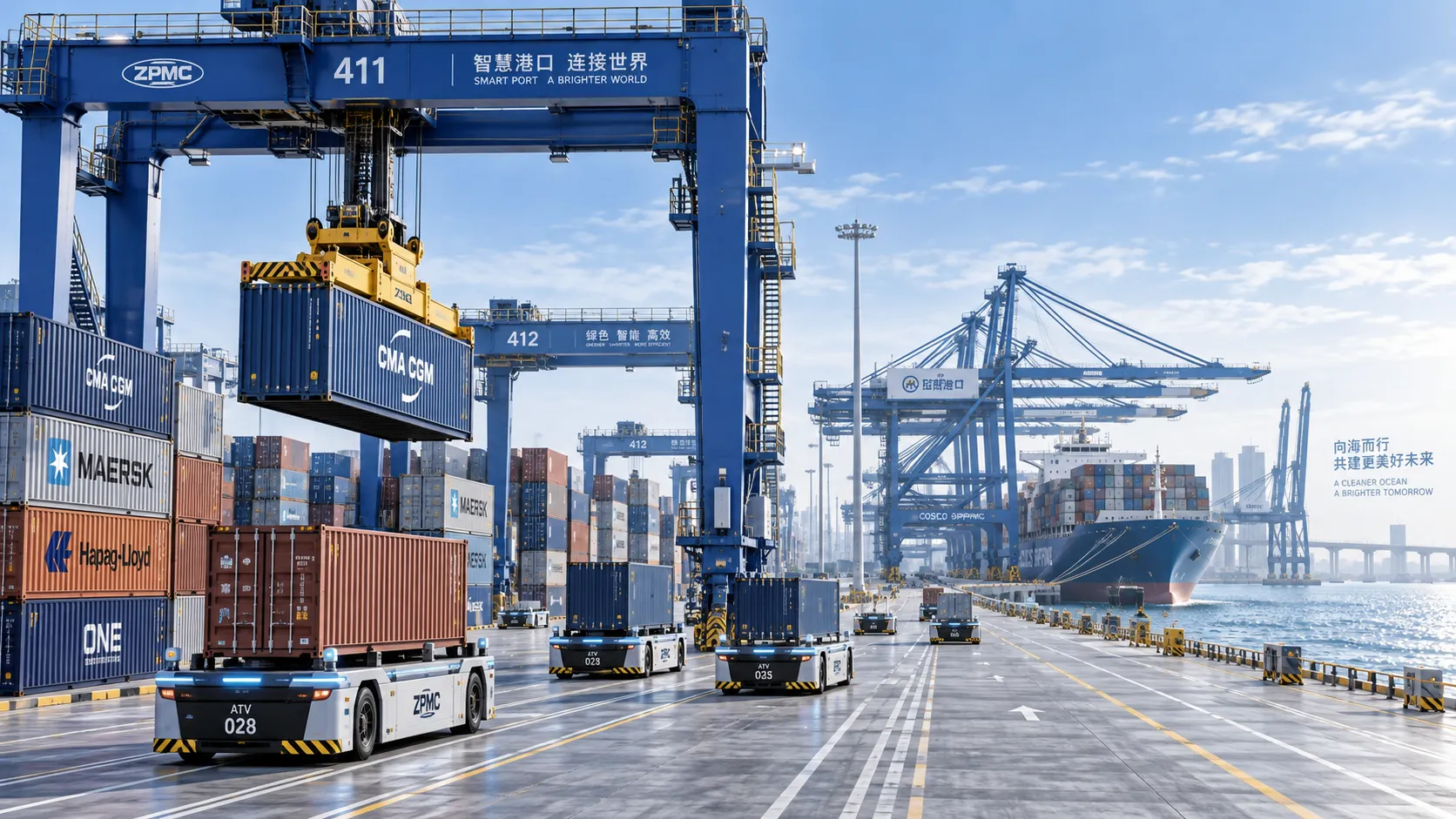
Terminal Automation Technologies That Raise Container Throughput Without Yard Disruption
Terminal automation technology that increases container throughput without disrupting yard flow. Explore smarter integration, resilient workflows, and phased deployment strategies.
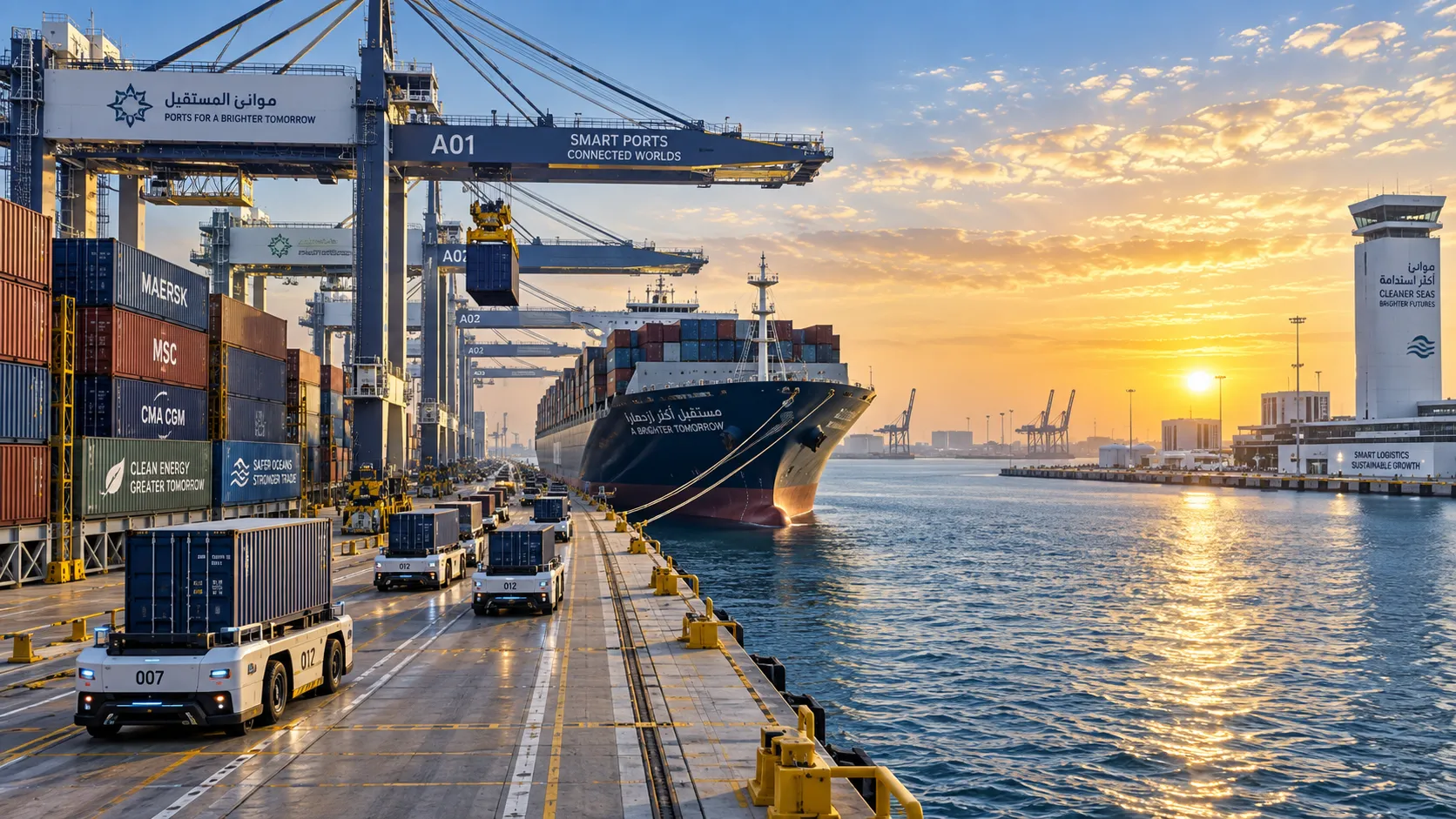
Middle East Port Automation: Key Market Drivers, Projects, and Investment Risks
Port automation systems Middle East: explore market drivers, flagship projects, integration challenges, and investment risks shaping smarter, resilient terminals.
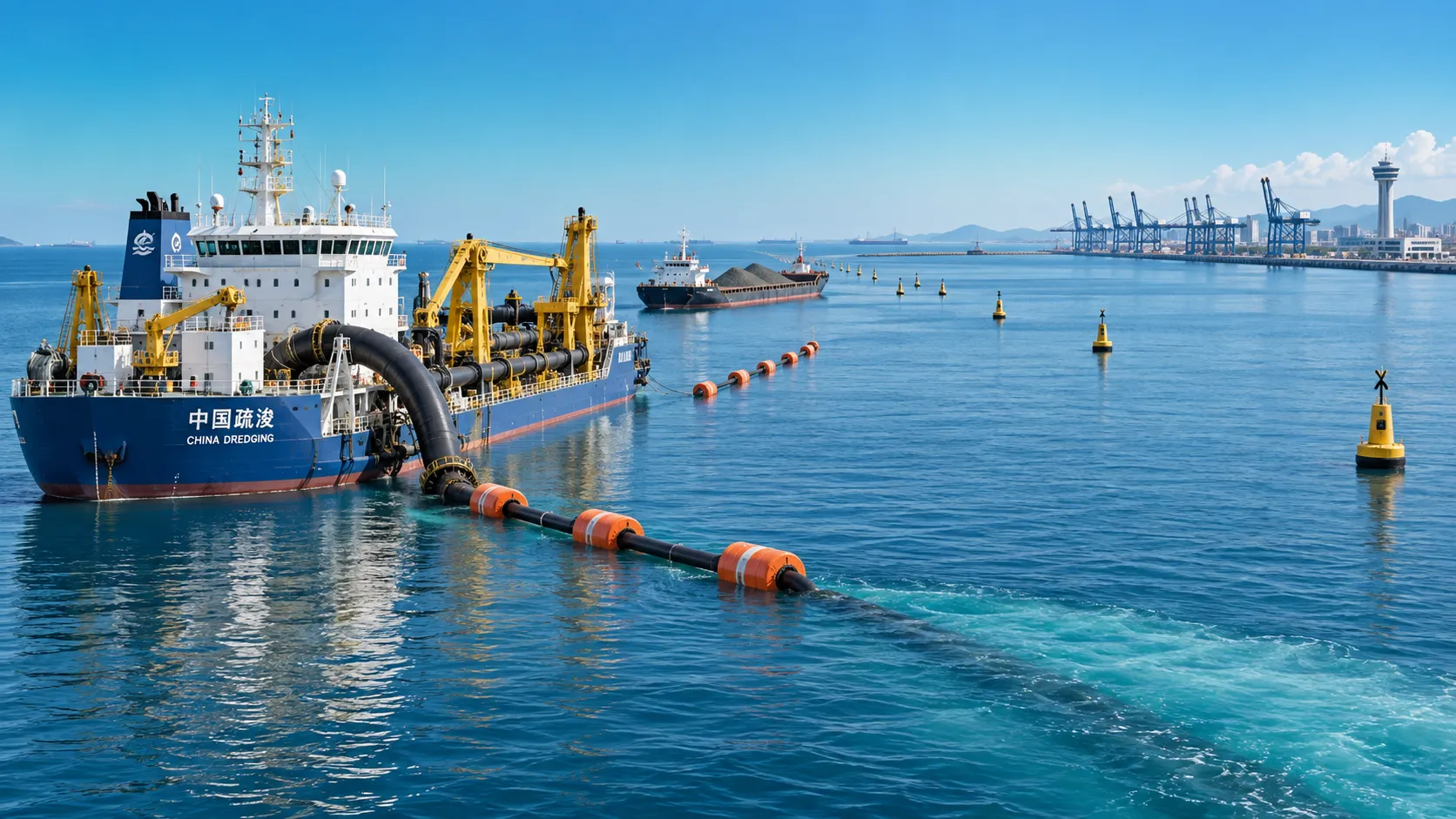
Planning Offshore Dredging Operations: Key Risks, Methods, and Project Controls
Offshore dredging operations demand smart planning. Explore key risks, proven methods, environmental controls, and project strategies for reliable delivery.