Related News
- 00
0000-00
How to Specify a Quay Crane for Container Terminals by Vessel Size and Throughput? - 00
0000-00
Which Bulk Handling Equipment Suits High-Moisture Cargo? - 00
0000-00
Terminal Automation Technologies That Raise Container Throughput Without Yard Disruption - 00
0000-00
Planning Offshore Dredging Operations: Key Risks, Methods, and Project Controls - 00
0000-00
Where Do Automated Guided Vehicles Deliver the Fastest Warehouse Gains in the Middle East?
AI Automated Terminal Systems: Where They Improve Yard Planning and Berth Coordination
Where AI Automated Terminal Systems Deliver Real Operational Value
AI automated terminal systems matter most when port pressure is uneven, not average. The largest gains appear where yard decisions and berth timing affect every downstream move.
In practice, a terminal rarely loses performance because one crane is slow. It loses performance when containers arrive in the wrong sequence, vehicles wait without routing priority, or berths turn idle between vessel windows.
That is why AI automated terminal systems are becoming central to maritime logistics. They connect heavy terminal gear, control logic, and vessel flow in ways static planning tools cannot sustain.
For PS-Nexus, this is not just an automation story. It sits at the intersection of container handling, port control systems, low-latency communications, AGV path planning, and the broader economics of trade corridors.
The strongest business case usually comes from two linked areas: yard planning and berth coordination. Both determine whether expensive assets operate as a synchronized system or as isolated machines.
Actual Performance Depends on Which Terminal Conditions Are Driving the Problem
Not every port needs the same type of intelligence layer. AI automated terminal systems solve different problems depending on cargo mix, berth density, equipment configuration, and schedule volatility.
A transshipment hub with heavy peak waves cares about yard rehandles and vessel handoff speed. A gateway terminal may care more about truck interface stability and landside buffer discipline.
The same applies to berth coordination. A terminal with predictable liner calls may prioritize precise crane allocation. A port facing weather disruption, dredging constraints, or tidal windows needs adaptive sequencing first.
More often, the right judgment starts with one question: where does variability enter the operation? AI automated terminal systems perform best when they are tuned to that variability, not just installed as a broad automation label.
When Yard Planning Becomes the Bottleneck
Yard planning problems usually appear before they are reported. Rising dwell time, repeated reshuffling, and long AGV detours often signal that storage logic is no longer aligned with vessel and gate demand.
Here, AI automated terminal systems improve more than slot assignment. They predict stack pressure, recommend container positioning by likely retrieval sequence, and adjust move priorities as real arrivals change.
This matters most in mixed-use yards. Import boxes, transshipment cargo, reefers, hazardous units, and late documentation cases should not share the same planning rules, even when space looks available.
A common mistake is treating yard density as the main target. Dense stacking may look efficient on paper, yet it often increases rehandles and blocks automated transfer routes during peak exchange periods.
The better approach is dynamic accessibility. In that model, AI automated terminal systems weigh slot utilization against retrieval probability, crane reachability, AGV path conflict, and expected vessel sequence changes.
What Usually Deserves Closer Attention in the Yard
- How often container plans change after gate-in or discharge
- Whether rehandle rates spike around specific shipping services
- How automated stacking cranes interact with AGV queue patterns
- Whether reefer, dangerous goods, and customs holds distort slot availability
- How much decision lag exists between TOS updates and field execution
Berth Coordination Improves Most When Vessel Plans Are Still Moving
Berth coordination is often framed as a scheduling task. In reality, it is a live negotiation between ETA reliability, quay crane intensity, tidal access, labor constraints, and yard readiness.
AI automated terminal systems create value here by recalculating berth windows as upstream facts change. A delayed feeder, weather hold, or draft restriction should trigger coordinated updates across crane plans and yard release priorities.
This is especially relevant in ports balancing container operations with dredging programs or constrained channels. Marine access conditions may shift faster than traditional berth plans can absorb.
In stronger deployments, the berth model does not work alone. It exchanges data with remote-controlled crane systems, equipment health feeds, and commercial scheduling layers to avoid false certainty.
The practical aim is not a perfect plan. It is a berth plan that remains usable after disruption, with minimal idle quay time and fewer last-minute reshuffles across the terminal.
Different Operating Contexts Need Different Decision Logic
The contrast between yard planning and berth coordination becomes clearer when decision factors are placed side by side. This is where AI automated terminal systems should be judged more carefully.
This comparison matters because similar throughput numbers can hide very different control needs. AI automated terminal systems should be assessed against disturbance patterns, not just annual TEU scale.
Where Integration Quality Decides the Outcome
Many deployments underperform because planning intelligence is separated from execution reality. The model may be sound, but the data chain is late, incomplete, or too fragmented for reliable control.
AI automated terminal systems rely on clean interaction with terminal operating systems, crane controls, AGV dispatching, yard equipment telemetry, and berth planning inputs. Weak interfaces quietly erase expected gains.
This is where PS-Nexus takes a broader view. Port automation is the central nervous system of the terminal, but that system must also align with communications latency, machine response limits, and marine operating conditions.
A yard optimizer that ignores remote crane response delay will overpromise. A berth engine that does not ingest dredging status or navigational constraints will misread capacity. Integration quality is not a technical detail. It is the operating boundary.
Common Misreadings Before Implementation
The first misreading is assuming automation value comes mainly from replacing labor steps. In many terminals, the larger gain comes from reducing planning friction between machines, vessels, and storage zones.
Another frequent error is choosing AI automated terminal systems based on headline optimization features while ignoring exception management. Yet exceptions are where terminals spend a large share of real operating time.
There is also a tendency to copy logic from a nearby terminal. Similar quay length or equipment brands do not mean identical needs. Service profile, inland connectivity, and local marine constraints often change the fit.
Cost is another area of distortion. Purchase price is visible, but implementation effort, data cleansing, operator transition, rule tuning, and system maintenance usually determine the long-run return.
Useful Checks Before Committing
- Map where schedule volatility enters the operation today
- Measure rehandles, berth idle minutes, and dispatch conflicts by shift
- Confirm which data sources are real time and which are delayed
- Test whether exception rules are configurable without major rewrites
- Check compatibility with future net-zero and electrification plans
A Practical Way to Judge Fit Across the Port System
A useful evaluation starts with one corridor, one yard block family, or one vessel service cluster. That makes it easier to compare forecast quality, move execution, and disruption recovery without hiding gaps in broad averages.
For yard planning, focus on retrieval accuracy, travel distance, and how often the plan survives late changes. For berth coordination, track window reliability, crane redeployment speed, and lost productivity after schedule shifts.
The strongest AI automated terminal systems are usually those that improve decisions across connected layers. They should help the quay, yard, and waterside function as one timing system rather than three separate control rooms.
That broader view aligns with how PS-Nexus reads the sector. Terminal gear, automation logic, dredging access, and global trade signals are interdependent. Good intelligence comes from understanding those links, not isolating each component.
The next step is straightforward: define the operating scenarios that create the most cost or delay, compare their constraints, and build a fit standard around real data quality, execution limits, and recovery demands. That is where AI automated terminal systems become measurable, not theoretical.
Related News
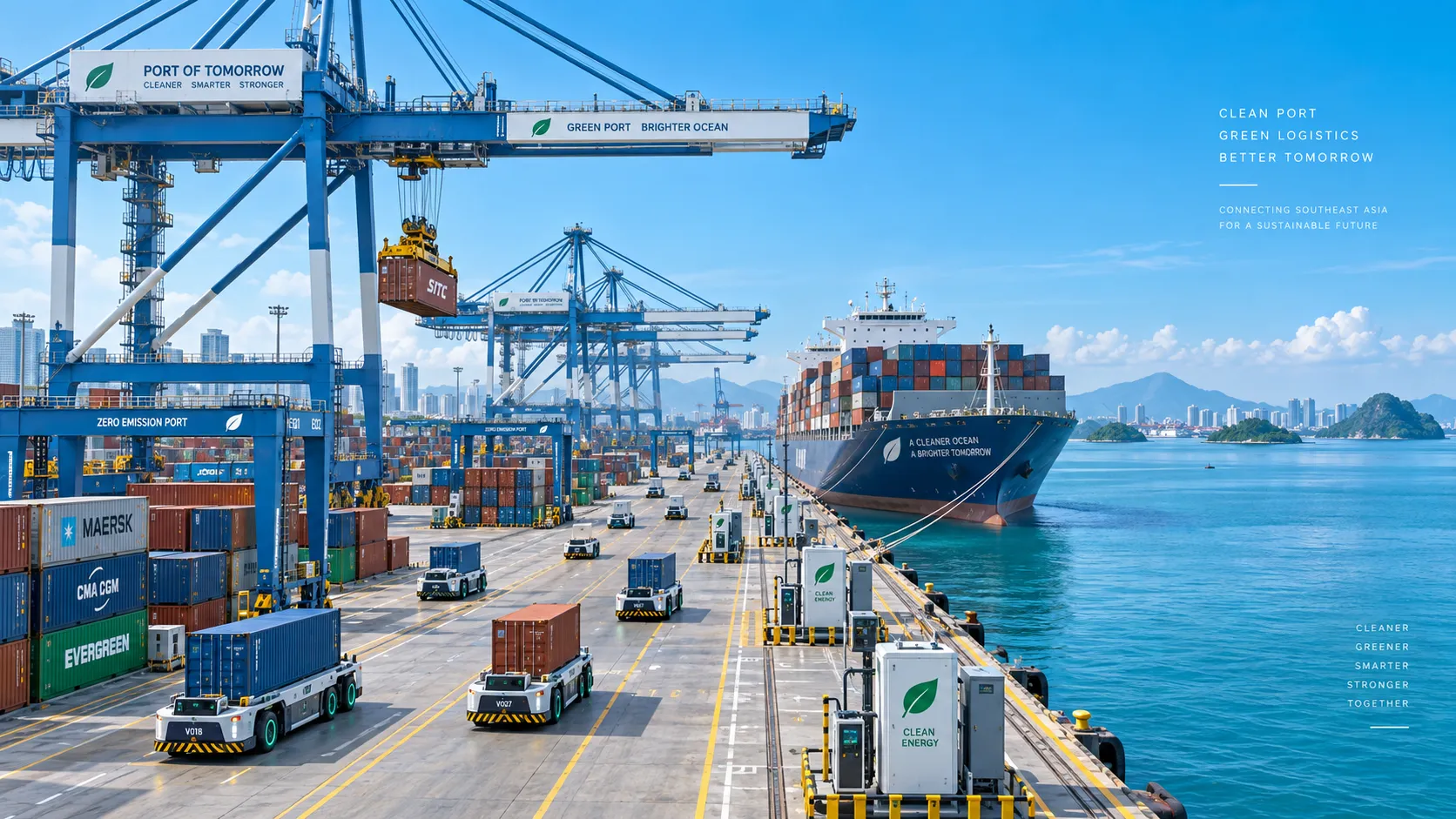
Smart Port Systems in Southeast Asia: Investment Priorities and Adoption Barriers
Smart port systems Southeast Asia: discover investment priorities, adoption barriers, and practical steps to build resilient, connected, high-performing terminals.
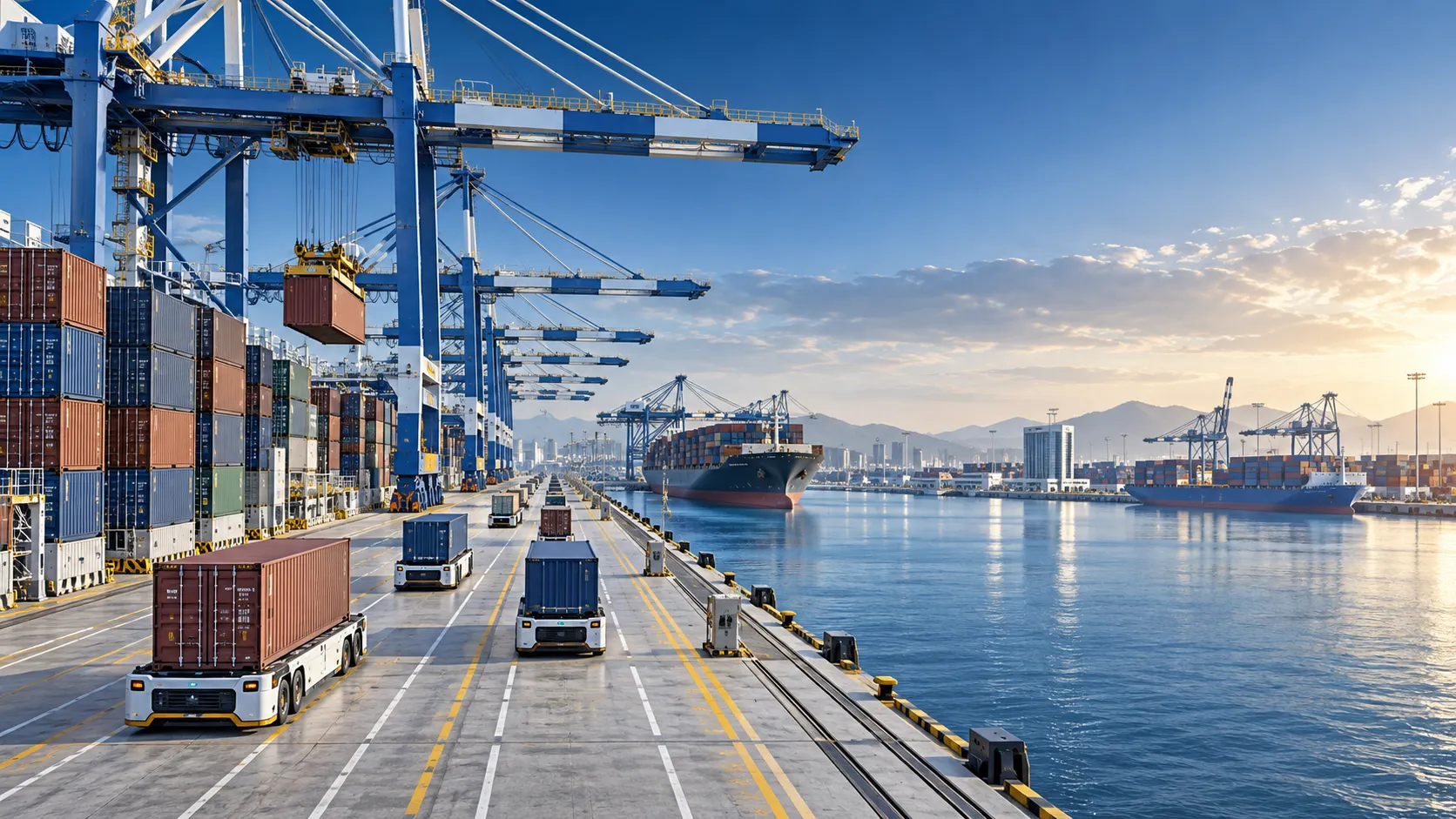
How to Evaluate Terminal Efficiency Solution Suppliers for High-Throughput Operations
Choose a terminal efficiency solutions supplier with confidence. Explore proven criteria for throughput, integration, lifecycle cost, safety, and reliable delivery.
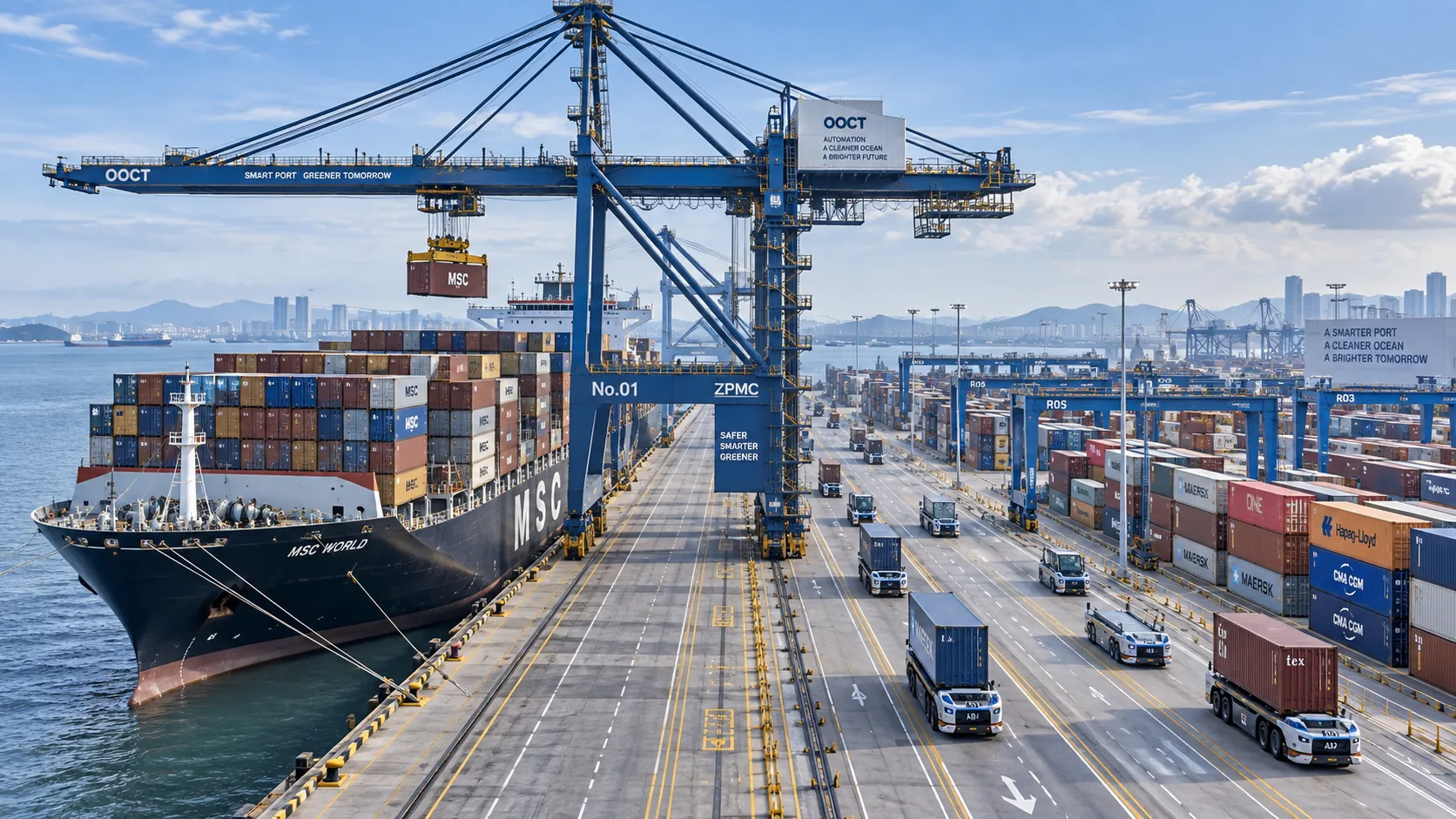
How to Specify a Quay Crane for Container Terminals by Vessel Size and Throughput?
Quay crane for container terminals: learn how to match outreach, lift height, capacity, automation, and cycle performance to vessel size and throughput goals.
What Dredging Equipment Is Needed for Channel Deepening?
What dredging equipment is needed for channel deepening? Explore dredgers, pipelines, survey tools, and planning strategies for safer, more efficient port access.
Which Bulk Handling Equipment Suits High-Moisture Cargo?
Which bulk handling equipment suits high-moisture cargo? Compare belt, apron, screw, drag, and slurry systems for reliable flow, less carryback, and higher terminal uptime.
How Can Port Equipment Lead-Time Risk Be Managed?
How can port equipment lead-time risk be managed? Explore practical strategies to control critical paths, suppliers, transport, site readiness, and commissioning delays.
Terminal Automation Technologies That Raise Container Throughput Without Yard Disruption
Terminal automation technology that increases container throughput without disrupting yard flow. Explore smarter integration, resilient workflows, and phased deployment strategies.
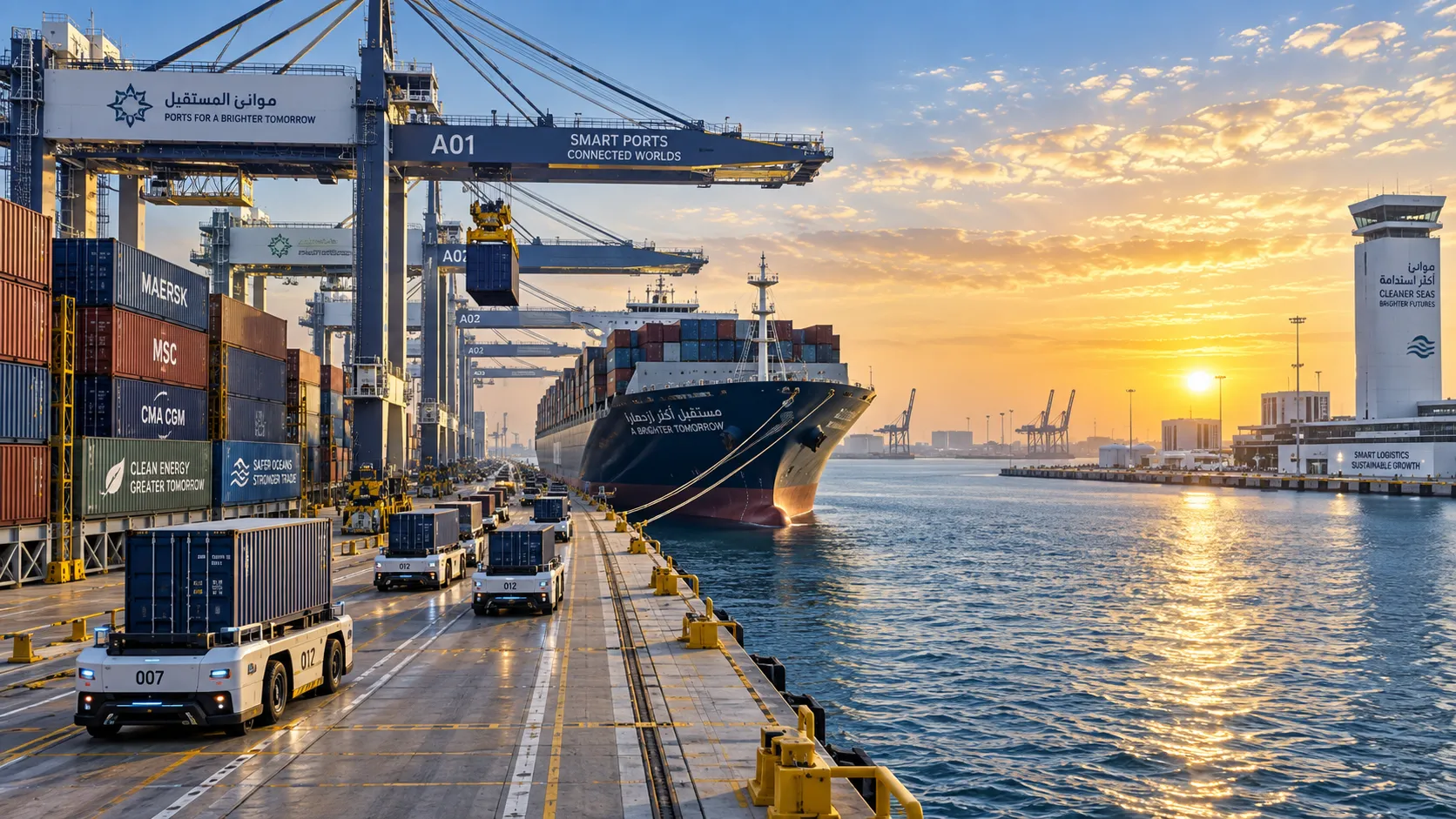
Middle East Port Automation: Key Market Drivers, Projects, and Investment Risks
Port automation systems Middle East: explore market drivers, flagship projects, integration challenges, and investment risks shaping smarter, resilient terminals.
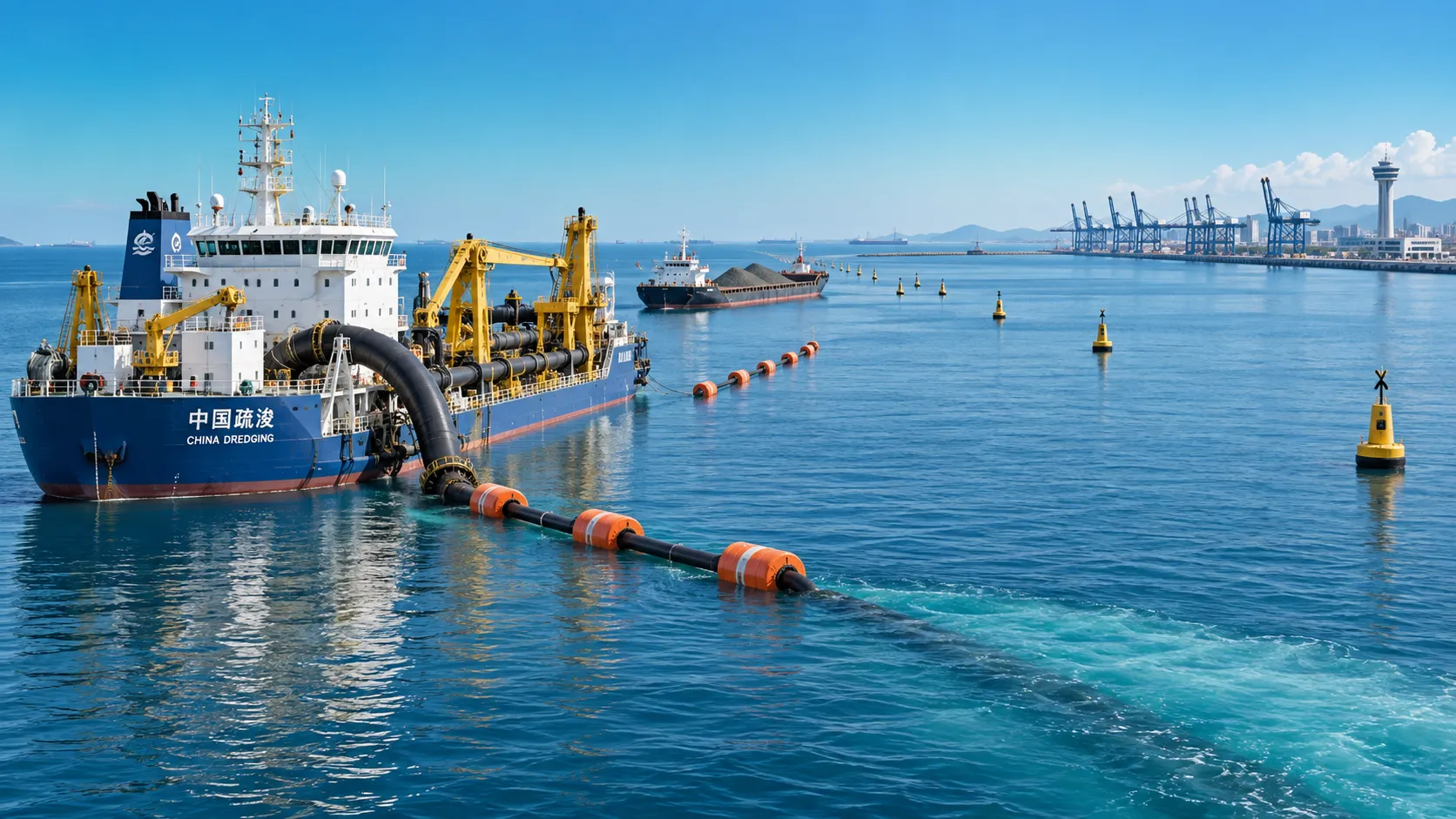
Planning Offshore Dredging Operations: Key Risks, Methods, and Project Controls
Offshore dredging operations demand smart planning. Explore key risks, proven methods, environmental controls, and project strategies for reliable delivery.