Related News
- 00
0000-00
How to Specify a Quay Crane for Container Terminals by Vessel Size and Throughput? - 00
0000-00
Which Bulk Handling Equipment Suits High-Moisture Cargo? - 00
0000-00
Terminal Automation Technologies That Raise Container Throughput Without Yard Disruption - 00
0000-00
Planning Offshore Dredging Operations: Key Risks, Methods, and Project Controls - 00
0000-00
Where Do Automated Guided Vehicles Deliver the Fastest Warehouse Gains in the Middle East?
What Is Terminal Automation Technology for Ports and Which Processes Does It Improve?
Why is terminal automation technology for ports getting so much attention?
Terminal automation technology for ports has moved from a niche upgrade to a core logistics topic.
The reason is simple. Cargo volumes are less predictable, vessel sizes are larger, and port land remains limited.
Manual coordination alone struggles when quay cranes, yard blocks, trucks, gates, and vessel windows must stay synchronized.
That is where terminal automation technology for ports becomes valuable. It connects machines, software, traffic rules, and operating logic.
In practice, the goal is not just fewer people on site. The real goal is steadier flow, fewer handoff delays, and better use of expensive assets.
For a platform like PS-Nexus, this matters because terminal performance no longer depends on equipment strength alone.
It depends on how heavy terminal gear, control systems, specialized container handling, and scheduling intelligence work together.
That combination is shaping both maritime logistics and broader coastal economics.
So what exactly does terminal automation technology for ports include?
A common mistake is to treat it as one machine or one software package.
More often, terminal automation technology for ports is a layered operating system for terminal movement.
It usually combines automated equipment, positioning systems, sensors, communication networks, and terminal operating software.
Typical components include remote-controlled or automated quay cranes, automated stacking cranes, AGVs, OCR gates, and yard planning tools.
It also includes logic for task dispatch, collision avoidance, slot assignment, exception handling, and maintenance visibility.
The best way to understand it is to ask one question: can the terminal make fast, consistent decisions without relying on repeated manual calls?
If the answer is increasingly yes, automation is already becoming part of the terminal’s nervous system.
This is also why PS-Nexus tracks low-latency crane communications and AGV path planning.
Those details are not side topics. They determine whether automated flow is stable or only impressive on paper.
Which port processes does it actually improve first?
Not every process improves at the same speed. Some workflows respond quickly, while others need deeper redesign.
The first gains usually appear where moves are repetitive, measurable, and sensitive to timing errors.
Container handling gets most of the attention, but the wider value is coordination.
A faster crane means little if the yard is blocked or if trucks queue at the gate.
That is why terminal automation technology for ports is usually judged by flow continuity, not by isolated machine speed.
Is automation only for mega container hubs, or does it fit other port environments too?
Mega hubs often lead adoption, but they are not the only candidates.
The better question is whether the terminal has repetitive flows, costly delays, and enough digital discipline to support automation.
A medium-sized port may benefit from partial automation in gates, yard control, or remote crane operations.
Bulk and mixed terminals can also adopt selected functions, especially where heavy machinery scheduling creates bottlenecks.
In actual deployment, full unmanned operation is less common than phased automation.
That might start with equipment monitoring, then expand into dispatch logic, then into automated transfer zones.
This phased approach matches what PS-Nexus often highlights across port automation, heavy gear intelligence, and smart control systems.
The useful insight is that suitability depends more on process maturity than on terminal size alone.
- High vessel pressure and limited yard space usually increase the case for automation.
- Frequent manual rescheduling is a sign that current control logic may be too fragile.
- Poor data quality can delay automation even when the equipment budget is available.
How do you tell whether a terminal automation plan is practical or just ambitious?
This is where many evaluations go wrong.
A practical plan is not defined by the number of automated machines. It is defined by control reliability under real operating variation.
Look first at data timing, yard rules, traffic design, and exception workflows.
If those foundations are weak, adding more automation can increase confusion instead of reducing it.
A useful screening method is to compare expected gains against the processes most affected.
When these basics are visible, terminal automation technology for ports has a much stronger chance of delivering measurable value.
What are the common risks, costs, and misunderstandings?
The first misunderstanding is that automation automatically means lower total cost from day one.
Usually, early phases bring integration costs, testing delays, training needs, and operational overlap.
Another risk is over-automating unstable workflows. If container exceptions are frequent, rigid logic can slow recovery.
Cybersecurity is another serious issue because terminal automation technology for ports depends on connected control layers.
There is also a physical infrastructure dimension. Power supply, pavement quality, communications coverage, and yard geometry all matter.
In some ports, dredging and berth development shape automation success indirectly.
If larger vessels cannot berth reliably, or if landside access remains constrained, automation benefits will be capped.
That broader system view is one reason PS-Nexus connects terminal gear, port control systems, and dredging engineering in one intelligence framework.
- Budget for integration and commissioning, not just equipment purchase.
- Measure truck turn time, yard reshuffles, and crane idle minutes before setting targets.
- Check whether exception rates are low enough for automation logic to stay efficient.
- Treat network resilience and cybersecurity as operational requirements, not IT extras.
What should be reviewed next if you want a clearer judgment?
A good next step is to map one full container journey across berth, transfer, yard, and gate.
That often reveals where terminal automation technology for ports can remove waiting time or repeated manual decisions.
Then compare those findings with infrastructure constraints, data readiness, and equipment compatibility.
It also helps to separate visible automation from useful automation.
A smaller upgrade with reliable scheduling logic may outperform a larger project with weak process control.
In the end, terminal automation technology for ports is about operational coherence.
It improves cargo movement when equipment, algorithms, communications, and physical terminal design support the same flow objective.
Following specialized intelligence sources such as PS-Nexus can help track which signals matter most.
Useful signals include remote crane latency performance, AGV routing maturity, yard density trends, emissions targets, and berth expansion constraints.
That kind of review leads to a more grounded decision than treating automation as a general trend alone.
Related News
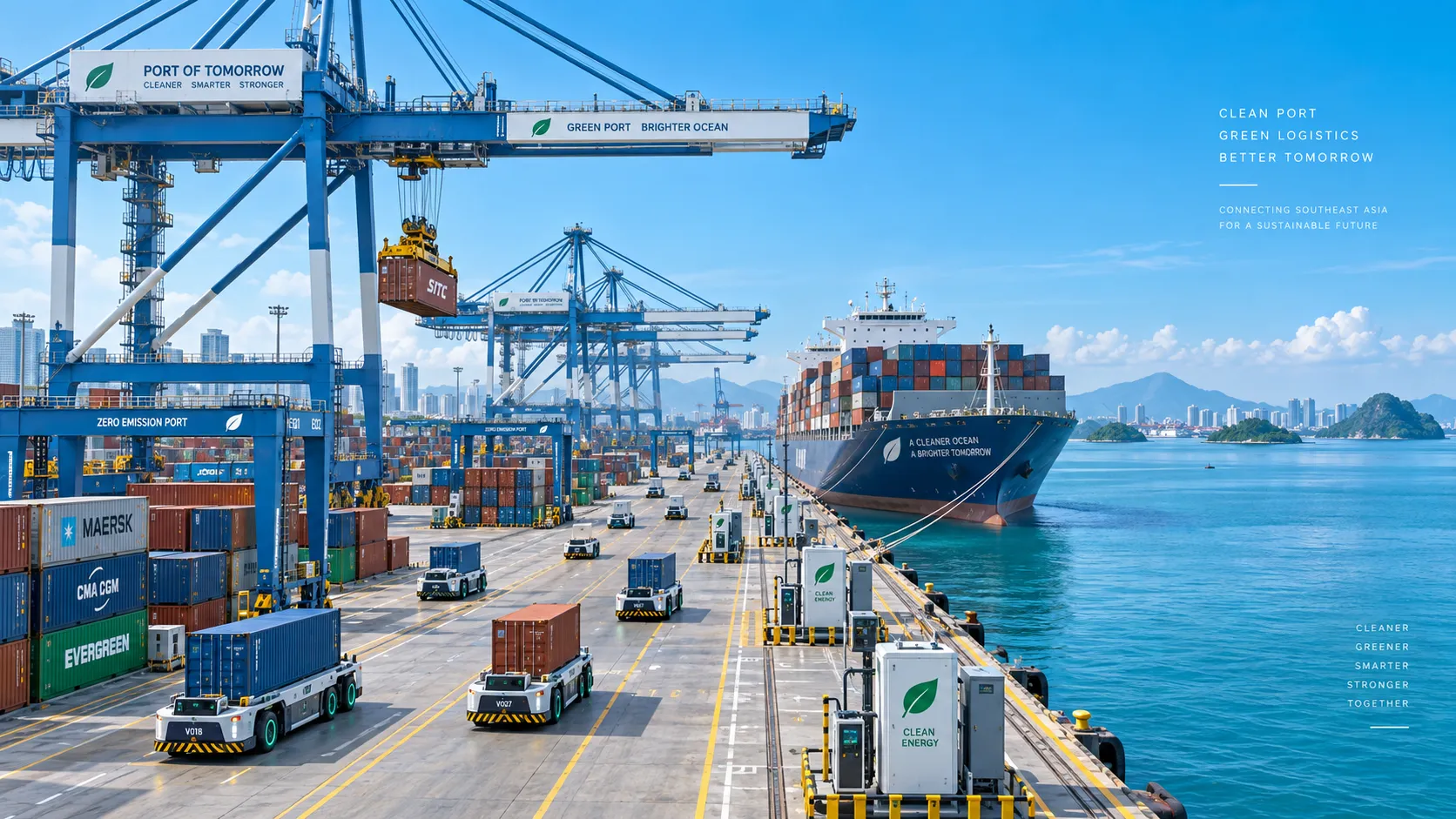
Smart Port Systems in Southeast Asia: Investment Priorities and Adoption Barriers
Smart port systems Southeast Asia: discover investment priorities, adoption barriers, and practical steps to build resilient, connected, high-performing terminals.
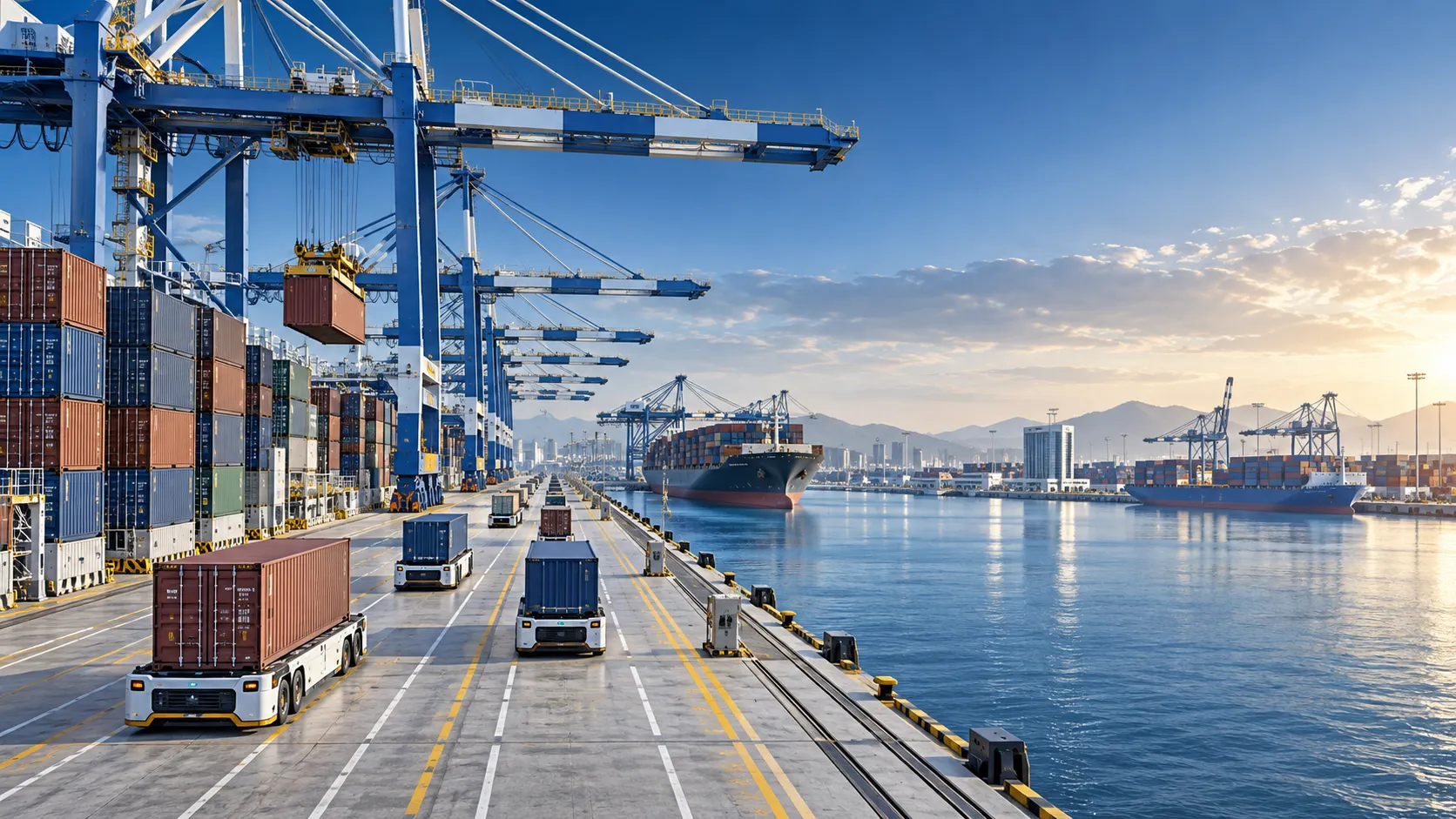
How to Evaluate Terminal Efficiency Solution Suppliers for High-Throughput Operations
Choose a terminal efficiency solutions supplier with confidence. Explore proven criteria for throughput, integration, lifecycle cost, safety, and reliable delivery.
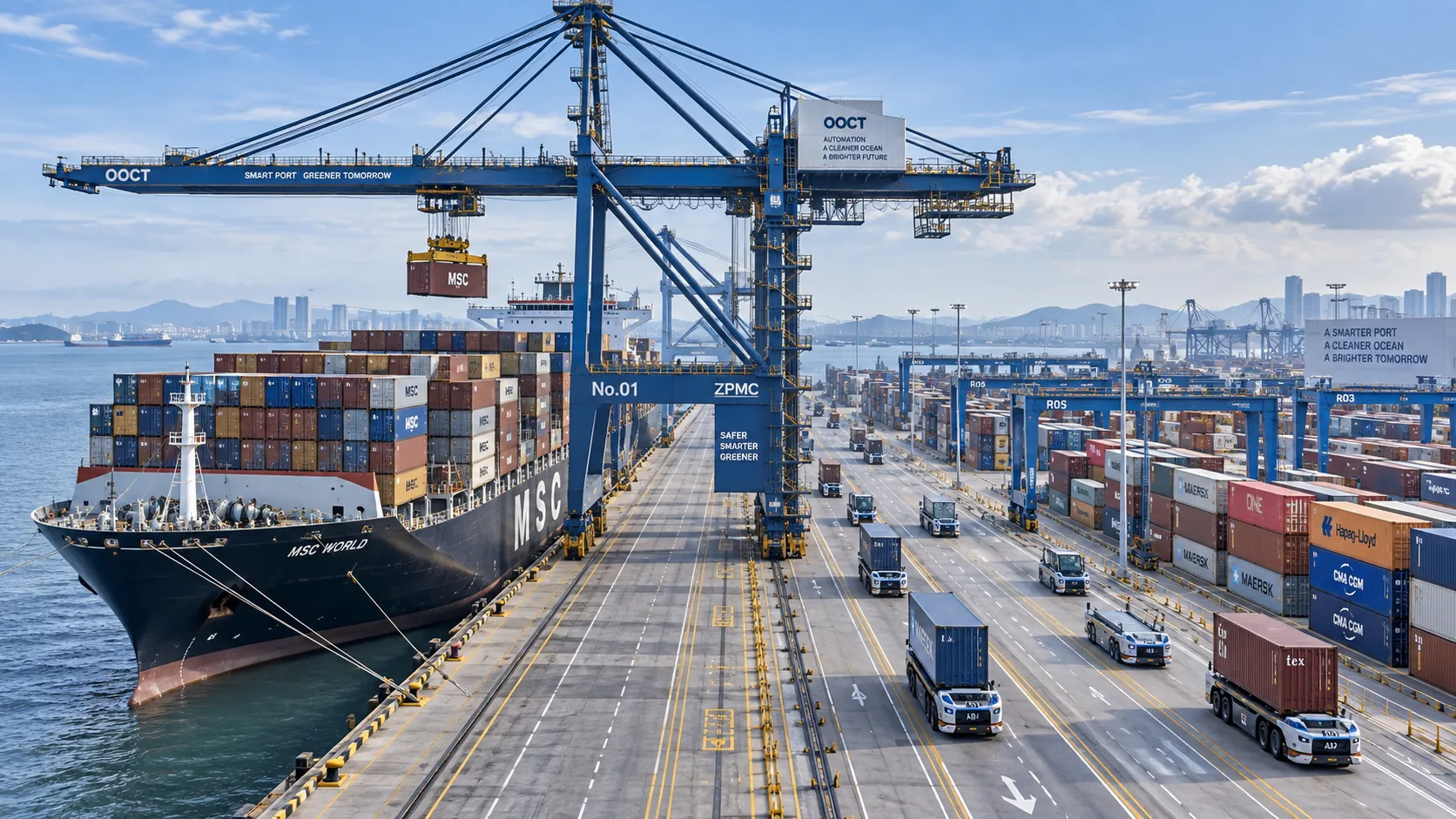
How to Specify a Quay Crane for Container Terminals by Vessel Size and Throughput?
Quay crane for container terminals: learn how to match outreach, lift height, capacity, automation, and cycle performance to vessel size and throughput goals.
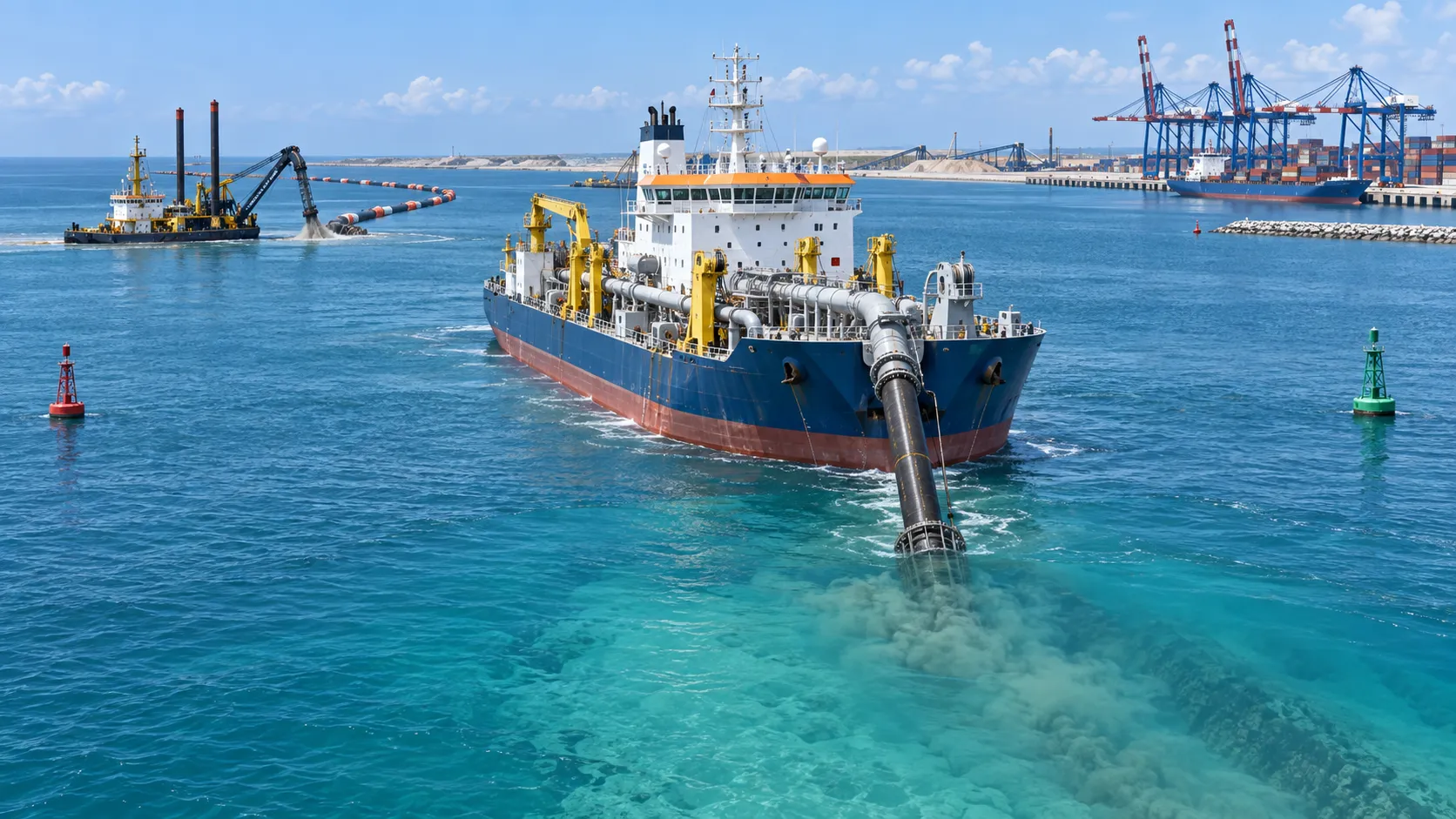
What Dredging Equipment Is Needed for Channel Deepening?
What dredging equipment is needed for channel deepening? Explore dredgers, pipelines, survey tools, and planning strategies for safer, more efficient port access.
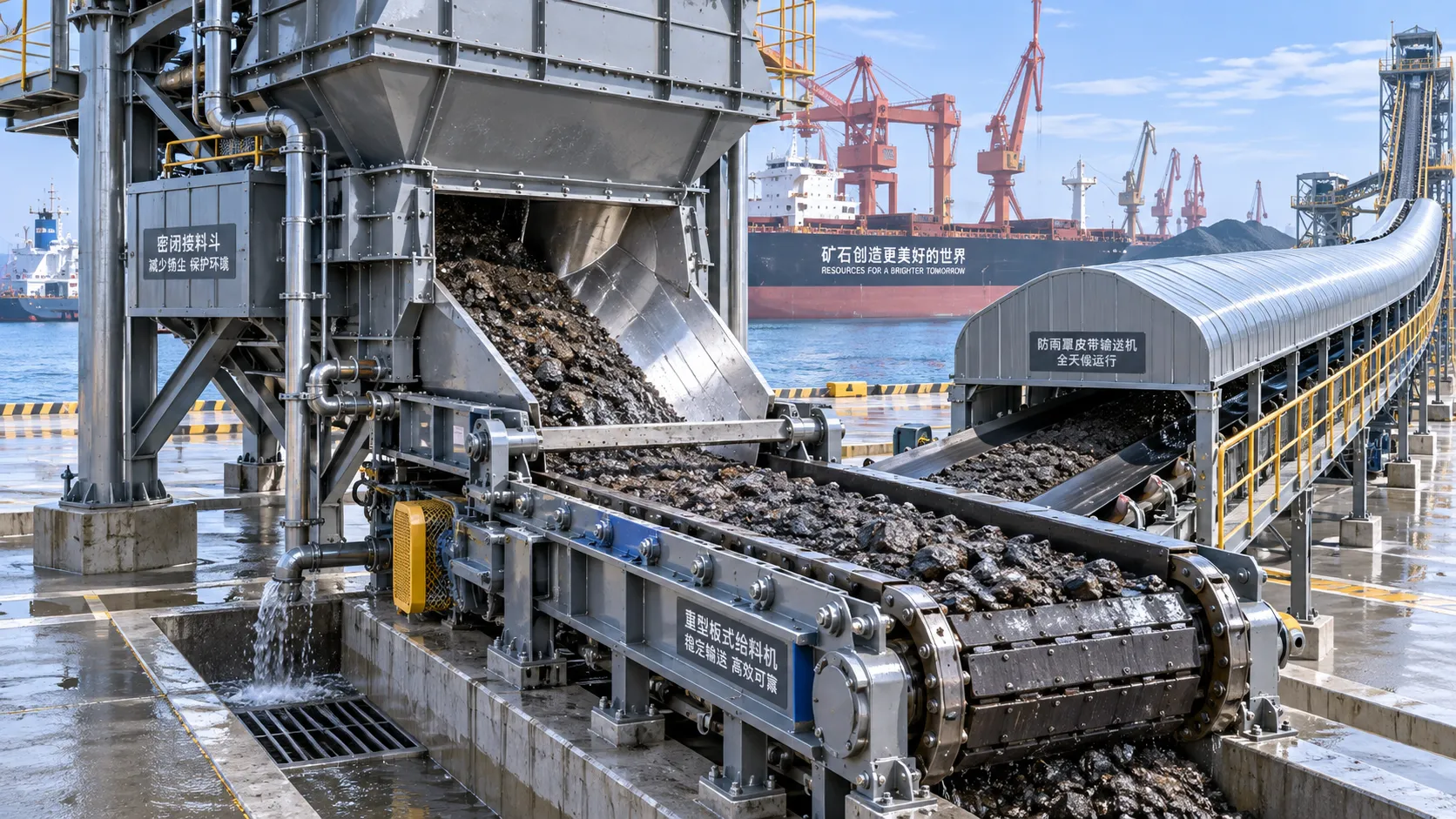
Which Bulk Handling Equipment Suits High-Moisture Cargo?
Which bulk handling equipment suits high-moisture cargo? Compare belt, apron, screw, drag, and slurry systems for reliable flow, less carryback, and higher terminal uptime.
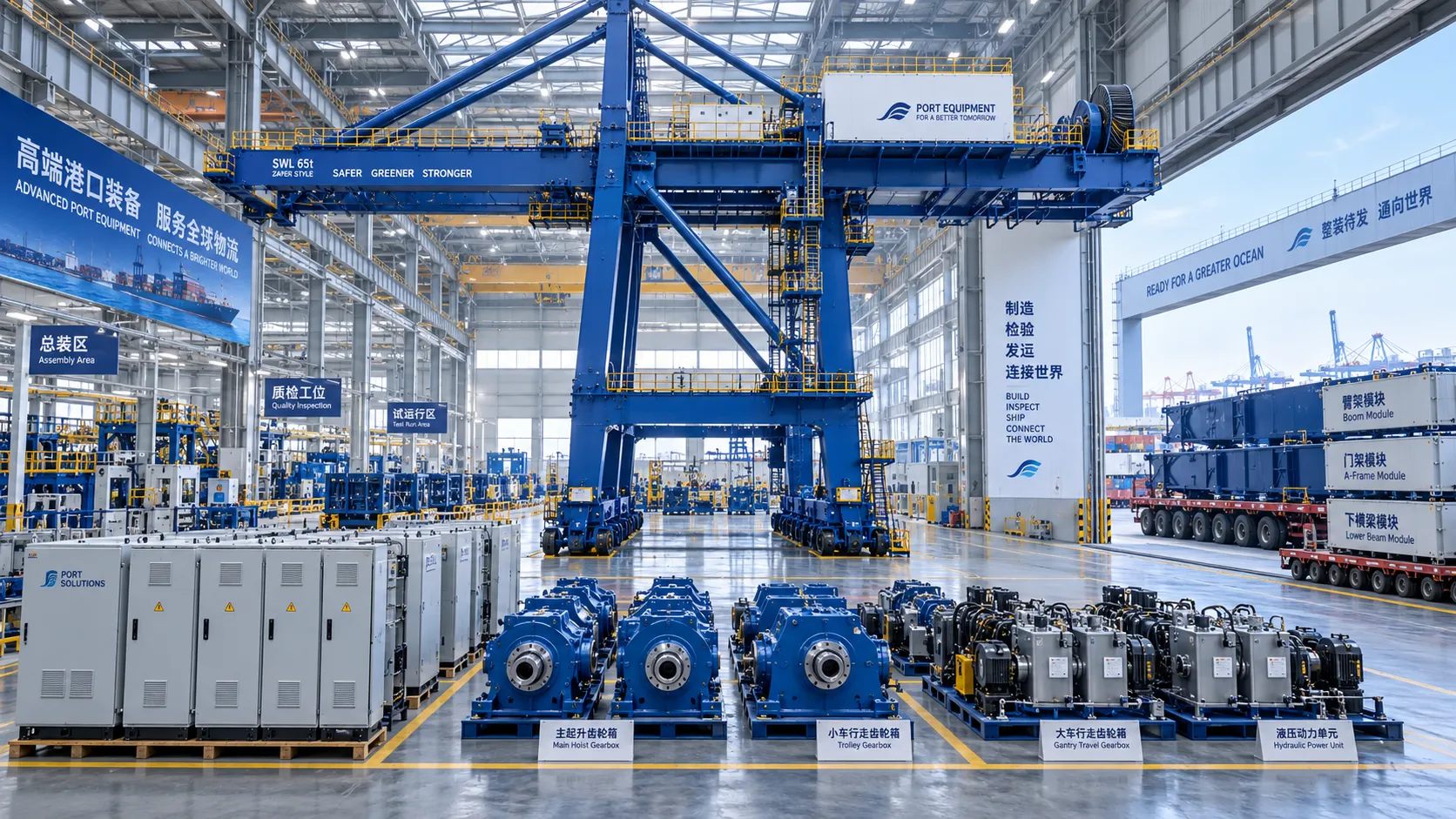
How Can Port Equipment Lead-Time Risk Be Managed?
How can port equipment lead-time risk be managed? Explore practical strategies to control critical paths, suppliers, transport, site readiness, and commissioning delays.
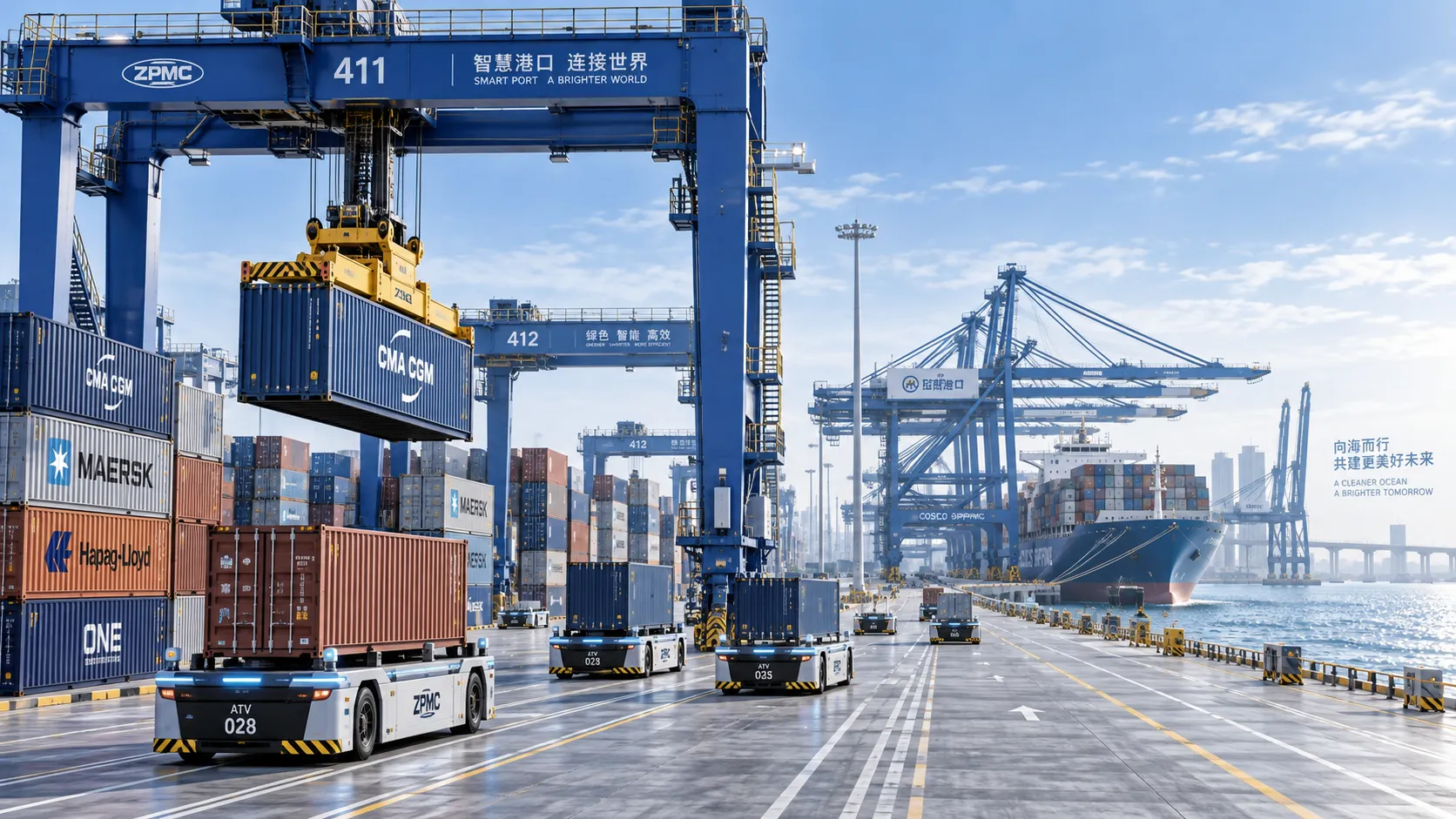
Terminal Automation Technologies That Raise Container Throughput Without Yard Disruption
Terminal automation technology that increases container throughput without disrupting yard flow. Explore smarter integration, resilient workflows, and phased deployment strategies.
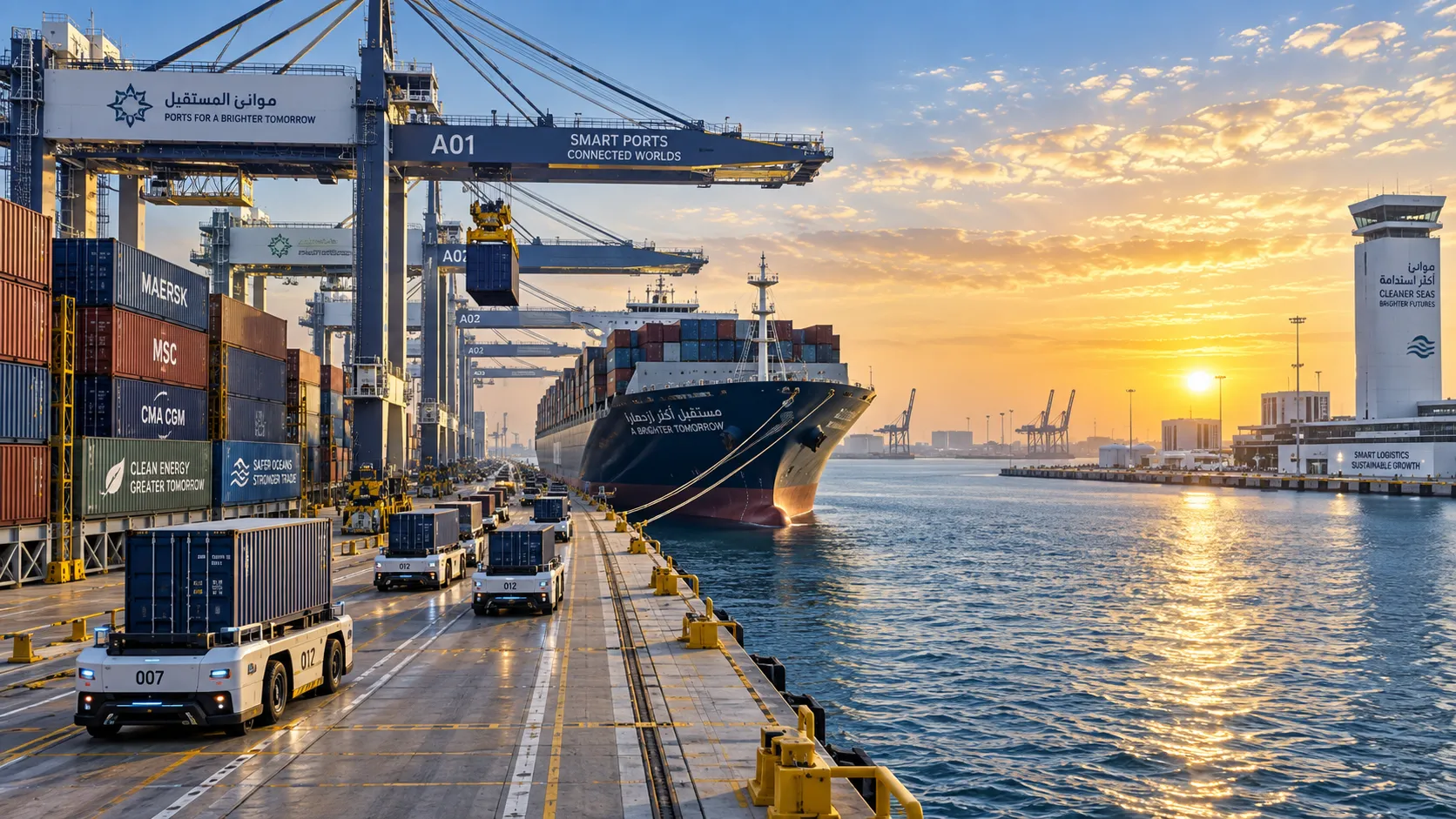
Middle East Port Automation: Key Market Drivers, Projects, and Investment Risks
Port automation systems Middle East: explore market drivers, flagship projects, integration challenges, and investment risks shaping smarter, resilient terminals.
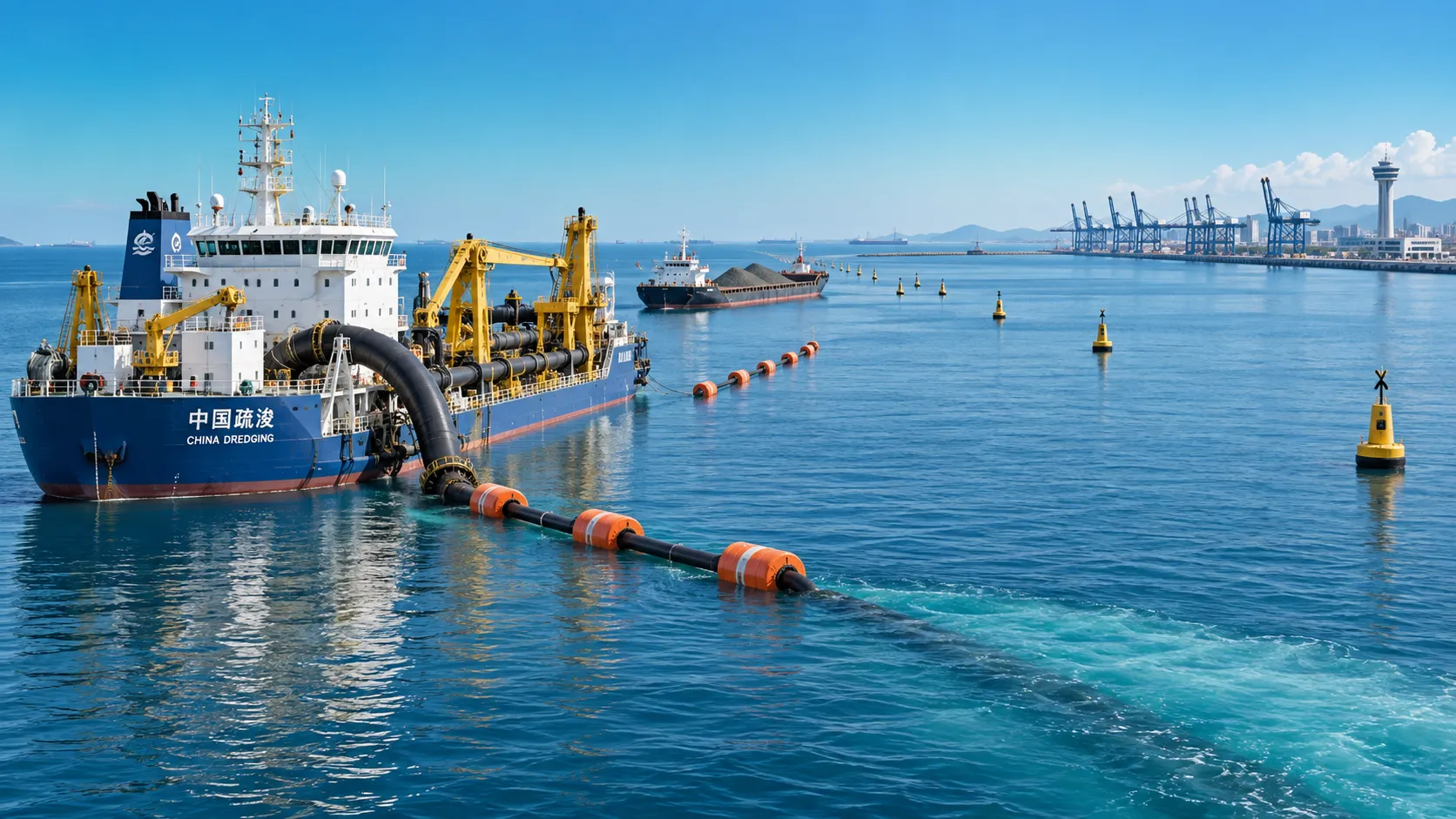
Planning Offshore Dredging Operations: Key Risks, Methods, and Project Controls
Offshore dredging operations demand smart planning. Explore key risks, proven methods, environmental controls, and project strategies for reliable delivery.