Related News
- 00
0000-00
How to Specify a Quay Crane for Container Terminals by Vessel Size and Throughput? - 00
0000-00
Which Bulk Handling Equipment Suits High-Moisture Cargo? - 00
0000-00
Terminal Automation Technologies That Raise Container Throughput Without Yard Disruption - 00
0000-00
Planning Offshore Dredging Operations: Key Risks, Methods, and Project Controls - 00
0000-00
Where Do Automated Guided Vehicles Deliver the Fastest Warehouse Gains in the Middle East?
How to Evaluate Automated Guided Vehicles for Terminals by Load, Route, and Traffic Density
How to Evaluate Automated Guided Vehicles for Terminals by Load, Route, and Traffic Density
Selecting automated guided vehicles for terminals requires more than comparing speed or battery range.
A sound decision starts with operational fit, not brochure data.
For most projects, the key variables are load, route, and traffic density.
These three factors shape throughput, safety margins, charging logic, and fleet sizing.
They also determine whether automated guided vehicles for terminals will scale cleanly after commissioning.
In real terminal operations, small mismatches become expensive bottlenecks very quickly.
A vehicle that looks efficient in isolation may underperform inside a dense, mixed-traffic yard.
That is why a practical evaluation framework matters more than isolated specifications.
Start With Terminal Demand, Not Vehicle Features
Before comparing suppliers, define the work profile with measurable precision.
Map peak moves per hour, vessel call patterns, yard block distances, and handoff timing.
This baseline shows what automated guided vehicles for terminals must actually deliver.
It also prevents overbuying capacity that remains idle outside peak windows.
A useful starting checklist includes:
- Average and peak container flow by shift
- Import, export, and transshipment mix
- Required travel distance per completed move
- Expected future expansion of yard blocks or quay positions
- Integration points with cranes, TOS, and charging systems
Once these values are stable, model choices become much easier to defend.
Evaluate Load Capacity in Operational Context
Load rating is usually the first comparison point, but it should not stand alone.
The right capacity depends on container mix, lift interface, and acceleration under real duty cycles.
When evaluating automated guided vehicles for terminals, ask how load affects speed consistency and energy use.
A higher nominal payload may reduce fleet count, yet increase pavement stress and turning constraints.
More importantly, load performance should be tested with realistic weight distribution.
Heavy boxes do not only affect carrying ability.
They influence braking distance, tire wear, battery draw, and lane recovery after stops.
Questions That Matter More Than Payload Labels
- How does cycle time change between empty, nominal, and maximum load?
- Is performance stable on wet pavement or slight gradients?
- Does the vehicle maintain safe stopping distance at full payload?
- How much battery capacity is consumed per loaded move?
- Can the chassis tolerate frequent heavy-duty operations without early fatigue?
In short, evaluate usable load performance, not just rated capacity on paper.
Assess Route Complexity Before Fleet Sizing
Route design has a larger impact on throughput than many procurement teams expect.
Straight corridors are easy.
The real challenge comes from merges, crossings, buffer zones, and crane handoff windows.
Automated guided vehicles for terminals must navigate these points without creating hidden delays.
This is where route logic and control software become central.
A terminal may have enough vehicles, yet still miss throughput because the path network is poorly designed.
Key Route Factors to Review
- One-way versus two-way traffic logic
- Turning radius at transfer points
- Crossing frequency with manned equipment
- Buffer capacity near quay cranes and yard cranes
- Fallback routes during lane closure or maintenance
Route evaluation should always include simulation under disrupted conditions.
Normal flow rarely reveals the true limit of automated guided vehicles for terminals.
A single blocked lane can expose weak dispatch logic within minutes.
Measure Traffic Density as a System Constraint
Traffic density changes everything, from dispatch timing to charging behavior.
This is especially true in terminals with overlapping yard, quay, and service movements.
At low density, automated guided vehicles for terminals may appear highly efficient.
At higher density, idle time often shifts from equipment waiting to network waiting.
That distinction matters because adding more vehicles can worsen congestion instead of solving it.
A mature evaluation therefore tracks saturation points, not just average travel times.
What to Monitor in Dense Traffic
- Queue time at intersections and transfer zones
- Dispatch delay under simultaneous crane demand
- Speed reduction caused by collision-avoidance logic
- Fleet imbalance between long routes and short routes
- Recovery time after one vehicle stops unexpectedly
This systems view gives a far better basis for AGV selection and terminal automation planning.
Check Control Logic, Safety, and Integration
Vehicle hardware alone does not determine success.
The surrounding control stack often decides whether performance holds under pressure.
When assessing automated guided vehicles for terminals, inspect dispatch rules, traffic priorities, and exception handling.
Look closely at how the AGV fleet connects with the terminal operating system.
The same applies to crane interfaces, battery management, and maintenance diagnostics.
From recent project experience across automated ports, the stronger signal is integration quality.
A capable vehicle can still fail operationally if system messages arrive late or conflict.
- Validate interface stability during peak move bursts
- Review emergency stop and recovery procedures
- Confirm safe behavior during sensor degradation
- Test charging decisions against live traffic demand
- Assess cybersecurity controls for fleet communication
These checks reduce the risk of buying a technically impressive but operationally brittle solution.
Use Scenario Testing to Compare Suppliers Fairly
A fair comparison needs identical operating scenarios across all shortlisted vendors.
Otherwise, performance claims cannot be meaningfully compared.
Create test cases around your terminal, not generic industry assumptions.
For automated guided vehicles for terminals, the most revealing tests are usually dynamic.
Include simultaneous crane calls, route closure, delayed handoff, and battery charge interruption.
Then score vendors against a weighted matrix.
Suggested Decision Criteria
- Throughput under peak density
- Cycle stability under mixed load
- Recovery speed after disruption
- Integration effort with existing systems
- Maintenance support and spare strategy
- Expandability for future terminal phases
This process turns AGV selection from a feature debate into an operational decision.
A Practical Decision Framework
A strong evaluation of automated guided vehicles for terminals links equipment capability to terminal reality.
Load tells you how the vehicle carries work.
Route tells you how the network shapes performance.
Traffic density tells you when the whole system begins to strain.
Taken together, these factors reveal whether a proposed fleet can support present demand and future expansion.
For decision-making, the most reliable path is clear.
Define operational targets, test realistic scenarios, measure system bottlenecks, and compare suppliers on evidence.
That approach leads to better throughput, lower congestion risk, and stronger long-term port automation value.
For terminals planning the next automation step, that is the standard worth applying from the start.
Related News
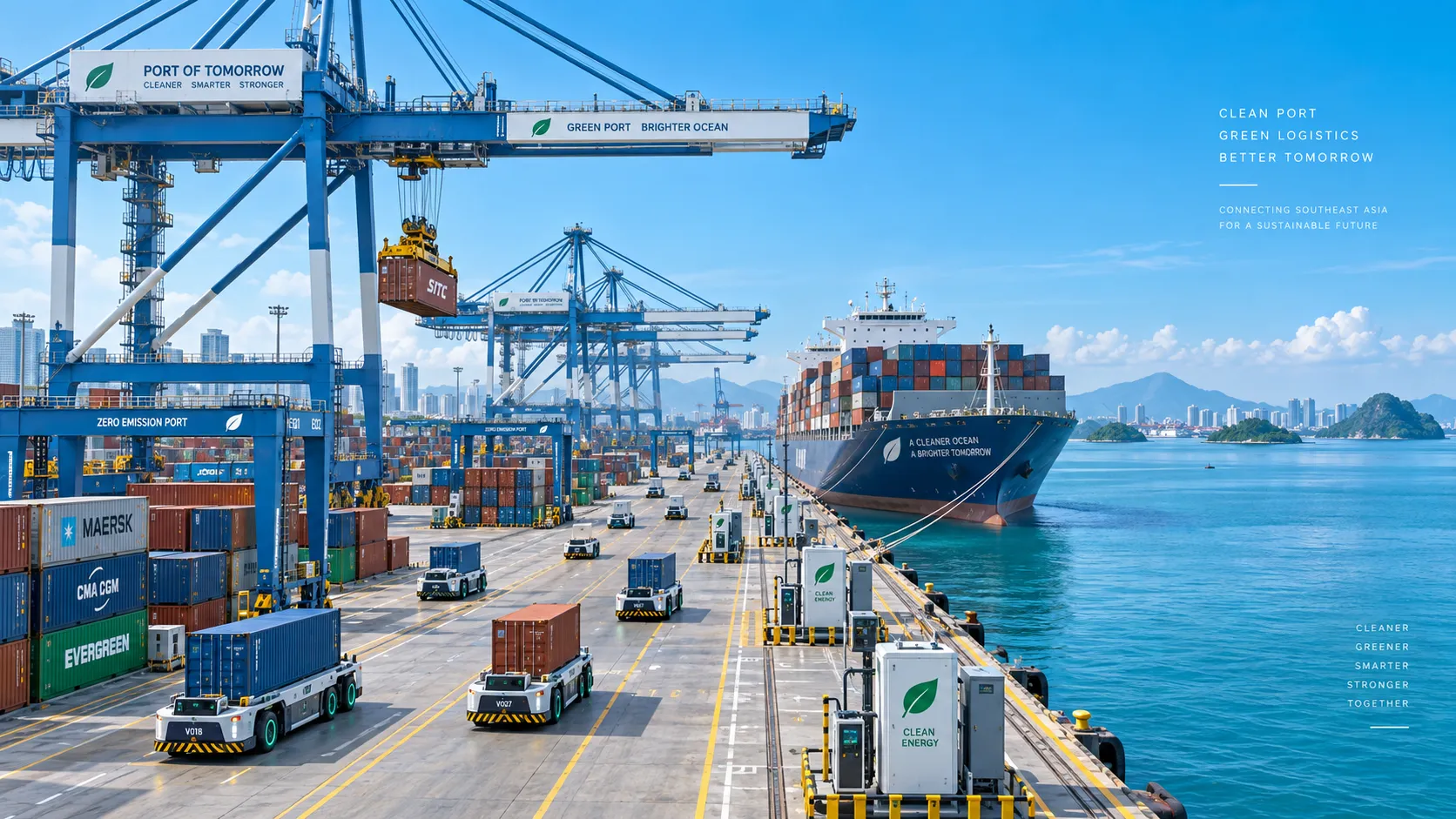
Smart Port Systems in Southeast Asia: Investment Priorities and Adoption Barriers
Smart port systems Southeast Asia: discover investment priorities, adoption barriers, and practical steps to build resilient, connected, high-performing terminals.

How to Evaluate Terminal Efficiency Solution Suppliers for High-Throughput Operations
Choose a terminal efficiency solutions supplier with confidence. Explore proven criteria for throughput, integration, lifecycle cost, safety, and reliable delivery.
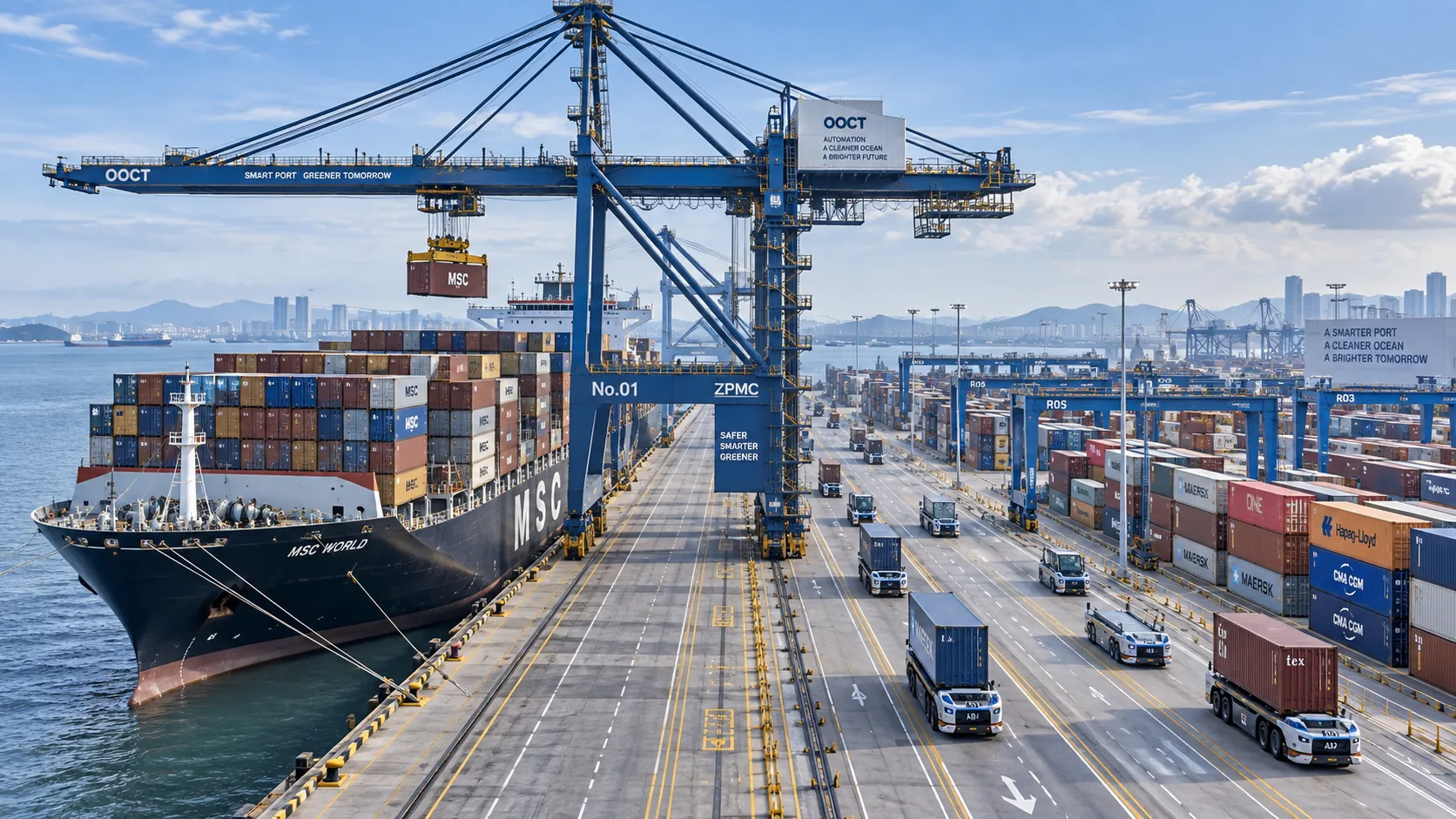
How to Specify a Quay Crane for Container Terminals by Vessel Size and Throughput?
Quay crane for container terminals: learn how to match outreach, lift height, capacity, automation, and cycle performance to vessel size and throughput goals.
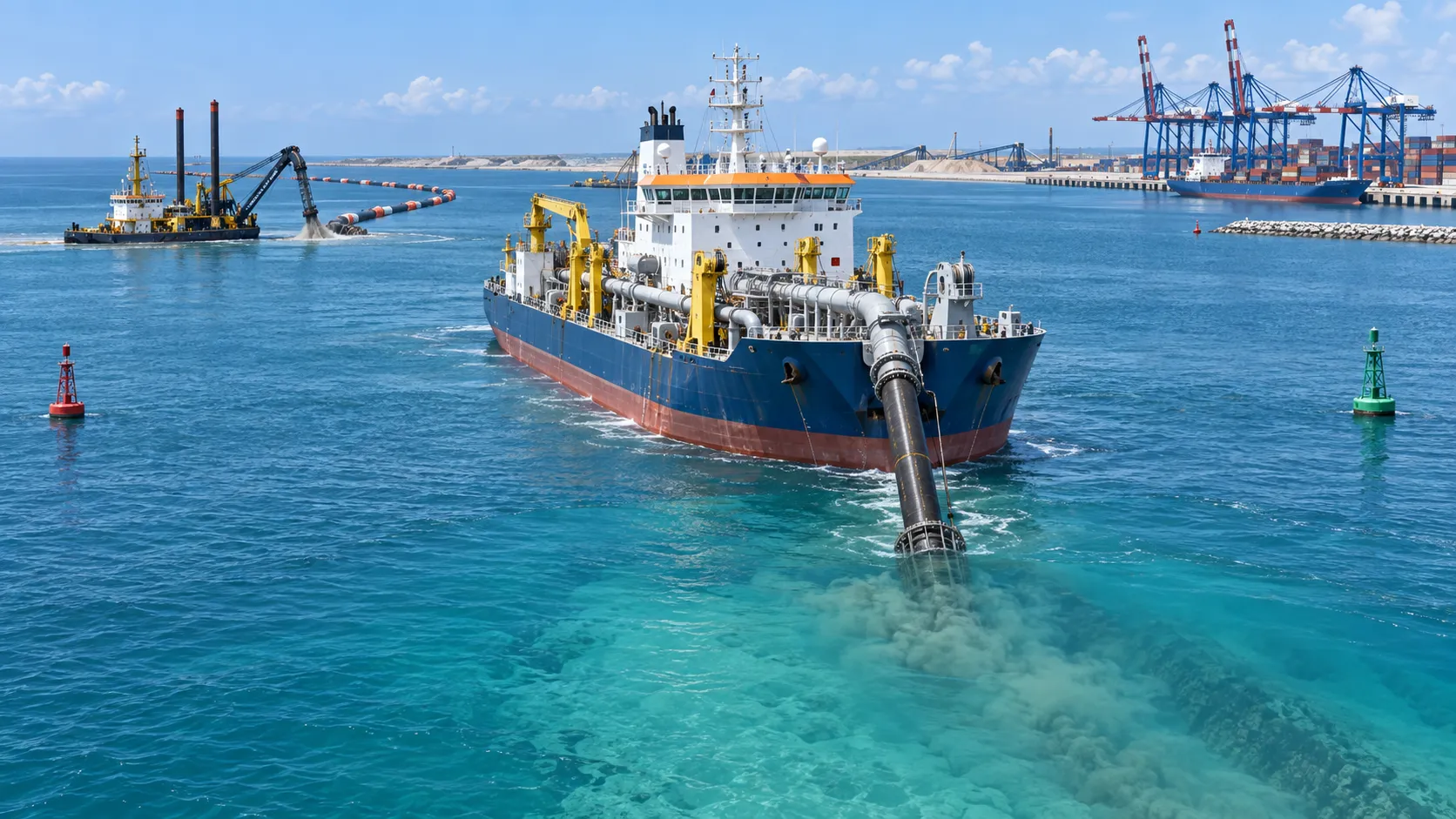
What Dredging Equipment Is Needed for Channel Deepening?
What dredging equipment is needed for channel deepening? Explore dredgers, pipelines, survey tools, and planning strategies for safer, more efficient port access.

Which Bulk Handling Equipment Suits High-Moisture Cargo?
Which bulk handling equipment suits high-moisture cargo? Compare belt, apron, screw, drag, and slurry systems for reliable flow, less carryback, and higher terminal uptime.
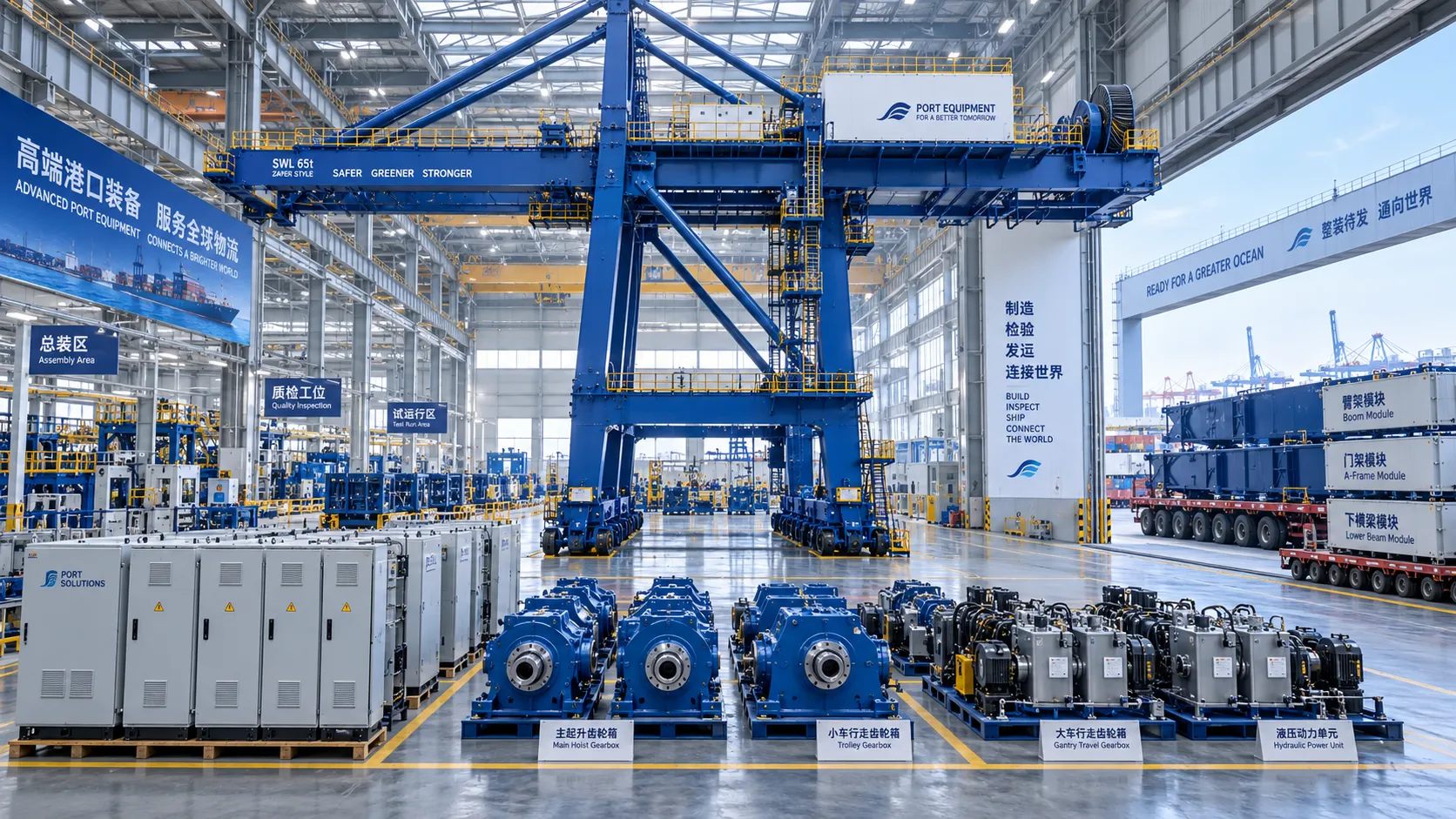
How Can Port Equipment Lead-Time Risk Be Managed?
How can port equipment lead-time risk be managed? Explore practical strategies to control critical paths, suppliers, transport, site readiness, and commissioning delays.
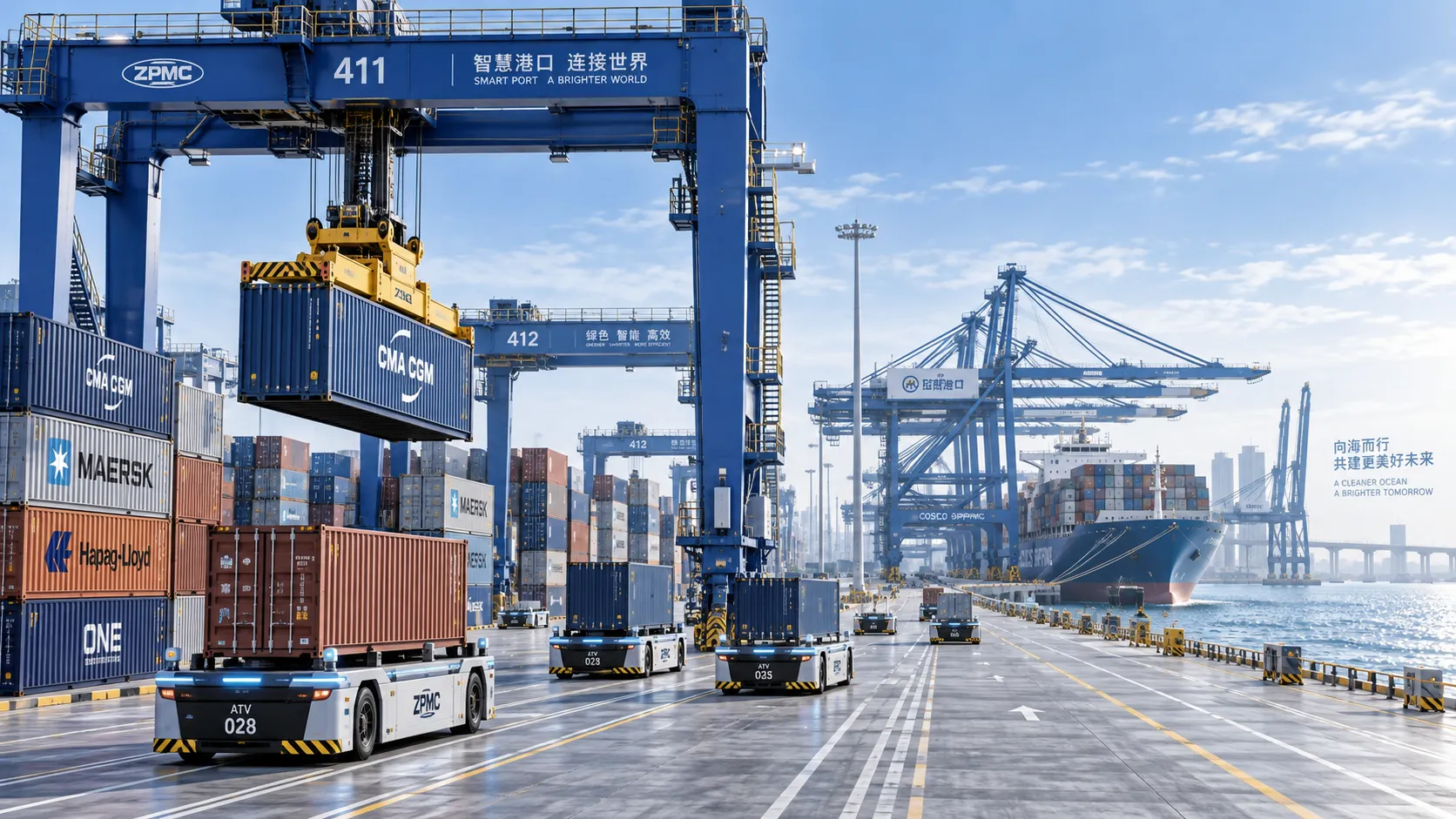
Terminal Automation Technologies That Raise Container Throughput Without Yard Disruption
Terminal automation technology that increases container throughput without disrupting yard flow. Explore smarter integration, resilient workflows, and phased deployment strategies.
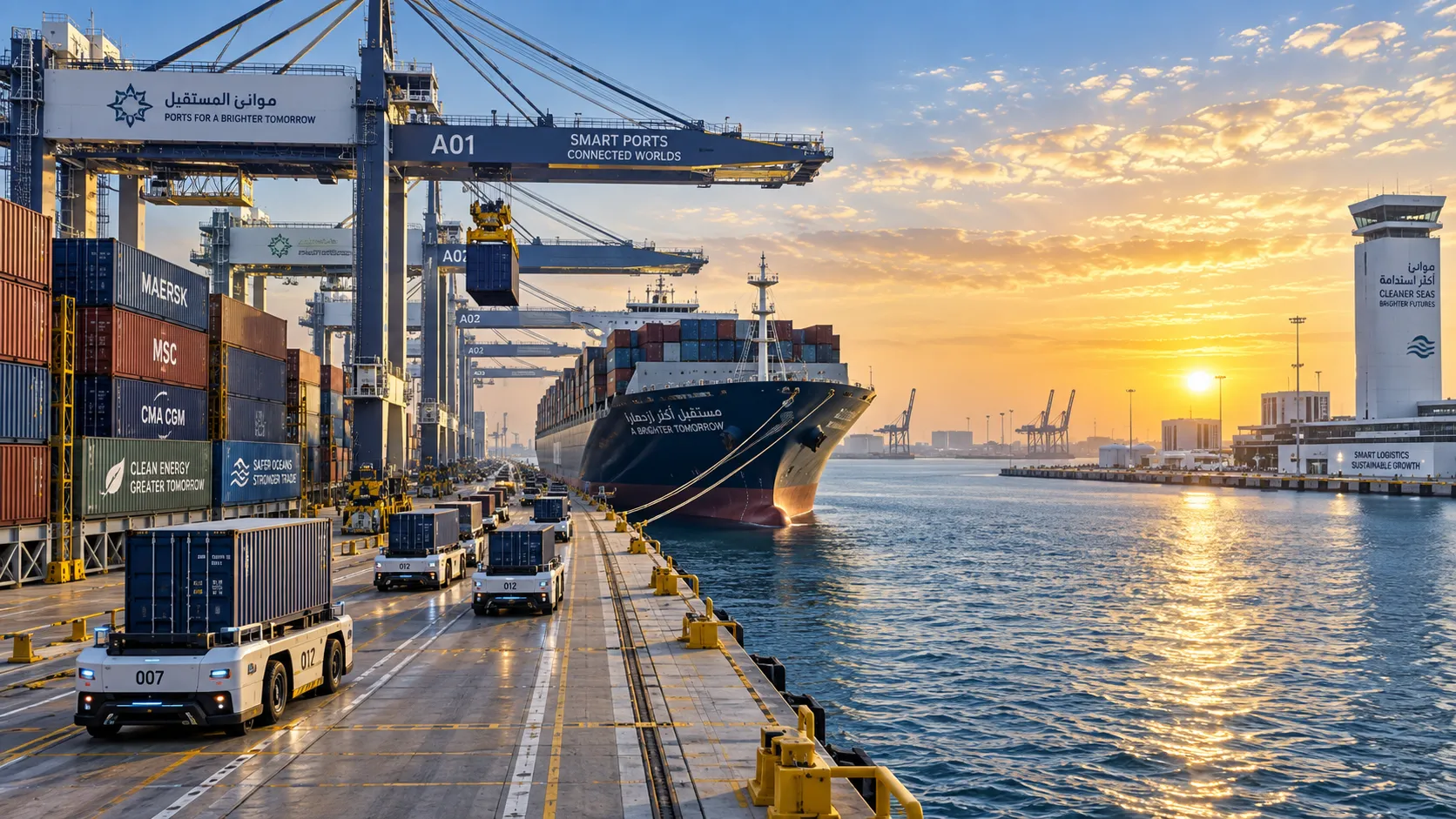
Middle East Port Automation: Key Market Drivers, Projects, and Investment Risks
Port automation systems Middle East: explore market drivers, flagship projects, integration challenges, and investment risks shaping smarter, resilient terminals.
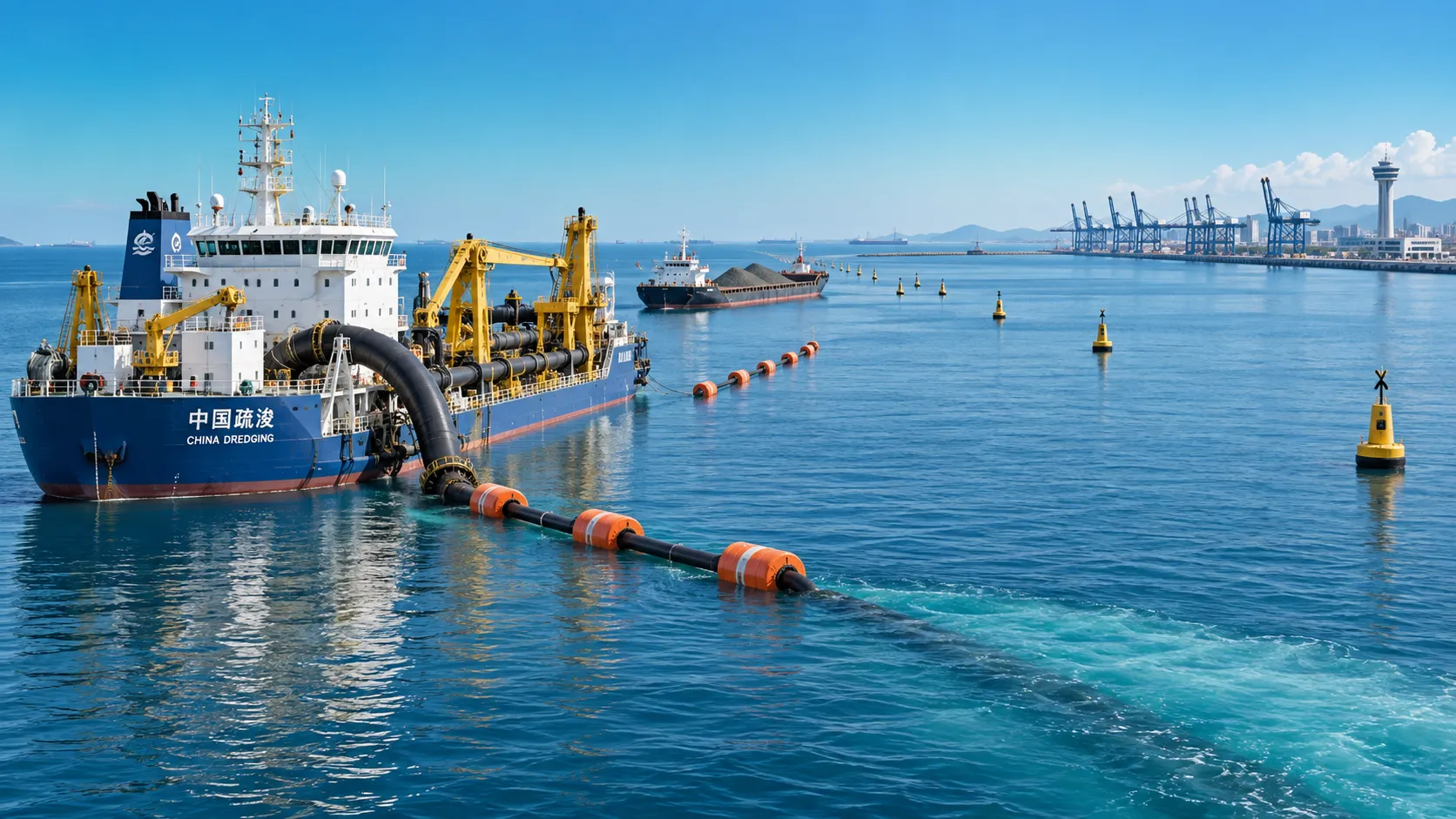
Planning Offshore Dredging Operations: Key Risks, Methods, and Project Controls
Offshore dredging operations demand smart planning. Explore key risks, proven methods, environmental controls, and project strategies for reliable delivery.