Related News
- 00
0000-00
How to Specify a Quay Crane for Container Terminals by Vessel Size and Throughput? - 00
0000-00
Which Bulk Handling Equipment Suits High-Moisture Cargo? - 00
0000-00
Terminal Automation Technologies That Raise Container Throughput Without Yard Disruption - 00
0000-00
Planning Offshore Dredging Operations: Key Risks, Methods, and Project Controls - 00
0000-00
Where Do Automated Guided Vehicles Deliver the Fastest Warehouse Gains in the Middle East?
What CE Certification Means for Automated Guided Vehicles
Why does CE certification matter so much for automated guided vehicles?
In port automation, compliance is rarely a paperwork issue alone. It affects uptime, safety boundaries, procurement decisions, and how quickly an AGV fleet can enter service.
That is why the phrase automated guided vehicles CE certified gets so much attention across terminals, yards, and logistics projects.
Simply put, CE marking shows that a product placed on the EU market meets applicable European legislation. For an AGV, that usually means safety, electrical, electromagnetic, and machinery-related obligations have been assessed.
The important point is this: CE certification is not a general quality badge. It is a conformity framework tied to legal requirements, technical documentation, and risk control.
In heavy terminal gear and automated container handling, this distinction matters. AGVs operate near cranes, stackers, pedestrian routes, charging systems, and software-driven dispatch layers.
A weak conformity process can create hidden exposure. The machine may still move well, but the compliance basis behind the machine may be incomplete.
PS-Nexus follows this issue closely because AGV deployment sits at the intersection of mechanical design, control logic, and real port operating pressure. That combination makes CE decisions more practical than theoretical.
When people say an AGV is CE certified, what should that really include?
A useful first check is to separate the label from the evidence. An AGV described as automated guided vehicles CE certified should have more than a mark on the nameplate.
In most cases, the package should include a Declaration of Conformity, a technical file, risk assessment records, operating instructions, and traceable design information.
Depending on the AGV architecture, several directives or regulations may be relevant:
- Machinery requirements for moving equipment, safeguards, emergency stops, and functional safety.
- EMC requirements for immunity and emissions in electrically noisy industrial environments.
- Low Voltage obligations for electrical safety in cabinets, charging units, and onboard systems.
- Radio Equipment rules when wireless communication modules are built into the AGV.
- Battery and charging related obligations where applicable.
For automated terminals, the harder part is often not the directive list. It is proving that the AGV was assessed as a real machine within a real operating concept.
That includes route logic, obstacle response, speed limitation, traffic zones, fail-safe braking, and interaction with terminal control systems.
So, if the conformity story focuses only on hardware, more questions are usually needed.
Which standards are usually involved, and why do they matter in practice?
Many searches start with the CE mark, but the technical backbone usually comes from harmonized or recognized standards.
For AGVs, common references may include EN ISO 12100 for risk assessment, EN 1175 for industrial truck electrical requirements, and ISO 3691-4 for driverless industrial trucks and their systems.
Functional safety standards can also become central, especially when the AGV relies on sensors, programmable controllers, and protective logic to prevent collisions.
In terminal projects, standards are not just a design checklist. They help define what evidence is credible during acceptance and incident review.
A path-planning algorithm may look efficient in simulation. That does not automatically prove safe behavior during degraded communication, lidar contamination, or mixed-traffic interference.
This is where disciplined engineering intelligence becomes valuable. PS-Nexus often frames AGV compliance as part of a larger port automation chain, not an isolated vehicle topic.
That wider view helps because an AGV in a marine logistics environment is shaped by crane interfaces, yard density, radio reliability, and operational latency.
This table is useful because it moves the discussion away from a label-only check and toward evidence that can survive technical scrutiny.
Does CE certification change when AGVs are used in ports rather than ordinary warehouses?
The legal logic does not completely change, but the risk profile often does. Port environments are harsher, larger, and more interconnected than standard indoor logistics sites.
Automated guided vehicles CE certified for a narrow indoor task may still need a different conformity analysis before deployment in container yards or marine transfer corridors.
More common site-specific complications include:
- Salt, moisture, heat, dust, and vibration affecting sensors and enclosures.
- Long wireless coverage zones with latency-sensitive control decisions.
- Interaction with quay cranes, stacking cranes, and remote dispatch systems.
- Mixed flows involving maintenance vehicles and restricted pedestrian access.
- Emergency recovery requirements when a unit stops in a critical transfer lane.
In real projects, conformity assessment should reflect these conditions. A sound CE basis for AGVs in ports usually includes site assumptions, use limitations, and interface definitions.
That is especially relevant in the PS-Nexus coverage areas, where heavy terminal gear and automated handling systems are linked through one operating ecosystem.
How can you tell whether “automated guided vehicles CE certified” is a solid claim or a weak one?
The strongest claims are specific, documented, and technically consistent. Weak claims usually stay at marketing level and become vague when the operating scenario gets detailed.
A practical review often starts with a few direct questions.
What machine configuration was assessed?
Options, sensor packages, battery systems, and software revisions can change compliance boundaries. The certified configuration should match the delivered one.
Were the standards chosen for this AGV type and use case?
A list of standards has limited value unless it fits the machine, the route environment, and the control concept.
Do the documents address software-dependent safety functions?
For modern AGVs, safe motion is inseparable from sensors, firmware, logic, and communication behavior. Documentation should reflect that reality.
Has the supplier defined residual risks clearly?
Residual risk is normal. The problem is when it is hidden, poorly explained, or shifted to site teams without usable controls.
More common warning signs include inconsistent serial references, outdated declarations, missing EMC evidence, and manuals copied from forklift templates.
What mistakes tend to create compliance risk after purchase?
One frequent mistake is treating CE as complete before the AGV is integrated into the operational system. In practice, integration can introduce new hazards.
Another issue appears when software updates are handled as routine IT events. For AGVs, some updates affect validated behavior and should trigger controlled review.
There is also a timing problem. Teams sometimes ask for compliance documents late, after commercial terms are fixed and fleet deployment deadlines are close.
That makes it harder to resolve gaps without cost or schedule pressure.
A tighter approach is to build a short pre-acceptance checklist around the conformity file, site risks, and interface responsibilities.
- Confirm the exact legal entity issuing the Declaration of Conformity.
- Verify the AGV model, options, and software version.
- Review hazard scenarios linked to terminal traffic and recovery operations.
- Check EMC and communication assumptions for the actual site.
- Define how future modifications will be assessed and approved.
These steps are usually more valuable than broad promises about compliance readiness.
What is the sensible next step before approving an AGV project?
Start by treating automated guided vehicles CE certified as a verification task, not a slogan. The question is whether the evidence fits the actual machine and the actual site.
For port and logistics environments, that means reviewing the conformity package together with route design, control interfaces, charging strategy, and recovery procedures.
It also helps to compare documentation quality across suppliers. Differences in traceability, safety logic description, and residual risk treatment often reveal future implementation risk early.
From the PS-Nexus perspective, the most reliable AGV programs are the ones that align compliance evidence with operating intelligence. Mechanical capability, software behavior, and terminal conditions need to tell the same story.
If that story is clear, CE certification becomes more than a mark. It becomes a working basis for safer deployment, smoother acceptance, and fewer surprises after the fleet goes live.
The practical next move is straightforward: map the intended use, request the full conformity set early, and test every claim against the real terminal scenario before final approval.
Related News
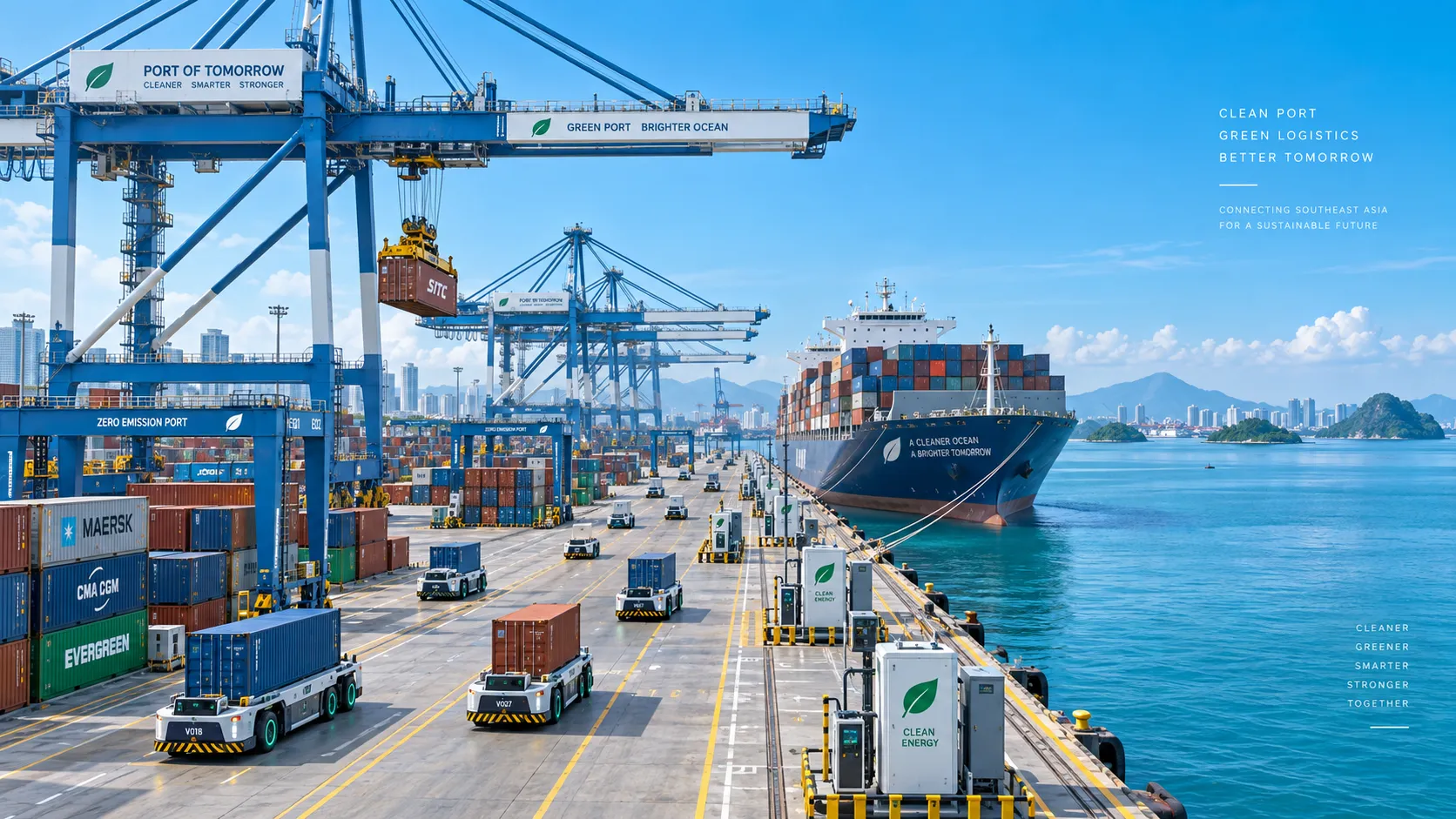
Smart Port Systems in Southeast Asia: Investment Priorities and Adoption Barriers
Smart port systems Southeast Asia: discover investment priorities, adoption barriers, and practical steps to build resilient, connected, high-performing terminals.

How to Evaluate Terminal Efficiency Solution Suppliers for High-Throughput Operations
Choose a terminal efficiency solutions supplier with confidence. Explore proven criteria for throughput, integration, lifecycle cost, safety, and reliable delivery.
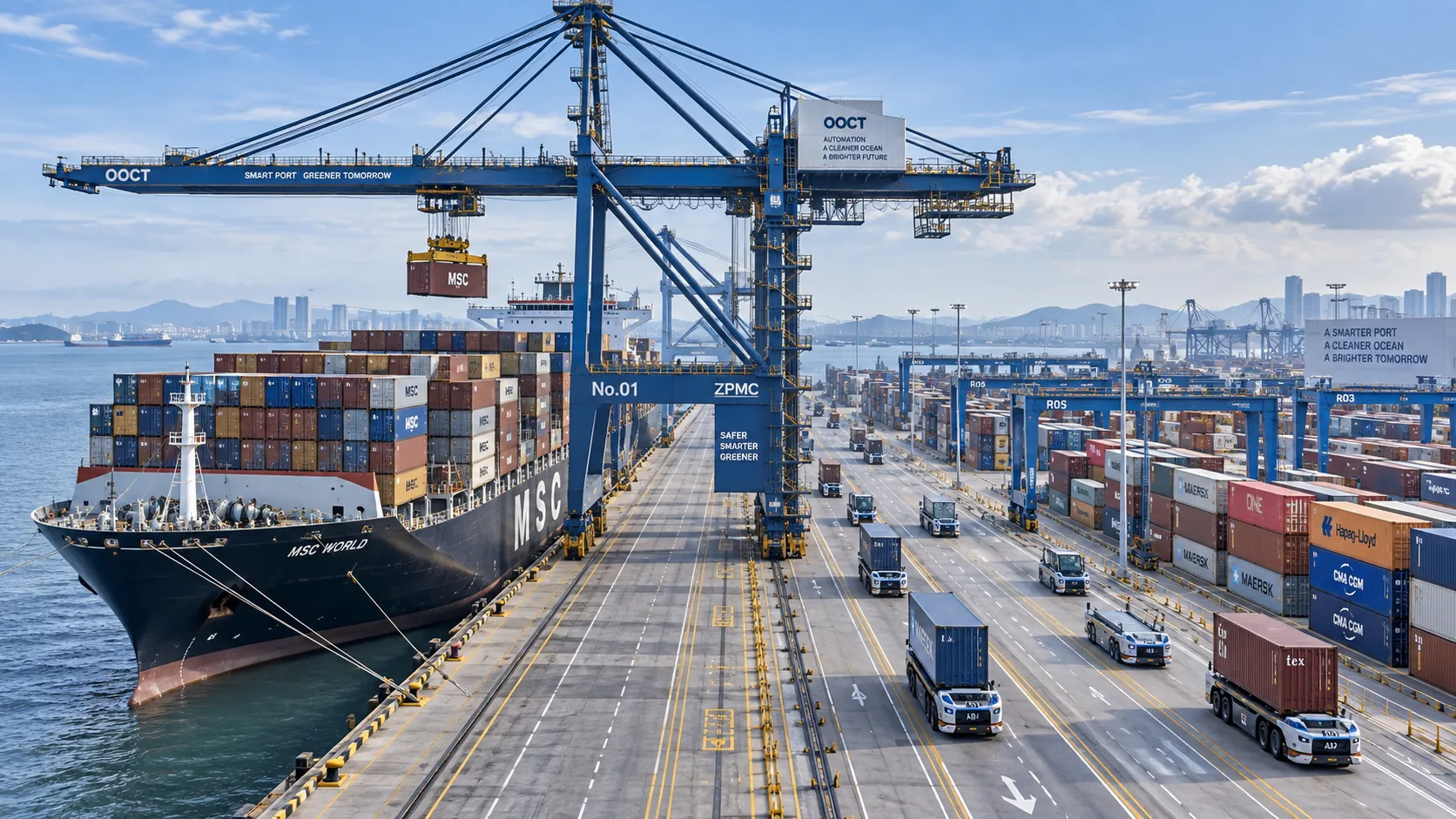
How to Specify a Quay Crane for Container Terminals by Vessel Size and Throughput?
Quay crane for container terminals: learn how to match outreach, lift height, capacity, automation, and cycle performance to vessel size and throughput goals.

What Dredging Equipment Is Needed for Channel Deepening?
What dredging equipment is needed for channel deepening? Explore dredgers, pipelines, survey tools, and planning strategies for safer, more efficient port access.

Which Bulk Handling Equipment Suits High-Moisture Cargo?
Which bulk handling equipment suits high-moisture cargo? Compare belt, apron, screw, drag, and slurry systems for reliable flow, less carryback, and higher terminal uptime.
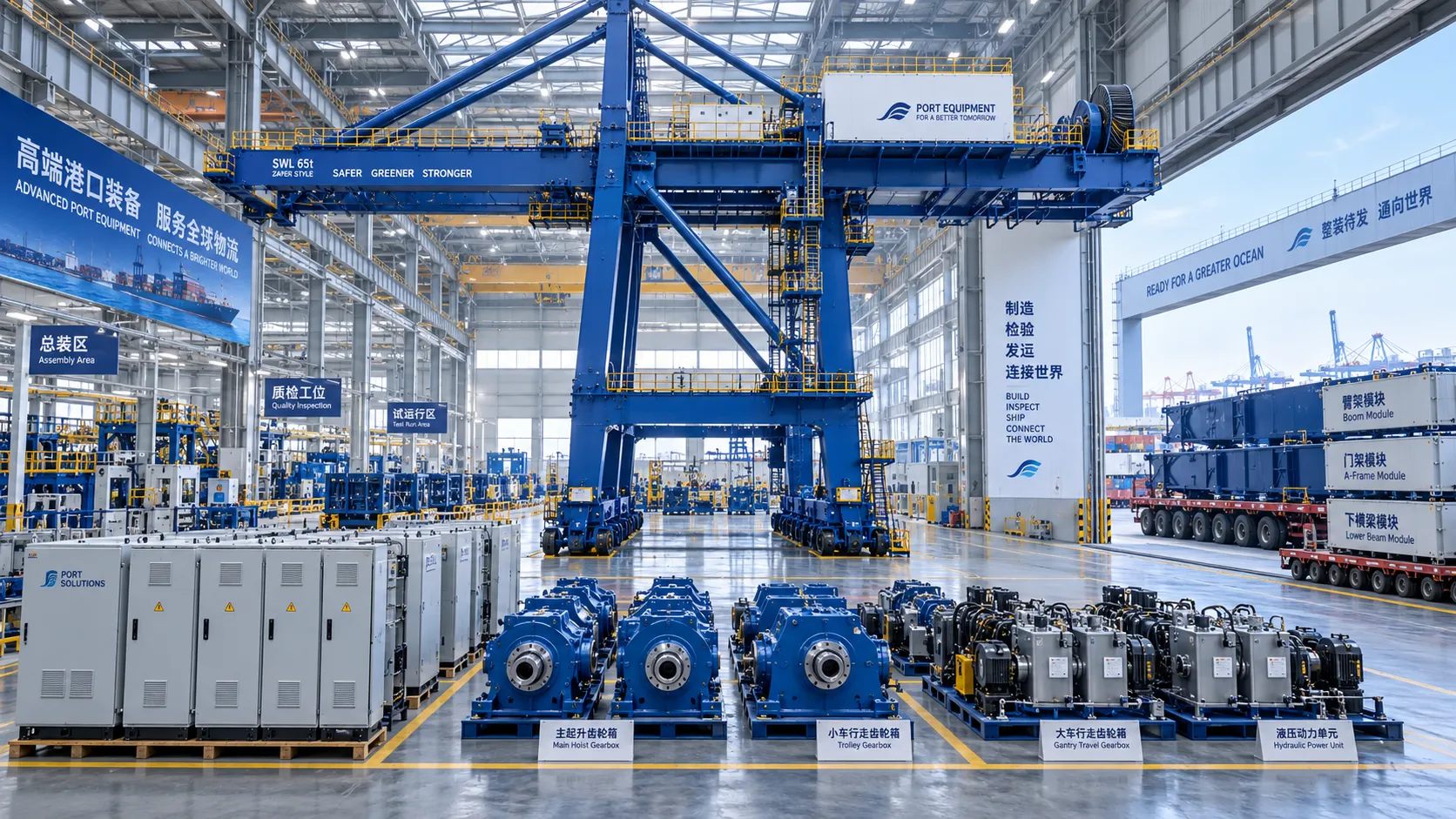
How Can Port Equipment Lead-Time Risk Be Managed?
How can port equipment lead-time risk be managed? Explore practical strategies to control critical paths, suppliers, transport, site readiness, and commissioning delays.
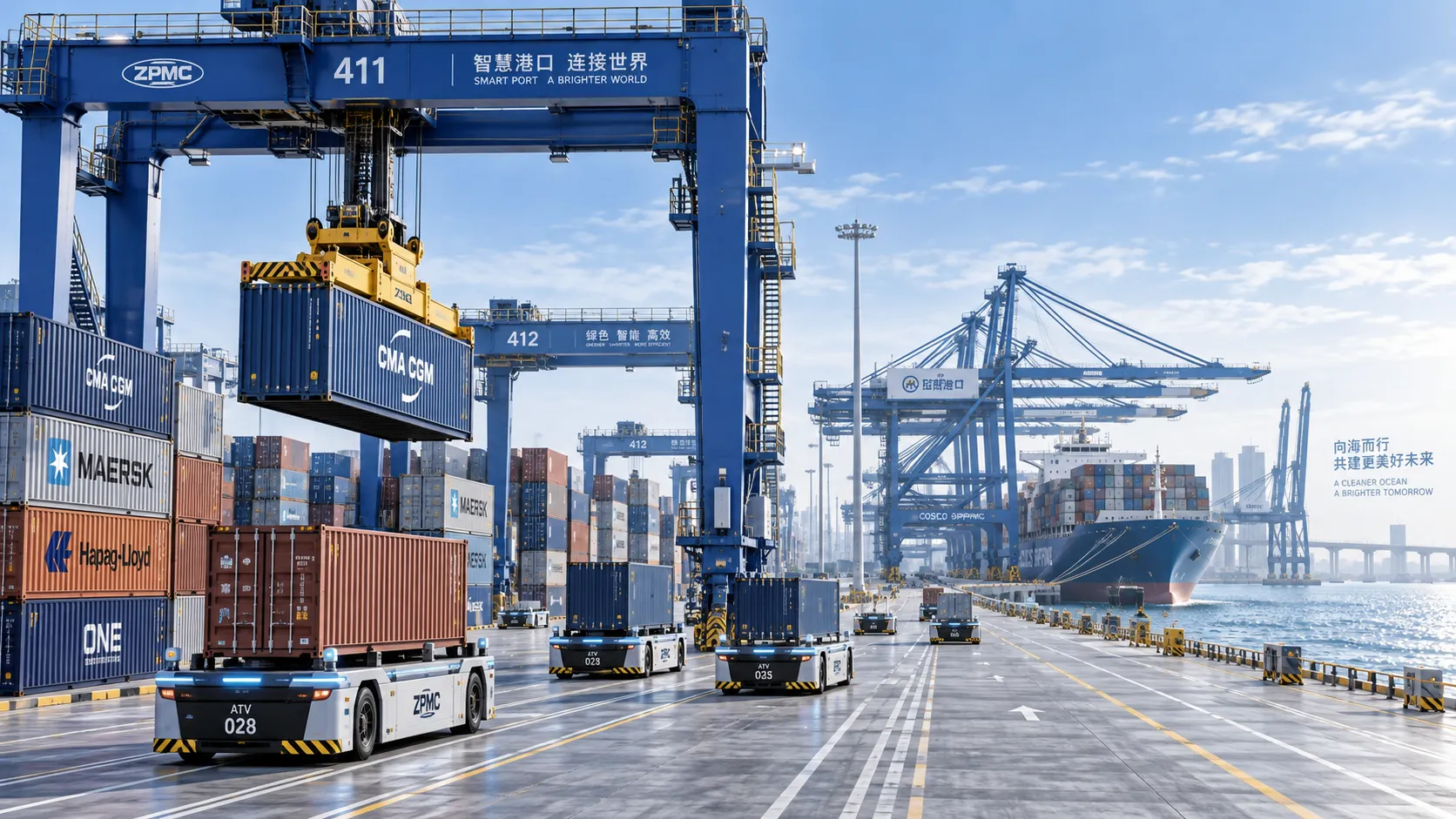
Terminal Automation Technologies That Raise Container Throughput Without Yard Disruption
Terminal automation technology that increases container throughput without disrupting yard flow. Explore smarter integration, resilient workflows, and phased deployment strategies.

Middle East Port Automation: Key Market Drivers, Projects, and Investment Risks
Port automation systems Middle East: explore market drivers, flagship projects, integration challenges, and investment risks shaping smarter, resilient terminals.
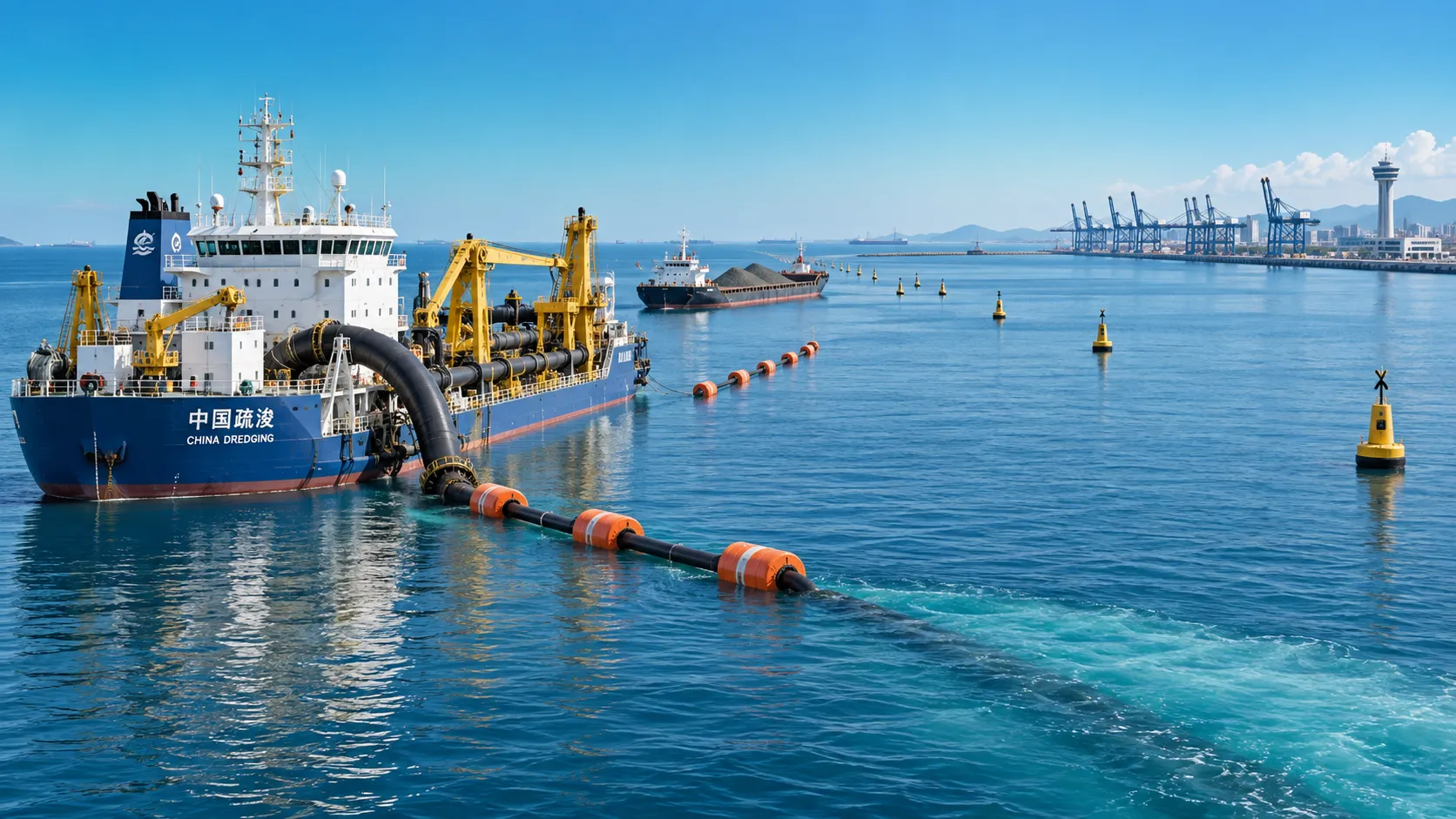
Planning Offshore Dredging Operations: Key Risks, Methods, and Project Controls
Offshore dredging operations demand smart planning. Explore key risks, proven methods, environmental controls, and project strategies for reliable delivery.