Related News
- 00
0000-00
How Can Port Equipment Lead-Time Risk Be Managed? - 00
0000-00
Maritime Logistics Operations: How Ports Can Reduce Container Dwell Time - 00
0000-00
What Does Logistics Node Monitoring Cost Across Warehouses and Transport Hubs? - 00
0000-00
How Can IoT Smart Port Solutions Improve Container Tracking and Yard Efficiency? - 00
0000-00
How Real-Time Port Logistics Intelligence Improves Container Yard Efficiency
How to Evaluate Smart Operations Cost in Port Automation Projects
Why does smart operations cost matter so much in port automation?
Port automation is rarely judged by equipment price alone.
The real question is how smart operations cost affects uptime, throughput, labor structure, energy use, and future expansion.
In practical terms, smart operations cost includes software, controls, communications, integration, optimization, maintenance, and the people needed to run them well.
That is why two automation projects with similar crane counts can produce very different financial outcomes.
For ports handling containers, bulk cargo, or mixed terminal flows, the cost discussion must connect physical machinery with digital decision layers.
This is especially true where AGVs, remote cranes, yard systems, and terminal operating platforms must work as one operating environment.
A useful way to think about smart operations cost is simple.
You are not only buying automation.
You are buying predictable decisions at scale.
That is also why market observers such as PS-Nexus focus on both heavy terminal gear and the scheduling logic behind it.
The economic value appears when mechanical power and algorithmic coordination support each other, not when they are evaluated separately.
What should be included when evaluating smart operations cost?
A narrow budget view usually misses the biggest cost drivers.
In most projects, smart operations cost should be split into five layers.
- Control systems: TOS links, PLC logic, dispatch systems, safety interlocks, and supervision platforms.
- Connectivity: private wireless networks, low-latency communication, edge devices, and cybersecurity architecture.
- Integration: interfaces across cranes, yard blocks, gate systems, energy systems, and ERP or planning tools.
- Operations support: monitoring, remote diagnostics, spare software capacity, updates, and incident response.
- Capability building: training, process redesign, simulation, and transition support during commissioning.
One common mistake is treating software as a one-time line item.
In reality, the software layer keeps changing as traffic patterns, vessel sizes, regulatory demands, and labor models evolve.
Another missed area is data quality.
Poor sensor calibration, inconsistent asset tags, or unstable telemetry can quietly raise smart operations cost through delays and manual overrides.
A stronger evaluation model compares total lifecycle cost over seven to fifteen years, not only procurement spend in year one.
A quick cost check before vendor comparison
Before comparing proposals, it helps to organize the cost questions in one place.
When does a higher smart operations cost actually make sense?
A higher number is not automatically a bad number.
The better question is whether that added smart operations cost removes a structural bottleneck.
For example, a terminal with volatile vessel arrival patterns may benefit from stronger dispatch logic and predictive yard planning.
A simpler site with stable cargo flows may not need the same optimization depth.
Higher spending is often justified in three situations.
- The terminal operates near capacity and small delays create heavy vessel or truck penalties.
- Labor exposure, safety risk, or remote operation demands require stronger control reliability.
- The project must scale across future berths, yard blocks, or cargo types.
In these cases, a more capable digital layer can lower total operating friction over time.
That reduction may appear in fewer rehandles, faster gate turns, lower idle energy, and better asset utilization.
PS-Nexus regularly highlights this link between equipment demand and operational intelligence.
As trade routes shift and terminal complexity rises, the cheapest automation architecture can become the most expensive to run.
How do you compare vendors without getting trapped by incomplete pricing?
This is where many evaluations lose discipline.
One proposal may look cheaper because key functions are excluded, postponed, or assigned to another contractor.
A more reliable comparison starts with operating scenarios, not brochures.
Ask each bidder to price the same exceptions.
That includes weather disruption, equipment failure, mixed manual and automated operation, and peak truck surges.
Then test how each proposal handles the less visible parts of smart operations cost.
- Who owns interface debugging during commissioning?
- How many software updates are included each year?
- What happens if throughput targets are missed for six months?
- Can local teams adjust rules, or does every change require external support?
- How is cybersecurity patching priced and governed?
A good proposal explains not only performance targets, but also the operational effort required to keep those targets stable.
That distinction matters in heavy terminal gear, specialized container handling, and dredging-linked logistics zones where system downtime is costly.
What risks usually distort smart operations cost after the contract is signed?
The most expensive surprises usually come from assumptions that looked harmless early on.
A frequent example is underestimating change management.
When workflows shift from operator judgment to software-guided decisions, the transition period can be longer than expected.
Another risk is fragmented responsibility.
If crane suppliers, automation vendors, network providers, and civil teams work from different assumptions, hidden integration costs appear late.
The same happens when dredging, berth expansion, and automation upgrades are planned on separate timelines.
That can force redesign of control logic, traffic routes, or power distribution.
Watch for these warning signs during evaluation:
- Savings depend on labor reduction before the system reaches stable productivity.
- Support scope is defined in general language, without response times or named responsibilities.
- Simulation results are shown, but test assumptions are not disclosed.
- Energy savings are promised without real load profiles from comparable sites.
A disciplined review of these points often protects more value than negotiating the headline price down by a few points.
So what is a practical way to judge smart operations cost before committing?
The strongest evaluations combine financial modeling with operational realism.
Start with a base case that reflects current terminal performance, including delays, labor structure, asset utilization, and maintenance interruptions.
Then build a future-state model around a few measurable outcomes.
- Moves per hour by equipment class
- Truck turnaround time
- Rehandle ratio in the yard
- Remote operator productivity
- Energy consumed per container move
- Recovery time after system exceptions
From there, test the smart operations cost under three scenarios: steady demand, peak congestion, and phased expansion.
That approach reveals whether the proposed architecture is robust or only attractive under perfect conditions.
It also helps separate core needs from optional sophistication.
In many cases, the best next step is not a faster purchase decision.
It is a clearer requirement set.
That means defining interface ownership, uptime thresholds, expansion logic, cybersecurity obligations, and the internal capability needed after handover.
For organizations tracking port automation, coastal trade infrastructure, and smart oceans strategy, that level of discipline is now essential.
Smart operations cost should ultimately be judged by how well it supports resilient throughput, scalable control, and long-term competitiveness.
A grounded review of scenarios, vendors, and lifecycle obligations will usually lead to better decisions than focusing on capex alone.
Related News
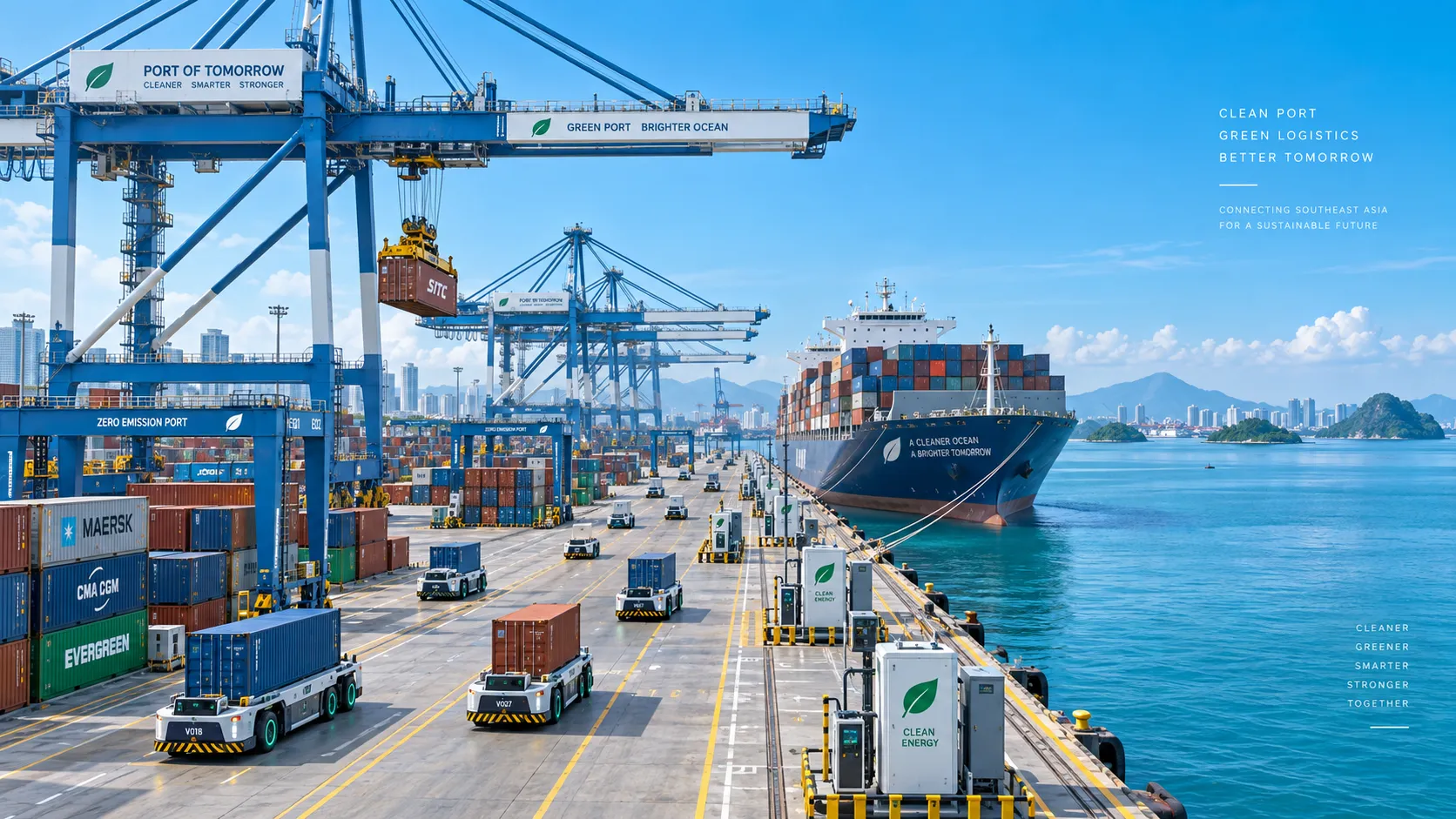
Smart Port Systems in Southeast Asia: Investment Priorities and Adoption Barriers
Smart port systems Southeast Asia: discover investment priorities, adoption barriers, and practical steps to build resilient, connected, high-performing terminals.

How to Evaluate Terminal Efficiency Solution Suppliers for High-Throughput Operations
Choose a terminal efficiency solutions supplier with confidence. Explore proven criteria for throughput, integration, lifecycle cost, safety, and reliable delivery.
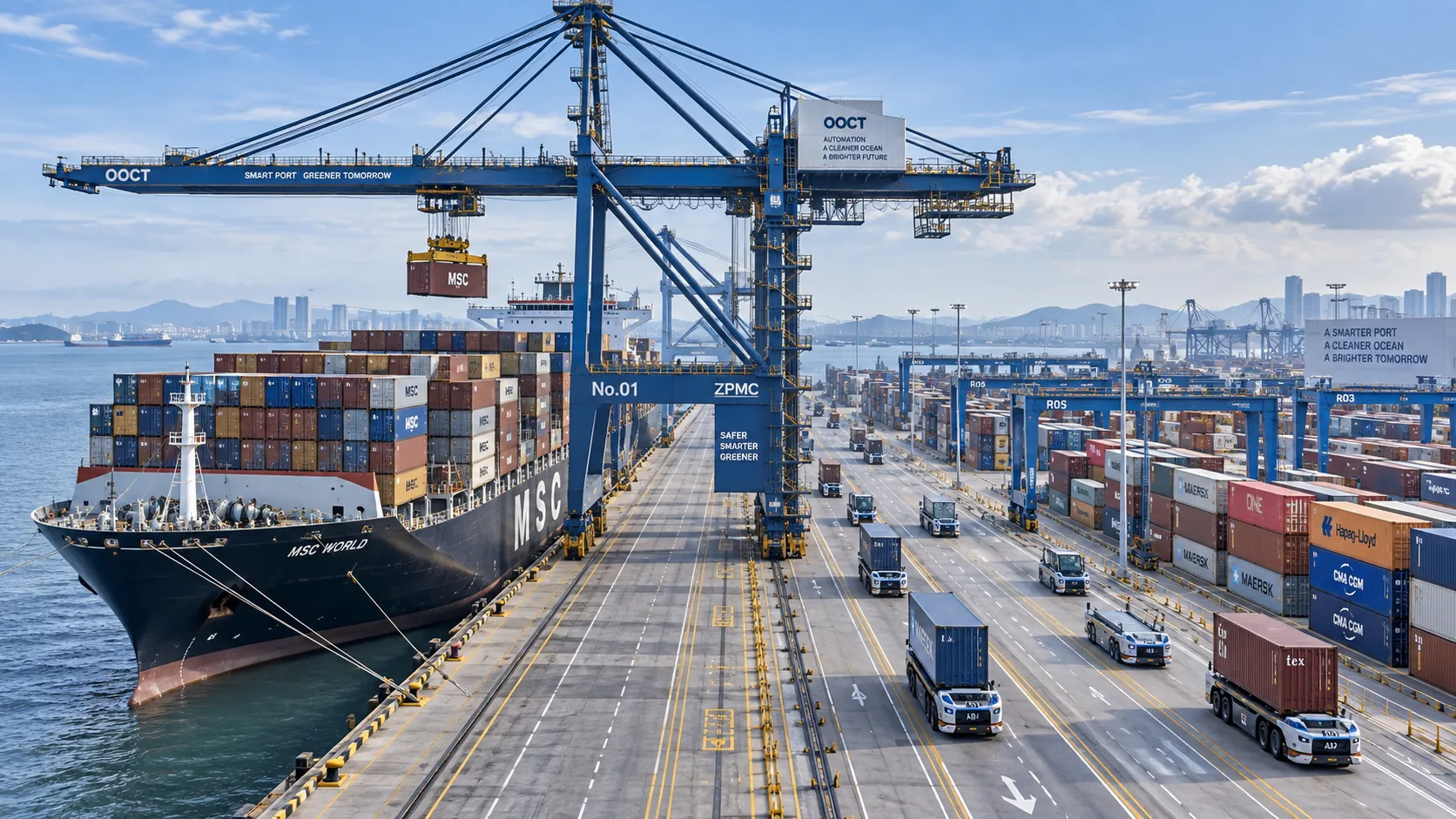
How to Specify a Quay Crane for Container Terminals by Vessel Size and Throughput?
Quay crane for container terminals: learn how to match outreach, lift height, capacity, automation, and cycle performance to vessel size and throughput goals.
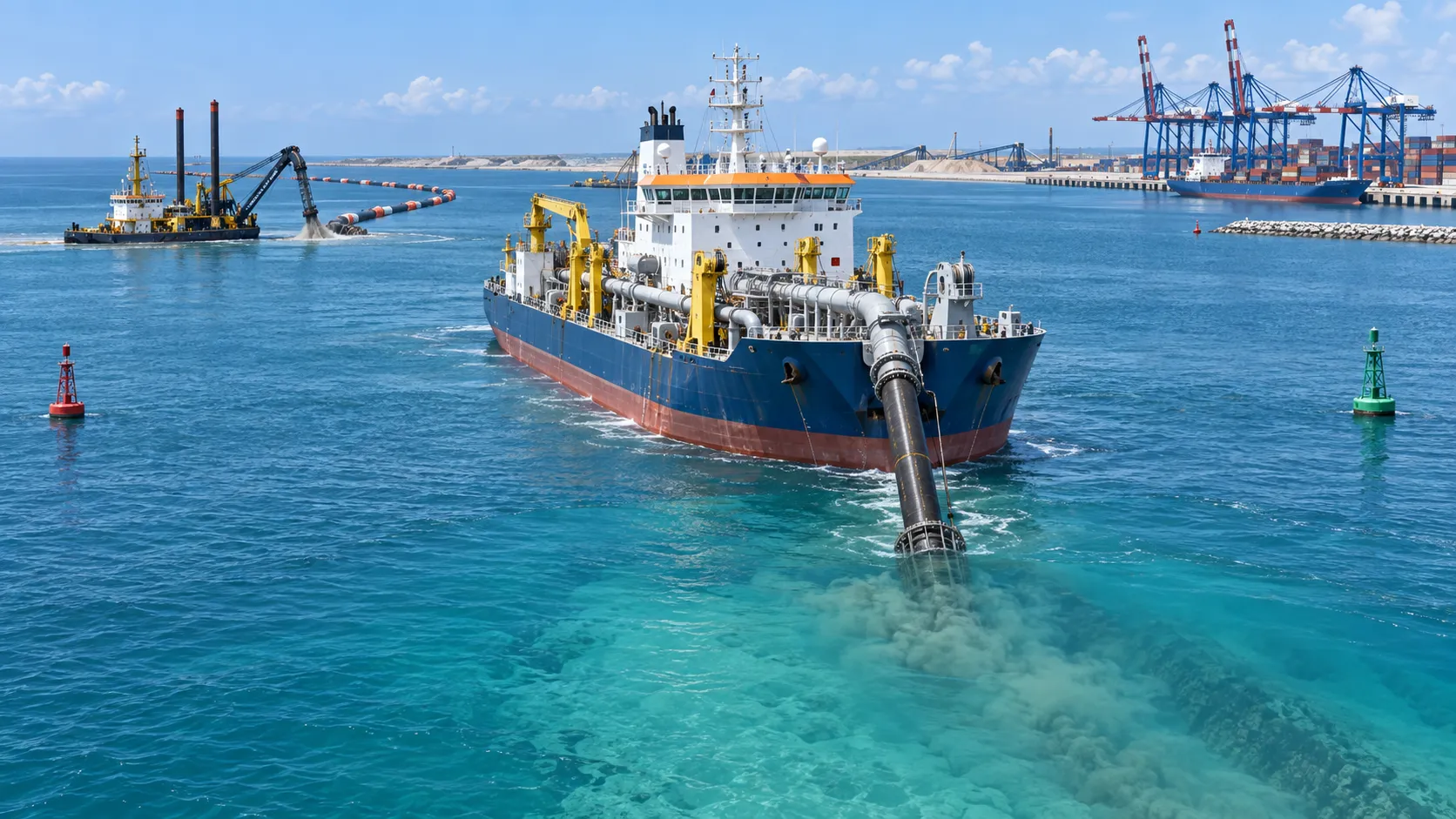
What Dredging Equipment Is Needed for Channel Deepening?
What dredging equipment is needed for channel deepening? Explore dredgers, pipelines, survey tools, and planning strategies for safer, more efficient port access.
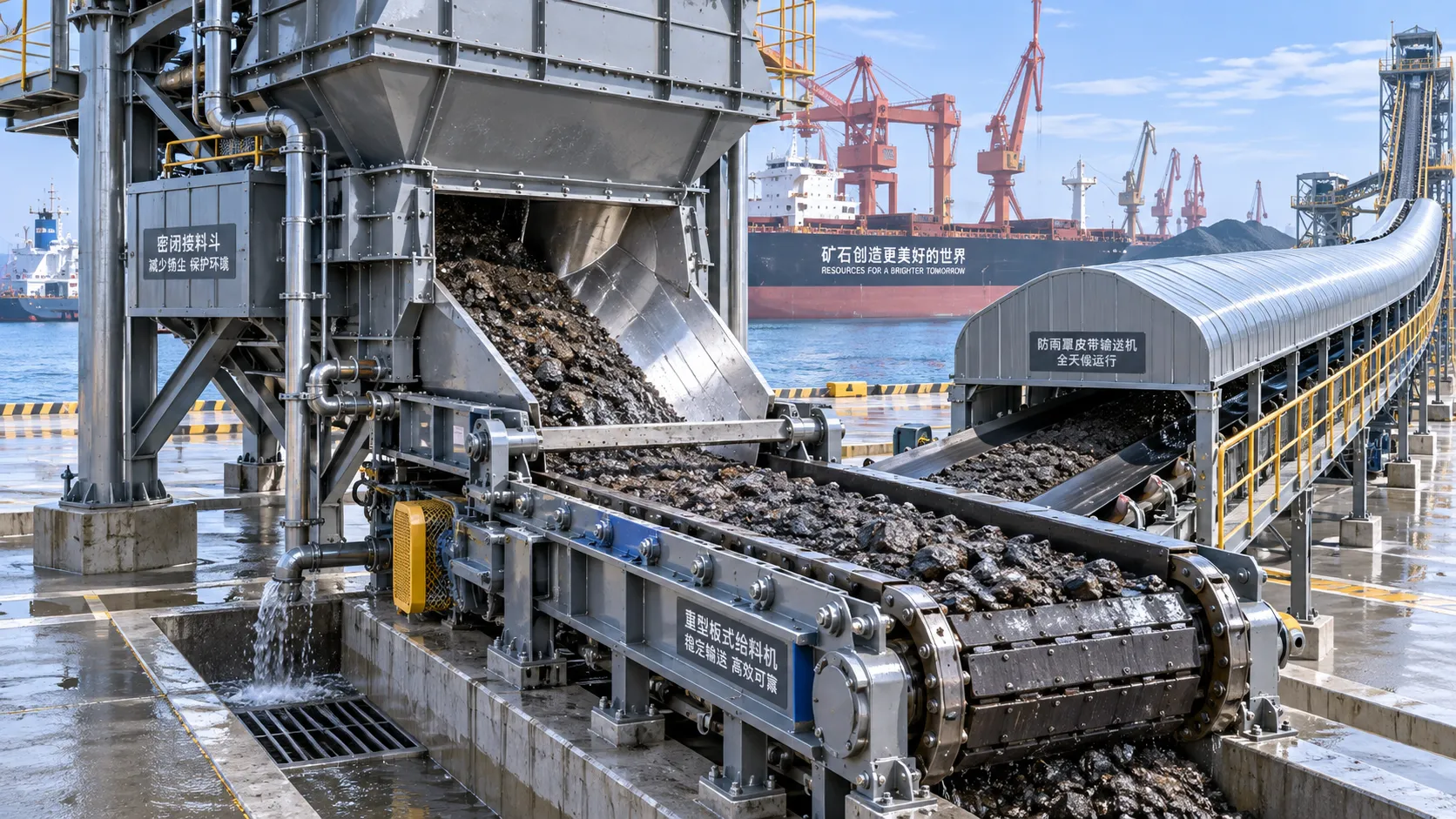
Which Bulk Handling Equipment Suits High-Moisture Cargo?
Which bulk handling equipment suits high-moisture cargo? Compare belt, apron, screw, drag, and slurry systems for reliable flow, less carryback, and higher terminal uptime.
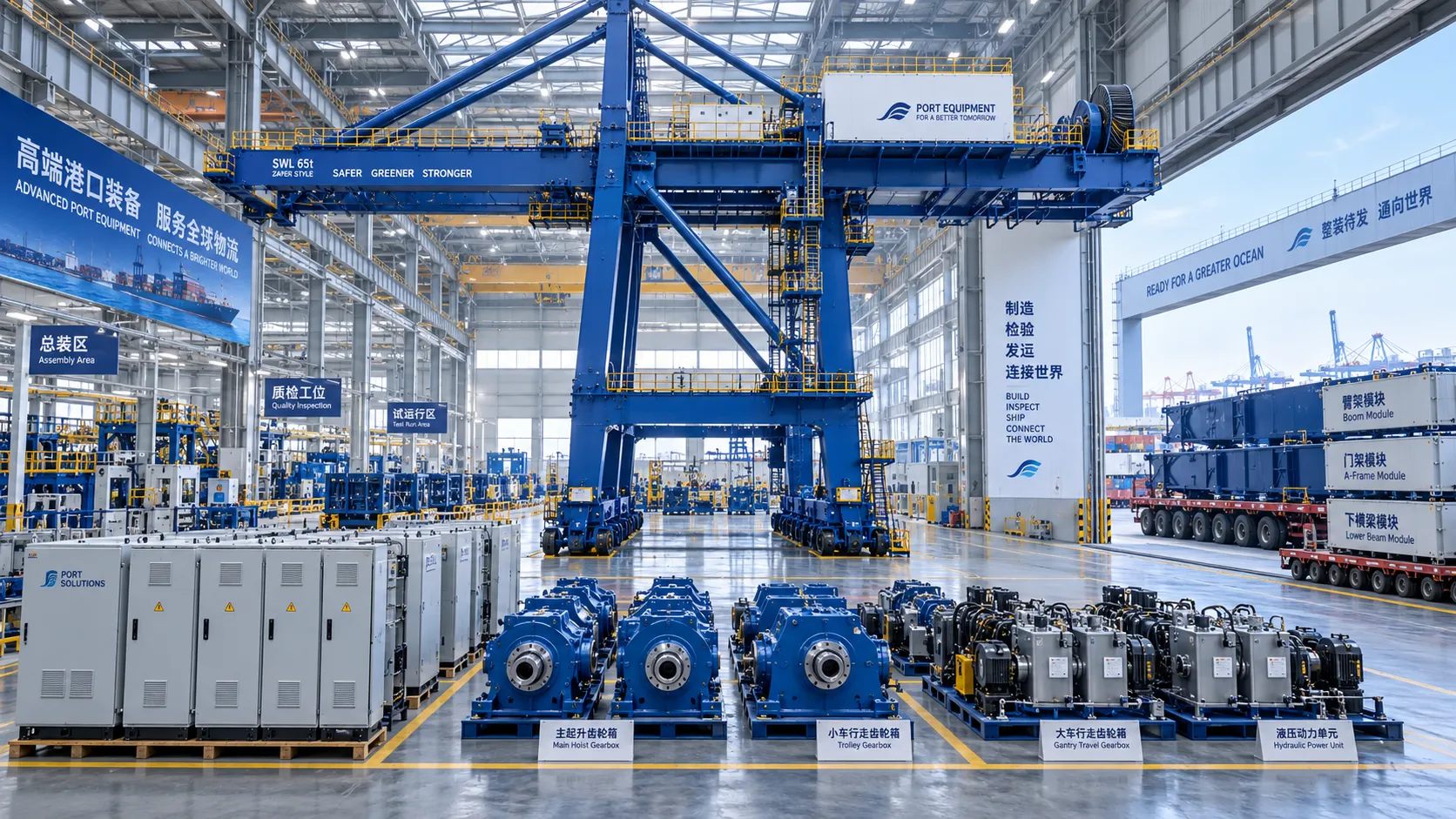
How Can Port Equipment Lead-Time Risk Be Managed?
How can port equipment lead-time risk be managed? Explore practical strategies to control critical paths, suppliers, transport, site readiness, and commissioning delays.
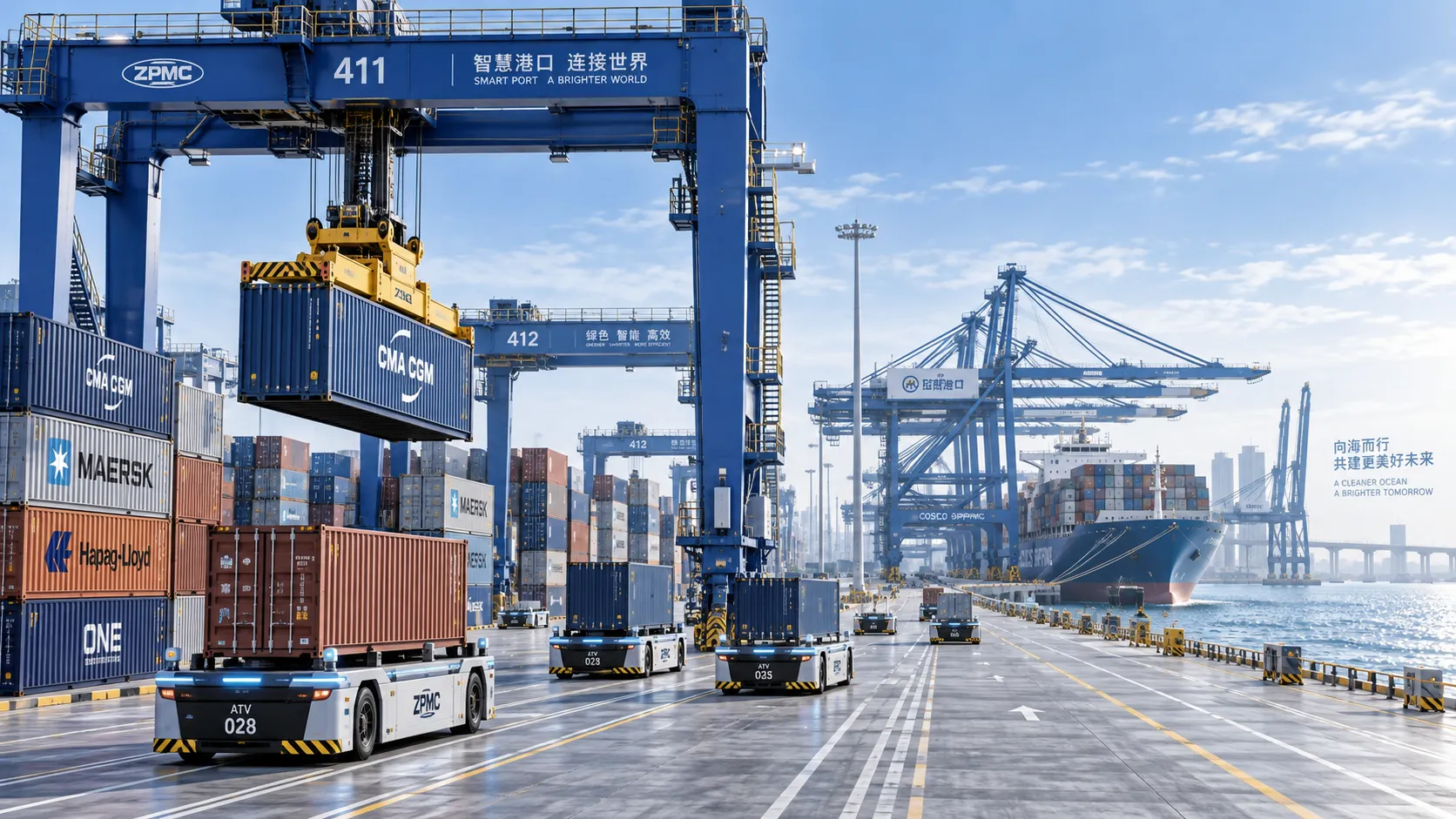
Terminal Automation Technologies That Raise Container Throughput Without Yard Disruption
Terminal automation technology that increases container throughput without disrupting yard flow. Explore smarter integration, resilient workflows, and phased deployment strategies.

Middle East Port Automation: Key Market Drivers, Projects, and Investment Risks
Port automation systems Middle East: explore market drivers, flagship projects, integration challenges, and investment risks shaping smarter, resilient terminals.
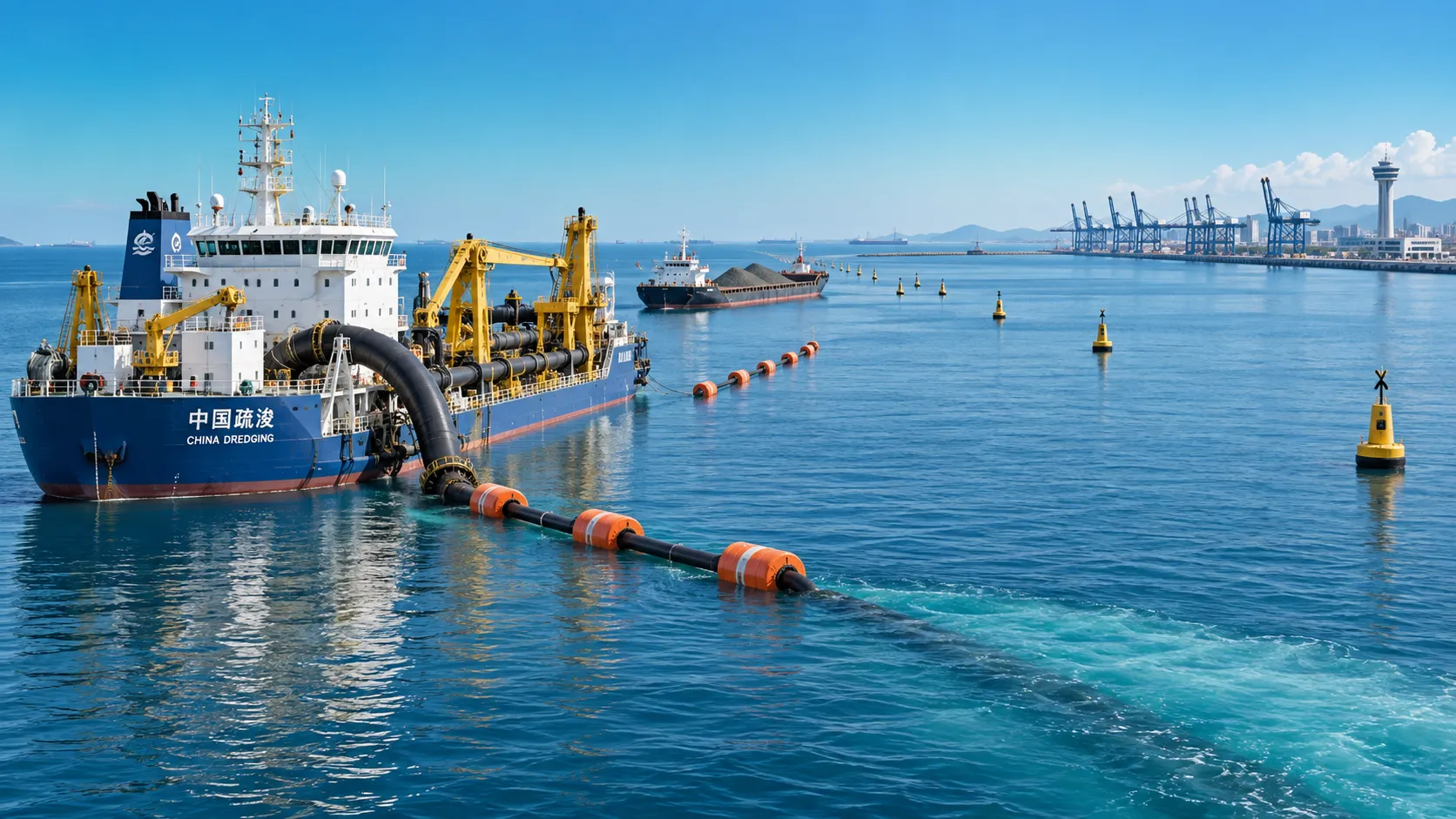
Planning Offshore Dredging Operations: Key Risks, Methods, and Project Controls
Offshore dredging operations demand smart planning. Explore key risks, proven methods, environmental controls, and project strategies for reliable delivery.