Related News
- 00
0000-00
Smart Port Systems Pricing: How to Compare Lifecycle Costs and ROI by Terminal Scale - 00
0000-00
What Drives Bulk Material Handling Pricing in Large Conveyor System Projects? - 00
0000-00
How Shipping Rate Analytics in Europe Help Importers Predict Costs and Route Risk - 00
0000-00
What Buyers Check When Reviewing Used PVC Coating Line Output and Condition - 00
0000-00
Automated Port Systems Cost Breakdown: CAPEX, Integration, and Maintenance Factors
Port Infrastructure Development Cost Drivers: Land, Dredging, Equipment, and Permits
Why does port infrastructure development so often exceed early budgets?
Port infrastructure development rarely fails because of one large surprise.
More often, costs expand through linked decisions on land, dredging, equipment, and permits.
That is why early estimates can look reasonable, yet final capital needs rise sharply.
In practical terms, each major cost driver affects the others.
A larger vessel target changes channel depth, berth design, crane outreach, yard layout, and approvals.
A constrained site may reduce land price, then raise civil complexity and traffic interface costs.
This is where disciplined port infrastructure development planning becomes valuable.
The most reliable cost forecasts combine marine engineering, terminal operations, and regulatory sequencing from the start.
That approach reflects how platforms such as PS-Nexus read the market.
Heavy terminal gear, dredging engineering, automation logic, and trade flows should be evaluated together, not in isolation.
Is land acquisition really the first cost driver, or just the most visible one?
Land is usually the first cost line stakeholders notice, but not always the largest lifecycle driver.
Its importance comes from scarcity, access, resettlement exposure, and downstream design consequences.
A cheap coastal parcel can become expensive if soil improvement, utility relocation, or road and rail interfaces are weak.
Reclaimed land can also shift costs into revetments, settlement control, drainage, and environmental mitigation.
When reviewing land options, the smarter question is not only price per hectare.
It is cost per usable operational hectare across the terminal life.
Common factors that reshape land economics include:
- Ground bearing capacity for cranes, stacking blocks, and heavy transport lanes.
- Distance to hinterland links, including road upgrades and rail sidings.
- Existing tenants, legal encumbrances, and compensation negotiations.
- Flood elevation, storm resilience, and future climate adaptation works.
In many projects, land cost becomes manageable only after the operating concept is fixed.
Without that discipline, port infrastructure development can lock into the wrong footprint early.
How does dredging change the economics more than people expect?
Dredging is often underestimated because early numbers focus on volume, not complexity.
Yet cost depends on material type, disposal route, production window, and environmental restrictions.
Soft sediment may look simple, but contamination can trigger specialized handling and offshore disposal constraints.
Rock dredging can transform both budget and schedule through blasting, fragmentation, and slower production rates.
Another issue is that dredging affects more than navigation depth.
It influences berth pocket geometry, turning basin design, siltation maintenance, and vessel access reliability.
Where PS-Nexus adds useful context is in linking dredging scope with equipment strategy.
If larger ships are not commercially justified, deeper dredging and larger cranes may create unnecessary capital intensity.
A practical screening table helps keep these choices grounded:
For port infrastructure development, maintenance dredging deserves almost as much attention as capital dredging.
When does terminal equipment stop being a purchase and become a system decision?
That point arrives earlier than many teams expect.
Quay cranes, yard cranes, AGVs, reach stackers, power systems, and software architecture must fit one operating model.
If equipment is procured in separate packages without throughput logic, hidden integration costs appear later.
These usually show up in cabling, substations, pavement design, spare parts strategy, and commissioning delays.
Automated terminals add another layer.
Low-latency communications, positioning systems, and control software become part of core infrastructure, not optional enhancements.
This aligns with the PS-Nexus view that port automation is the terminal’s central nervous system.
A sound equipment budget therefore asks several connected questions:
- What vessel mix and annual throughput must the berth actually handle?
- How much yard density is needed before automation pays back?
- Will power supply support electrified fleets and future expansion?
- Can remote operations, maintenance, and cybersecurity be supported from day one?
In other words, equipment cost in port infrastructure development is not just about machine price.
It is about the cost of making the terminal perform as promised.
Are permits mainly a schedule issue, or a direct capital cost driver too?
They are both, and the distinction matters.
Permits can directly add studies, redesign work, compensatory habitat measures, and extra construction controls.
They also indirectly raise cost through delay, contract resequencing, inflation, and idle resources.
The difficult part is that permitting risk often looks invisible during concept development.
Then it becomes decisive once environmental review begins.
For coastal projects, common triggers include fisheries impact, turbidity, wetlands, navigation safety, heritage constraints, and emissions limits.
A deeper channel may need broader studies.
A new equipment electrification plan may require utility approvals and grid upgrades.
More mature teams treat permitting as a design workstream, not an administrative afterthought.
That means mapping approval dependencies early and stress-testing alternative scopes before the baseline is frozen.
In port infrastructure development, one permit condition can cascade into dredging methods, work windows, and procurement packaging.
What usually gets missed when comparing cost options across projects?
The biggest mistake is comparing headline capital totals without normalizing project assumptions.
A lower-cost terminal may exclude access roads, grid reinforcement, maintenance dredging, or software integration.
Another common miss is timing.
A project with higher early spending may still be better if it reduces later bottlenecks and operational penalties.
The more dependable comparison method is to test options against the same decision filters:
- Required berth productivity and vessel class.
- Ground and marine conditions affecting civil and dredging risk.
- Power, automation, and maintenance support requirements.
- Permitting complexity and likely approval duration.
- Lifecycle cost, not only procurement cost.
This is also where intelligence-led benchmarking becomes useful.
A platform grounded in terminal gear, dredging engineering, and commercial trends can show whether assumptions match current market reality.
That perspective helps prevent overbuilding, under-specifying, or sequencing packages in the wrong order.
So where should the next cost review begin?
Start by checking whether the project basis is coherent across land, dredging, equipment, and permits.
If one of those elements was developed separately, budget risk is probably understated.
A useful next step is to rebuild the estimate around a few decision checkpoints.
Confirm usable land area, validate dredging assumptions, test equipment integration needs, and map approval dependencies.
That sequence usually reveals which cost lines are fixed, which are scalable, and which still depend on open technical choices.
Strong port infrastructure development planning is not about chasing the cheapest number.
It is about choosing a cost structure that remains bankable, buildable, and operationally sound.
Where the market is shifting quickly, informed reference points matter.
PS-Nexus is relevant here because it connects terminal machinery, automation architecture, marine engineering, and trade intelligence in one view.
That kind of joined-up perspective supports better assumptions before major commitments are locked in.
Before moving forward, refine the scope, align the operating model, and challenge every cost driver against actual delivery conditions.
Related News
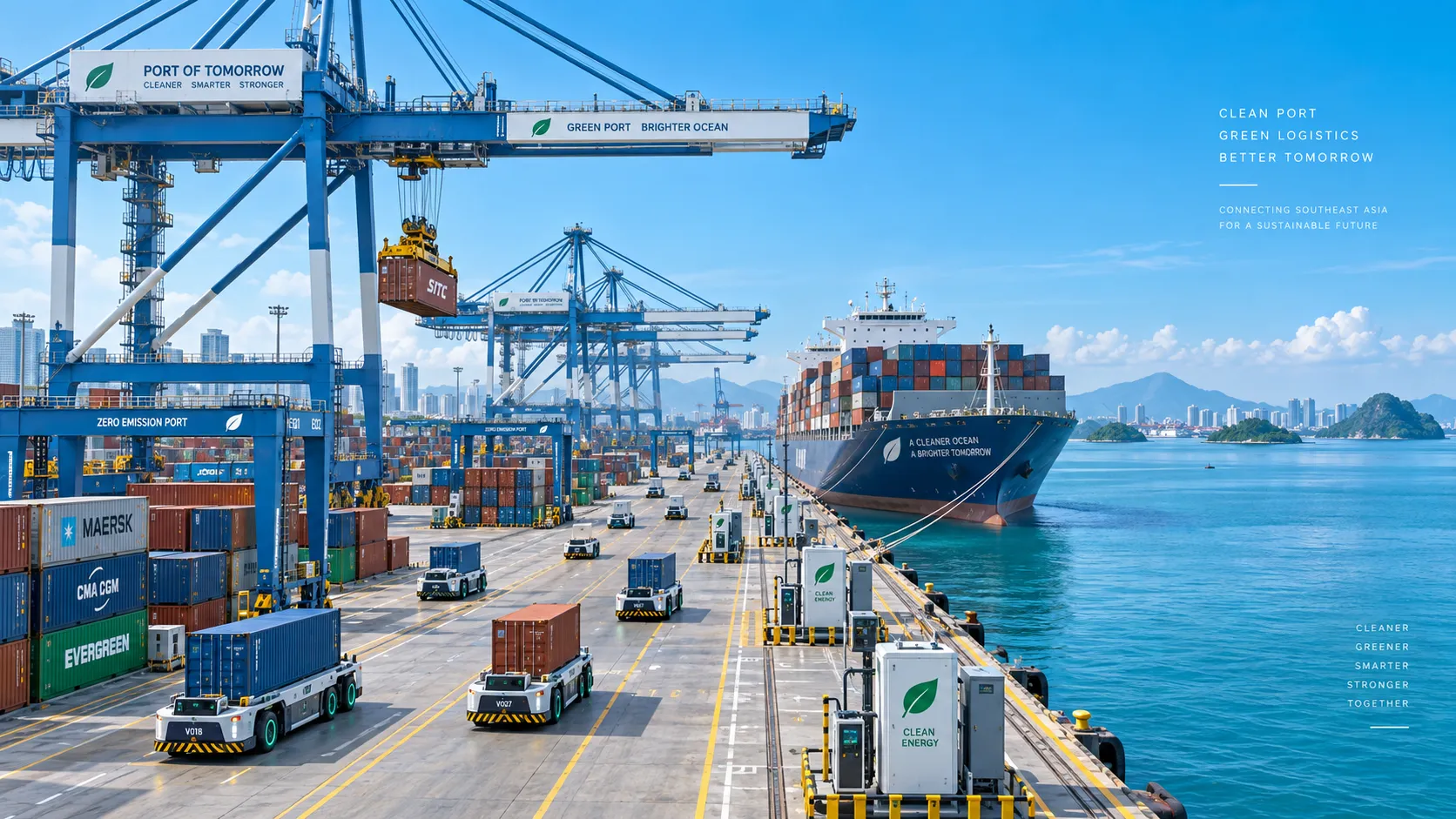
Smart Port Systems in Southeast Asia: Investment Priorities and Adoption Barriers
Smart port systems Southeast Asia: discover investment priorities, adoption barriers, and practical steps to build resilient, connected, high-performing terminals.
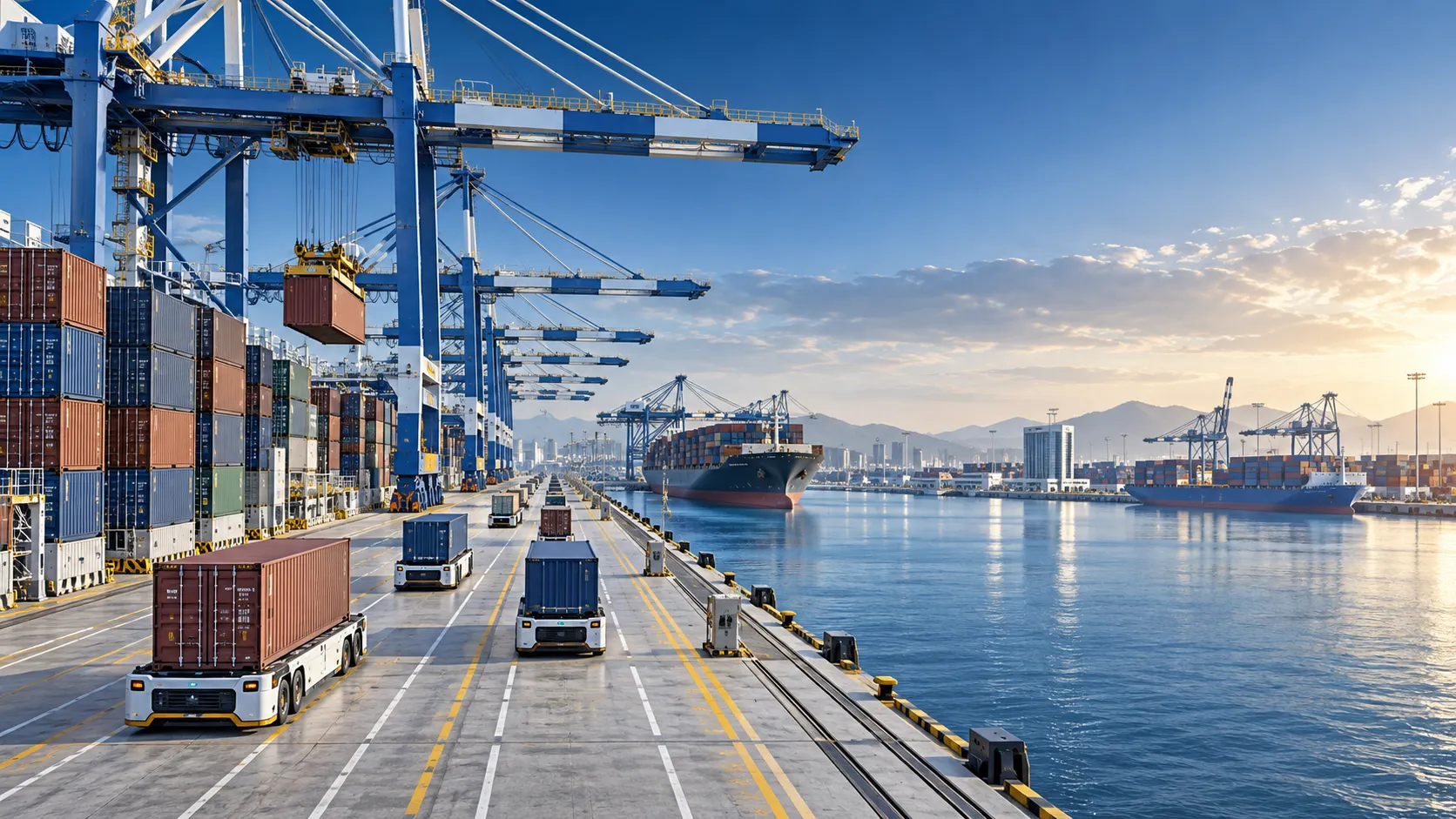
How to Evaluate Terminal Efficiency Solution Suppliers for High-Throughput Operations
Choose a terminal efficiency solutions supplier with confidence. Explore proven criteria for throughput, integration, lifecycle cost, safety, and reliable delivery.
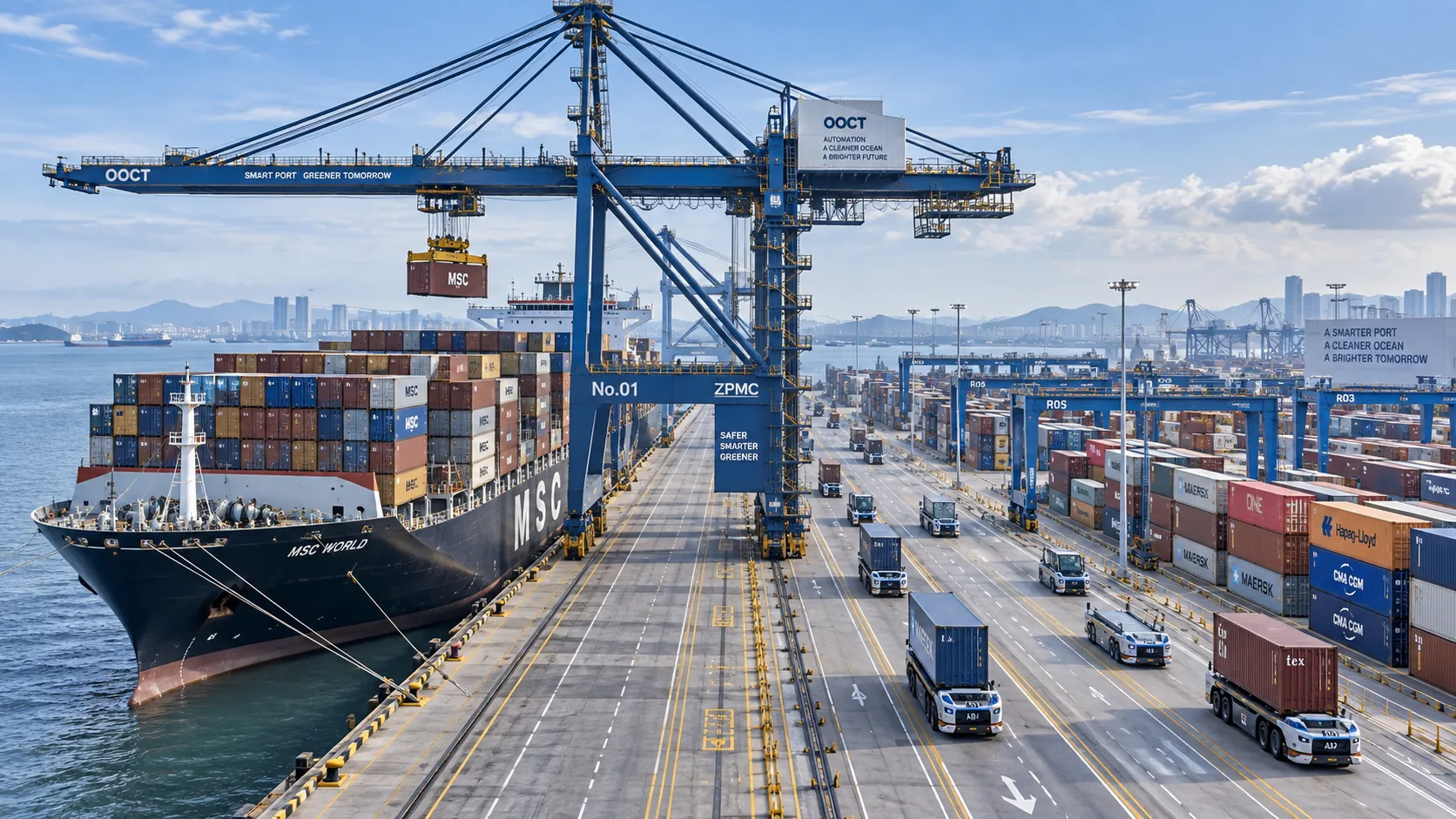
How to Specify a Quay Crane for Container Terminals by Vessel Size and Throughput?
Quay crane for container terminals: learn how to match outreach, lift height, capacity, automation, and cycle performance to vessel size and throughput goals.
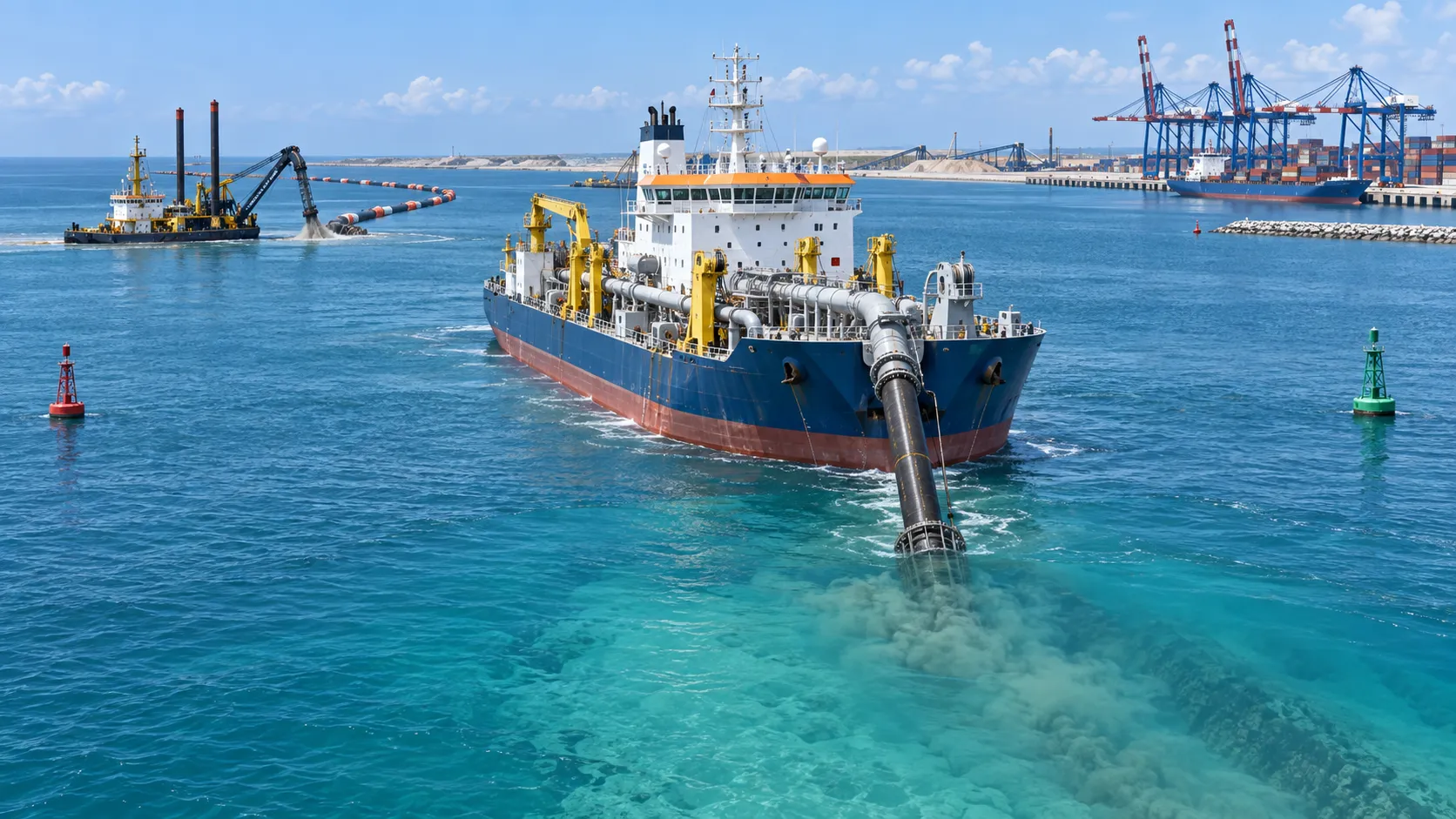
What Dredging Equipment Is Needed for Channel Deepening?
What dredging equipment is needed for channel deepening? Explore dredgers, pipelines, survey tools, and planning strategies for safer, more efficient port access.
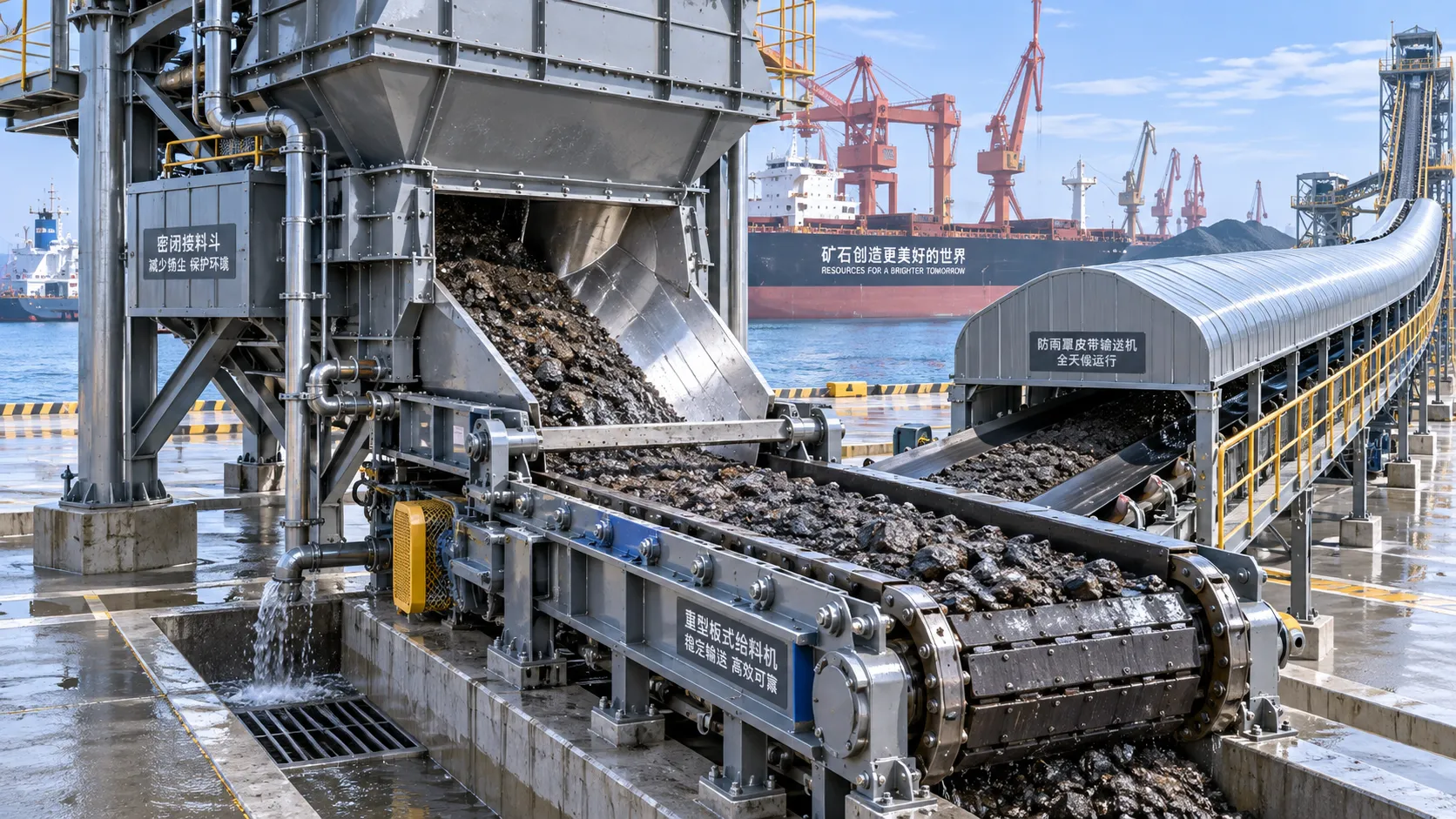
Which Bulk Handling Equipment Suits High-Moisture Cargo?
Which bulk handling equipment suits high-moisture cargo? Compare belt, apron, screw, drag, and slurry systems for reliable flow, less carryback, and higher terminal uptime.
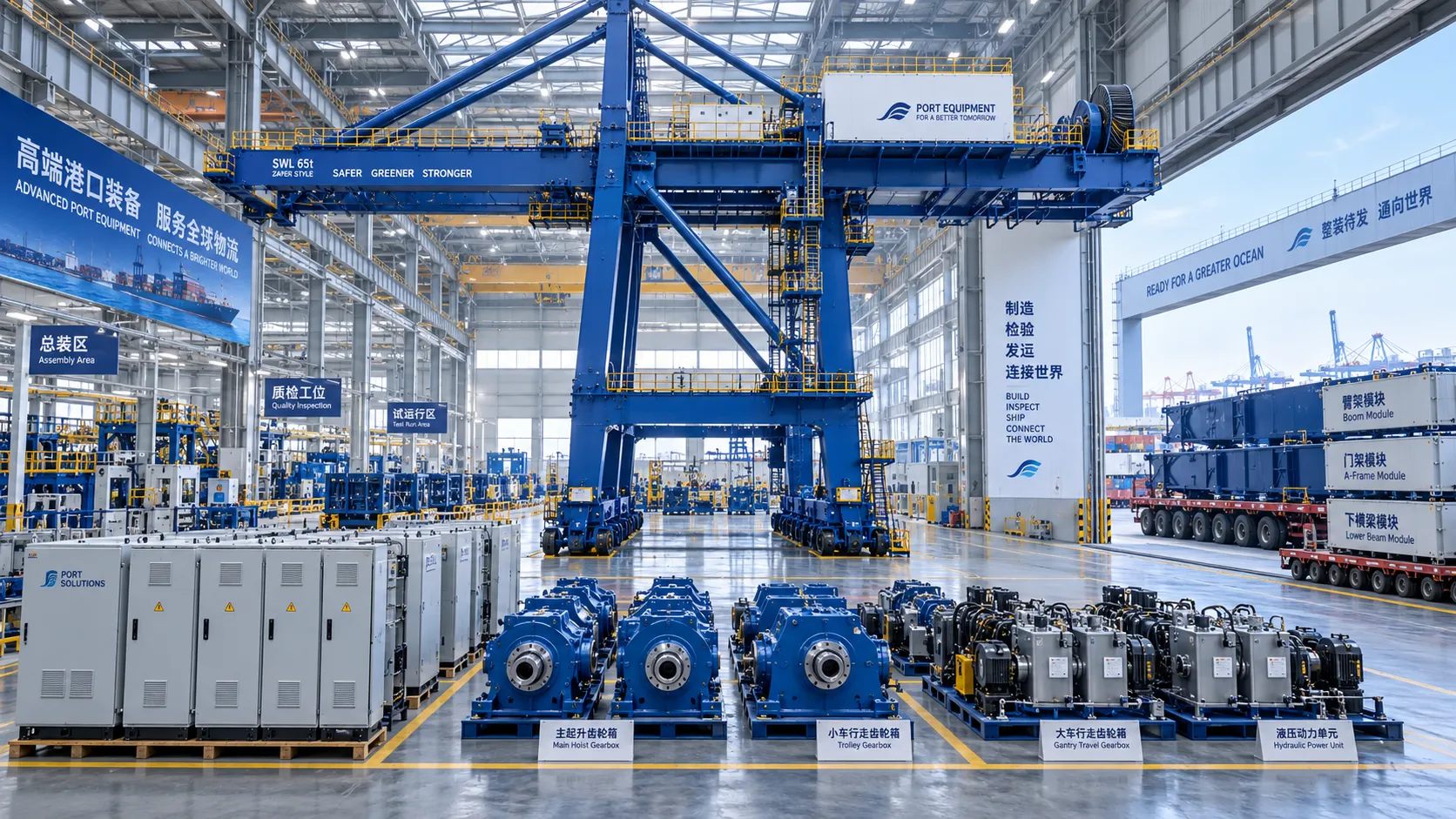
How Can Port Equipment Lead-Time Risk Be Managed?
How can port equipment lead-time risk be managed? Explore practical strategies to control critical paths, suppliers, transport, site readiness, and commissioning delays.
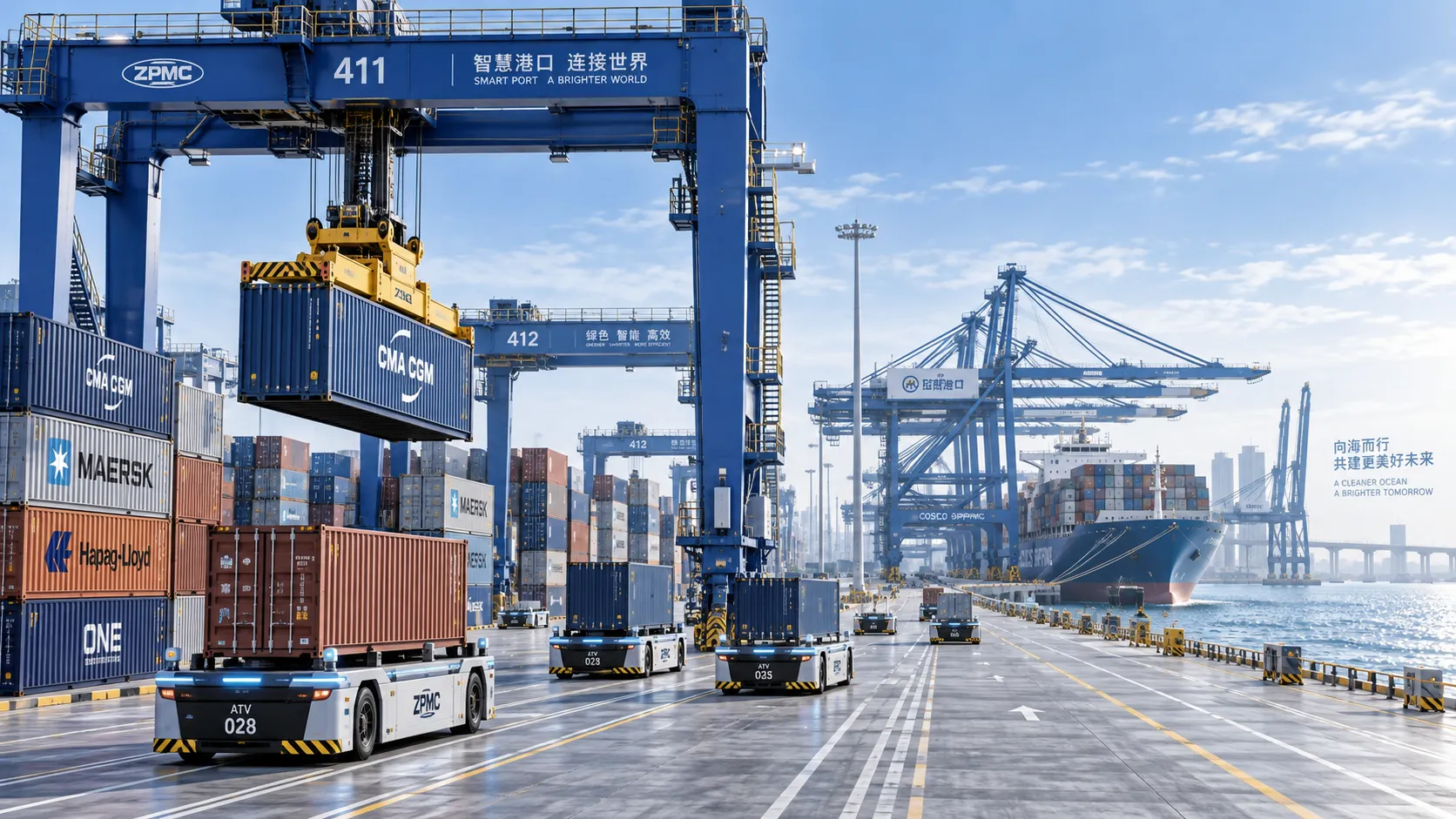
Terminal Automation Technologies That Raise Container Throughput Without Yard Disruption
Terminal automation technology that increases container throughput without disrupting yard flow. Explore smarter integration, resilient workflows, and phased deployment strategies.
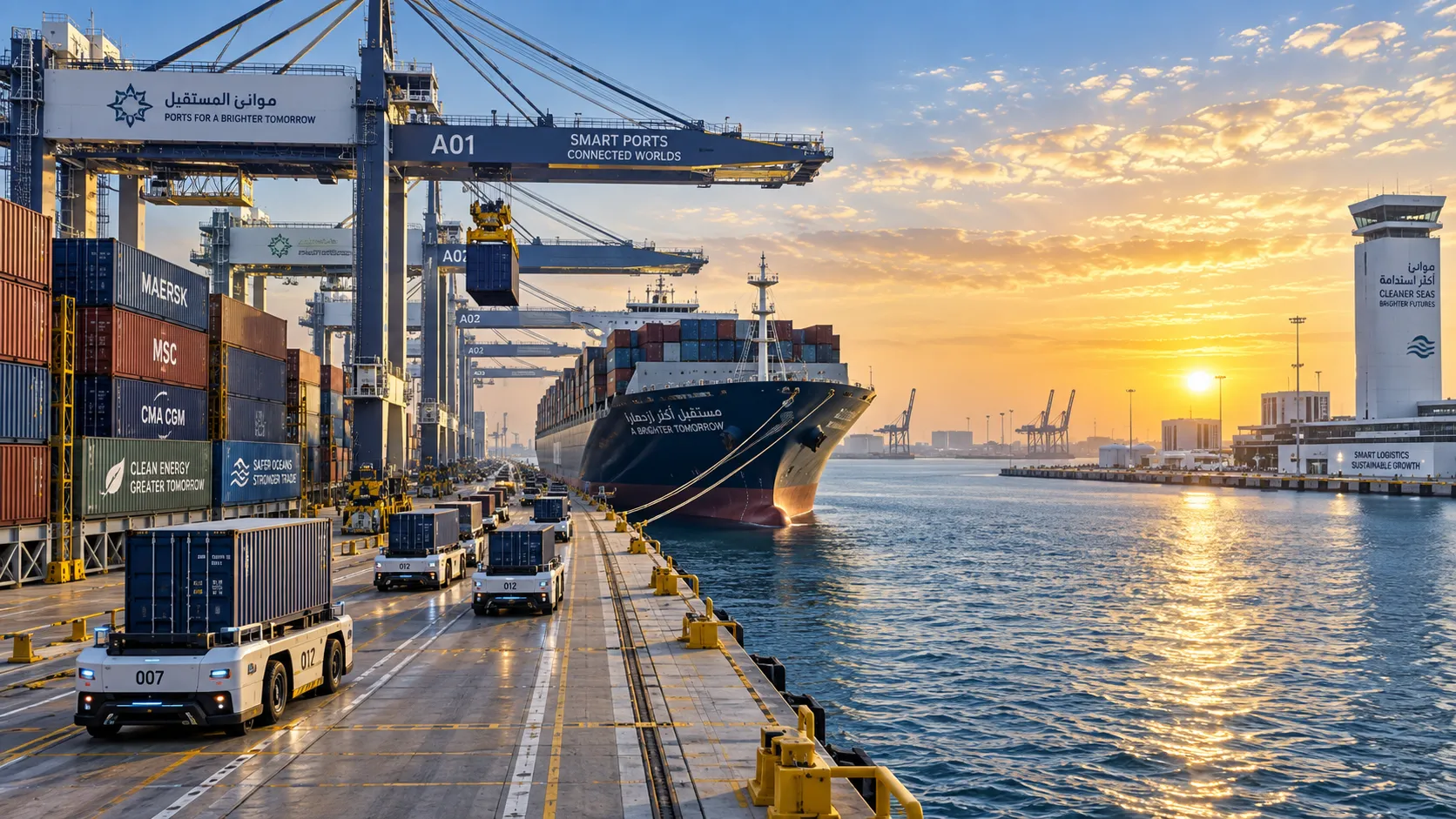
Middle East Port Automation: Key Market Drivers, Projects, and Investment Risks
Port automation systems Middle East: explore market drivers, flagship projects, integration challenges, and investment risks shaping smarter, resilient terminals.
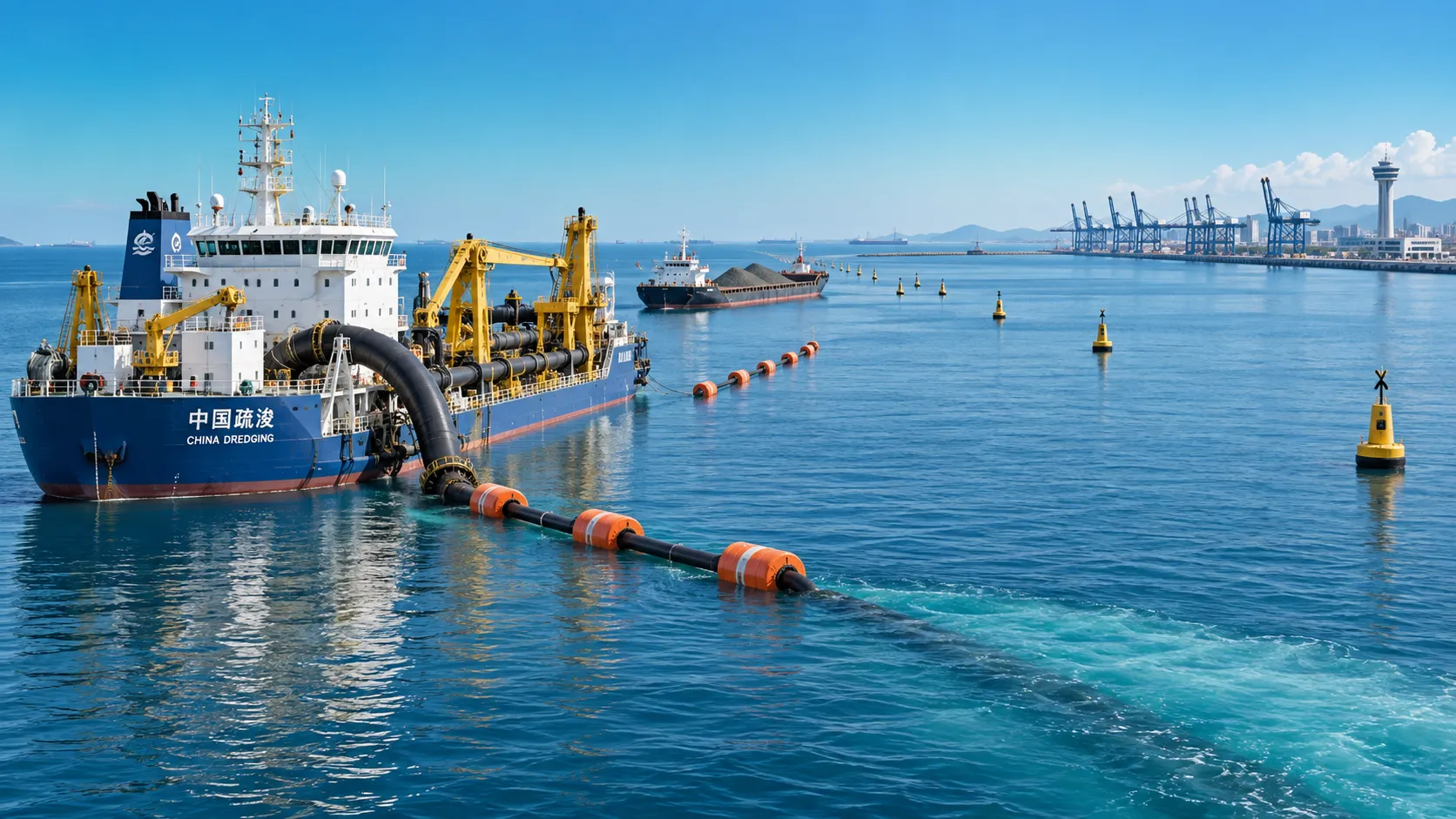
Planning Offshore Dredging Operations: Key Risks, Methods, and Project Controls
Offshore dredging operations demand smart planning. Explore key risks, proven methods, environmental controls, and project strategies for reliable delivery.