
Related News
- 00
0000-00
Smart Port Systems in Southeast Asia: Investment Priorities and Adoption Barriers - 00
0000-00
Middle East Port Automation: Key Market Drivers, Projects, and Investment Risks - 00
0000-00
How Coastal Cities Can Prioritize Blue Economy Projects for Jobs and Ecosystem Gains - 00
0000-00
How Harbor Construction Solutions Address Wave Loads, Scour, and Vessel Berthing - 00
0000-00
What Is Driving Maritime Infrastructure Growth in Southeast Asia?
Port Technology Trends in Yard Planning, Energy Systems, and Vessel Turnaround
Port technology trends are moving from isolated upgrades to system-wide decisions
Port technology trends now shape far more than equipment catalogs or terminal expansion plans.
They influence how yard capacity is modeled, how shore power is justified, and how vessel turnaround is measured under tighter commercial pressure.
What has changed recently is the pace of integration.
Ports are no longer treating automation, energy efficiency, and berth productivity as separate engineering programs.
They are increasingly linked through data, grid constraints, labor availability, and carrier service reliability.
This is why port technology trends matter across the wider industrial landscape.
A terminal crane purchase can affect yard logic, power peaks, maintenance software, and truck gate timing at the same time.
PS-Nexus has tracked this convergence closely across heavy terminal gear, automated container handling, and dredging engineering.
The strongest signal is not one breakthrough machine.
It is the growing expectation that every asset should contribute to throughput, emissions control, and decision visibility together.
Why yard planning has become the clearest testing ground
Yard planning used to be treated as a layout exercise backed by operating experience.
Today, port technology trends are pushing it toward predictive orchestration.
The reason is simple.
Container peaks have become less forgiving, dwell time volatility is harder to absorb, and inland transport timing is less stable.
As a result, terminals are valuing systems that can rebalance stack density, AGV routing, crane assignments, and reefer positioning in near real time.
This shift is also changing what buyers compare during evaluation.
- How fast planning software reacts to vessel delay changes.
- Whether equipment telemetry is open enough for cross-platform scheduling.
- How exception handling works during congestion or equipment downtime.
- Whether simulation tools reflect actual berth, yard, and gate dependencies.
More operators now prefer configurable logic over rigid automation packages.
That preference reflects a wider market reality.
Port technology trends reward terminals that can adjust operating logic without waiting for a full system rebuild.
Energy systems are no longer a side project near the substation
One of the most visible port technology trends is the move from diesel-centered asset planning to energy-aware operations.
That includes electrified yard equipment, hybrid cranes, battery buffering, microgrid planning, and shore connection readiness.
The pressure behind this trend comes from several directions at once.
What stands out is that energy planning now affects terminal design assumptions early.
A new rubber-tired gantry fleet cannot be assessed only by lift performance.
Charging logic, cable routes, standby time, and resilience during grid events are part of the same commercial equation.
This is where port technology trends intersect with long-cycle infrastructure thinking.
PS-Nexus frequently highlights that low-emission equipment delivers value only when the surrounding control architecture can use it efficiently.
Vessel turnaround is becoming a data discipline, not only an operations metric
The market often talks about faster vessel turnaround as if it begins at the berth.
In practice, the biggest gains often begin earlier.
Berth windows, yard slot readiness, crane sequencing, pilot coordination, and landside release patterns now feed one another more tightly.
That is why port technology trends increasingly favor platforms that reduce decision lag across departments.
A delayed handoff between planning and execution can erase the benefit of expensive hardware.
More terminals are therefore investing in event-driven control layers, digital twins, and predictive berth management rather than adding isolated dashboards.
The value is not only speed.
Better turnaround consistency helps carriers protect schedules, helps terminals reduce rehandles, and helps energy systems avoid unmanaged peak demand.
That last point deserves attention.
When vessel operations are compressed unpredictably, electric equipment fleets can create sudden charging conflicts and power spikes.
So port technology trends around turnaround are increasingly tied to energy orchestration as well.
The demand side is paying closer attention to integration risk
A few years ago, headline interest centered on automation depth.
Now the sharper questions are about integration friction, upgrade paths, and data ownership.
This is one of the most important port technology trends for equipment and system evaluation.
Heavy terminal gear, specialized container handling systems, remote crane controls, and dredging support platforms are all being judged within broader operating ecosystems.
From recent demand patterns, several signals are becoming clearer.
- Open interfaces are gaining value because ports rarely modernize every subsystem at once.
- Remote diagnostics matter more where technical labor is scarce or spread across regions.
- Cyber resilience is moving from IT concern to operational continuity requirement.
- Lifecycle service visibility is increasingly weighted beside initial capital cost.
This broader view also aligns with the PS-Nexus perspective on maritime logistics.
High-value decisions in ports now sit at the intersection of mechanics, algorithms, and trade flow uncertainty.
That is why port technology trends should be read as structural signals, not short-term product hype.
Where the next wave of value is likely to appear
The next phase of port technology trends is unlikely to be defined by a single flagship machine.
It will more likely emerge from better coordination between existing assets, cleaner energy systems, and more adaptive software layers.
Several directions already look commercially meaningful.
Operational intelligence will move closer to live execution
Planning tools are becoming less static.
Low-latency communication, better sensor coverage, and path-planning advances are narrowing the gap between forecast and action.
Energy flexibility will matter as much as installed capacity
Ports with the same electrical capacity may perform very differently.
The difference will come from how charging, storage, and operating peaks are managed across the terminal day.
Water-side engineering will stay linked to terminal efficiency
Dredging and fairway management remain part of the same throughput conversation.
Larger vessels and tighter schedules mean marine access conditions can no longer be treated as background infrastructure.
That wider systems view reflects the blue economy focus that PS-Nexus brings to market observation.
What deserves closer attention in the next planning cycle
Port technology trends suggest that the best decisions will come from comparing interaction effects, not only standalone specifications.
In practical terms, that means testing how yard software, equipment controls, and power systems behave together under stress.
It also means checking whether vessel turnaround goals are supported by realistic berth, yard, and energy assumptions.
A useful next step is to review technology choices through four filters.
- Interoperability with existing control and planning systems.
- Energy impact across peak and off-peak operating windows.
- Contribution to more predictable vessel turnaround, not only faster peak output.
- Upgrade resilience as regulation, cargo mix, and service patterns change.
The most durable reading of port technology trends is that resilience now comes from synchronized systems.
Ports that align heavy gear, digital control, and cleaner energy will be better positioned for the next cycle of trade volatility.
That makes ongoing market observation, scenario testing, and phased comparison more valuable than one-time technology bets.
The smartest response is to keep watching the signals, map them against real operating constraints, and build a staged roadmap before the pressure becomes urgent.
Related News
Smart Port Systems in Southeast Asia: Investment Priorities and Adoption Barriers
Smart port systems Southeast Asia: discover investment priorities, adoption barriers, and practical steps to build resilient, connected, high-performing terminals.
How to Evaluate Terminal Efficiency Solution Suppliers for High-Throughput Operations
Choose a terminal efficiency solutions supplier with confidence. Explore proven criteria for throughput, integration, lifecycle cost, safety, and reliable delivery.
How to Specify a Quay Crane for Container Terminals by Vessel Size and Throughput?
Quay crane for container terminals: learn how to match outreach, lift height, capacity, automation, and cycle performance to vessel size and throughput goals.
What Dredging Equipment Is Needed for Channel Deepening?
What dredging equipment is needed for channel deepening? Explore dredgers, pipelines, survey tools, and planning strategies for safer, more efficient port access.
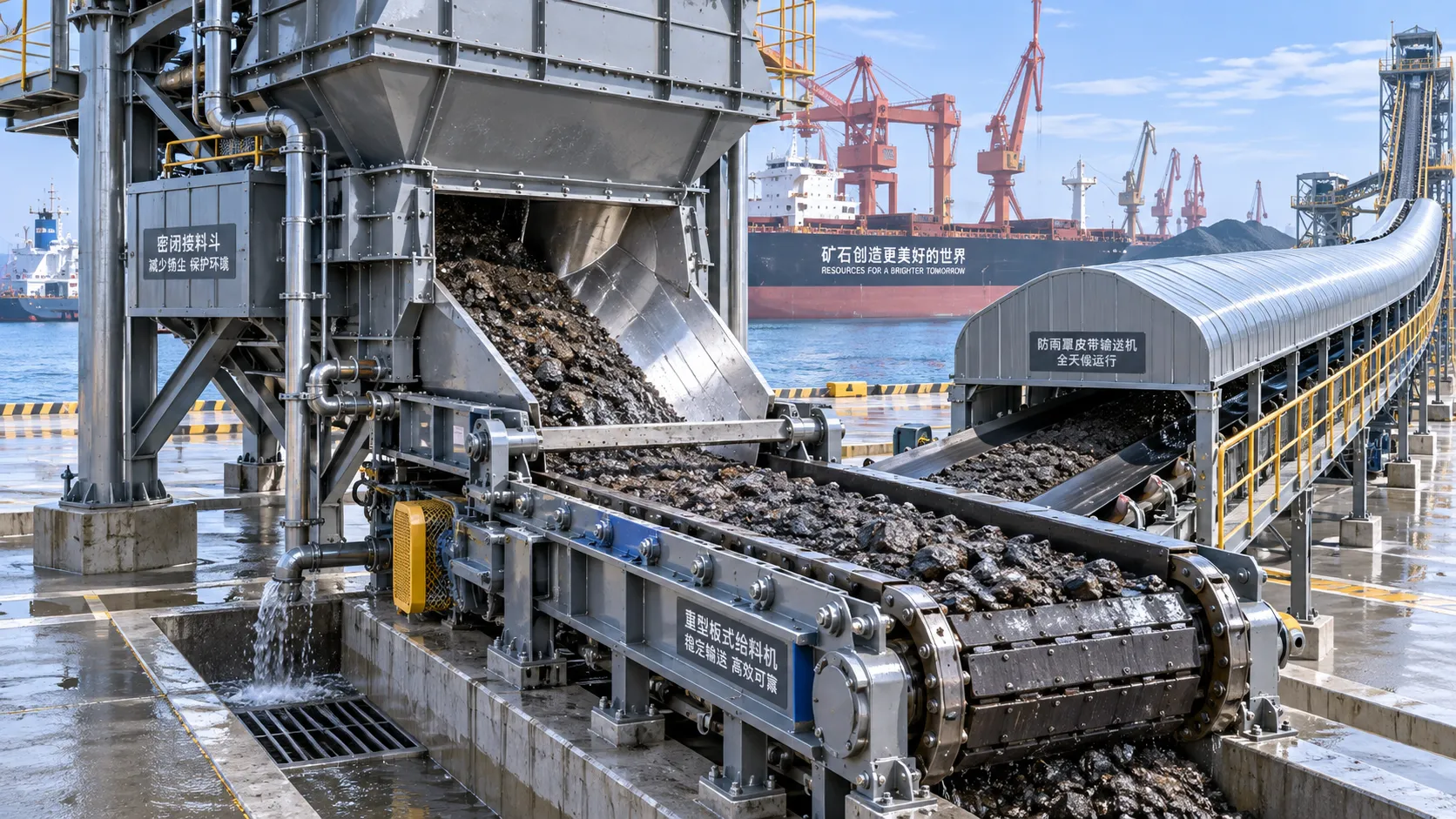
Which Bulk Handling Equipment Suits High-Moisture Cargo?
Which bulk handling equipment suits high-moisture cargo? Compare belt, apron, screw, drag, and slurry systems for reliable flow, less carryback, and higher terminal uptime.
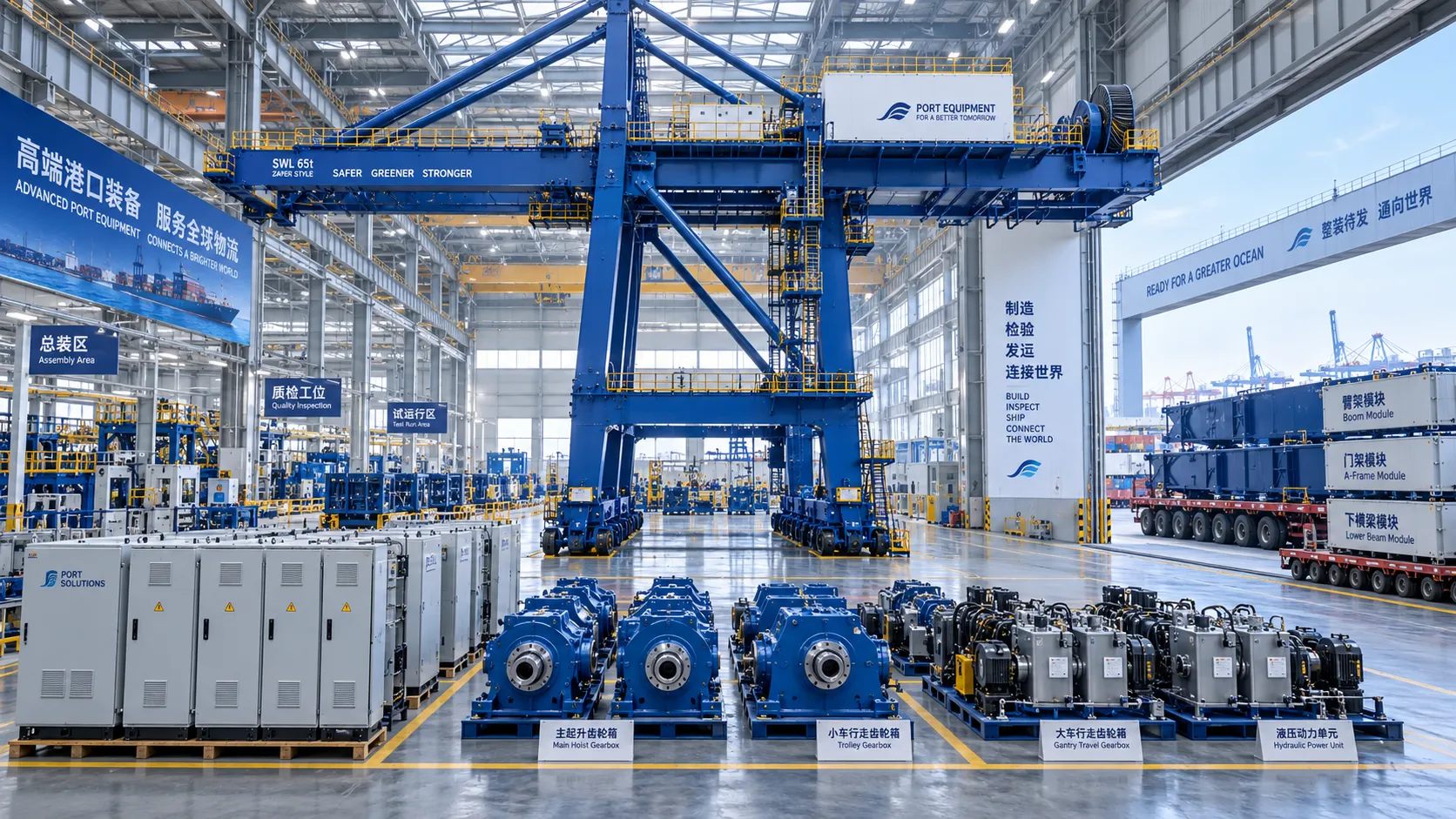
How Can Port Equipment Lead-Time Risk Be Managed?
How can port equipment lead-time risk be managed? Explore practical strategies to control critical paths, suppliers, transport, site readiness, and commissioning delays.
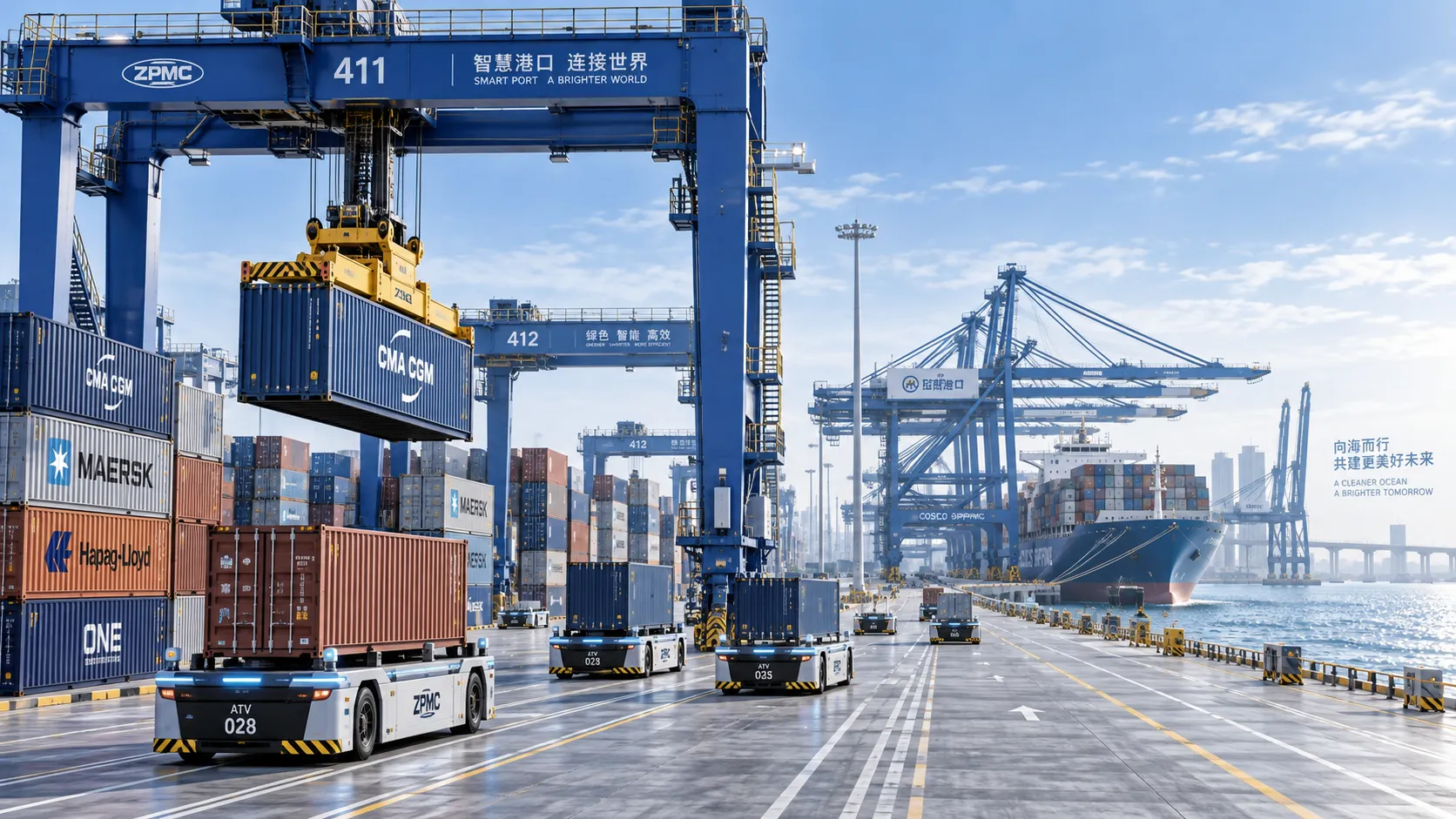
Terminal Automation Technologies That Raise Container Throughput Without Yard Disruption
Terminal automation technology that increases container throughput without disrupting yard flow. Explore smarter integration, resilient workflows, and phased deployment strategies.
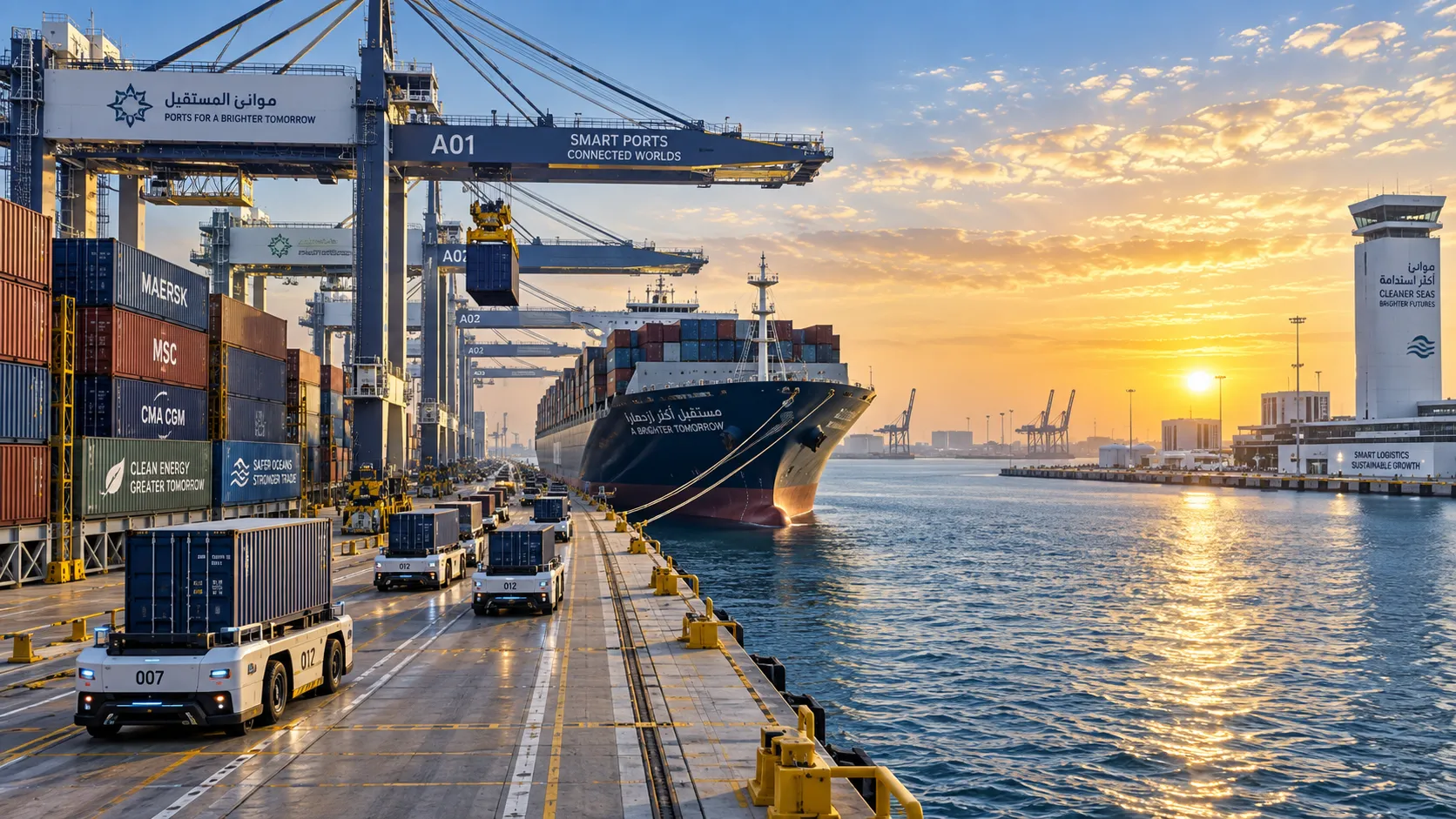
Middle East Port Automation: Key Market Drivers, Projects, and Investment Risks
Port automation systems Middle East: explore market drivers, flagship projects, integration challenges, and investment risks shaping smarter, resilient terminals.
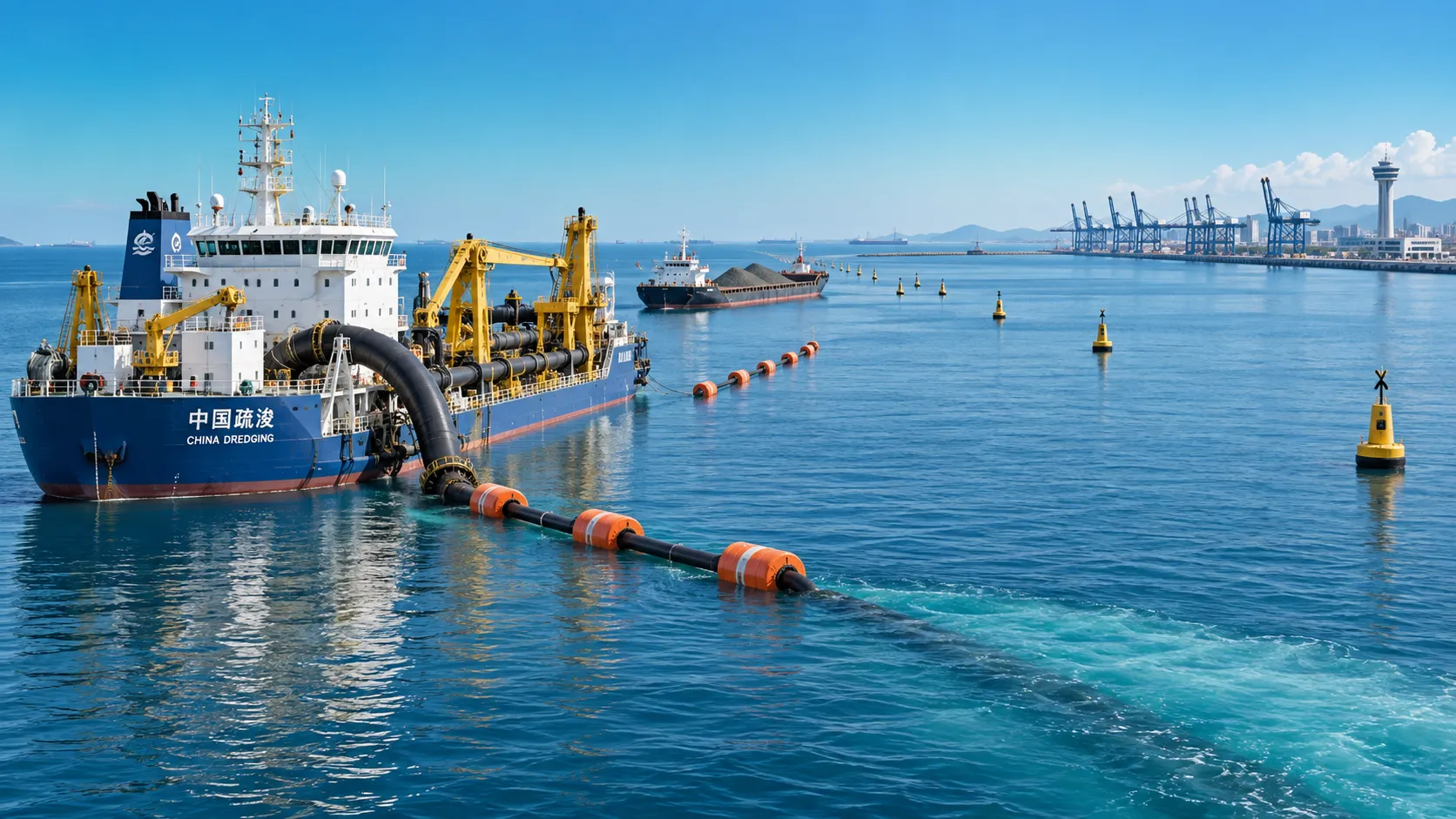
Planning Offshore Dredging Operations: Key Risks, Methods, and Project Controls
Offshore dredging operations demand smart planning. Explore key risks, proven methods, environmental controls, and project strategies for reliable delivery.