Related News
- 00
0000-00
How to Specify a Quay Crane for Container Terminals by Vessel Size and Throughput? - 00
0000-00
Which Bulk Handling Equipment Suits High-Moisture Cargo? - 00
0000-00
Terminal Automation Technologies That Raise Container Throughput Without Yard Disruption - 00
0000-00
Planning Offshore Dredging Operations: Key Risks, Methods, and Project Controls - 00
0000-00
Where Do Automated Guided Vehicles Deliver the Fastest Warehouse Gains in the Middle East?
Automated Port Systems vs Conventional Port Operations: Which Fits Throughput Goals?
Throughput pressure is changing how terminal expansion gets planned. Labor constraints, tighter energy targets, yard density, and volatile cargo patterns mean the choice between automated port systems and conventional port operations now shapes both capacity and project risk.
The core issue is not whether automation sounds more advanced. It is whether a terminal’s berth profile, cargo mix, land envelope, and investment horizon support the operating model needed to move more boxes, more consistently, with fewer bottlenecks.
What the comparison really means
Conventional port operations rely heavily on human dispatch, manually operated yard equipment, and field-level decision making. That model remains common because it is flexible, familiar, and easier to phase into existing terminals.
Automated port systems replace part of that variability with software-guided control. They combine terminal operating systems, positioning technologies, remote or unmanned equipment, and rule-based scheduling across quay, yard, and gate activities.
In practice, this is less a binary choice than a spectrum. Many terminals automate the yard first, keep quay cranes semi-automated, or add remote-control layers before moving toward a full automated port systems architecture.
Why throughput goals now require a deeper decision
A throughput target used to be treated as a simple equipment question. Add cranes, add trucks, extend gates. Today, land scarcity and service variability make that approach less reliable.
Shipping alliances change call sizes quickly. Peaks are sharper. Yard dwell can stretch without warning. At the same time, emissions rules and power costs push terminals to reconsider how every move is planned.
That is why automated port systems matter beyond labor substitution. They reshape move sequencing, stack strategy, traffic routing, and equipment utilization. A terminal may gain more effective throughput from better orchestration than from simply adding machines.
This systems view is central to how PS-Nexus reads the market. Heavy terminal gear, control logic, specialized container handling, and dredging access conditions all influence what throughput is realistically achievable.
Where automated port systems usually outperform
Automated port systems tend to perform best where flows are repetitive, volumes are high, and operating windows are predictable enough for software optimization to produce measurable gains.
High-density yards
When land is tight, automated stacking cranes or automated guided vehicles can reduce wasted moves and organize stacks with more discipline. That often improves yard capacity before new land becomes available.
Stable vessel patterns
Ports serving liner networks with consistent call structures can capture more value from automated port systems. Predictable sequences help algorithms allocate equipment and reduce unplanned rehandles.
Safety-sensitive zones
Automation reduces human exposure in high-risk areas. That matters not only for safety metrics, but also for workflow continuity during night operations, weather pressure, and extended peak periods.
Energy-managed operations
Electric fleets and coordinated dispatch can smooth power demand. For terminals facing net-zero commitments, automated port systems support energy-aware scheduling in ways conventional fleets rarely can.
Why conventional operations still fit many throughput programs
Conventional models should not be treated as outdated by default. In mixed cargo environments or ports with irregular call patterns, manual intervention often preserves flexibility that software logic struggles to match.
A terminal handling containers, breakbulk, project cargo, and seasonal surges may benefit from human judgment at the edge. Equipment can be reassigned quickly, exceptions handled faster, and phased expansions delivered with lower upfront complexity.
Conventional operations also remain attractive where capital budgets are constrained, grid readiness is limited, or digital infrastructure maturity is still low. Throughput improvements can come from layout redesign, gate logic, or crane productivity before full automation is justified.
A practical comparison across project priorities
The best model depends on what constrains throughput today and what will constrain it five years from now. A simple comparison helps frame the decision.
The hidden variables behind throughput success
Equipment selection matters, but not in isolation. Many automation programs underperform because the terminal solves for machinery before solving for process discipline and data quality.
Several variables deserve more attention:
- Berth and channel readiness, including dredging depth and nautical access for larger vessels.
- Yard geometry, traffic separation, and stack rules that support machine routing.
- Communication latency for remote cranes, AGVs, and supervisory control systems.
- Terminal operating system maturity, data governance, and exception-handling logic.
- Power availability, charging strategy, and maintenance capability for automated fleets.
This is where sector intelligence becomes valuable. PS-Nexus tracks not only terminal gear trends, but also the surrounding engineering context, from path-planning algorithms to dredging equipment conditions that influence future berth productivity.
When hybrid models make more sense
For many ports, the strongest answer is neither full automation nor a fully conventional setup. A hybrid path often protects throughput while keeping project exposure manageable.
Examples include remote-controlled quay cranes with manual yard tractors, automated stacking blocks added to selected zones, or automated gate systems connected to a largely conventional yard.
Hybrid designs are useful when demand is growing, but cargo patterns remain uncertain. They let terminals test operating assumptions, build digital capability, and preserve optionality for later expansion.
How to judge fit before committing capital
A sound decision starts with bottleneck mapping rather than technology preference. If quay productivity is already acceptable, the real problem may be stack dwell, truck turn times, or gate appointment discipline.
It also helps to separate nominal capacity from dependable capacity. Automated port systems can raise dependable throughput by reducing variation, while conventional operations may still achieve high peaks but with less predictability.
Before selecting a model, it is useful to test several questions:
- Is the volume base stable enough to justify a systems-heavy investment?
- Will land scarcity make yard automation more valuable than additional berth equipment?
- Can existing civil works, power, and communications support automated port systems without major hidden cost?
- How often do exceptions occur, and can they be translated into reliable control logic?
- What level of operational control is needed over the next decade, not only the next budget cycle?
Choosing for the next operating cycle
Automated port systems fit throughput goals best when the terminal needs repeatable high-volume performance, tighter land use, stronger energy control, and long-term scalability through integrated scheduling.
Conventional operations remain valid where flexibility, lower initial investment, and rapid adaptation to mixed cargo realities matter more than strict process standardization.
The most useful next step is to evaluate throughput by corridor, not by headline capacity alone. Compare berth, yard, gate, control systems, and nautical access as one chain. That usually reveals whether automation should be broad, selective, or postponed until the operating context is clearer.
Related News
Smart Port Systems in Southeast Asia: Investment Priorities and Adoption Barriers
Smart port systems Southeast Asia: discover investment priorities, adoption barriers, and practical steps to build resilient, connected, high-performing terminals.
How to Evaluate Terminal Efficiency Solution Suppliers for High-Throughput Operations
Choose a terminal efficiency solutions supplier with confidence. Explore proven criteria for throughput, integration, lifecycle cost, safety, and reliable delivery.
How to Specify a Quay Crane for Container Terminals by Vessel Size and Throughput?
Quay crane for container terminals: learn how to match outreach, lift height, capacity, automation, and cycle performance to vessel size and throughput goals.
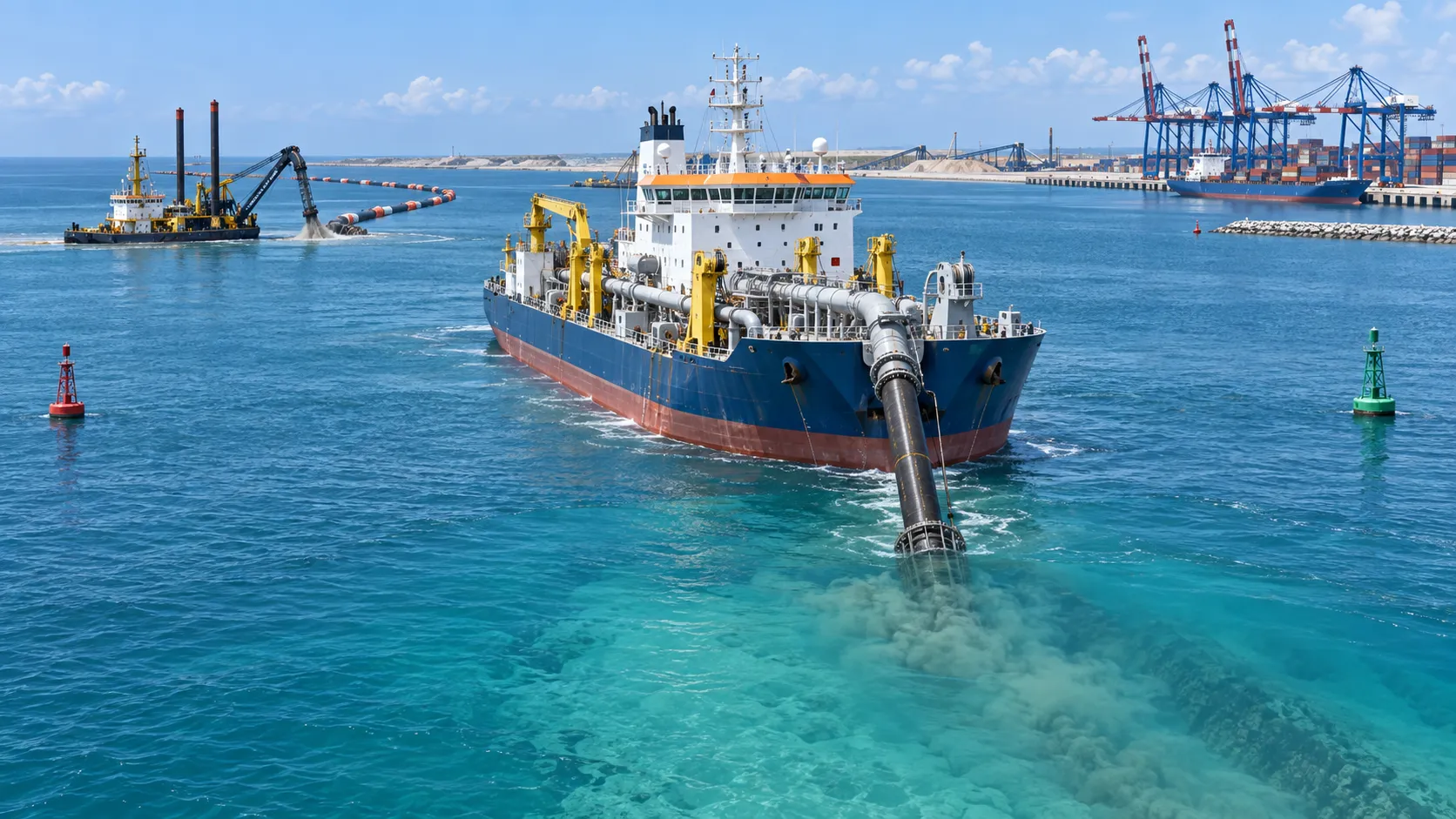
What Dredging Equipment Is Needed for Channel Deepening?
What dredging equipment is needed for channel deepening? Explore dredgers, pipelines, survey tools, and planning strategies for safer, more efficient port access.
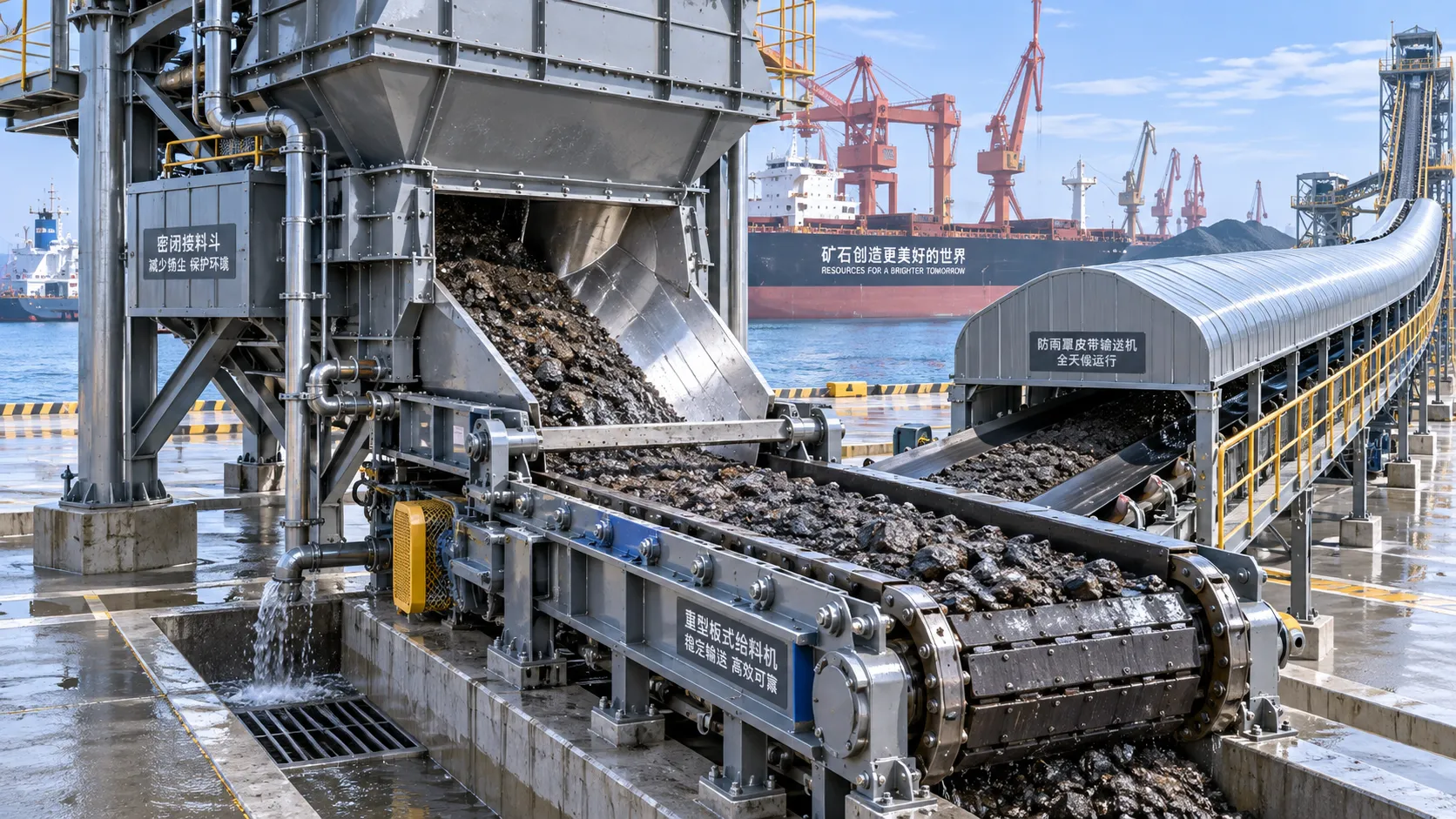
Which Bulk Handling Equipment Suits High-Moisture Cargo?
Which bulk handling equipment suits high-moisture cargo? Compare belt, apron, screw, drag, and slurry systems for reliable flow, less carryback, and higher terminal uptime.
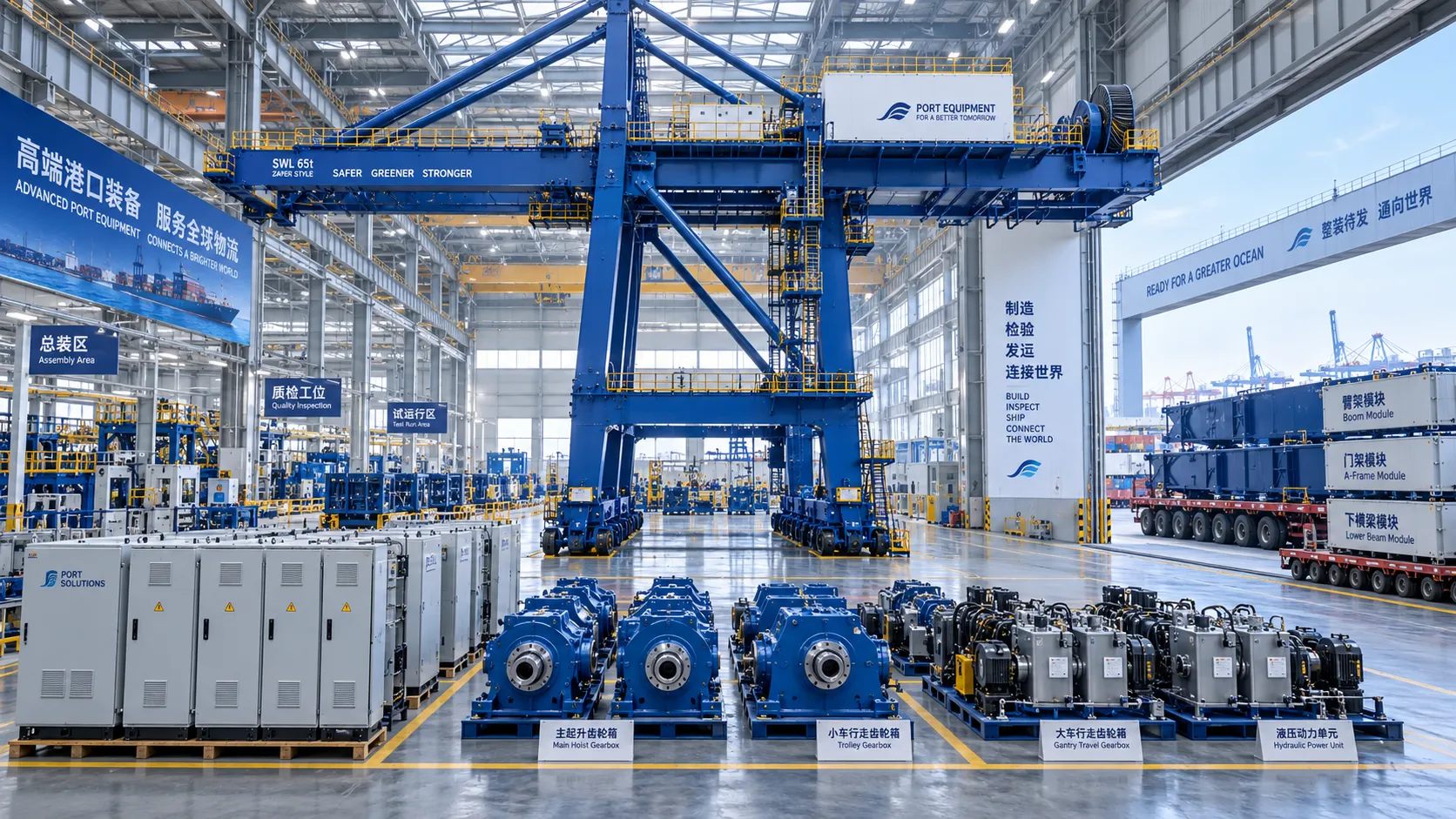
How Can Port Equipment Lead-Time Risk Be Managed?
How can port equipment lead-time risk be managed? Explore practical strategies to control critical paths, suppliers, transport, site readiness, and commissioning delays.
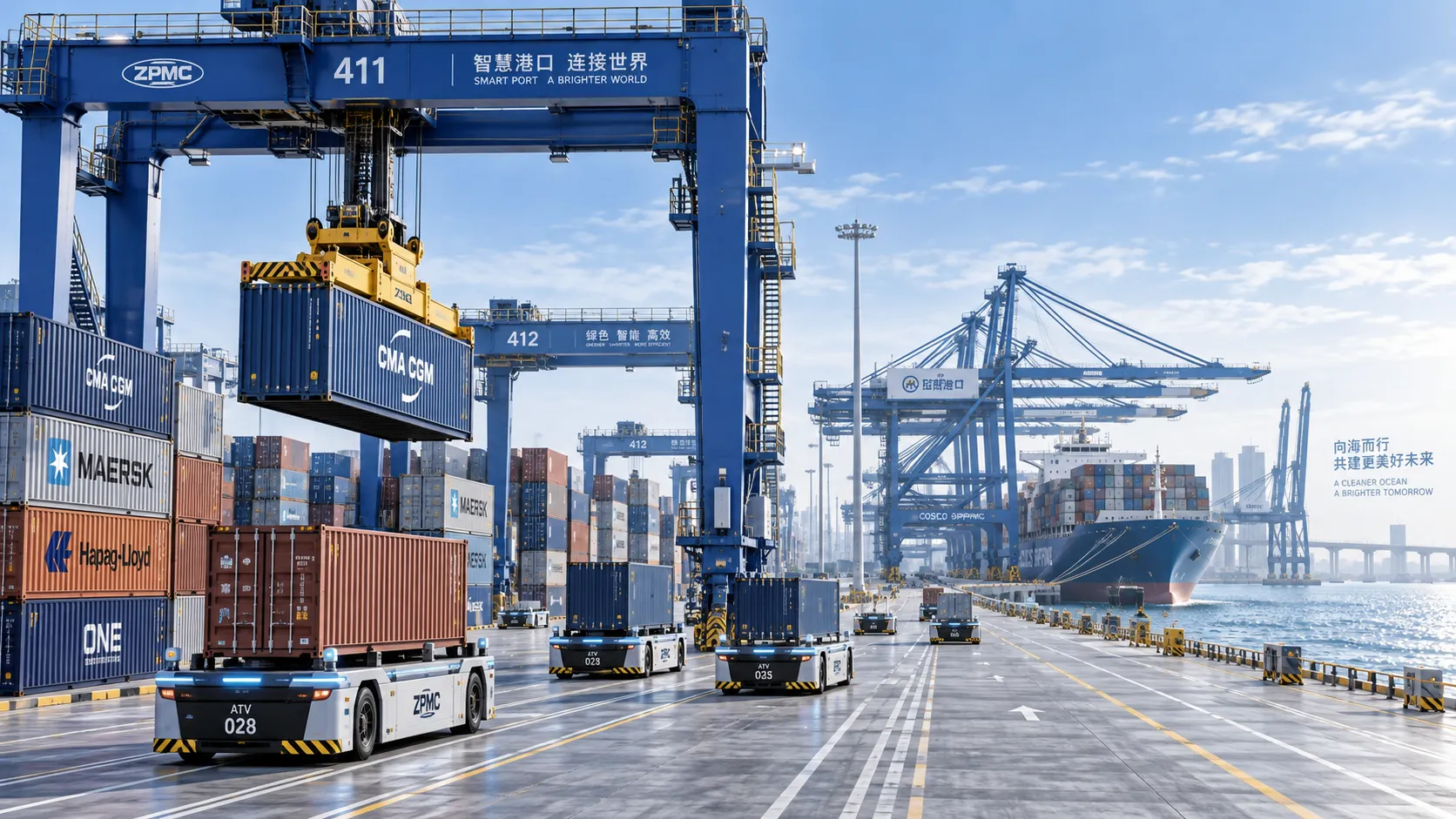
Terminal Automation Technologies That Raise Container Throughput Without Yard Disruption
Terminal automation technology that increases container throughput without disrupting yard flow. Explore smarter integration, resilient workflows, and phased deployment strategies.
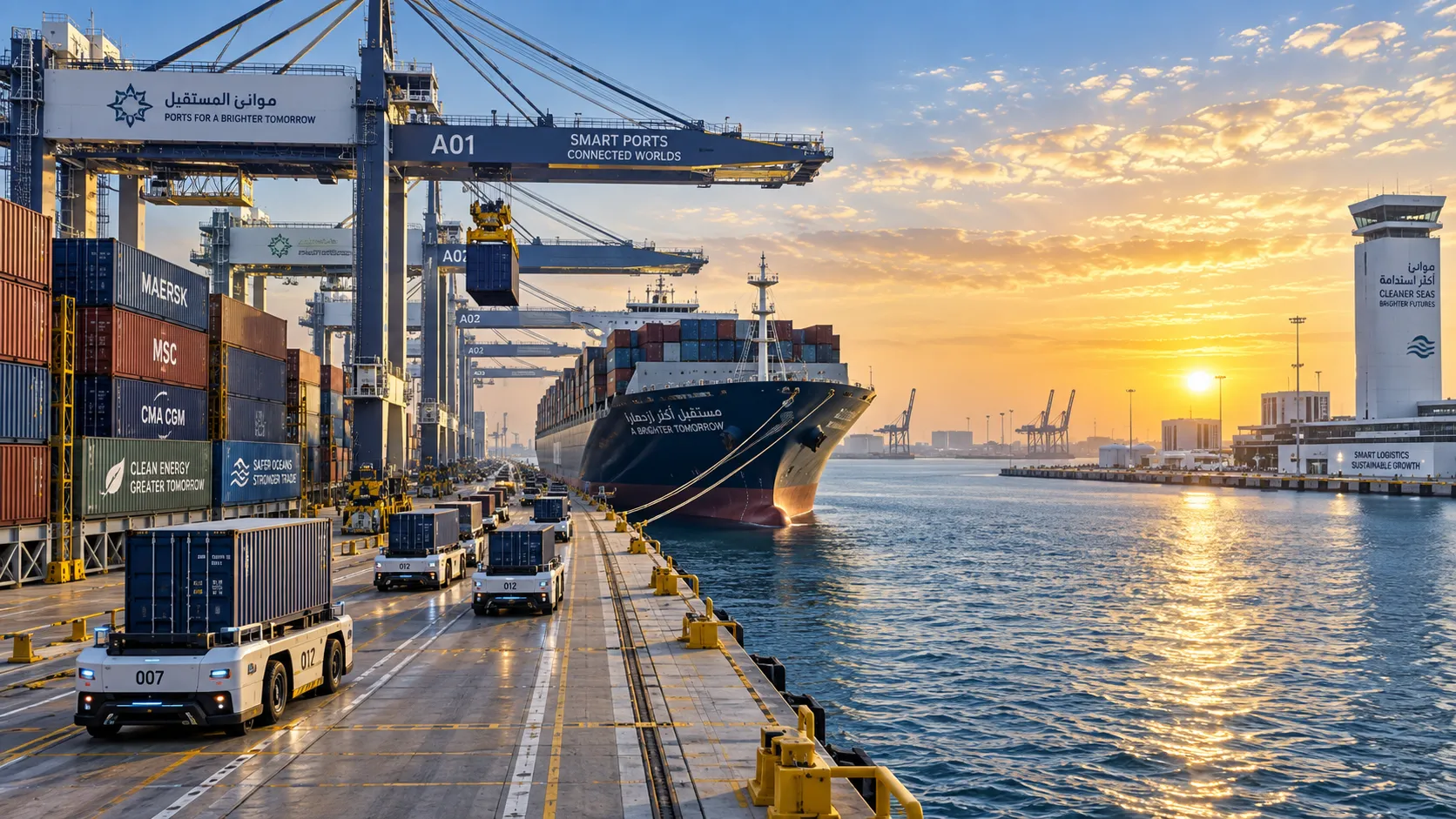
Middle East Port Automation: Key Market Drivers, Projects, and Investment Risks
Port automation systems Middle East: explore market drivers, flagship projects, integration challenges, and investment risks shaping smarter, resilient terminals.
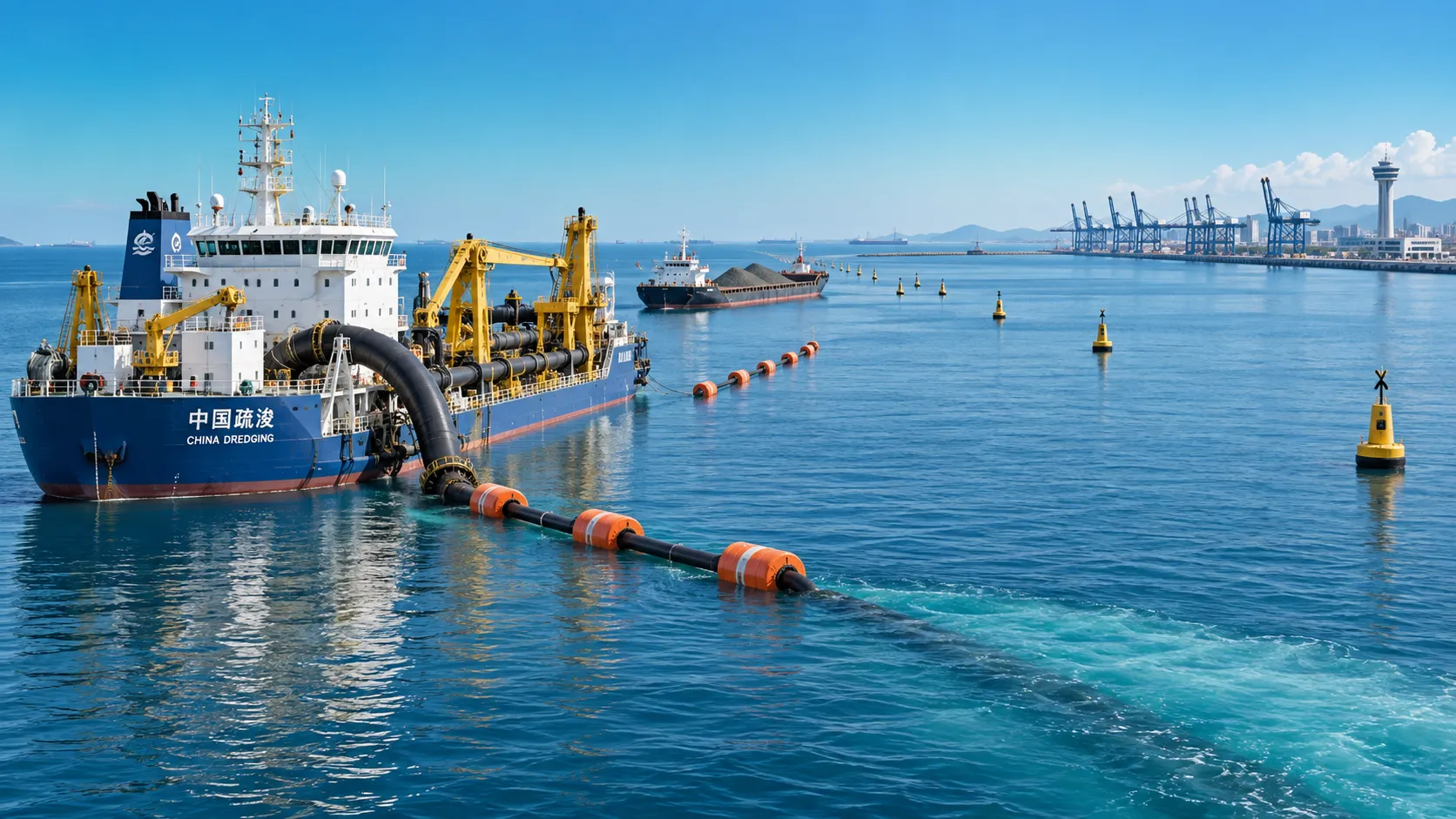
Planning Offshore Dredging Operations: Key Risks, Methods, and Project Controls
Offshore dredging operations demand smart planning. Explore key risks, proven methods, environmental controls, and project strategies for reliable delivery.