Related News
- 00
0000-00
Smart Port Systems in Southeast Asia: Investment Priorities and Adoption Barriers - 00
0000-00
Middle East Port Automation: Key Market Drivers, Projects, and Investment Risks - 00
0000-00
How Coastal Cities Can Prioritize Blue Economy Projects for Jobs and Ecosystem Gains - 00
0000-00
How Harbor Construction Solutions Address Wave Loads, Scour, and Vessel Berthing - 00
0000-00
What Is Driving Maritime Infrastructure Growth in Southeast Asia?
Blue Economy Market Trends: Investment Areas, Policy Drivers, and Supply Chain Opportunities
Blue economy momentum is moving from concept to capital allocation
The blue economy is no longer framed as a distant sustainability narrative.
It is becoming a practical investment map for ports, coastal assets, marine engineering, and digital maritime infrastructure.
That shift matters because money is now following operational bottlenecks, regulatory pressure, and supply chain resilience needs at the same time.
For anyone tracking maritime logistics, the stronger signal is not only rising interest in ocean industries.
It is the way investment decisions increasingly connect dredging, terminal equipment, automation systems, and decarbonization into one strategy.
This is where the blue economy begins to reshape trade infrastructure rather than simply describe it.
From the perspective of PS-Nexus, that pattern is especially visible across heavy terminal gear, container handling, and marine dredging engineering.
Those segments sit at the meeting point of physical throughput, software coordination, and coastal development policy.
Why the recent change feels more structural than cyclical
Several recent developments suggest the blue economy is entering a more durable phase.
Port congestion lessons, energy transition targets, and geopolitical trade rerouting have all exposed the limits of legacy maritime infrastructure.
At the same time, coastal governments are treating ports as strategic platforms for growth, security, and emissions management.
That makes policy and capital mutually reinforcing.
In practical terms, the blue economy is being pushed forward by a mix of hard constraints and new incentives.
- Larger vessels require deeper channels, stronger berths, and more capable handling systems.
- Net-zero policies are forcing ports to rethink power use, fleet composition, and equipment upgrades.
- Automation is becoming less experimental and more necessary for labor continuity and asset efficiency.
- Data visibility has become essential for scheduling, maintenance, and cargo flow predictability.
These factors do not operate separately.
They combine to make blue economy projects more integrated, larger in scope, and more dependent on long-term execution capability.
Investment is clustering around infrastructure that unlocks throughput
Capital in the blue economy is not spreading evenly across every marine segment.
It is concentrating in areas that remove systemic delays from trade networks.
Ports remain central because they are where shipping efficiency, customs timing, landside transport, and energy use all converge.
The strongest investment areas now
The notable point is that investors increasingly prefer assets tied to measurable throughput gains.
The blue economy story becomes more compelling when a project can show shorter vessel stays, cleaner operations, or improved channel access.
Policy drivers are doing more than setting sustainability targets
Policy is often described as a background factor, but in the blue economy it increasingly shapes commercial timing.
Emission rules, port modernization funds, coastal resilience programs, and digital compliance requirements are accelerating project decisions.
This matters because regulations now influence both asset replacement cycles and technology selection.
A terminal upgrade is rarely just about adding equipment.
It is often linked to shore power readiness, energy monitoring, automation interfaces, and environmental reporting obligations.
More importantly, policy support is making some blue economy projects bankable sooner than expected.
Public funding and blended finance reduce uncertainty for long-cycle infrastructure where returns depend on decades, not quarters.
That favors projects with clear technical planning and strong operational intelligence.
The supply chain opportunity is broader than shipping alone
One common mistake is to treat the blue economy as a narrow shipping theme.
In reality, supply chain opportunities are spreading across machinery, software, energy systems, sensors, communications, and marine civil works.
That expansion is especially visible when ports transition toward smarter, lower-emission operations.
Where new demand is appearing
- Remote-controlled cranes require low-latency networks, stronger cybersecurity, and integrated control logic.
- AGV fleets need reliable path-planning software, charging strategies, and traffic coordination tools.
- Dredging fleets increasingly depend on digital pump monitoring and condition-based maintenance visibility.
- Bulk handling machinery is seeing new demand where energy trade routes and mineral flows are being reconfigured.
This is why supply chain value in the blue economy is becoming more layered.
The opportunity is not only in manufacturing physical equipment.
It also sits in integration, lifecycle service, software compatibility, and standards alignment.
What the shift means for ports, coastal projects, and marine operators
The blue economy is changing decision criteria across different operating environments.
Port projects now face stronger pressure to prove resilience, energy readiness, and digital interoperability at the planning stage.
Coastal engineering projects are being judged not only by construction scope, but by how well they support future trade and climate adaptation.
Marine equipment programs must increasingly show service continuity, spare parts reliability, and upgrade potential.
In actual deployment, the biggest advantage often goes to systems that connect previously separate functions.
That may mean linking terminal gear data with berth scheduling.
It may mean connecting dredging performance data with channel maintenance planning.
Or it may mean designing container handling around both labor constraints and landside congestion.
PS-Nexus sits close to this intersection because its intelligence model follows both machines and the systems that coordinate them.
The next phase will reward visibility, not just capacity
Looking ahead, blue economy growth is likely to favor operators and project planners who can see change early.
Capacity still matters, but visibility into risk, utilization, and policy timing matters more than before.
That includes watching trade lane adjustments, regional infrastructure budgets, energy cargo shifts, and automation standards.
It also means comparing technologies by system fit rather than isolated specifications.
Useful next checks
- Track whether coastal infrastructure plans are linked to trade expansion or climate defense budgets.
- Review where automation projects are moving from pilot stage to full terminal deployment.
- Compare equipment demand with channel deepening, berth expansion, and yard redesign schedules.
- Assess whether data systems can support both compliance reporting and operational decision speed.
The blue economy is becoming more concrete, more technical, and more interconnected.
That is precisely why careful intelligence now has greater value.
A clear next step is to map investment signals against policy direction and equipment readiness together.
That approach makes it easier to identify where market movement is temporary, and where the blue economy is permanently redrawing the maritime landscape.
- heavy terminal gear
- marine dredging engineering
- maritime logistics
- mega port terminal
- bulk handling machinery
- specialized container handling
- port automation
- blue economy
- remote-controlled cranes
- digital pump monitoring
- coastal infrastructure
- maritime infrastructure
- terminal equipment
- port automation systems
Related News
Smart Port Systems in Southeast Asia: Investment Priorities and Adoption Barriers
Smart port systems Southeast Asia: discover investment priorities, adoption barriers, and practical steps to build resilient, connected, high-performing terminals.
How to Evaluate Terminal Efficiency Solution Suppliers for High-Throughput Operations
Choose a terminal efficiency solutions supplier with confidence. Explore proven criteria for throughput, integration, lifecycle cost, safety, and reliable delivery.
How to Specify a Quay Crane for Container Terminals by Vessel Size and Throughput?
Quay crane for container terminals: learn how to match outreach, lift height, capacity, automation, and cycle performance to vessel size and throughput goals.
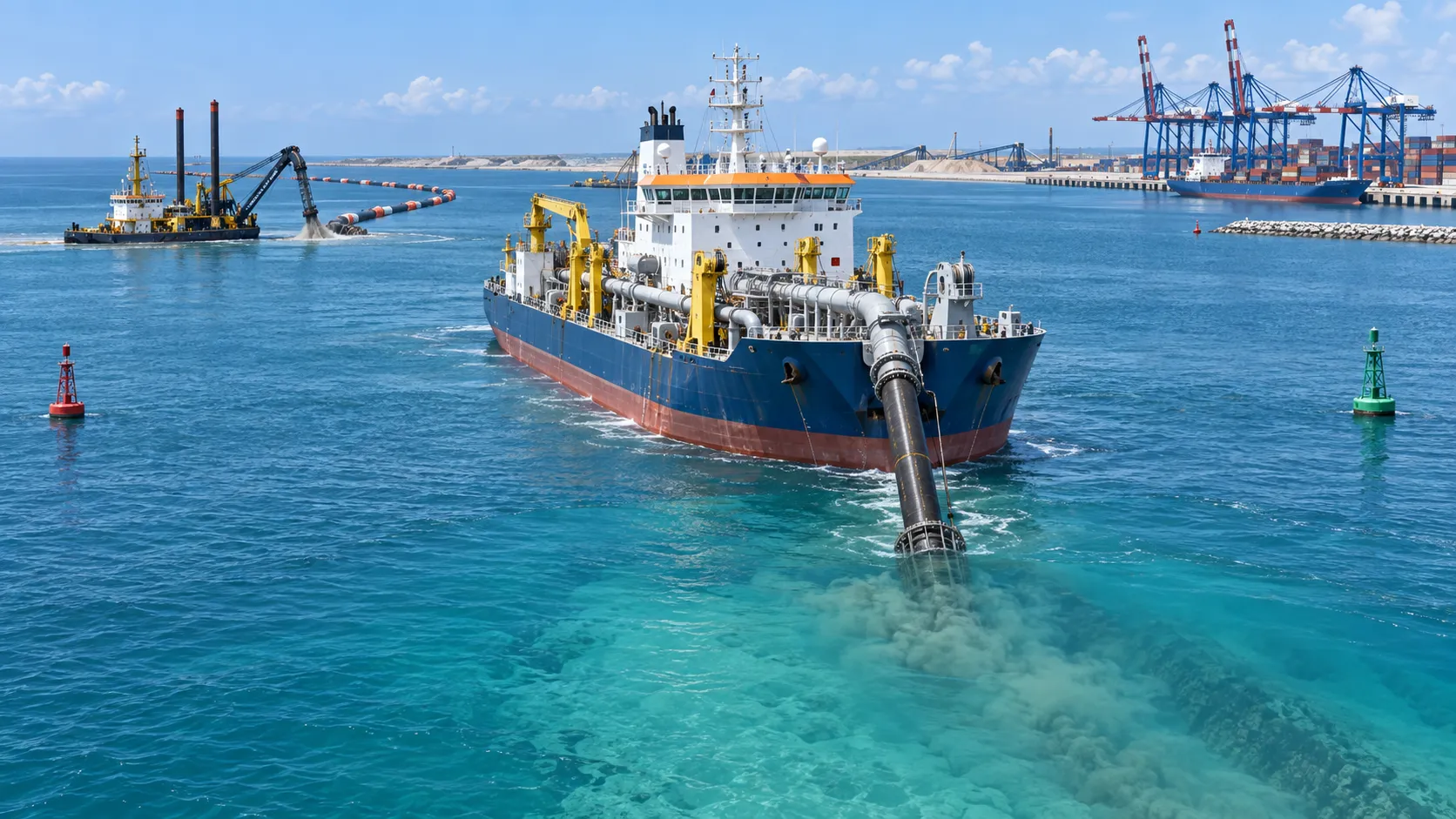
What Dredging Equipment Is Needed for Channel Deepening?
What dredging equipment is needed for channel deepening? Explore dredgers, pipelines, survey tools, and planning strategies for safer, more efficient port access.
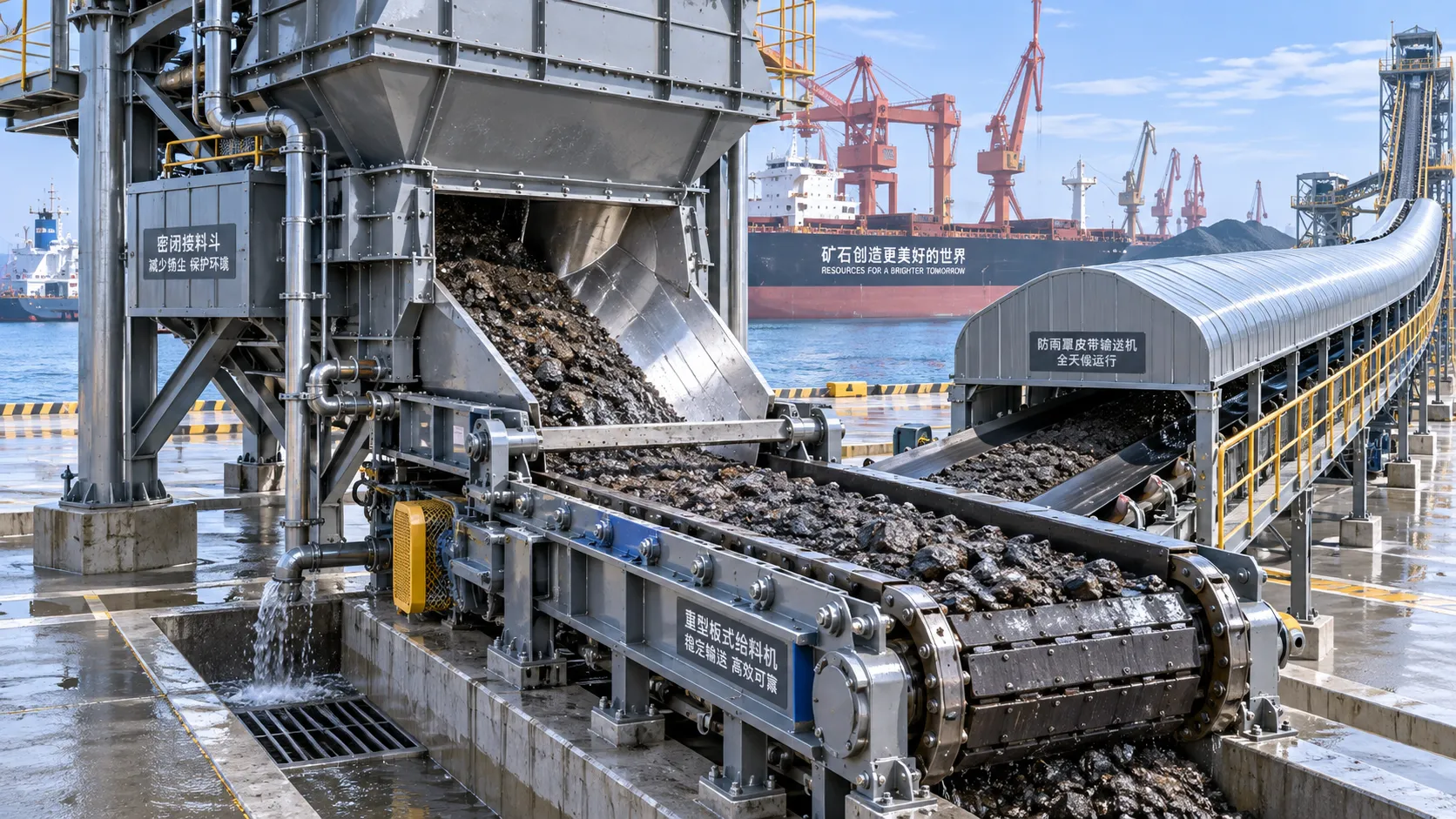
Which Bulk Handling Equipment Suits High-Moisture Cargo?
Which bulk handling equipment suits high-moisture cargo? Compare belt, apron, screw, drag, and slurry systems for reliable flow, less carryback, and higher terminal uptime.
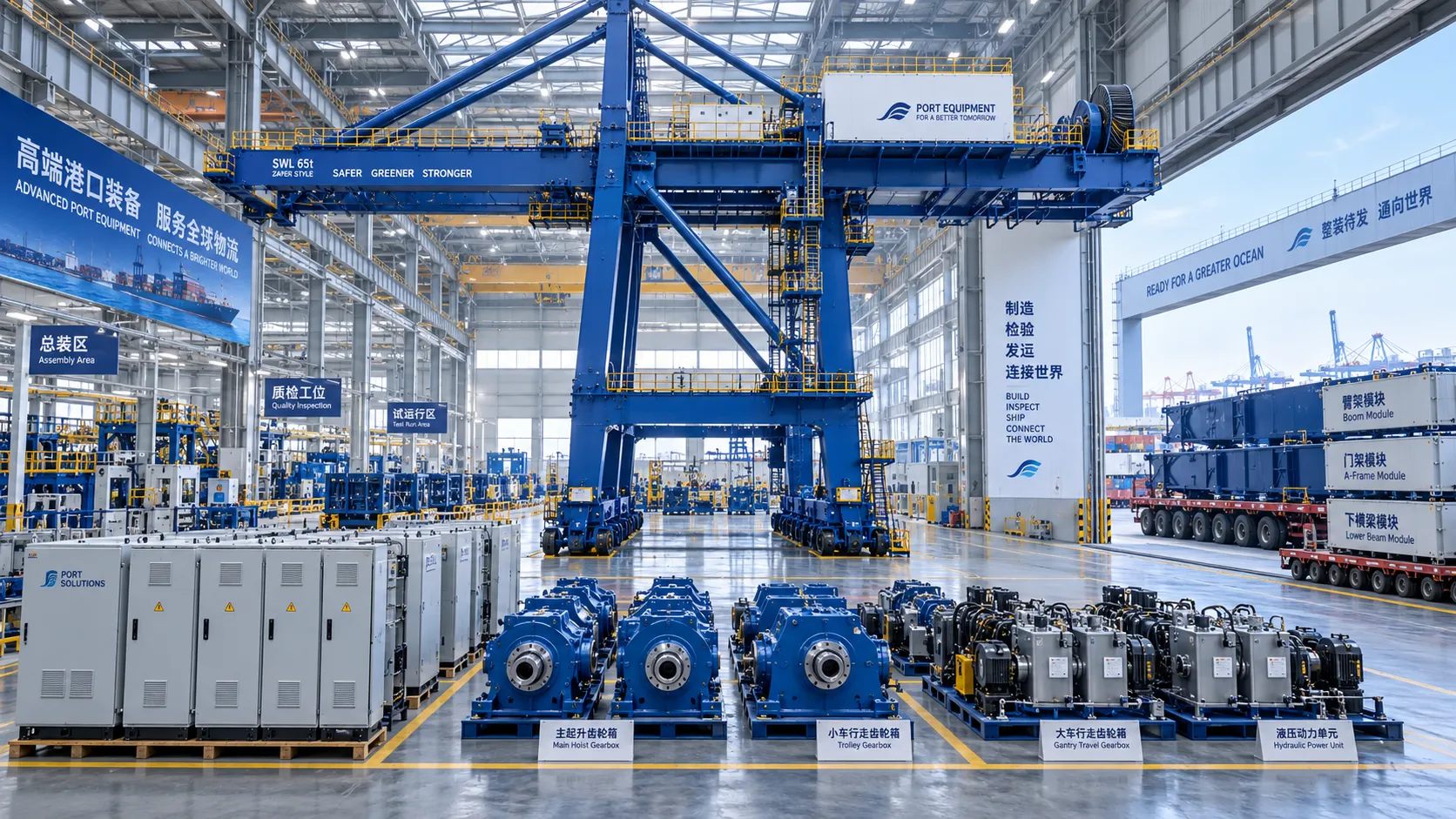
How Can Port Equipment Lead-Time Risk Be Managed?
How can port equipment lead-time risk be managed? Explore practical strategies to control critical paths, suppliers, transport, site readiness, and commissioning delays.
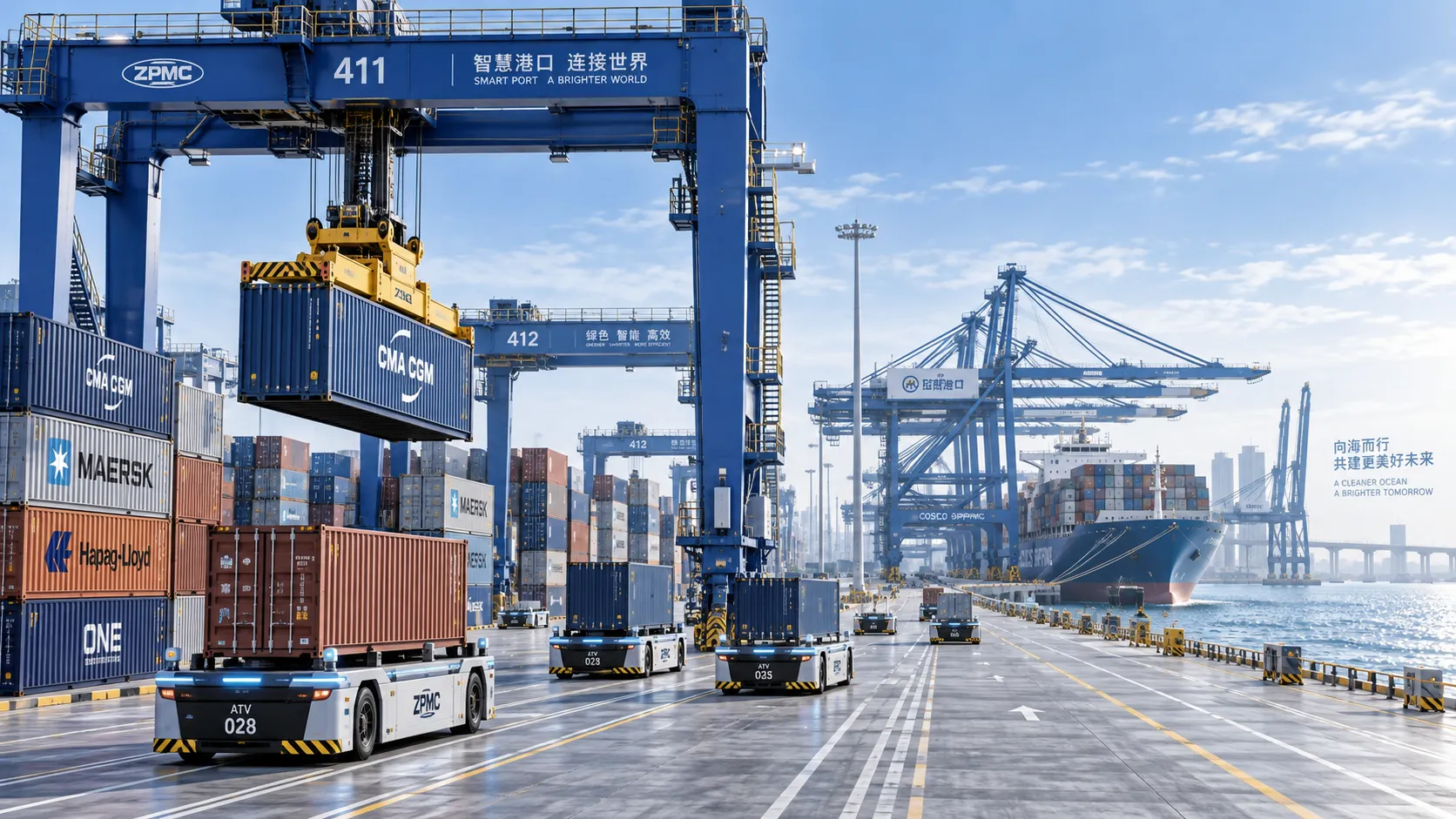
Terminal Automation Technologies That Raise Container Throughput Without Yard Disruption
Terminal automation technology that increases container throughput without disrupting yard flow. Explore smarter integration, resilient workflows, and phased deployment strategies.
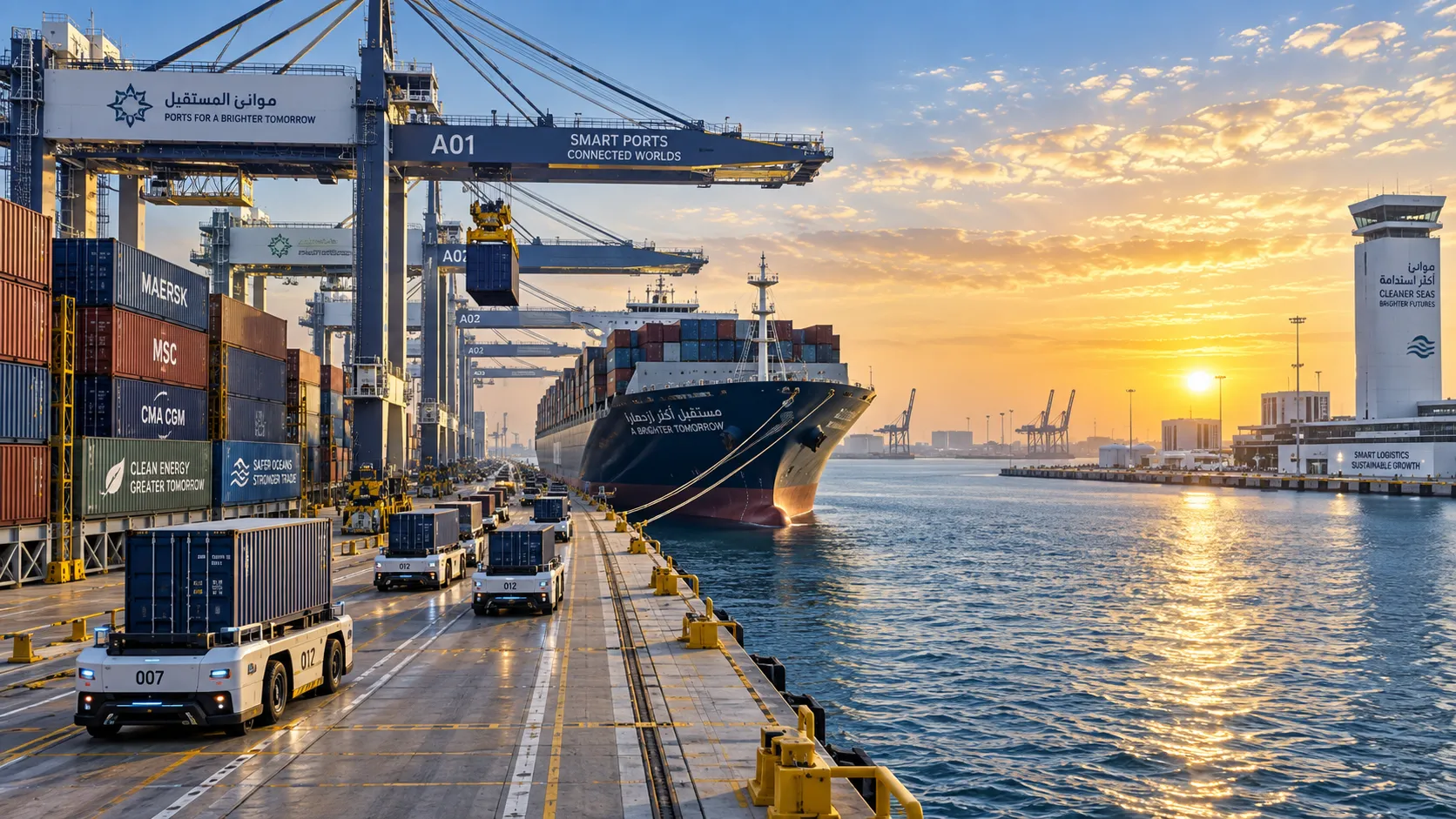
Middle East Port Automation: Key Market Drivers, Projects, and Investment Risks
Port automation systems Middle East: explore market drivers, flagship projects, integration challenges, and investment risks shaping smarter, resilient terminals.
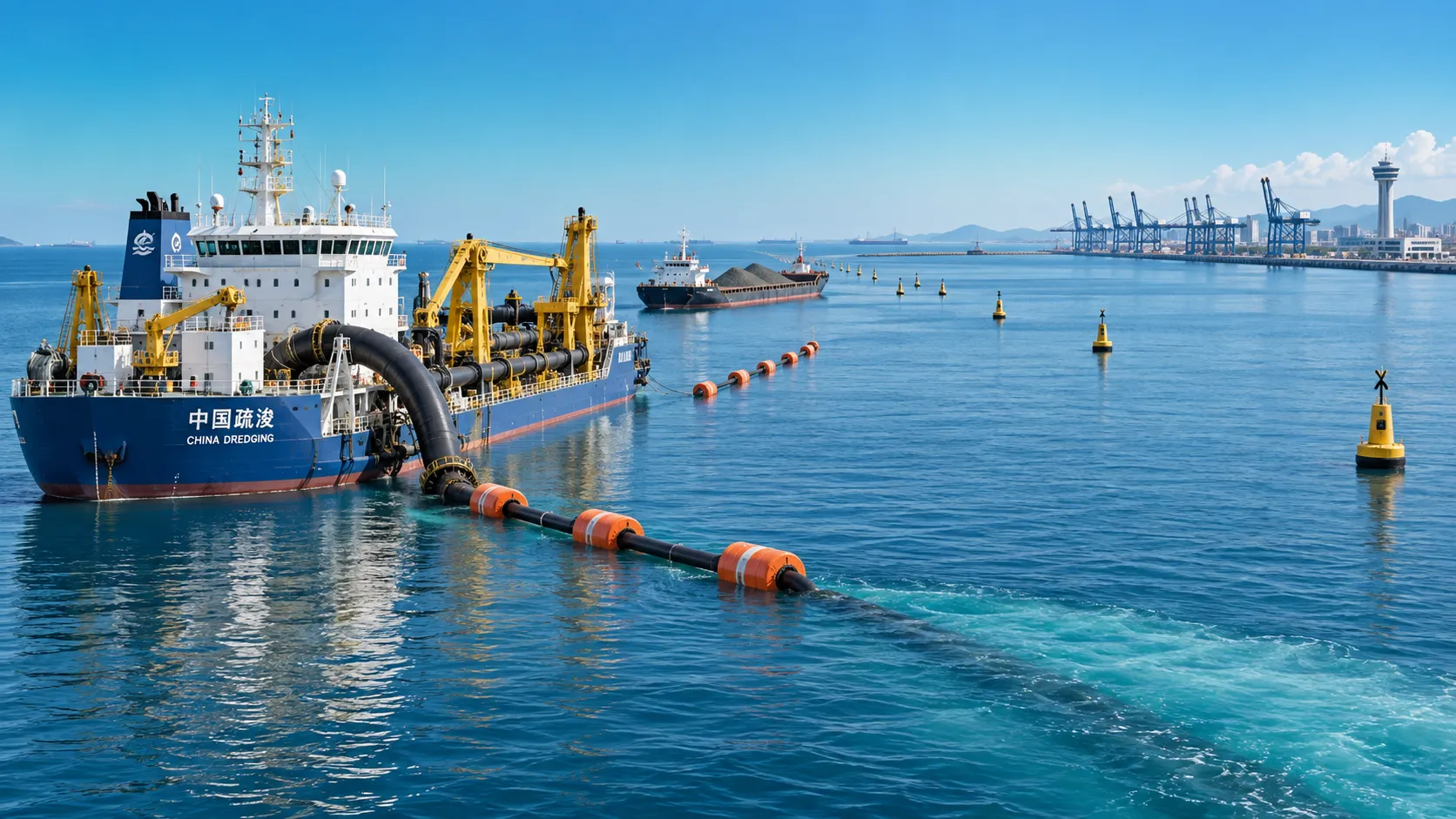
Planning Offshore Dredging Operations: Key Risks, Methods, and Project Controls
Offshore dredging operations demand smart planning. Explore key risks, proven methods, environmental controls, and project strategies for reliable delivery.