Related News
- 00
0000-00
Smart Port Systems in Southeast Asia: Investment Priorities and Adoption Barriers - 00
0000-00
Middle East Port Automation: Key Market Drivers, Projects, and Investment Risks - 00
0000-00
How Coastal Cities Can Prioritize Blue Economy Projects for Jobs and Ecosystem Gains - 00
0000-00
How Harbor Construction Solutions Address Wave Loads, Scour, and Vessel Berthing - 00
0000-00
What Is Driving Maritime Infrastructure Growth in Southeast Asia?
Terminal Automation Technology vs Manual Operations: Cost, Throughput, and Risk Compared
Terminal Automation Technology vs Manual Operations: Cost, Throughput, and Risk Compared
For enterprise decision-makers, the debate between terminal automation technology and manual operations is no longer theoretical.
Ports now face higher labor costs, stricter safety rules, and constant pressure to move more cargo with fewer disruptions.
That makes the operating model a financial choice, not just a technical one.
The real question is not whether terminal automation technology is modern.
It is whether it delivers lower lifetime cost, steadier throughput, and better risk control than manual operations.
In practice, the answer depends on cargo profile, labor structure, yard layout, and how much operational variability a terminal can tolerate.
Why This Comparison Matters Now
Recent shifts make terminal automation technology more relevant than it was even five years ago.
Vessel sizes keep growing, berth windows are tighter, and shippers expect predictable turnaround times.
At the same time, labor availability is less certain in many port regions.
Manual operations still dominate globally, especially in mixed cargo terminals and cost-sensitive markets.
Yet more operators now evaluate terminal automation technology as a strategic hedge against volatility.
This is especially true where heavy terminal gear, automated container handling, and scheduling systems must work as one coordinated flow.
Cost Structure: Upfront Expense vs Lifetime Economics
The first thing most buyers notice is capital cost.
Terminal automation technology usually requires higher initial investment than manual operations.
That investment often includes automated cranes, AGVs, control software, sensors, connectivity, and integration services.
Manual operations look cheaper at the start because equipment, systems, and training needs are simpler.
But upfront cost tells only part of the story.
Over time, terminal automation technology can reduce labor dependency, idle time, fuel waste, rehandling, and human error losses.
Manual operations often carry lower fixed cost but higher variable cost.
Those variable costs rise quickly when shift premiums, overtime, accident claims, and inconsistent equipment use begin stacking up.
A smart procurement review should compare total cost of ownership across ten to fifteen years, not just project approval budgets.
Key Cost Questions to Ask
- How fast are labor costs rising at this location?
- What is the real maintenance burden of automated assets?
- How much productivity loss comes from manual variability today?
- What is the expected payback period for terminal automation technology?
- Can the terminal absorb integration downtime during transition?
Throughput: Where Automation Usually Wins
Throughput is where terminal automation technology often shows its strongest business case.
Automated workflows are designed for repeatability, route optimization, and predictable cycle times.
That matters when a terminal handles large container volumes under tight service commitments.
Manual operations can perform very well in skilled environments.
However, output often changes by crew, shift, weather tolerance, and yard congestion response.
Terminal automation technology improves synchronization between quay cranes, yard cranes, and transport vehicles.
It also supports real-time scheduling adjustments when vessel priority or stack density changes.
More importantly, it can keep performance stable over longer operating windows, including nights and peak periods.
Where Manual Operations Still Compete
Manual operations remain competitive in terminals with irregular cargo mixes or frequently changing handling patterns.
They are also useful where infrastructure constraints limit the value of full system automation.
In those cases, selective automation may deliver better returns than a complete replacement model.
Risk Profile: Safety, Continuity, and Cyber Exposure
Risk comparison is more nuanced than many procurement teams expect.
Terminal automation technology reduces direct human exposure in hazardous zones.
That can lower collision risk, fatigue-related incidents, and injuries near heavy moving equipment.
It also creates better data trails for compliance, root-cause analysis, and preventive action.
Still, automation does not remove risk.
It changes the risk mix from manual error toward software failure, network interruption, sensor blind spots, and cyber threats.
Manual operations have familiar controls, but they are often harder to standardize under pressure.
A missed handoff, poor visibility, or rushed lift plan can trigger expensive downstream disruption.
A Practical Risk Checklist
- Measure safety incidents by exposure hours, not by raw event count.
- Review backup control modes for crane, yard, and gate systems.
- Test cyber resilience before go-live, not after deployment.
- Map failure points across software, power, communications, and operations.
- Confirm vendor support response times in service agreements.
The Middle Path: Partial Automation Often Makes Sense
In actual projects, the choice is rarely all or nothing.
Many terminals move first toward hybrid models.
They automate high-volume, repetitive tasks while keeping manual control for exceptions and complex cargo situations.
This approach lowers transition risk and protects service continuity.
It also helps operations teams build trust in terminal automation technology through measurable results.
Typical starting points include automated yard planning, remote crane operations, gate automation, and equipment monitoring.
For many buyers, selective deployment creates a clearer path to return on investment than a full terminal rebuild.
How to Evaluate Terminal Automation Technology Before Buying
A solid procurement process should start with terminal realities, not vendor presentations.
That means defining the business problem in numbers.
Is the pain point labor cost, berth delay, accident exposure, yard density, or asset underuse?
Once that is clear, compare terminal automation technology against manual operations using the same performance baseline.
- Build a current-state model for moves per hour, labor intensity, downtime, and safety events.
- Estimate future volume scenarios, including peak surges and service variability.
- Calculate total cost of ownership, including software, integration, training, and lifecycle support.
- Run sensitivity analysis for labor inflation, throughput gains, and implementation delays.
- Check interoperability with existing terminal operating systems and heavy terminal gear.
- Validate whether the supplier can support phased deployment and live-site troubleshooting.
This is where a high-authority intelligence view becomes valuable.
A platform like PS-Nexus helps connect equipment capability, automation logic, and trade demand into one decision frame.
Final Take: Match the Model to the Mission
Terminal automation technology is not automatically the best answer for every terminal.
But it is increasingly the stronger option where scale, predictability, and safety consistency drive profits.
Manual operations still offer flexibility, lower initial barriers, and faster adaptation in certain cargo environments.
The most effective procurement decisions compare both models through lifetime economics, throughput stability, and controllable risk.
If the objective is resilient growth, the better question is not automation or manual alone.
The better question is which operating mix supports your trade lane, labor market, and terminal expansion strategy.
Start with the bottleneck, quantify the loss, and let the operating model prove its value.
That is how terminal automation technology moves from industry trend to sound capital decision.
Related News
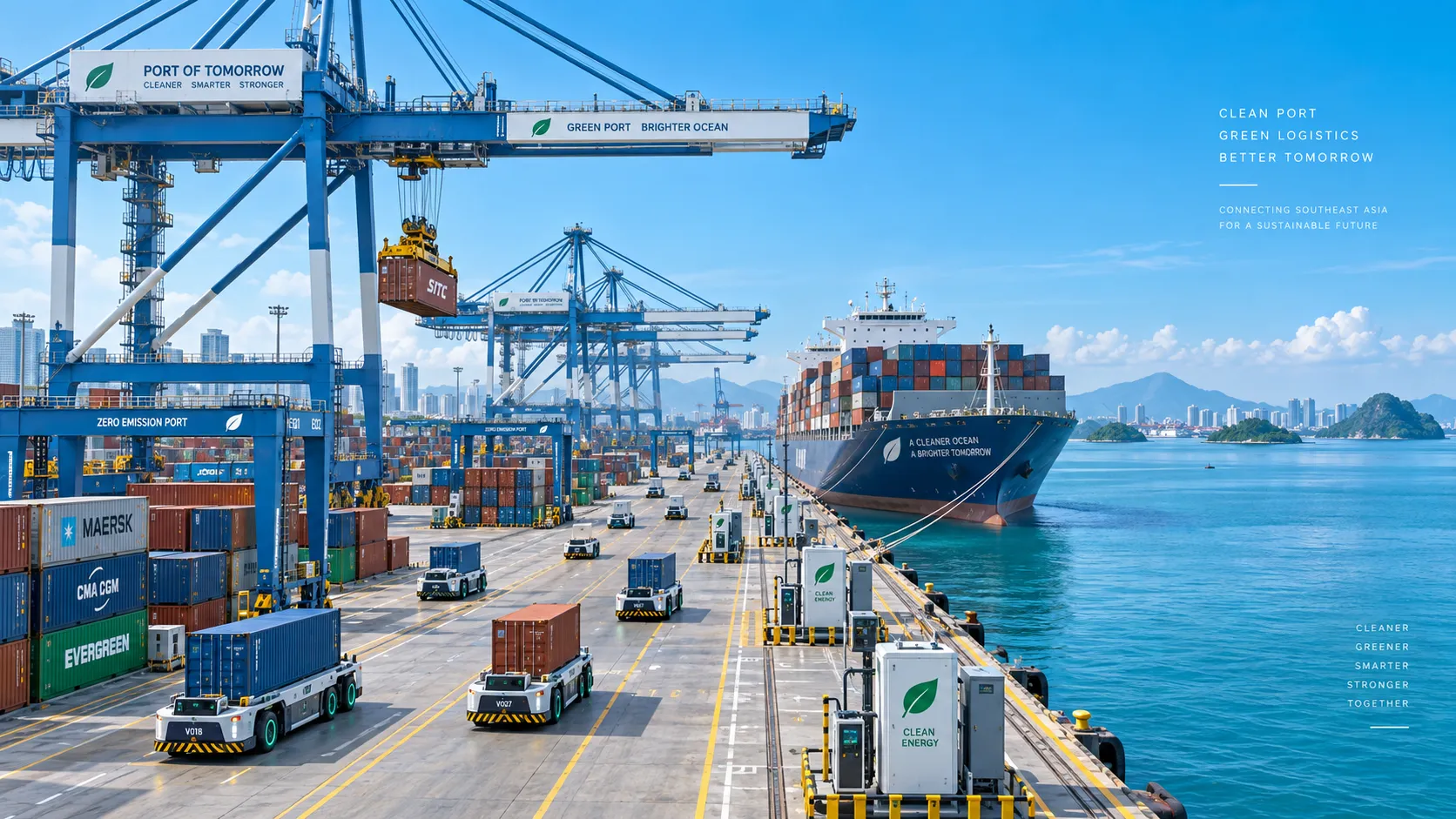
Smart Port Systems in Southeast Asia: Investment Priorities and Adoption Barriers
Smart port systems Southeast Asia: discover investment priorities, adoption barriers, and practical steps to build resilient, connected, high-performing terminals.
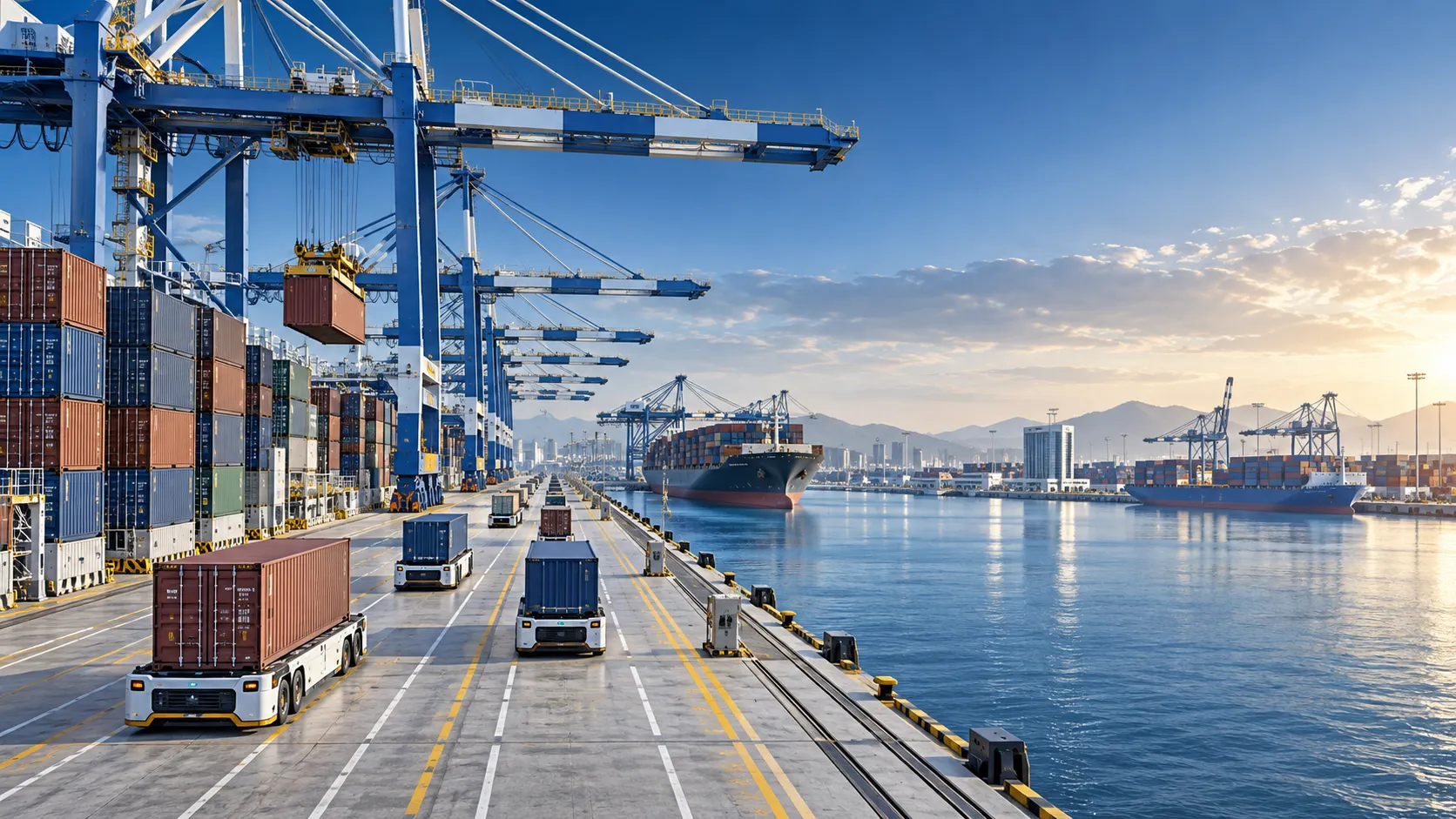
How to Evaluate Terminal Efficiency Solution Suppliers for High-Throughput Operations
Choose a terminal efficiency solutions supplier with confidence. Explore proven criteria for throughput, integration, lifecycle cost, safety, and reliable delivery.
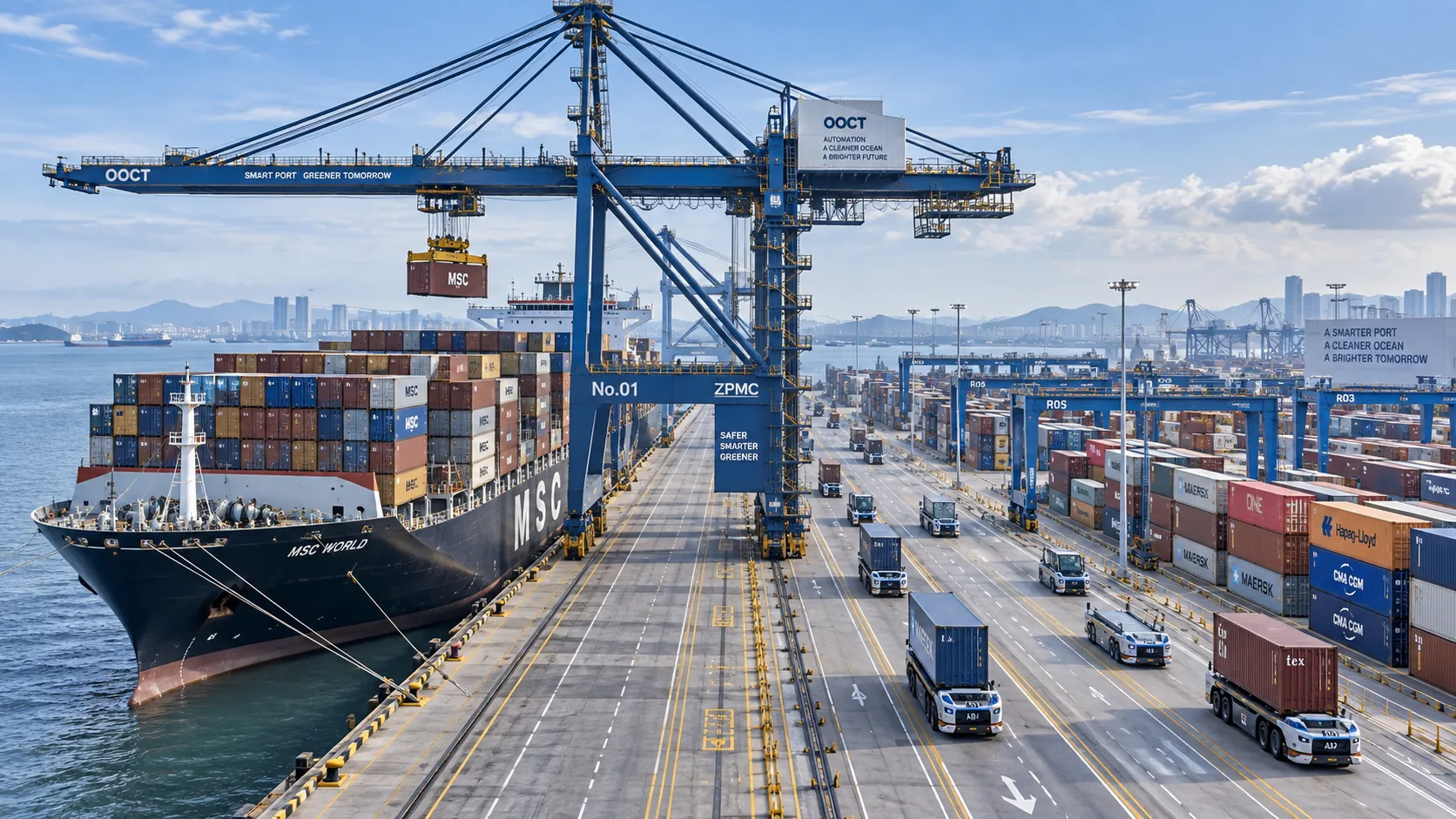
How to Specify a Quay Crane for Container Terminals by Vessel Size and Throughput?
Quay crane for container terminals: learn how to match outreach, lift height, capacity, automation, and cycle performance to vessel size and throughput goals.
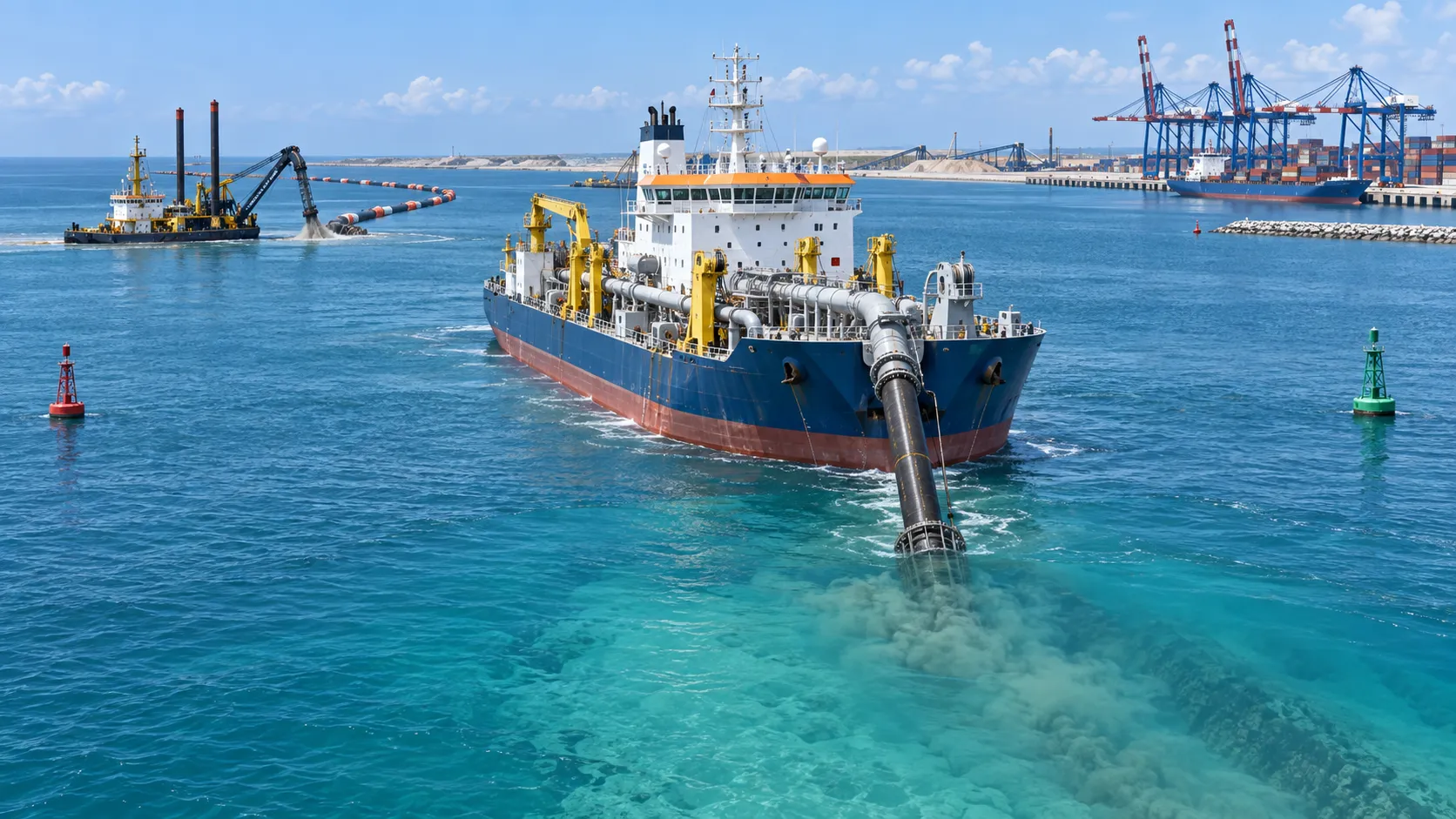
What Dredging Equipment Is Needed for Channel Deepening?
What dredging equipment is needed for channel deepening? Explore dredgers, pipelines, survey tools, and planning strategies for safer, more efficient port access.
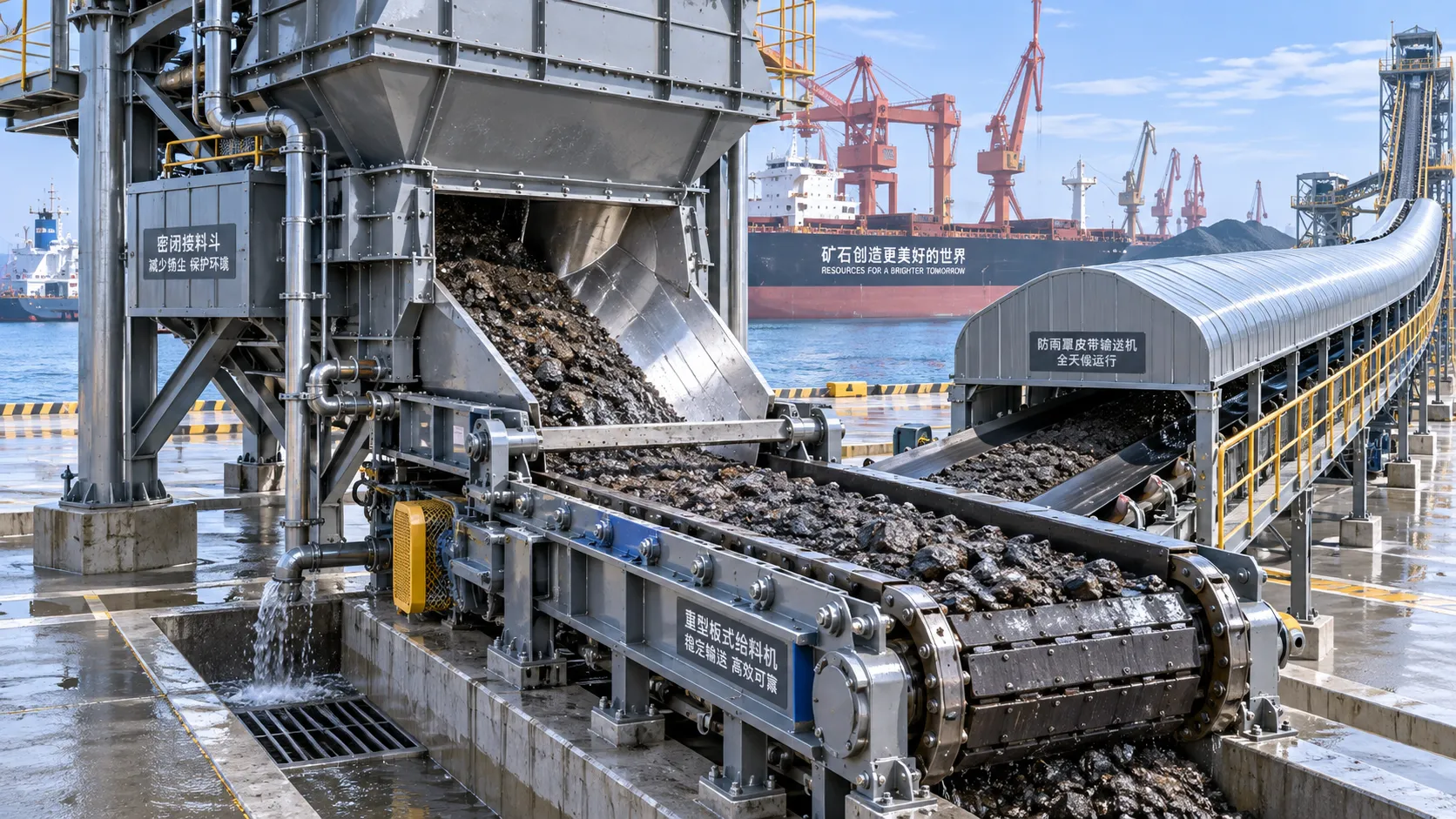
Which Bulk Handling Equipment Suits High-Moisture Cargo?
Which bulk handling equipment suits high-moisture cargo? Compare belt, apron, screw, drag, and slurry systems for reliable flow, less carryback, and higher terminal uptime.
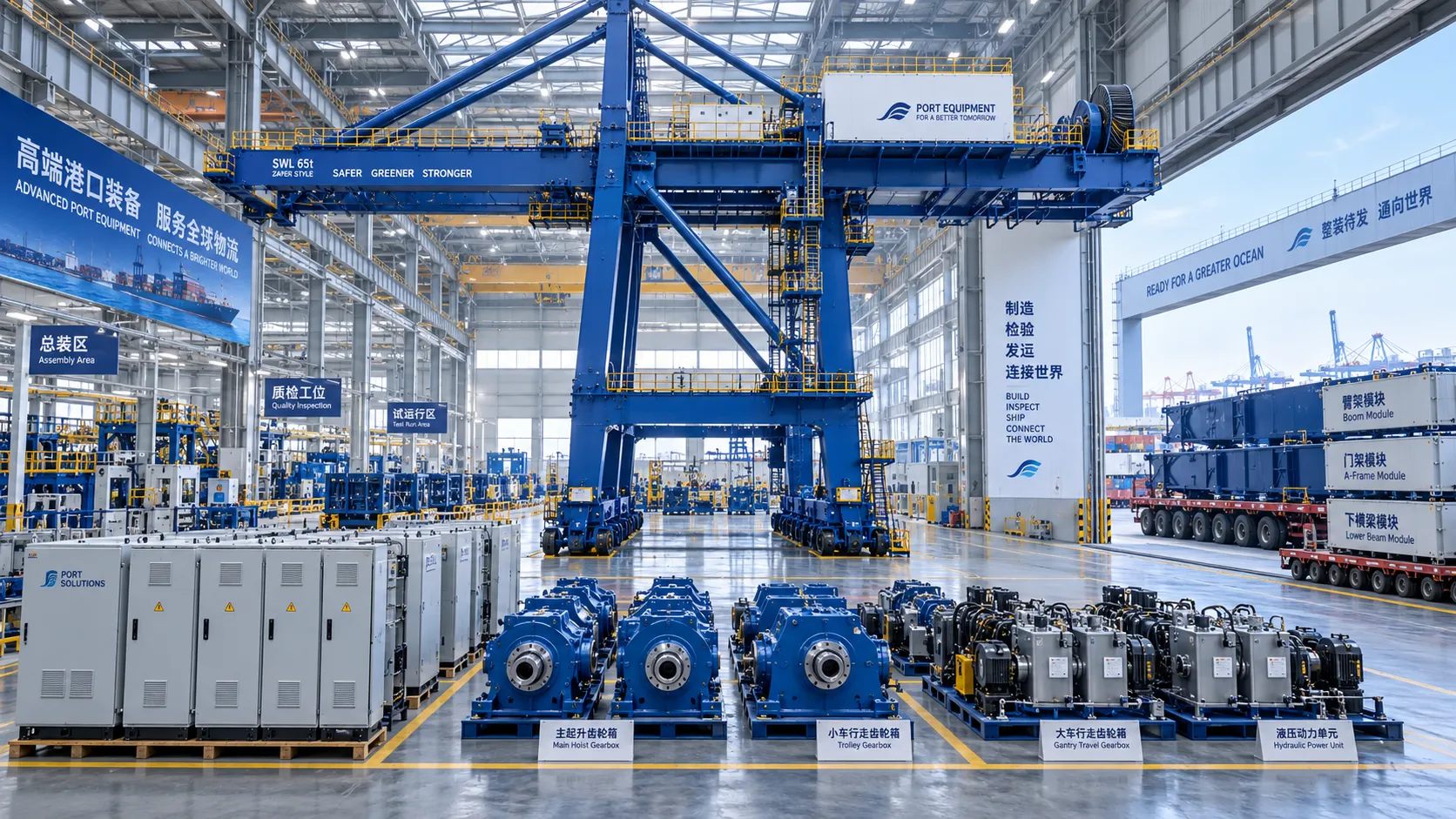
How Can Port Equipment Lead-Time Risk Be Managed?
How can port equipment lead-time risk be managed? Explore practical strategies to control critical paths, suppliers, transport, site readiness, and commissioning delays.
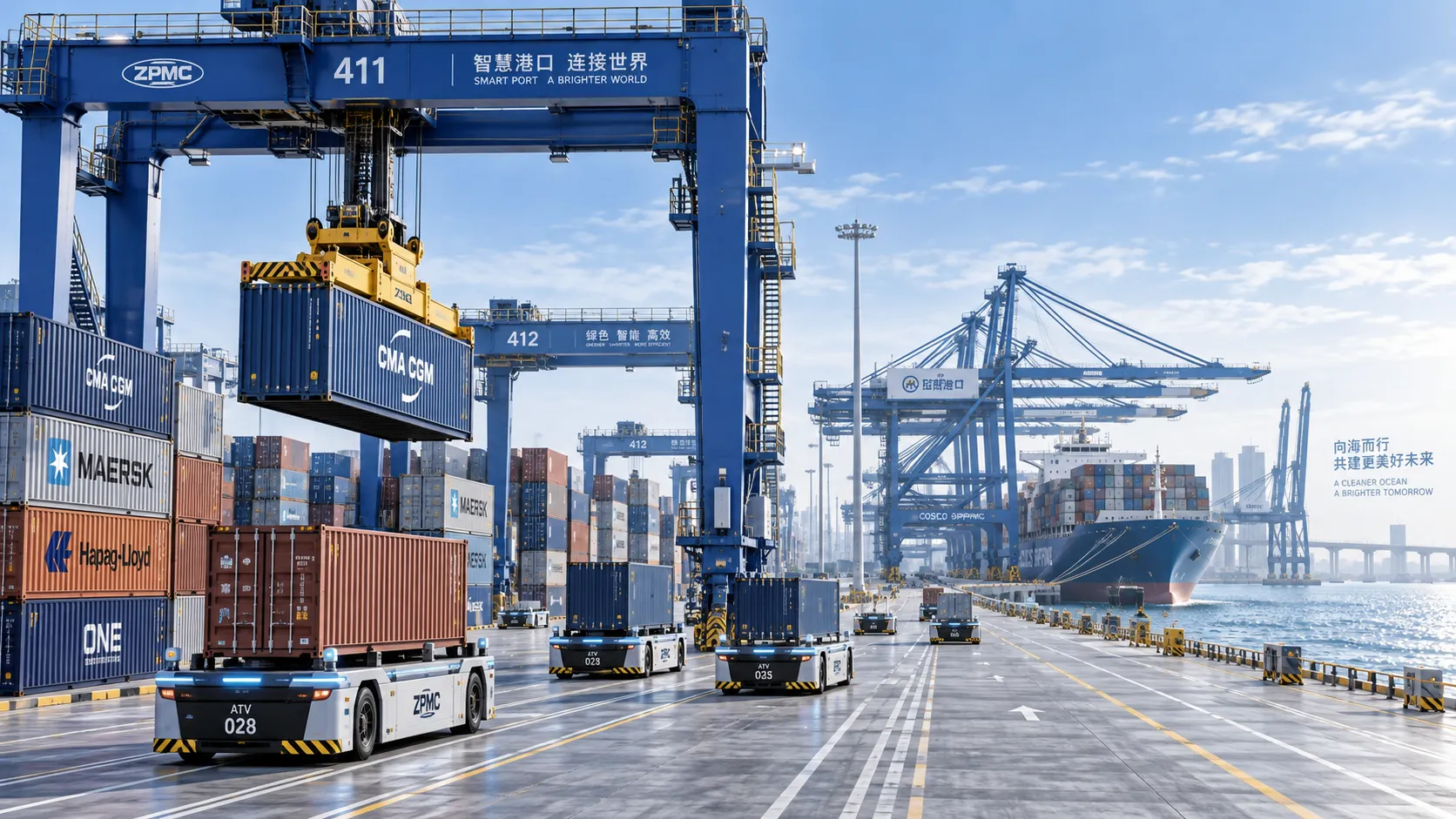
Terminal Automation Technologies That Raise Container Throughput Without Yard Disruption
Terminal automation technology that increases container throughput without disrupting yard flow. Explore smarter integration, resilient workflows, and phased deployment strategies.
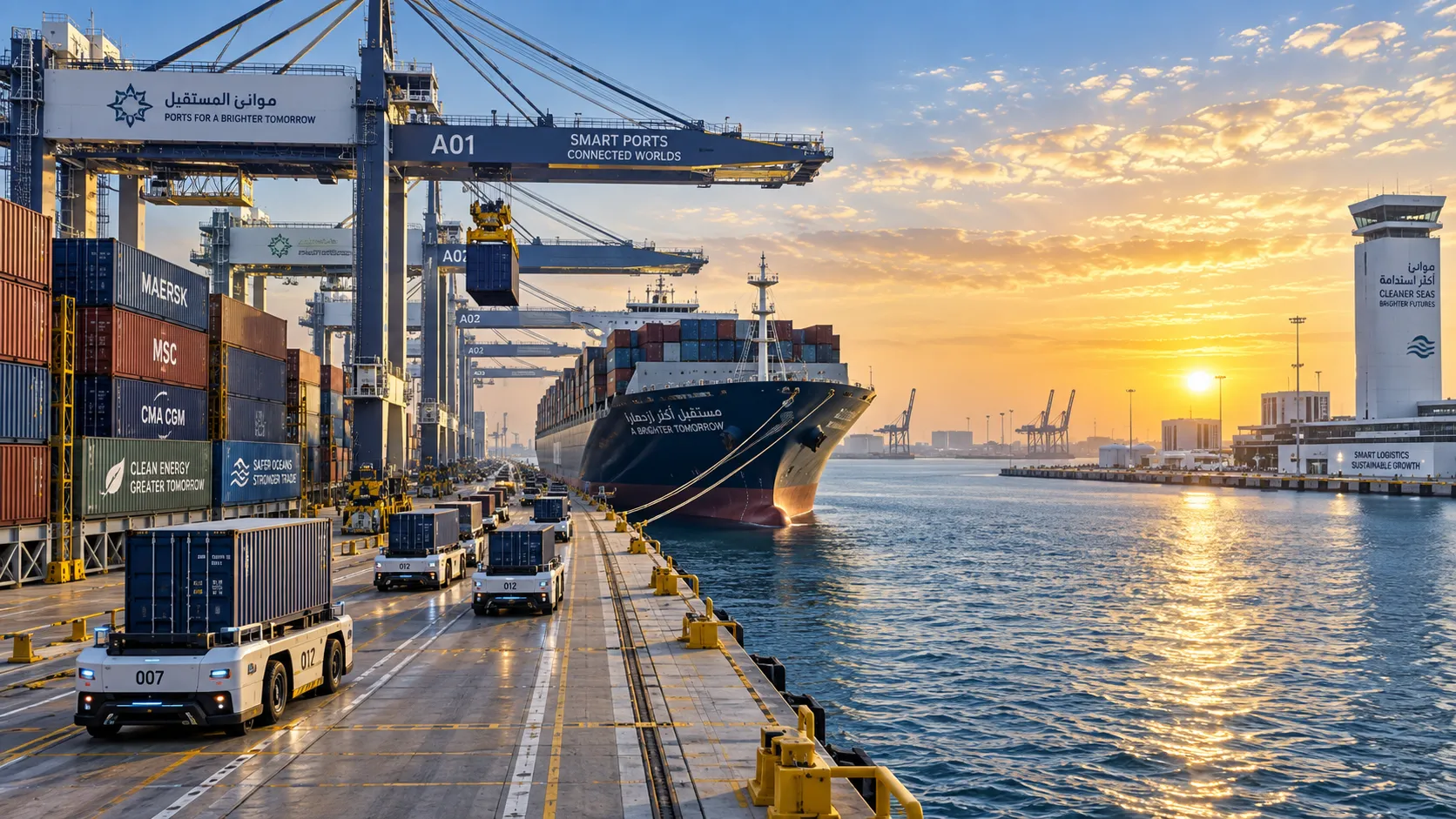
Middle East Port Automation: Key Market Drivers, Projects, and Investment Risks
Port automation systems Middle East: explore market drivers, flagship projects, integration challenges, and investment risks shaping smarter, resilient terminals.
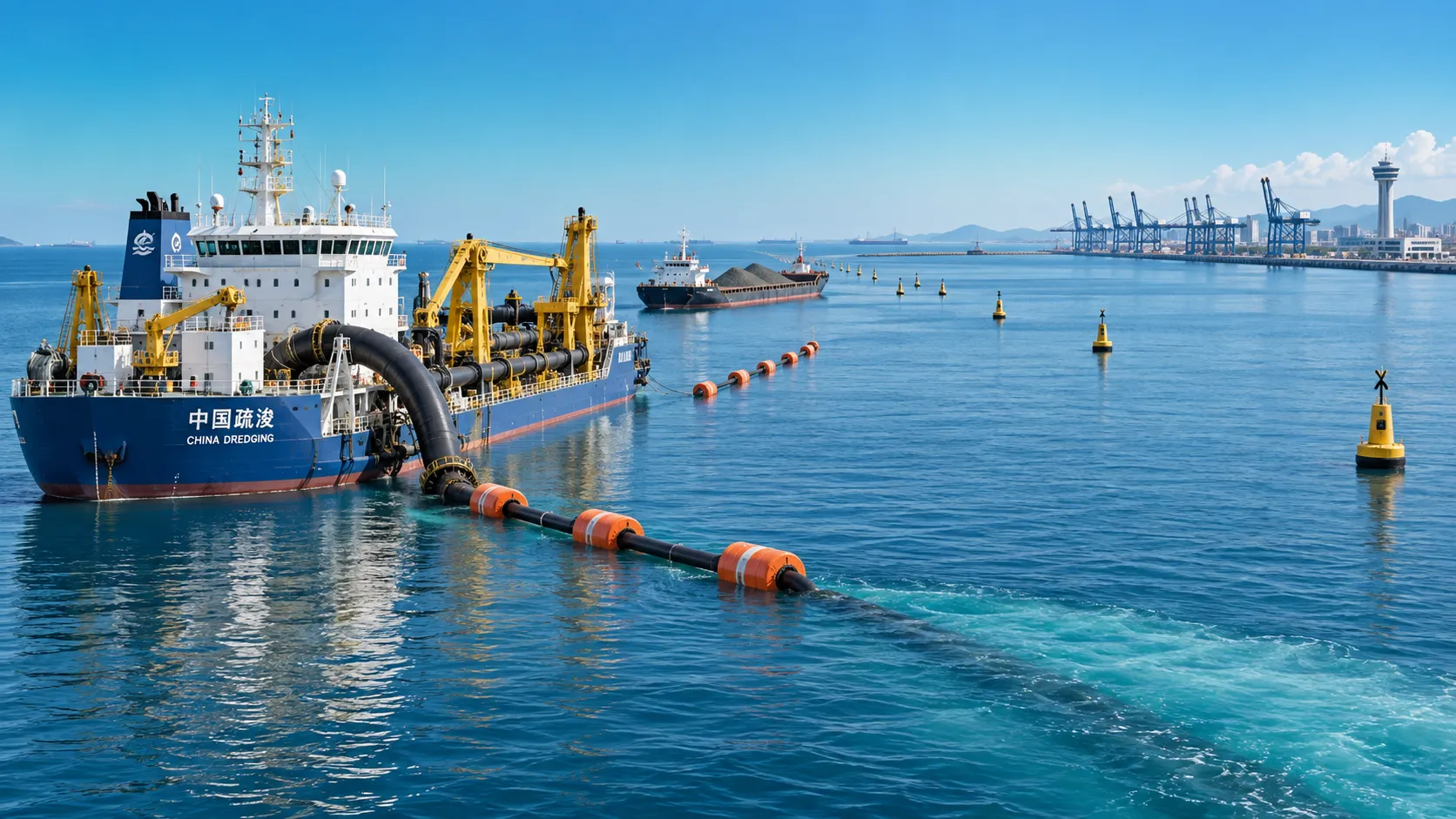
Planning Offshore Dredging Operations: Key Risks, Methods, and Project Controls
Offshore dredging operations demand smart planning. Explore key risks, proven methods, environmental controls, and project strategies for reliable delivery.