Related News
- 00
0000-00
Smart Port Systems in Southeast Asia: Investment Priorities and Adoption Barriers - 00
0000-00
Middle East Port Automation: Key Market Drivers, Projects, and Investment Risks - 00
0000-00
How Coastal Cities Can Prioritize Blue Economy Projects for Jobs and Ecosystem Gains - 00
0000-00
How Harbor Construction Solutions Address Wave Loads, Scour, and Vessel Berthing - 00
0000-00
What Is Driving Maritime Infrastructure Growth in Southeast Asia?
AI Port Technology Trends: 7 Changes Reshaping Terminal Planning and Investment
AI port technology trends are moving from pilot projects to capital discipline
AI port technology trends now shape how ports define expansion, modernization, and risk tolerance.
The shift is no longer about adding isolated automation features.
It is about redesigning terminal logic around data, control, and asset responsiveness.
Recent investment signals show a clear change.
Capacity decisions are being judged alongside resilience, energy intensity, and scheduling intelligence.
That matters across the wider industrial chain, from quay cranes to AGVs, dredging assets, and yard orchestration platforms.
For a knowledge platform such as PS-Nexus, this transition is especially visible.
Heavy terminal gear, automated container handling, and marine engineering are becoming more tightly linked by algorithmic control.
The practical question is no longer whether AI enters the port.
The real question is where AI changes returns first, and where it creates hidden constraints later.
Why this shift is becoming harder to ignore
Several forces are pushing AI port technology trends into mainstream planning.
Trade volatility remains high, vessel calls are less predictable, and equipment utilization must stay flexible.
At the same time, labor availability, emissions pressure, and land constraints are tightening together.
That combination favors systems that can sense, predict, and coordinate in real time.
More importantly, infrastructure cycles are long.
A terminal designed today may operate for decades under very different cargo flows and energy rules.
AI becomes valuable because it offers operational adaptability, not just labor substitution.
The seven changes now reshaping terminal planning and investment
1. Capacity models are shifting from steel-first to logic-first
Traditional planning centered on berth length, crane count, and yard footprint.
Those remain essential, but AI port technology trends now reward scheduling architecture earlier in project design.
In practice, throughput gains increasingly come from smarter move sequencing and fewer idle conflicts.
2. Predictive maintenance is becoming an investment case, not a maintenance add-on
Quay cranes, spreaders, conveyors, pumps, and power systems generate richer condition data than before.
The commercial impact is stronger asset availability and better parts planning.
This matters in marine dredging too, where unplanned interruption can distort broader channel or reclamation schedules.
3. Yard automation is being judged by flow stability, not headline autonomy
More terminals are learning that autonomous vehicles alone do not guarantee better performance.
What matters is whether AI can coordinate stack planning, charging cycles, handoff timing, and exception recovery.
That is where many AI port technology trends either create measurable value or stall.
4. Digital twins are moving closer to financing decisions
Simulation used to support engineering design after major assumptions were already fixed.
Now digital twins help compare expansion paths before concrete is poured.
That gives investors a better view of bottlenecks under different vessel mixes, weather disruptions, and labor scenarios.
5. Energy management is entering the core operating model
AI port technology trends are increasingly linked to net-zero ambitions.
Electrified equipment, remote cranes, refrigerated loads, and charging fleets create new demand spikes.
AI helps smooth those peaks and align energy use with operational priorities.
6. Dredging and waterside engineering are joining the intelligence loop
This is a less discussed but important development.
Channel depth, sediment behavior, pump condition, and vessel draft planning are becoming more data connected.
When waterside intelligence improves, terminal availability becomes more predictable across the full logistics corridor.
7. Software integration risk is now as material as equipment risk
A new crane or automated yard block may look technically strong on paper.
Yet AI port technology trends show that poor integration across TOS, control systems, communications, and edge devices can erode returns.
The interface map has become part of due diligence.
The impact is spreading well beyond a single terminal function
One reason these changes matter is that they compound across connected assets.
An AI decision in berth planning affects crane intensity, yard congestion, truck turn times, and power demand.
The same logic now applies to bulk handling machinery and specialized container systems.
More efficient reclaiming, stacking, and transfer decisions influence inventory velocity and demurrage exposure.
For coastal infrastructure, the knock-on effects are also strategic.
If dredging intelligence, berth utilization, and landside dispatch are modeled together, expansion timing becomes more precise.
That is why PS-Nexus frames the port as an interconnected system rather than a set of isolated machines.
The strongest AI port technology trends tend to appear where mechanical power and control logic evolve together.
What deserves closer attention before capital is committed
From recent demand patterns, three evaluation habits are becoming more useful.
- Check whether the AI model improves exception handling, not only routine efficiency.
- Test data quality at the equipment edge before promising large optimization gains.
- Compare phased deployment paths against one-step automation programs.
These points sound operational, but they strongly influence investment quality.
A terminal with uneven sensor reliability or fragmented protocols rarely captures the forecast value of AI.
The same caution applies when remote-control networks lack low-latency consistency.
In other words, AI port technology trends depend on infrastructure readiness as much as on algorithm design.
The next phase will reward selective ambition
The next few years are unlikely to favor purely symbolic digital spending.
They will favor operators and investors that identify where AI changes bottlenecks with the least coordination friction.
For some sites, that starts with predictive maintenance and yard orchestration.
For others, it begins with dredging visibility, power optimization, or control system integration.
That is the more realistic reading of AI port technology trends.
The opportunity is significant, but the value is uneven and context dependent.
A useful next step is to map existing constraints across equipment, software, energy, and marine access.
Then compare which AI use cases improve throughput resilience, cost visibility, and expansion timing in measurable stages.
That approach gives AI port technology trends real decision value instead of turning them into abstract innovation language.
Related News
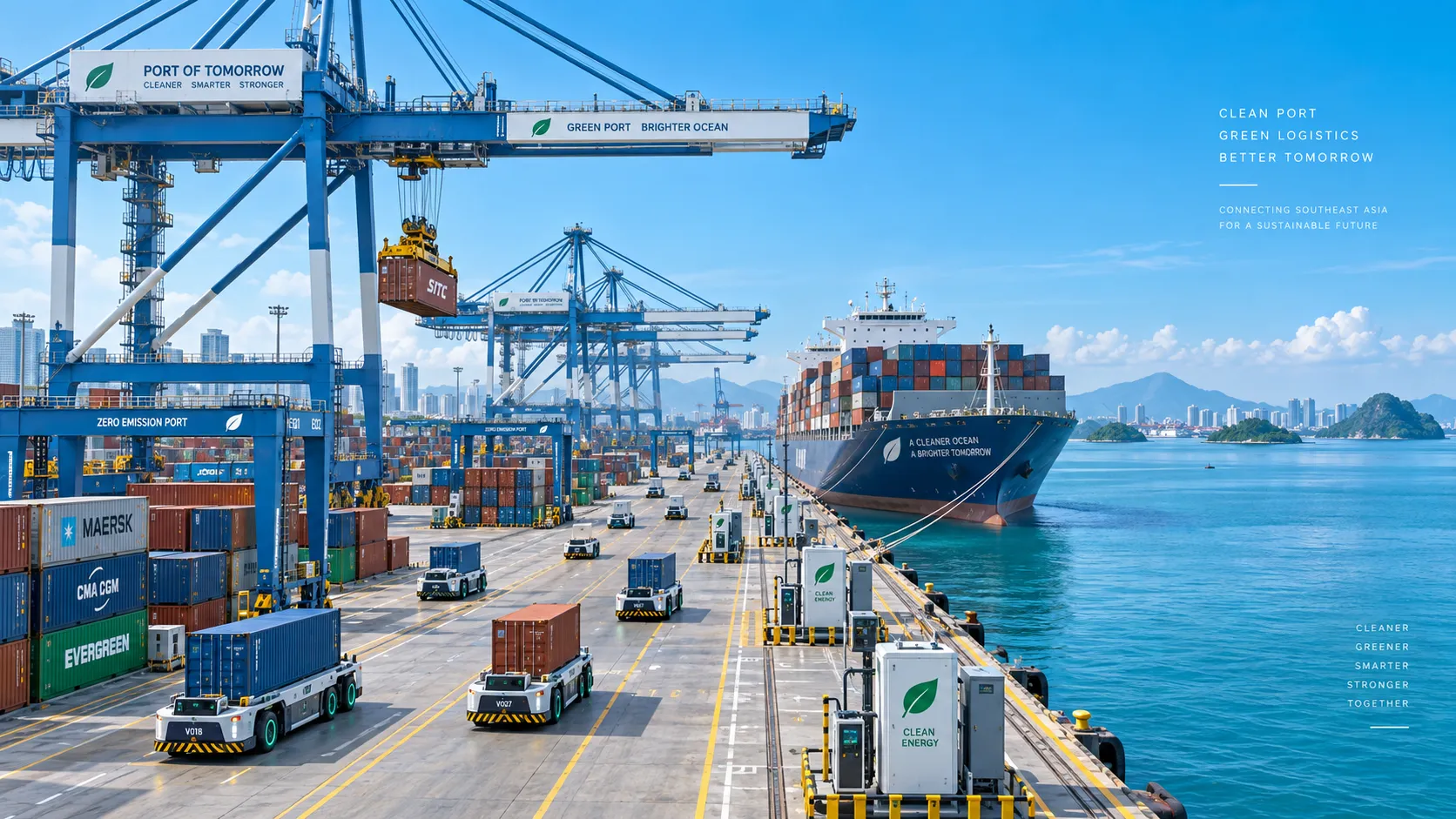
Smart Port Systems in Southeast Asia: Investment Priorities and Adoption Barriers
Smart port systems Southeast Asia: discover investment priorities, adoption barriers, and practical steps to build resilient, connected, high-performing terminals.
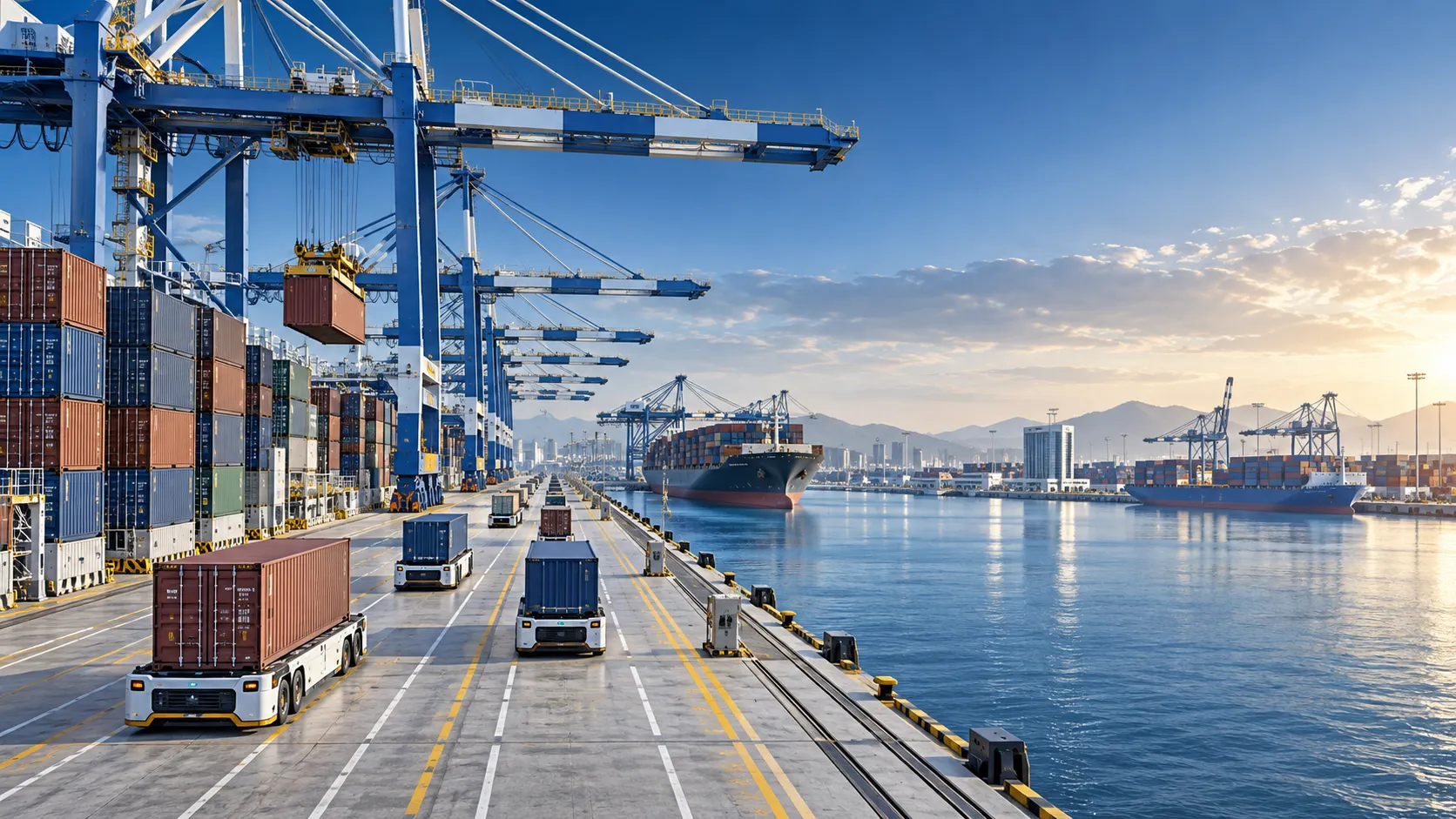
How to Evaluate Terminal Efficiency Solution Suppliers for High-Throughput Operations
Choose a terminal efficiency solutions supplier with confidence. Explore proven criteria for throughput, integration, lifecycle cost, safety, and reliable delivery.
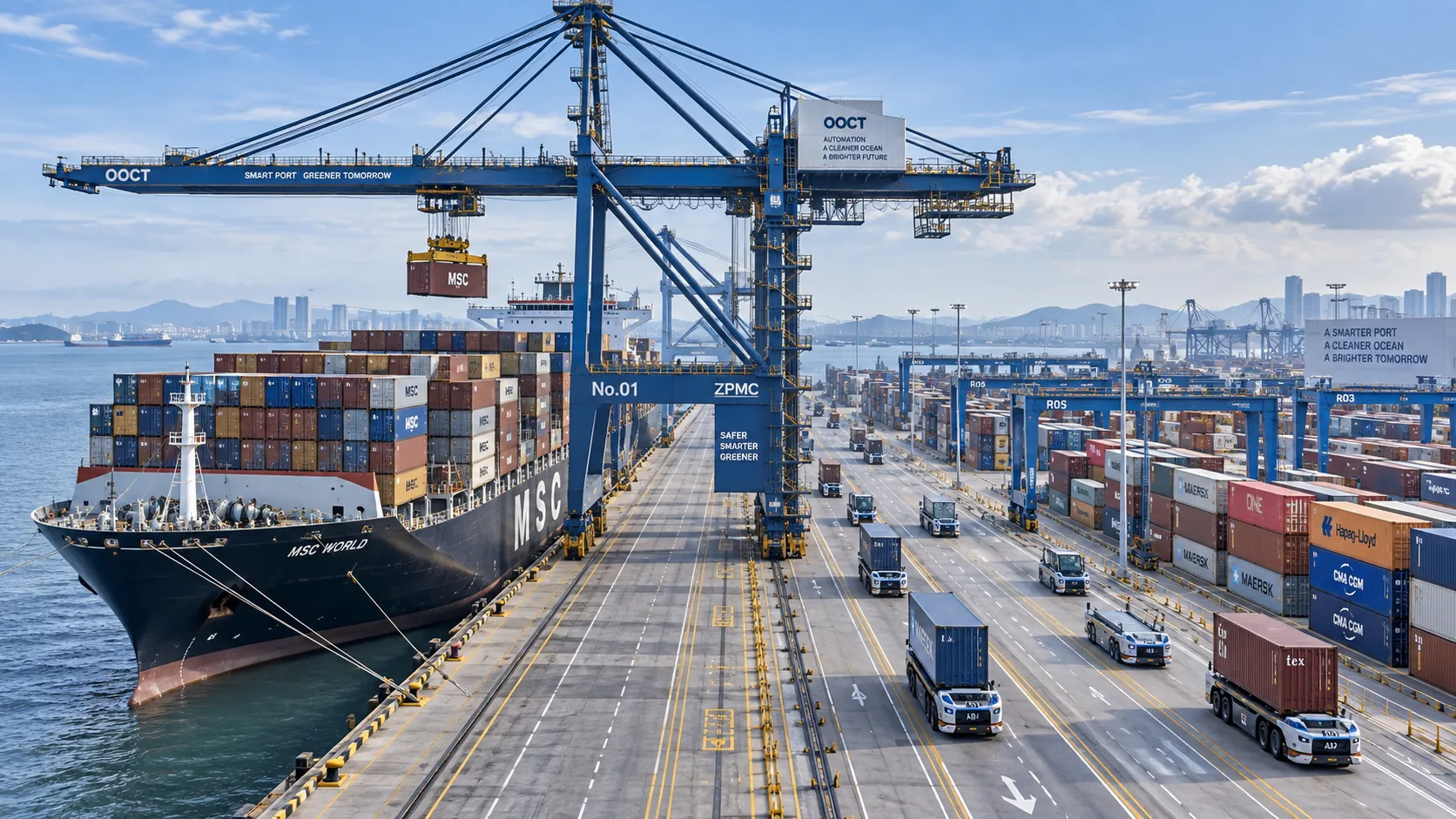
How to Specify a Quay Crane for Container Terminals by Vessel Size and Throughput?
Quay crane for container terminals: learn how to match outreach, lift height, capacity, automation, and cycle performance to vessel size and throughput goals.
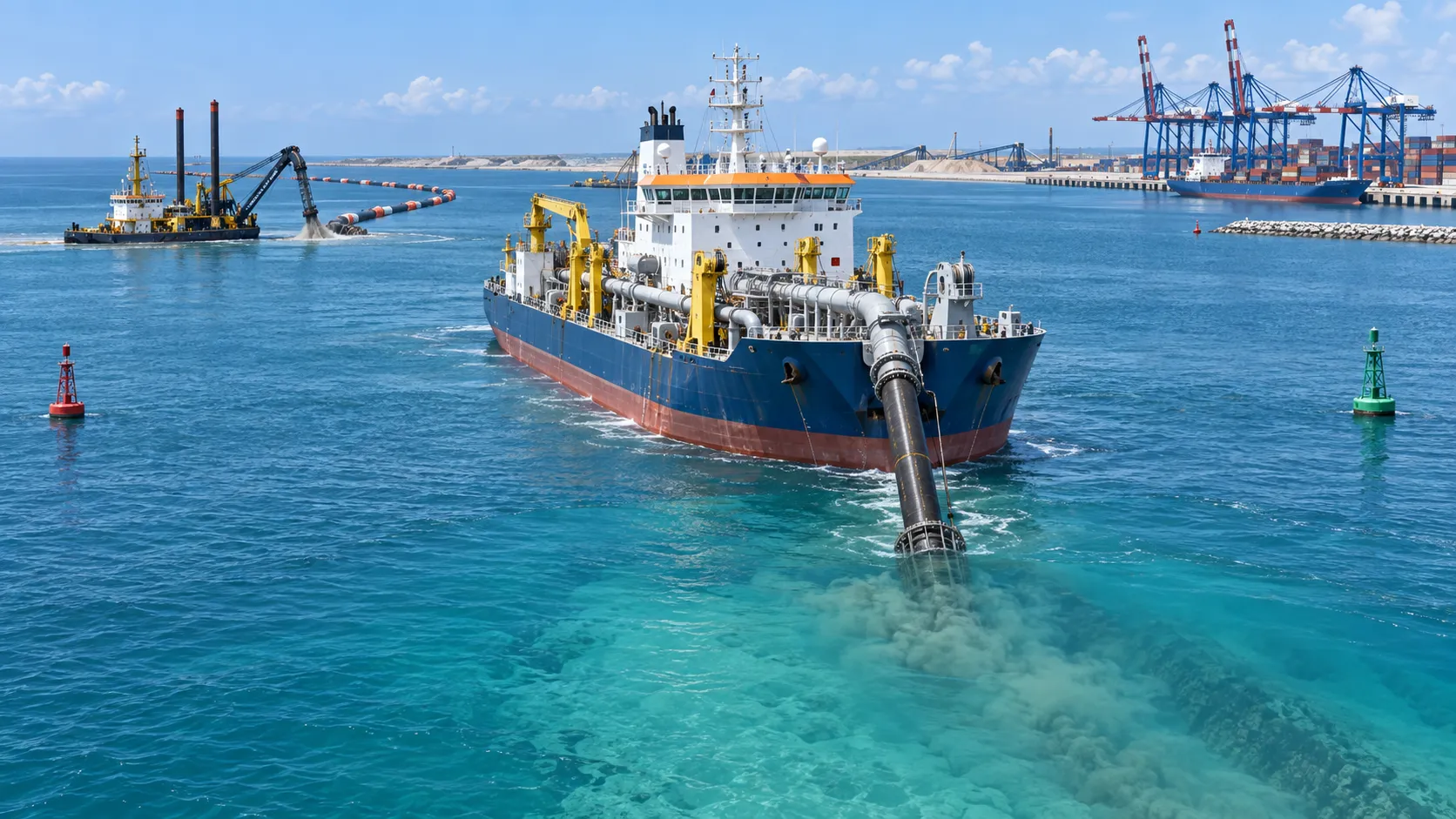
What Dredging Equipment Is Needed for Channel Deepening?
What dredging equipment is needed for channel deepening? Explore dredgers, pipelines, survey tools, and planning strategies for safer, more efficient port access.
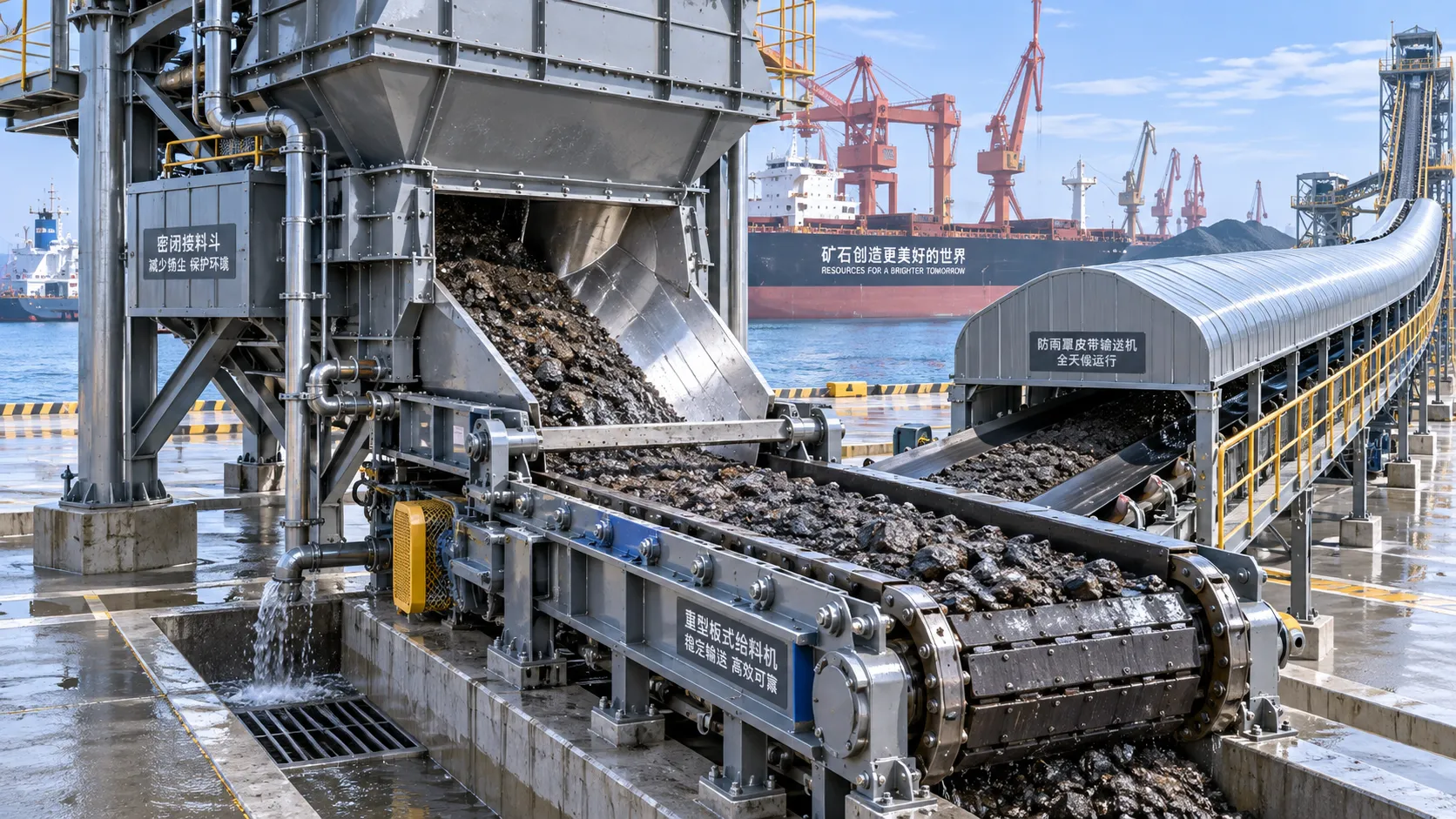
Which Bulk Handling Equipment Suits High-Moisture Cargo?
Which bulk handling equipment suits high-moisture cargo? Compare belt, apron, screw, drag, and slurry systems for reliable flow, less carryback, and higher terminal uptime.
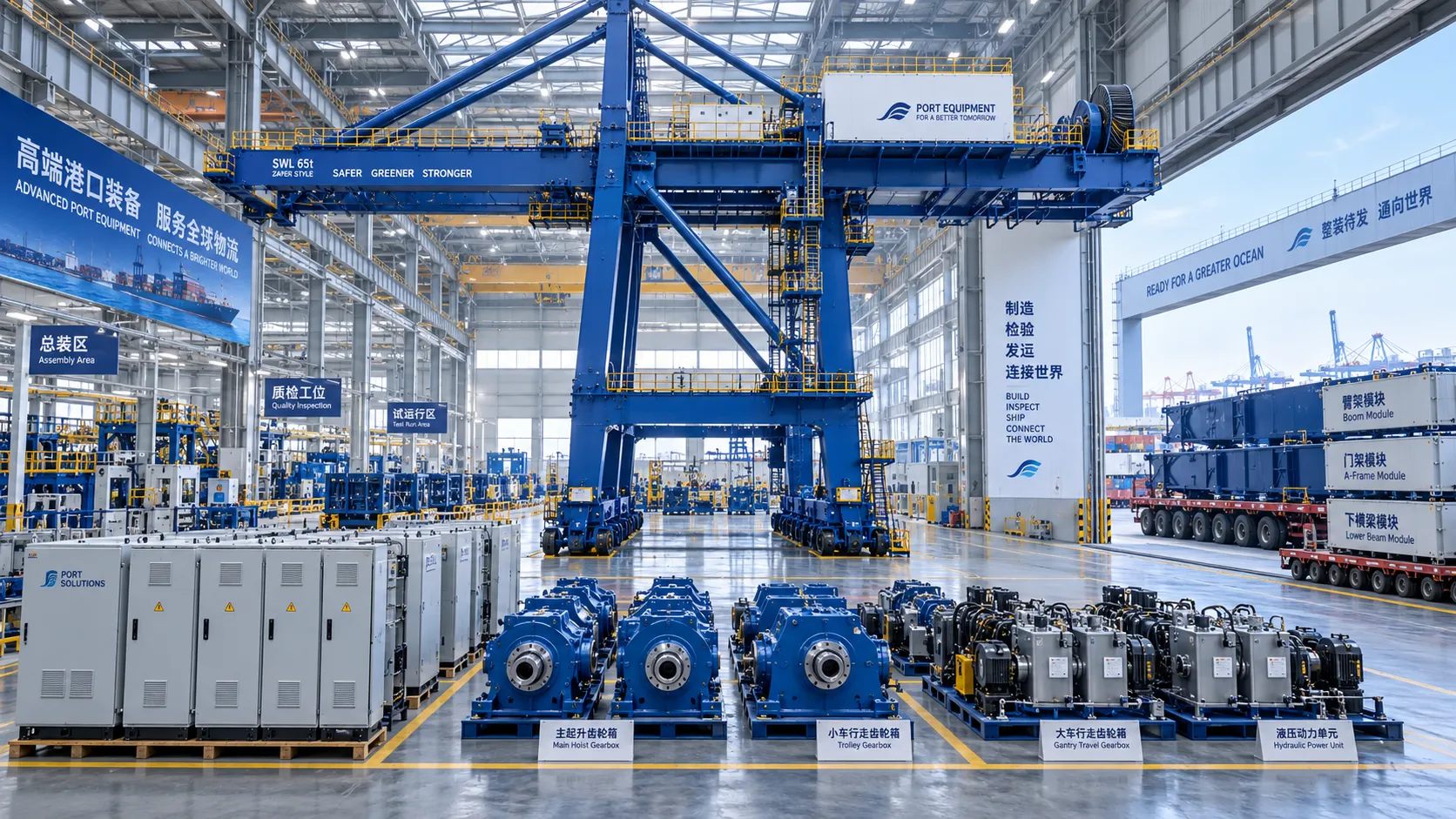
How Can Port Equipment Lead-Time Risk Be Managed?
How can port equipment lead-time risk be managed? Explore practical strategies to control critical paths, suppliers, transport, site readiness, and commissioning delays.
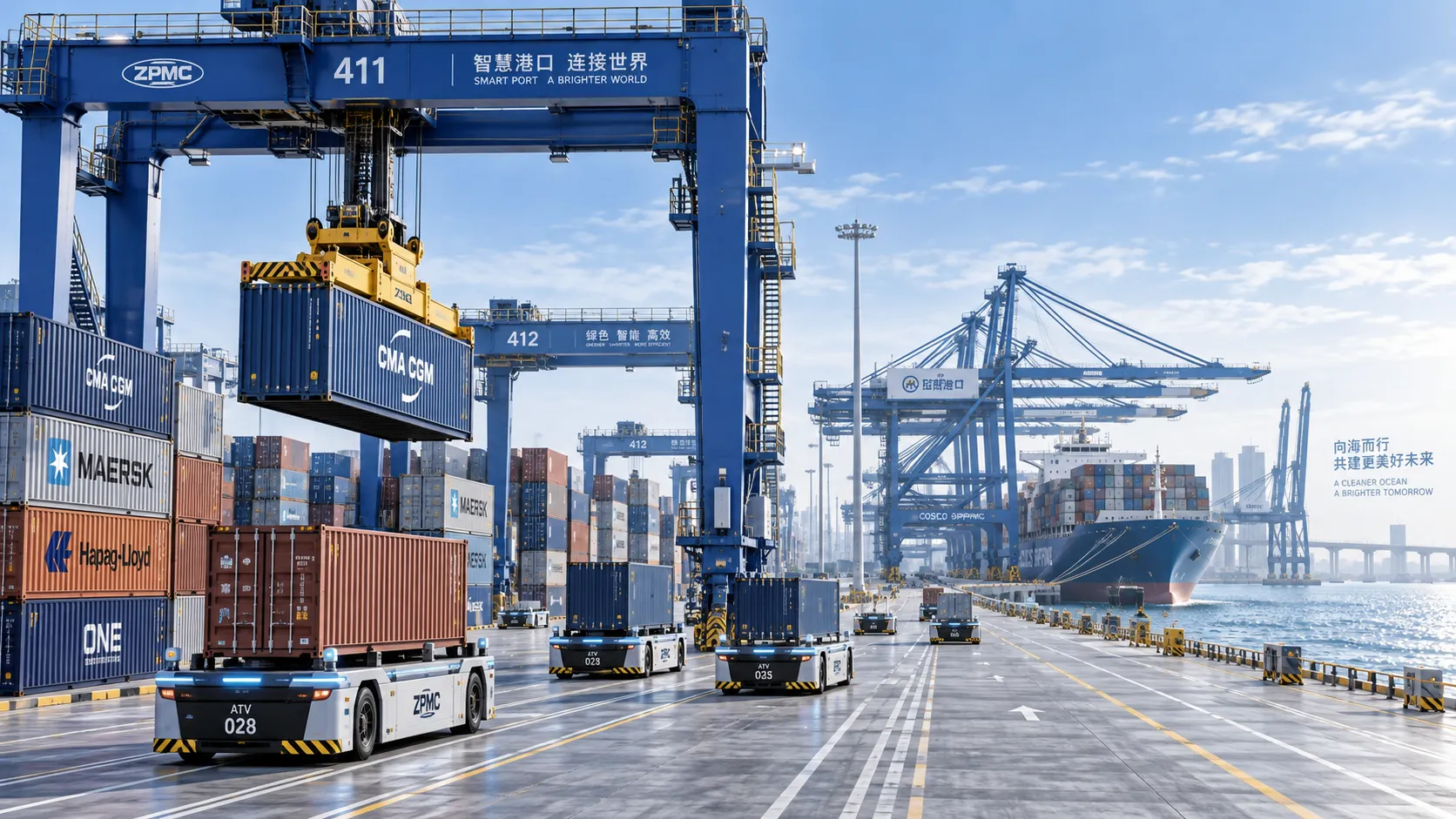
Terminal Automation Technologies That Raise Container Throughput Without Yard Disruption
Terminal automation technology that increases container throughput without disrupting yard flow. Explore smarter integration, resilient workflows, and phased deployment strategies.
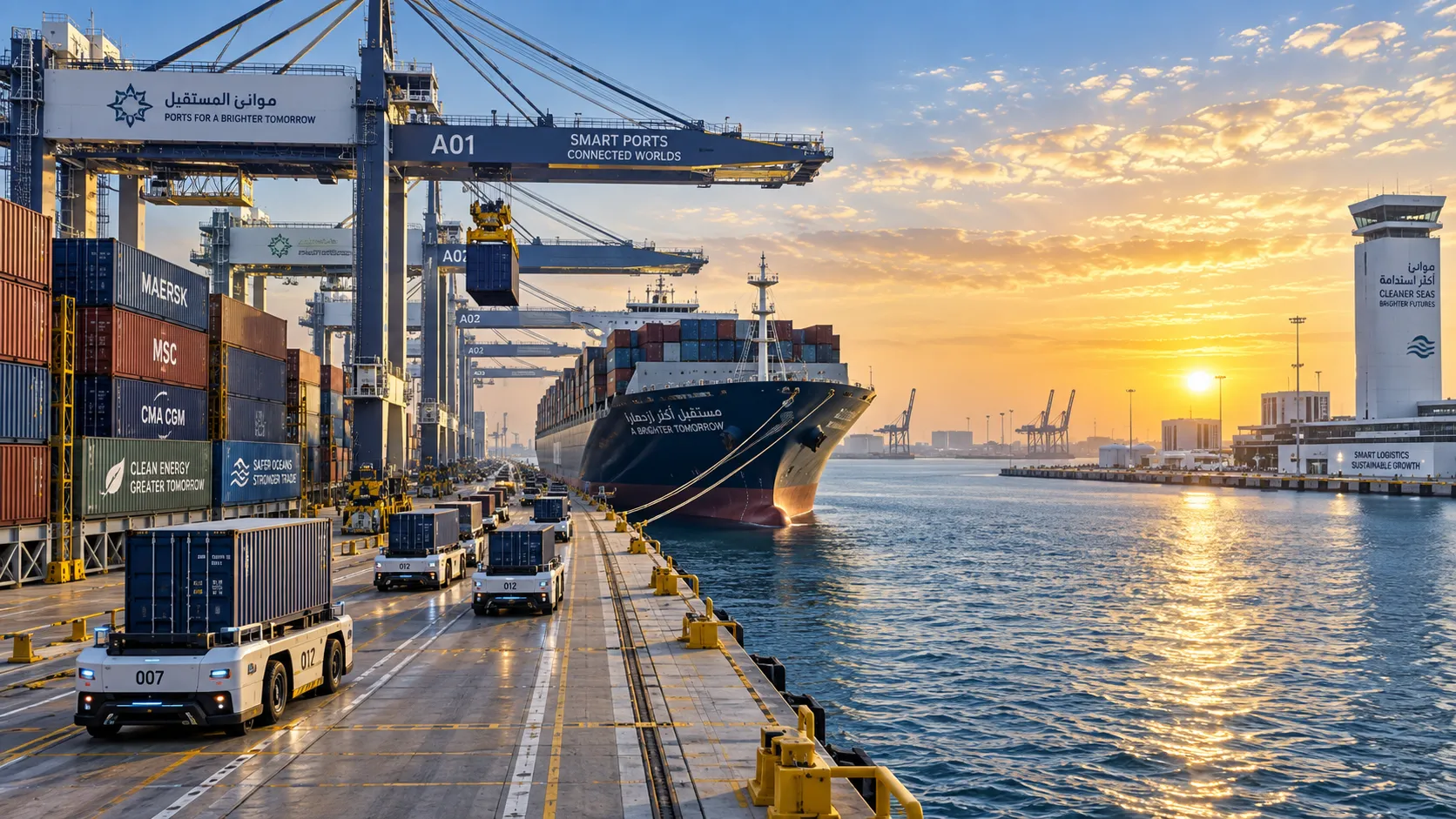
Middle East Port Automation: Key Market Drivers, Projects, and Investment Risks
Port automation systems Middle East: explore market drivers, flagship projects, integration challenges, and investment risks shaping smarter, resilient terminals.
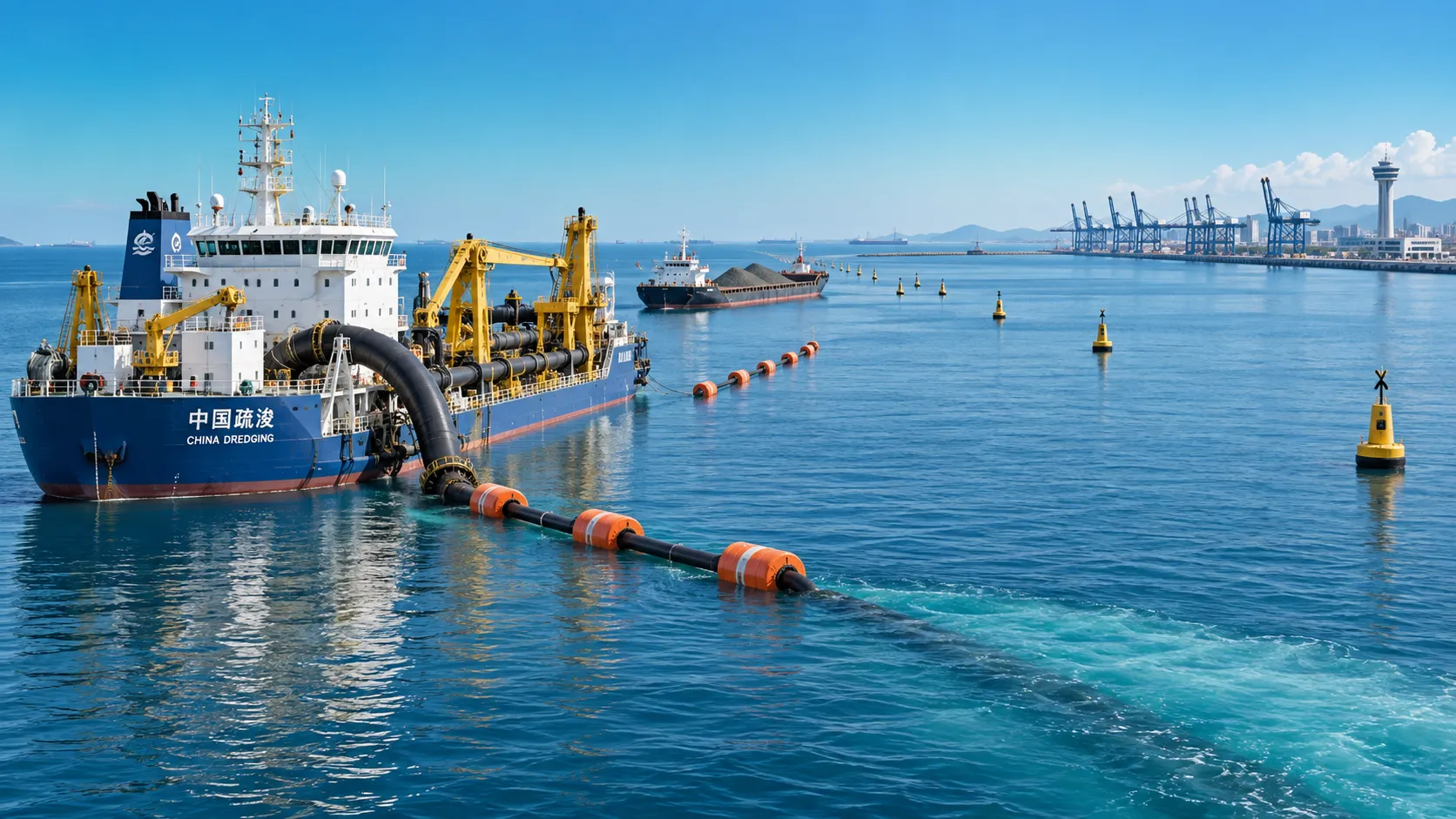
Planning Offshore Dredging Operations: Key Risks, Methods, and Project Controls
Offshore dredging operations demand smart planning. Explore key risks, proven methods, environmental controls, and project strategies for reliable delivery.