Related News
- 00
0000-00
How to Specify a Quay Crane for Container Terminals by Vessel Size and Throughput? - 00
0000-00
Which Bulk Handling Equipment Suits High-Moisture Cargo? - 00
0000-00
Terminal Automation Technologies That Raise Container Throughput Without Yard Disruption - 00
0000-00
Planning Offshore Dredging Operations: Key Risks, Methods, and Project Controls - 00
0000-00
Where Do Automated Guided Vehicles Deliver the Fastest Warehouse Gains in the Middle East?
How to Compare Terminal Automation Systems Integration for Brownfield Ports
How to Compare Terminal Automation Systems Integration for Brownfield Ports
For technical evaluators, terminal automation systems integration is rarely a clean replacement project.
Brownfield ports carry legacy PLCs, mixed OEM fleets, aging networks, and operating windows that leave little room for mistakes.
That changes how integration options should be compared.
The right choice is not always the most advanced stack.
It is the option that connects safely, scales predictably, and keeps the terminal running during retrofit and after go-live.
In practice, terminal automation systems integration must be judged across controls, data, operations, cybersecurity, and vendor execution.
A useful comparison method starts with operational reality, then tests each architecture against real constraints.
Start with the brownfield baseline
Before reviewing vendors, define the current terminal baseline in detail.
Many comparisons fail because the existing environment was described too broadly.
A brownfield port may include ship-to-shore cranes from one supplier, RTGs from another, and yard systems upgraded in stages.
That means terminal automation systems integration must absorb inconsistency from day one.
Map four baseline layers first:
- Equipment layer: crane models, AGVs, sensors, PLC brands, drive systems, and onboard software versions.
- Control layer: TOS, ECS, SCADA, safety systems, radio networks, and dispatch logic.
- Data layer: interface formats, event timing, historian quality, naming conventions, and master data ownership.
- Operational layer: labor practices, maintenance workflows, shift patterns, outage limits, and exception handling.
This baseline becomes the reference frame for every integration decision.
Without it, proposals look comparable on paper while hiding very different retrofit risk.
Compare architecture fit, not feature lists
Feature lists matter, but architecture fit matters more in terminal automation systems integration.
Brownfield ports need systems that coexist with legacy logic before they can replace it.
When comparing options, ask how the platform handles staged migration.
Can it run with hybrid manual and automated operations?
Can one block, one crane group, or one transport zone be cut over independently?
Can the control stack isolate faults without stopping adjacent assets?
A practical architecture review should cover:
- Interface model between TOS, equipment control system, and field devices.
- Latency tolerance for dispatch, remote operation, and safety interlocks.
- Fallback behavior during communication loss, degraded GPS, or server failure.
- Support for mixed autonomy levels across old and new equipment.
- Ability to add future assets without redesigning core data flows.
This is where terminal automation systems integration separates robust platforms from polished demos.
A strong architecture reduces downstream engineering effort and lowers the cost of later expansion.
Test interoperability at the equipment edge
Interoperability is usually the hardest part of terminal automation systems integration in brownfield ports.
Legacy equipment often works, but it was never designed for current automation layers.
The issue is not only protocol compatibility.
It is also signal quality, timestamp accuracy, command acknowledgement, and fail-safe response.
Ask vendors for proven interface cases with similar OEM mixes.
Then go deeper than protocol names.
- Which tags are mandatory for control versus monitoring?
- How are missing or noisy signals filtered and validated?
- What happens when field logic differs by crane generation?
- How much custom middleware is required?
- Who owns interface maintenance after commissioning?
In real operations, small edge inconsistencies can create large dispatch errors.
That is why terminal automation systems integration should include live interface testing, not only document review.
A limited pilot on representative assets usually reveals issues that architecture diagrams miss.
Follow the data path end to end
Good terminal automation systems integration depends on reliable data movement, not just machine control.
Every handoff matters, from job creation to execution confirmation and exception closure.
Compare integration options by tracing a full operational cycle.
Use scenarios such as vessel discharge, yard rehandle, truck handoff, and equipment recovery after interruption.
For each scenario, measure these points:
This view is especially useful when two suppliers claim similar terminal automation systems integration capability.
The better option is usually the one with cleaner event handling and clearer recovery paths.
Measure retrofit complexity and outage risk
In brownfield ports, retrofit complexity can outweigh pure software value.
Terminal automation systems integration should be scored against installation burden, not only end-state performance.
Look at required field modifications, cabling changes, sensor additions, network segmentation, and safety recertification.
Then model the operational impact of each step.
Important questions include:
- How many planned outages are needed per asset class?
- Can installation happen during normal vessel windows?
- What temporary manual procedures are required during transition?
- Which components create single points of failure during cutover?
- How quickly can the site roll back after a failed deployment stage?
This is where realistic project planning protects ROI.
A lower-risk integration path often delivers stronger value than a theoretically superior design with fragile implementation timing.
Check resilience, safety, and cybersecurity together
Terminal automation systems integration cannot be separated from resilience engineering.
In a port environment, system interruptions affect vessel productivity, labor deployment, truck queues, and safety exposure at once.
Compare vendors on how they manage degraded modes.
Ask for documented behavior under partial network loss, sensor failure, server failover, and remote workstation disruption.
Cybersecurity should be reviewed in the same conversation.
A well-integrated system still fails the business if it expands attack surface without clear controls.
Evaluate:
- Network zoning between OT and IT environments.
- Access control for operators, maintainers, and vendors.
- Patch strategy for field devices that cannot tolerate frequent downtime.
- Alarm prioritization and incident logging for post-event analysis.
- Functional safety alignment with local and OEM requirements.
From a decision standpoint, resilient terminal automation systems integration usually creates the most stable long-term operating model.
Score vendors on delivery capability
Technology alone does not complete terminal automation systems integration.
Delivery discipline often decides whether the system performs as promised.
Compare bidders on their brownfield track record, interface governance, testing method, and post-go-live support.
Reference visits are useful, but focus the discussion on issues, not only success stories.
Ask what broke, how long recovery took, and which assumptions proved wrong.
A solid evaluation scorecard should include commercial and technical factors together:
- Integration effort versus delivered scope
- Clarity of interface responsibility matrix
- Factory and site acceptance test depth
- Local support capacity and spare expertise
- Roadmap fit for future automation phases
When delivery capability is weak, even strong terminal automation systems integration design can stall in commissioning.
Build a decision model that reflects operating reality
The final comparison should be weighted by business impact, not vendor presentation quality.
For brownfield ports, terminal automation systems integration decisions usually improve when scoring is tied to measurable site conditions.
Use a model that links technical fit to throughput, labor efficiency, safety performance, and recoverability.
Keep the model simple enough to defend.
A practical weighting approach may look like this:
- Interoperability with existing equipment and systems.
- Retrofit complexity and outage exposure.
- Operational resilience and degraded mode behavior.
- Cybersecurity and safety compliance maturity.
- Vendor delivery strength and lifecycle support.
- Total cost of ownership across expansion phases.
This structure keeps terminal automation systems integration decisions grounded in what the terminal must actually live with.
That is especially relevant for operators balancing modernization with daily vessel commitments.
For platforms such as PS-Nexus, this is also where sector intelligence becomes useful.
The strongest decisions usually combine site evidence, supplier proof, and broader market insight on automation architecture trends.
In the end, terminal automation systems integration should be selected as an operating strategy, not just a software package.
Start with the brownfield baseline, test the edge interfaces, model outage risk, and challenge every recovery assumption.
That approach makes the evaluation clearer, the procurement stronger, and the upgrade path more resilient.
For any team comparing terminal automation systems integration options, disciplined comparison is what turns retrofit complexity into a workable modernization plan.
Related News
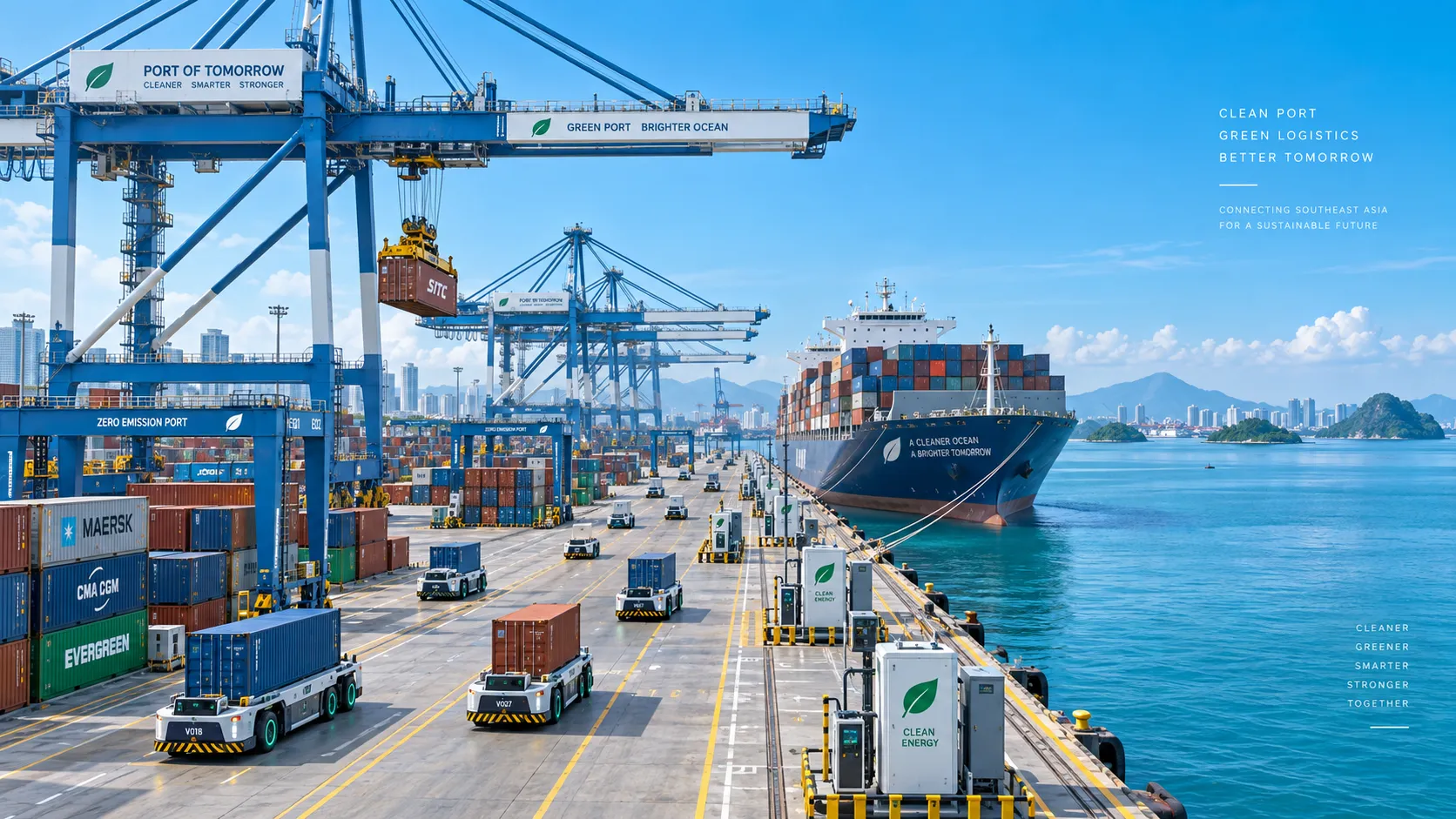
Smart Port Systems in Southeast Asia: Investment Priorities and Adoption Barriers
Smart port systems Southeast Asia: discover investment priorities, adoption barriers, and practical steps to build resilient, connected, high-performing terminals.

How to Evaluate Terminal Efficiency Solution Suppliers for High-Throughput Operations
Choose a terminal efficiency solutions supplier with confidence. Explore proven criteria for throughput, integration, lifecycle cost, safety, and reliable delivery.
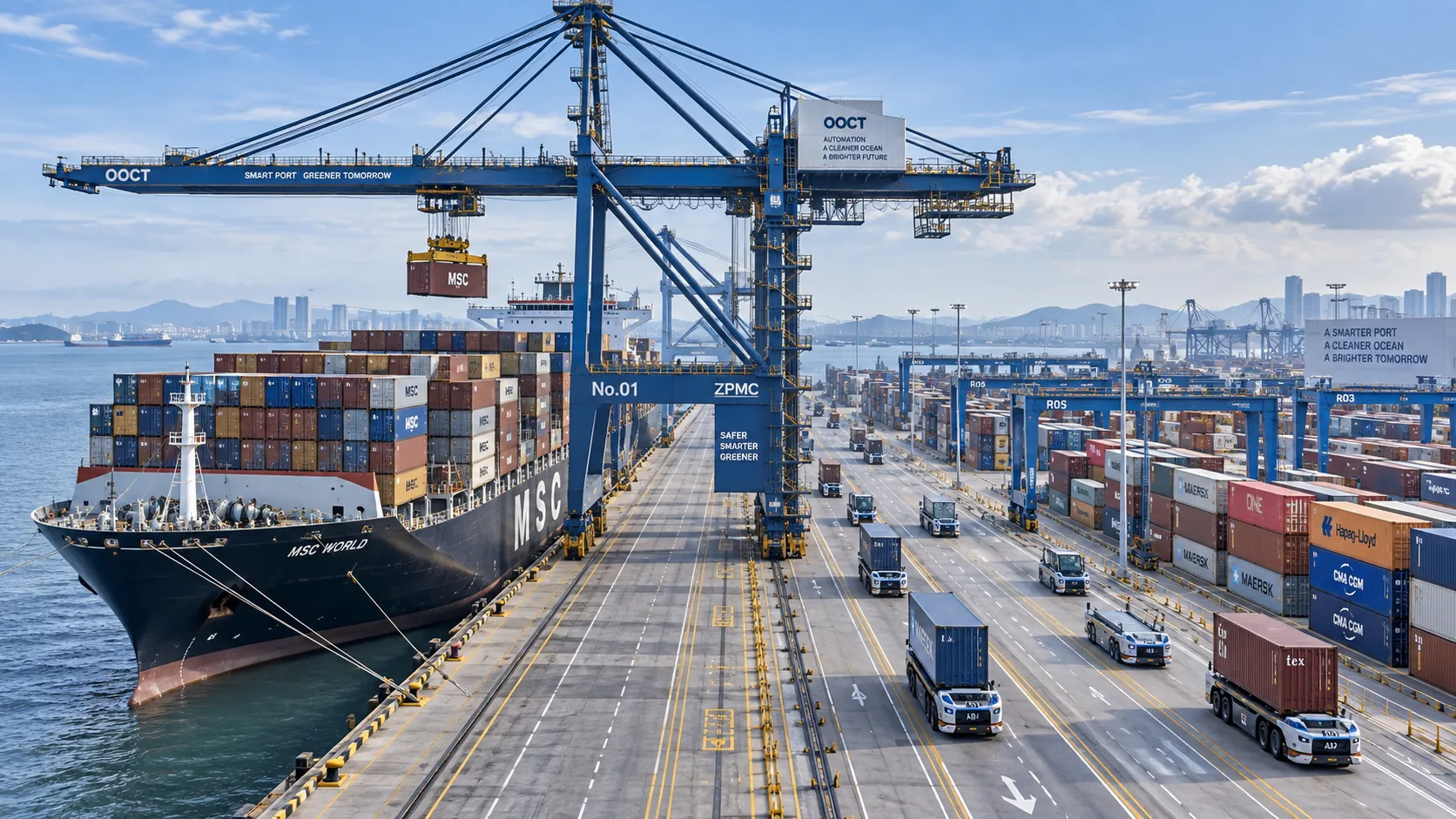
How to Specify a Quay Crane for Container Terminals by Vessel Size and Throughput?
Quay crane for container terminals: learn how to match outreach, lift height, capacity, automation, and cycle performance to vessel size and throughput goals.
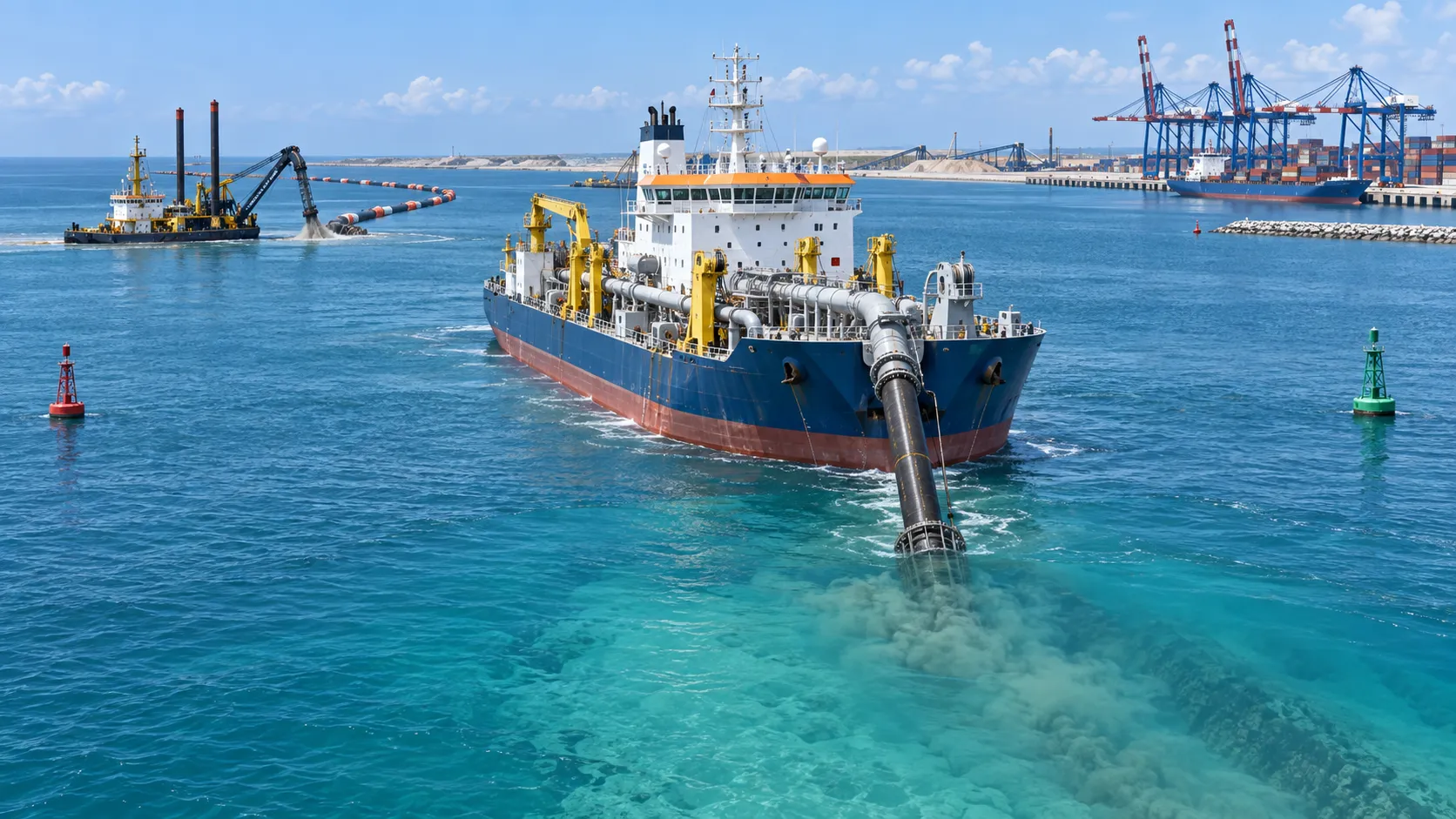
What Dredging Equipment Is Needed for Channel Deepening?
What dredging equipment is needed for channel deepening? Explore dredgers, pipelines, survey tools, and planning strategies for safer, more efficient port access.
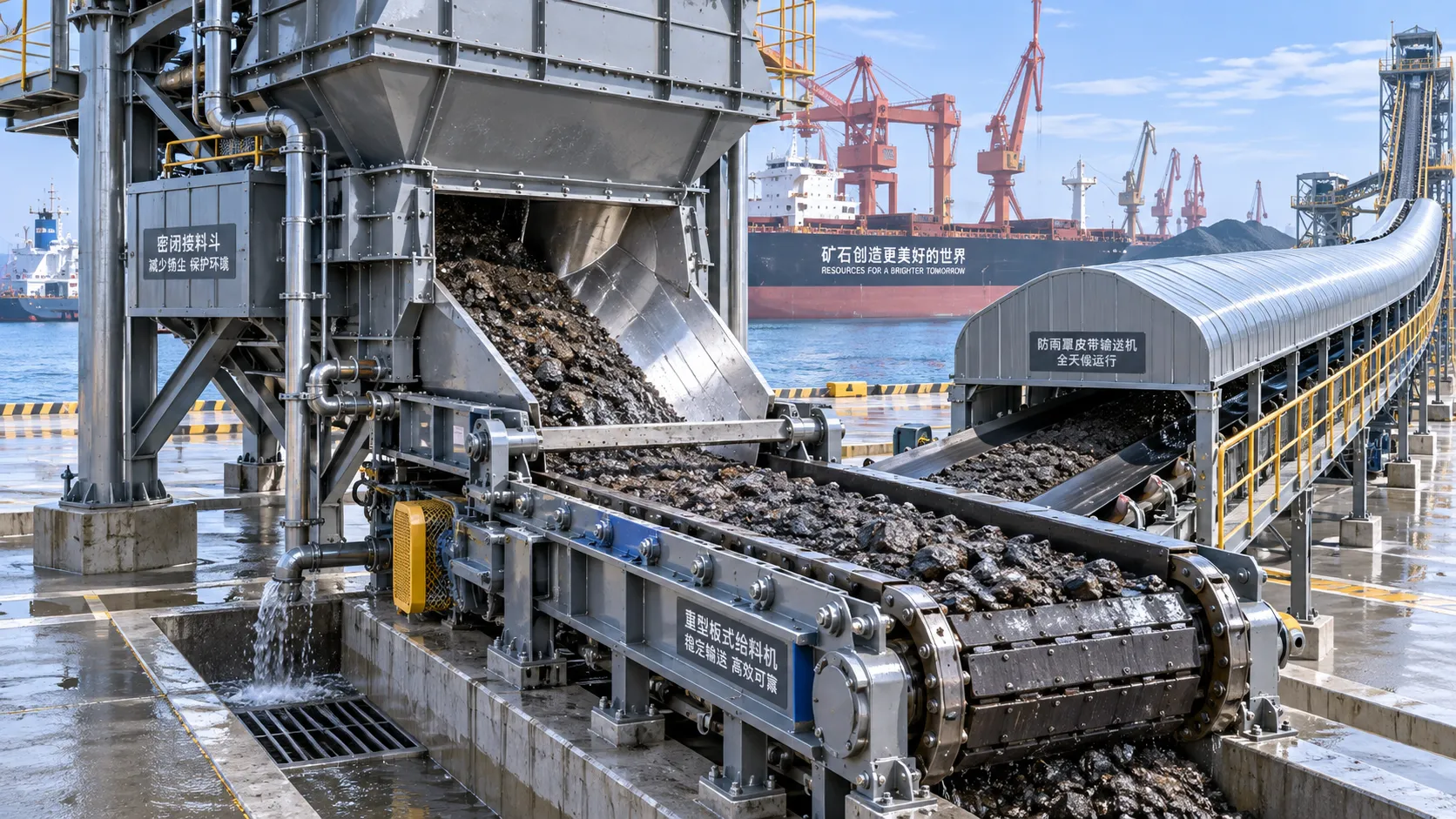
Which Bulk Handling Equipment Suits High-Moisture Cargo?
Which bulk handling equipment suits high-moisture cargo? Compare belt, apron, screw, drag, and slurry systems for reliable flow, less carryback, and higher terminal uptime.
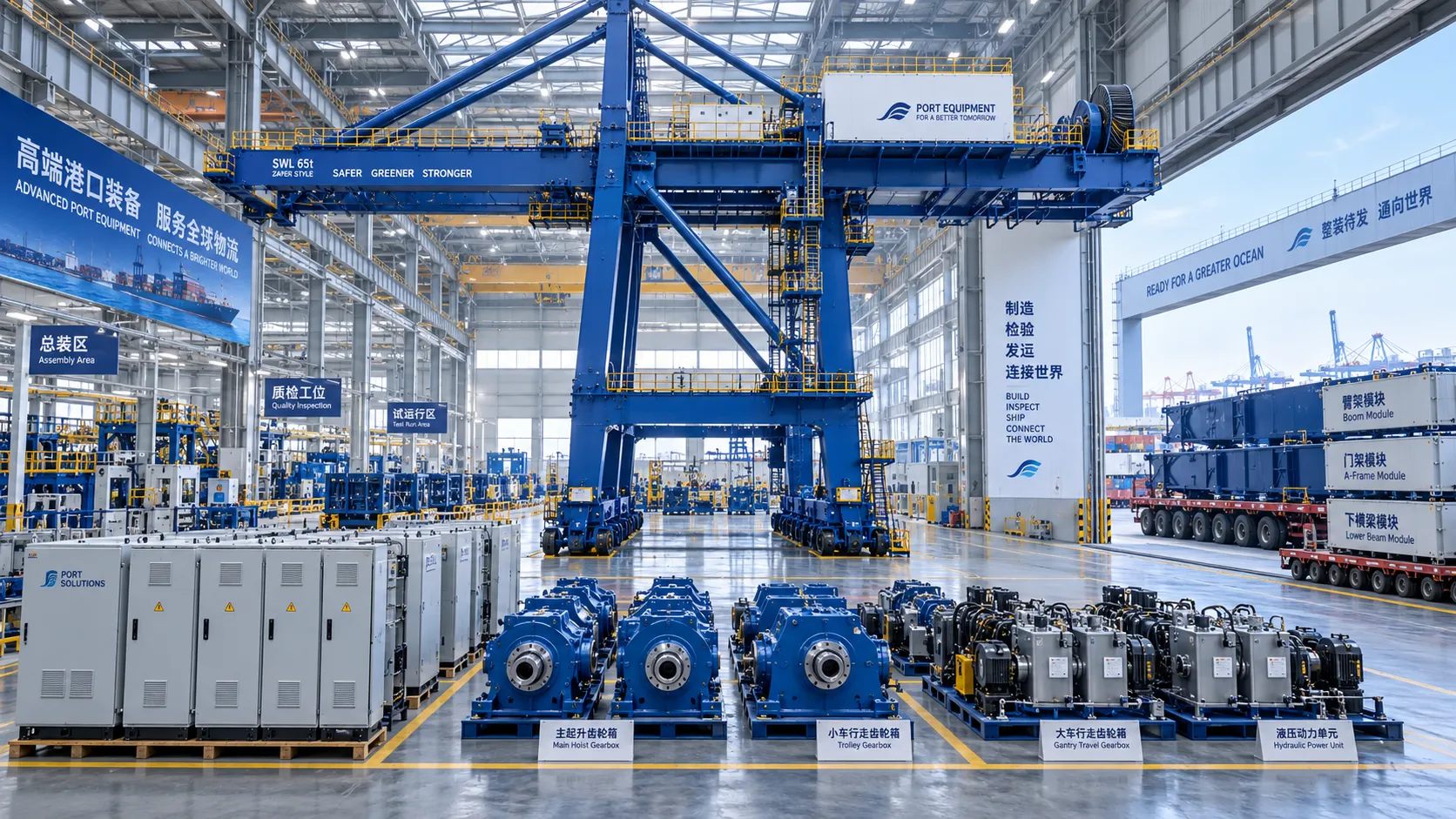
How Can Port Equipment Lead-Time Risk Be Managed?
How can port equipment lead-time risk be managed? Explore practical strategies to control critical paths, suppliers, transport, site readiness, and commissioning delays.
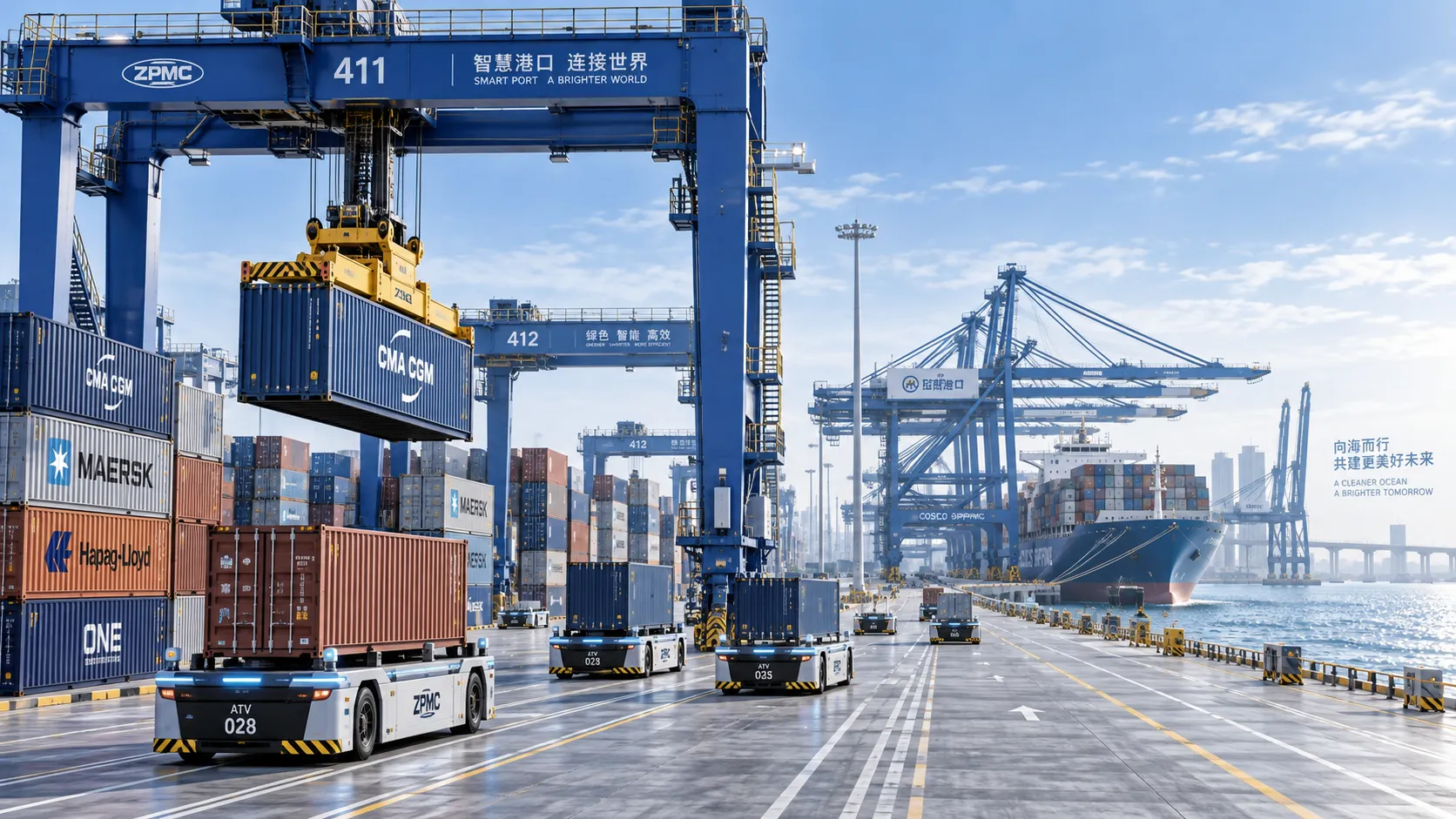
Terminal Automation Technologies That Raise Container Throughput Without Yard Disruption
Terminal automation technology that increases container throughput without disrupting yard flow. Explore smarter integration, resilient workflows, and phased deployment strategies.
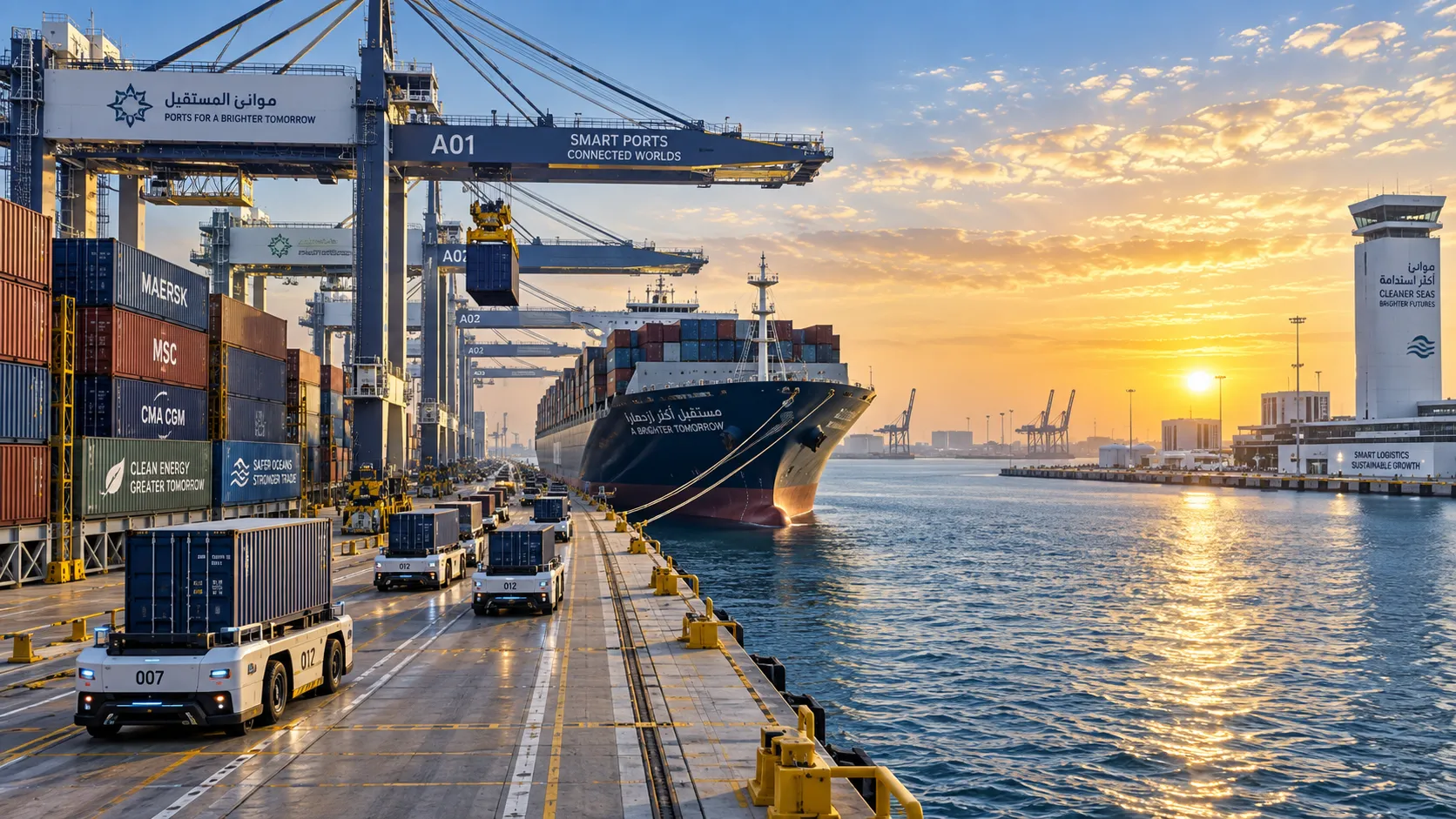
Middle East Port Automation: Key Market Drivers, Projects, and Investment Risks
Port automation systems Middle East: explore market drivers, flagship projects, integration challenges, and investment risks shaping smarter, resilient terminals.
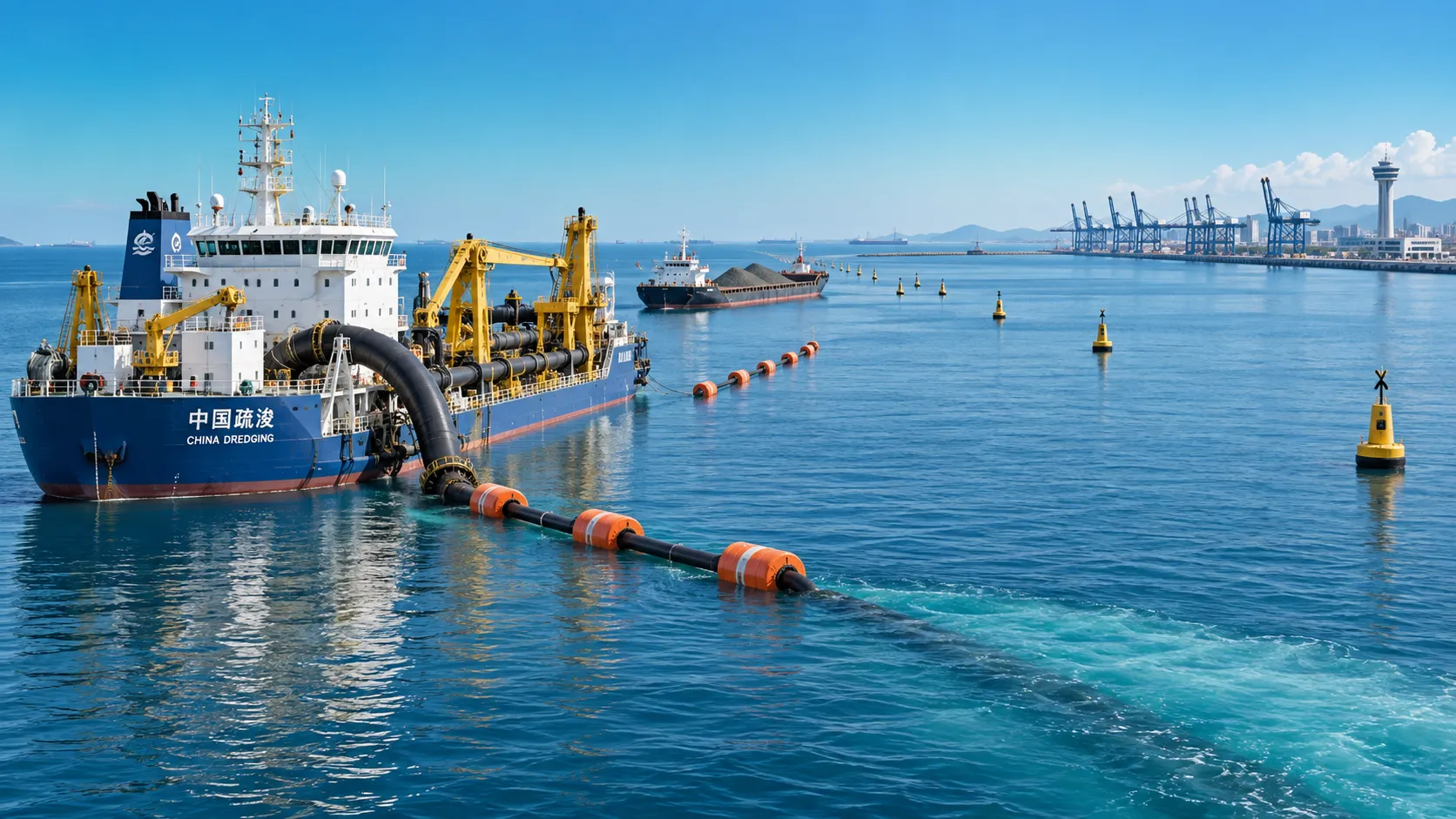
Planning Offshore Dredging Operations: Key Risks, Methods, and Project Controls
Offshore dredging operations demand smart planning. Explore key risks, proven methods, environmental controls, and project strategies for reliable delivery.