Related News
- 00
0000-00
How to Specify a Quay Crane for Container Terminals by Vessel Size and Throughput? - 00
0000-00
Which Bulk Handling Equipment Suits High-Moisture Cargo? - 00
0000-00
Terminal Automation Technologies That Raise Container Throughput Without Yard Disruption - 00
0000-00
Planning Offshore Dredging Operations: Key Risks, Methods, and Project Controls - 00
0000-00
Where Do Automated Guided Vehicles Deliver the Fastest Warehouse Gains in the Middle East?
Smart Remote-Controlled Cranes vs Conventional Cranes: Which Fits Busy Bulk Terminals?
Smart Remote-Controlled Cranes vs Conventional Cranes: Which Fits Busy Bulk Terminals?
For technical evaluation at high-throughput bulk terminals, crane choice is no longer a simple capital decision.
It shapes cycle time stability, operator exposure, asset visibility, and future automation options.
That is why the debate around smart remote-controlled cranes has become much more practical.
The question is not whether they are modern.
The real question is where they outperform conventional cranes under continuous bulk-handling pressure.
In busy terminals, that answer depends on operating profile, material type, control architecture, and maintenance discipline.
What Makes Smart Remote-Controlled Cranes Different
Conventional cranes rely on onboard operators, direct line-of-sight judgment, and local machine response.
They remain common in grab unloading, stacker-reclaimer work, and mixed-duty bulk yards.
Smart remote-controlled cranes move the operator away from the cabin into a control room.
That shift sounds simple, but it changes the operating model in several important ways.
- Camera arrays replace most direct visual dependence.
- Sensors support sway control, positioning, and load path monitoring.
- Control software records events, alarms, and performance data continuously.
- Networking quality becomes part of crane productivity.
- Human factors shift from cabin endurance to interface quality.
This means smart remote-controlled cranes are not just a mechanical upgrade.
They are a combined machine, software, communications, and operations-system upgrade.
Throughput: Where the Real Comparison Starts
Busy bulk terminals care about tons per hour, berth time, and queue stability.
Any crane technology must prove itself there first.
Smart remote-controlled cranes can improve consistency more than peak speed.
That distinction matters in real terminals.
A skilled onboard operator may still achieve very high short-interval productivity.
However, conventional cranes often show wider performance variation across shifts, weather, and fatigue levels.
Smart remote-controlled cranes usually reduce that variation through assisted positioning and standardized workflows.
For coal, ore, grain, and fertilizer terminals, stable cycle execution often beats occasional speed spikes.
From a technical standards perspective, evaluators should compare five throughput indicators:
- Average cycle time over a full shift.
- Cycle time variance by operator and material type.
- Recovery time after alarm, sway event, or visibility loss.
- Effective utilization during night and adverse weather.
- Downtime linked to controls, communications, or cabin access.
This is where smart remote-controlled cranes often build a stronger technical case.
Safety and Human Factors Often Tip the Decision
In conventional cranes, operators face vibration, dust, height exposure, and thermal stress daily.
That is manageable, but it adds operational risk over time.
Smart remote-controlled cranes remove most routine cabin exposure.
For dusty bulk commodities, that is more than a comfort benefit.
It can support lower fatigue, more stable concentration, and fewer access-related incidents.
A remote environment also makes operator rotation easier during long vessel calls.
Still, the safety case is not automatic.
Poor camera placement, screen latency, or weak alarm design can create new failure modes.
So the evaluation should include interface ergonomics, not just machine specifications.
- How many camera views are required for normal operation?
- What is the measured end-to-end control latency?
- Can the operator maintain spatial awareness during rapid grab cycles?
- How are emergency stop and fallback modes implemented?
If those questions are answered well, smart remote-controlled cranes usually gain a durable advantage.
Maintenance Visibility and Reliability Tradeoffs
Conventional cranes are mechanically familiar, which is still a major strength.
Many maintenance teams can diagnose faults quickly with existing skills and spare strategies.
That simplicity has value in ports with limited digital support resources.
Smart remote-controlled cranes add complexity, but they also improve visibility.
Control logs, drive trends, sensor history, and remote diagnostics shorten troubleshooting when properly integrated.
That supports condition-based maintenance instead of calendar-based intervention.
The catch is clear.
If network resilience, sensor calibration, or software support is weak, diagnostic benefits disappear quickly.
So the reliability question is not digital versus non-digital.
It is whether the terminal can support the full technical stack behind smart remote-controlled cranes.
Terminal Conditions That Favor Each Option
Smart remote-controlled cranes fit best when terminal operations are repetitive, measurable, and already digitally managed.
That includes high-volume import coal, export ore, and continuous conveyor-linked unloading systems.
They also fit sites with strong fiber networks, stable power, and serious automation roadmaps.
Conventional cranes still make practical sense in other conditions.
- Mixed cargo terminals with irregular duty cycles.
- Facilities with weaker control-room infrastructure.
- Sites where onboard operators handle frequent exceptions better.
- Operations with tight budgets for digital support and integration.
This is often where unrealistic automation plans fail.
A terminal may want smart remote-controlled cranes, but lack the surrounding systems they require.
In that case, conventional cranes can still deliver better actual availability.
Cost Should Be Measured Across the Operating Model
Upfront price comparisons rarely capture the real picture.
Smart remote-controlled cranes usually require higher initial spending on controls, communications, and operator stations.
But that premium should be tested against lifecycle outcomes.
Useful cost categories include labor structure, incident reduction, maintenance planning, berth productivity, and upgrade readiness.
A terminal preparing for AGV coordination or central equipment scheduling may gain strategic value earlier.
That is one reason PS-Nexus tracks smart remote-controlled cranes as part of wider port control evolution.
Still, there is no shortcut.
Without reliable utilization assumptions, lifecycle savings claims remain weak.
A Practical Evaluation Framework
A sound comparison should move beyond vendor messaging and broad automation promises.
In practice, smart remote-controlled cranes should be evaluated through a structured acceptance lens.
- Map the dominant cargo flows and exception frequency.
- Define target throughput by shift, not only by rated capacity.
- Measure network latency and control-room redundancy.
- Review operator transition time and training burden.
- Check vendor support depth for software, sensors, and cybersecurity.
- Test fallback operation when remote systems degrade.
This framework usually reveals whether smart remote-controlled cranes are a fit now, later, or only partially.
Which Choice Fits a Busy Bulk Terminal?
For busy terminals with stable cargo patterns and strong digital infrastructure, smart remote-controlled cranes often provide the better long-term fit.
They improve safety conditions, sharpen data visibility, and support more consistent throughput control.
For terminals with variable operations or limited systems maturity, conventional cranes may remain the more dependable choice.
The better answer is rarely ideological.
It comes from matching crane architecture to terminal reality.
When assessing smart remote-controlled cranes, focus on measurable control quality, recovery behavior, and integration readiness.
That approach leads to decisions that hold up under daily bulk terminal pressure, not just during procurement presentations.
Related News
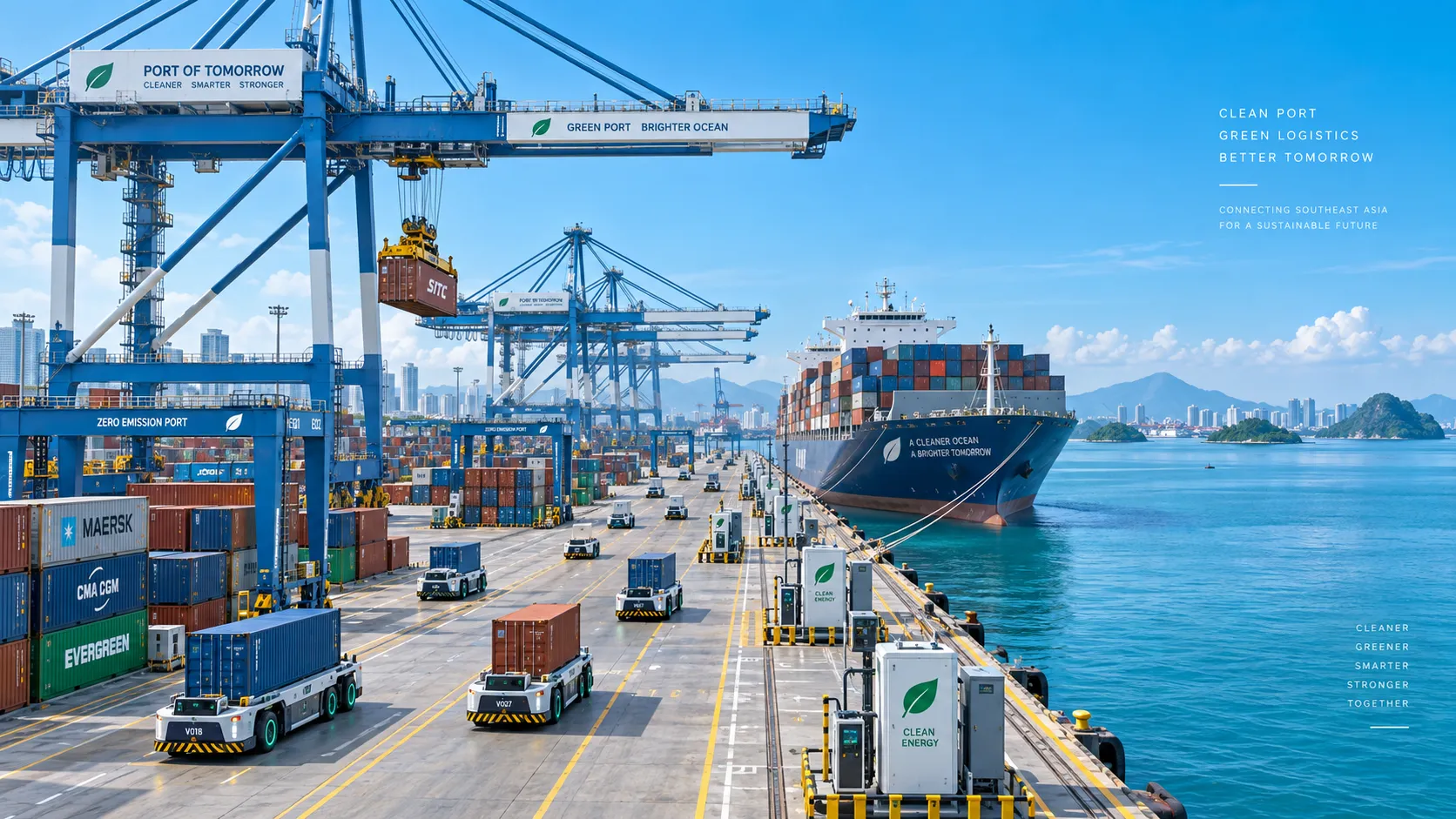
Smart Port Systems in Southeast Asia: Investment Priorities and Adoption Barriers
Smart port systems Southeast Asia: discover investment priorities, adoption barriers, and practical steps to build resilient, connected, high-performing terminals.

How to Evaluate Terminal Efficiency Solution Suppliers for High-Throughput Operations
Choose a terminal efficiency solutions supplier with confidence. Explore proven criteria for throughput, integration, lifecycle cost, safety, and reliable delivery.
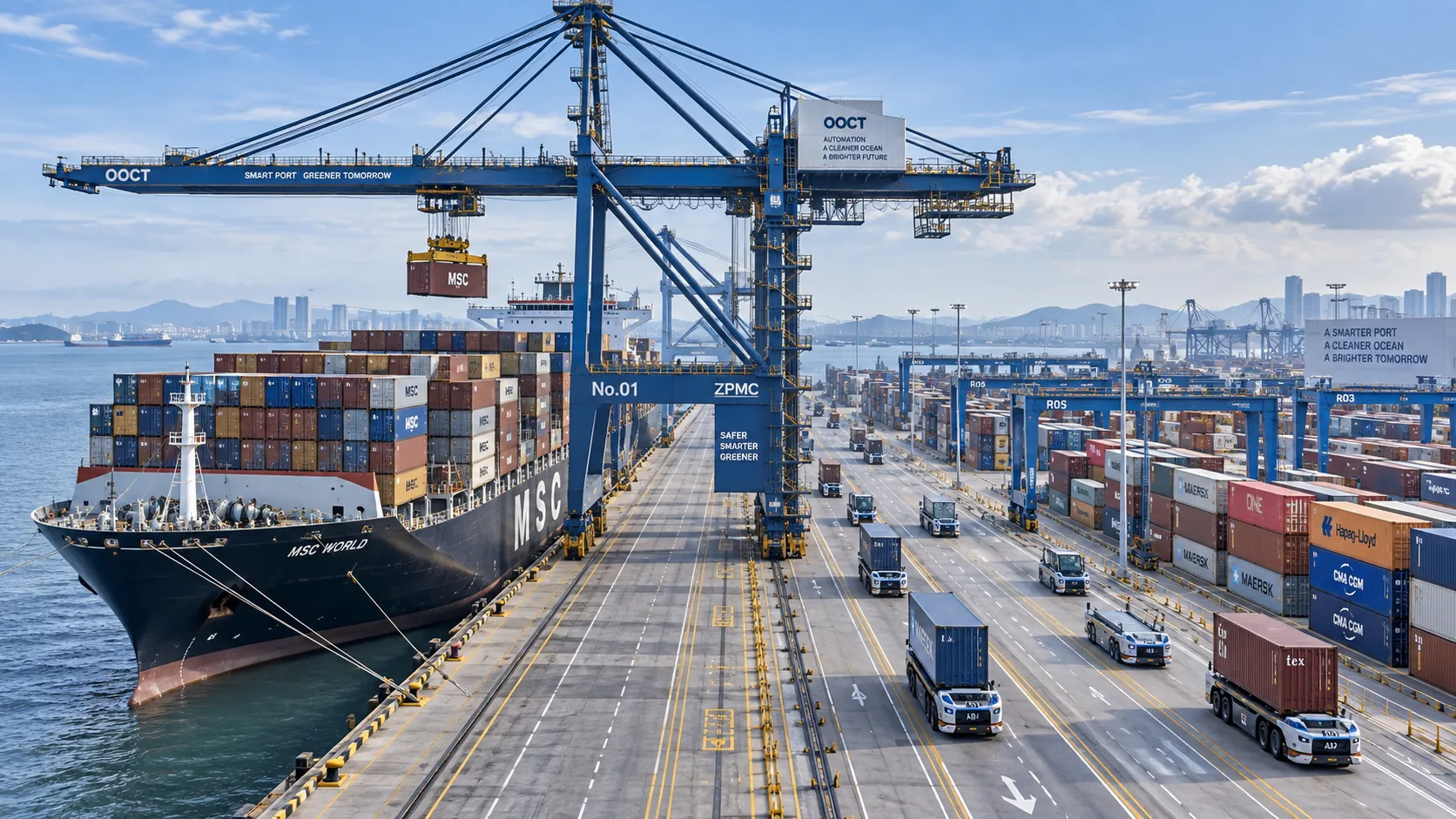
How to Specify a Quay Crane for Container Terminals by Vessel Size and Throughput?
Quay crane for container terminals: learn how to match outreach, lift height, capacity, automation, and cycle performance to vessel size and throughput goals.
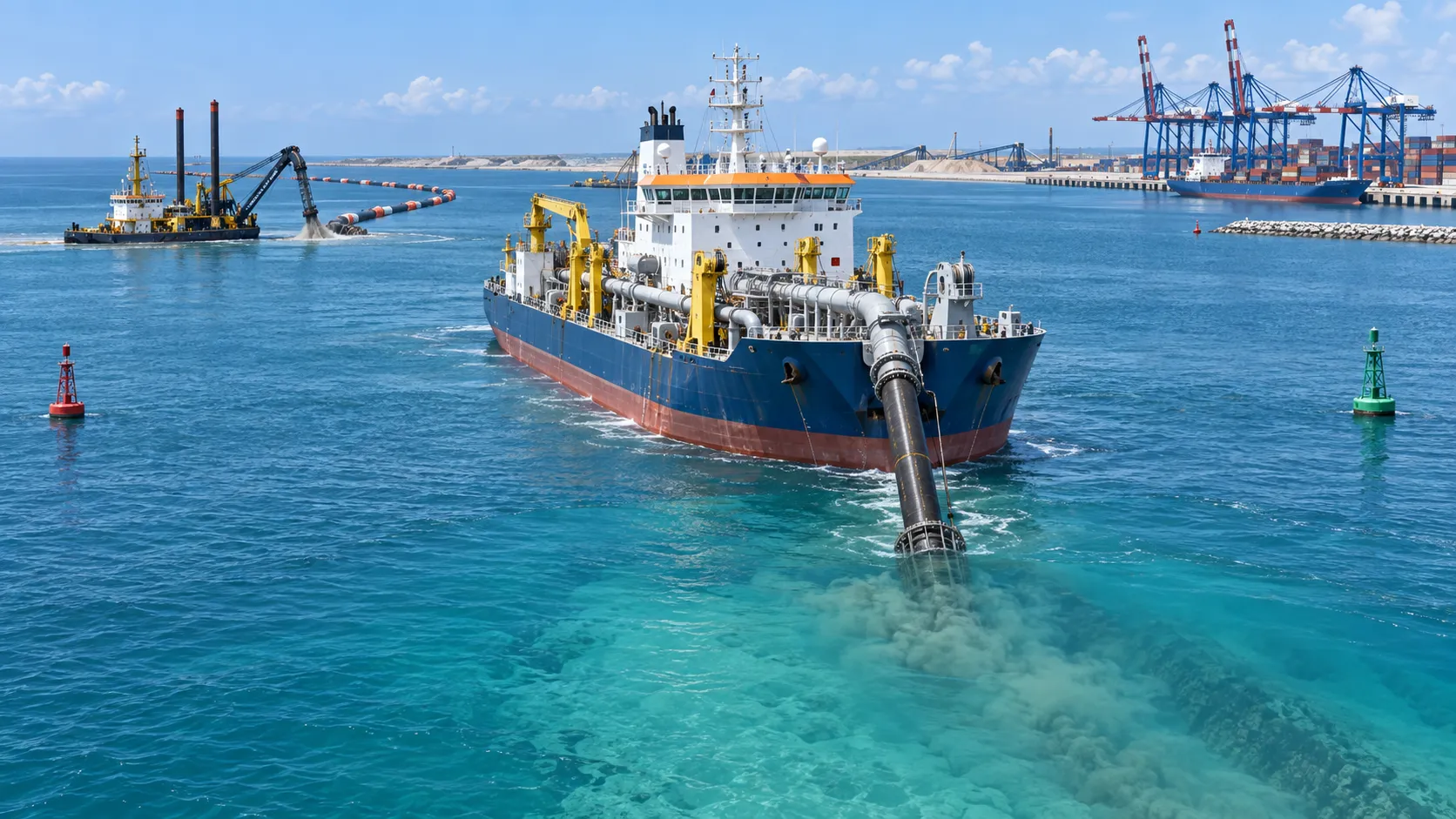
What Dredging Equipment Is Needed for Channel Deepening?
What dredging equipment is needed for channel deepening? Explore dredgers, pipelines, survey tools, and planning strategies for safer, more efficient port access.
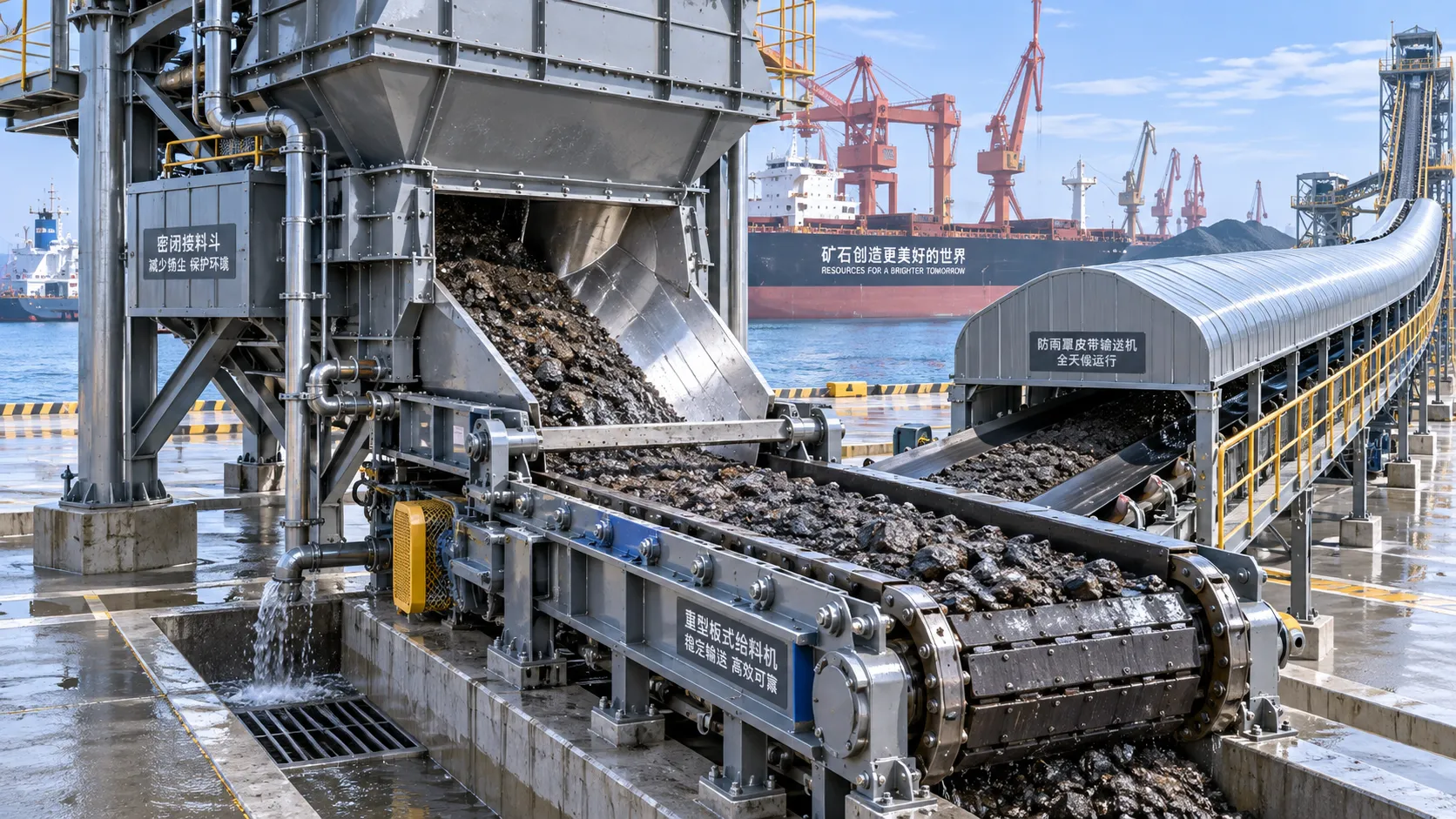
Which Bulk Handling Equipment Suits High-Moisture Cargo?
Which bulk handling equipment suits high-moisture cargo? Compare belt, apron, screw, drag, and slurry systems for reliable flow, less carryback, and higher terminal uptime.
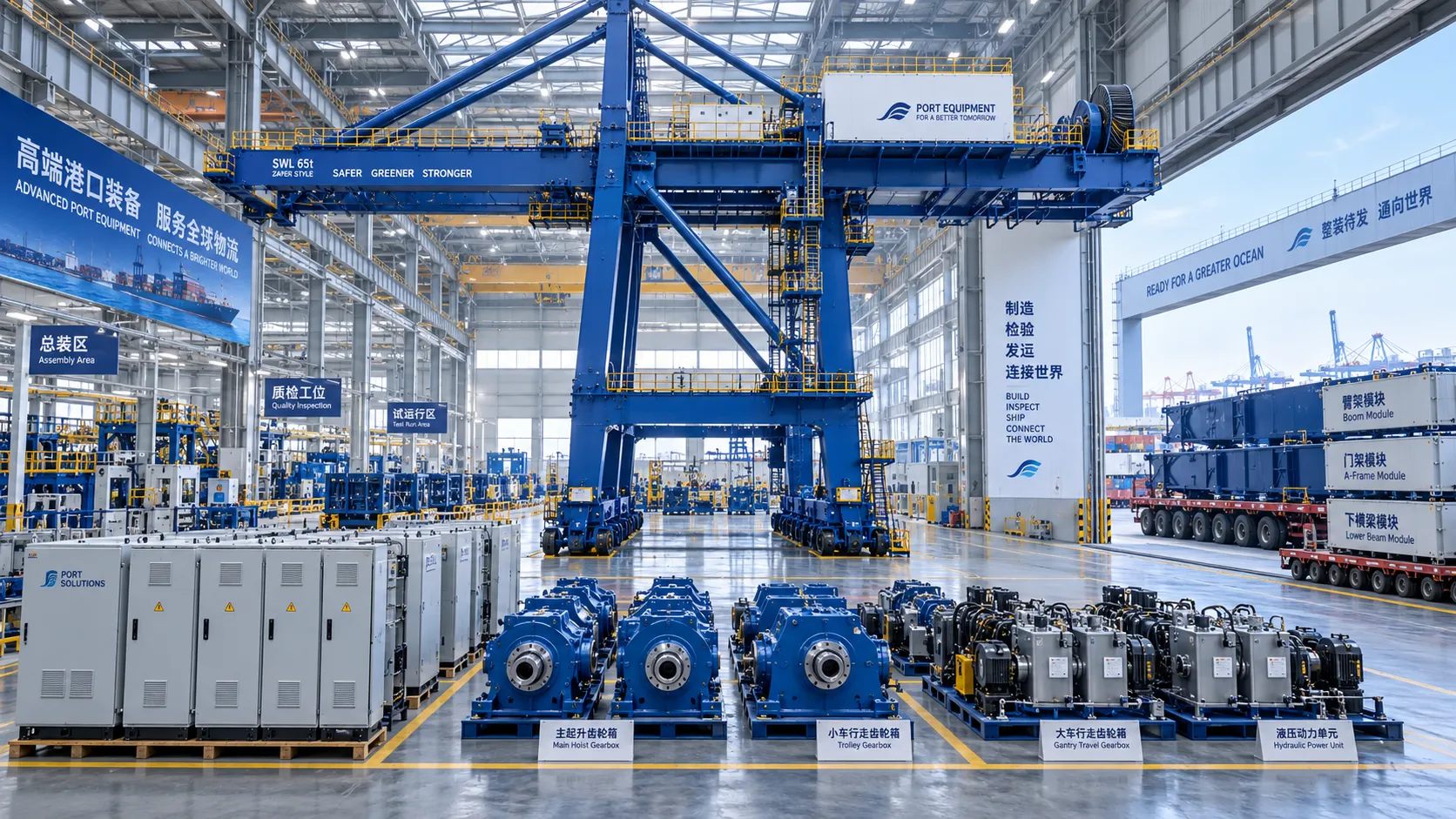
How Can Port Equipment Lead-Time Risk Be Managed?
How can port equipment lead-time risk be managed? Explore practical strategies to control critical paths, suppliers, transport, site readiness, and commissioning delays.
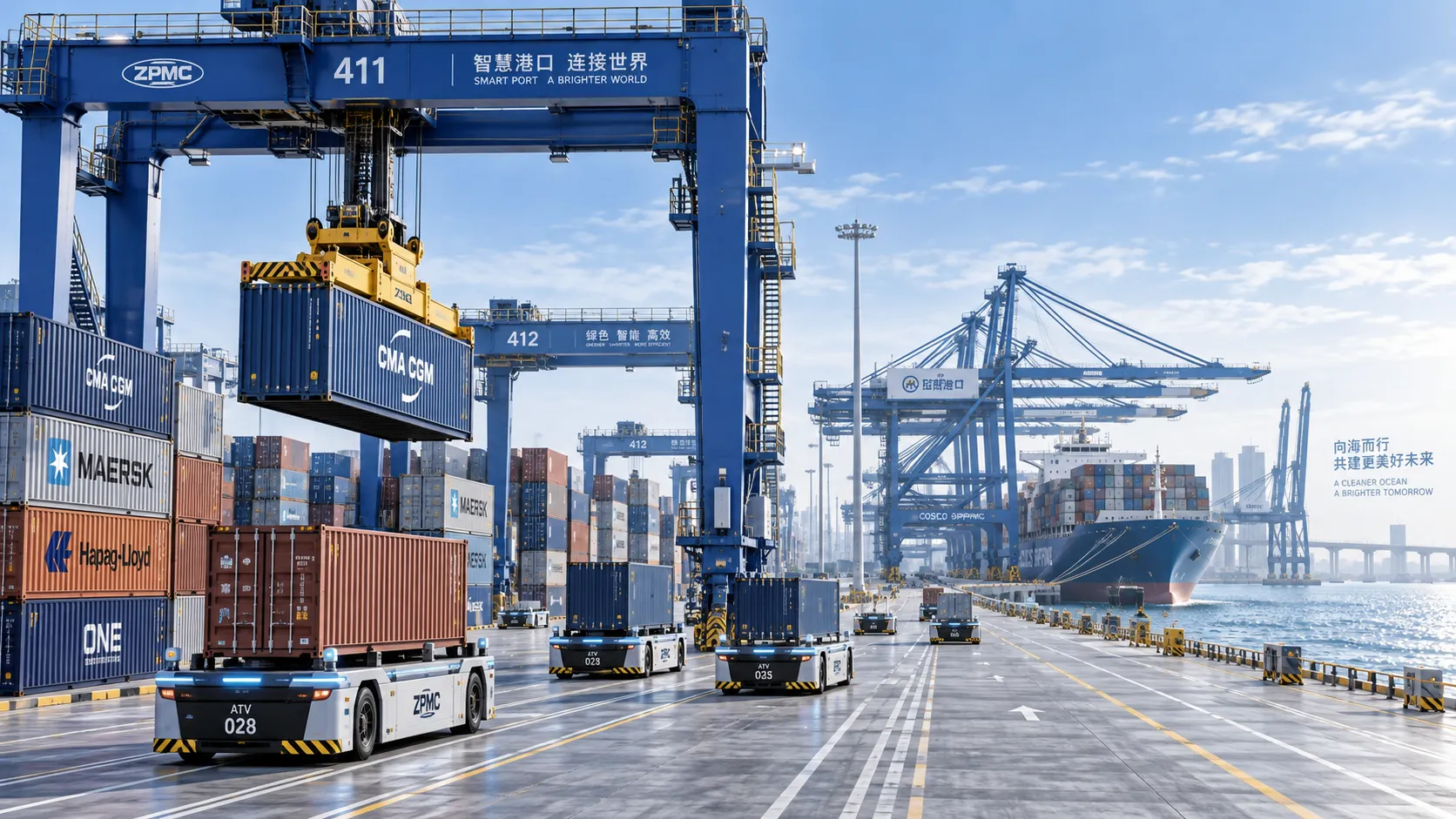
Terminal Automation Technologies That Raise Container Throughput Without Yard Disruption
Terminal automation technology that increases container throughput without disrupting yard flow. Explore smarter integration, resilient workflows, and phased deployment strategies.
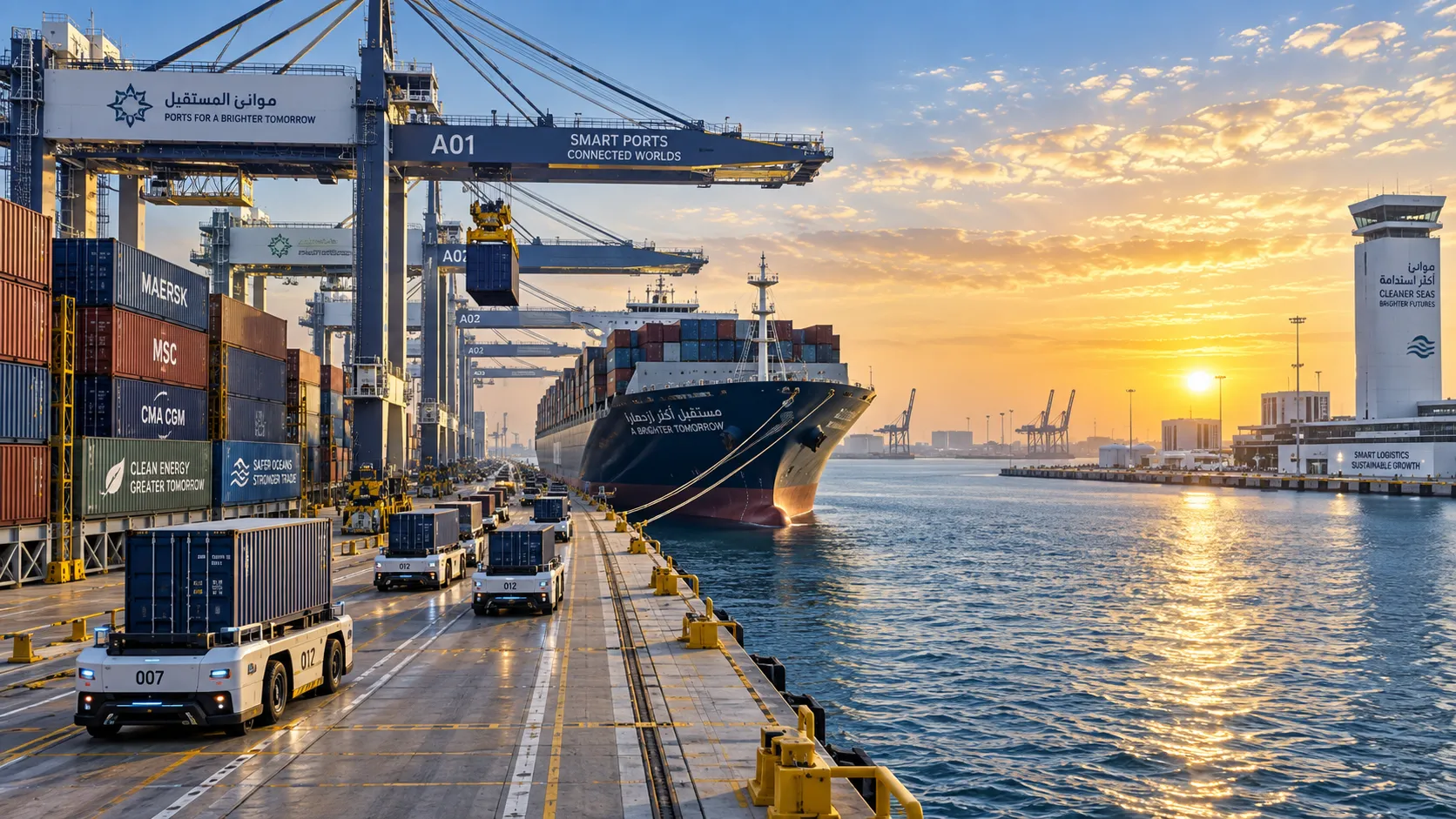
Middle East Port Automation: Key Market Drivers, Projects, and Investment Risks
Port automation systems Middle East: explore market drivers, flagship projects, integration challenges, and investment risks shaping smarter, resilient terminals.
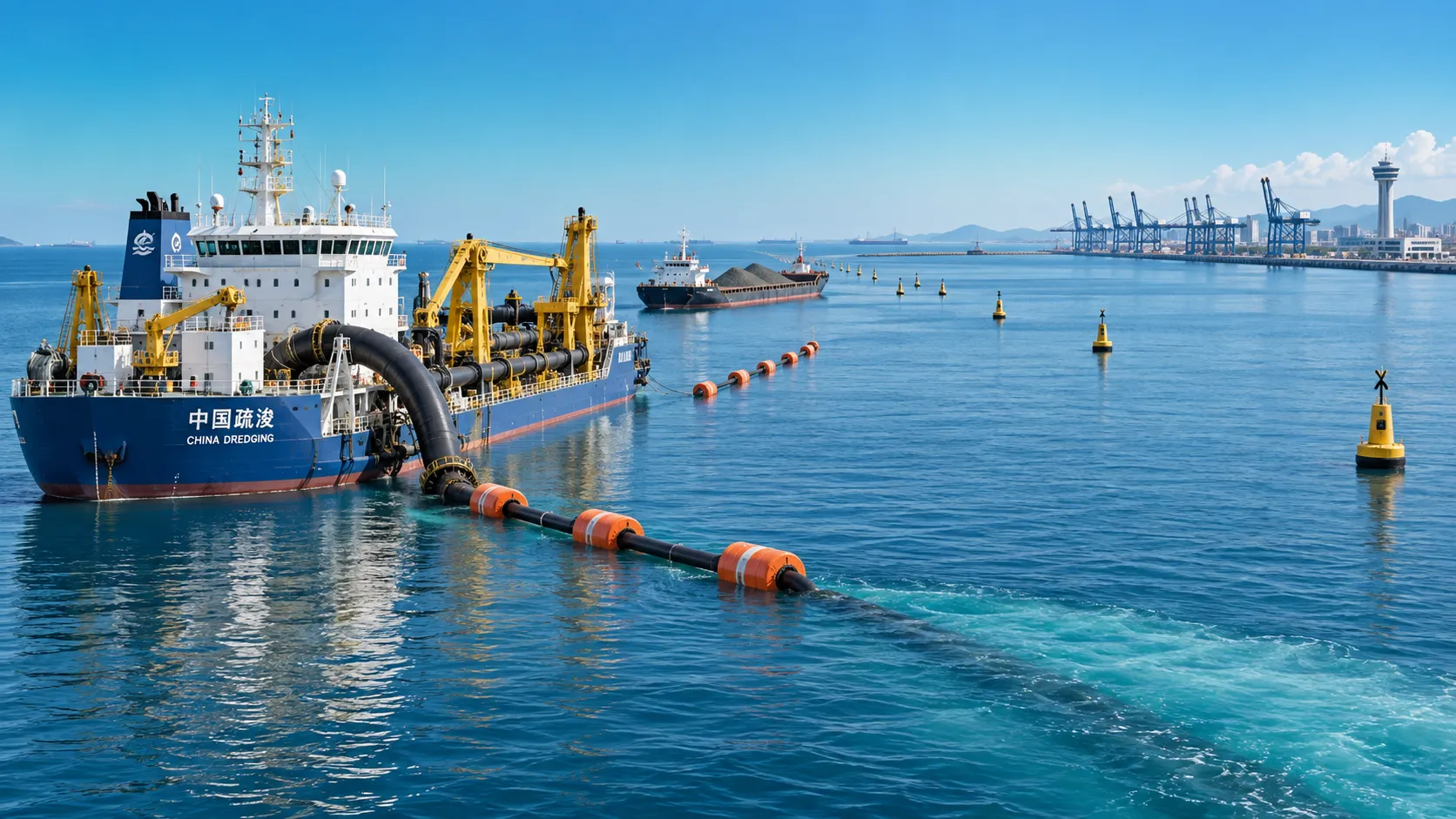
Planning Offshore Dredging Operations: Key Risks, Methods, and Project Controls
Offshore dredging operations demand smart planning. Explore key risks, proven methods, environmental controls, and project strategies for reliable delivery.