Related News
- 00
0000-00
How Can Port Equipment Lead-Time Risk Be Managed? - 00
0000-00
Maritime Logistics Operations: How Ports Can Reduce Container Dwell Time - 00
0000-00
What Does Logistics Node Monitoring Cost Across Warehouses and Transport Hubs? - 00
0000-00
How Can IoT Smart Port Solutions Improve Container Tracking and Yard Efficiency? - 00
0000-00
How Real-Time Port Logistics Intelligence Improves Container Yard Efficiency
Mega Port Terminal Expansion: The Main Cost Drivers and Procurement Risks to Review
Why does mega port terminal expansion look profitable on paper, yet become difficult to approve?
Mega port terminal expansion usually starts with a simple promise: more berth capacity, faster moves, and stronger trade positioning. Approval becomes harder when cost lines stop behaving like isolated equipment purchases.
In practice, a terminal expansion program is a system investment. Quay cranes, yard automation, dredging interfaces, grid reinforcement, software integration, and civil works rise or fall together.
That is why the first review question is not whether capacity will grow. It is whether the added capacity can be converted into reliable throughput, predictable cash generation, and controlled lifecycle cost.
PS-Nexus often frames this through five linked pillars of maritime logistics. Heavy terminal gear sets physical limits, automation directs flows, dredging protects nautical access, and intelligence ties decisions to actual trade patterns.
A sound decision therefore depends on identifying the main cost drivers early, then testing where procurement risk can distort schedule, budget, or operating assumptions.
Which cost drivers matter most in a mega port terminal expansion review?
The biggest mistake is to focus only on crane price. For most projects, the highest budget pressure comes from interfaces, site conditions, and timing rather than from one headline asset.
A useful way to review mega port terminal expansion costs is to separate visible capex from enabling capex. The second category is where many approvals go wrong.
- Marine and civil works: quay wall strengthening, berth deepening, reclamation, pavements, drainage, and seismic adaptation.
- Terminal equipment: STS cranes, RTGs or RMGs, AGVs, terminal tractors, and specialized container handling systems.
- Power and utilities: substation upgrades, cable routing, charging systems, redundancy, and energy quality management.
- Automation and control: TOS integration, remote control rooms, positioning systems, cybersecurity, and low-latency communication layers.
- Dredging and nautical support: channel depth, turning basin geometry, disposal routes, and sediment management.
- Commissioning and transition cost: training, phased cutover, temporary productivity loss, and spare parts stocking.
More often than not, enabling capex is underestimated because it sits across engineering packages. Yet this is exactly where cash outflow expands after contract award.
For a finance review, the better question is: which costs are unavoidable for the terminal to operate at designed throughput, not just to be physically built?
A quick screening table for cost pressure
Before approving a budget envelope, it helps to map each cost area against the reason it commonly escalates.
Where do procurement risks usually hide in terminal expansion projects?
Procurement risk in a mega port terminal expansion is rarely just about vendor default. It usually appears in fragmented responsibility, incomplete specifications, and uneven contract maturity across packages.
For example, a crane supplier may guarantee moves per hour under defined conditions. The automation supplier may assume perfect positioning data. The civil contractor may not carry tolerance risk at the interface.
When those assumptions collide, the owner absorbs the gap. That gap becomes cost, delay, or underperformance.
The more automated the terminal concept, the more procurement discipline must shift from buying assets to buying interoperable outcomes.
- Single-source dependence for critical cranes, control software, or electrification modules.
- Long-lead components with fragile supply chains, especially power electronics and control hardware.
- Contracts that define delivery dates but not integration accountability.
- Foreign exchange exposure on imported heavy equipment.
- Performance liquidated damages that look strong, yet are capped below actual revenue impact.
This is where intelligence-led review adds value. Platforms such as PS-Nexus help by connecting equipment trends, shipping demand, communication architecture, and dredging realities into one decision frame.
How can you tell whether automation will lower cost or simply move it?
Automation is often justified through labor efficiency, safety, and throughput stability. Those benefits can be real, but they do not arrive just because remote cranes or AGVs are in the budget.
A practical review starts by separating direct savings from transferred costs. In many terminal projects, automation reduces variable labor intensity while increasing software dependence, maintenance specialization, and commissioning risk.
The better comparison is not automated versus non-automated in general. It is whether the planned automation level matches traffic mix, labor context, operating window, and grid reliability at that specific port.
Need to handle peak transshipment surges? High automation may stabilize cycles. Facing uncertain throughput ramp-up? A hybrid approach may preserve flexibility and lower stranded-capital risk.
PS-Nexus coverage of low-latency control, AGV path planning, and digital monitoring is useful here because the real cost question sits inside system behavior, not brochure-level equipment ratings.
Questions that usually expose weak automation assumptions
- What berth productivity is guaranteed after full integration, not at isolated equipment level?
- How long is the ramp-up period before planned labor savings become credible?
- Which party owns software tuning after go-live?
- What redundancy exists if communications or positioning accuracy degrades?
- How much spare parts inventory is needed for control-critical components?
What gets missed when dredging, grid upgrades, and terminal gear are reviewed separately?
A mega port terminal expansion only performs as designed when marine access, yard flow, and electrical capacity mature together. Separate reviews can make each package look reasonable while the total project remains exposed.
Take dredging first. If channel depth or berth pocket readiness slips, crane arrival dates become less relevant. The terminal may own new assets without usable vessel access.
Now look at grid upgrades. Electrified cranes and automated fleets can appear efficient on paper, yet delayed utility work can postpone commissioning and trigger standby costs.
This is why cross-package sequencing matters more than package-level savings. A lower bid on equipment is not a gain if it creates interface redesign or idle-capital months later.
In real project controls, the review should link three timelines: marine readiness, equipment manufacturing, and energy availability. The project is only as bankable as the slowest enabling path.
What approval checks reduce hidden cost escalation before contracts are signed?
By the time a mega port terminal expansion reaches final approval, many escalation drivers are already visible. The issue is usually that they are spread across technical appendices rather than highlighted in one decision view.
A tighter review process should test both budget realism and procurement resilience. The aim is not to eliminate risk. It is to prevent unmanaged risk from entering the capital structure.
It also helps to require a downside case. That means slower volume ramp, delayed grid connection, longer commissioning, and a realistic spare parts burden.
If the economics only work under perfect execution, the project may still be strategically necessary, but the approval case should reflect that honestly.
So what is the practical next step before approving a mega port terminal expansion?
Start by rebuilding the project around operational dependencies instead of procurement categories. That makes hidden capex and interface exposure easier to see.
Then check whether the investment case still holds under imperfect commissioning, moderate trade volatility, and phased capacity absorption. That is often the most honest stress test.
For a mega port terminal expansion, strong approvals usually come from four disciplines working together: cost engineering, marine and civil validation, automation readiness, and contract risk mapping.
PS-Nexus is relevant in this context because the decision is no longer about buying standalone assets. It is about interpreting port gear, control systems, dredging requirements, and global logistics signals as one capital story.
If that integrated view is missing, the project may still move forward, but the procurement risks will surface later, when they are harder and more expensive to correct.
A practical approval file should therefore include a cross-package risk register, an interface matrix, a downside throughput case, and a verified list of enabling works. That is usually where better decisions begin.
Related News
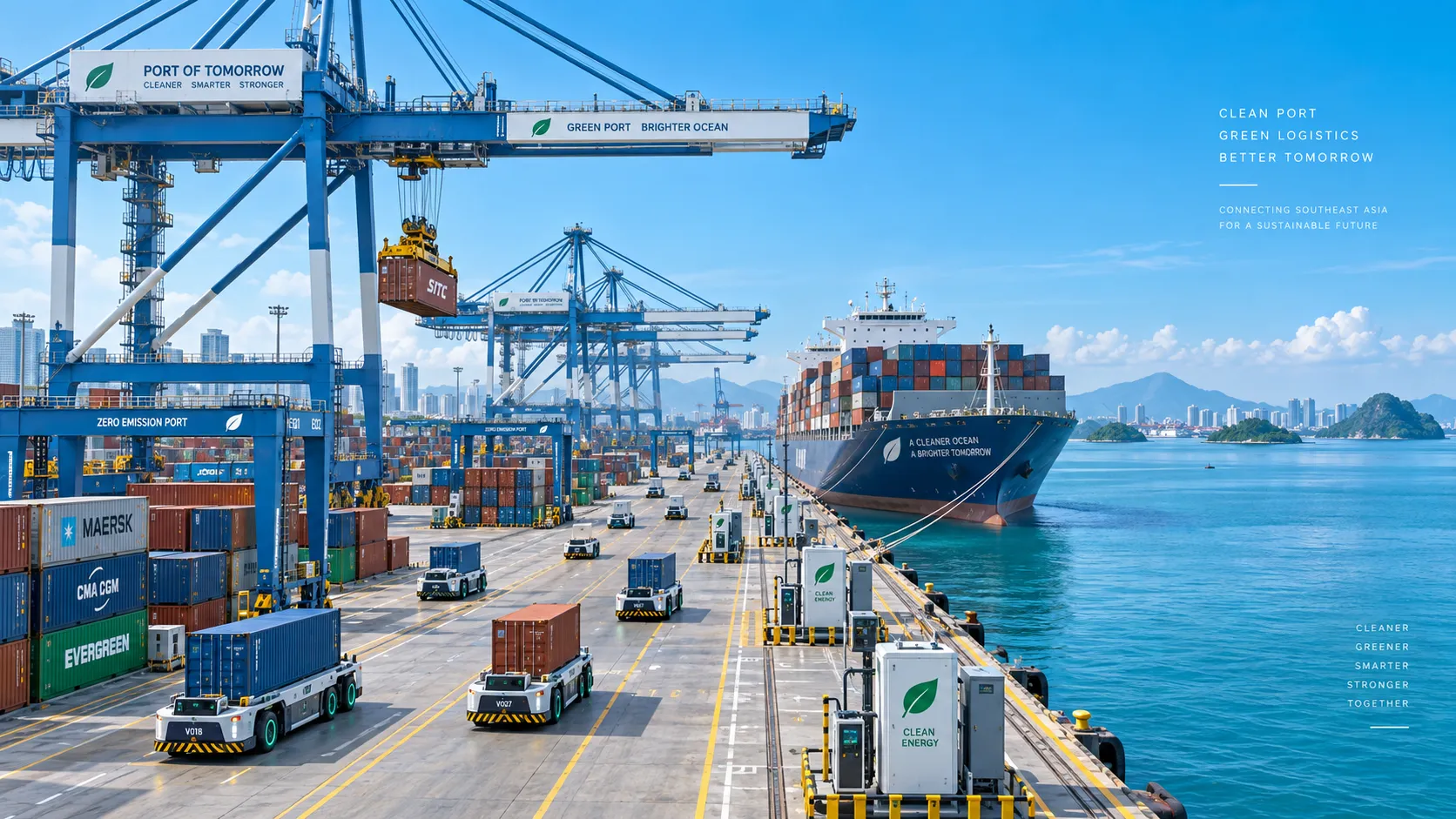
Smart Port Systems in Southeast Asia: Investment Priorities and Adoption Barriers
Smart port systems Southeast Asia: discover investment priorities, adoption barriers, and practical steps to build resilient, connected, high-performing terminals.
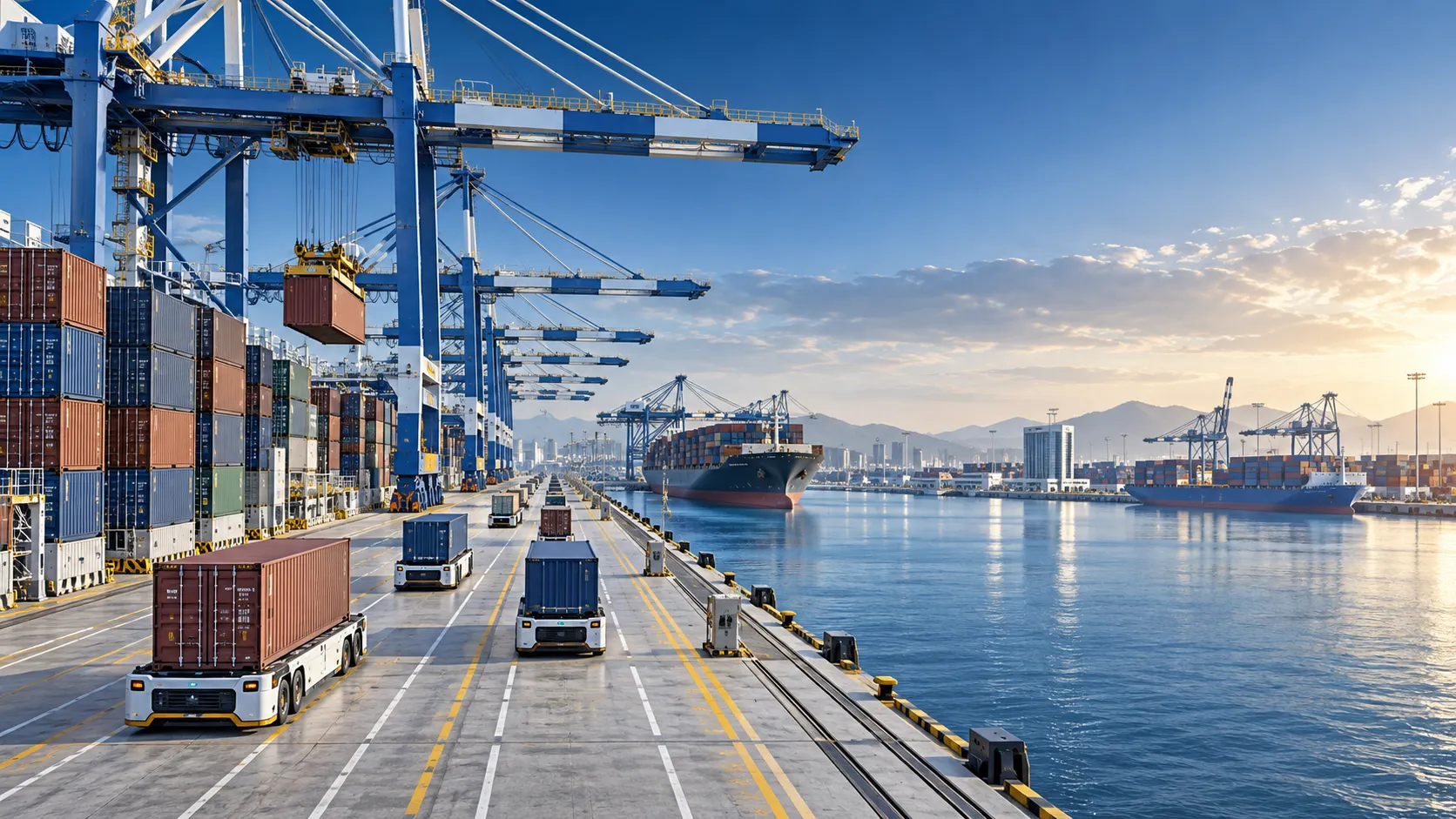
How to Evaluate Terminal Efficiency Solution Suppliers for High-Throughput Operations
Choose a terminal efficiency solutions supplier with confidence. Explore proven criteria for throughput, integration, lifecycle cost, safety, and reliable delivery.
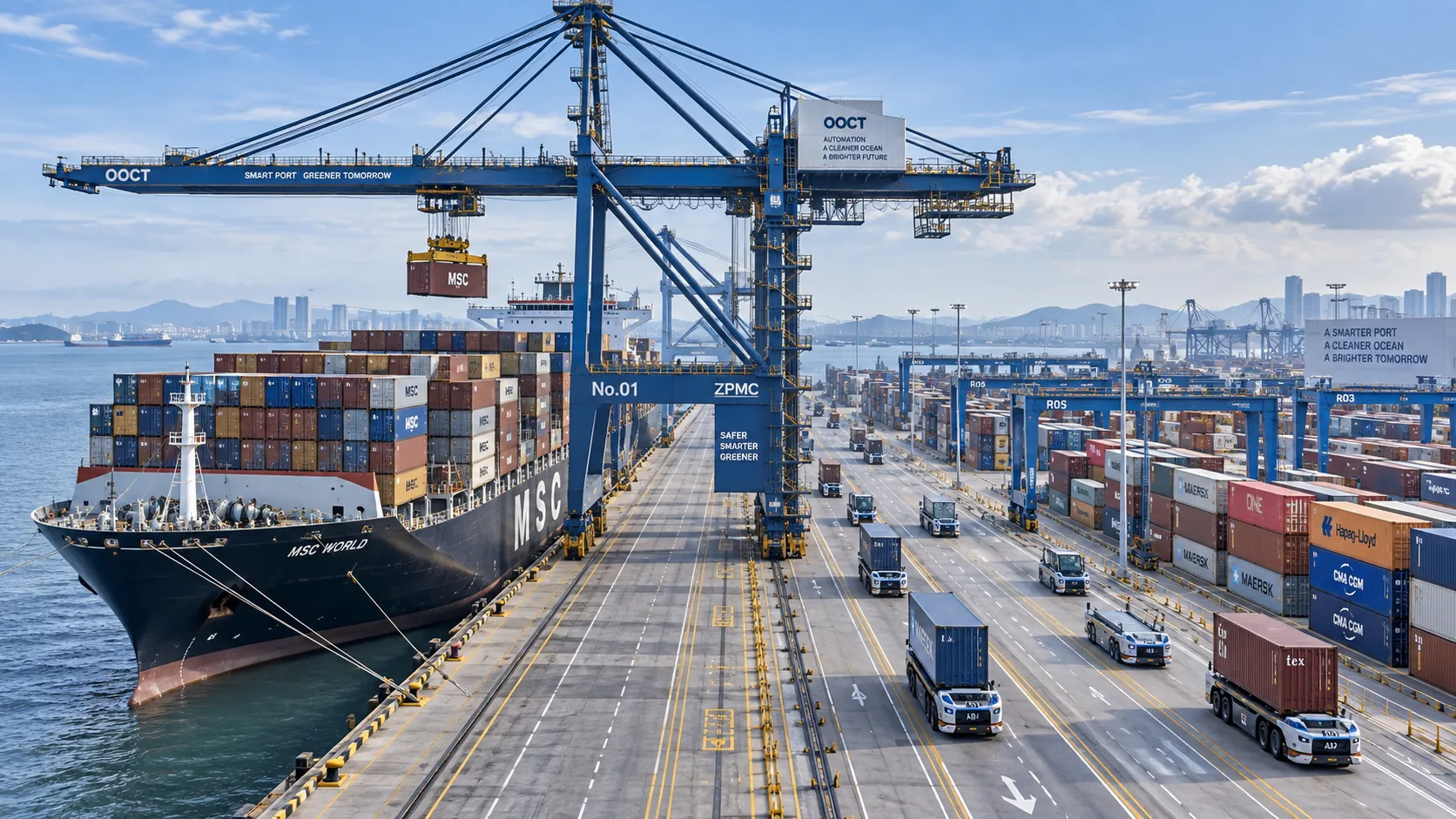
How to Specify a Quay Crane for Container Terminals by Vessel Size and Throughput?
Quay crane for container terminals: learn how to match outreach, lift height, capacity, automation, and cycle performance to vessel size and throughput goals.
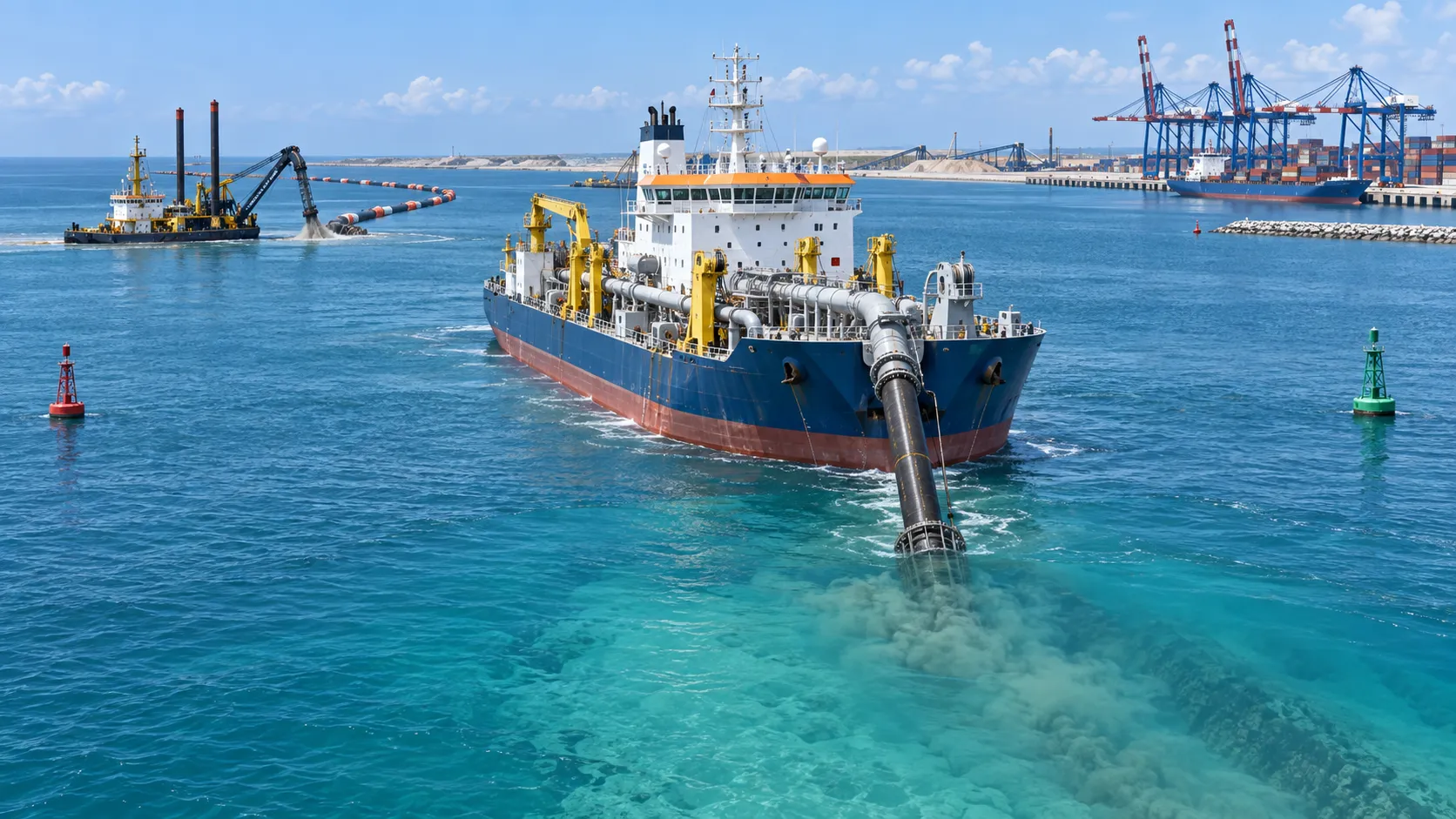
What Dredging Equipment Is Needed for Channel Deepening?
What dredging equipment is needed for channel deepening? Explore dredgers, pipelines, survey tools, and planning strategies for safer, more efficient port access.
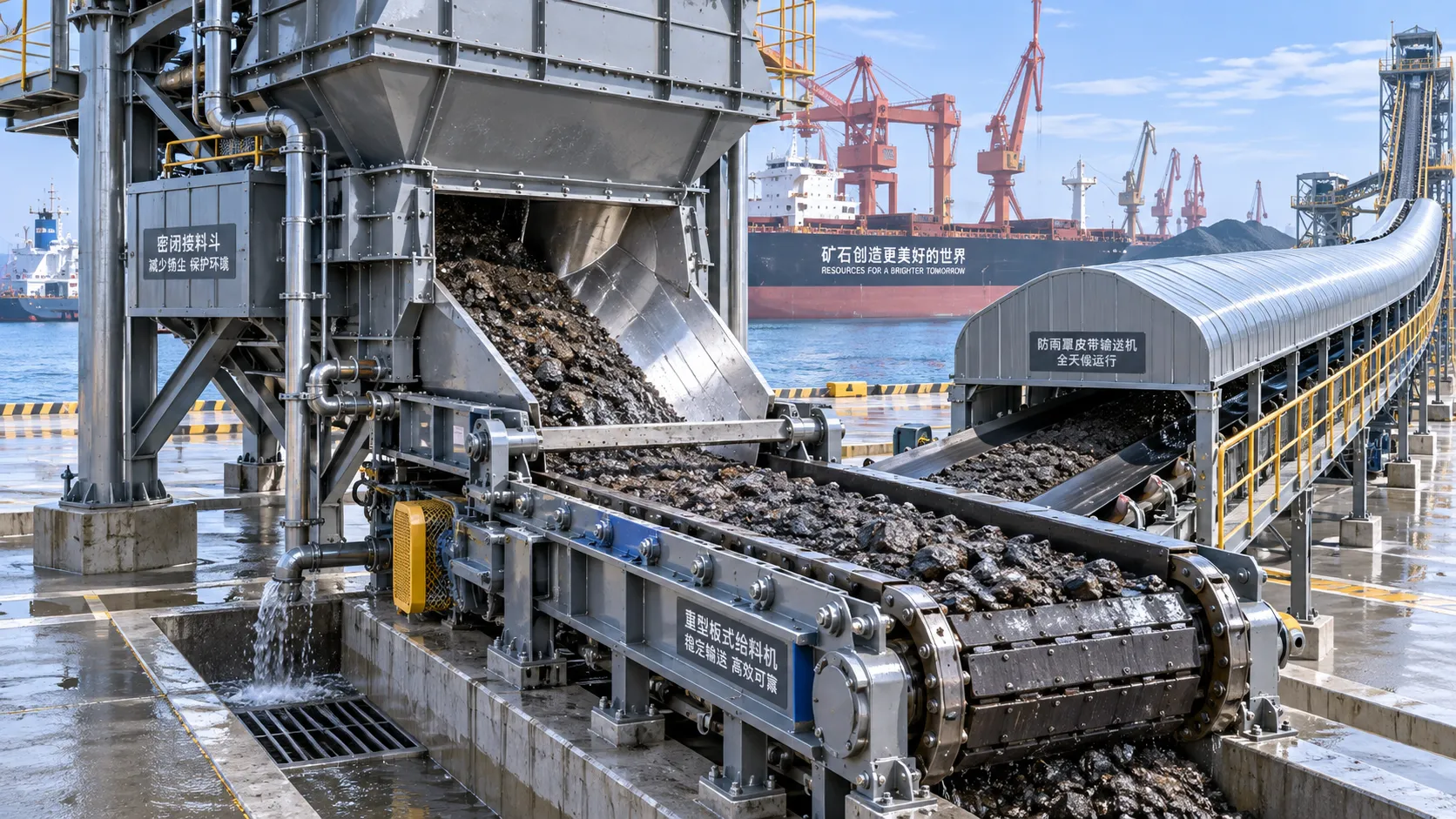
Which Bulk Handling Equipment Suits High-Moisture Cargo?
Which bulk handling equipment suits high-moisture cargo? Compare belt, apron, screw, drag, and slurry systems for reliable flow, less carryback, and higher terminal uptime.
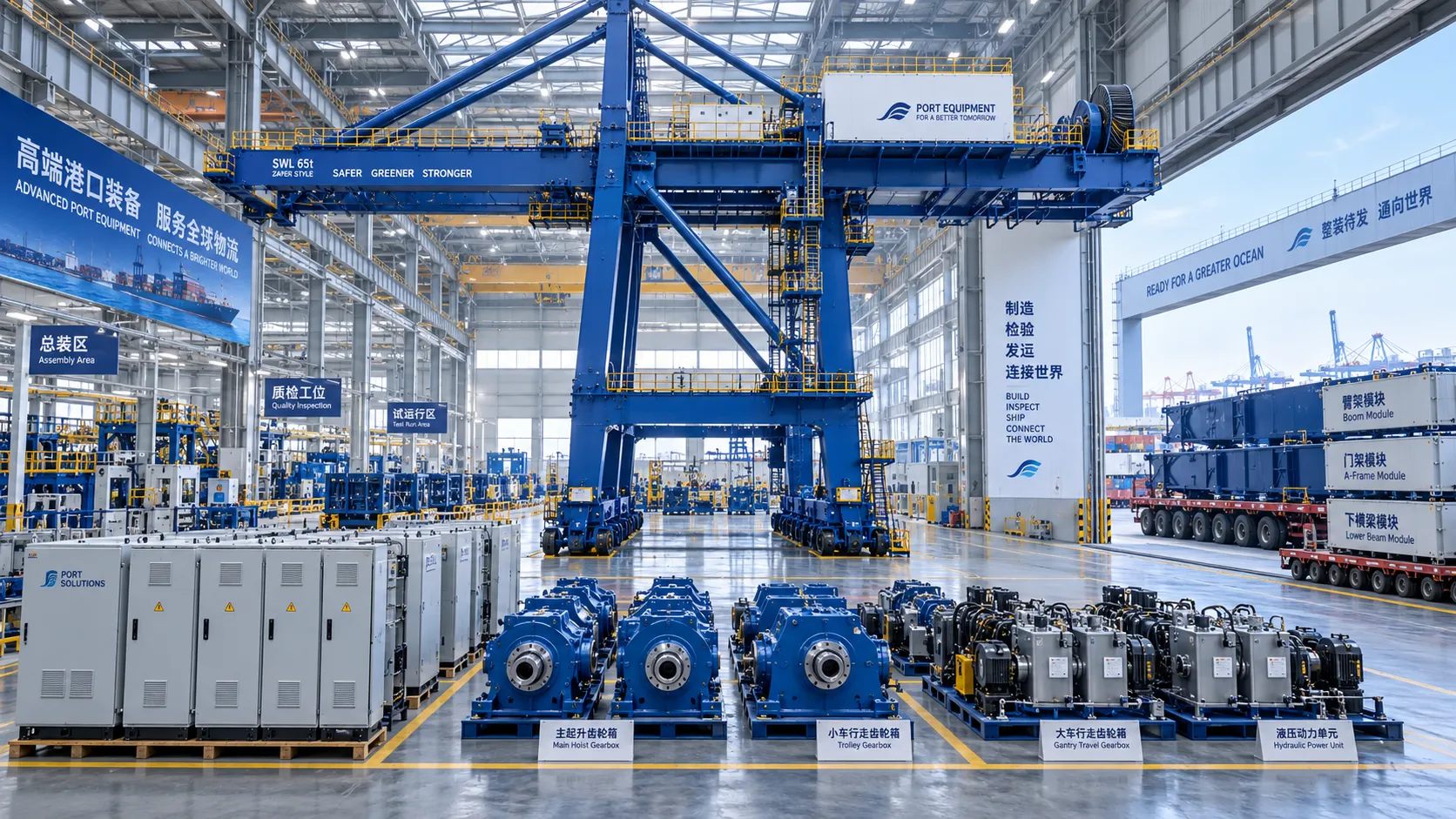
How Can Port Equipment Lead-Time Risk Be Managed?
How can port equipment lead-time risk be managed? Explore practical strategies to control critical paths, suppliers, transport, site readiness, and commissioning delays.
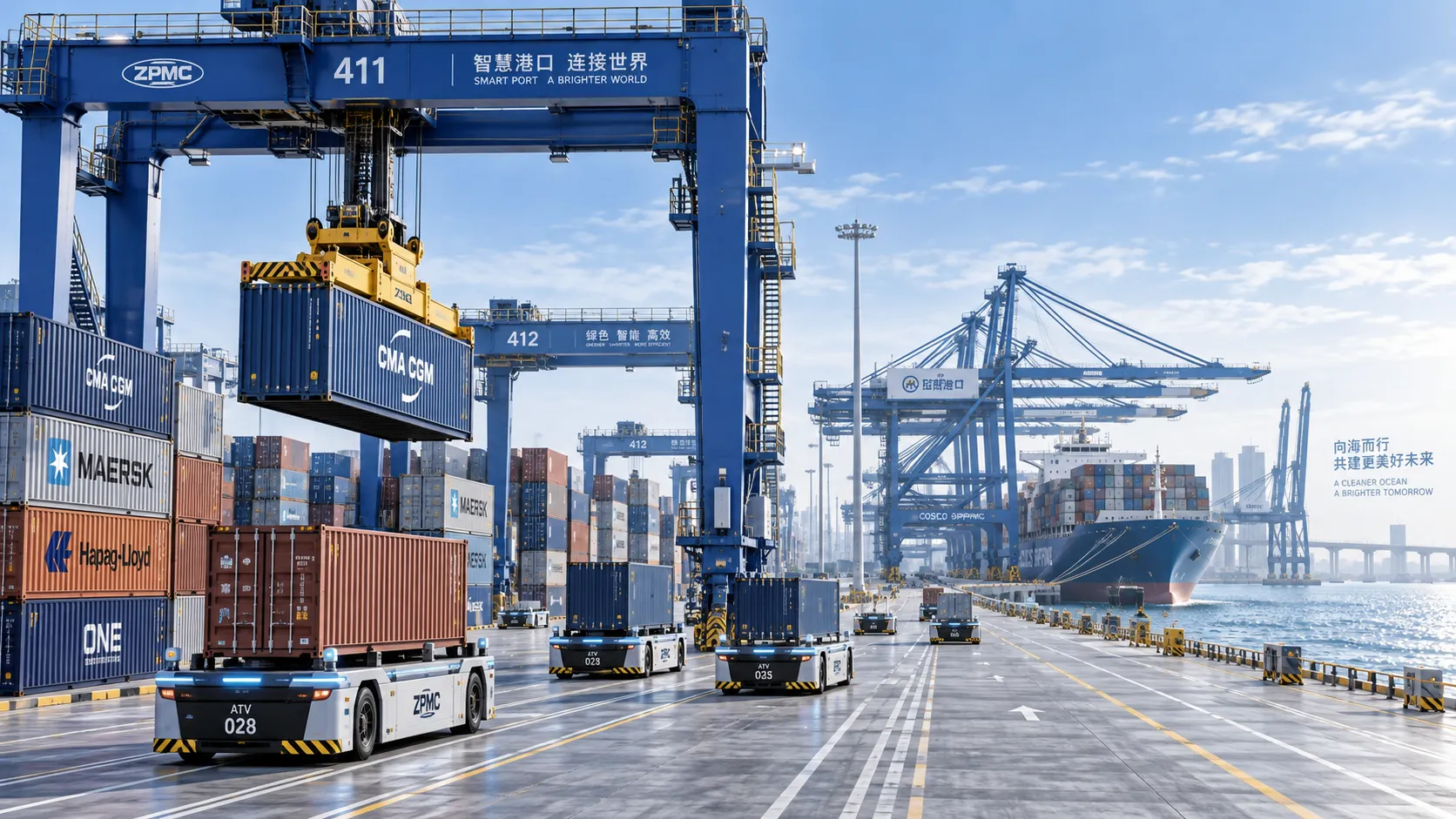
Terminal Automation Technologies That Raise Container Throughput Without Yard Disruption
Terminal automation technology that increases container throughput without disrupting yard flow. Explore smarter integration, resilient workflows, and phased deployment strategies.
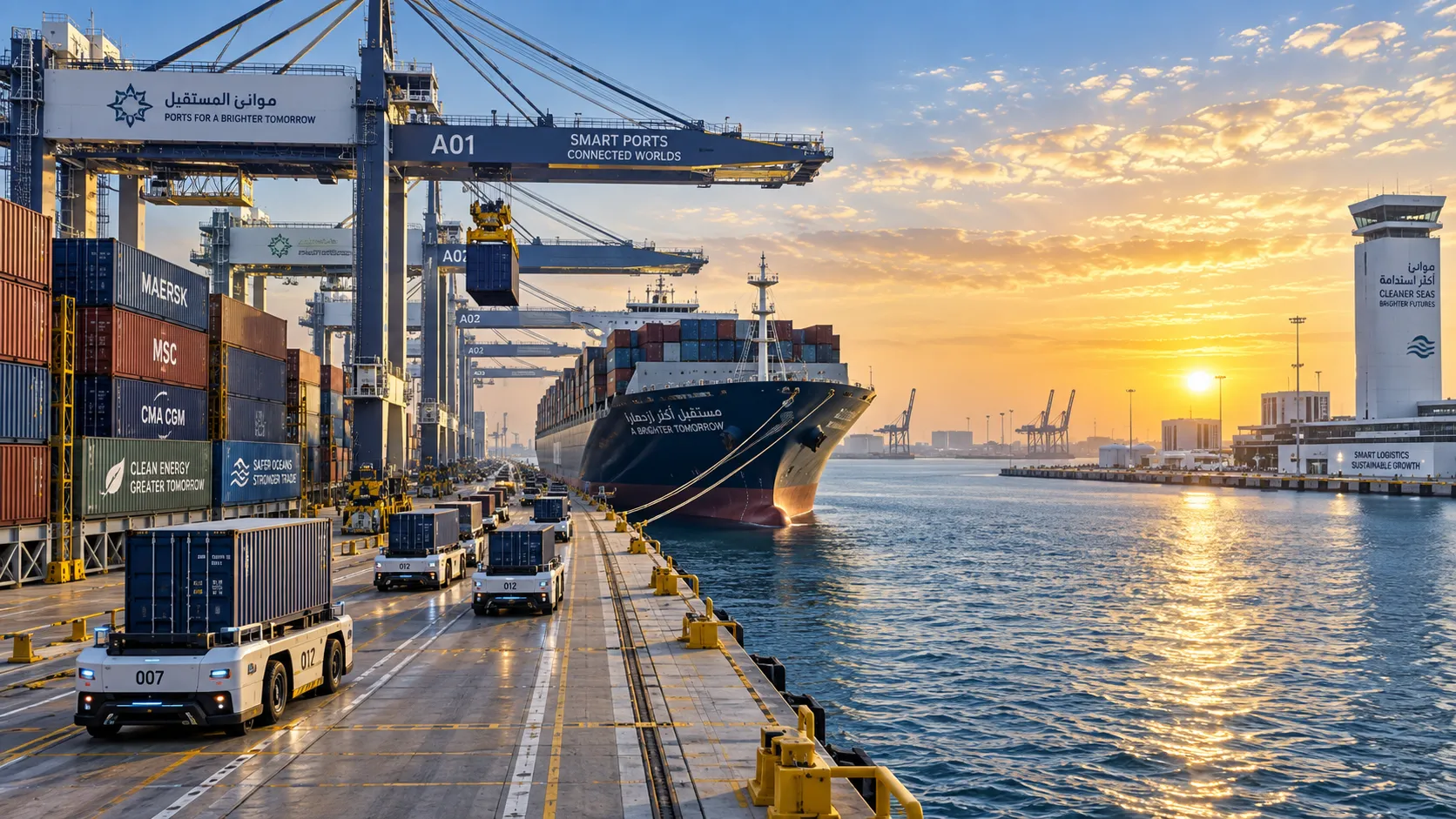
Middle East Port Automation: Key Market Drivers, Projects, and Investment Risks
Port automation systems Middle East: explore market drivers, flagship projects, integration challenges, and investment risks shaping smarter, resilient terminals.
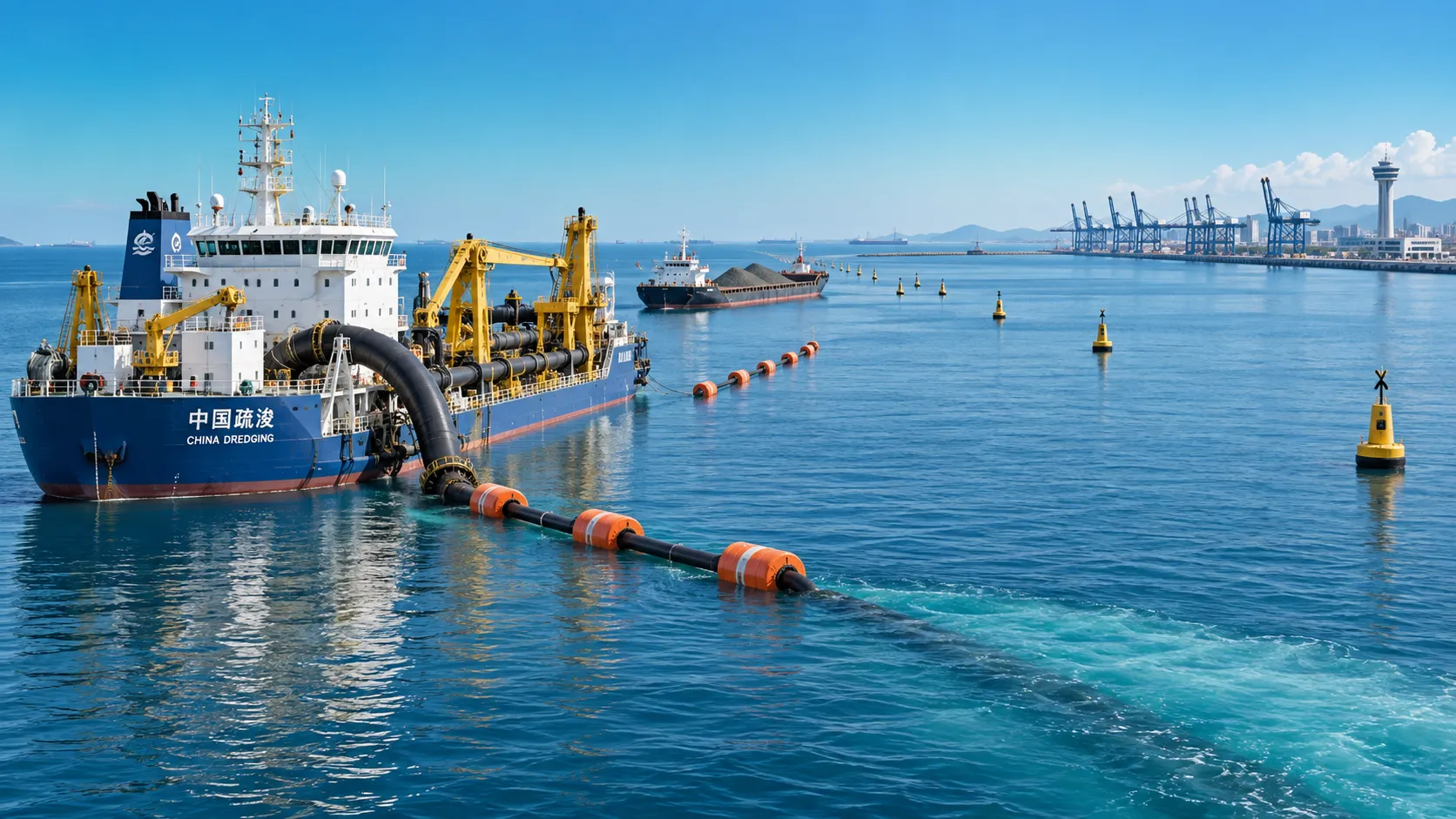
Planning Offshore Dredging Operations: Key Risks, Methods, and Project Controls
Offshore dredging operations demand smart planning. Explore key risks, proven methods, environmental controls, and project strategies for reliable delivery.