Related News
- 00
0000-00
Smart Port Systems in Southeast Asia: Investment Priorities and Adoption Barriers - 00
0000-00
Middle East Port Automation: Key Market Drivers, Projects, and Investment Risks - 00
0000-00
How Coastal Cities Can Prioritize Blue Economy Projects for Jobs and Ecosystem Gains - 00
0000-00
How Harbor Construction Solutions Address Wave Loads, Scour, and Vessel Berthing - 00
0000-00
What Is Driving Maritime Infrastructure Growth in Southeast Asia?
Port Infrastructure in Latin America: What Investors Should Watch in Logistics and Capacity
Port infrastructure Latin America is moving into a more decisive investment cycle. Cargo demand still matters, but volume alone no longer explains port strength.
The sharper question is whether a terminal can turn ships faster, use yard space better, deepen access channels on time, and connect inland cargo without friction.
That is why logistics capacity across the region deserves close attention. Latin America sits between Pacific supply chains, Atlantic commodity routes, and growing nearshoring corridors.
Ports are becoming strategic operating systems, not just waterfront assets. For investment analysis, the most useful signals sit at the intersection of engineering, throughput, automation, and policy execution.
Why regional port capacity is under closer scrutiny
Several forces are converging. Trade patterns are shifting, vessel sizes are rising, and supply chains want more route flexibility than they did a decade ago.
At the same time, many ports in the region still face familiar constraints. Berth productivity can lag, dredging cycles may be uneven, and road or rail evacuation often becomes the hidden bottleneck.
This makes port infrastructure Latin America a business issue far beyond shipping. It affects commodity exports, manufacturing lead times, energy logistics, and the reliability of consumer supply chains.
A port can post strong headline growth and still underperform as an asset. Congestion, draft limits, weak maintenance planning, or poor gate management can quietly erode returns.
What “infrastructure” really means in this market
In practical terms, infrastructure is broader than quays and cranes. It includes marine access, terminal equipment, storage logic, digital control, and inland distribution links.
This broader view matters because bottlenecks rarely sit in one place. Capacity can fail at the channel, the berth, the yard, the gate, or the corridor beyond the fence.
From the PS-Nexus perspective, five technical layers deserve attention: mega terminal gear, bulk handling systems, specialized container handling, automation controls, and dredging engineering.
Together, these layers show whether a port is simply adding assets or building a durable operating advantage.
The difference between installed capacity and usable capacity
Installed capacity is what project documents promise. Usable capacity is what the terminal can sustain under weather stress, labor variability, truck peaks, and vessel bunching.
That gap is often where investment quality becomes visible. A technically modern terminal can still struggle if software, maintenance, and traffic planning are not aligned.
Signals that matter more than cargo headlines
When reviewing port infrastructure Latin America, a few indicators tend to be more revealing than raw throughput figures.
- Berth productivity trends, especially moves per hour and turnaround consistency.
- Draft reliability, channel depth maintenance, and dredging execution against schedule.
- Yard density performance during peak periods, not only in average conditions.
- Gate flow, truck appointment systems, and dwell time discipline.
- Rail and road evacuation capacity relative to berth expansion plans.
- Power resilience, emissions strategy, and readiness for cleaner equipment fleets.
- Concession stability, tariff clarity, and execution history of public infrastructure partners.
More worth watching is the relationship between these indicators. A port with aggressive berth expansion but weak hinterland access may simply shift congestion inland.
Likewise, a terminal with advanced cranes but limited dredging reliability may be unable to capture larger vessel calls consistently.
Automation is becoming a quality filter
Automation in Latin American ports is not a uniform story. Some terminals are adopting remote operations, yard optimization, and smarter scheduling in targeted phases.
Others still depend on fragmented systems that limit visibility across berth, yard, and gate operations. That difference affects capacity more than many balance-sheet reviews capture.
For PS-Nexus, control systems deserve the same attention as hardware. Low-latency communications, AGV path logic, and asset scheduling software increasingly shape real throughput.
In business terms, automation is useful when it reduces variability. Stable operations improve vessel windows, labor planning, maintenance cycles, and customer confidence.
Where automation creates value fastest
The strongest early gains often appear in container yards, gate sequencing, reefer monitoring, and remote crane supervision.
These are areas where better data can quickly reduce idle time and improve equipment utilization without requiring a full terminal redesign.
Dredging and marine access are not secondary issues
In port infrastructure Latin America, dredging is often treated as a maintenance line item. That view is too narrow.
Marine access determines whether berth investment can actually be monetized. If channels silt up, vessel size options narrow, scheduling risk rises, and terminal productivity loses meaning.
Dredging also connects to broader coastal economics. Sediment conditions, environmental approvals, disposal logistics, and pump monitoring all influence cost certainty and project continuity.
A port with disciplined dredging governance can protect long-term competitiveness better than a port chasing expansion headlines without navigational resilience.
Different cargo profiles create different investment logic
The region is not one market. Container gateways, agricultural bulk terminals, mining export hubs, and energy ports each require different assessment lenses.
This is why broad regional averages can mislead. The right benchmark depends on cargo mix, vessel profile, and the operational logic behind the terminal footprint.
How to read opportunity without missing hidden risk
A disciplined review of port infrastructure Latin America should combine financial, technical, and institutional evidence.
In practice, several questions help separate momentum from durability.
- Is capacity expansion matched by stronger yard logic and access-channel reliability?
- Does the terminal operator have a measurable record of productivity improvement?
- Are equipment upgrades linked to digital operating discipline, or only to asset replacement?
- How exposed is the site to political delays, concession renegotiation, or environmental bottlenecks?
- Can the port maintain service quality during trade volatility or seasonal demand spikes?
It also helps to compare project narratives with maintenance evidence. Deferred dredging, unstable crane uptime, or weak truck coordination often show up before financial underperformance does.
Where PS-Nexus intelligence fits the evaluation process
For regional port analysis, headline news is rarely enough. Technical context matters.
PS-Nexus approaches port infrastructure Latin America through operational layers that directly influence returns: terminal gear limits, bulk transfer efficiency, specialized handling mobility, control architecture, and dredging execution.
That perspective is useful because it connects logistics performance with engineering reality. A quay crane upgrade, for example, only changes outcomes when yard planning, communications, and marine access keep pace.
The same applies to sustainability goals. Net-zero ambitions become credible when power systems, equipment cycles, and smart operations are built into the asset plan.
A practical next step for regional assessment
The most effective next step is to build a port review framework that balances cargo outlook with physical and digital execution.
Start with three layers: marine access reliability, terminal operating efficiency, and hinterland connection strength. Then test whether planned investments improve all three together.
Where those layers align, port infrastructure Latin America can offer durable logistics value. Where they diverge, growth stories may prove thinner than expected.
A careful watchlist should therefore track dredging discipline, automation progress, equipment productivity, and corridor execution in the same frame. That is where competitive position becomes easier to judge.
Related News
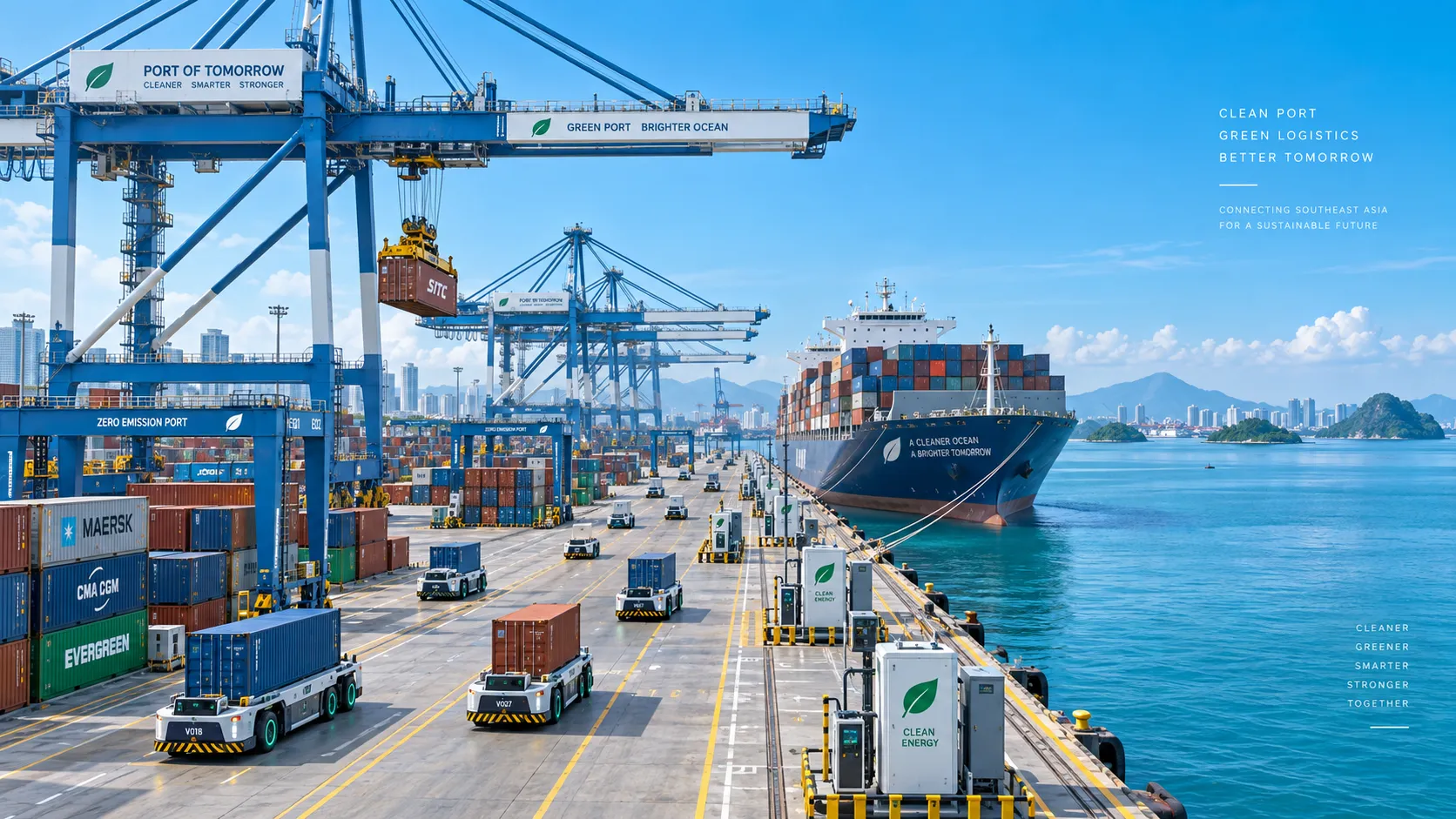
Smart Port Systems in Southeast Asia: Investment Priorities and Adoption Barriers
Smart port systems Southeast Asia: discover investment priorities, adoption barriers, and practical steps to build resilient, connected, high-performing terminals.
How to Evaluate Terminal Efficiency Solution Suppliers for High-Throughput Operations
Choose a terminal efficiency solutions supplier with confidence. Explore proven criteria for throughput, integration, lifecycle cost, safety, and reliable delivery.
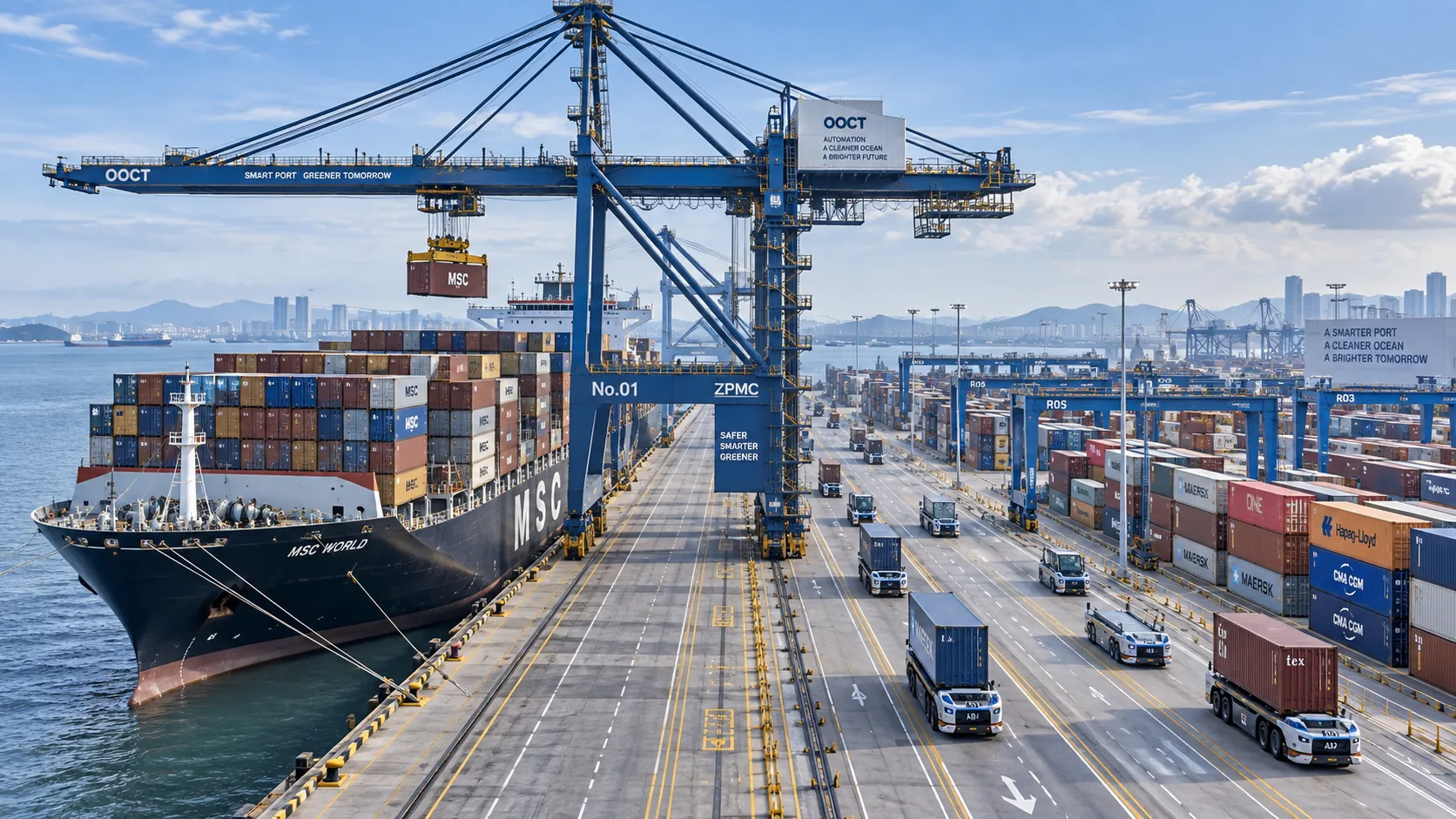
How to Specify a Quay Crane for Container Terminals by Vessel Size and Throughput?
Quay crane for container terminals: learn how to match outreach, lift height, capacity, automation, and cycle performance to vessel size and throughput goals.
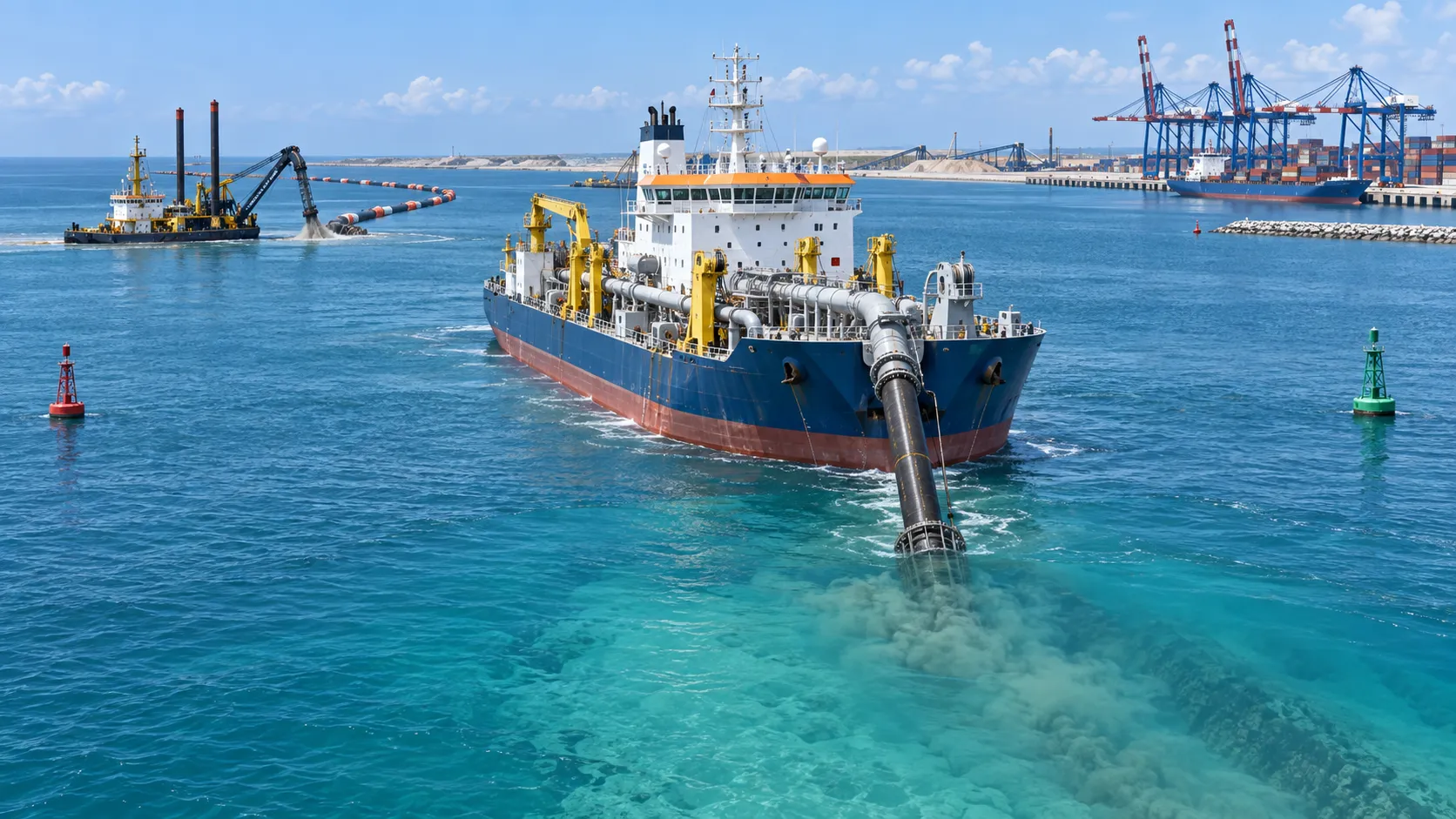
What Dredging Equipment Is Needed for Channel Deepening?
What dredging equipment is needed for channel deepening? Explore dredgers, pipelines, survey tools, and planning strategies for safer, more efficient port access.
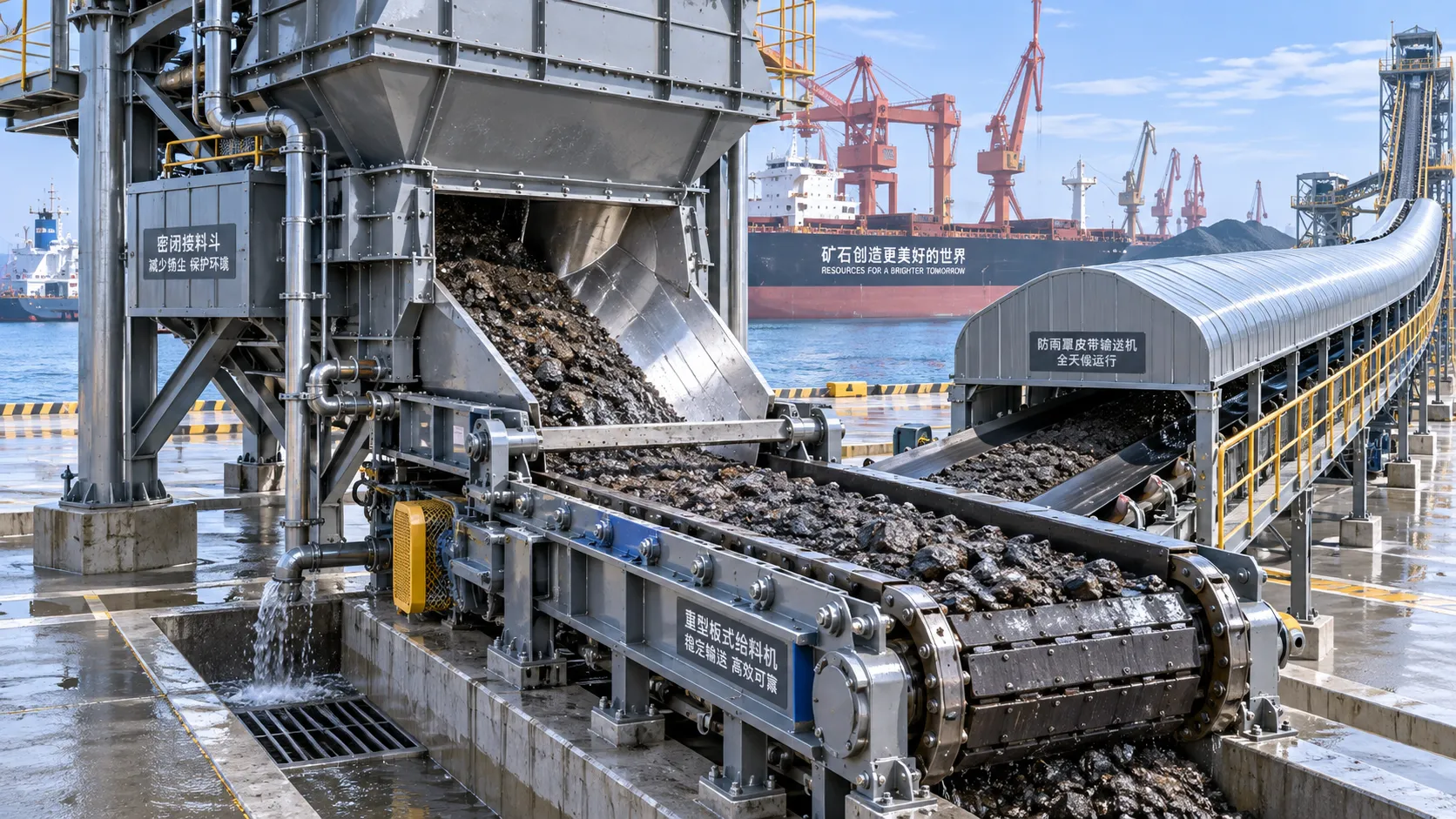
Which Bulk Handling Equipment Suits High-Moisture Cargo?
Which bulk handling equipment suits high-moisture cargo? Compare belt, apron, screw, drag, and slurry systems for reliable flow, less carryback, and higher terminal uptime.
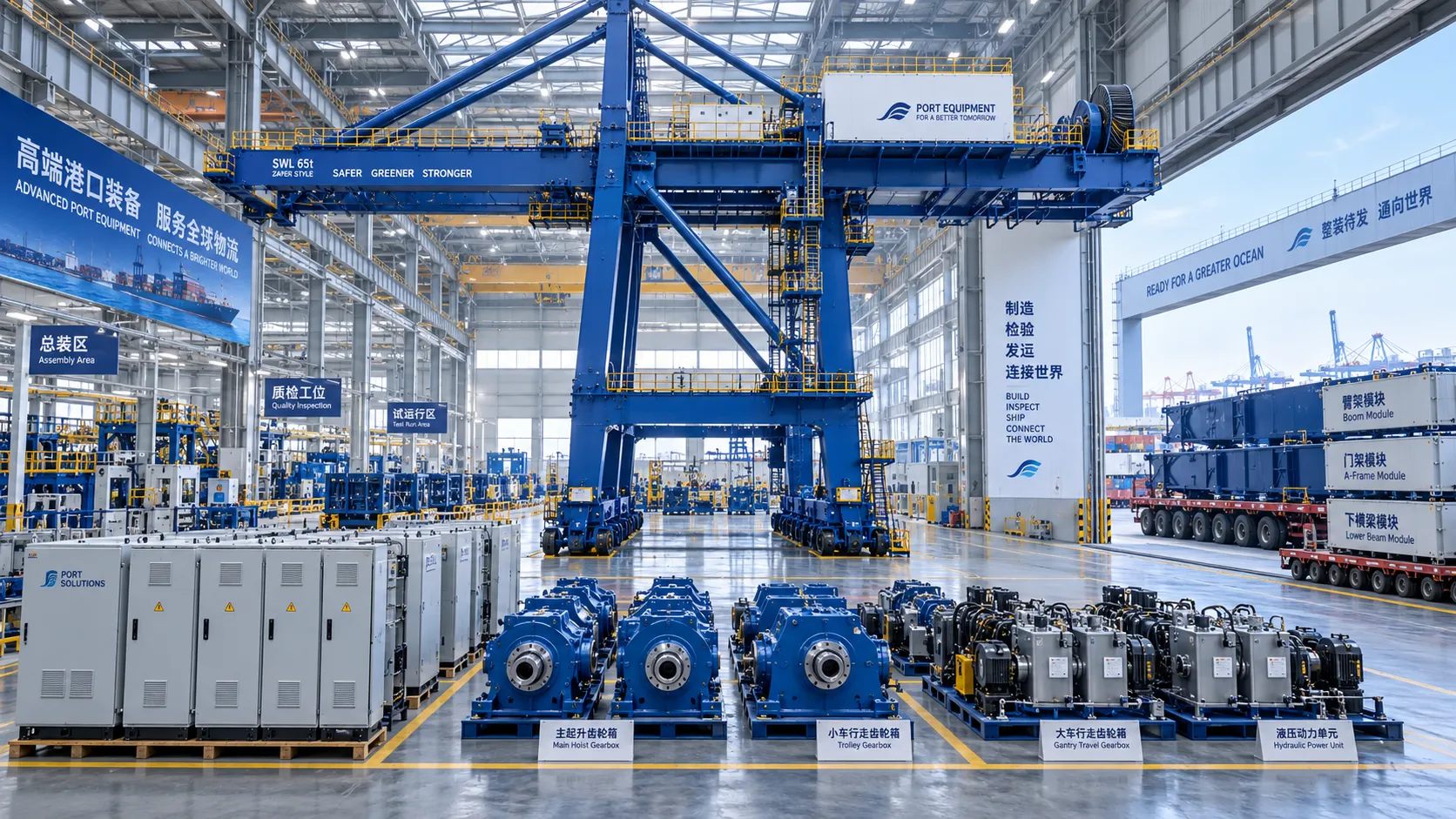
How Can Port Equipment Lead-Time Risk Be Managed?
How can port equipment lead-time risk be managed? Explore practical strategies to control critical paths, suppliers, transport, site readiness, and commissioning delays.
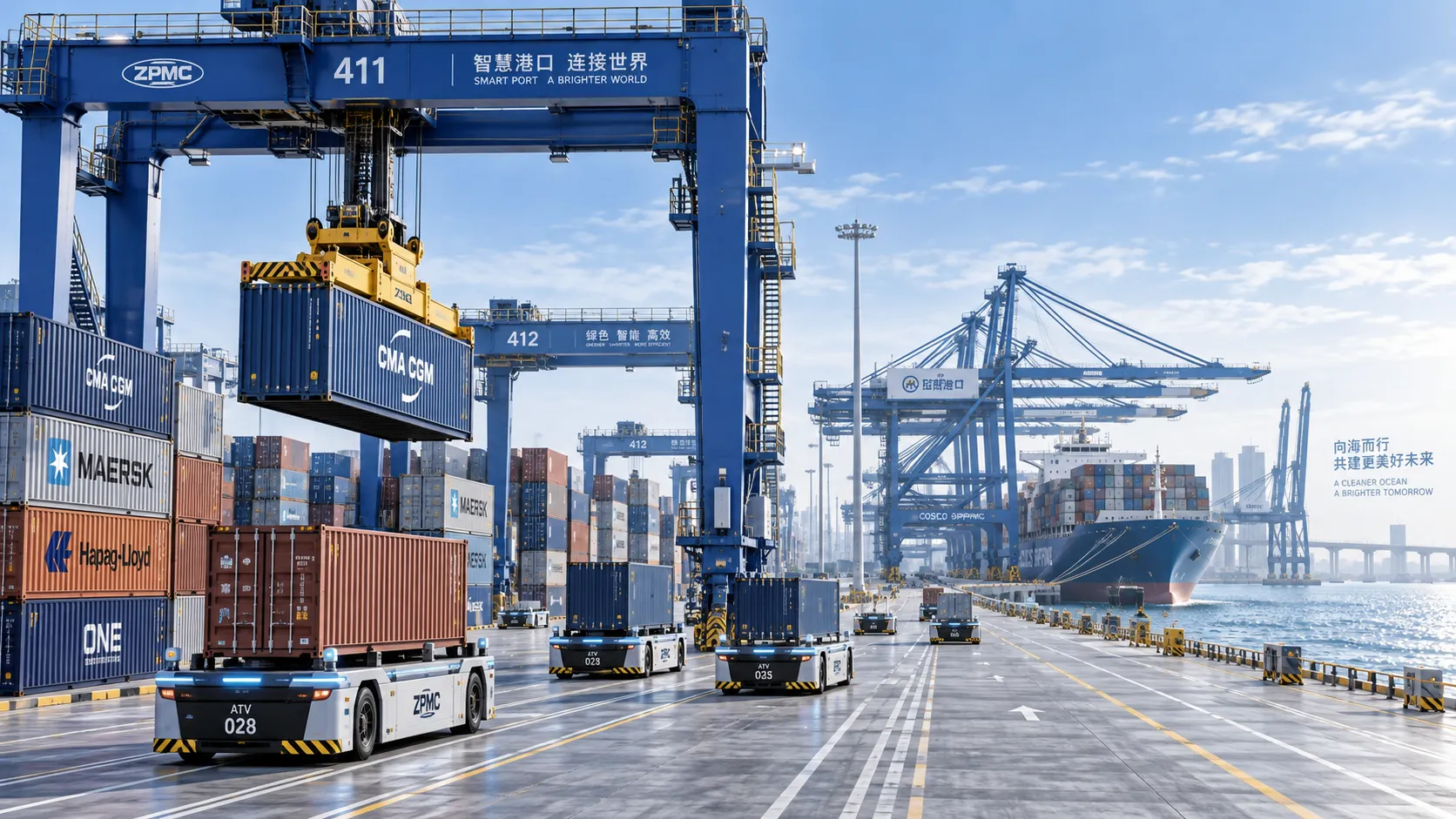
Terminal Automation Technologies That Raise Container Throughput Without Yard Disruption
Terminal automation technology that increases container throughput without disrupting yard flow. Explore smarter integration, resilient workflows, and phased deployment strategies.
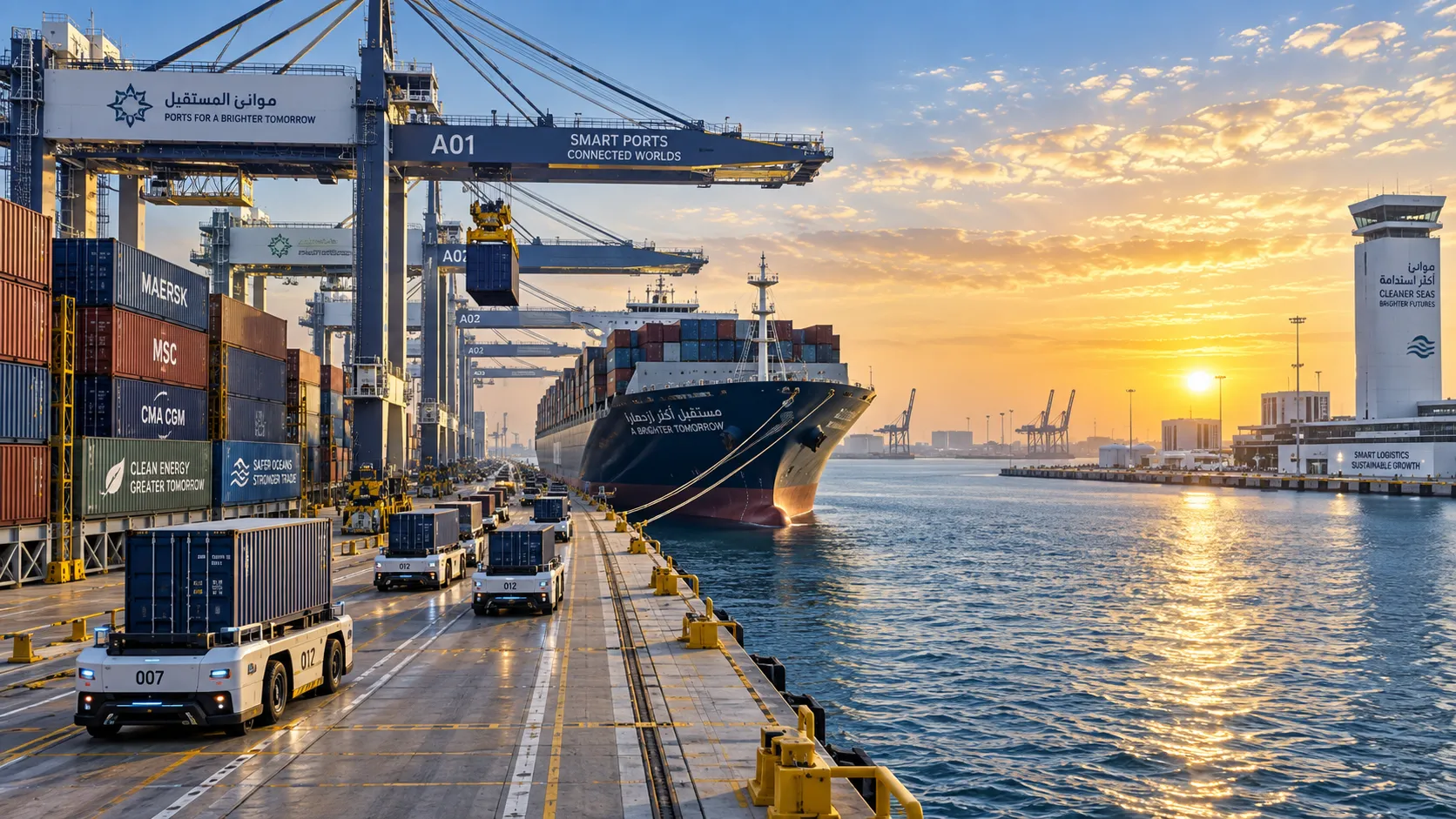
Middle East Port Automation: Key Market Drivers, Projects, and Investment Risks
Port automation systems Middle East: explore market drivers, flagship projects, integration challenges, and investment risks shaping smarter, resilient terminals.
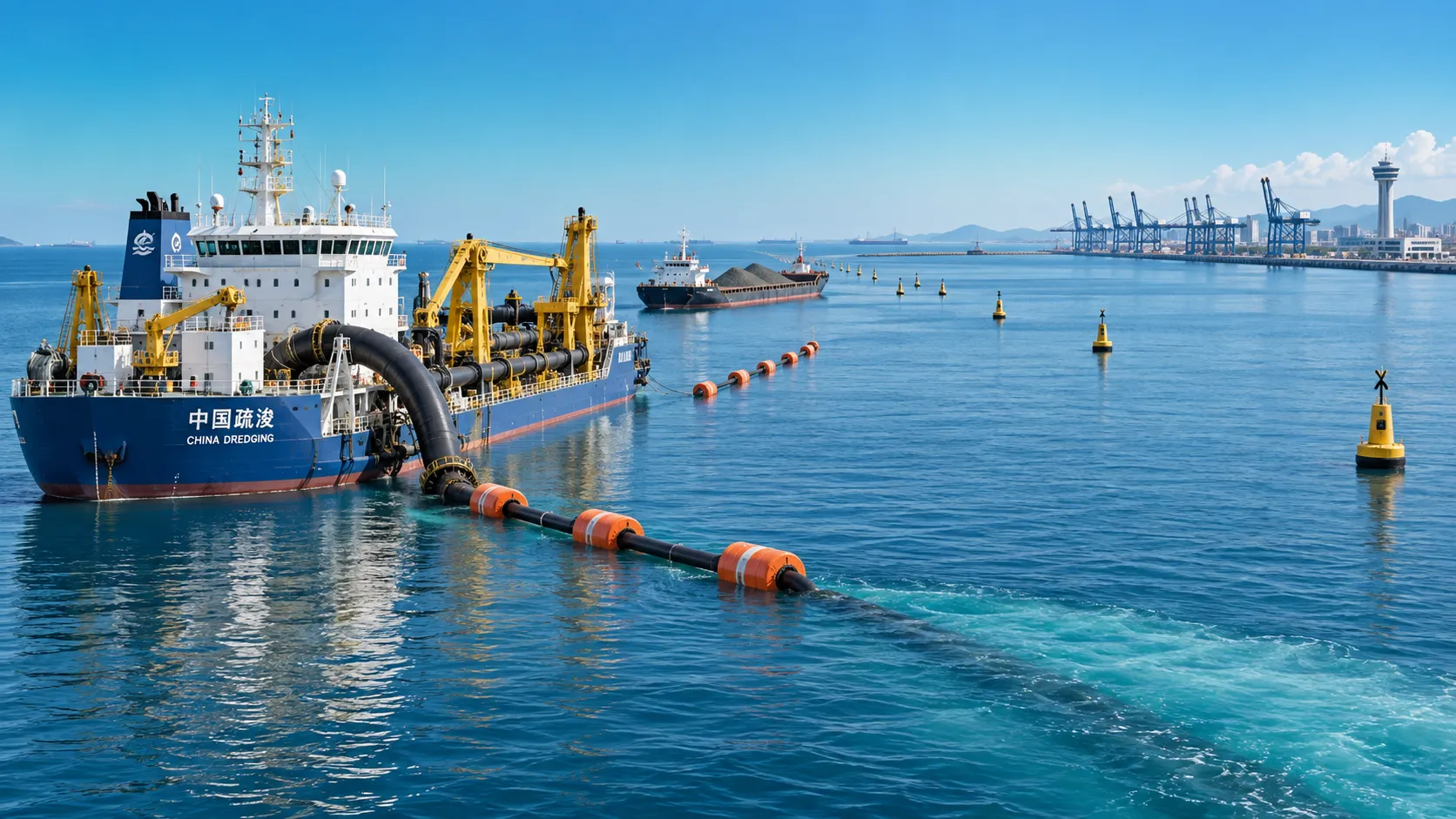
Planning Offshore Dredging Operations: Key Risks, Methods, and Project Controls
Offshore dredging operations demand smart planning. Explore key risks, proven methods, environmental controls, and project strategies for reliable delivery.