Related News
- 00
0000-00
Smart Port Systems in Southeast Asia: Investment Priorities and Adoption Barriers - 00
0000-00
Middle East Port Automation: Key Market Drivers, Projects, and Investment Risks - 00
0000-00
How Coastal Cities Can Prioritize Blue Economy Projects for Jobs and Ecosystem Gains - 00
0000-00
How Harbor Construction Solutions Address Wave Loads, Scour, and Vessel Berthing - 00
0000-00
What Is Driving Maritime Infrastructure Growth in Southeast Asia?
Global Trade Intelligence Tools: What Buyers Should Compare Before Investing
Global Trade Intelligence Tools: What Buyers Should Compare Before Investing
For procurement teams, choosing a global trade intelligence platform is rarely about having more charts.
The real question is whether the tool improves buying decisions, supplier timing, and long-cycle planning.
That matters even more in sectors linked to ports, terminal equipment, automation systems, and dredging engineering.
In these markets, demand signals move slowly, but the cost of reading them wrong can be very high.
A good global trade intelligence tool should help separate noise from signals that affect sourcing, pricing, and investment timing.
It should also support decisions around supplier resilience, regional demand shifts, and infrastructure spending cycles.
Start With Data Credibility, Not Data Volume
Many platforms promote massive datasets, but raw volume does not guarantee useful global trade intelligence.
What matters first is source quality, refresh frequency, and whether the data can be verified against real market activity.
In practical terms, buyers should ask where shipment data, pricing references, and equipment demand signals actually come from.
A platform covering maritime logistics should connect vessel flows, terminal expansion, port automation projects, and cargo handling investments.
If the provider cannot explain its methodology clearly, the outputs will be difficult to trust internally.
When comparing vendors, review these basic credibility checks:
- Named data sources, not vague claims about proprietary coverage
- Clear update schedules for trade flows, tenders, and project tracking
- Historical depth long enough to show multi-year market cycles
- Coverage across regions, ports, and equipment categories
- A transparent process for correcting errors or filling missing records
This is where specialist platforms often outperform generic market databases.
PS-Nexus, for example, focuses on heavy terminal gear, container handling, automation controls, and dredging equipment.
That kind of domain focus makes global trade intelligence more actionable because it reflects how port investment decisions are really made.
Compare Relevance to Your Actual Buying Cycle
Not every intelligence product fits every procurement workflow.
Some tools are designed for fast-moving consumer imports, while others support complex infrastructure and industrial sourcing.
That difference is important because purchasing cycles for cranes, AGVs, bulk handling systems, or dredging assets are much longer.
A useful global trade intelligence platform should match the pace, value, and risk profile of the category being purchased.
Look for signals tied to real investment decisions:
- Port expansion announcements and concession changes
- Tender activity for automated terminal systems
- Regional shifts in bulk cargo demand
- Container throughput pressure that may trigger equipment upgrades
- Environmental policy signals affecting dredging and low-emission operations
From a cost perspective, relevance saves more money than broad but shallow data access.
A narrower tool with better decision support can produce higher value than a larger platform with weak industrial context.
Assess Predictive Value, Not Just Historical Reporting
Historical trade data is useful, but it only tells part of the story.
Investment decisions improve when global trade intelligence highlights what may happen next, not only what happened last quarter.
That means comparing each tool’s ability to detect early shifts in market direction.
For example, rising demand for automated handling may appear first in project specifications, control system upgrades, or remote operation trials.
A strong platform turns those fragmented clues into decision-ready intelligence.
Ask vendors to show how the system handles:
- Trend forecasting based on repeatable market indicators
- Project pipeline visibility before orders are finalized
- Alerts for trade route shifts, capacity pressure, or supplier activity
- Cross-analysis between macro trade changes and equipment demand
This is especially valuable in maritime logistics, where timing often determines cost and negotiation leverage.
The best global trade intelligence tools help teams move earlier, not simply report later.
Check Whether the Tool Connects Market Signals to Equipment Strategy
A common weakness in many platforms is the gap between trade data and operational decisions.
They show shipment movement, but they do not explain what that means for equipment sourcing or supplier prioritization.
For capital equipment categories, that gap limits decision value.
Global trade intelligence should connect cargo trends, terminal bottlenecks, automation maturity, and engineering requirements.
In real procurement work, this connection supports questions such as:
- Which regions are likely to invest in quay cranes first?
- Where is yard automation accelerating fastest?
- Which ports may need dredging expansion due to draft constraints?
- How are low-emission targets affecting machinery specifications?
Platforms like PS-Nexus are built around this decision layer.
They do more than track market movement.
They interpret how automation logic, terminal throughput, and engineering constraints affect future equipment demand.
Review Usability Across Teams and Decision Levels
Even excellent data loses value if teams cannot use it quickly.
A strong global trade intelligence platform should work for sourcing, category management, commercial planning, and leadership review.
That means clean dashboards, exportable reports, meaningful filters, and concise commentary around the numbers.
It also means users should be able to move from a macro trend to a specific supplier or project signal without friction.
During evaluation, compare:
- Search speed and filtering depth
- Ability to build category-specific watchlists
- Availability of expert analysis alongside data tables
- Report formats suitable for internal procurement reviews
- Integration options with procurement or BI workflows
Ease of use should not be treated as a soft feature.
It directly affects adoption, reporting consistency, and the speed of strategic response.
Measure Total Value Against Procurement Risk
Price always matters, but subscription cost should be judged against avoided risk.
A cheaper platform can become expensive if it misses demand shifts, weak suppliers, or changing infrastructure priorities.
The better comparison is total decision value.
How much cost, delay, or negotiation disadvantage can stronger global trade intelligence prevent?
A simple evaluation table can help:
What a Strong Shortlist Should Look Like
By the end of evaluation, the best options should be easy to recognize.
They combine reliable global trade intelligence with clear industry context and practical decision support.
They help teams understand where market momentum is building and where procurement exposure is increasing.
They also make it easier to justify investment internally because the value chain is visible.
For sectors shaped by maritime logistics and coastal economics, specialized intelligence is often the better long-term investment.
That is especially true when decisions involve heavy terminal gear, automated container handling, and marine dredging engineering.
A focused platform such as PS-Nexus can offer more than market visibility.
It can provide the strategic intelligence needed to align sourcing with infrastructure cycles, automation upgrades, and shifting global trade patterns.
Before making a final purchase, compare each tool against your highest-cost decisions first.
That approach keeps the review grounded in business impact.
When a global trade intelligence platform consistently sharpens timing, supplier judgment, and market direction, the investment becomes easier to defend.
Related News
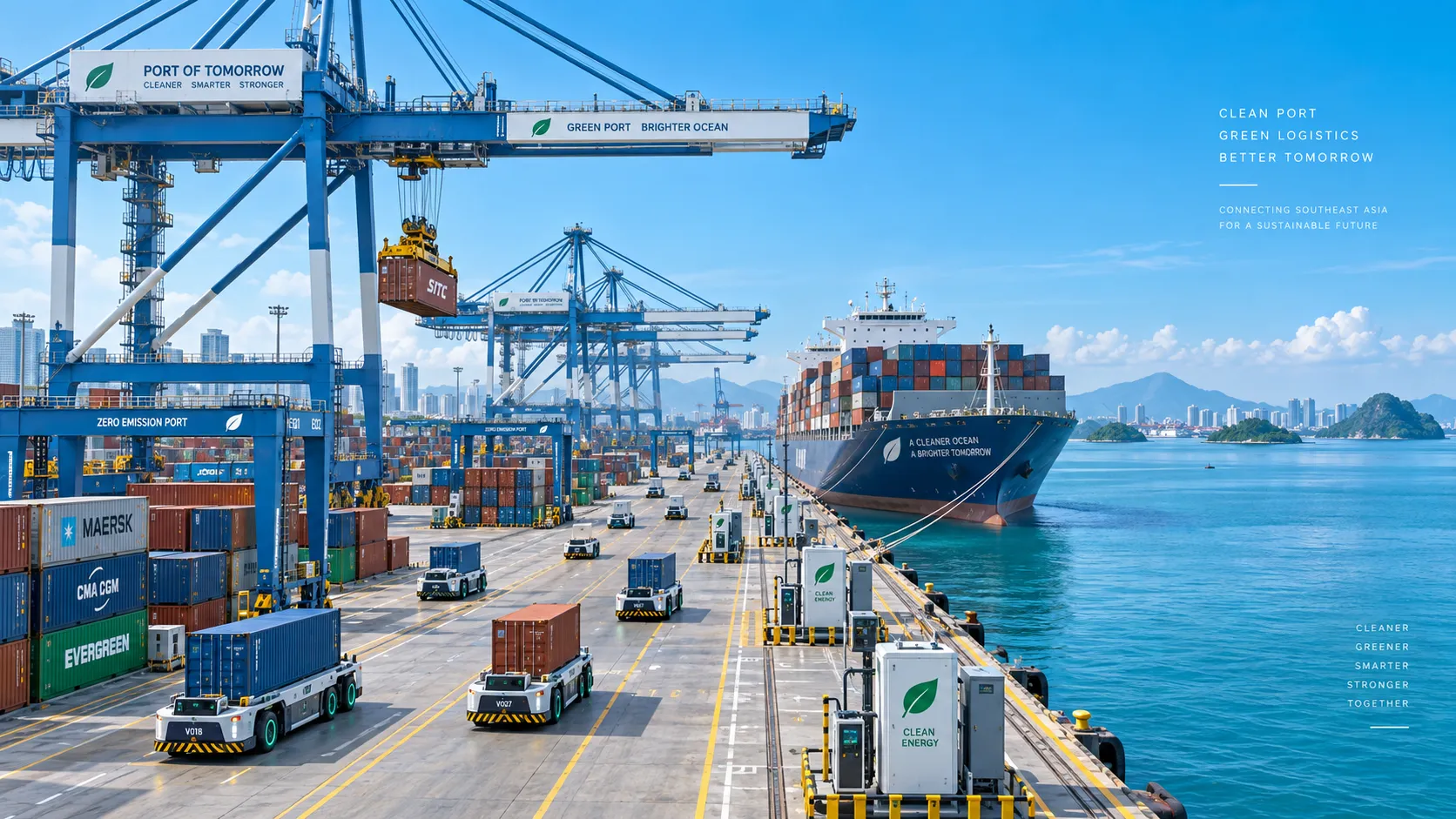
Smart Port Systems in Southeast Asia: Investment Priorities and Adoption Barriers
Smart port systems Southeast Asia: discover investment priorities, adoption barriers, and practical steps to build resilient, connected, high-performing terminals.
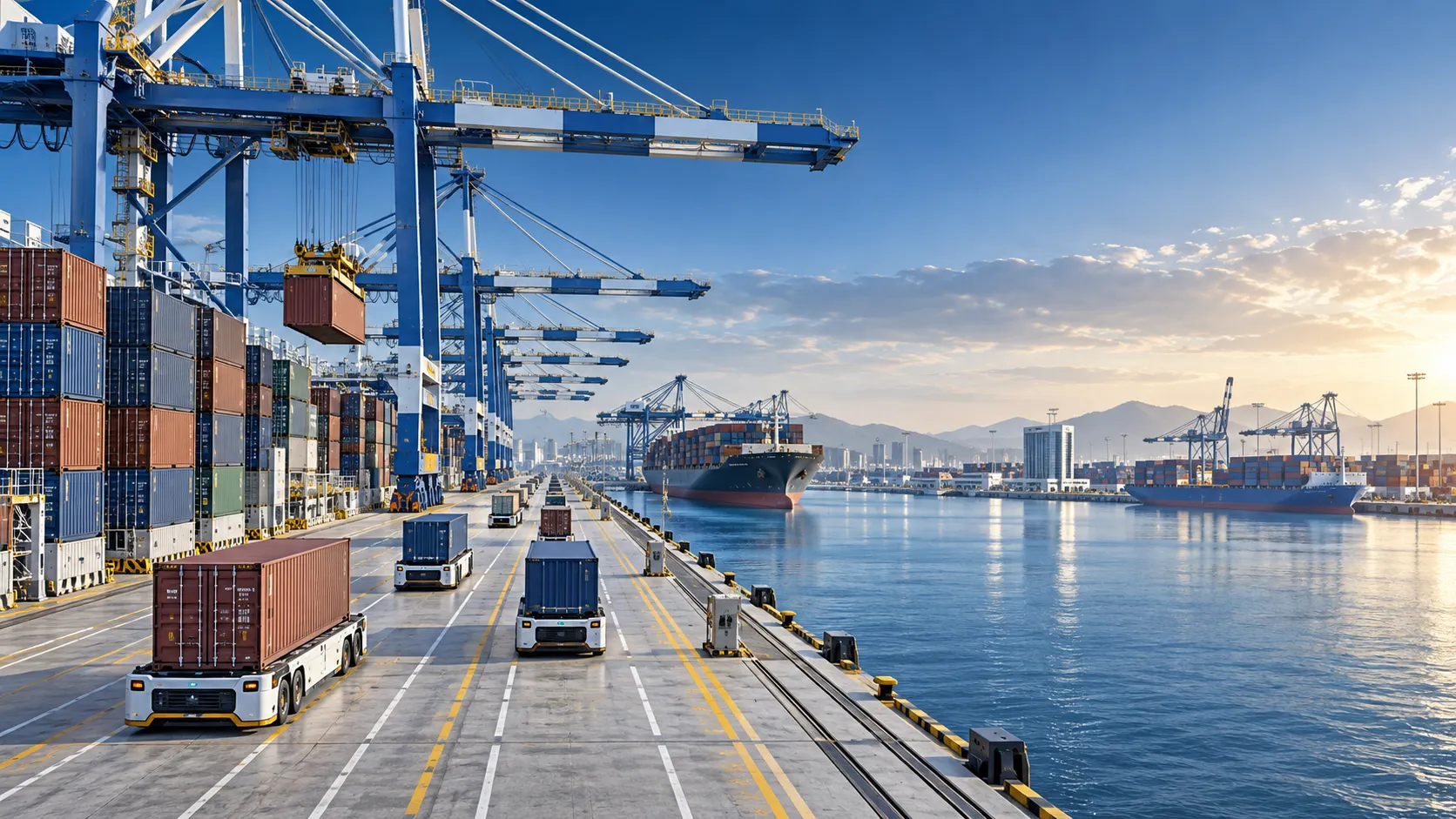
How to Evaluate Terminal Efficiency Solution Suppliers for High-Throughput Operations
Choose a terminal efficiency solutions supplier with confidence. Explore proven criteria for throughput, integration, lifecycle cost, safety, and reliable delivery.
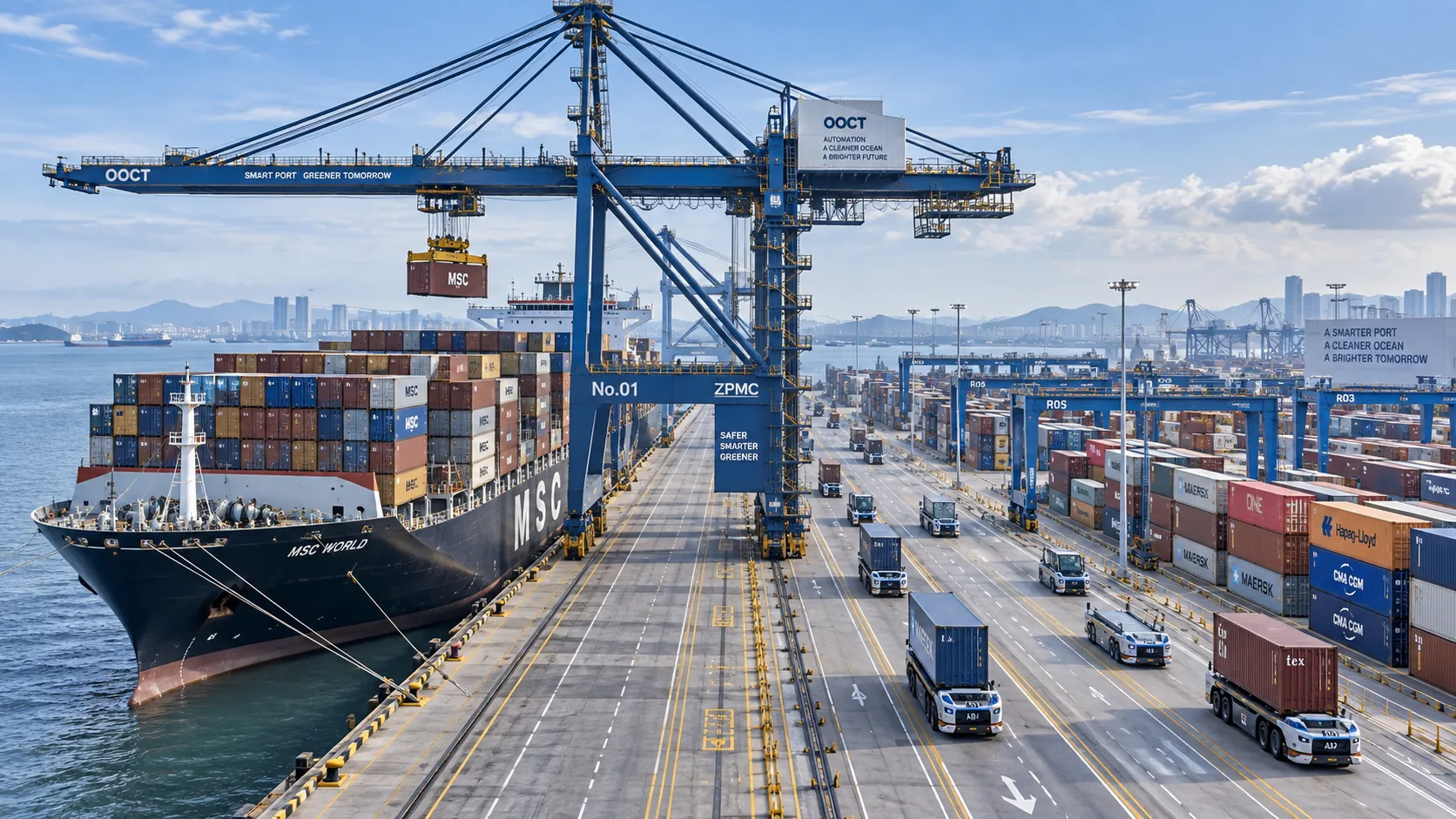
How to Specify a Quay Crane for Container Terminals by Vessel Size and Throughput?
Quay crane for container terminals: learn how to match outreach, lift height, capacity, automation, and cycle performance to vessel size and throughput goals.
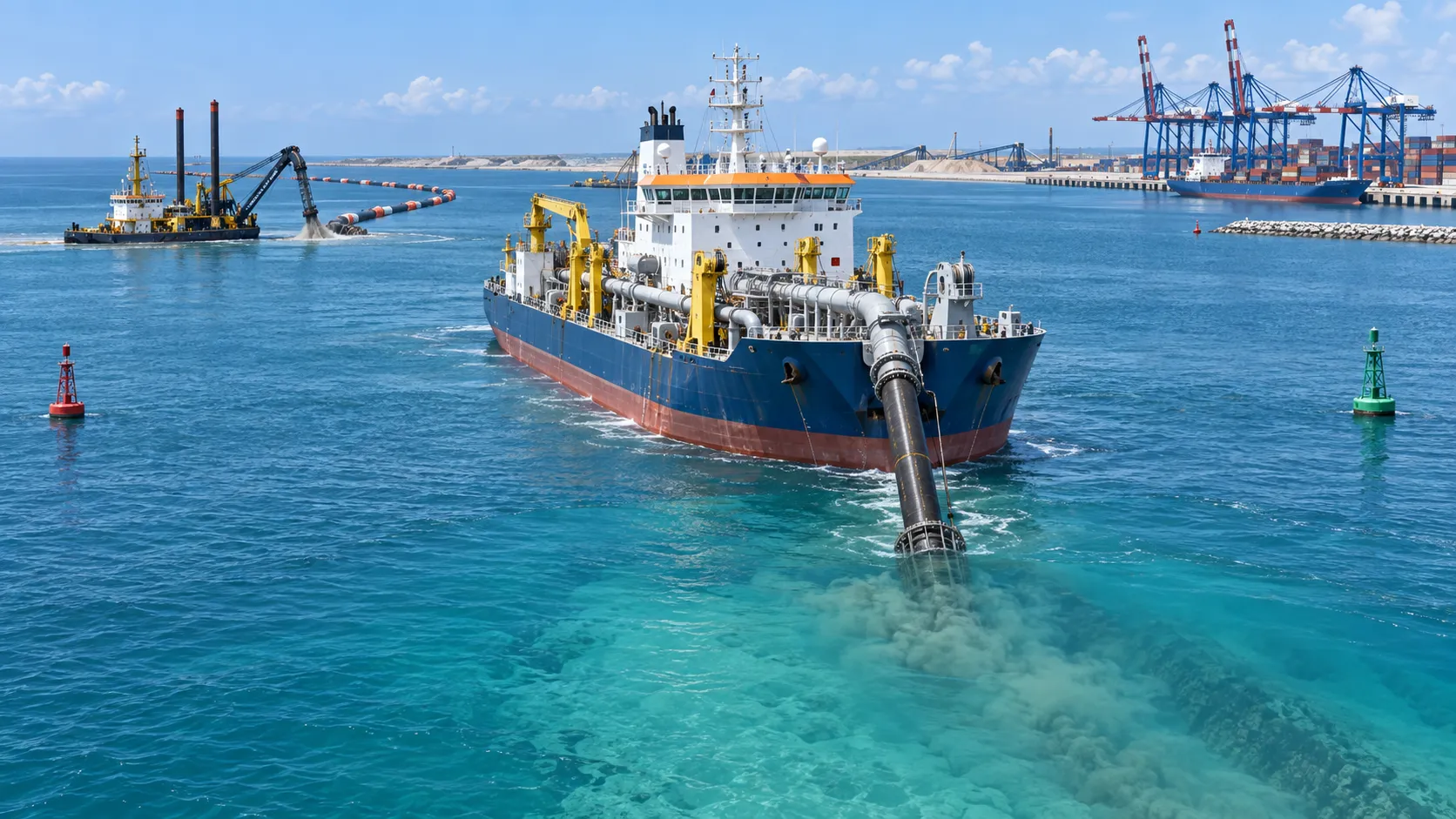
What Dredging Equipment Is Needed for Channel Deepening?
What dredging equipment is needed for channel deepening? Explore dredgers, pipelines, survey tools, and planning strategies for safer, more efficient port access.
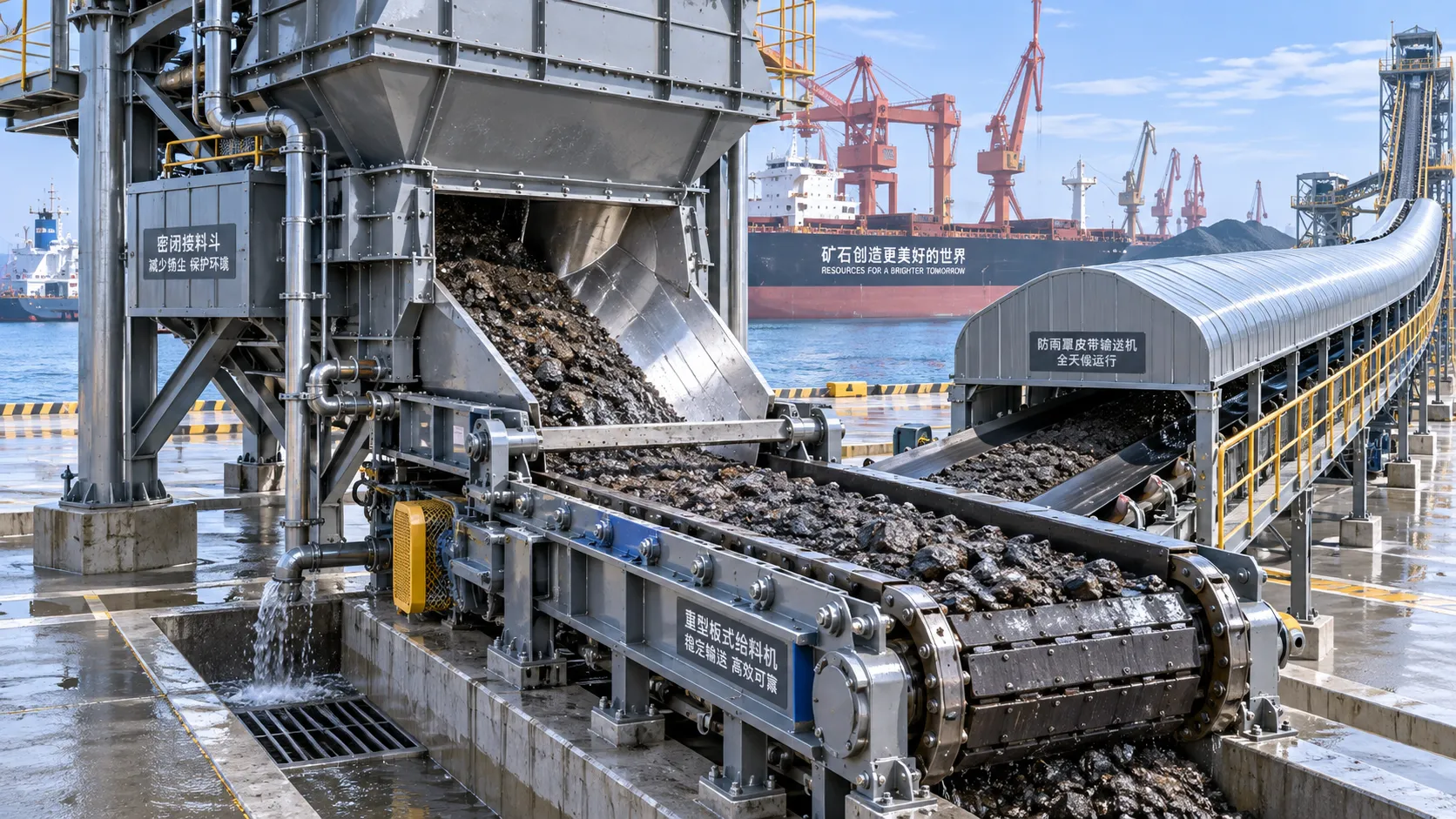
Which Bulk Handling Equipment Suits High-Moisture Cargo?
Which bulk handling equipment suits high-moisture cargo? Compare belt, apron, screw, drag, and slurry systems for reliable flow, less carryback, and higher terminal uptime.
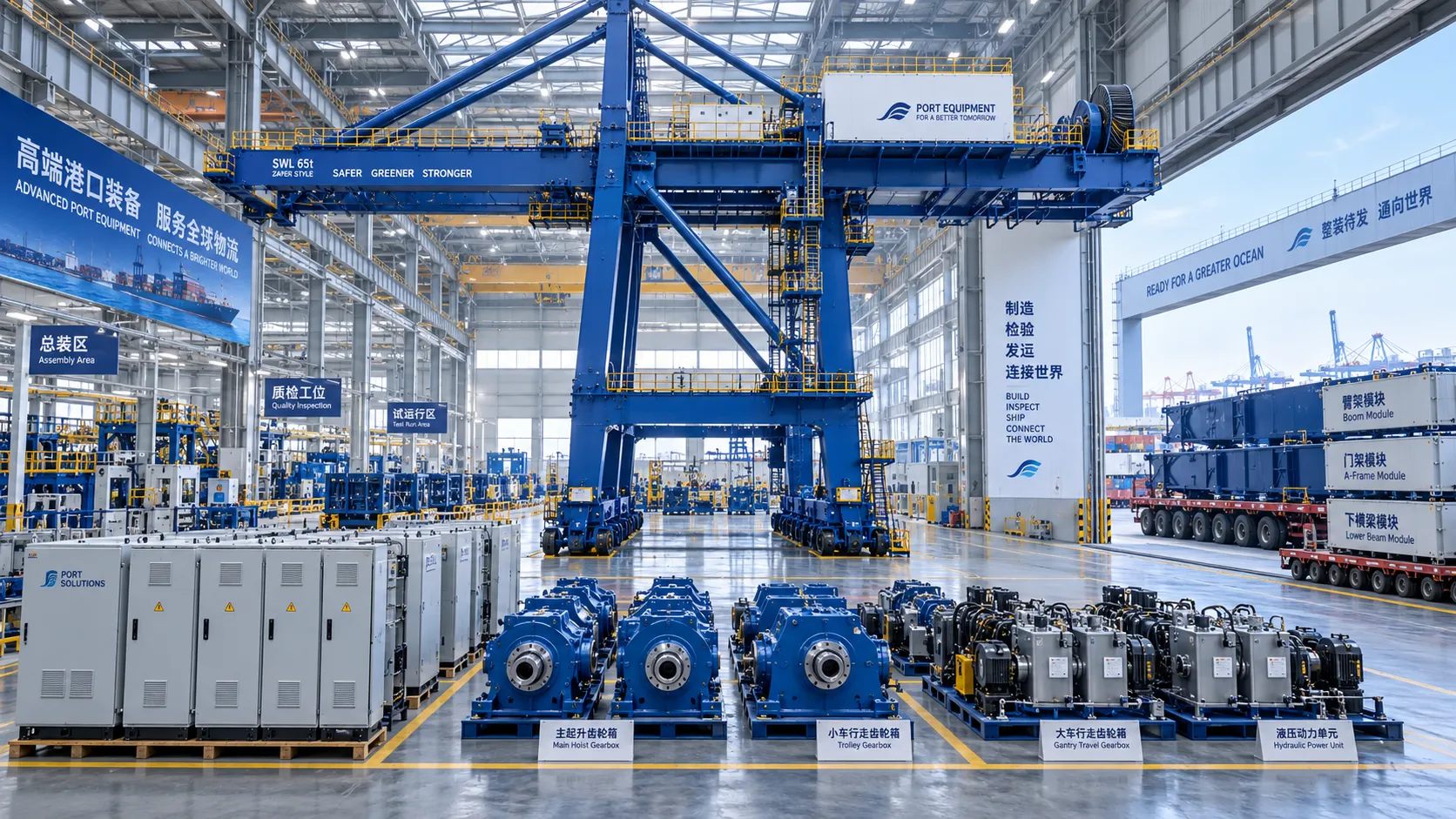
How Can Port Equipment Lead-Time Risk Be Managed?
How can port equipment lead-time risk be managed? Explore practical strategies to control critical paths, suppliers, transport, site readiness, and commissioning delays.
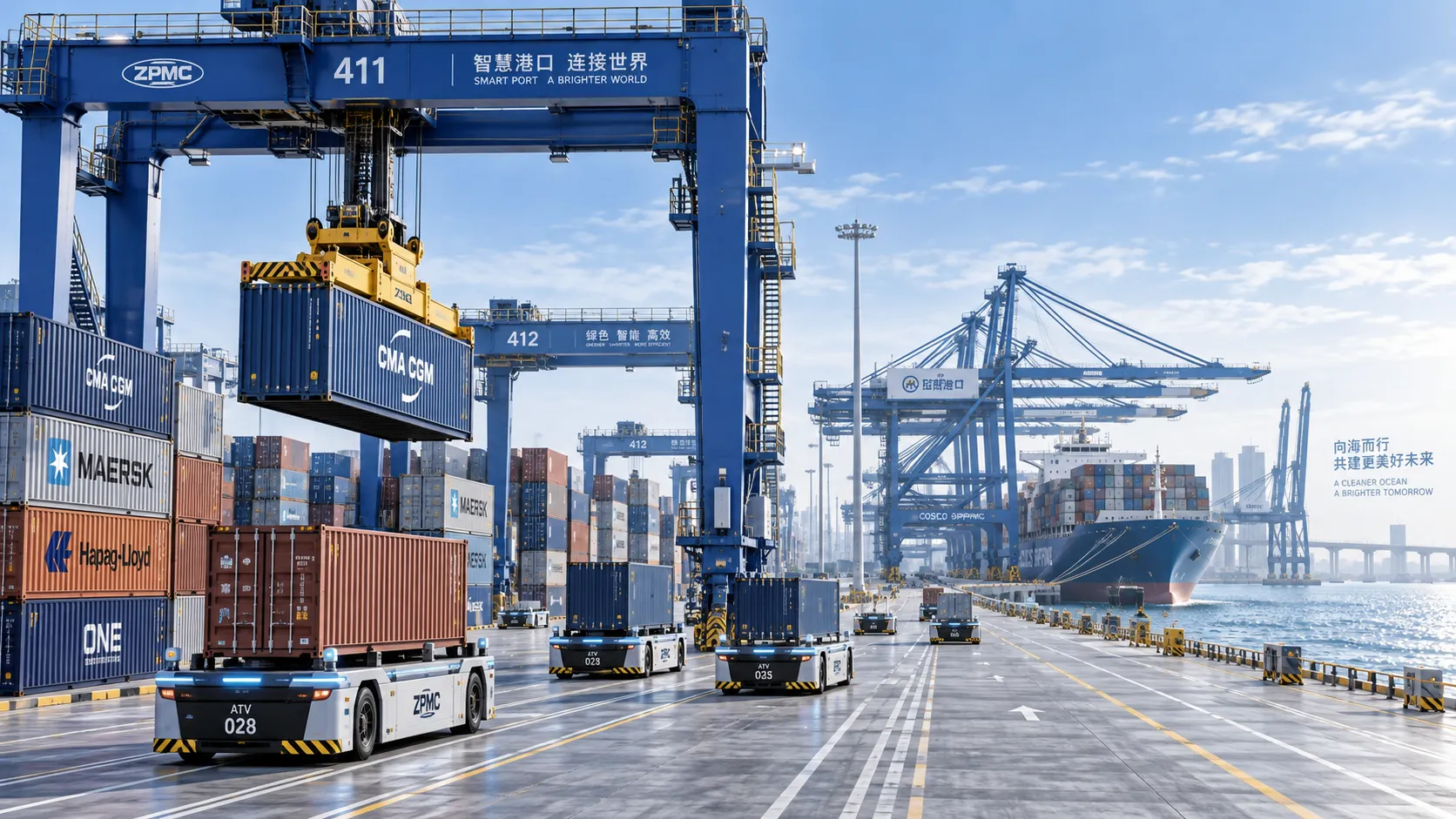
Terminal Automation Technologies That Raise Container Throughput Without Yard Disruption
Terminal automation technology that increases container throughput without disrupting yard flow. Explore smarter integration, resilient workflows, and phased deployment strategies.
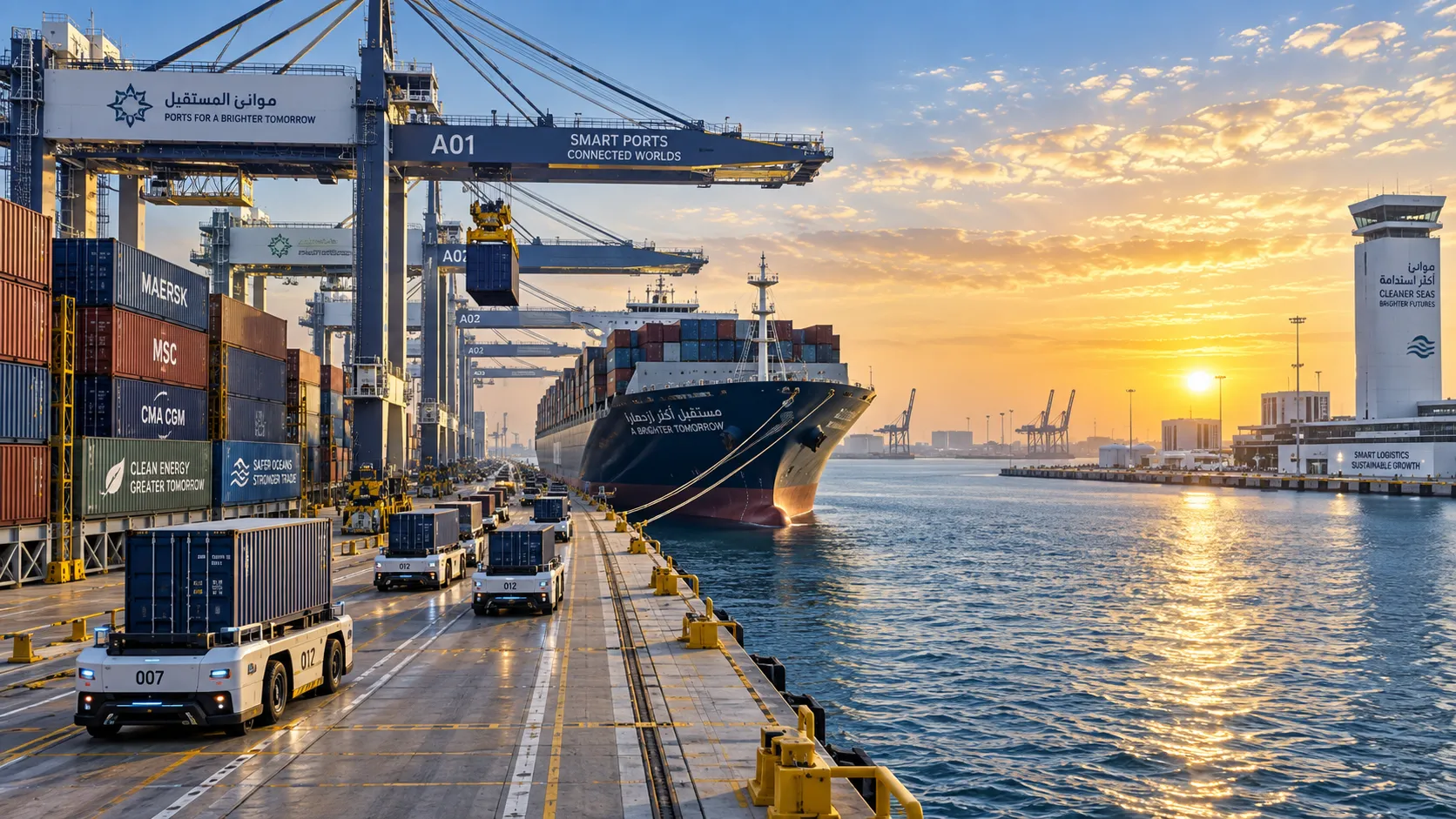
Middle East Port Automation: Key Market Drivers, Projects, and Investment Risks
Port automation systems Middle East: explore market drivers, flagship projects, integration challenges, and investment risks shaping smarter, resilient terminals.
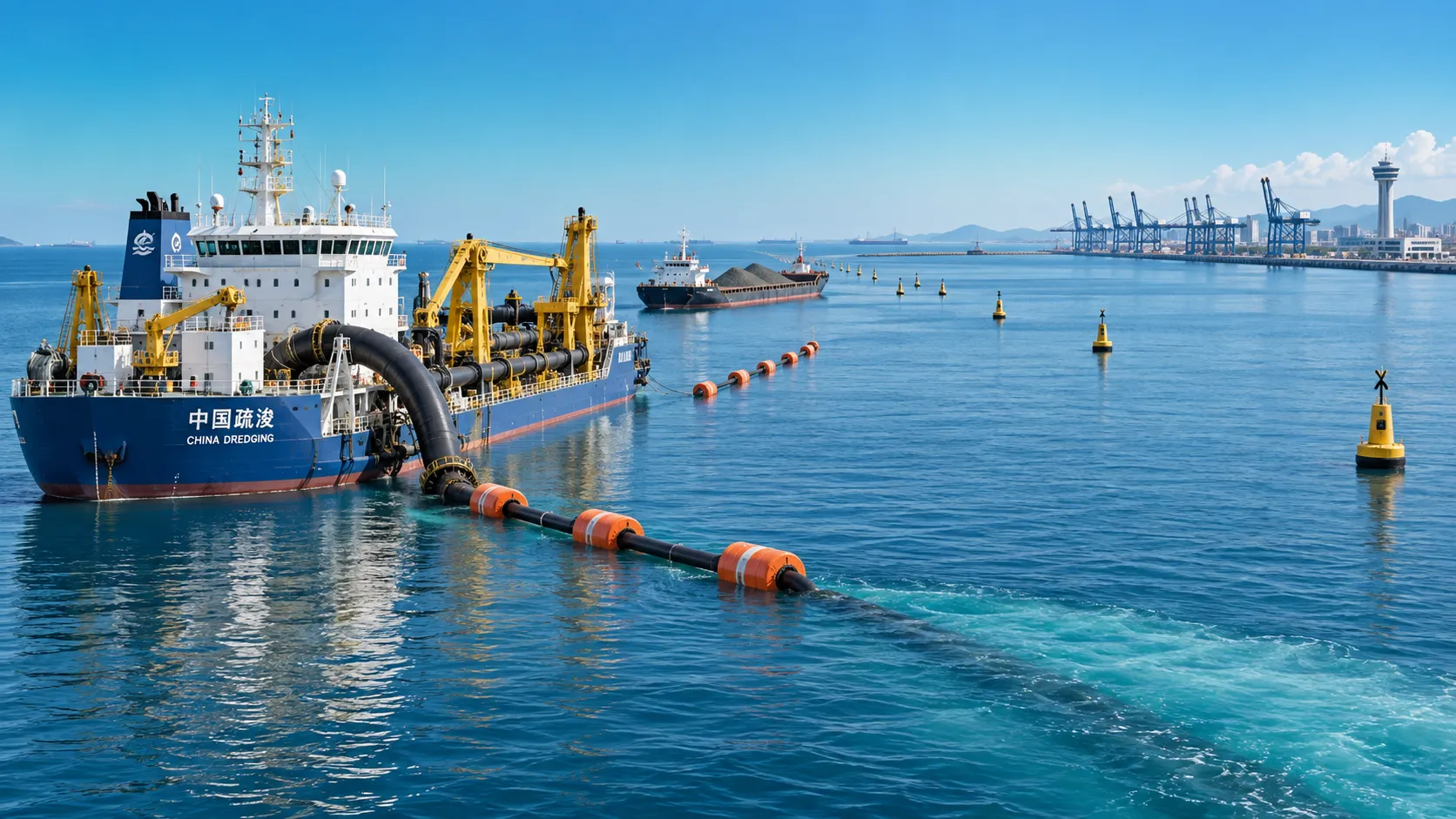
Planning Offshore Dredging Operations: Key Risks, Methods, and Project Controls
Offshore dredging operations demand smart planning. Explore key risks, proven methods, environmental controls, and project strategies for reliable delivery.