Related News
- 00
0000-00
Smart Port Systems in Southeast Asia: Investment Priorities and Adoption Barriers - 00
0000-00
Middle East Port Automation: Key Market Drivers, Projects, and Investment Risks - 00
0000-00
How Coastal Cities Can Prioritize Blue Economy Projects for Jobs and Ecosystem Gains - 00
0000-00
How Harbor Construction Solutions Address Wave Loads, Scour, and Vessel Berthing - 00
0000-00
What Is Driving Maritime Infrastructure Growth in Southeast Asia?
Global Trade Intelligence vs Traditional Market Reports: Which Supports Better Sourcing Decisions?
Global Trade Intelligence vs Traditional Market Reports: Which Supports Better Sourcing Decisions?
For enterprise decision-makers navigating volatile supply chains, choosing between global trade intelligence and traditional market reports can directly shape sourcing speed, cost control, and risk exposure.
In sectors tied to port equipment, automation, and marine engineering, timely, data-rich insights often outperform static summaries.
This article explores which approach delivers sharper visibility and stronger sourcing decisions in today’s fast-moving international trade environment.
Why the Comparison Matters More Than Ever
Sourcing used to depend on price sheets, supplier catalogs, and quarterly market briefings.
That model still works in stable categories.
But global logistics is no longer stable.
Freight volatility, geopolitical shifts, port congestion, equipment shortages, and policy changes now move faster than many reports can update.
This is where global trade intelligence enters the picture.
It turns trade flows, shipment behavior, routing changes, and supplier activity into practical sourcing signals.
What Traditional Market Reports Still Do Well
Traditional market reports still have real value.
They often provide broad industry structure, market sizing, vendor landscapes, and long-term forecasts.
For board reviews or annual planning, that high-level view is useful.
They also help teams understand market language, core segments, and historical patterns.
In complex fields like bulk handling machinery or dredging engineering, background context matters.
A solid report can explain who the main suppliers are and where demand has grown over time.
Still, these reports usually reflect a fixed publication cycle.
That delay can weaken sourcing decisions when conditions shift within weeks, not quarters.
How Global Trade Intelligence Changes the Decision Process
Global trade intelligence is not just another report format.
It is a live decision layer.
Instead of summarizing what happened months ago, it tracks what is happening now.
That includes shipment frequency, export destination shifts, import dependency, terminal capacity pressure, and supplier movement across regions.
In practical sourcing, timing often matters as much as price.
A lower quote loses value if the supplier faces hidden backlog, customs disruption, or weak outbound flow.
Global trade intelligence helps buyers spot those issues before they become contract problems.
Key advantages in sourcing work
- Faster supplier screening based on active trade behavior, not only branding or self-reported capacity.
- Better demand sensing through import and export changes across target regions.
- Earlier risk detection when congestion, route instability, or policy pressure starts building.
- Sharper negotiation leverage using actual market movement instead of generic benchmark claims.
- More confident diversification when comparing supplier footprints across ports and corridors.
Where Traditional Reports Fall Short in Fast Procurement Cycles
The biggest weakness is lag.
By the time many traditional reports are published, the market has already moved.
This matters even more in heavy terminal gear and automated container handling.
Large equipment sourcing involves long lead times, cross-border compliance, engineering coordination, and capital approval.
A static report may tell you who leads the market.
It may not tell you who can realistically deliver within your required window.
It also may not reveal whether a supplier is quietly shifting focus to other geographies or product lines.
Common sourcing risks when relying only on reports
- Supplier capacity looks strong on paper but weak in current shipment activity.
- Regional demand spikes are missed until prices already rise.
- Logistics bottlenecks appear too late for route adjustment.
- Forecasts miss project-driven demand in ports, terminals, and dredging programs.
- Negotiation teams enter talks with outdated assumptions.
Why Global Trade Intelligence Fits Complex Industrial Sourcing
Industrial sourcing rarely depends on one variable.
Teams must balance technical fit, delivery reliability, service capability, and total landed cost.
Global trade intelligence supports this wider decision frame.
For example, a port automation buyer may compare suppliers beyond product specs.
They may need signals on component sourcing, cross-border service coverage, and deployment activity in similar terminals.
The same applies to dredging engineering equipment.
A supplier’s trade pattern can reveal whether it is expanding, constrained, or repositioning.
That kind of visibility improves vendor selection far more than a broad ranking alone.
Decision Criteria: Which One Supports Better Sourcing Outcomes?
The answer depends on the decision you need to make.
If the goal is category education, market reports remain useful.
If the goal is supplier selection under uncertainty, global trade intelligence usually performs better.
From a sourcing decision perspective, freshness and relevance often matter most.
That gives global trade intelligence a clear advantage in volatile, project-based, or globally exposed procurement categories.
How to Use Both Without Slowing Decisions
This does not need to be an either-or choice.
The smartest teams use both, but for different jobs.
- Use traditional reports to map the category, major suppliers, and strategic demand themes.
- Use global trade intelligence to validate shortlists with real shipment and market movement.
- Track logistics nodes, port pressure, and regional trade shifts before final commitment.
- Review supplier activity regularly during tendering, not only at project kickoff.
- Feed both insight types into procurement, operations, and technical review together.
That workflow keeps strategic context while improving speed and confidence.
In real sourcing cycles, that balance is often the difference between a qualified supplier and a reliable supplier.
The Better Choice for Today’s Trade Environment
When markets move slowly, traditional reports can support planning well enough.
When markets move daily, global trade intelligence becomes the stronger sourcing tool.
For capital equipment, port systems, bulk machinery, and marine engineering, that difference is especially important.
Decisions in these sectors carry long lead times and expensive consequences.
A sharper view of trade flows, supplier behavior, and logistics risk supports better timing and better outcomes.
That is why global trade intelligence is increasingly central to modern procurement strategy.
For teams operating across maritime logistics and coastal infrastructure, this shift is already visible.
Platforms such as PS-Nexus reflect this new standard by connecting trade signals, equipment trends, and operational intelligence.
If sourcing decisions need to be faster, safer, and more evidence-based, global trade intelligence is no longer optional background information. It is becoming the working core of better supplier selection.
Related News
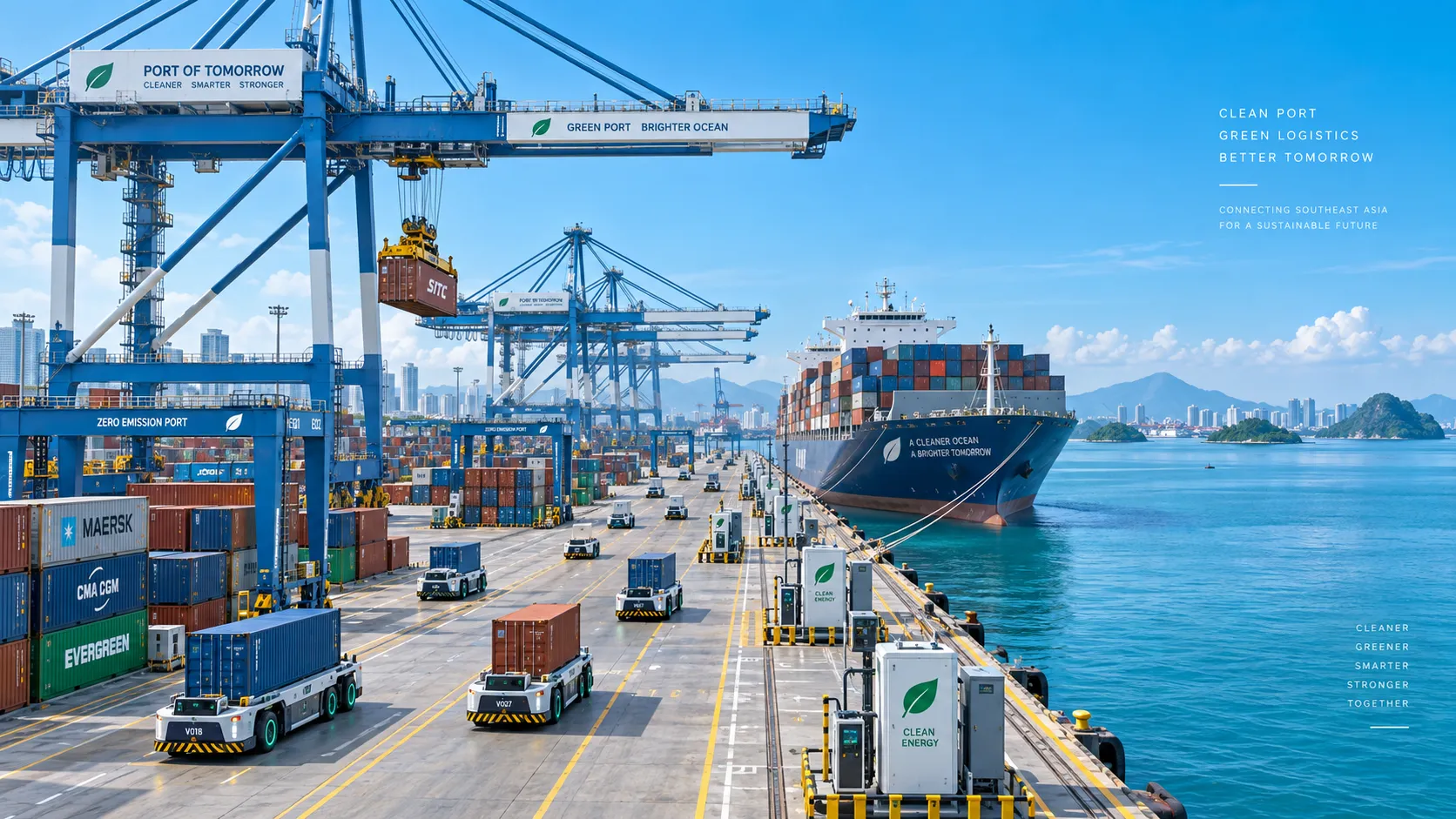
Smart Port Systems in Southeast Asia: Investment Priorities and Adoption Barriers
Smart port systems Southeast Asia: discover investment priorities, adoption barriers, and practical steps to build resilient, connected, high-performing terminals.
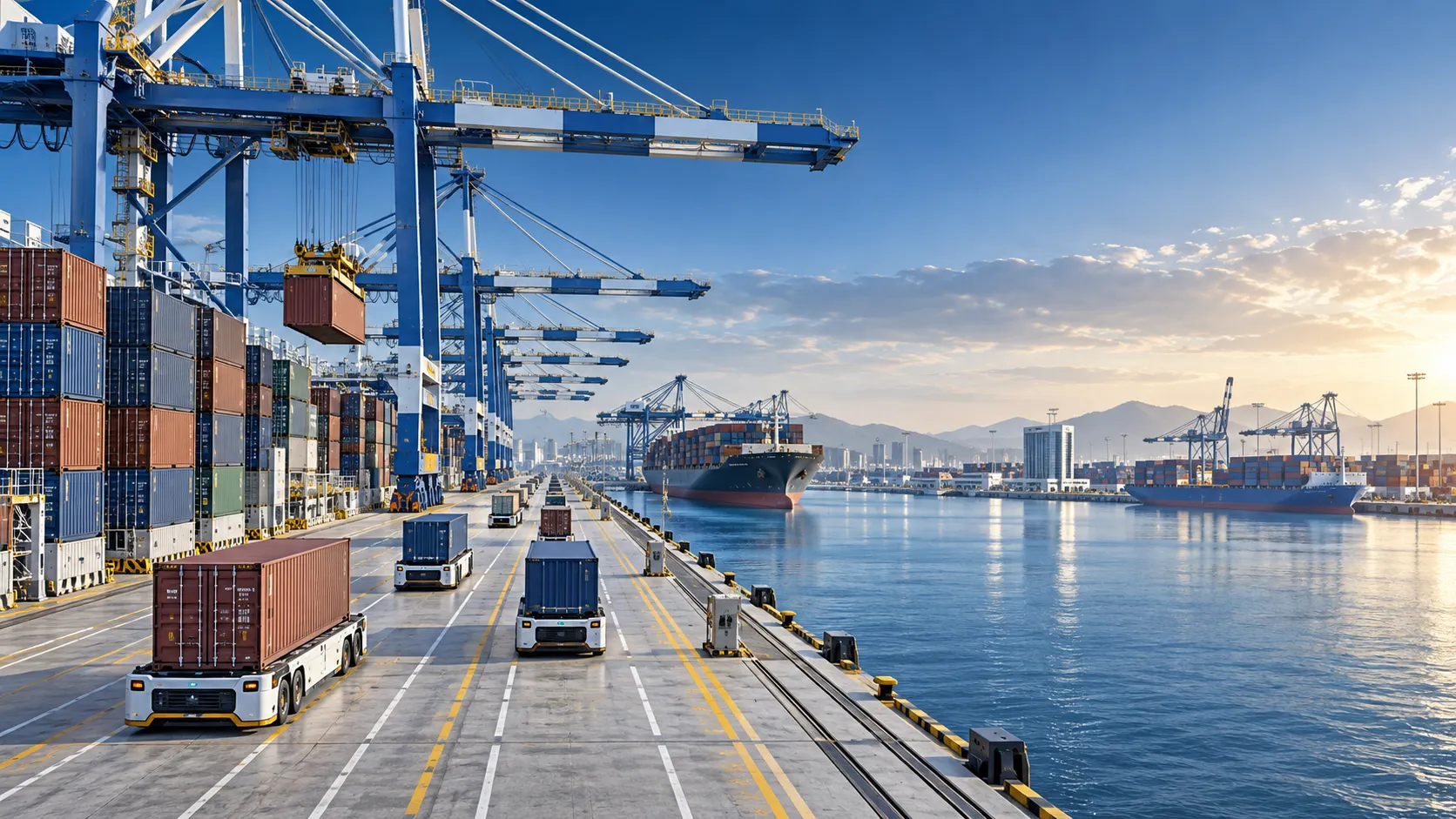
How to Evaluate Terminal Efficiency Solution Suppliers for High-Throughput Operations
Choose a terminal efficiency solutions supplier with confidence. Explore proven criteria for throughput, integration, lifecycle cost, safety, and reliable delivery.
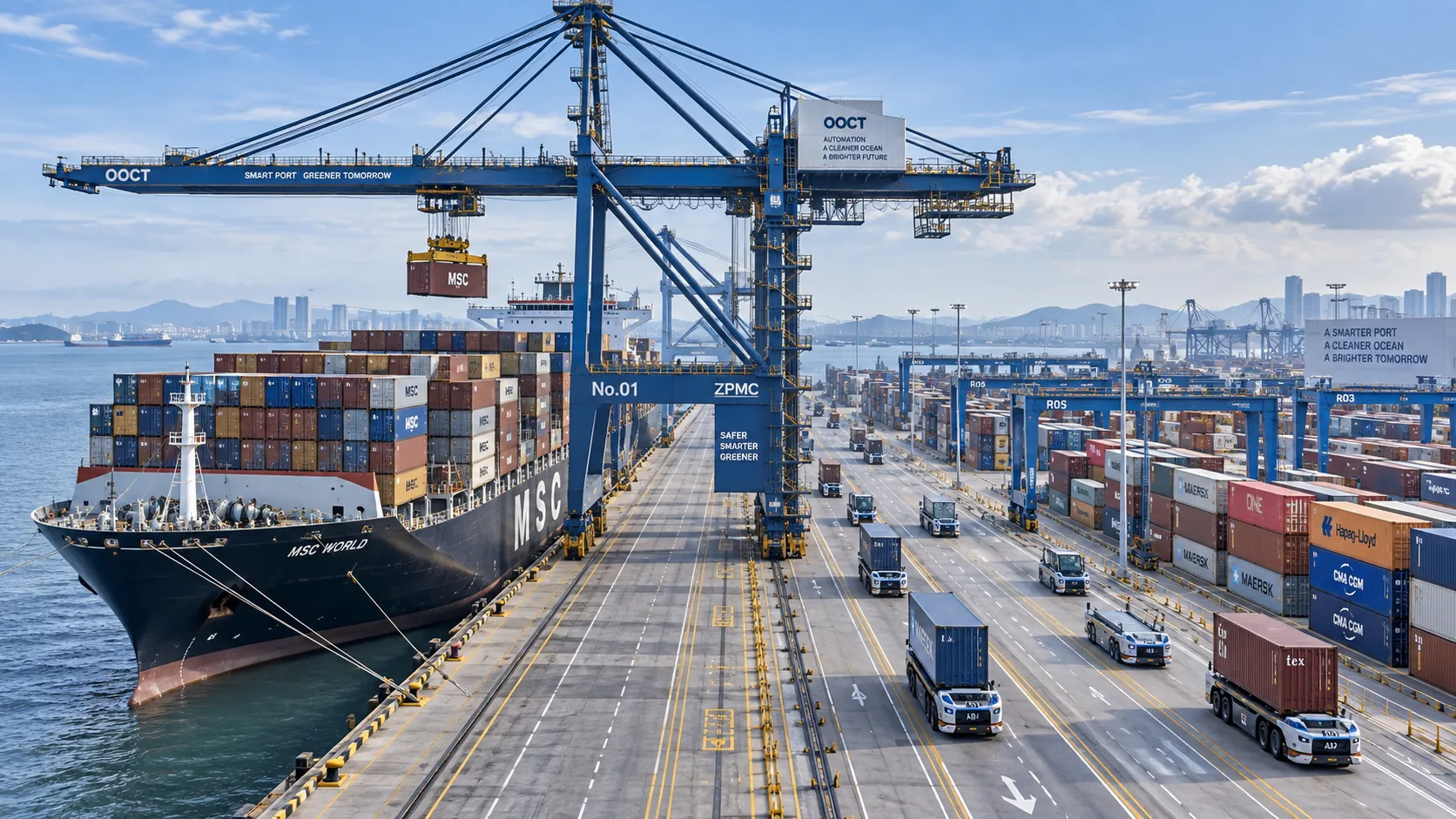
How to Specify a Quay Crane for Container Terminals by Vessel Size and Throughput?
Quay crane for container terminals: learn how to match outreach, lift height, capacity, automation, and cycle performance to vessel size and throughput goals.

What Dredging Equipment Is Needed for Channel Deepening?
What dredging equipment is needed for channel deepening? Explore dredgers, pipelines, survey tools, and planning strategies for safer, more efficient port access.
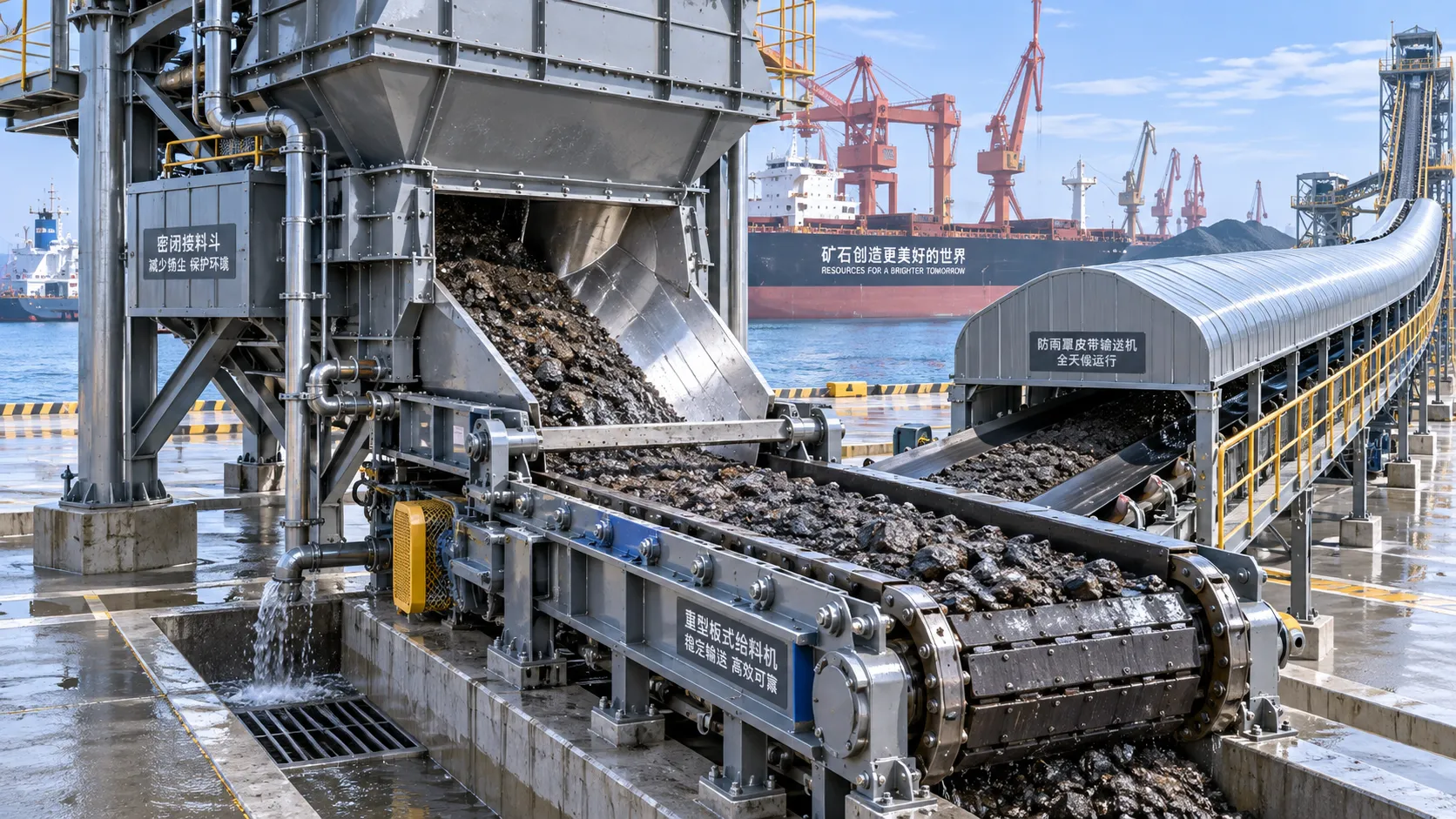
Which Bulk Handling Equipment Suits High-Moisture Cargo?
Which bulk handling equipment suits high-moisture cargo? Compare belt, apron, screw, drag, and slurry systems for reliable flow, less carryback, and higher terminal uptime.
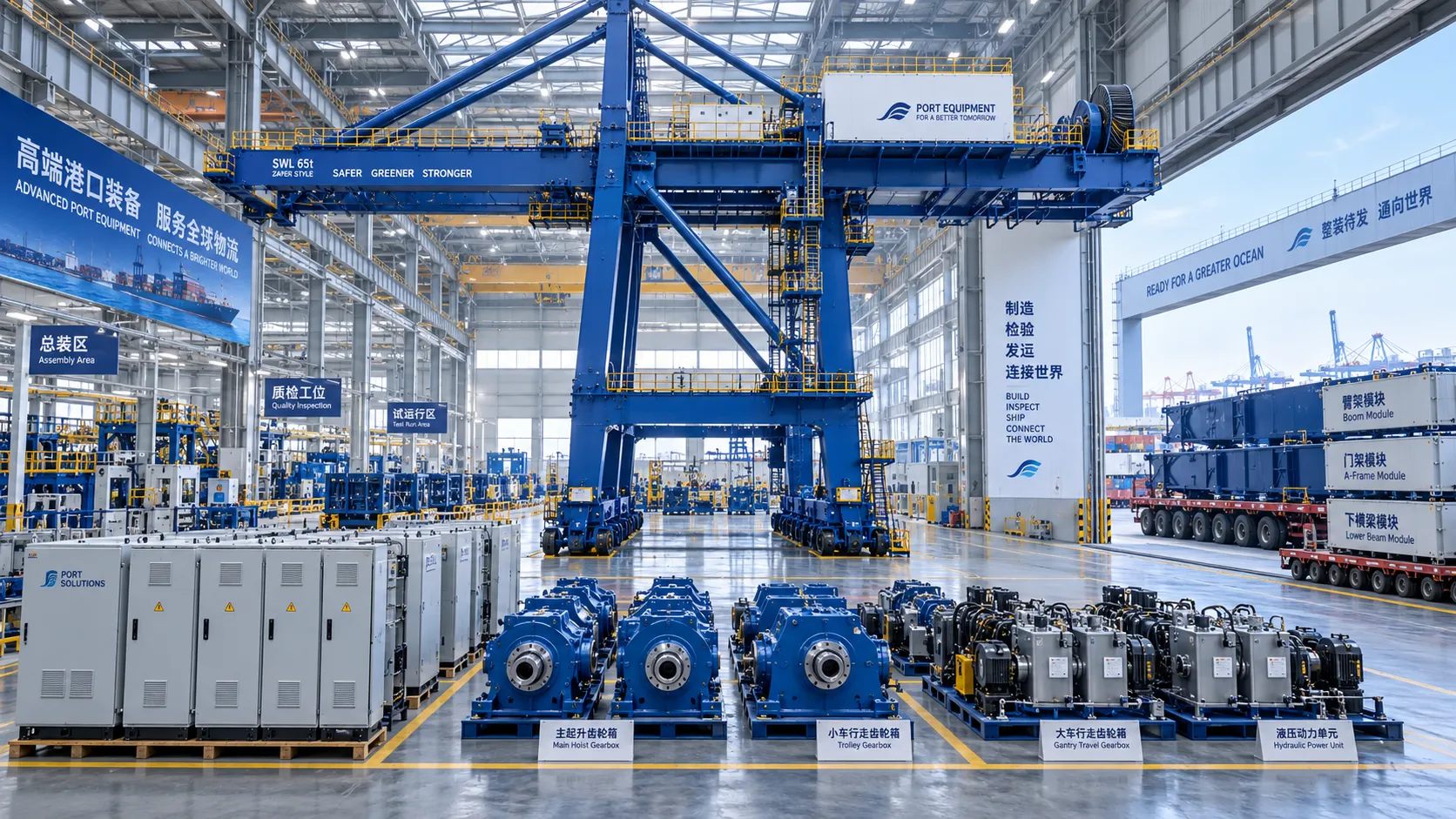
How Can Port Equipment Lead-Time Risk Be Managed?
How can port equipment lead-time risk be managed? Explore practical strategies to control critical paths, suppliers, transport, site readiness, and commissioning delays.
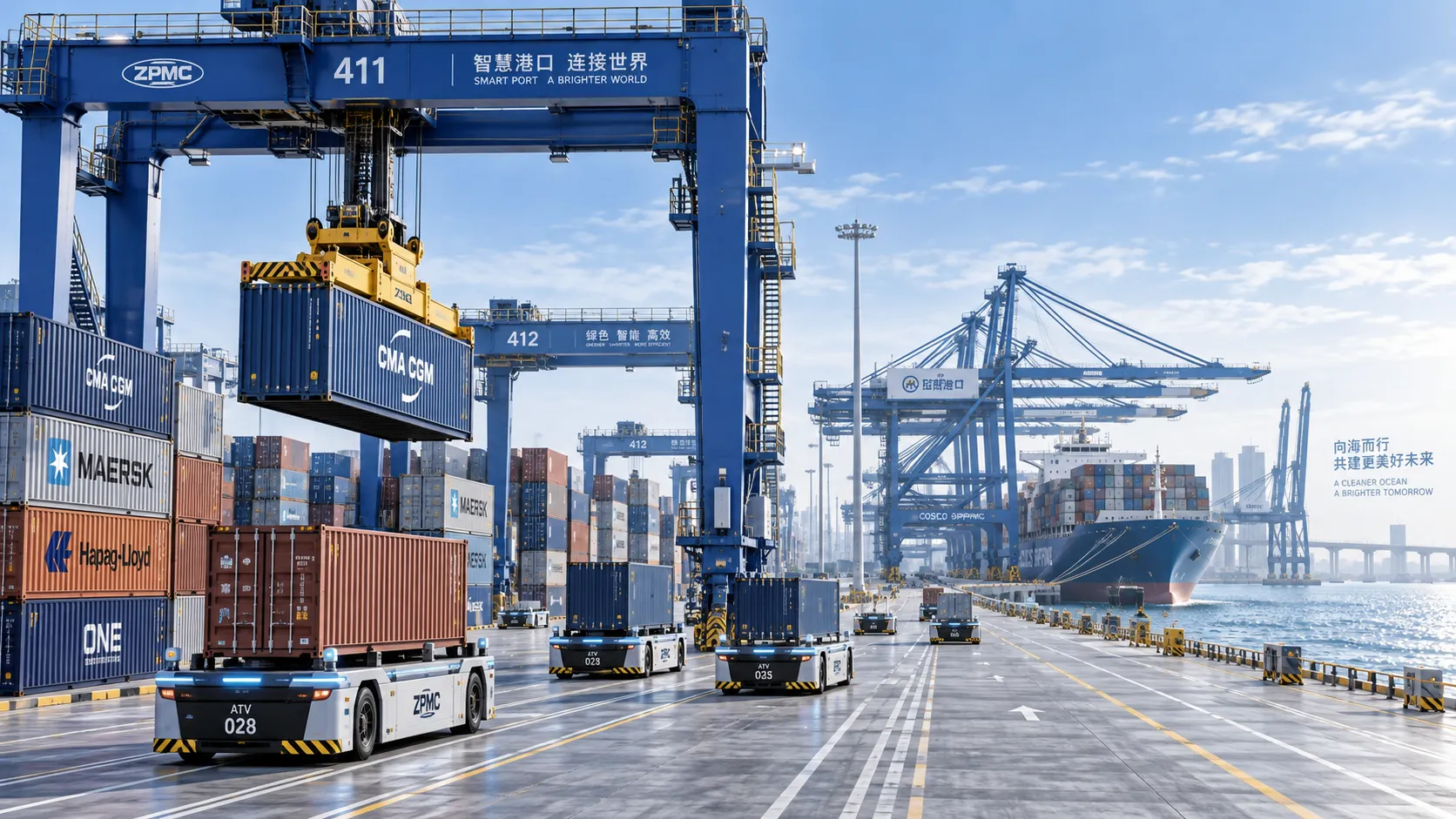
Terminal Automation Technologies That Raise Container Throughput Without Yard Disruption
Terminal automation technology that increases container throughput without disrupting yard flow. Explore smarter integration, resilient workflows, and phased deployment strategies.
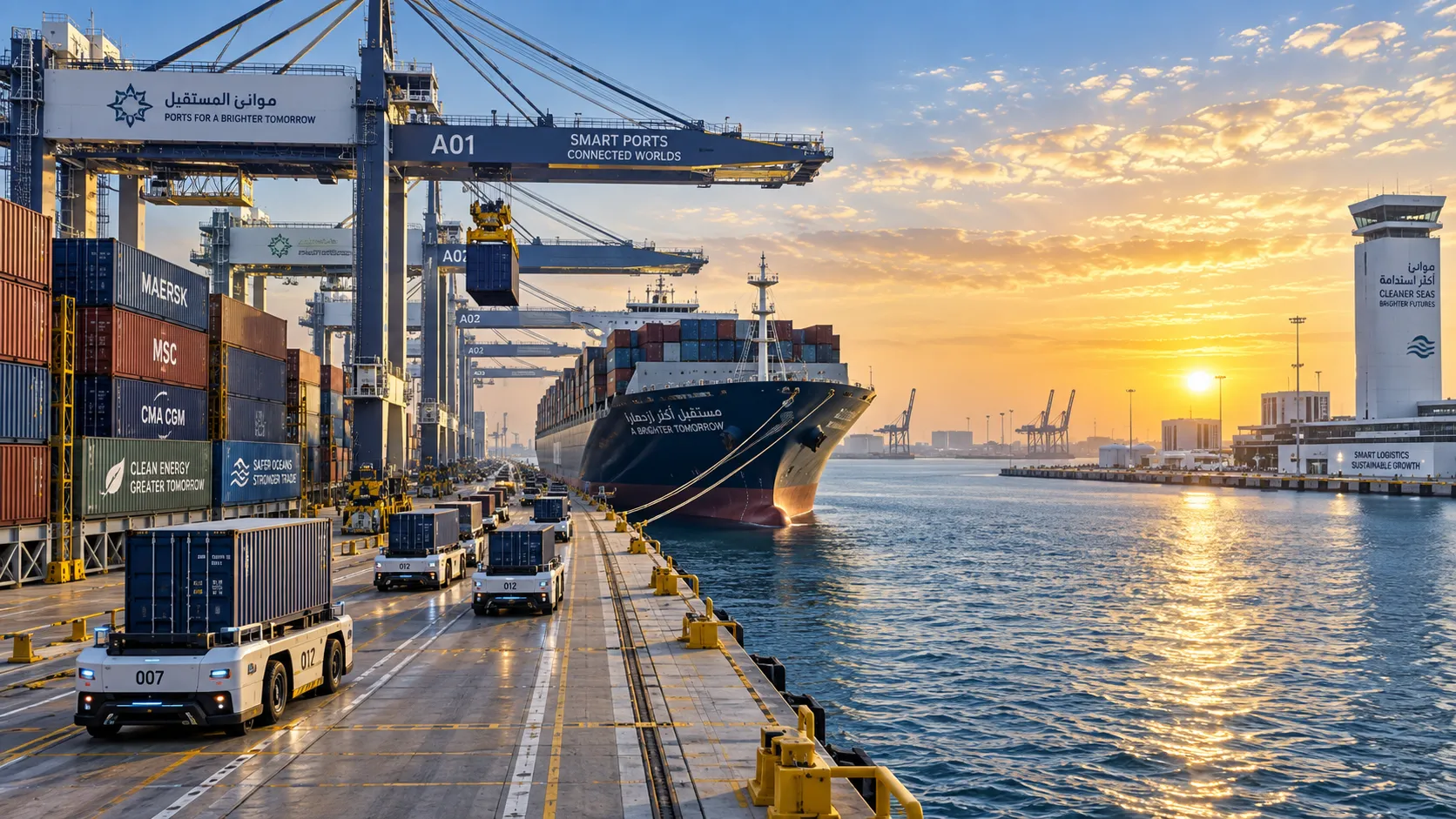
Middle East Port Automation: Key Market Drivers, Projects, and Investment Risks
Port automation systems Middle East: explore market drivers, flagship projects, integration challenges, and investment risks shaping smarter, resilient terminals.
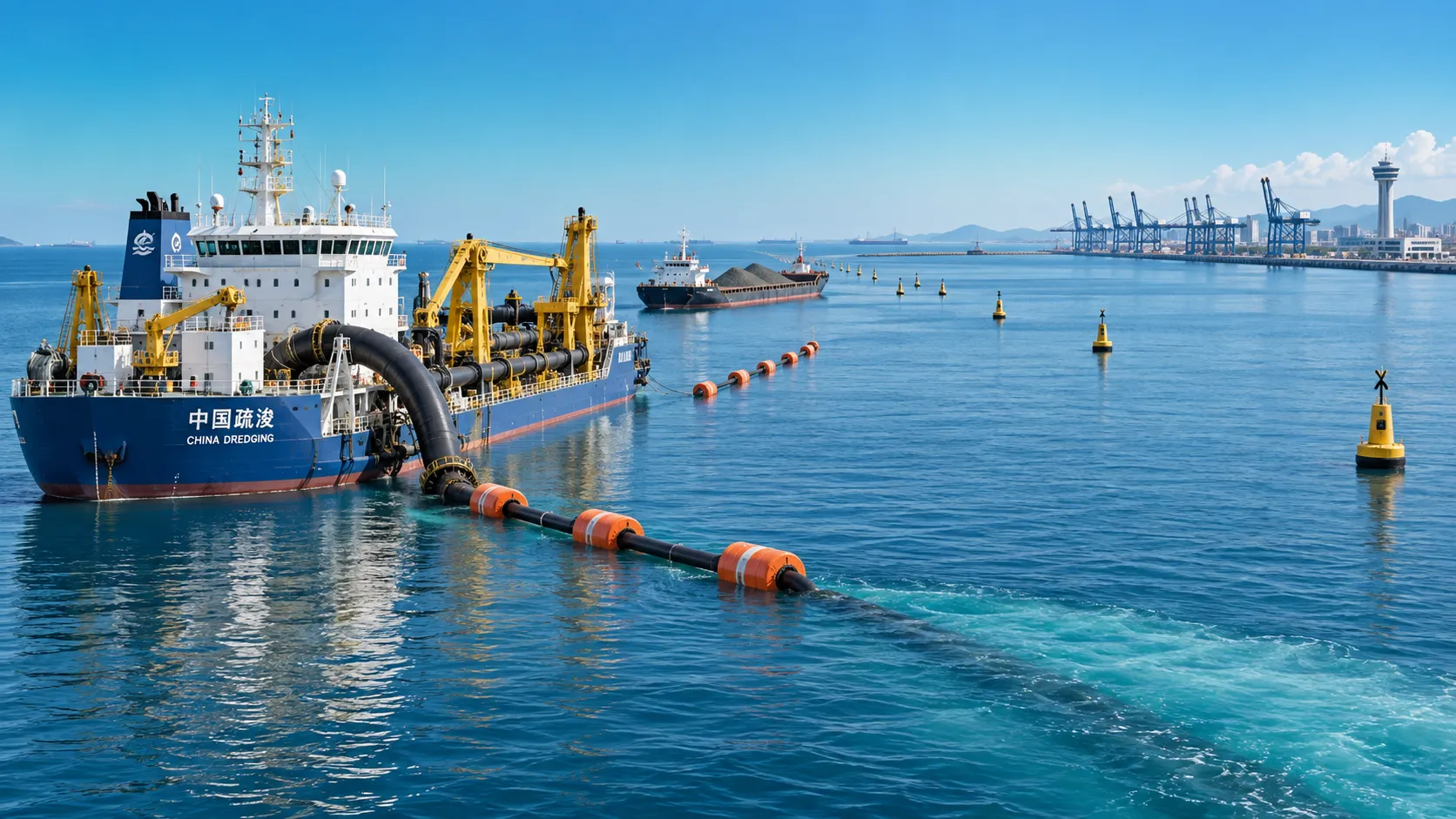
Planning Offshore Dredging Operations: Key Risks, Methods, and Project Controls
Offshore dredging operations demand smart planning. Explore key risks, proven methods, environmental controls, and project strategies for reliable delivery.