Related News
- 00
0000-00
Smart Port Systems in Southeast Asia: Investment Priorities and Adoption Barriers - 00
0000-00
Middle East Port Automation: Key Market Drivers, Projects, and Investment Risks - 00
0000-00
How Coastal Cities Can Prioritize Blue Economy Projects for Jobs and Ecosystem Gains - 00
0000-00
How Harbor Construction Solutions Address Wave Loads, Scour, and Vessel Berthing - 00
0000-00
What Is Driving Maritime Infrastructure Growth in Southeast Asia?
Yard Automation Systems: What to Evaluate Before Investing in Terminal Upgrades
Yard Automation Systems: What to Evaluate Before Investing in Terminal Upgrades
Before investing in terminal upgrades, enterprise leaders must evaluate how yard automation systems will affect throughput, labor efficiency, safety, integration, and long-term ROI. For modern ports facing tighter margins, higher trade volumes, and rising sustainability demands, the right automation strategy is no longer just a technology choice—it is a competitive decision. This article outlines the key factors decision-makers should assess to ensure their terminal investment supports scalable operations and future-ready performance.
Start With the Operational Bottleneck
The best yard automation systems do not start with hardware. They start with the real bottleneck.
In some terminals, the main issue is truck congestion at the gate. In others, the pressure comes from container stacking inefficiency or slow container handoffs between quay and yard. If the upgrade does not target the true constraint, automation may improve one area while creating a new delay elsewhere.
A practical review should compare crane cycle time, yard move density, peak-hour truck arrivals, and storage utilization. These data points reveal whether the terminal needs more coordination, more equipment, or a full workflow redesign.
That is why many operators now treat yard automation systems as a process decision first, and an equipment purchase second. The return depends on where the time loss actually happens.
Measure Throughput Against Real Demand
Throughput projections often look strong on paper. The harder question is whether they hold up during congestion, vessel bunching, and labor shortages.
When evaluating yard automation systems, leaders should test performance against both normal and peak conditions. A platform that works at steady volume may underperform when arrivals spike or when import dwell time rises.
Look closely at container flow, yard reshuffling frequency, and equipment coordination. If automation reduces rehandles and improves slot utilization, the throughput gain is more durable. If it only speeds up isolated tasks, the overall impact may be limited.
From a procurement standpoint, this is where demand modeling matters. Strong yard automation systems should support both current volume and a realistic growth path, not just today’s averages.
Check Labor Impact and Operating Model Fit
Labor efficiency is one of the clearest reasons terminals invest in automation, but the benefits are often misunderstood.
The goal is not simply to reduce headcount. The real value is to shift labor toward higher-value tasks, stabilize operations during shortages, and lower dependency on difficult shift patterns. In mature terminals, yard automation systems can also reduce training complexity by standardizing repeatable moves.
Still, the operating model has to match the technology. A semi-automated yard may fit a terminal that wants phased adoption. A fully automated yard may fit a higher-volume node with strong digital discipline and long-term capital certainty.
The key is to evaluate whether the chosen model supports local staffing realities, union requirements, and maintenance capability. If the labor structure and the automation design conflict, adoption costs rise quickly.
Safety and Reliability Should Be Non-Negotiable
A smart yard is not just faster. It is safer and more predictable.
Before approving an upgrade, review how the system reduces collision risk, blind spots, manual interference, and fatigue-related errors. Automated stacking, guided vehicle movement, and remote monitoring can materially improve safety if they are designed well.
Reliability matters just as much. A terminal can absorb one failed move. It cannot absorb repeated downtime across a peak shipping window. That is why uptime targets, redundancy logic, and maintenance access should be part of every yard automation systems review.
In practice, buyers should ask for failure-mode analysis, spare-part strategy, and recovery procedures. These details often tell you more than the headline performance numbers.
Integration Determines the Real Value
Many projects underperform because the new system cannot communicate smoothly with the existing terminal stack.
Yard automation systems must connect with terminal operating systems, gate platforms, OCR, equipment controls, fleet management, and planning tools. If the data architecture is fragmented, dispatching becomes slower instead of smarter.
Integration is also a vendor question. Closed systems may look polished, but they can limit flexibility later. Open interfaces, clear API support, and strong cybersecurity controls are often better long-term indicators of value.
This is where decision-makers should request a full digital architecture review. The upgrade should fit the terminal’s future operating model, not just the current equipment mix.
Build the ROI Case Around Lifecycle Cost
Initial purchase price is only part of the story.
A stronger financial model includes energy use, maintenance, software licensing, spare parts, training, downtime risk, and retrofit expense. Yard automation systems may require higher upfront capital, but the long-term savings can be meaningful if the operating profile is stable.
The best ROI models compare multiple scenarios: conservative volume, base case, and expansion case. That approach helps leaders see whether the investment remains attractive if market conditions soften or delay growth.
A useful test is simple: if the terminal changes ownership, scale, or cargo mix, will the system still create value? If the answer is yes, the investment is probably resilient.
Ask the Right Questions Before Signing
A disciplined procurement process should narrow the field quickly. The following questions help separate strong yard automation systems from attractive brochures.
- What exact bottleneck will this upgrade remove?
- How will performance change at peak volume?
- What level of labor restructuring is required?
- How is safety validated under real operating conditions?
- How well does the system integrate with existing software and equipment?
- What are the full lifecycle costs over five to ten years?
These questions are especially useful when comparing vendors with different automation philosophies. Some focus on speed. Others focus on flexibility or service support. The right answer depends on the terminal’s commercial strategy.
Make the Upgrade Future-Ready
Terminal upgrades should support more than today’s cargo flow. They should also prepare the yard for stricter emissions rules, higher data transparency, and changing trade patterns.
That is why yard automation systems should be evaluated through a strategic lens. The right platform can improve throughput, reduce operating friction, strengthen safety, and create a more predictable cost base. The wrong one can lock the terminal into expensive complexity.
For enterprise leaders, the decision is not whether automation matters. It is whether the selected system fits the terminal’s business case, growth plan, and operating reality.
If the upgrade clears those tests, it is more likely to deliver lasting value instead of short-term novelty.
Related News
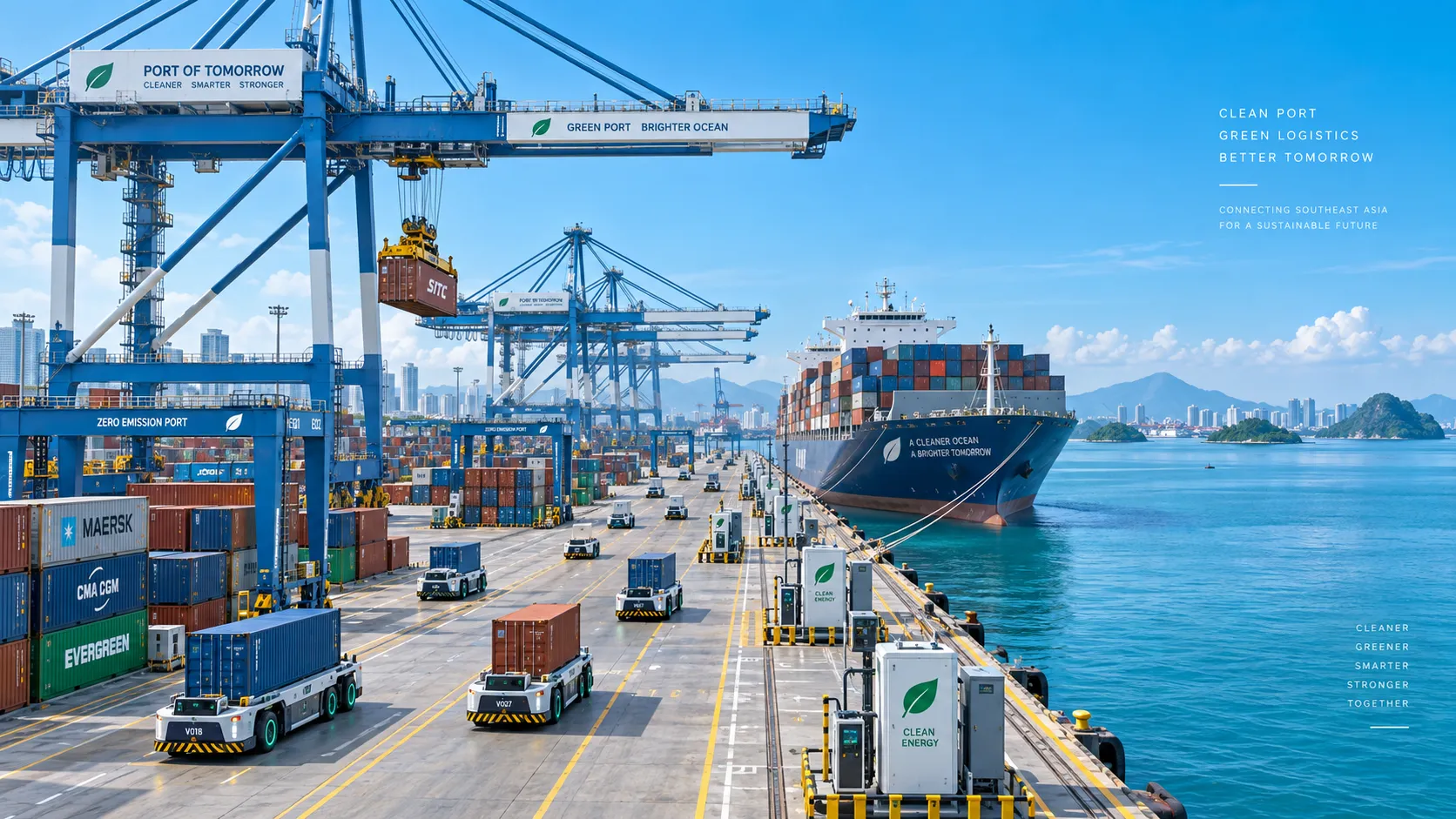
Smart Port Systems in Southeast Asia: Investment Priorities and Adoption Barriers
Smart port systems Southeast Asia: discover investment priorities, adoption barriers, and practical steps to build resilient, connected, high-performing terminals.
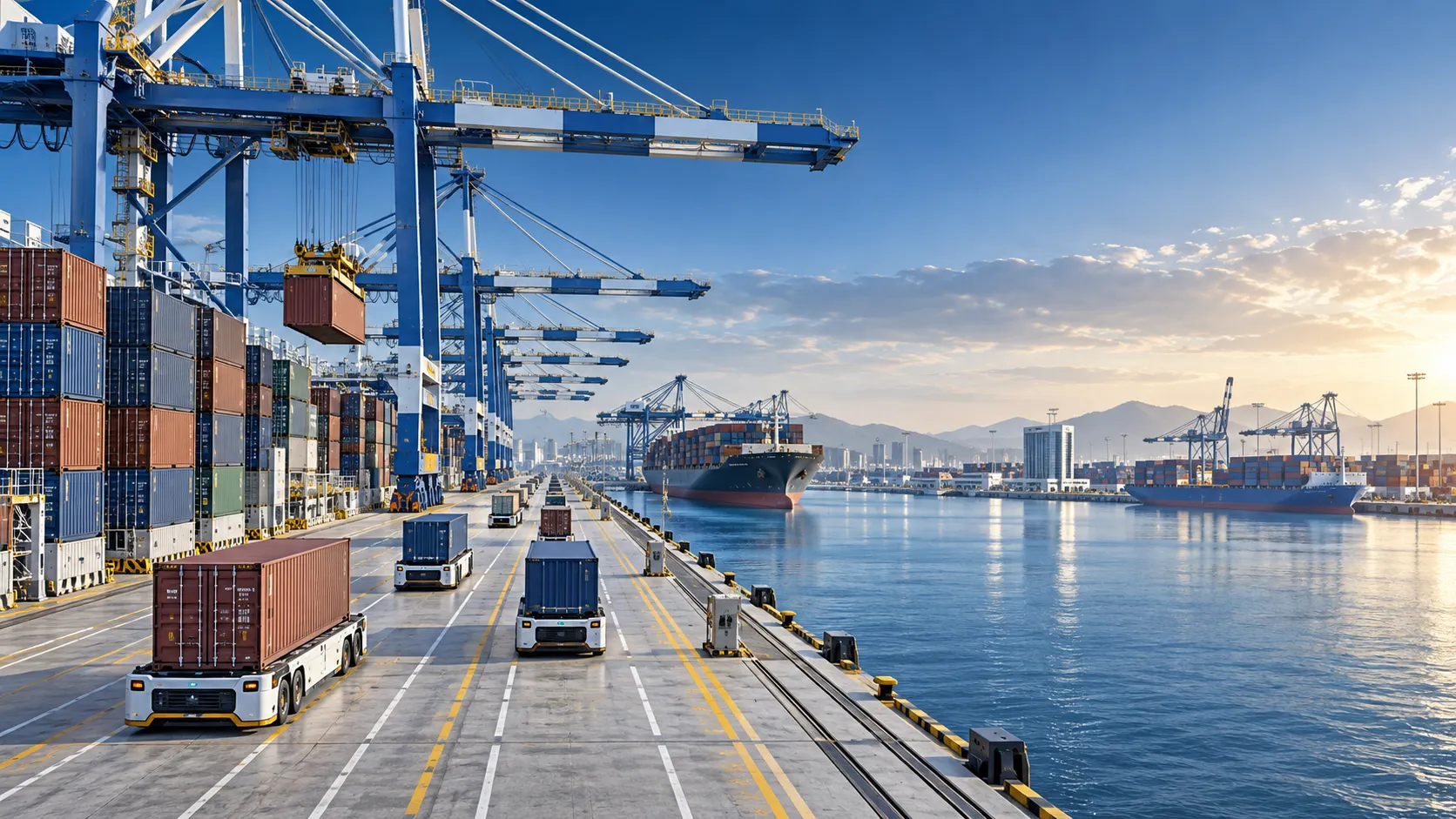
How to Evaluate Terminal Efficiency Solution Suppliers for High-Throughput Operations
Choose a terminal efficiency solutions supplier with confidence. Explore proven criteria for throughput, integration, lifecycle cost, safety, and reliable delivery.
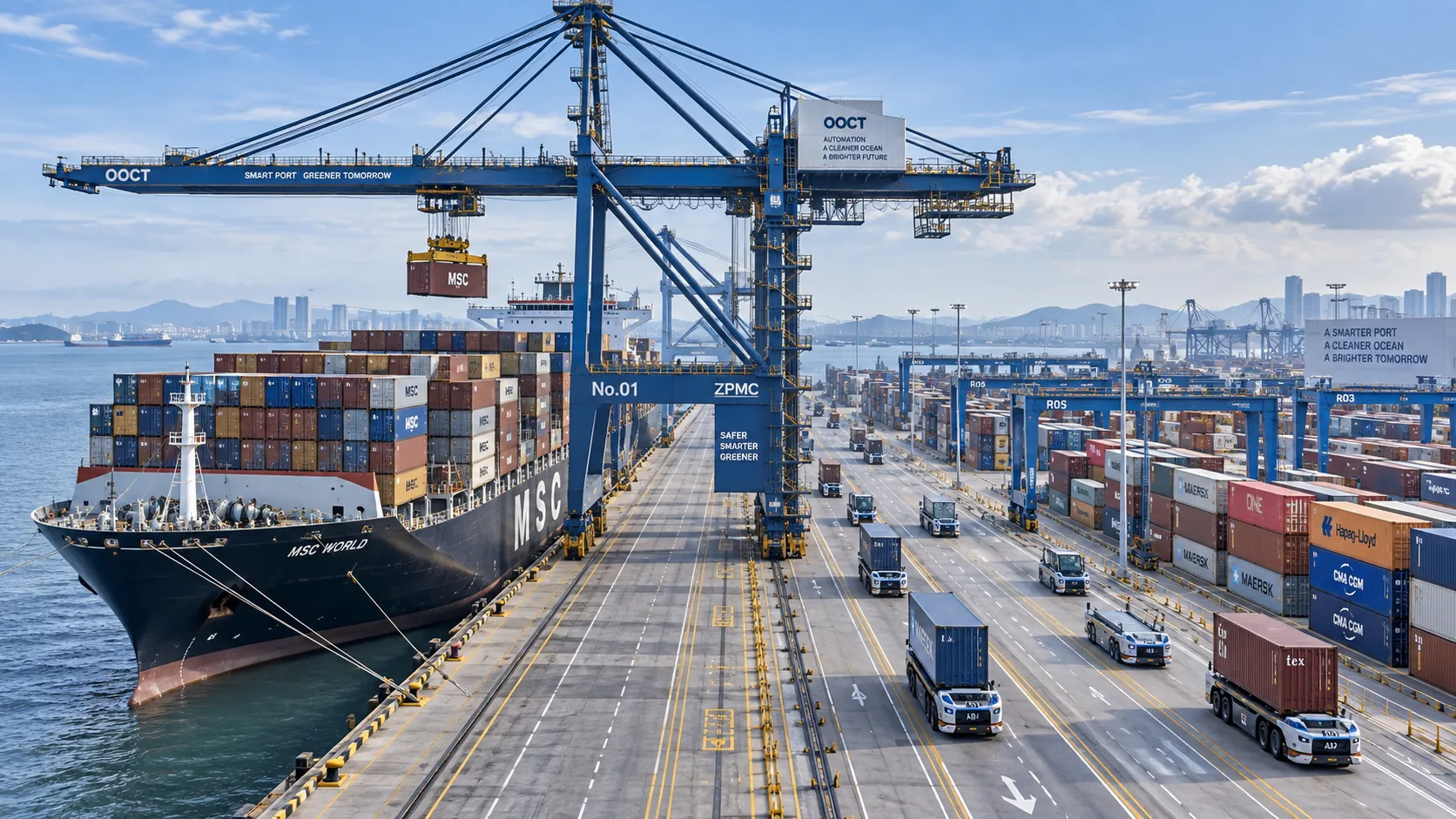
How to Specify a Quay Crane for Container Terminals by Vessel Size and Throughput?
Quay crane for container terminals: learn how to match outreach, lift height, capacity, automation, and cycle performance to vessel size and throughput goals.
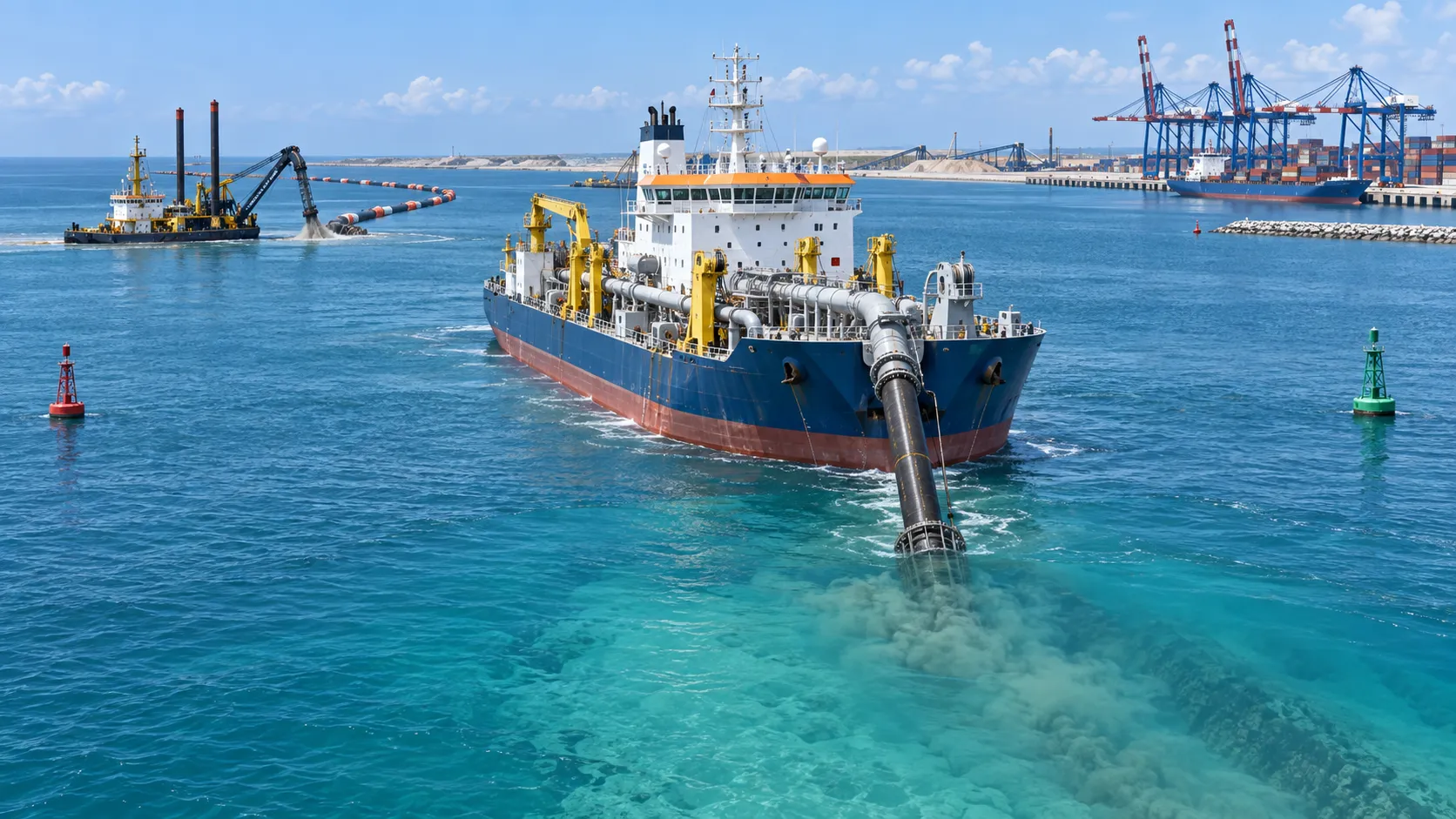
What Dredging Equipment Is Needed for Channel Deepening?
What dredging equipment is needed for channel deepening? Explore dredgers, pipelines, survey tools, and planning strategies for safer, more efficient port access.
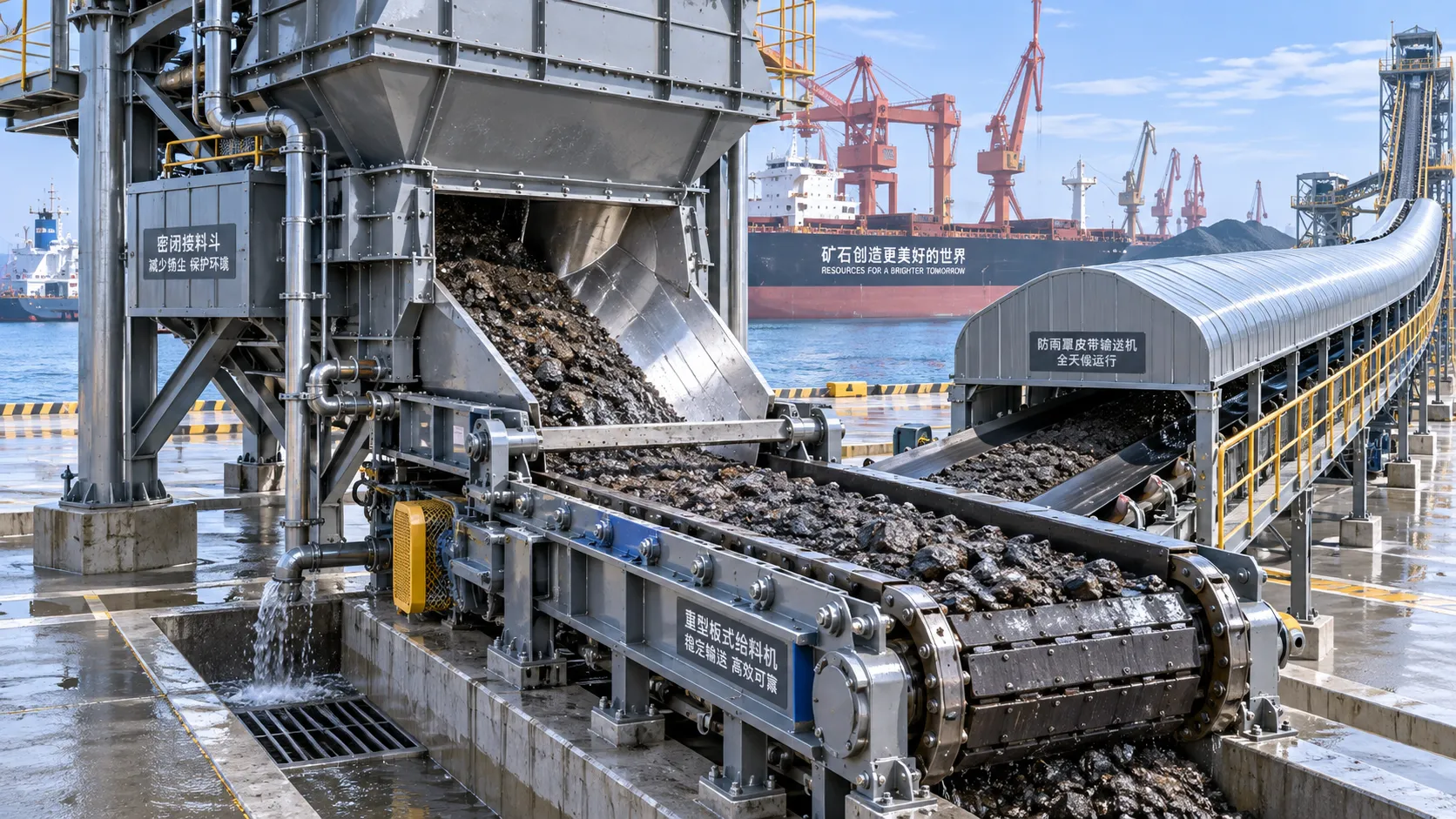
Which Bulk Handling Equipment Suits High-Moisture Cargo?
Which bulk handling equipment suits high-moisture cargo? Compare belt, apron, screw, drag, and slurry systems for reliable flow, less carryback, and higher terminal uptime.
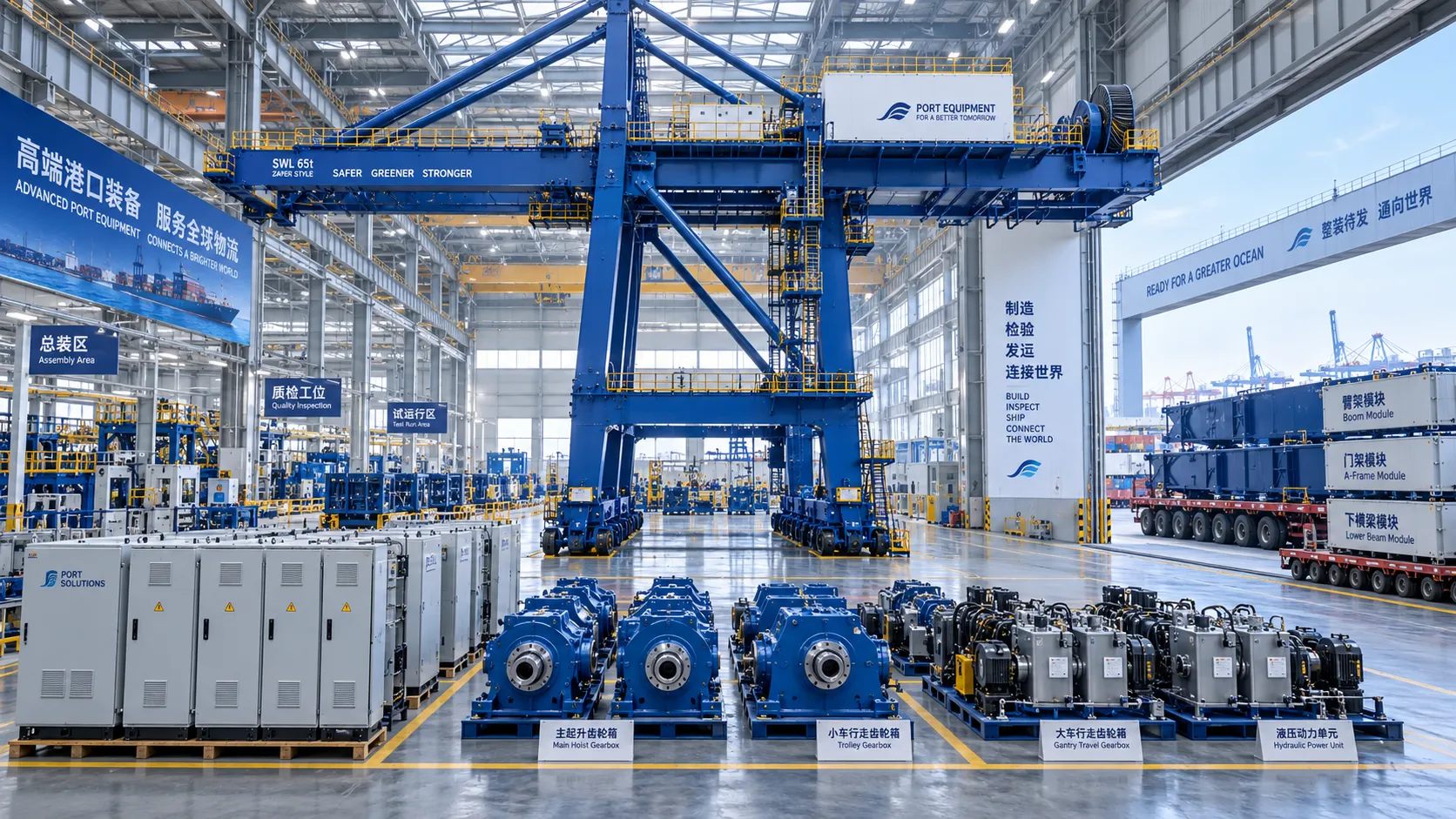
How Can Port Equipment Lead-Time Risk Be Managed?
How can port equipment lead-time risk be managed? Explore practical strategies to control critical paths, suppliers, transport, site readiness, and commissioning delays.
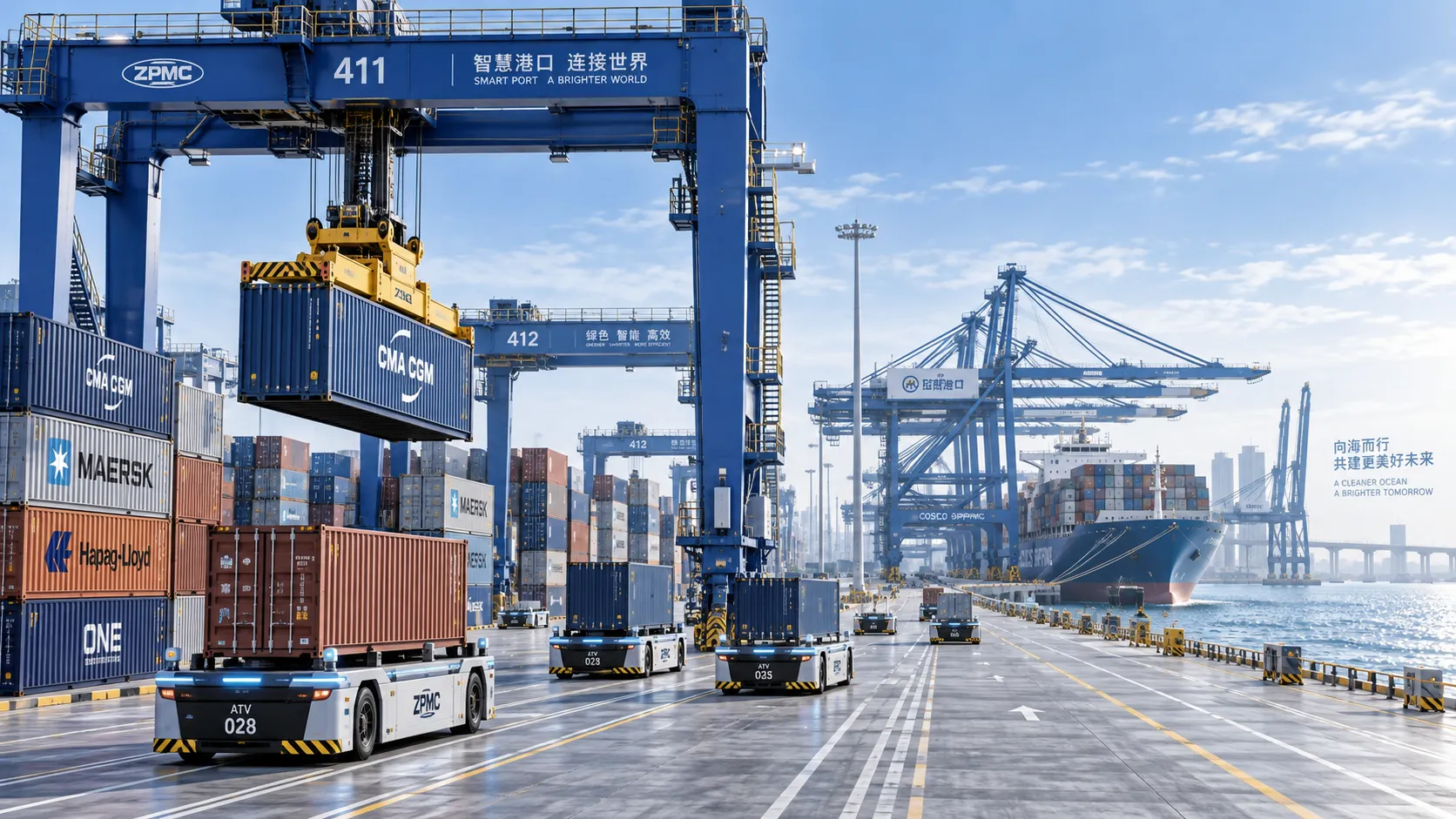
Terminal Automation Technologies That Raise Container Throughput Without Yard Disruption
Terminal automation technology that increases container throughput without disrupting yard flow. Explore smarter integration, resilient workflows, and phased deployment strategies.
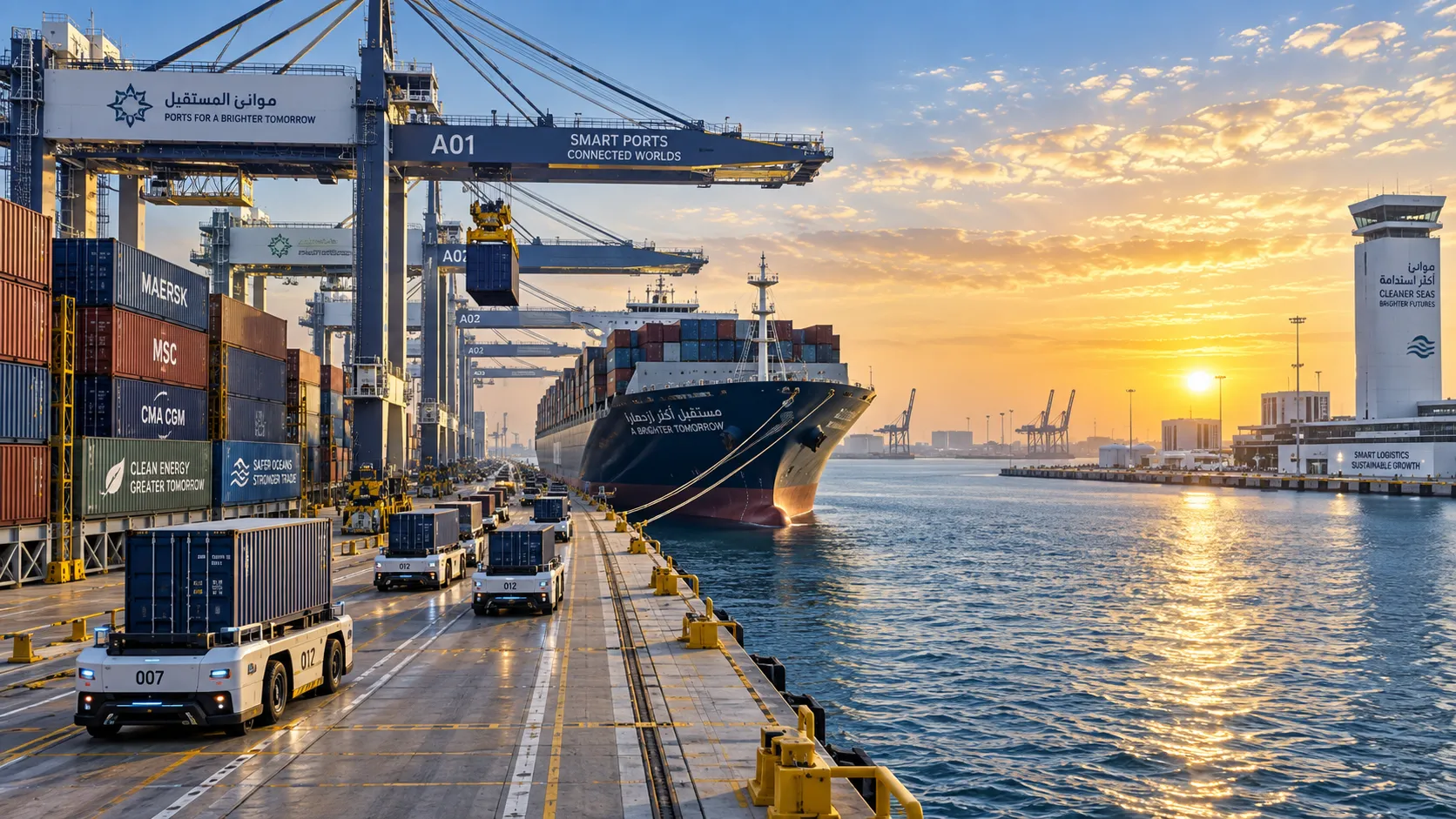
Middle East Port Automation: Key Market Drivers, Projects, and Investment Risks
Port automation systems Middle East: explore market drivers, flagship projects, integration challenges, and investment risks shaping smarter, resilient terminals.
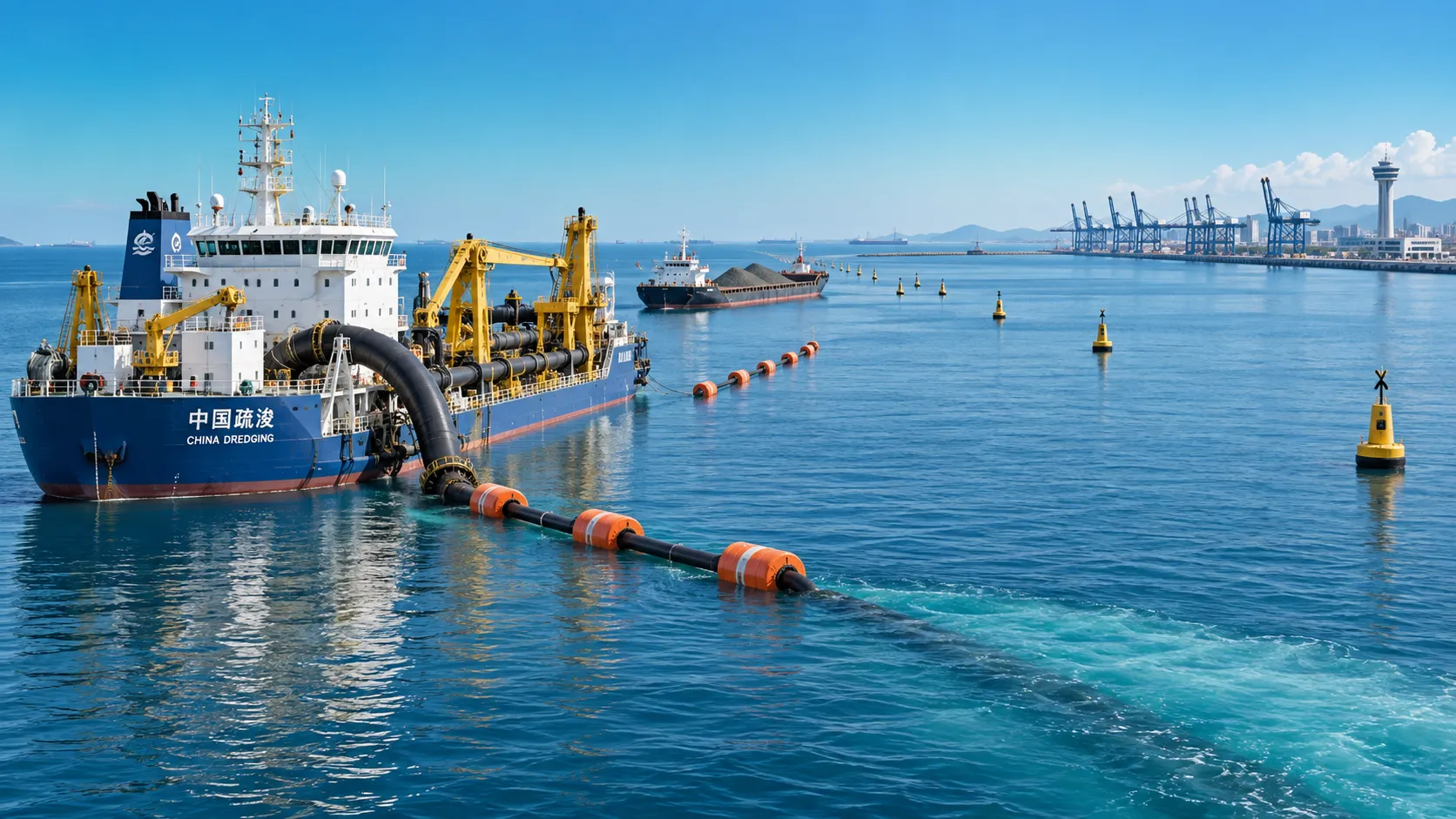
Planning Offshore Dredging Operations: Key Risks, Methods, and Project Controls
Offshore dredging operations demand smart planning. Explore key risks, proven methods, environmental controls, and project strategies for reliable delivery.