Related News
- 00
0000-00
How to Specify a Quay Crane for Container Terminals by Vessel Size and Throughput? - 00
0000-00
Which Bulk Handling Equipment Suits High-Moisture Cargo? - 00
0000-00
Terminal Automation Technologies That Raise Container Throughput Without Yard Disruption - 00
0000-00
Planning Offshore Dredging Operations: Key Risks, Methods, and Project Controls - 00
0000-00
Where Do Automated Guided Vehicles Deliver the Fastest Warehouse Gains in the Middle East?
Automated Guided Vehicles vs Manual Yard Transport: Which Fits Port Operations Better?
Automated Guided Vehicles vs Manual Yard Transport: Which Fits Port Operations Better?
For port procurement teams, choosing between automated guided vehicles and manual yard transport is no longer just an equipment decision. It shapes throughput, labor cost, safety, and future expansion.
In real terminals, the better option depends on cargo mix, yard layout, labor conditions, digital maturity, and traffic intensity. There is no universal winner.
Still, automated guided vehicles now deserve closer attention. Their value is becoming clearer as ports face tighter schedules, rising labor pressure, and stronger decarbonization targets.
This comparison looks at automated guided vehicles and manual yard transport under actual port operating conditions. The goal is simple: help buyers make a practical, low-regret choice.
What the Two Options Really Mean in Port Operations
Manual yard transport usually refers to human-driven terminal tractors, trucks, or trailers moving containers between quay, yard, and gate zones.
Automated guided vehicles are driverless transport units. They follow software-based routing, traffic rules, and task scheduling inside a defined terminal environment.
On paper, both move containers. In practice, they support very different operating models.
- Manual transport relies on driver availability, local experience, and flexible dispatching.
- Automated guided vehicles rely on control systems, mapping, charging strategy, and stable process design.
- Manual fleets adapt quickly to irregular tasks.
- Automated guided vehicles perform best in repeatable, high-volume flows.
That difference matters because most procurement failures happen when buyers compare unit prices, but ignore process fit.
Where Automated Guided Vehicles Create Stronger Value
Automated guided vehicles usually make the strongest case in medium-to-large container terminals with predictable traffic lanes and continuous operating hours.
Their first advantage is consistency. A well-integrated AGV fleet does not slow down during shift changes, driver shortages, or uneven skill levels.
That consistency supports crane productivity. When quay cranes receive transport units at the right pace, vessel turnaround becomes easier to protect.
The second advantage is safety. Automated guided vehicles reduce human exposure in high-traffic transfer zones, especially near quay cranes and stacking blocks.
The third advantage is data visibility. Every move, queue, stop, and route deviation can be recorded for optimization.
This also means procurement decisions become more measurable. Buyers can track cost per move, equipment utilization, charging behavior, and bottleneck patterns over time.
- Better fit for 24/7 operations with stable move volumes.
- Better fit for terminals already using automation platforms.
- Better fit where labor availability is volatile or expensive.
- Better fit where emissions targets favor electric transport.
From a long-term strategy view, automated guided vehicles also support phased terminal expansion. Once the digital backbone is in place, scaling is often easier than scaling manual fleets.
Where Manual Yard Transport Still Makes Sense
Manual yard transport is far from obsolete. In many terminals, it remains the more sensible and more economical choice.
The biggest reason is flexibility. Human-driven equipment handles non-standard tasks, last-minute dispatch changes, and mixed cargo conditions with less system dependency.
Smaller ports often do not have the lane discipline, terminal operating system maturity, or infrastructure budget needed for automated guided vehicles.
In those settings, manual transport can deliver acceptable performance with lower upfront capital risk.
Manual fleets also work well during transitional phases. A port adding berth capacity or changing yard layout may not want to lock into automation too early.
- Lower initial investment and faster deployment.
- Stronger response to irregular container flows.
- Less dependence on control systems integration.
- Simpler maintenance planning in some markets.
That said, flexibility has a hidden cost. Manual yard transport may appear cheaper at purchase, while producing higher labor, safety, and variability costs over the asset life.
Cost Comparison: Look Beyond Purchase Price
This is where many buying decisions become distorted. Comparing automated guided vehicles with manual transport by unit cost alone leads to weak procurement outcomes.
Automated guided vehicles usually require higher upfront spending. The cost includes vehicles, fleet software, communication systems, charging infrastructure, and integration services.
Manual yard transport has a lighter entry cost. But its lifetime economics often include recurring driver wages, supervision, fuel, accidents, idle time, and productivity losses.
A better model is total cost of ownership over seven to twelve years. That window captures the real economics behind automated guided vehicles.
Operational Risks Buyers Should Check Early
Every solution carries risk. The key is knowing which risks are technical, which are organizational, and which become expensive after contract signing.
With automated guided vehicles, the main risks often sit outside the vehicle itself. Integration gaps can damage performance more than hardware quality.
- Weak terminal operating system integration.
- Insufficient wireless coverage or latency problems.
- Poor charging design that creates hidden queue delays.
- Unclear handoff logic between cranes, yard blocks, and AGVs.
Manual yard transport brings a different risk profile. These problems are usually familiar, but they can still erode terminal performance.
- Driver turnover and training inconsistency.
- Higher incident exposure in mixed-traffic areas.
- Fuel price volatility and emissions pressure.
- Lower predictability during peak vessel windows.
In actual procurement work, risk mapping should start before vendor comparison. Otherwise, buyers may choose the strongest product for the wrong operating environment.
How to Decide Which Fits Better
A useful decision process begins with flow stability, not brand preference. Ask how repetitive the transport cycle is across a normal week.
If move volumes are high, patterns are stable, and automation systems already exist, automated guided vehicles usually become a strong candidate.
If layouts shift often, cargo types vary heavily, or the digital stack is immature, manual yard transport may remain the safer step.
- Map current and peak container flows by hour and by lane.
- Measure waiting time at cranes, yard blocks, and charging or fueling points.
- Calculate labor sensitivity over the asset life, not only next year.
- Review system readiness, including TOS, network quality, and dispatch logic.
- Test expansion scenarios for five and ten years.
- Request simulation results from suppliers, not just brochure performance claims.
One more practical point matters. Hybrid strategies are often underrated.
Some terminals use automated guided vehicles in core, repetitive lanes while keeping manual units for exceptions, maintenance windows, and irregular moves. That approach reduces transition risk.
Final Procurement Takeaway
Automated guided vehicles fit port operations better when the terminal wants scalable automation, tighter safety control, stronger data visibility, and consistent high-volume movement.
Manual yard transport fits better when the operation is smaller, less predictable, budget-sensitive, or still building its digital foundation.
The smartest buying decision is rarely about choosing the most advanced technology. It is about choosing the transport model that matches the terminal’s real operating rhythm.
For that reason, buyers should assess automated guided vehicles through process compatibility, life-cycle cost, integration readiness, and expansion value. That framework leads to better outcomes than price comparison alone.
When those factors are reviewed honestly, the right answer becomes much clearer—and far more defensible in long-cycle port investment decisions.
Related News
Smart Port Systems in Southeast Asia: Investment Priorities and Adoption Barriers
Smart port systems Southeast Asia: discover investment priorities, adoption barriers, and practical steps to build resilient, connected, high-performing terminals.
How to Evaluate Terminal Efficiency Solution Suppliers for High-Throughput Operations
Choose a terminal efficiency solutions supplier with confidence. Explore proven criteria for throughput, integration, lifecycle cost, safety, and reliable delivery.
How to Specify a Quay Crane for Container Terminals by Vessel Size and Throughput?
Quay crane for container terminals: learn how to match outreach, lift height, capacity, automation, and cycle performance to vessel size and throughput goals.
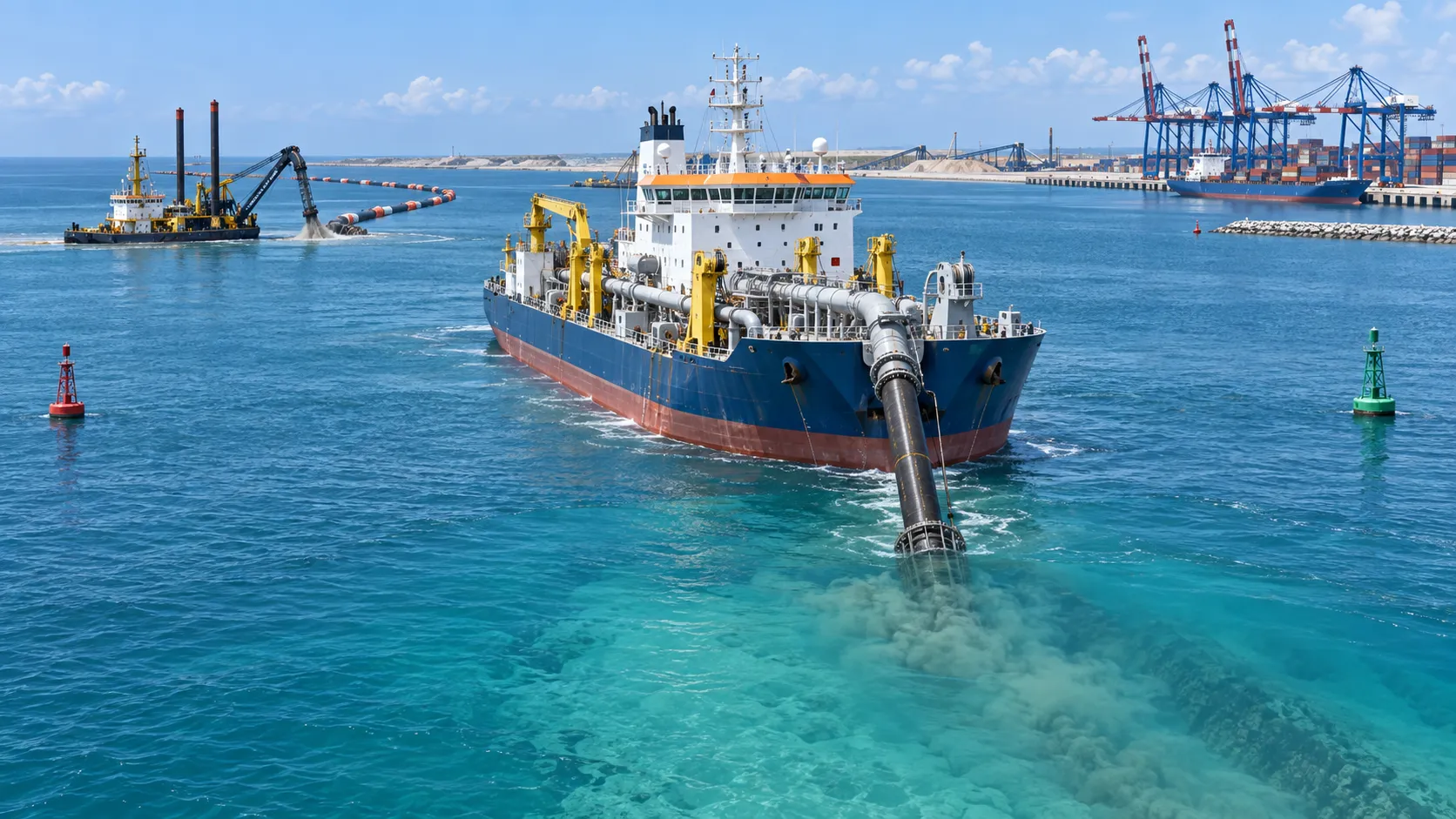
What Dredging Equipment Is Needed for Channel Deepening?
What dredging equipment is needed for channel deepening? Explore dredgers, pipelines, survey tools, and planning strategies for safer, more efficient port access.
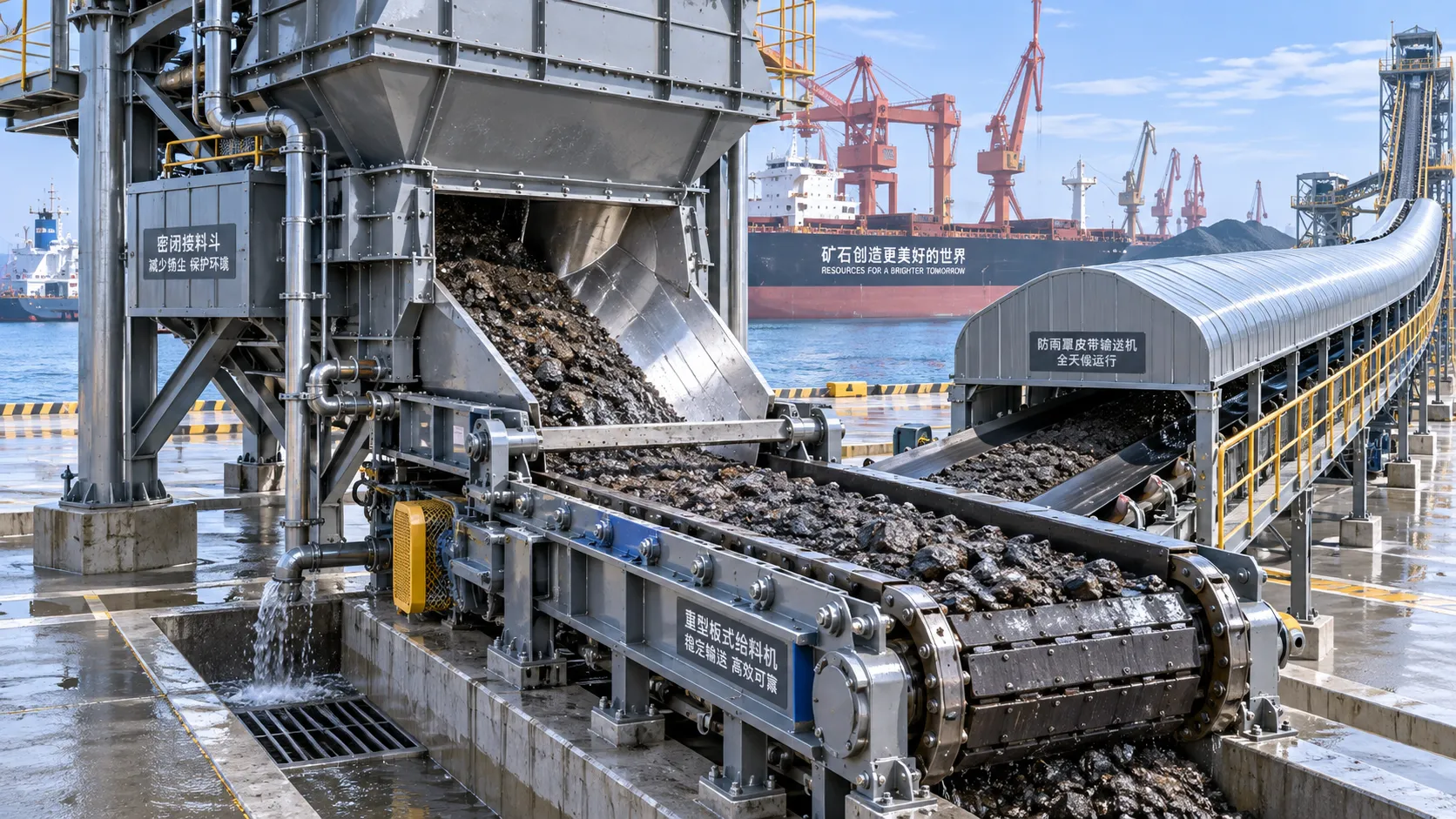
Which Bulk Handling Equipment Suits High-Moisture Cargo?
Which bulk handling equipment suits high-moisture cargo? Compare belt, apron, screw, drag, and slurry systems for reliable flow, less carryback, and higher terminal uptime.
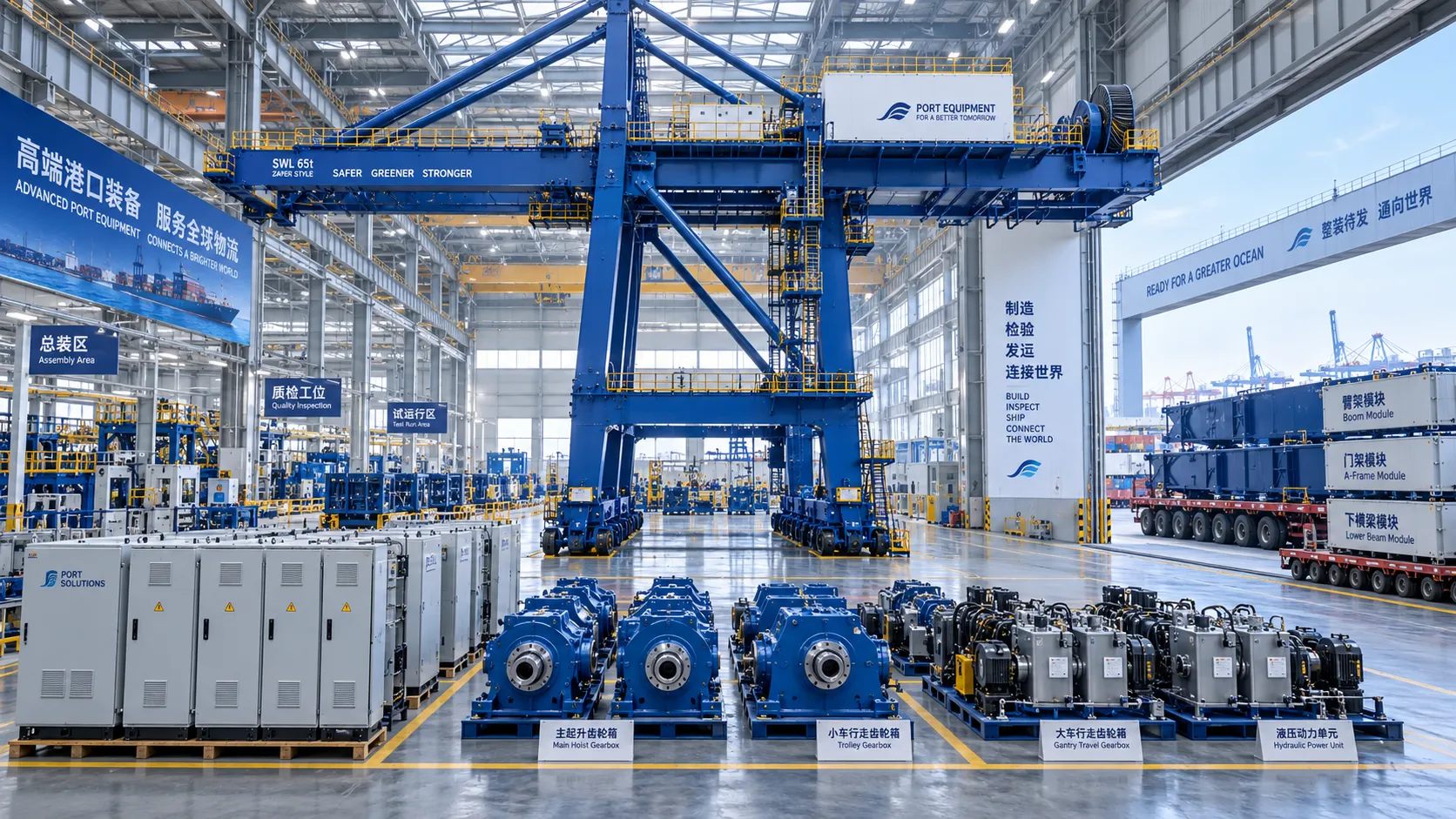
How Can Port Equipment Lead-Time Risk Be Managed?
How can port equipment lead-time risk be managed? Explore practical strategies to control critical paths, suppliers, transport, site readiness, and commissioning delays.
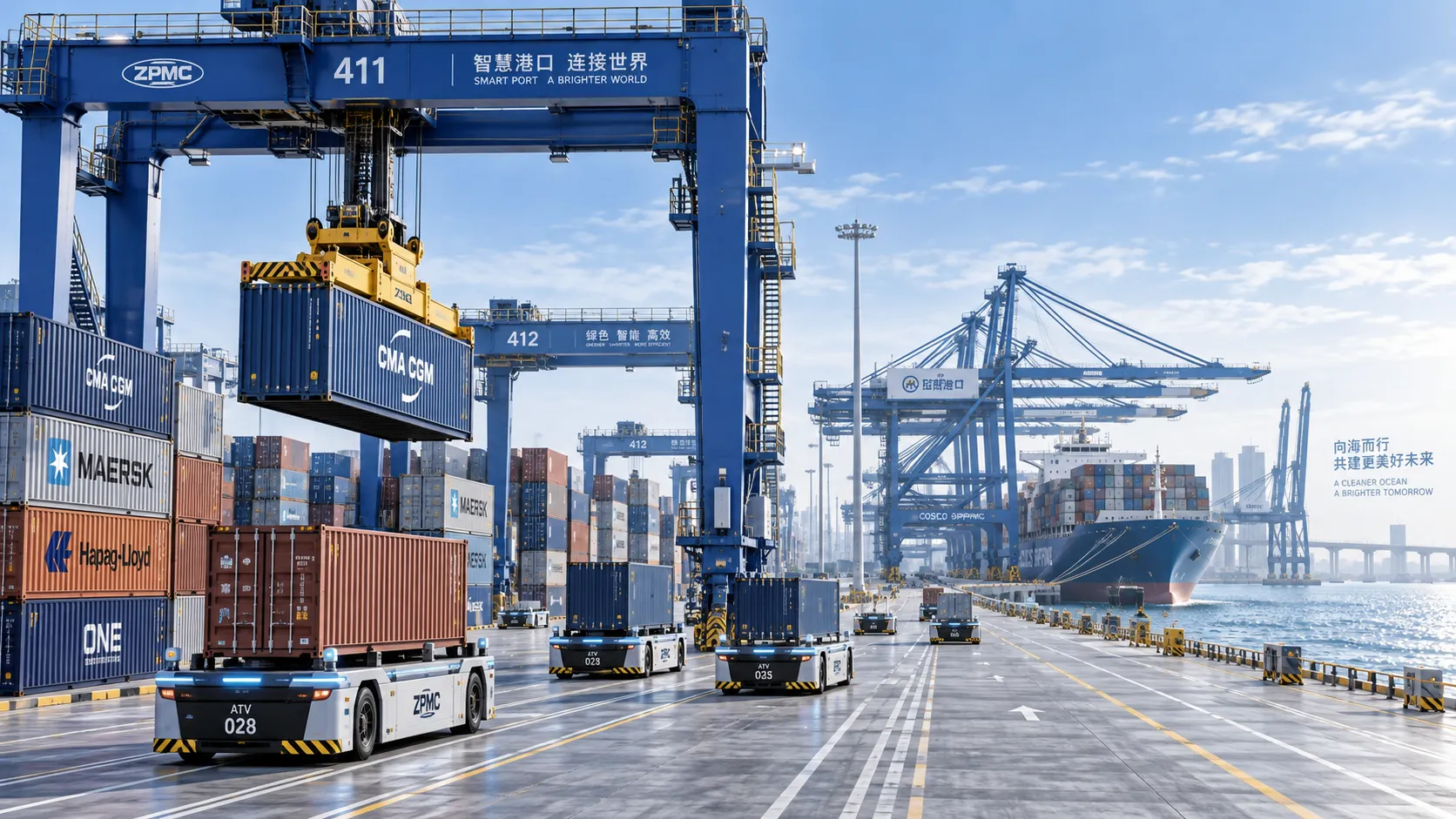
Terminal Automation Technologies That Raise Container Throughput Without Yard Disruption
Terminal automation technology that increases container throughput without disrupting yard flow. Explore smarter integration, resilient workflows, and phased deployment strategies.
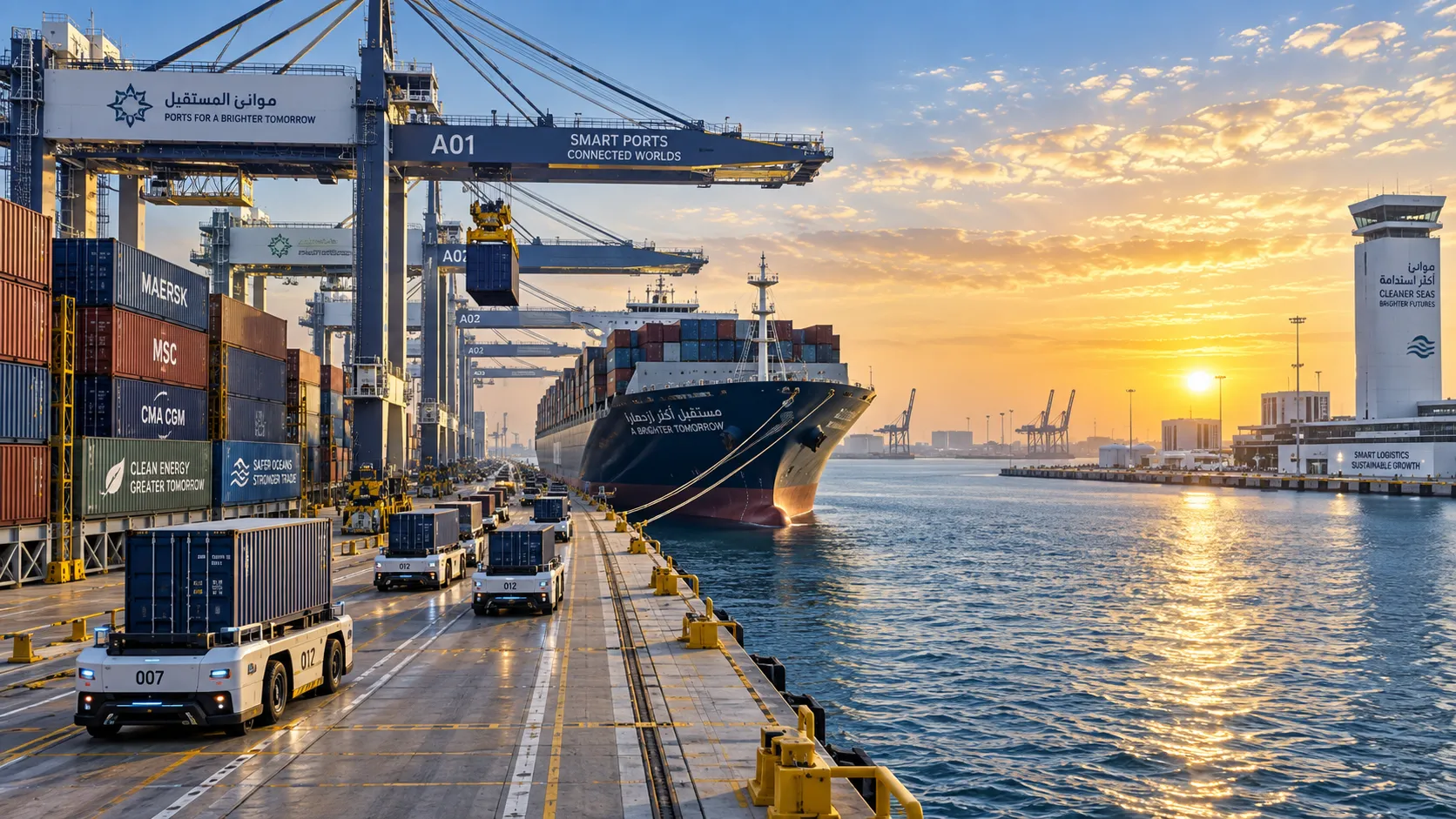
Middle East Port Automation: Key Market Drivers, Projects, and Investment Risks
Port automation systems Middle East: explore market drivers, flagship projects, integration challenges, and investment risks shaping smarter, resilient terminals.
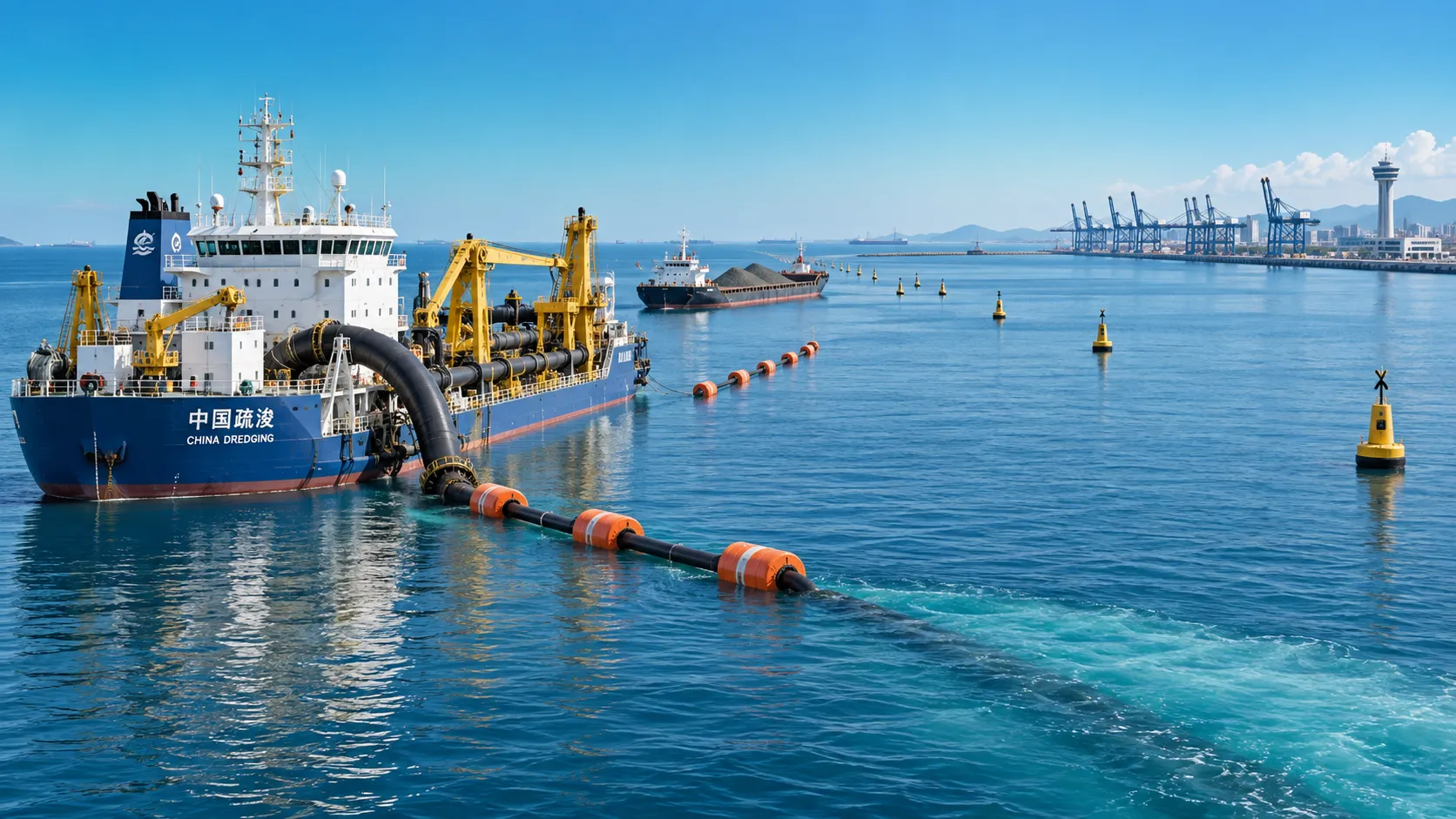
Planning Offshore Dredging Operations: Key Risks, Methods, and Project Controls
Offshore dredging operations demand smart planning. Explore key risks, proven methods, environmental controls, and project strategies for reliable delivery.