Related News
- 00
0000-00
How to Specify a Quay Crane for Container Terminals by Vessel Size and Throughput? - 00
0000-00
Which Bulk Handling Equipment Suits High-Moisture Cargo? - 00
0000-00
Terminal Automation Technologies That Raise Container Throughput Without Yard Disruption - 00
0000-00
Planning Offshore Dredging Operations: Key Risks, Methods, and Project Controls - 00
0000-00
Where Do Automated Guided Vehicles Deliver the Fastest Warehouse Gains in the Middle East?
Terminal Control Systems Explained: Core Functions, Data Flow, and Integration Points
Terminal Control Systems Explained: Core Functions, Data Flow, and Integration Points
Terminal control systems sit at the center of modern port operations, turning equipment status, job orders, and yard signals into coordinated action.
They connect cranes, AGVs, gates, operators, and enterprise platforms into one working logic.
In practical terms, a terminal control system is not just software.
It is the execution layer that keeps terminal plans aligned with real equipment behavior.
For ports moving toward automation, this layer often determines whether investment creates real throughput gains.
That is why technical review usually starts with functions, data flow, and integration points.
Why Terminal Control Systems Matter Now
Port operations are under pressure from vessel peaks, labor shifts, energy targets, and tighter turnaround expectations.
A terminal control system helps operators respond without relying on disconnected manual decisions.
This is especially visible in automated container yards and mixed-mode terminals.
There, scheduling speed and command accuracy directly affect safety, density, and crane productivity.
From a PS-Nexus perspective, terminal control systems also shape the wider intelligence value chain.
They link heavy mechanical power, low-latency communication, and logistics decision logic into one operational fabric.
Core Functions of Terminal Control Systems
Most terminal control systems perform five core jobs.
Each function supports execution, visibility, and exception handling at the equipment level.
1. Equipment command and dispatch
The system sends commands to quay cranes, yard cranes, shuttle carriers, AGVs, and gate subsystems.
It assigns tasks, confirms execution states, and manages timing between linked moves.
2. Real-time monitoring
A terminal control system tracks positions, alarms, job status, interlocks, and resource availability.
This visibility reduces blind spots during peak operations and abnormal events.
3. Workflow coordination
Moves rarely happen in isolation.
A terminal control system synchronizes handoffs between landside, yard, and vessel-side resources.
That coordination limits waiting time and prevents local optimization from hurting total flow.
4. Safety and interlock enforcement
Control logic must respect zone permissions, collision rules, emergency states, and equipment health thresholds.
In automated terminals, this function is mission critical.
5. Exception management
Weather changes, sensor faults, failed lifts, and traffic congestion are normal operational realities.
Strong terminal control systems support fallback modes, manual overrides, and clean recovery procedures.
How Data Flows Through Terminal Control Systems
Data flow is where many evaluations become more concrete.
A terminal control system only performs well when information moves quickly, accurately, and predictably.
Upstream inputs
The first inputs often come from the TOS, ERP, maintenance systems, and gate appointment tools.
These sources define work orders, priorities, container attributes, vessel plans, and resource constraints.
Decision layer
The terminal control system translates business instructions into executable machine tasks.
This includes routing, sequencing, conflict resolution, and timing windows.
Field execution
Commands move to PLCs, crane control modules, AGV fleet managers, OCR portals, and sensor networks.
Here, latency, protocol reliability, and interface quality become visible very quickly.
Feedback loop
Execution results return as telemetry, job confirmations, alarms, and position updates.
That loop allows the terminal control system to recalculate tasks and expose operational health.
In real terminals, weak feedback quality usually causes more disruption than weak planning logic.
Key Integration Points to Evaluate
Integration is often the difference between a working pilot and a scalable operation.
When assessing terminal control systems, several interfaces deserve close attention.
- TOS integration: checks whether move instructions, yard inventory, and vessel plans remain synchronized.
- Equipment control integration: confirms command translation, acknowledgements, and safe fallback behavior.
- Positioning integration: validates GPS, RTLS, lidar, and encoder inputs for mobile asset control.
- Maintenance integration: links condition monitoring, work orders, and asset availability rules.
- Energy integration: captures charging schedules and power constraints for electric fleets.
- Cybersecurity integration: reviews network segmentation, authentication, and logging discipline.
If one integration point is fragile, the whole terminal control system can become unstable under load.
Common Architecture Patterns
Not all terminal control systems use the same architecture.
Still, a few patterns appear again and again across smart terminal projects.
From recent deployments, hybrid orchestration is becoming more common.
It gives terminal control systems room to scale without losing operational visibility.
Technical Risks That Deserve Early Attention
A polished demo can hide structural weaknesses.
That is why terminal control systems should be tested against realistic operating pressure.
- Latency drift during high traffic, especially across crane and vehicle handoff zones.
- Data model mismatch between TOS records and field control logic.
- Weak exception workflows that depend too heavily on manual intervention.
- Vendor lock-in caused by proprietary protocols and closed diagnostic access.
- Cyber exposure created by flat networks and unclear user privilege design.
In actual projects, these issues tend to appear during integration, not during procurement presentations.
A Practical Evaluation Checklist
A useful review of terminal control systems should stay operational, not theoretical.
- Map every required interface and identify message owners, protocols, and update rates.
- Request failure scenarios, not only normal workflows.
- Check whether the terminal control system supports phased automation expansion.
- Review audit trails for commands, overrides, alarms, and operator interventions.
- Verify recovery times after communication loss, device restart, or sensor degradation.
- Confirm whether analytics outputs can feed optimization, maintenance, and energy planning.
This also means looking beyond containers.
Bulk handling sites, dredging logistics, and hybrid marine yards can use similar terminal control systems logic with different field constraints.
Where PS-Nexus Fits the Discussion
PS-Nexus follows terminal control systems as part of a larger port intelligence picture.
The point is not just to describe software categories.
It is to connect remote-control protocols, asset scheduling logic, equipment trends, and trade-driven investment signals.
That broader view matters because terminal control systems are shaped by mechanical limits and commercial pressure at the same time.
A control platform that looks strong on paper must still perform inside a changing global maritime network.
Closing View
Terminal control systems are the execution engine of smart terminal operations.
Their value comes from reliable command logic, clean data flow, and resilient integration.
When evaluating options, focus on how the system behaves under stress, not only how it looks in architecture diagrams.
That approach gives a clearer read on automation readiness, scalability, and long-term operational fit.
If the goal is stable growth in smart marine logistics, terminal control systems deserve close, disciplined, and context-driven review.
Related News
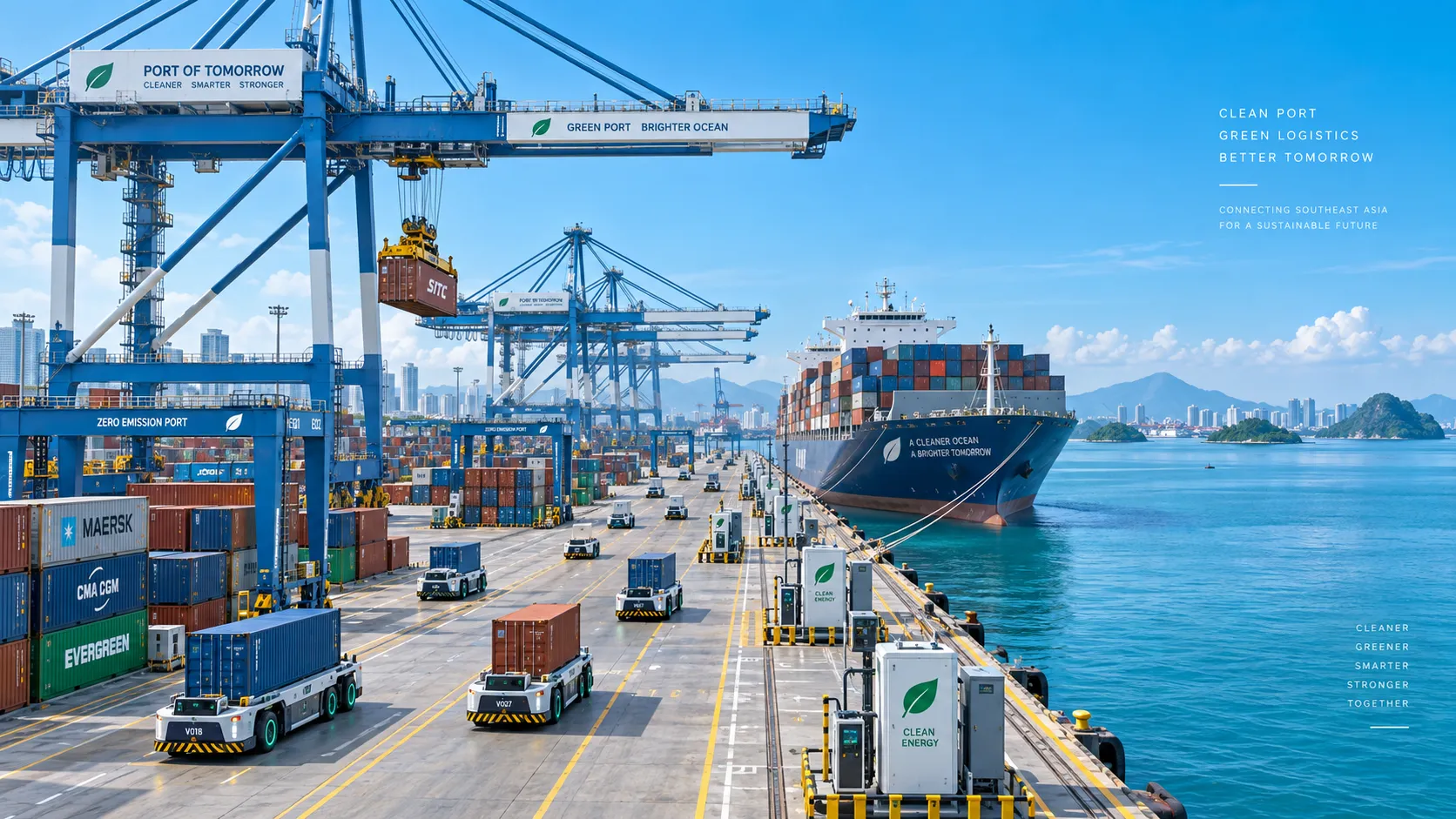
Smart Port Systems in Southeast Asia: Investment Priorities and Adoption Barriers
Smart port systems Southeast Asia: discover investment priorities, adoption barriers, and practical steps to build resilient, connected, high-performing terminals.

How to Evaluate Terminal Efficiency Solution Suppliers for High-Throughput Operations
Choose a terminal efficiency solutions supplier with confidence. Explore proven criteria for throughput, integration, lifecycle cost, safety, and reliable delivery.
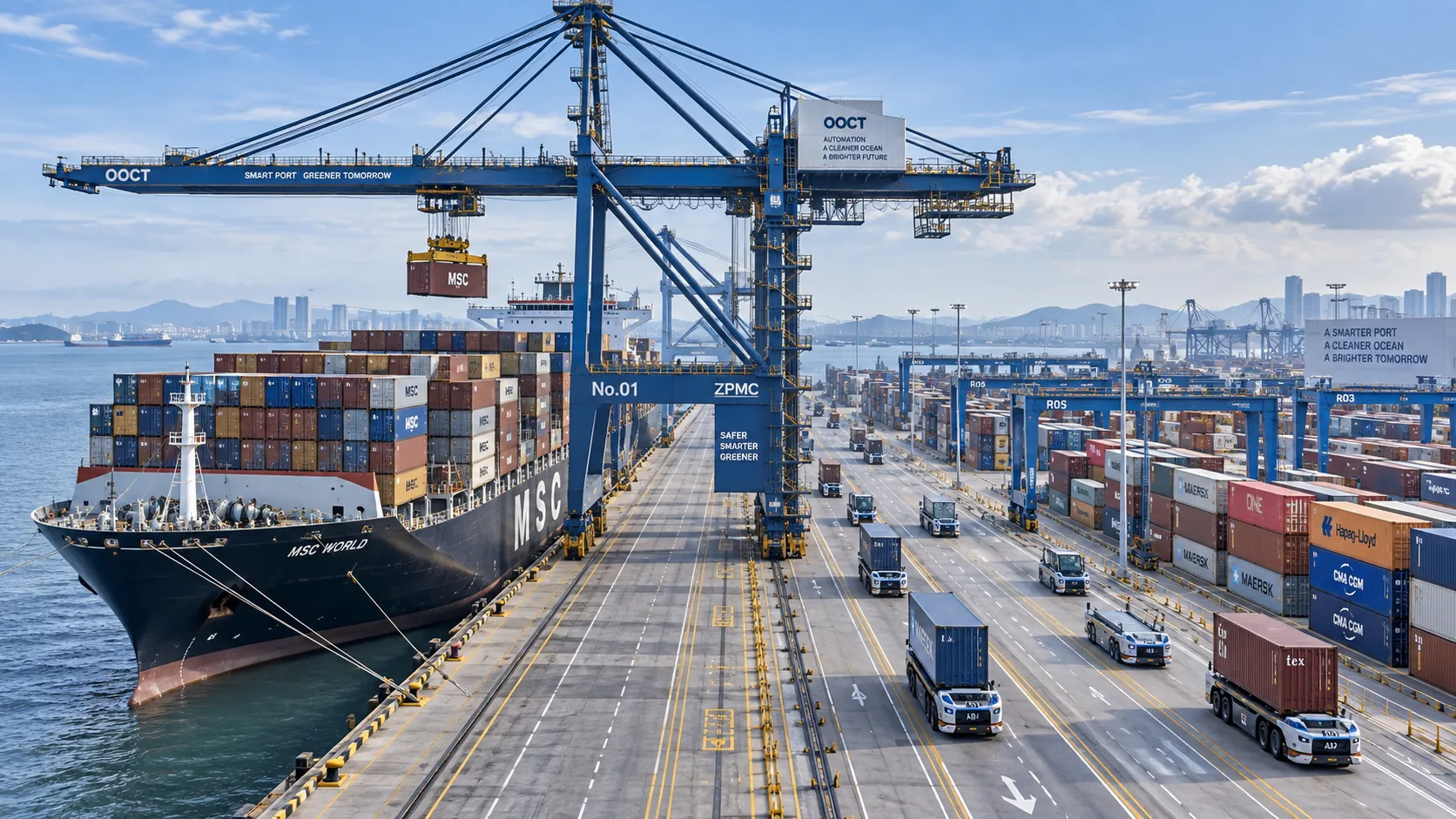
How to Specify a Quay Crane for Container Terminals by Vessel Size and Throughput?
Quay crane for container terminals: learn how to match outreach, lift height, capacity, automation, and cycle performance to vessel size and throughput goals.
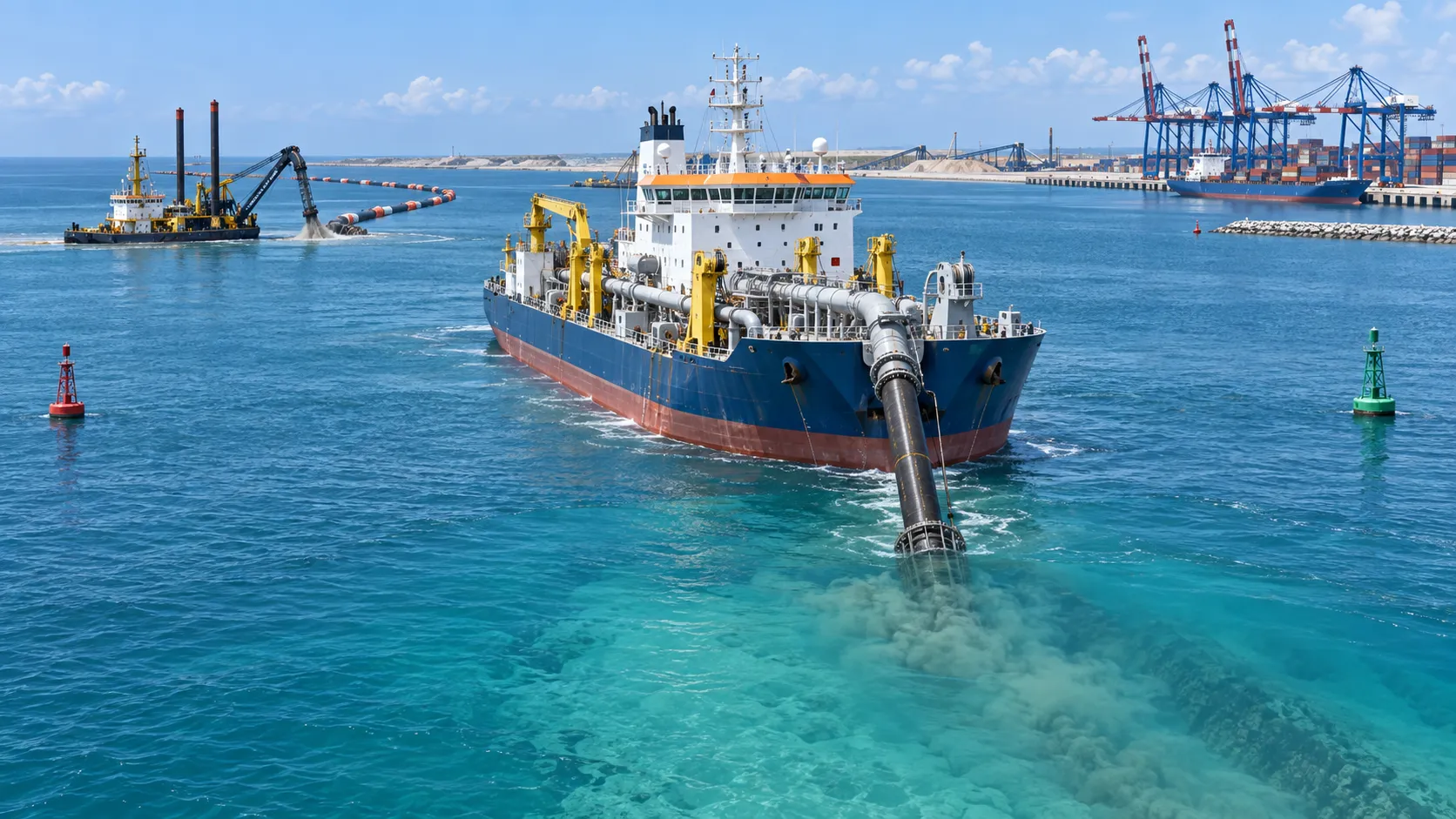
What Dredging Equipment Is Needed for Channel Deepening?
What dredging equipment is needed for channel deepening? Explore dredgers, pipelines, survey tools, and planning strategies for safer, more efficient port access.
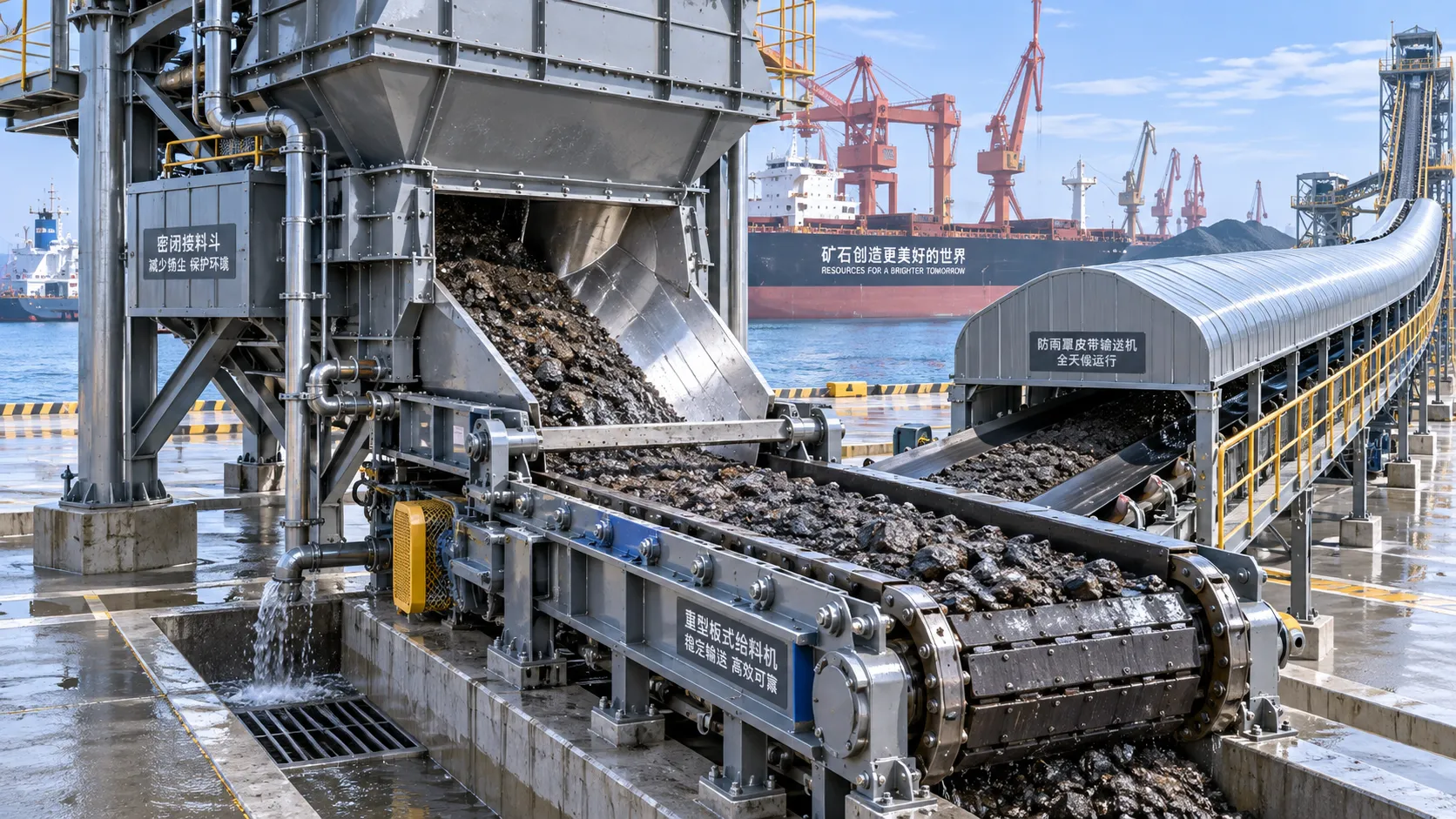
Which Bulk Handling Equipment Suits High-Moisture Cargo?
Which bulk handling equipment suits high-moisture cargo? Compare belt, apron, screw, drag, and slurry systems for reliable flow, less carryback, and higher terminal uptime.
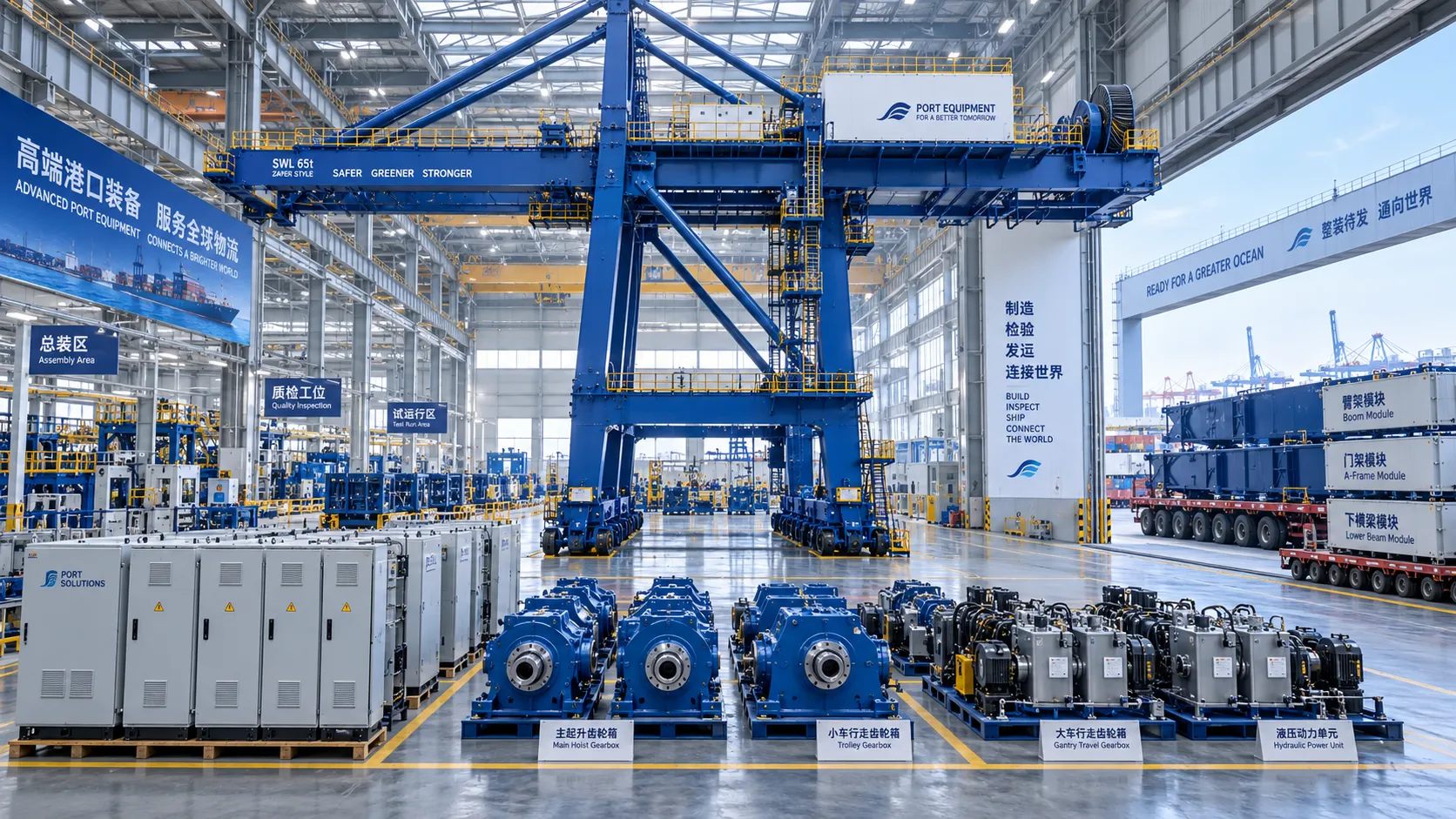
How Can Port Equipment Lead-Time Risk Be Managed?
How can port equipment lead-time risk be managed? Explore practical strategies to control critical paths, suppliers, transport, site readiness, and commissioning delays.
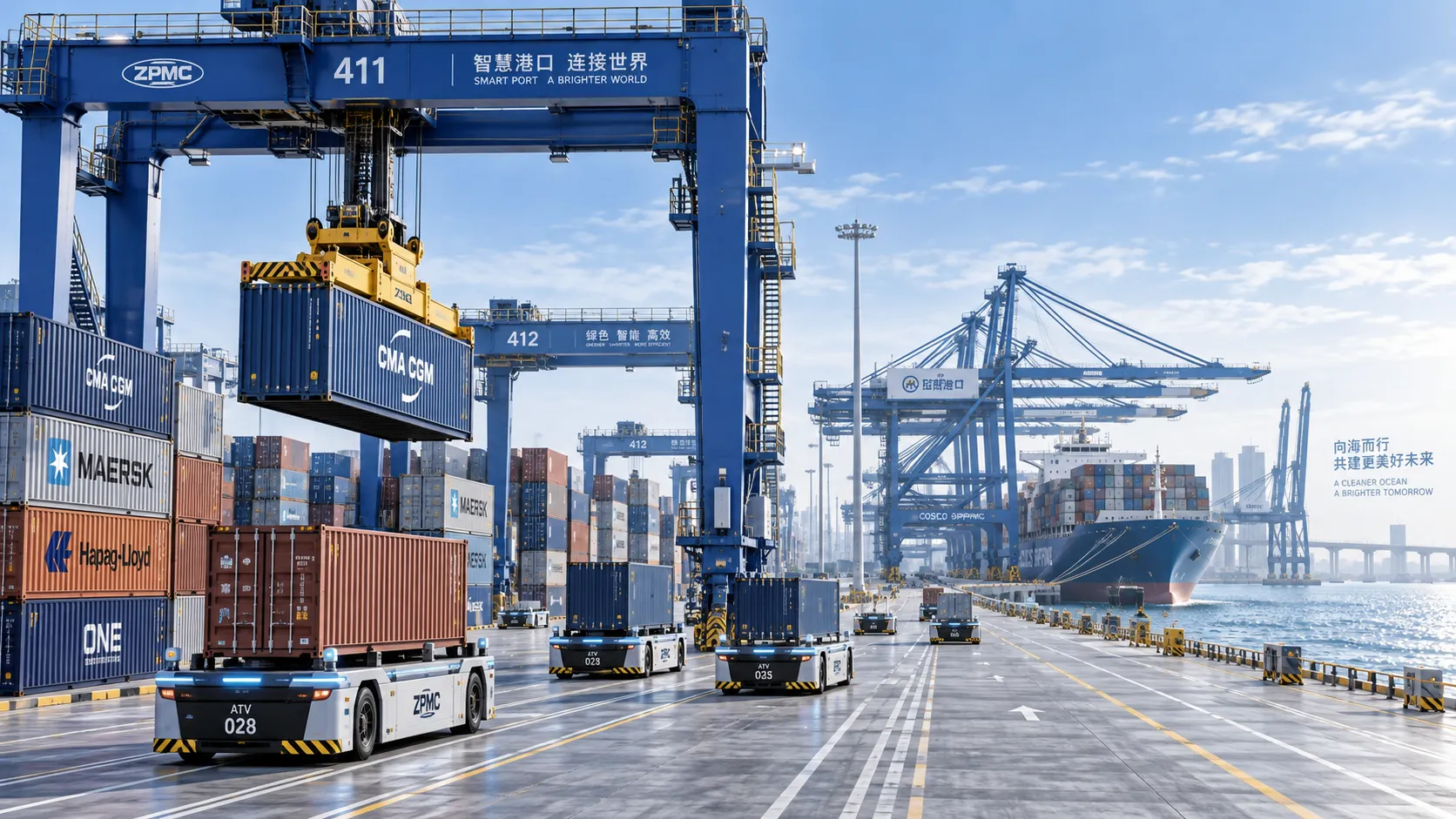
Terminal Automation Technologies That Raise Container Throughput Without Yard Disruption
Terminal automation technology that increases container throughput without disrupting yard flow. Explore smarter integration, resilient workflows, and phased deployment strategies.
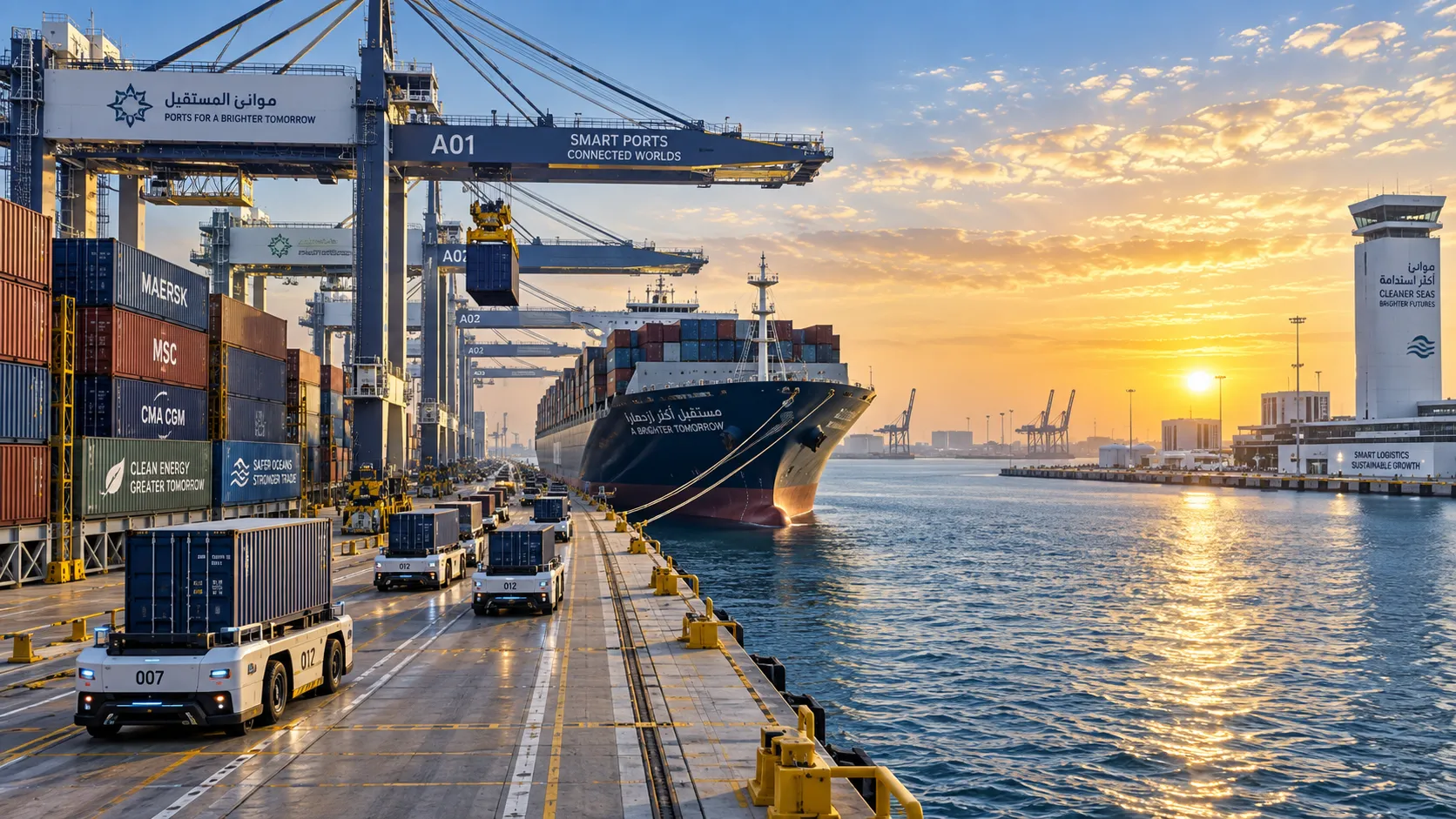
Middle East Port Automation: Key Market Drivers, Projects, and Investment Risks
Port automation systems Middle East: explore market drivers, flagship projects, integration challenges, and investment risks shaping smarter, resilient terminals.
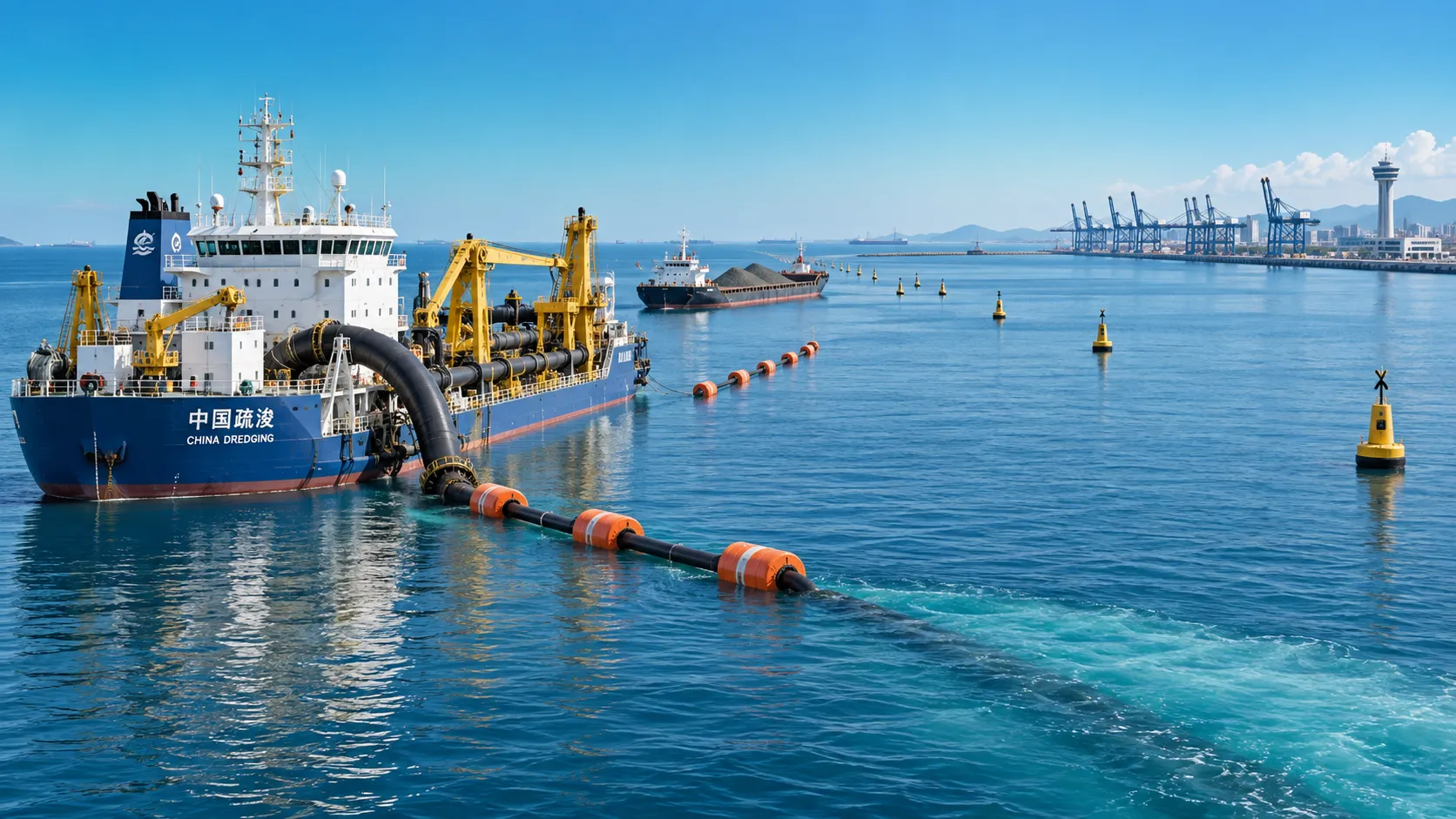
Planning Offshore Dredging Operations: Key Risks, Methods, and Project Controls
Offshore dredging operations demand smart planning. Explore key risks, proven methods, environmental controls, and project strategies for reliable delivery.