Related News
- 00
0000-00
How Can Port Equipment Lead-Time Risk Be Managed? - 00
0000-00
Maritime Logistics Operations: How Ports Can Reduce Container Dwell Time - 00
0000-00
What Does Logistics Node Monitoring Cost Across Warehouses and Transport Hubs? - 00
0000-00
How Can IoT Smart Port Solutions Improve Container Tracking and Yard Efficiency? - 00
0000-00
How Real-Time Port Logistics Intelligence Improves Container Yard Efficiency
Maritime Infrastructure Planning: How to Reduce Delays in Multi-Contract Port Projects
Why Maritime Infrastructure Planning Fails in Multi-Contract Port Projects
In multi-contract port developments, delays rarely come from one supplier alone.
They usually appear at the edges between civil works, dredging, utilities, controls, and terminal equipment.
That is why maritime infrastructure planning must focus on interfaces, not only individual scopes.
For quality and safety outcomes, this is where schedule pressure becomes real project risk.
One package may finish on time, yet the berth still waits for cable routing, pavement curing, or crane commissioning windows.
In practice, weak maritime infrastructure planning creates hidden float loss long before teams notice visible slippage.
The stronger signal is simple.
Documents move, but field readiness does not.
Design gets approved, but lifting zones clash with adjacent contractors.
Equipment ships, but foundations are still under review.
When that pattern appears, delay is already underway.
Start with an Interface Map, Not a Contract List
A contract list shows ownership.
An interface map shows where delay will happen.
Good maritime infrastructure planning starts by identifying every handoff that can stop progress.
This includes physical, procedural, digital, and safety interfaces.
- Quay wall completion versus crane rail installation readiness.
- Dredging progress versus marine access for heavy lifts.
- Substation energization versus automation system testing.
- Traffic control plans versus overlapping workfront access.
- QA release points versus supplier delivery schedules.
This approach matters because ports are dense operating environments.
A single blocked corridor can affect civil teams, commissioning crews, and emergency response routes at once.
When maritime infrastructure planning is built around interfaces, teams see constraints early enough to act.
What to document in the interface map
- Scope boundary and exact handoff point.
- Required documents, inspections, and hold points.
- Access, lifting, weather, and marine constraints.
- Responsible parties for approval and release.
- Latest acceptable date before critical delay begins.
Align Design Freeze Dates with Real Site Conditions
Many port delays start inside the design process.
Drawings may be technically complete, yet still disconnected from field reality.
Effective maritime infrastructure planning ties design freeze dates to verified site facts.
That means survey updates, geotechnical confirmation, utility conflicts, and sequencing constraints must be current.
This is especially important in projects involving automated container handling, shore power, or complex drainage modifications.
A late design adjustment can ripple into steel fabrication, cable lengths, software logic, and safety clearances.
In short, maritime infrastructure planning should treat design assumptions as schedule-sensitive risk items.
A practical design control routine
- Review design packages against current construction sequence.
- Confirm all temporary works and safe access assumptions.
- Check supplier data against approved civil tolerances.
- Freeze only after unresolved interfaces have owners and dates.
- Track every late change by schedule impact, not only by engineering status.
Use Quality Gates to Prevent Rework from Becoming Delay
Rework is one of the most expensive schedule killers in maritime infrastructure.
It also creates safety exposure because crews return to areas that should already be controlled or closed.
Strong maritime infrastructure planning builds quality gates before downstream work starts.
These gates should be linked to measurable acceptance criteria, not informal readiness opinions.
For example, crane beam alignment, pavement flatness, earthing continuity, and drainage performance should be released with evidence.
That sounds basic, but it often gets compressed when delivery pressure rises.
Where quality gates reduce delay most
- Before embedding anchor systems or rail plates.
- Before energizing substations or switchgear rooms.
- Before handover from dredging to marine structure works.
- Before software commissioning in partially active terminals.
- Before final logistics routes are opened for heavy equipment delivery.
The key is discipline.
If a gate is bypassed once, the project usually pays twice.
Treat Safety Controls as Schedule Enablers
There is a common mistake in stressed projects.
Safety is viewed as a compliance layer that slows work.
In reality, well-planned safety controls protect schedule certainty.
This is particularly true in maritime infrastructure planning, where marine weather, heavy lifting, live utilities, and mixed traffic create fast-changing conditions.
A permit that is not aligned with real sequencing causes waiting, work stoppage, or rushed workarounds.
A clear control plan, by contrast, keeps crews moving within safe boundaries.
Safety controls that support on-time delivery
- Shared lift plans for overlapping contractor zones.
- Daily access maps for vehicles, pedestrians, and emergency response.
- Weather thresholds tied to actual workfront decisions.
- Isolation logs linked to energization and commissioning milestones.
- Pre-task reviews for interface work with changing adjacent conditions.
When safety controls are integrated into maritime infrastructure planning, fewer surprises reach the field.
Protect the Supply Chain for Long-Lead Port Equipment
Port projects depend on long-lead items more than many other infrastructure programs.
Ship-to-shore cranes, RTGs, AGV systems, switchgear, dragheads, pumps, and control hardware are all schedule-critical.
This means maritime infrastructure planning must extend deep into supplier manufacturing and logistics visibility.
It is not enough to track promised delivery dates.
You need inspection status, factory hold points, transport windows, customs readiness, and site receiving capability.
A delayed component often creates a second delay when the site is not ready to recover quickly.
That recovery gap is where many project teams lose control.
How to reduce equipment-driven schedule slippage
- Flag long-lead equipment in the master risk register.
- Connect factory milestones to installation readiness reviews.
- Verify packaging, transport, and port-side lifting constraints early.
- Prepare contingency sequencing if one equipment stream slips.
- Protect storage, preservation, and inspection after arrival.
Run One Integrated Readiness Meeting Each Week
Status meetings often create noise instead of action.
For port developments, a better method is a single integrated readiness meeting.
This meeting should focus on the next two to six weeks.
The purpose is not reporting.
The purpose is to confirm whether planned work can truly start and finish safely.
This is where maritime infrastructure planning becomes operational instead of theoretical.
- Review access, permits, drawings, materials, and inspections together.
- Challenge each workfront for hidden dependencies.
- Escalate unresolved conflicts immediately.
- Record owner, action, and deadline in one visible log.
If teams leave with only updates, the meeting failed.
If they leave with cleared constraints, the project moves.
The PS-Nexus View: Better Intelligence Creates Better Port Delivery
From the PS-Nexus perspective, maritime infrastructure planning now depends on better intelligence stitching across equipment, engineering, and operations.
Mega terminal gear, automated handling systems, and dredging engineering no longer perform as isolated packages.
They succeed when technical data, sequencing logic, and field controls are synchronized early.
That is also why high-authority intelligence has become a practical delivery tool, not just a strategic reference.
Teams need visibility into equipment evolution, supplier constraints, remote-control systems, and marine construction risk signals.
The earlier that visibility enters maritime infrastructure planning, the lower the chance of late-stage disruption.
Final Actions to Reduce Delays Before They Start
Reducing delay in a port project is rarely about one dramatic fix.
It comes from repeated control over small, high-risk interfaces.
The most effective maritime infrastructure planning is practical, visible, and disciplined.
- Map interfaces before workfronts collide.
- Freeze design against verified field conditions.
- Use quality gates to stop rework early.
- Build safety controls into sequencing decisions.
- Track long-lead equipment beyond delivery promises.
- Run readiness meetings that remove constraints fast.
In real projects, these actions do more than protect schedule.
They improve compliance, reduce field stress, and support safer delivery across every contractor boundary.
If the goal is fewer surprises at the quay, stronger maritime infrastructure planning is the first move that pays back.
Related News
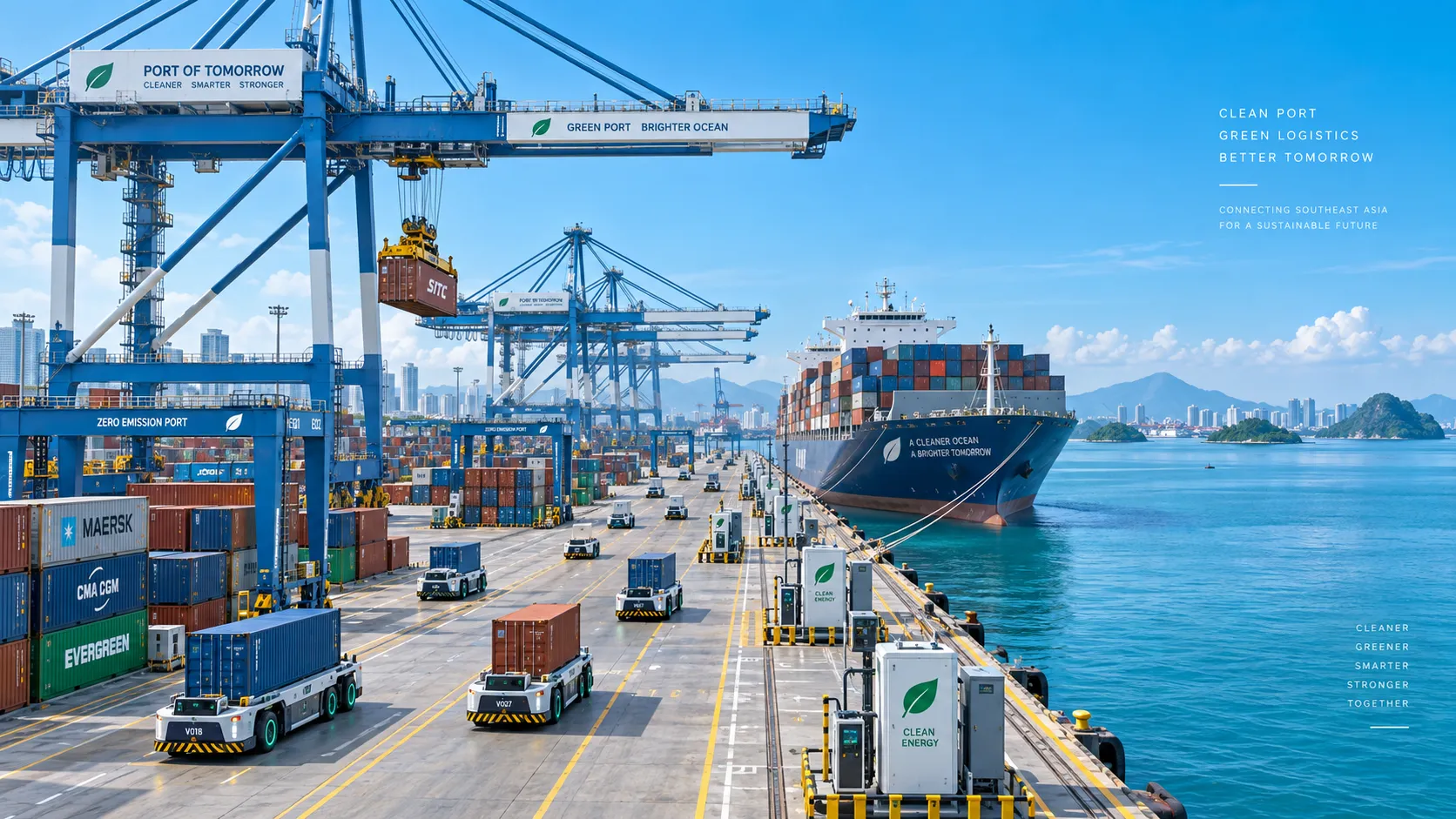
Smart Port Systems in Southeast Asia: Investment Priorities and Adoption Barriers
Smart port systems Southeast Asia: discover investment priorities, adoption barriers, and practical steps to build resilient, connected, high-performing terminals.

How to Evaluate Terminal Efficiency Solution Suppliers for High-Throughput Operations
Choose a terminal efficiency solutions supplier with confidence. Explore proven criteria for throughput, integration, lifecycle cost, safety, and reliable delivery.
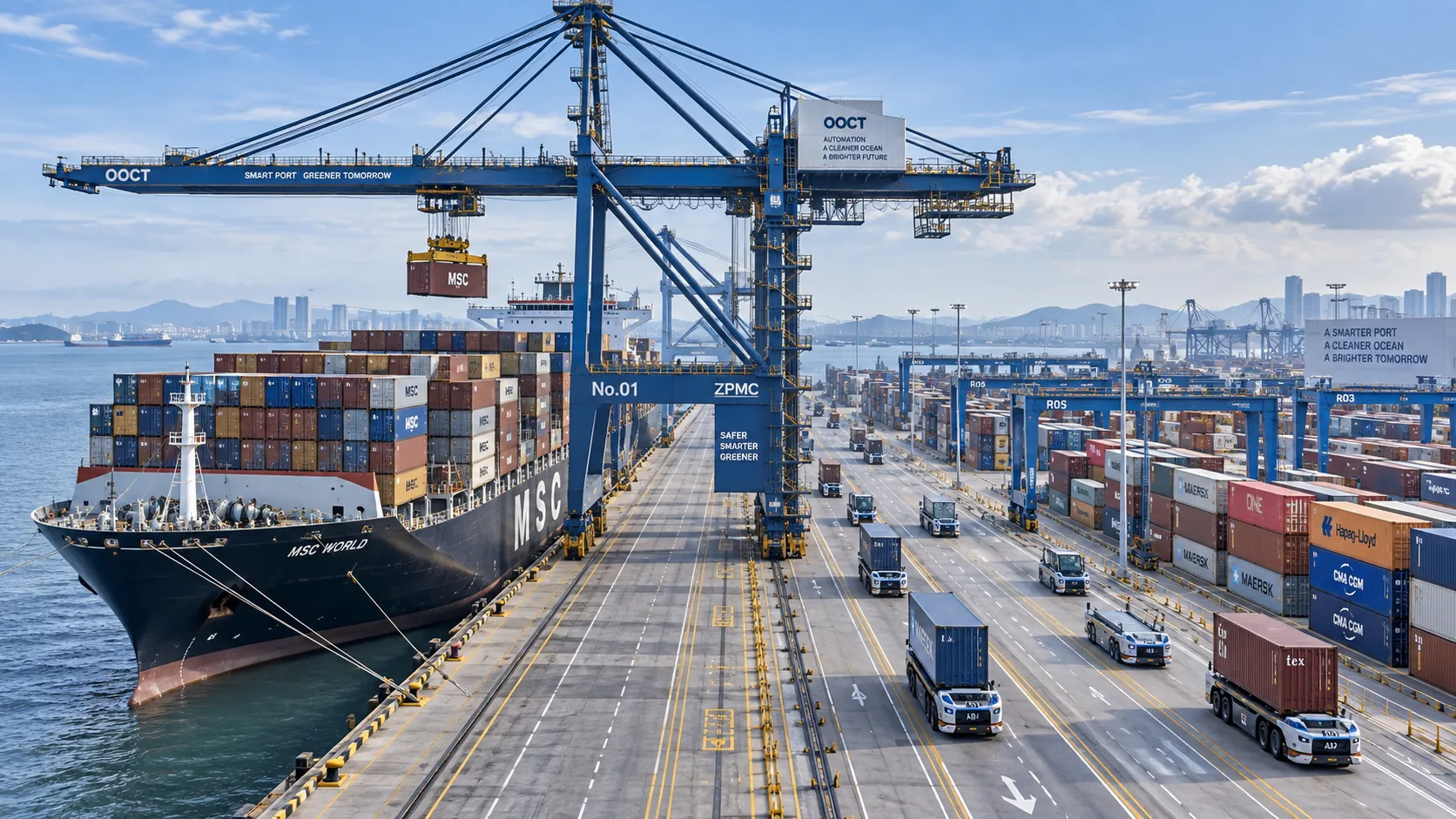
How to Specify a Quay Crane for Container Terminals by Vessel Size and Throughput?
Quay crane for container terminals: learn how to match outreach, lift height, capacity, automation, and cycle performance to vessel size and throughput goals.
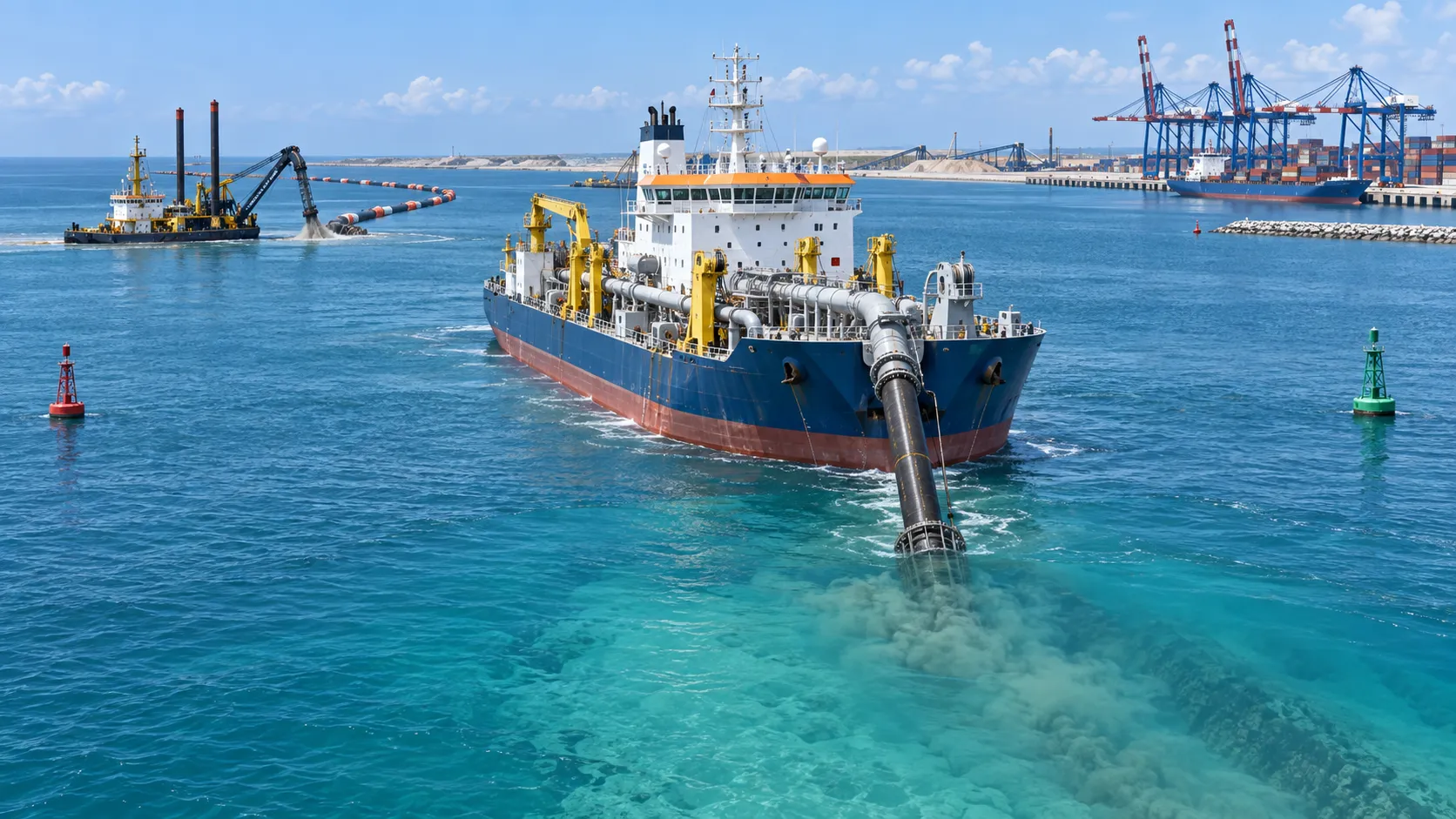
What Dredging Equipment Is Needed for Channel Deepening?
What dredging equipment is needed for channel deepening? Explore dredgers, pipelines, survey tools, and planning strategies for safer, more efficient port access.
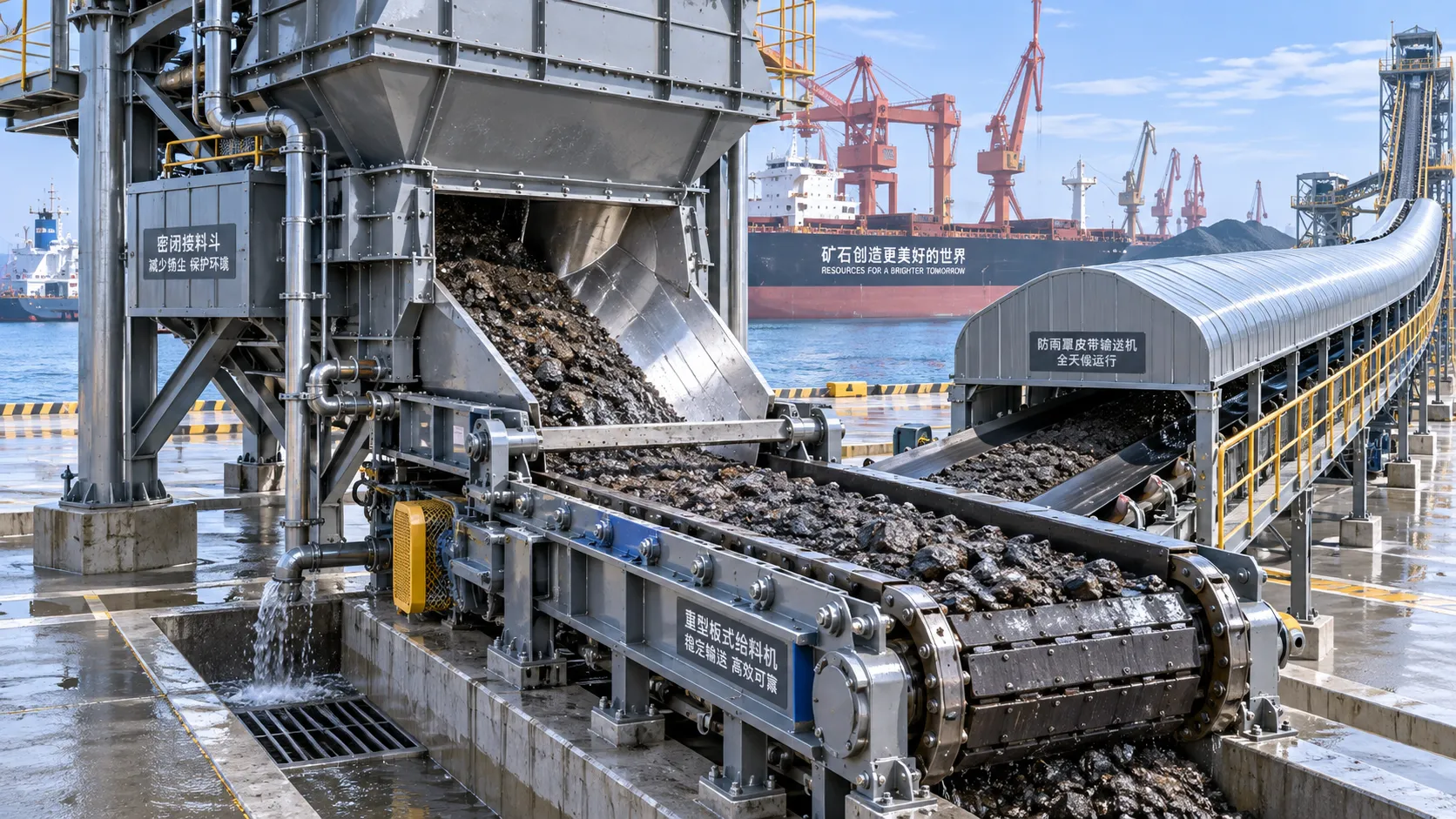
Which Bulk Handling Equipment Suits High-Moisture Cargo?
Which bulk handling equipment suits high-moisture cargo? Compare belt, apron, screw, drag, and slurry systems for reliable flow, less carryback, and higher terminal uptime.
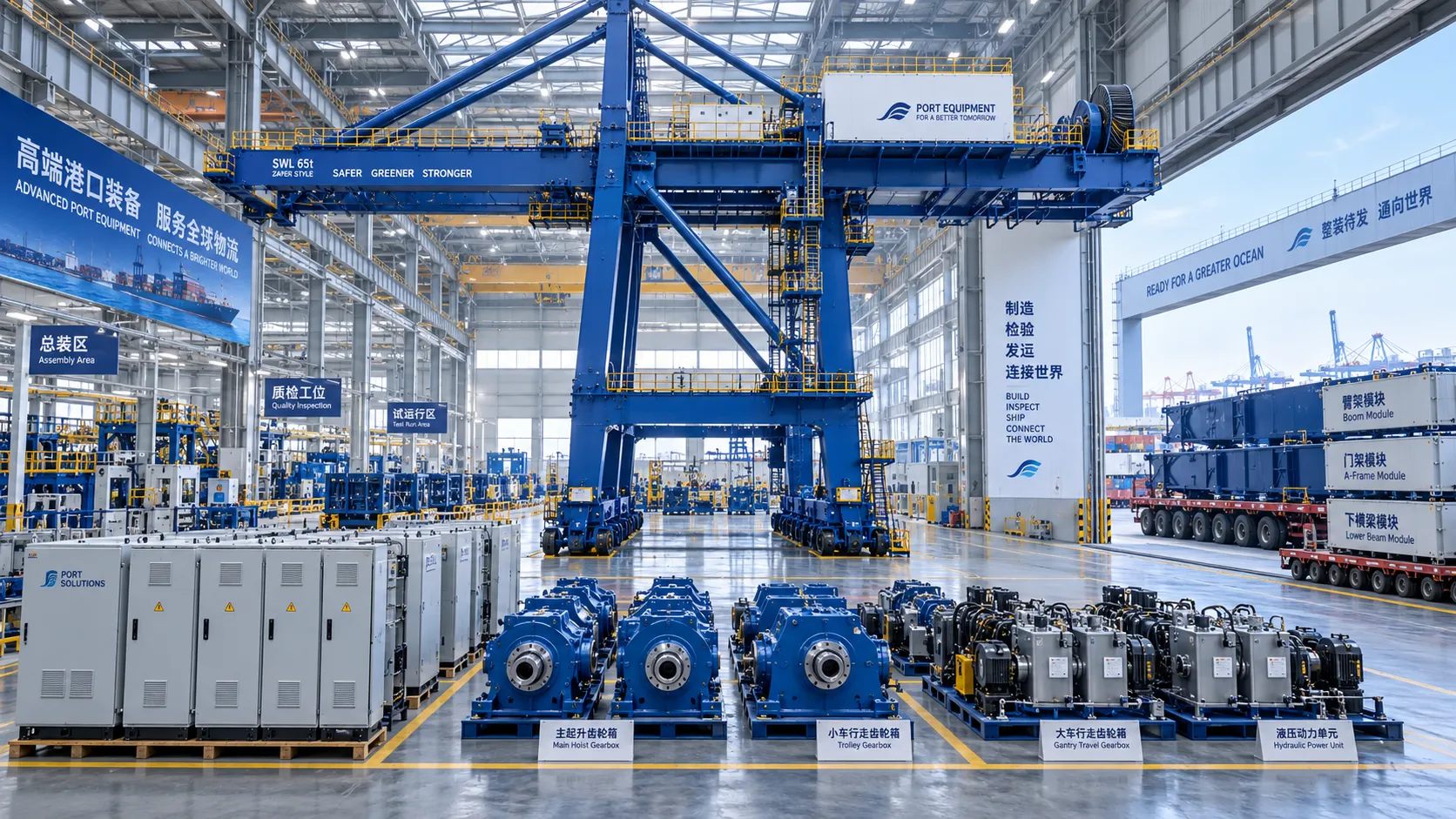
How Can Port Equipment Lead-Time Risk Be Managed?
How can port equipment lead-time risk be managed? Explore practical strategies to control critical paths, suppliers, transport, site readiness, and commissioning delays.
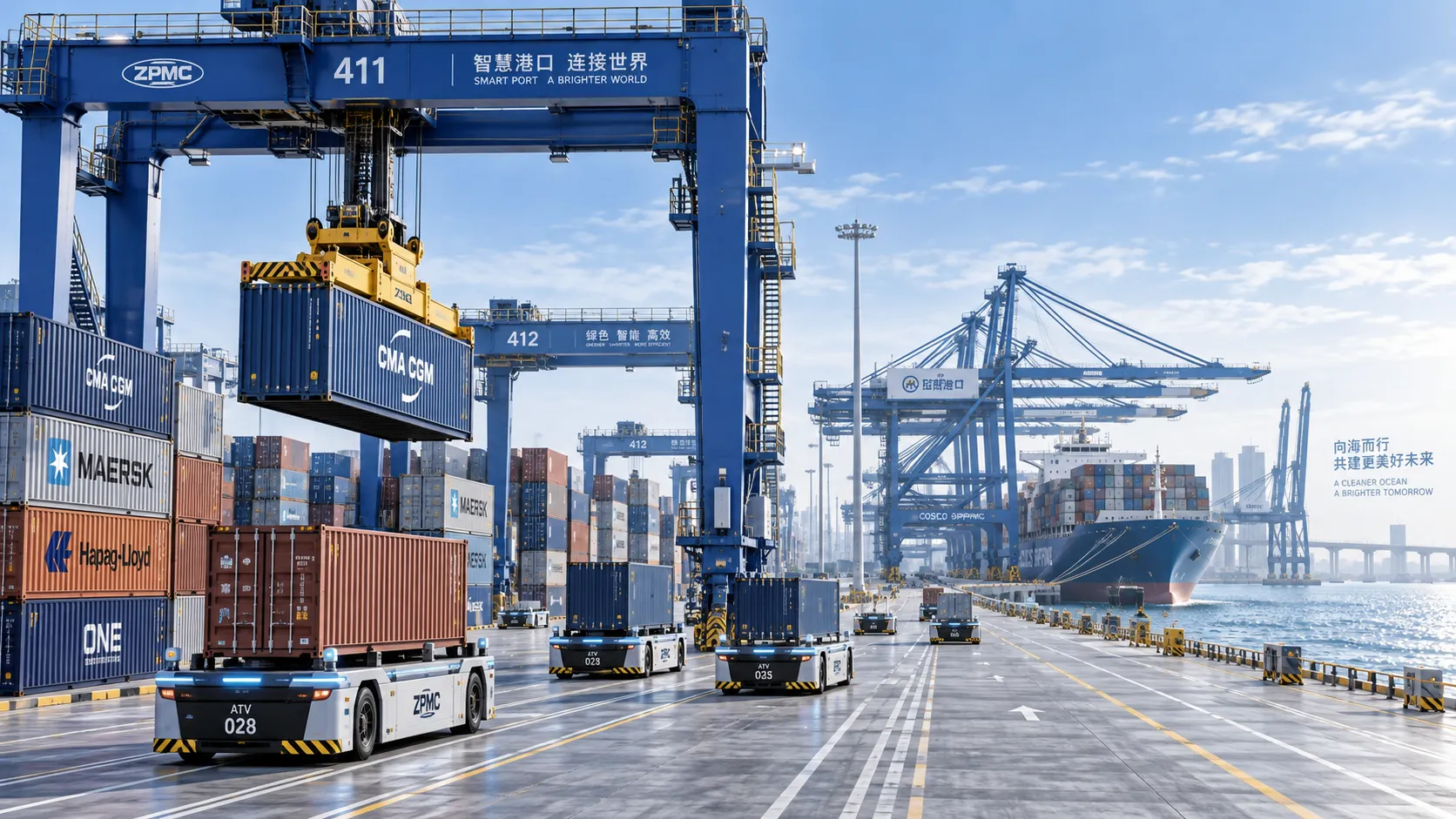
Terminal Automation Technologies That Raise Container Throughput Without Yard Disruption
Terminal automation technology that increases container throughput without disrupting yard flow. Explore smarter integration, resilient workflows, and phased deployment strategies.
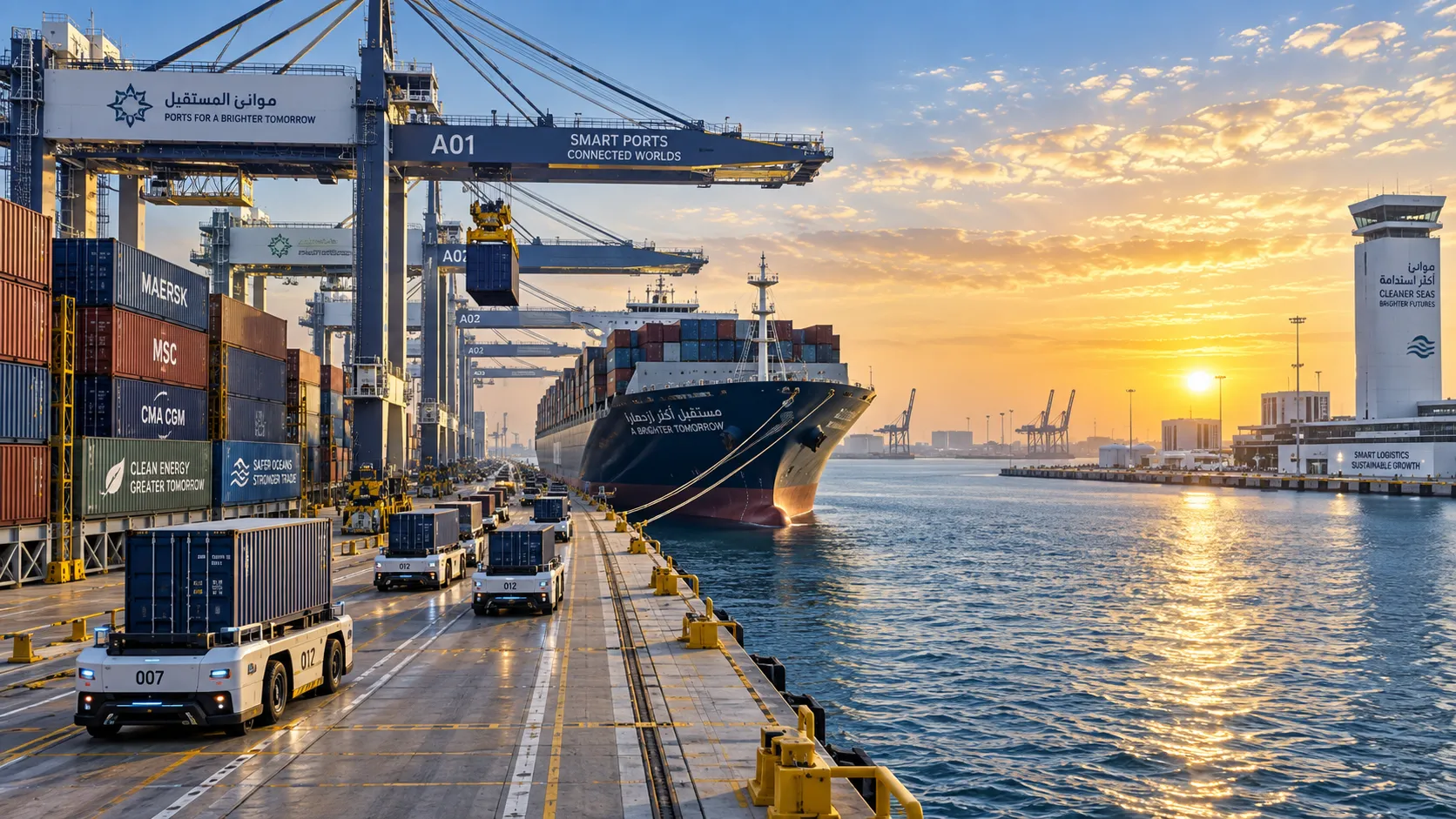
Middle East Port Automation: Key Market Drivers, Projects, and Investment Risks
Port automation systems Middle East: explore market drivers, flagship projects, integration challenges, and investment risks shaping smarter, resilient terminals.
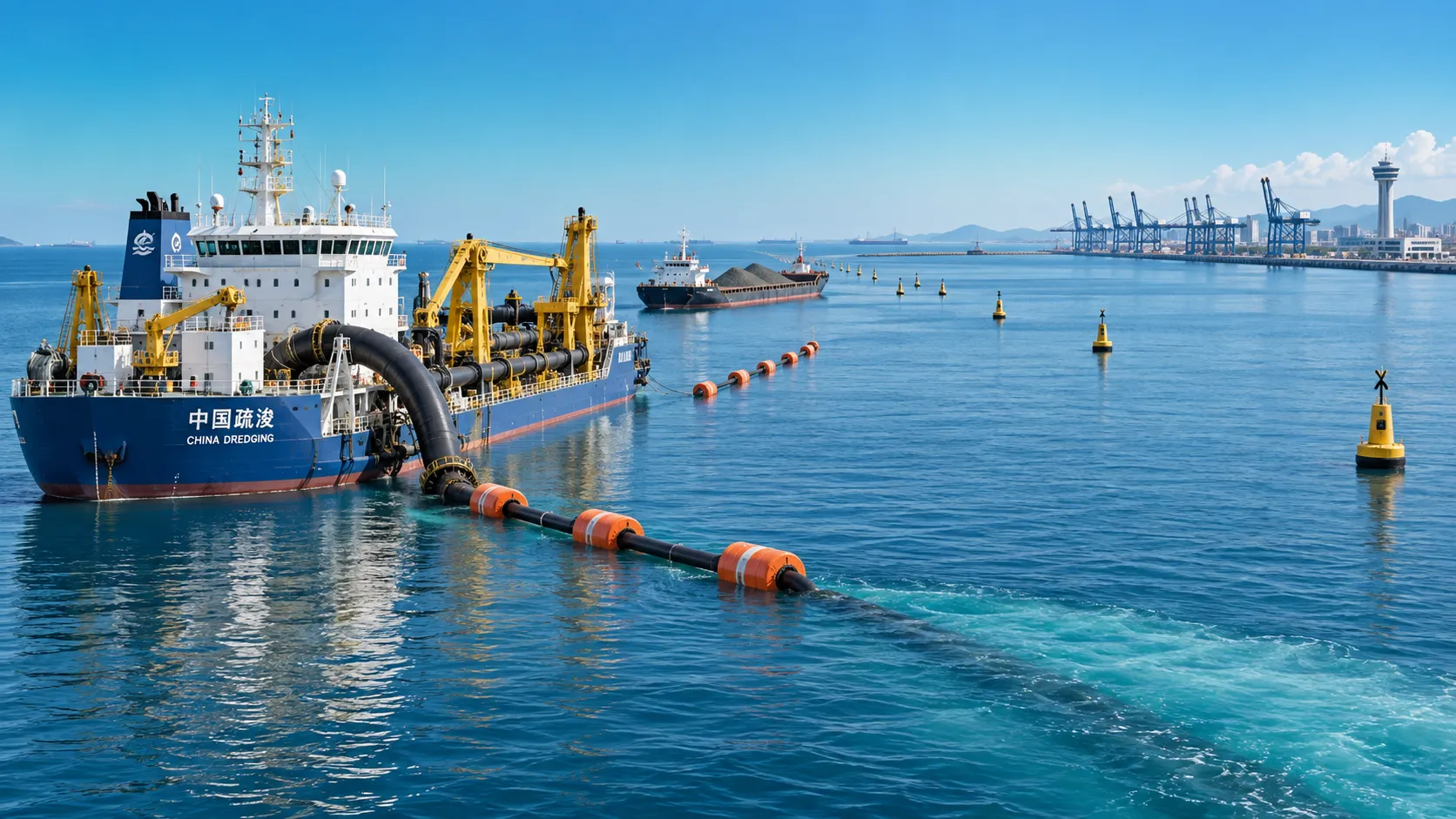
Planning Offshore Dredging Operations: Key Risks, Methods, and Project Controls
Offshore dredging operations demand smart planning. Explore key risks, proven methods, environmental controls, and project strategies for reliable delivery.