Related News
- 00
0000-00
How to Specify a Quay Crane for Container Terminals by Vessel Size and Throughput? - 00
0000-00
Which Bulk Handling Equipment Suits High-Moisture Cargo? - 00
0000-00
Terminal Automation Technologies That Raise Container Throughput Without Yard Disruption - 00
0000-00
Planning Offshore Dredging Operations: Key Risks, Methods, and Project Controls - 00
0000-00
Where Do Automated Guided Vehicles Deliver the Fastest Warehouse Gains in the Middle East?
How to Compare Dredging Technology for Port Expansion: Methods, Limits, and Cost Drivers
How to Compare Dredging Technology for Port Expansion: Methods, Limits, and Cost Drivers
Choosing the right dredging technology can decide whether a port expansion hits depth targets, stays on schedule, and protects long-term returns.
For port planners, the real challenge is not just comparing output per hour.
A sound dredging technology review also looks at soil behavior, environmental windows, disposal routes, vessel access, and total cost exposure.
That is where a practical evaluation framework becomes far more useful than a simple equipment brochure.
Start with the Expansion Objective
Before comparing dredging technology, define the port expansion goal in measurable terms.
That means target depth, channel width, berth pocket geometry, side slope stability, and future maintenance expectations.
In practice, many selection mistakes begin when teams compare machines before confirming the real excavation profile.
A capital dredging campaign for a new container berth differs greatly from maintenance dredging in an existing fairway.
This also affects how you judge productivity, risk, and commercial value over the project life.
Key questions to settle early
- Is the work mostly sand, silt, clay, gravel, or weathered rock?
- Do you need precision trimming near quay walls or broad bulk removal offshore?
- Will material be pumped to reclamation land, barged away, or disposed at sea?
- Are there tidal limits, traffic windows, or habitat restrictions?
- How important are fuel efficiency, emissions, and lifecycle maintenance?
Compare the Main Dredging Technology Options
Most port expansion studies compare several common dredging technology routes.
Each one has strengths, limits, and cost implications that appear only when matched to real site conditions.
Trailing suction hopper dredger
A trailing suction hopper dredger works well in loose soils, especially sand, silt, and soft sediments.
It offers strong production on open water sections and can combine excavation, transport, and disposal in one cycle.
Its limits become clearer in very stiff clay, confined basins, and areas needing tight bottom tolerances.
Cutter suction dredger
A cutter suction dredger is often preferred when harder material must be loosened and pumped continuously.
This dredging technology fits reclamation projects well because slurry can move directly through pipelines.
However, pipeline logistics, swing space, and sensitivity to busy marine traffic can reduce its flexibility.
Backhoe and grab dredger
Backhoe and grab systems are valuable for precise excavation near structures and in tighter work zones.
They can handle mixed materials and are useful where selectivity matters.
The tradeoff is lower bulk output and more dependence on barges, transport cycles, and support vessels.
Mechanical versus hydraulic comparison
A useful way to compare dredging technology is to separate mechanical digging from hydraulic pumping, then test each against site realities.
Match Soil Conditions to Method Performance
Soil data should drive the first serious decision.
Without a solid geotechnical baseline, any dredging technology comparison becomes weak very quickly.
Recent projects show that mixed strata create the biggest gap between estimated and actual production.
Soft mud may look simple, but overflow controls, turbidity limits, and low solids concentration can cut effective output.
Dense sand may support strong pumping rates, yet wear parts and booster needs can raise operating cost.
Stiff clay or rock fragments may push the project toward cutter, backhoe, or even pre-treatment methods.
Minimum data set for comparison
- Boreholes and sampling across full dredge depth
- Particle size distribution and plasticity data
- In situ strength or density indicators
- Contamination screening for disposal planning
- Expected variability between channel, berth, and turning basin zones
Assess the Real Operating Limits
A dredging technology may look ideal on paper but fail under local operating constraints.
This is often where schedule risk enters the business case.
Wave climate, tide range, berth occupancy, and vessel traffic management can all reshape actual utilization.
Environmental permits can impose turbidity thresholds, noise limits, fisheries windows, and overflow restrictions.
For nearshore terminals, community pressure may also affect working hours and disposal routes.
In other words, comparing dredging technology means comparing usable production, not nameplate capacity.
Common limit categories
- Metocean limits that reduce available working days
- Navigation limits around active terminals
- Draft restrictions for large dredgers
- Pipeline corridor conflicts on reclamation projects
- Environmental compliance rules affecting disposal and overflow
Break Down the True Cost Drivers
Cost comparison should go beyond day rate.
A low headline price can become expensive if production assumptions are weak or support logistics are underestimated.
The more reliable approach is to compare unit cost per in situ cubic meter under realistic operating conditions.
That requires looking at both direct and indirect cost drivers.
Major direct cost drivers
- Equipment day rate or charter cost
- Fuel burn and energy demand
- Wear parts, cutter teeth, pumps, and pipes
- Booster stations, barges, and tugs
- Crew, mobilization, and demobilization
Major indirect cost drivers
- Schedule delay from weather or permit windows
- Rehandling of dredged material
- Disposal site distance and fees
- Rework caused by poor accuracy or slope instability
- Downtime from unexpected ground conditions
For PS-Nexus readers, this is usually the point where technical selection and commercial strategy finally meet.
Use a Simple Evaluation Matrix
A structured matrix makes dredging technology comparison more defendable during internal review and contractor dialogue.
It also helps separate preferences from evidence.
Weight each criterion based on project priorities, then test at least two dredging technology scenarios.
Watch for Common Selection Errors
Several mistakes appear again and again in port expansion programs.
The first is relying on average ground data instead of zone-specific conditions.
The second is assuming contractor fleet availability matches the ideal technical choice.
Another common issue is ignoring disposal complexity until late procurement stages.
More importantly, teams sometimes compare dredging technology without accounting for long-term maintenance behavior after expansion.
That can create a cheaper capital job but a more expensive channel over the next decade.
Build a Better Decision Case
The best dredging technology choice is rarely the most powerful vessel or the lowest unit bid.
It is the option that fits soil reality, operating limits, disposal strategy, and commercial risk with the fewest surprises.
For expansion teams, a strong comparison process starts with clear geometry, credible geotechnical data, and realistic productivity assumptions.
Then it tests each dredging technology against environmental constraints, logistics, and total delivered cost.
That approach supports cleaner tender strategy, stronger negotiation, and fewer execution shocks.
If the next port expansion decision is approaching, start by challenging assumptions early and scoring each method on real project conditions, not generic benchmarks.
Related News
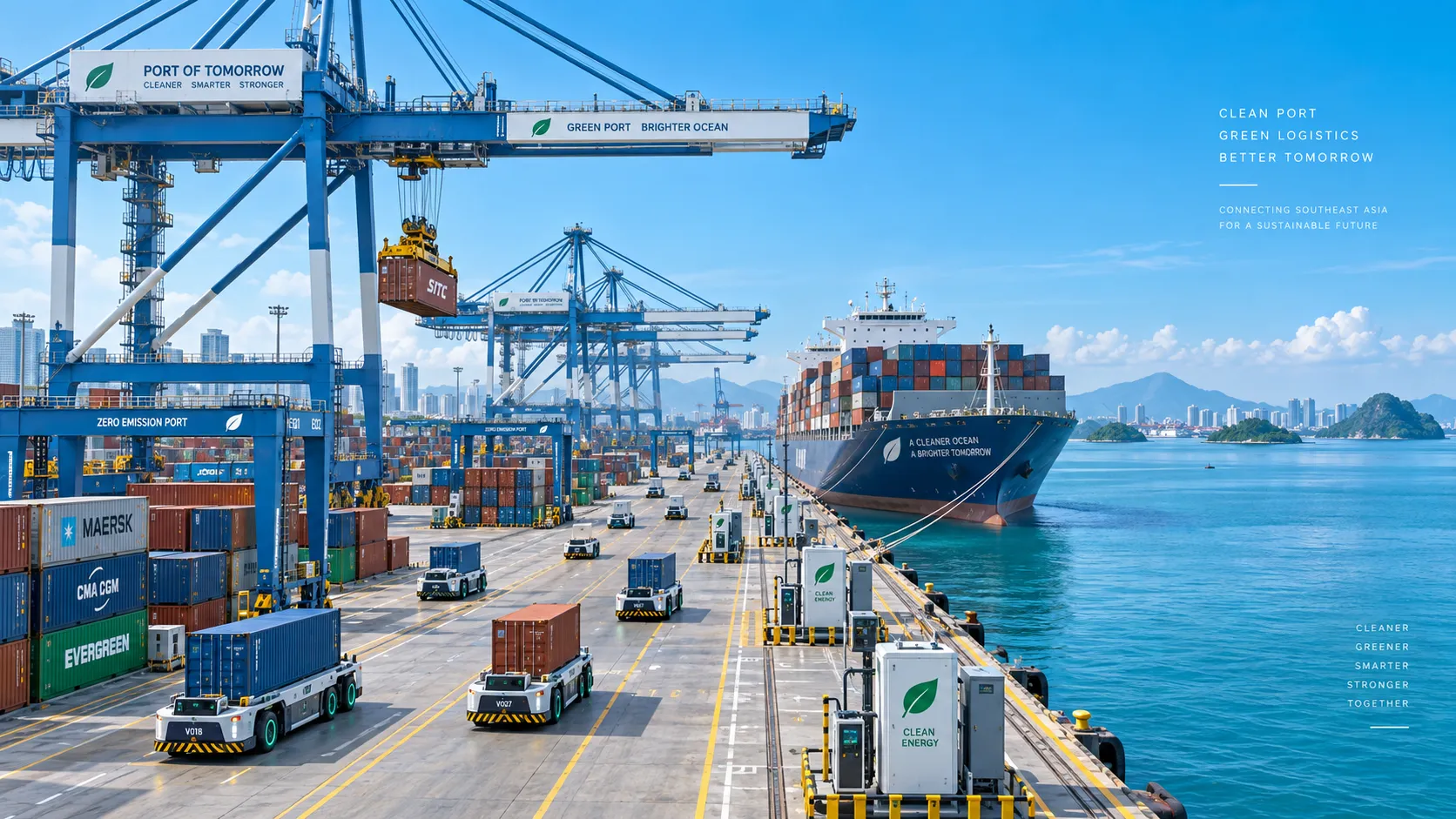
Smart Port Systems in Southeast Asia: Investment Priorities and Adoption Barriers
Smart port systems Southeast Asia: discover investment priorities, adoption barriers, and practical steps to build resilient, connected, high-performing terminals.
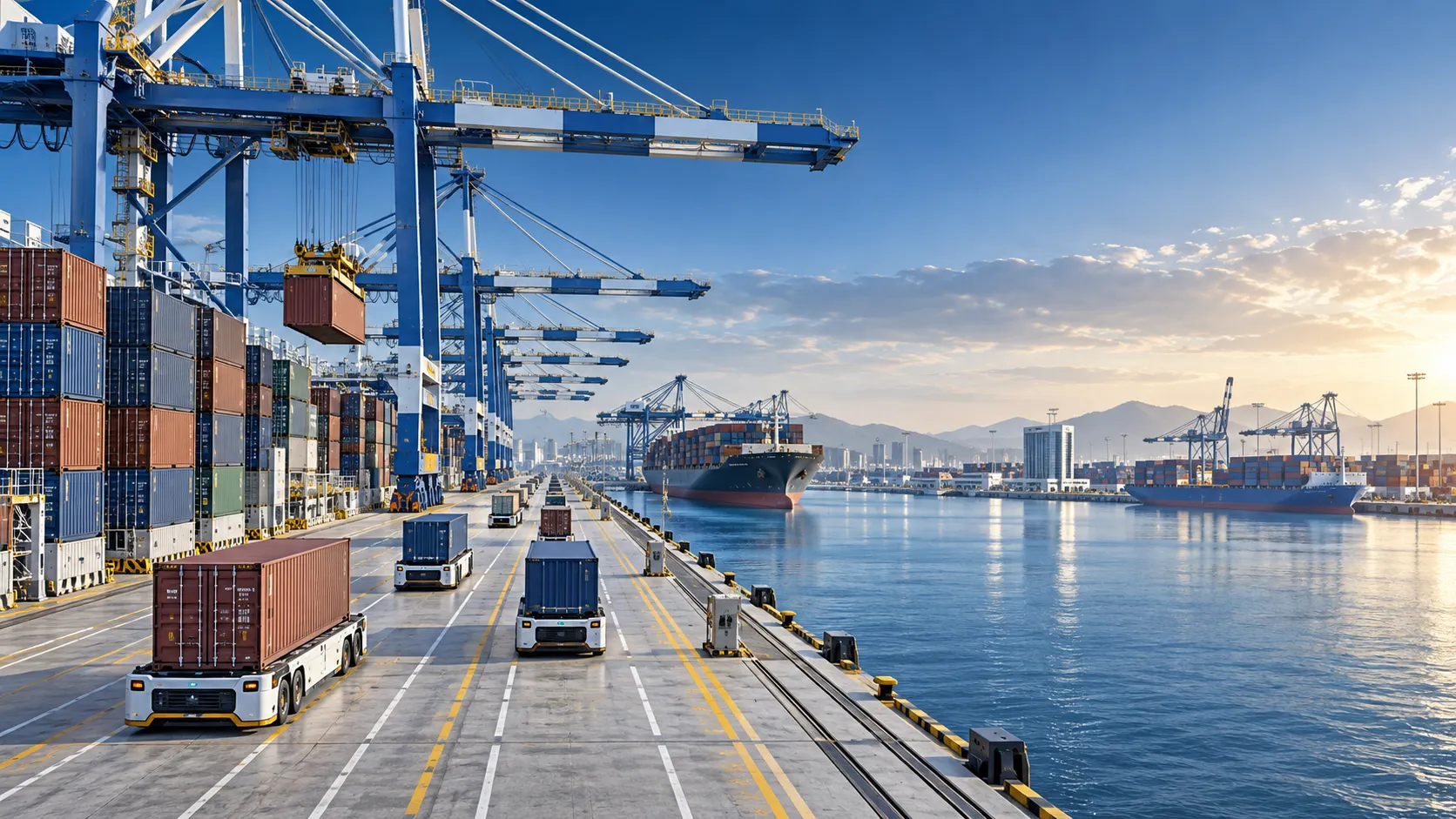
How to Evaluate Terminal Efficiency Solution Suppliers for High-Throughput Operations
Choose a terminal efficiency solutions supplier with confidence. Explore proven criteria for throughput, integration, lifecycle cost, safety, and reliable delivery.
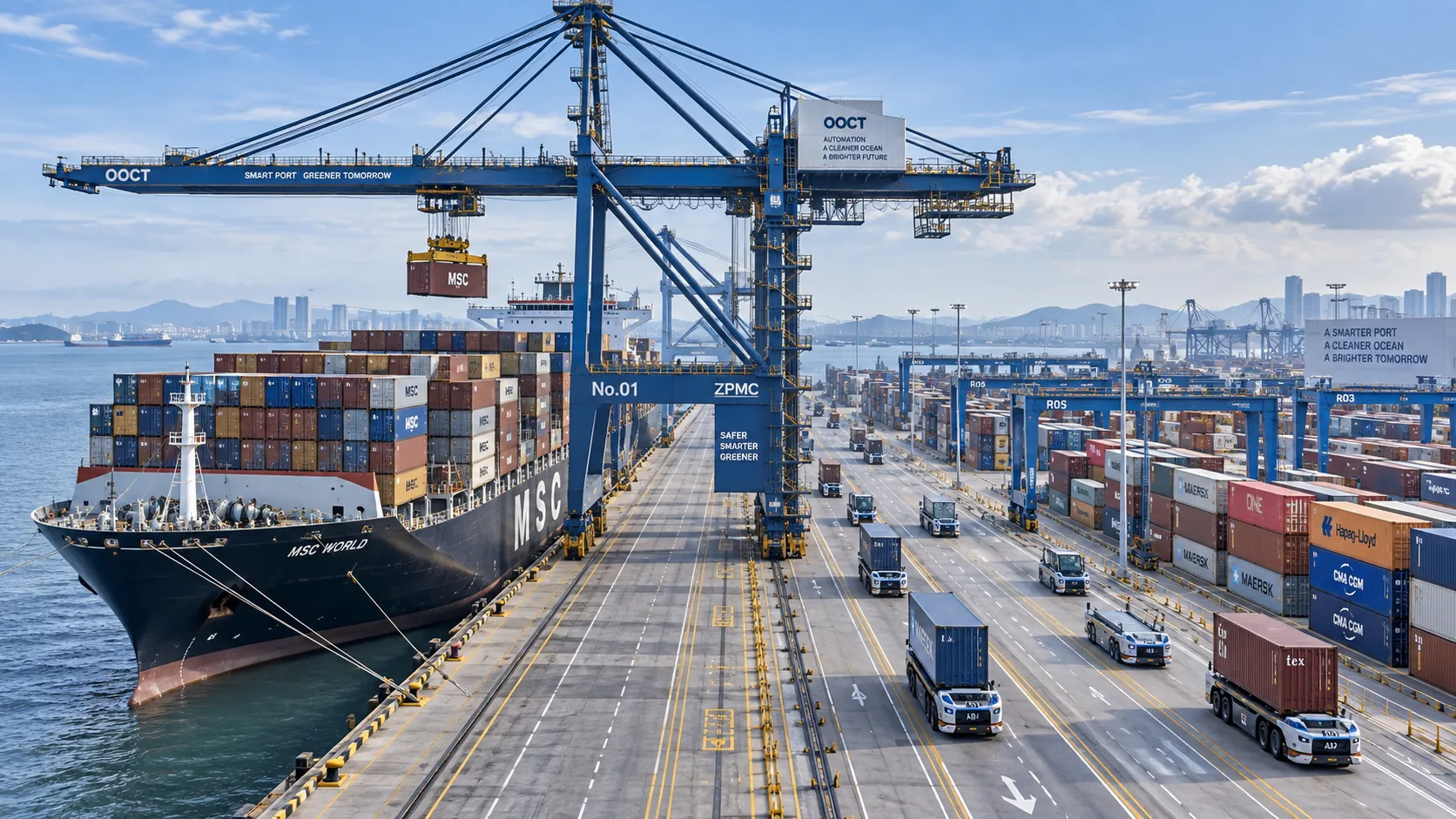
How to Specify a Quay Crane for Container Terminals by Vessel Size and Throughput?
Quay crane for container terminals: learn how to match outreach, lift height, capacity, automation, and cycle performance to vessel size and throughput goals.
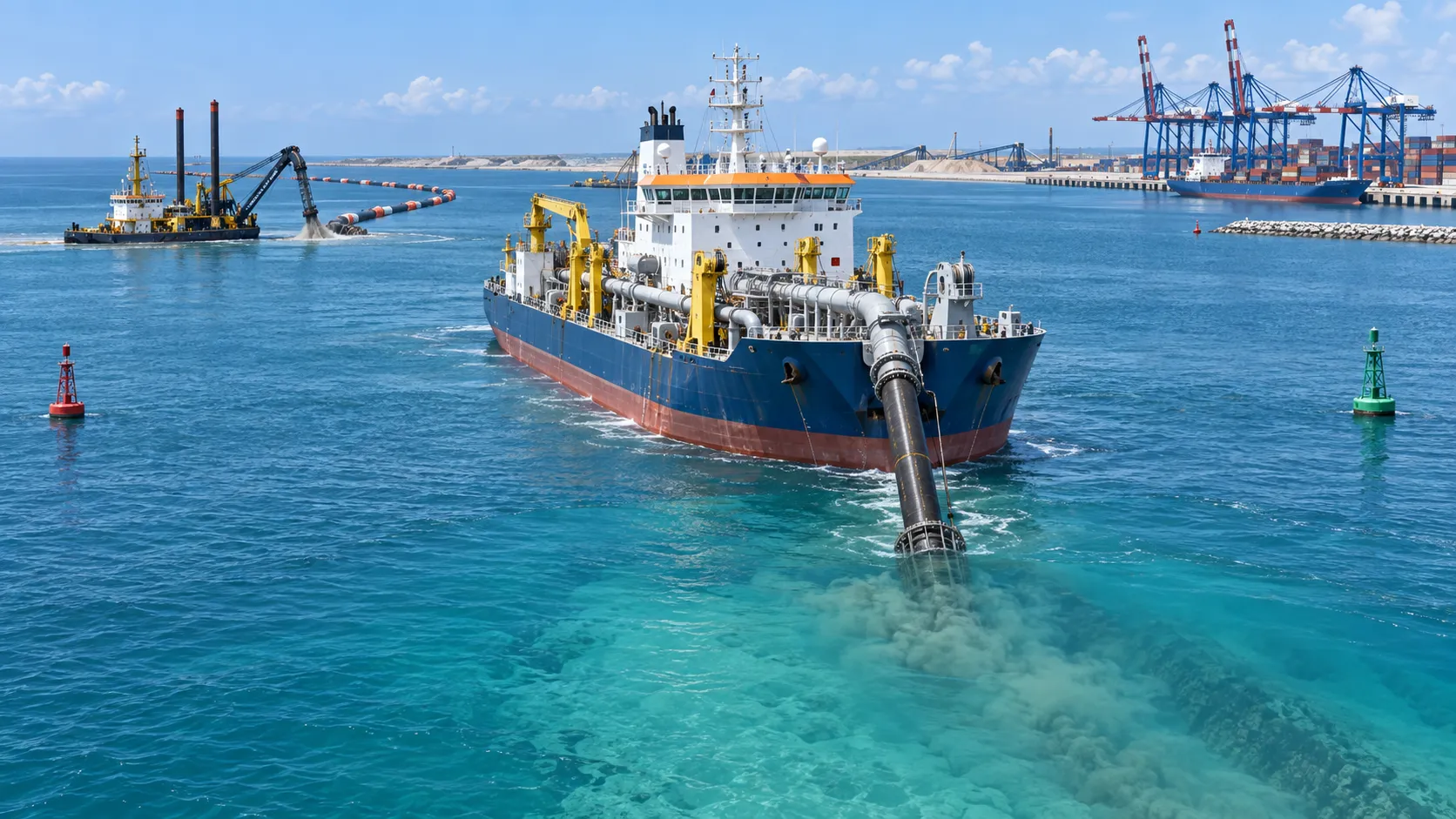
What Dredging Equipment Is Needed for Channel Deepening?
What dredging equipment is needed for channel deepening? Explore dredgers, pipelines, survey tools, and planning strategies for safer, more efficient port access.
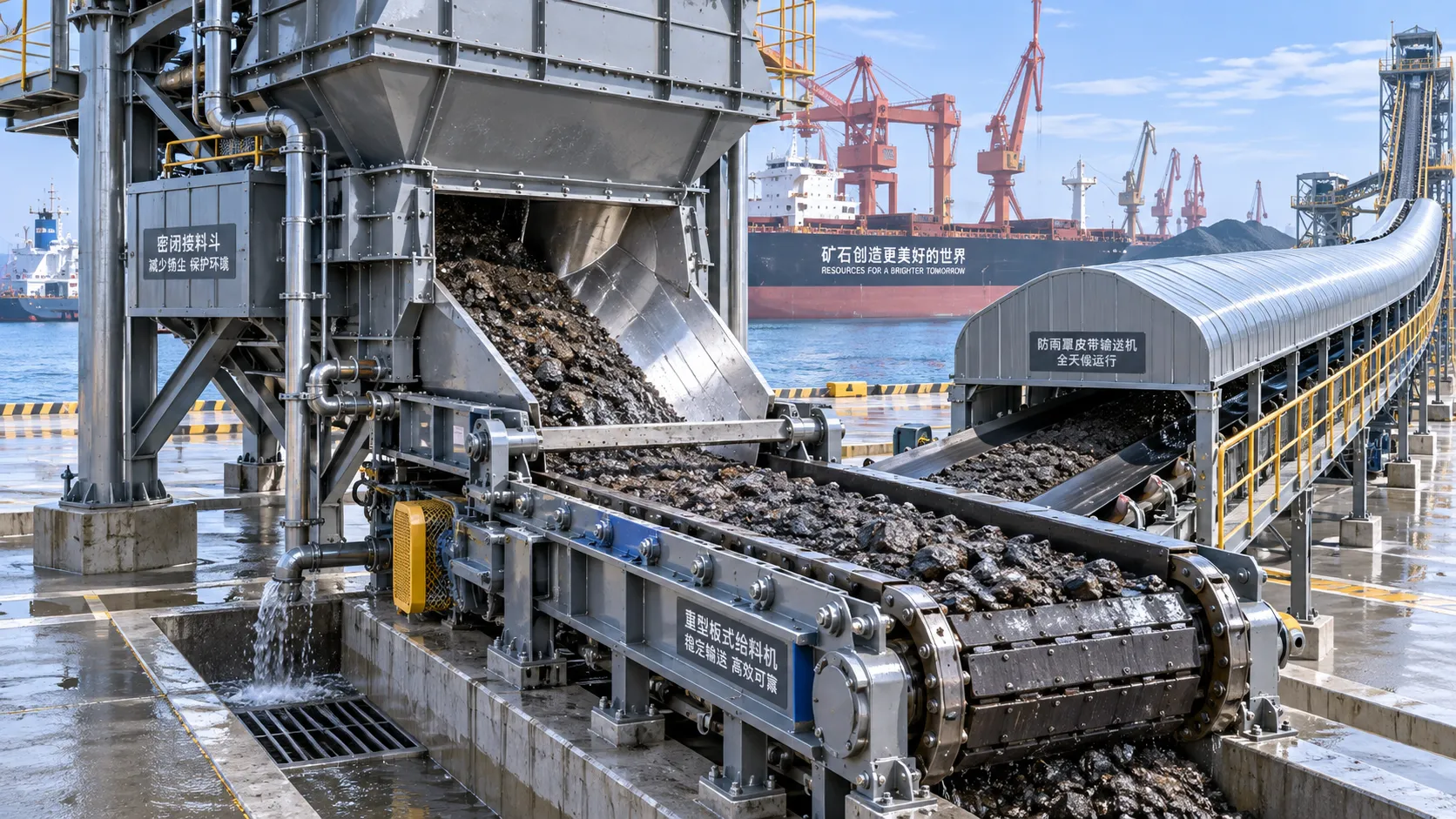
Which Bulk Handling Equipment Suits High-Moisture Cargo?
Which bulk handling equipment suits high-moisture cargo? Compare belt, apron, screw, drag, and slurry systems for reliable flow, less carryback, and higher terminal uptime.
How Can Port Equipment Lead-Time Risk Be Managed?
How can port equipment lead-time risk be managed? Explore practical strategies to control critical paths, suppliers, transport, site readiness, and commissioning delays.
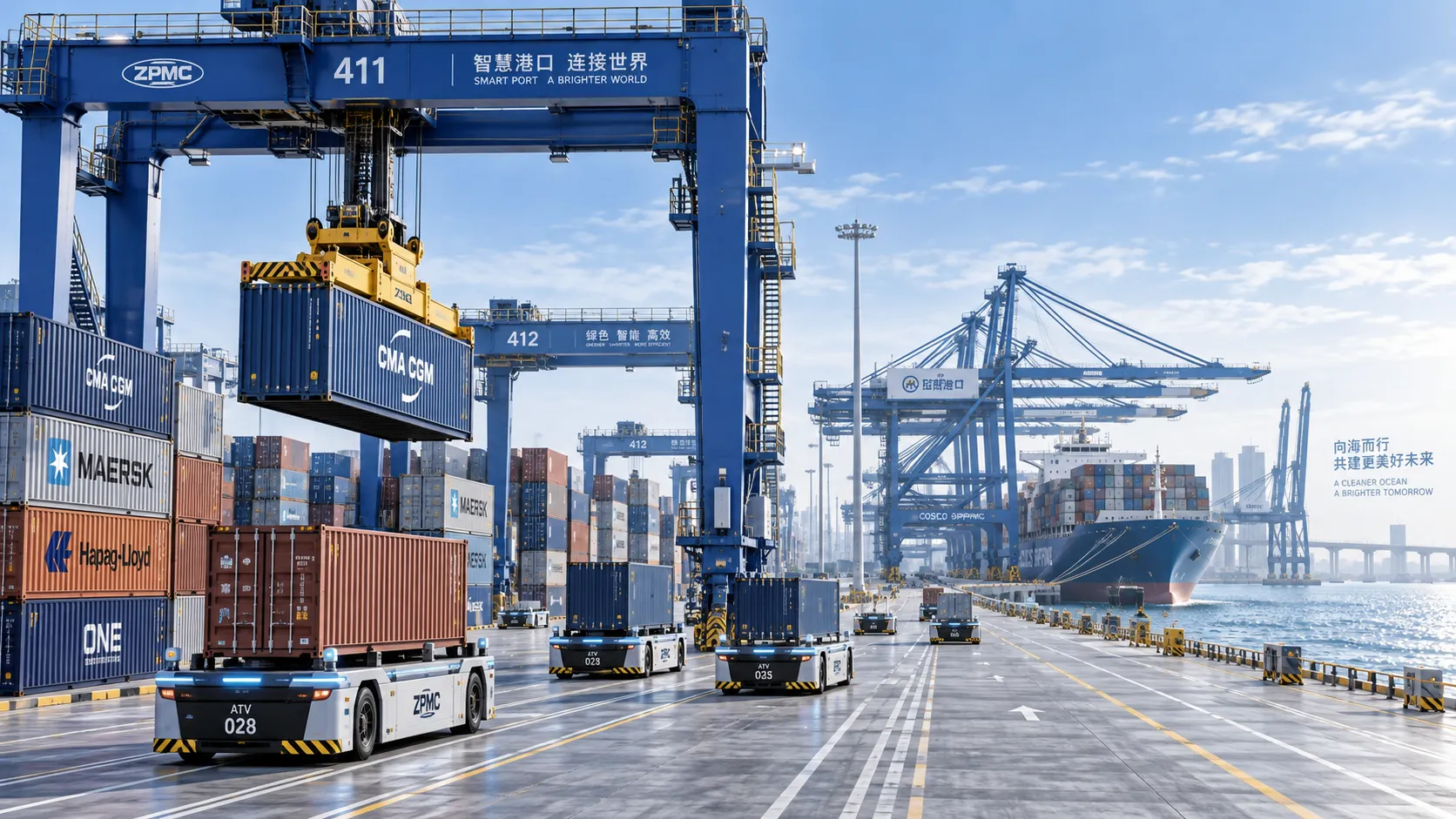
Terminal Automation Technologies That Raise Container Throughput Without Yard Disruption
Terminal automation technology that increases container throughput without disrupting yard flow. Explore smarter integration, resilient workflows, and phased deployment strategies.
Middle East Port Automation: Key Market Drivers, Projects, and Investment Risks
Port automation systems Middle East: explore market drivers, flagship projects, integration challenges, and investment risks shaping smarter, resilient terminals.
Planning Offshore Dredging Operations: Key Risks, Methods, and Project Controls
Offshore dredging operations demand smart planning. Explore key risks, proven methods, environmental controls, and project strategies for reliable delivery.