Related News
- 00
0000-00
How to Evaluate Terminal Efficiency Solution Suppliers for High-Throughput Operations - 00
0000-00
What to Consider When Buying Electric Port Machinery for Container Terminals - 00
0000-00
How to Select Container Handling Equipment for Middle East Ports and Terminals - 00
0000-00
How to Evaluate a Port Machinery Exporter for Large-Scale Terminal Projects - 00
0000-00
Evaluating a Dredging Equipment Manufacturer for Mining Plant Supply
How to Compare Marine Logistics Solutions for Port, Vessel, and Cargo Coordination
How to Compare Marine Logistics Solutions for Port, Vessel, and Cargo Coordination
Choosing the right marine logistics solutions starts with one practical question: what exactly must the system coordinate every hour, every shift, and every vessel call?
That question matters because port operations rarely fail from one weak machine alone. They usually fail at the handoff between equipment, software, and people.
In real operations, quay cranes, yard tractors, AGVs, bulk handlers, dredging support assets, and gate systems depend on shared timing and trusted data.
So when comparing marine logistics solutions, a spec sheet is only the starting point. The real evaluation should test coordination strength across port, vessel, and cargo workflows.
A strong option should improve berth productivity, reduce idle movements, protect service levels, and stay scalable as terminal complexity grows.
Start With the Operational Scope
Before comparing vendors, define the operating model. Marine logistics solutions for a container terminal are different from systems built around bulk cargo or dredging support.
Map the actual coordination points first. That usually includes berth planning, crane sequencing, yard allocation, vessel ETA changes, gate flow, and cargo release rules.
From there, note where delays appear. Some ports struggle with berth conflicts. Others lose time in yard reshuffles, weak dispatch logic, or poor visibility across subcontracted transport legs.
This step prevents a common mistake: buying broad marine logistics solutions with advanced features that never address the real bottleneck.
Key Scope Questions
- Does the solution focus on container, bulk, mixed cargo, or marine engineering support?
- Can it coordinate vessel schedules with terminal equipment dispatch?
- Does it cover only planning, or both planning and execution?
- Can it handle exception-heavy operations such as weather disruption or berth reassignment?
Evaluate Interoperability Before Features
Many marine logistics solutions look strong in demos because each function works well inside its own screen. The harder test is whether those functions share clean, timely data.
In practice, coordination depends on integration with TOS platforms, ERP systems, maintenance records, AIS feeds, gate systems, weighbridges, and equipment telemetry.
If integration is weak, planners will still rely on spreadsheets, radio calls, and manual confirmations. At that point, the marine logistics solutions layer becomes an extra screen, not a control system.
For technical comparison, interoperability should carry more weight than cosmetic dashboards or long feature menus.
What to Check in Integration Reviews
- API maturity, event handling, and support for near real-time data exchange.
- Compatibility with crane systems, AGV dispatch, yard equipment control, and vessel scheduling tools.
- Data ownership rules, audit trails, and version control for schedule changes.
- Fallback logic when one source goes offline or sends incomplete data.
The best marine logistics solutions reduce the number of manual handoffs. That is usually a better indicator than the total number of modules offered.
Compare Coordination Logic, Not Just Hardware Alignment
Ports often invest heavily in machines while underestimating scheduling logic. Yet marine logistics solutions create value when they orchestrate scarce assets under changing conditions.
That includes berth windows, crane availability, labor shifts, yard congestion, truck arrivals, and cargo priorities. A system should continuously rebalance these constraints, not just display them.
More clearly, good coordination logic answers operational questions fast. Which vessel should get the next crane? Which container block should be cleared first? Which move causes the least congestion?
This is where advanced marine logistics solutions separate themselves from basic workflow software.
Decision Criteria for Scheduling Logic
- Constraint handling: Can the system process berth limits, draft restrictions, crane interference, and cargo segregation rules together?
- Optimization depth: Does it optimize by fuel, turnaround time, yard travel distance, or all three?
- Rescheduling speed: Can it respond quickly to late arrivals, weather shifts, and equipment downtime?
- Explainability: Can operators understand why the engine recommended a certain plan?
If a vendor cannot demonstrate decision logic under disruption, the marine logistics solutions package may be too static for live port conditions.
Measure Operational Visibility Across the Full Flow
Visibility is often oversold. A dashboard with many charts does not guarantee control. The useful test is whether marine logistics solutions show the same operational truth to every decision point.
For example, berth planners, yard controllers, marine coordinators, and maintenance teams should see aligned status on vessel ETA, crane readiness, and cargo completion progress.
When views diverge, response time slows down. Teams begin resolving conflicts through calls and side messages instead of system-based execution.
This is especially important in automated terminals, where marine logistics solutions must bridge machine states and business decisions with minimal delay.
Useful Visibility Metrics
Test Scalability Against Real Growth Paths
Marine logistics solutions should not only fit current volume. They must also support future equipment types, higher call frequency, stricter emissions targets, and greater automation depth.
Recent market shifts make this more urgent. Ports are balancing throughput pressure, labor constraints, digitalization programs, and decarbonization goals at the same time.
That means a short-term fit can become a long-term constraint. A system built only for today’s workflows may struggle when remote crane control, electric fleets, or new yard strategies arrive.
When comparing marine logistics solutions, ask vendors to show how the architecture scales, not just how the current module list expands.
Scalability Review Areas
- Support for multi-terminal operations and shared control rules.
- Ability to onboard additional equipment classes without custom redesign.
- Performance under peak traffic and exception-heavy periods.
- Readiness for automation layers, low-latency control links, and advanced analytics.
Compare Total Risk, Not Only Total Cost
Price matters, but cost alone is a weak selection lens. Marine logistics solutions should be judged by lifecycle risk across operations, integration, maintenance, and change management.
A lower-cost platform may require constant manual workarounds. A premium platform may demand specialized support that creates dependency or slows future changes.
The stronger procurement approach is to compare cost against avoided delay, reduced rehandling, fewer coordination failures, and better use of heavy terminal assets.
This framing reflects how marine logistics solutions actually produce return in port environments.
Risk Checklist for Final Comparison
- Implementation risk: timeline realism, migration effort, and site disruption.
- Operational risk: downtime tolerance, failover capability, and support responsiveness.
- Commercial risk: contract flexibility, upgrade rights, and data portability.
- Strategic risk: fit with automation plans, net-zero targets, and future trade patterns.
Build a Practical Evaluation Scorecard
A structured scorecard keeps the comparison honest. It also helps separate attractive presentations from marine logistics solutions that can perform under operational pressure.
Use weighted criteria based on local priorities. A highly automated terminal may rank low-latency orchestration first. A bulk-focused port may rank equipment utilization and berth turnaround higher.
Keep the scorecard simple enough to use, but detailed enough to expose tradeoffs between integration depth, optimization quality, visibility, and implementation risk.
- Define the top five coordination outcomes that must improve.
- Assign weights to interoperability, scheduling logic, visibility, scalability, and risk.
- Run scenario-based demos using your own operational cases.
- Require evidence from comparable ports or marine engineering environments.
- Score both steady-state performance and disruption response.
That final point is important. Marine logistics solutions should not only look efficient on normal days. They should remain dependable when conditions change fast.
The most reliable decision usually comes from testing the solution against actual port friction, not idealized process maps.
For teams working across terminal gear, automated handling, and marine infrastructure, the best marine logistics solutions are the ones that synchronize machines, software, and timing with the least operational drag.
If the evaluation stays grounded in interoperability, coordination logic, visibility, scalability, and risk, the final choice will be much easier to defend and far more likely to deliver measurable results.
Related News
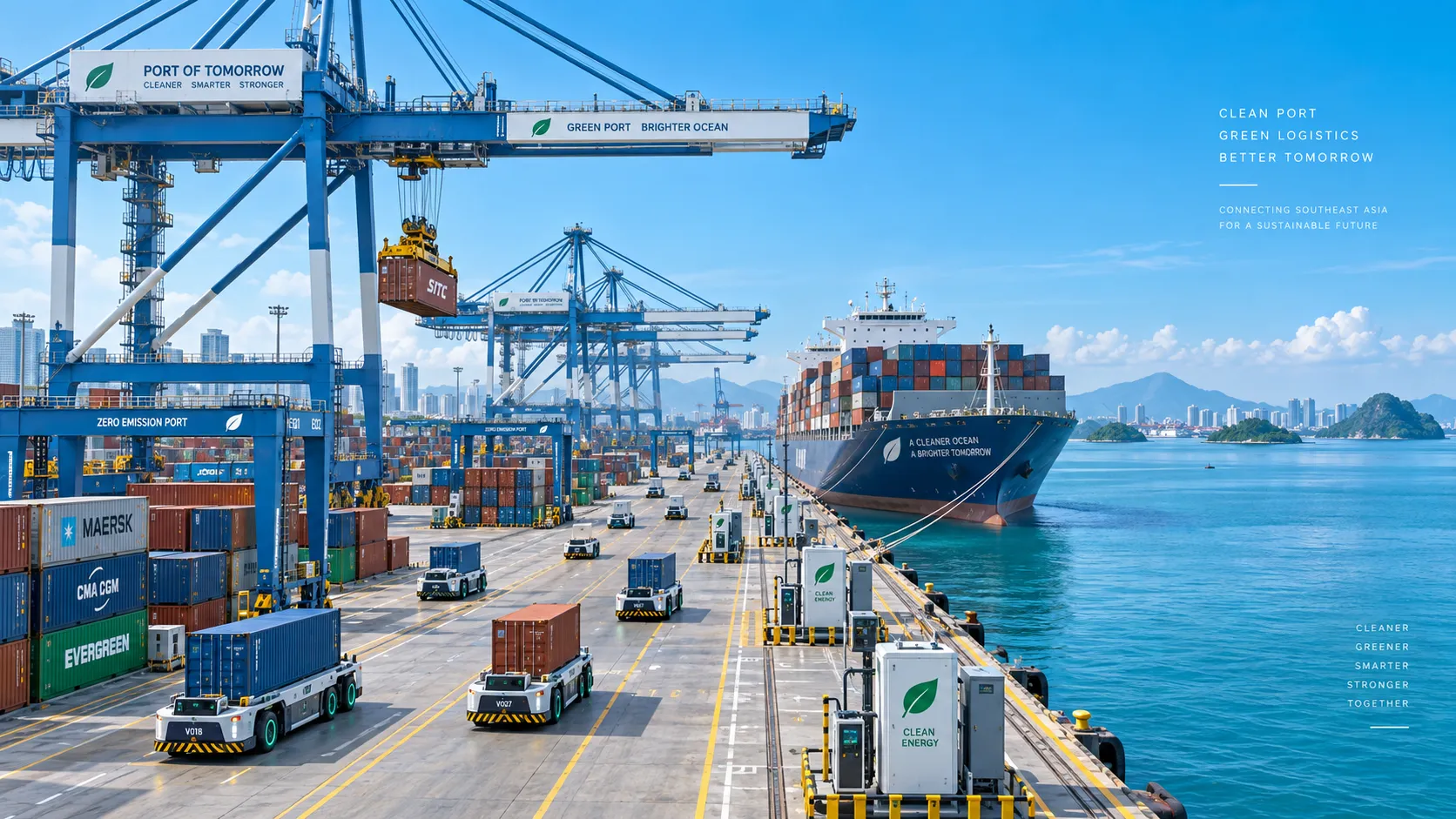
Smart Port Systems in Southeast Asia: Investment Priorities and Adoption Barriers
Smart port systems Southeast Asia: discover investment priorities, adoption barriers, and practical steps to build resilient, connected, high-performing terminals.

How to Evaluate Terminal Efficiency Solution Suppliers for High-Throughput Operations
Choose a terminal efficiency solutions supplier with confidence. Explore proven criteria for throughput, integration, lifecycle cost, safety, and reliable delivery.
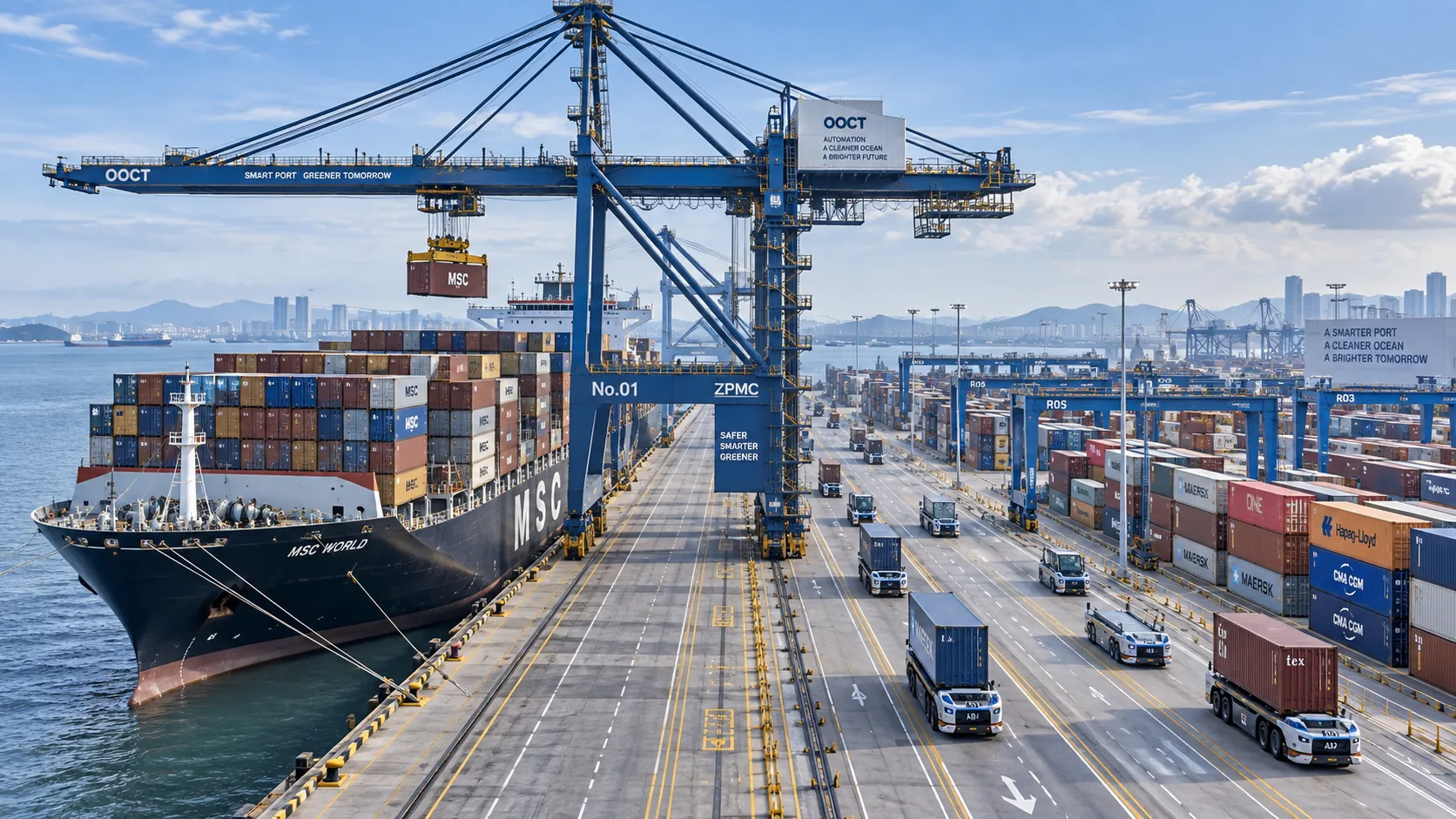
How to Specify a Quay Crane for Container Terminals by Vessel Size and Throughput?
Quay crane for container terminals: learn how to match outreach, lift height, capacity, automation, and cycle performance to vessel size and throughput goals.
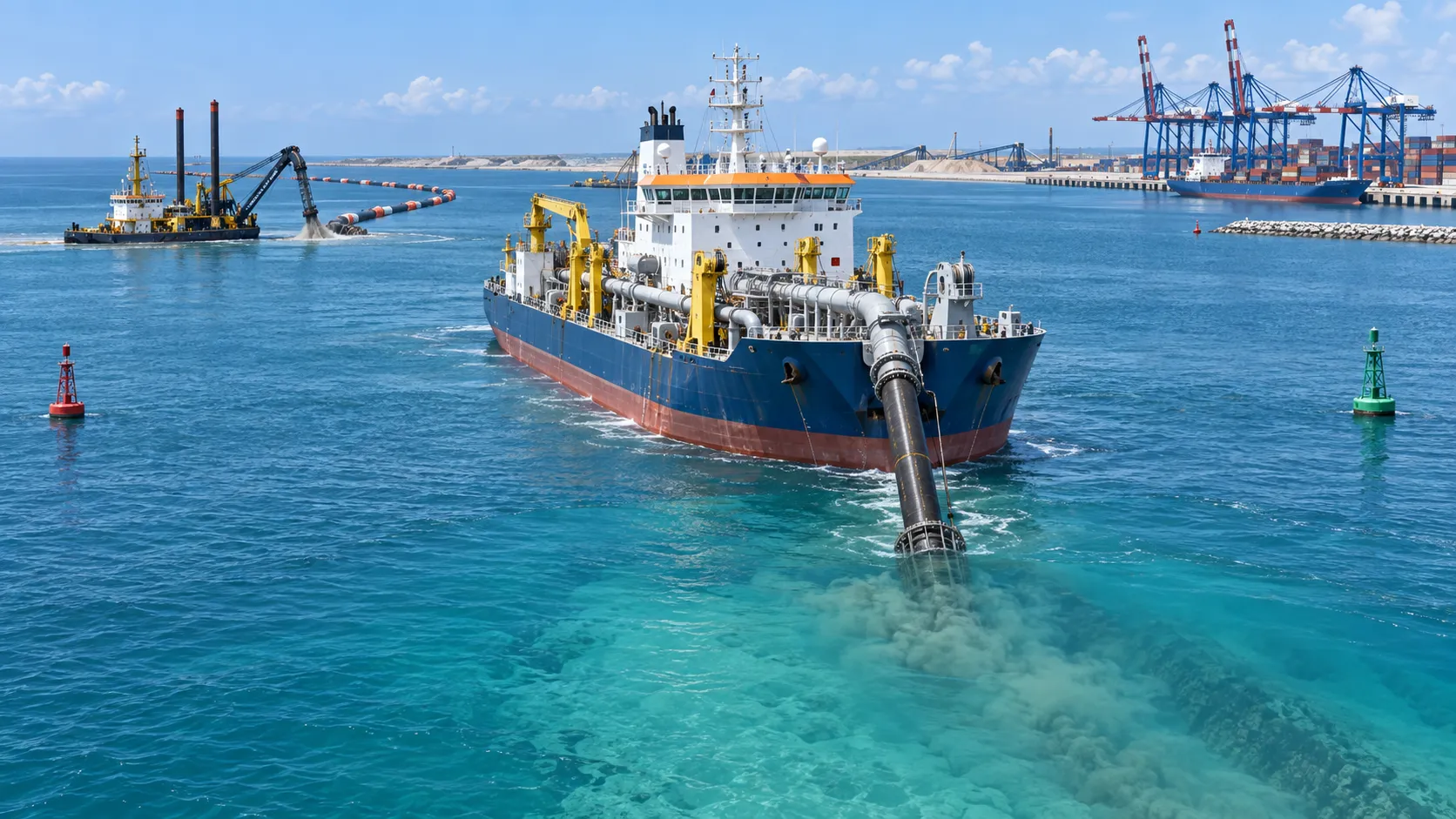
What Dredging Equipment Is Needed for Channel Deepening?
What dredging equipment is needed for channel deepening? Explore dredgers, pipelines, survey tools, and planning strategies for safer, more efficient port access.
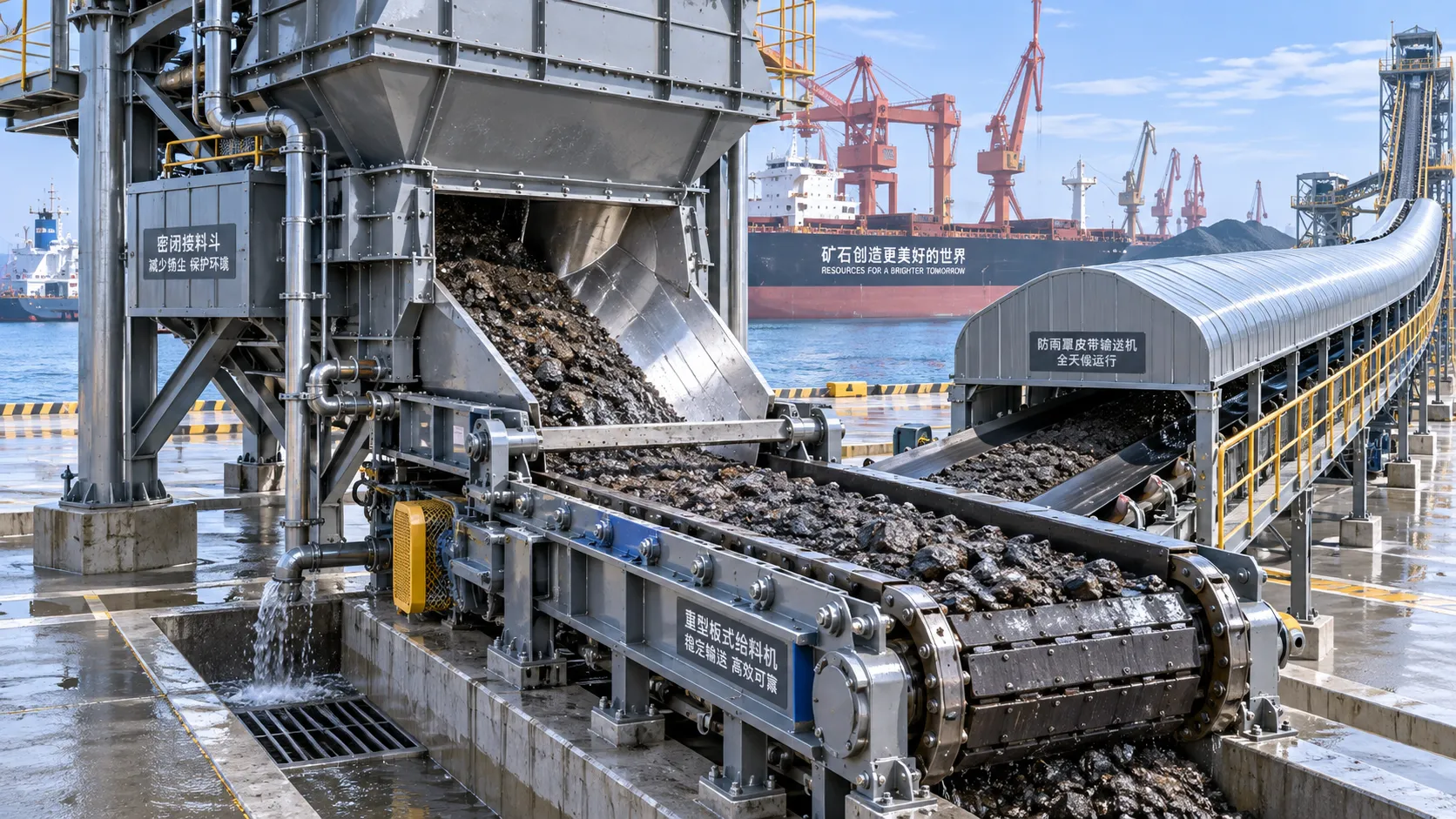
Which Bulk Handling Equipment Suits High-Moisture Cargo?
Which bulk handling equipment suits high-moisture cargo? Compare belt, apron, screw, drag, and slurry systems for reliable flow, less carryback, and higher terminal uptime.
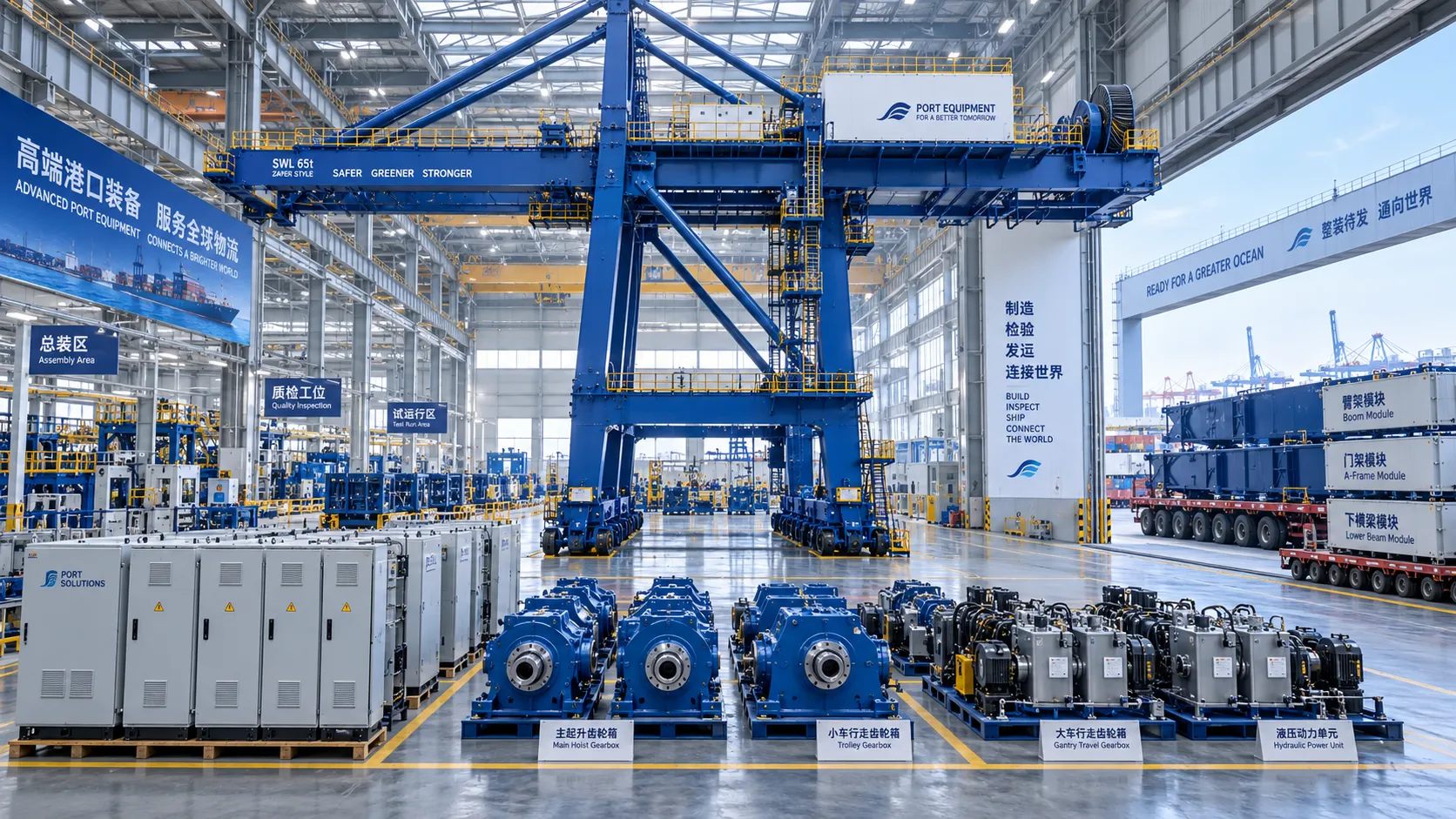
How Can Port Equipment Lead-Time Risk Be Managed?
How can port equipment lead-time risk be managed? Explore practical strategies to control critical paths, suppliers, transport, site readiness, and commissioning delays.
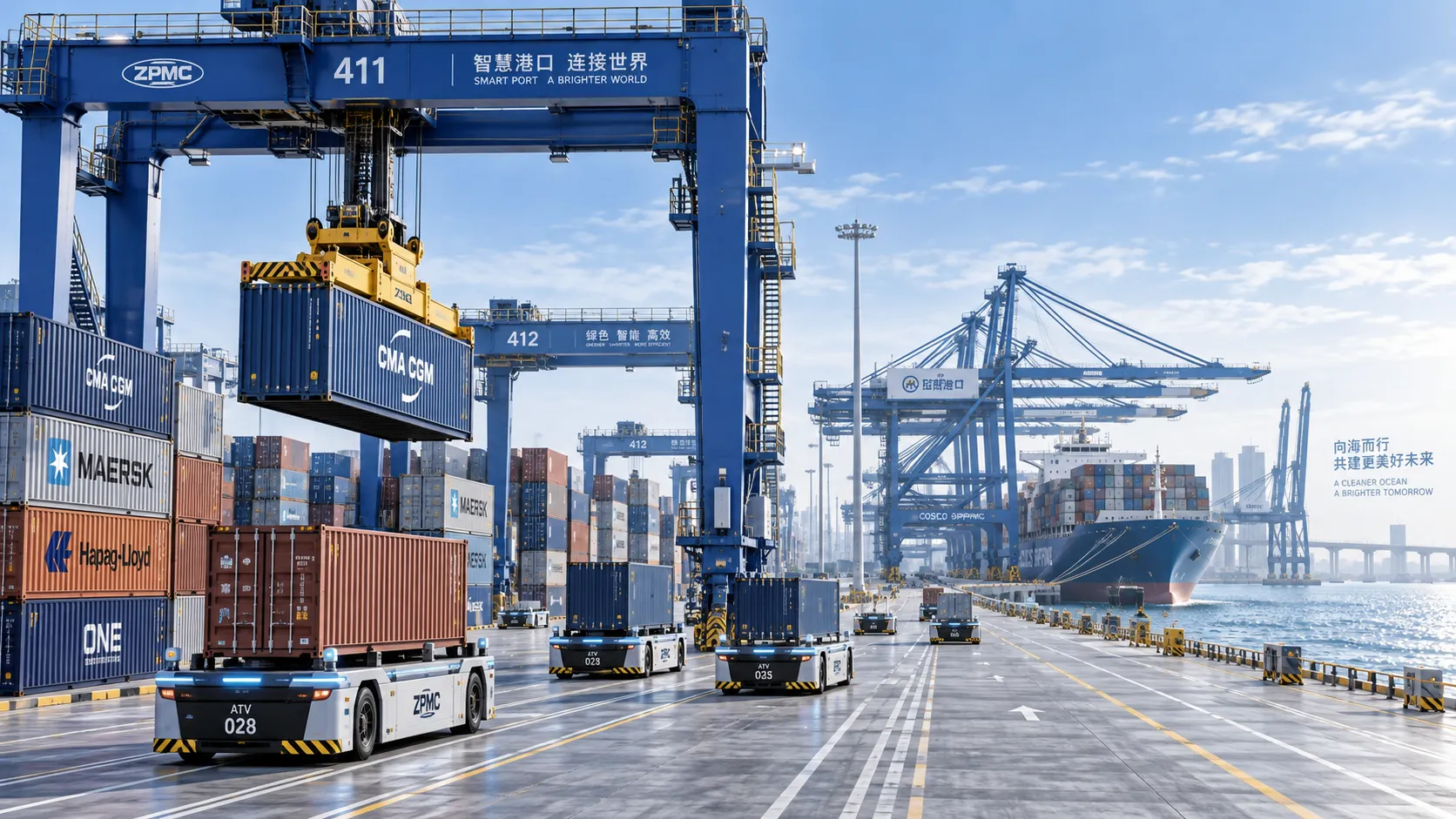
Terminal Automation Technologies That Raise Container Throughput Without Yard Disruption
Terminal automation technology that increases container throughput without disrupting yard flow. Explore smarter integration, resilient workflows, and phased deployment strategies.
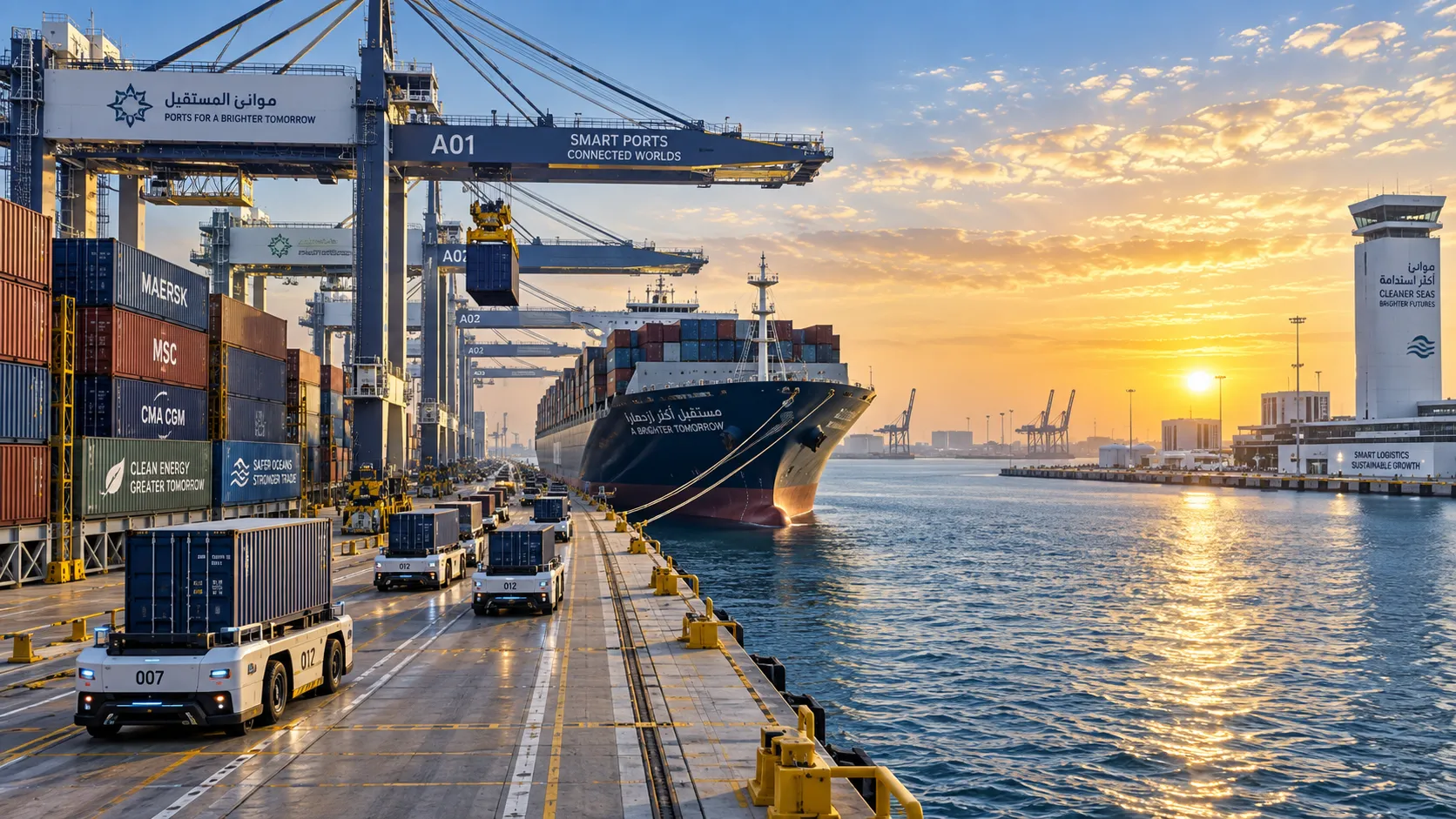
Middle East Port Automation: Key Market Drivers, Projects, and Investment Risks
Port automation systems Middle East: explore market drivers, flagship projects, integration challenges, and investment risks shaping smarter, resilient terminals.
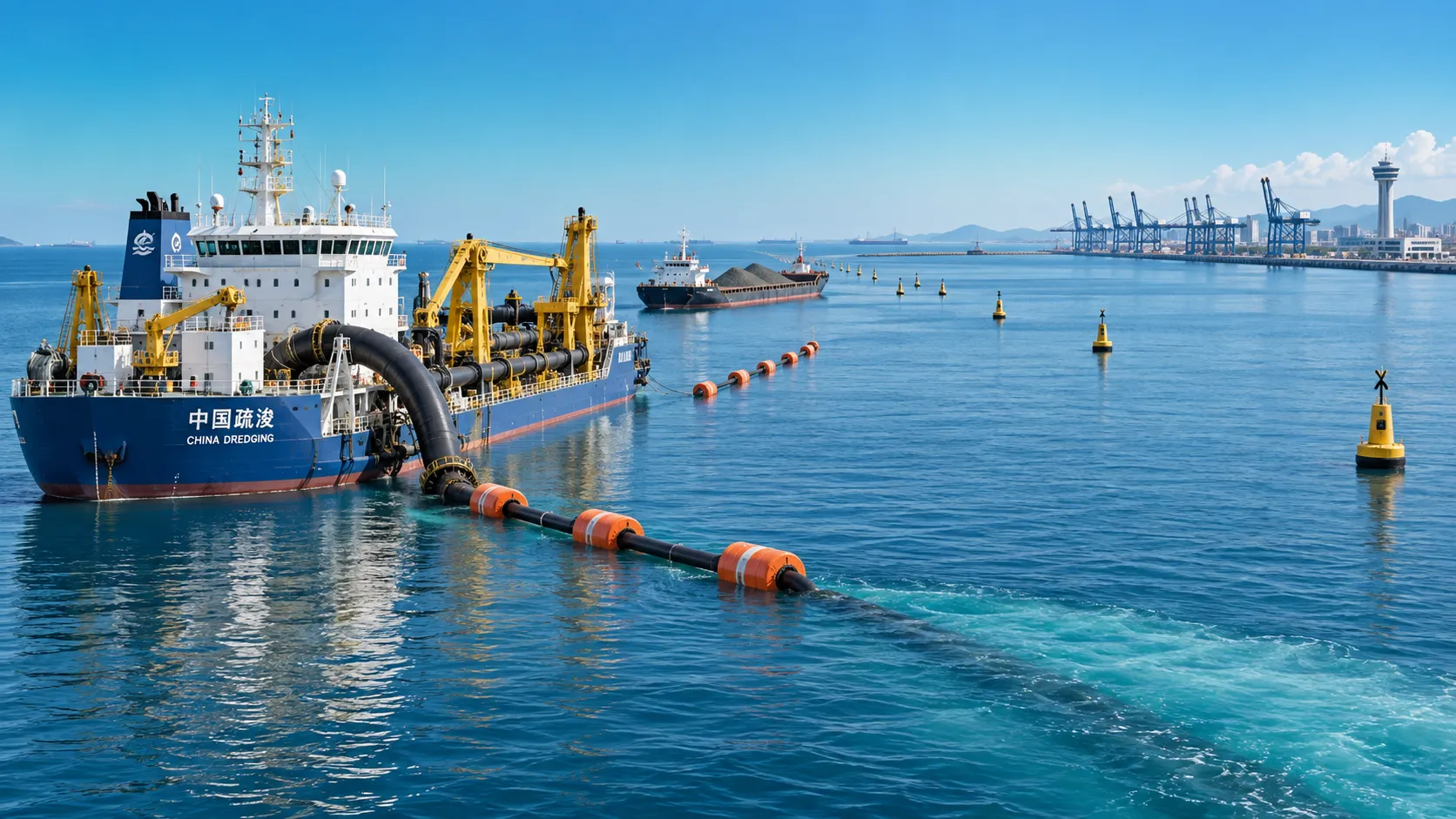
Planning Offshore Dredging Operations: Key Risks, Methods, and Project Controls
Offshore dredging operations demand smart planning. Explore key risks, proven methods, environmental controls, and project strategies for reliable delivery.