Related News
- 00
0000-00
How to Evaluate Terminal Efficiency Solution Suppliers for High-Throughput Operations - 00
0000-00
What to Consider When Buying Electric Port Machinery for Container Terminals - 00
0000-00
How to Select Container Handling Equipment for Middle East Ports and Terminals - 00
0000-00
How to Evaluate a Port Machinery Exporter for Large-Scale Terminal Projects - 00
0000-00
Evaluating a Dredging Equipment Manufacturer for Mining Plant Supply
How to Evaluate a Quay Crane Manufacturer for Port Capacity and Long-Term Service
Choosing a quay crane manufacturer is rarely a simple equipment purchase. It is a long-horizon decision that affects berth productivity, vessel turnaround, automation readiness, maintenance cost, and service continuity across decades of port operation.
That matters even more now, as larger vessels, tighter schedules, and digital terminal systems push ports to treat crane selection as a strategic capacity decision rather than a one-time capital expense.
A strong evaluation process looks beyond headline price. It asks whether a quay crane manufacturer can support actual throughput goals, integrate with control systems, and remain dependable when trade patterns, berth layouts, and service demands evolve.
Why the manufacturer matters as much as the crane
On paper, several suppliers may offer similar outreach, lifting height, and safe working load. In practice, the manufacturer behind the machine often determines whether that specification performs reliably in daily terminal conditions.
A quay crane manufacturer shapes structural engineering quality, drive system stability, software logic, spare parts discipline, and field service response. Those factors influence crane availability far more than brochure claims.
From the perspective of PS-Nexus, this is where heavy mechanical power and scheduling intelligence meet. A crane is not isolated hardware. It is part of a wider maritime logistics system linked to yard flow, AGV routing, berth planning, and trade velocity.
That is why the best supplier review combines engineering evidence with operating context. The question is not only, “Can this crane lift?” It is also, “Can this manufacturer sustain port performance over time?”
Start with port capacity, not catalog specifications
Any review should begin with the terminal’s future operating profile. Without that baseline, it is easy to compare machines that look similar but serve very different capacity strategies.
The right quay crane manufacturer should be able to discuss crane design in relation to vessel mix, peak hour moves, berth occupancy, and yard synchronization, not just mechanical parameters.
Key planning inputs
- Expected vessel sizes, including future beam and stack height trends
- Target moves per hour at berth and across the terminal system
- Power supply conditions, energy policy, and emissions targets
- Automation roadmap, from remote operation to full terminal orchestration
- Maintenance resources, local technical support, and spare stock strategy
When a quay crane manufacturer can translate those inputs into a tailored configuration, the discussion becomes more useful. It moves from generic comparison to operational fit.
The technical factors that deserve closer attention
Capacity evaluation should not stop at outreach and lifting load. The more revealing questions concern stability, motion control, fatigue life, and how consistently the crane performs under demanding shift patterns.
Structural design and fatigue resistance
Quay cranes work in a harsh environment of wind, salt, vibration, and repeated dynamic loading. A credible quay crane manufacturer should provide clear information on steel grades, welding quality control, fatigue analysis, and corrosion protection systems.
It is also worth examining reference projects with similar duty cycles. A crane designed for moderate traffic may not hold the same reliability in a high-intensity transshipment hub.
Drive systems and cycle efficiency
Travel speed, hoist acceleration, trolley stability, and sway control directly affect berth productivity. Small differences in control quality can become significant when multiplied across thousands of container moves.
Ask how the quay crane manufacturer validates cycle performance in real operating conditions, especially under wind load, uneven container weights, and continuous shift operation.
Electrical architecture and automation compatibility
Modern ports increasingly depend on integrated control. Crane data, anti-collision logic, remote operation, and terminal operating systems must work together with minimal latency.
For that reason, a quay crane manufacturer should be assessed on software openness, sensor architecture, cybersecurity practices, and compatibility with broader automation ecosystems.
This is especially relevant in terminals moving toward smart operations, where the crane is part of a coordinated digital chain rather than a standalone machine.
Service strength often decides lifecycle value
A crane that looks cost-effective at contract stage can become expensive if response times are slow, spare parts are inconsistent, or software support depends on distant teams.
Long-term service capability is one of the clearest ways to distinguish one quay crane manufacturer from another. It affects uptime, workforce confidence, and the terminal’s ability to recover from disruption.
The most dependable quay crane manufacturer will normally document service obligations in measurable terms. Vague promises are less useful than defined service windows, parts availability targets, and escalation procedures.
Reference projects reveal more than presentations
Case histories are valuable, but they should be read carefully. The main issue is not the number of installations alone. It is whether those installations resemble the terminal environment being planned.
A useful reference review looks at crane size, climate exposure, berth intensity, automation level, and post-handover support performance. A supplier may excel in conventional terminals yet be less mature in remote-control or high-density operations.
This is where intelligence-led evaluation adds value. Platforms such as PS-Nexus help frame supplier claims against wider industry signals, including automation trends, control architecture maturity, and regional service strength.
Useful reference questions
- How close did actual commissioning results come to promised productivity?
- What recurring faults appeared in the first two years?
- How fast did the manufacturer resolve software or electrical issues?
- Did spare parts and documentation remain consistent after delivery?
- How well did the crane fit with terminal systems and operating routines?
Commercial terms should reflect operational risk
Price still matters, but a narrow comparison can hide large downstream cost differences. Evaluation should connect commercial terms to reliability, maintainability, and upgrade flexibility.
A capable quay crane manufacturer should be ready to discuss total lifecycle cost, not only fabrication cost. That includes energy use, wear components, software maintenance, retrofit options, and long-term modernization paths.
Ports also benefit from reviewing warranty structure in detail. Coverage boundaries, exclusions, and performance remedies often reveal how much confidence a supplier has in its own design and support model.
How to build a practical comparison framework
The clearest way to compare suppliers is to score them across a small set of weighted criteria tied to port strategy. This keeps the decision grounded in operational needs rather than presentation quality.
A practical framework usually balances five dimensions: technical capability, throughput fit, automation readiness, service resilience, and lifecycle economics.
- Technical capability covers structure, motion control, electrical systems, and safety logic
- Throughput fit checks whether crane performance aligns with berth and vessel targets
- Automation readiness reviews interfaces, data architecture, and future upgrade potential
- Service resilience measures support depth, parts access, and response reliability
- Lifecycle economics compares energy, maintenance, training, and upgrade costs
Used properly, this approach helps identify the quay crane manufacturer that best supports future capacity, not just immediate procurement goals.
A better next step than chasing the lowest bid
The most effective crane decisions usually begin with a clear internal brief. That brief should define cargo outlook, vessel profile, automation ambition, service expectations, and acceptable downtime risk.
From there, each quay crane manufacturer can be tested against the same operational questions. The result is a stronger basis for negotiation, reference checking, and technical clarification.
For ports navigating expanding throughput and smarter operations, the goal is not merely to buy a crane. It is to choose a manufacturing and service partner able to support capacity, resilience, and long-term terminal performance with evidence, not assumptions.
Related News
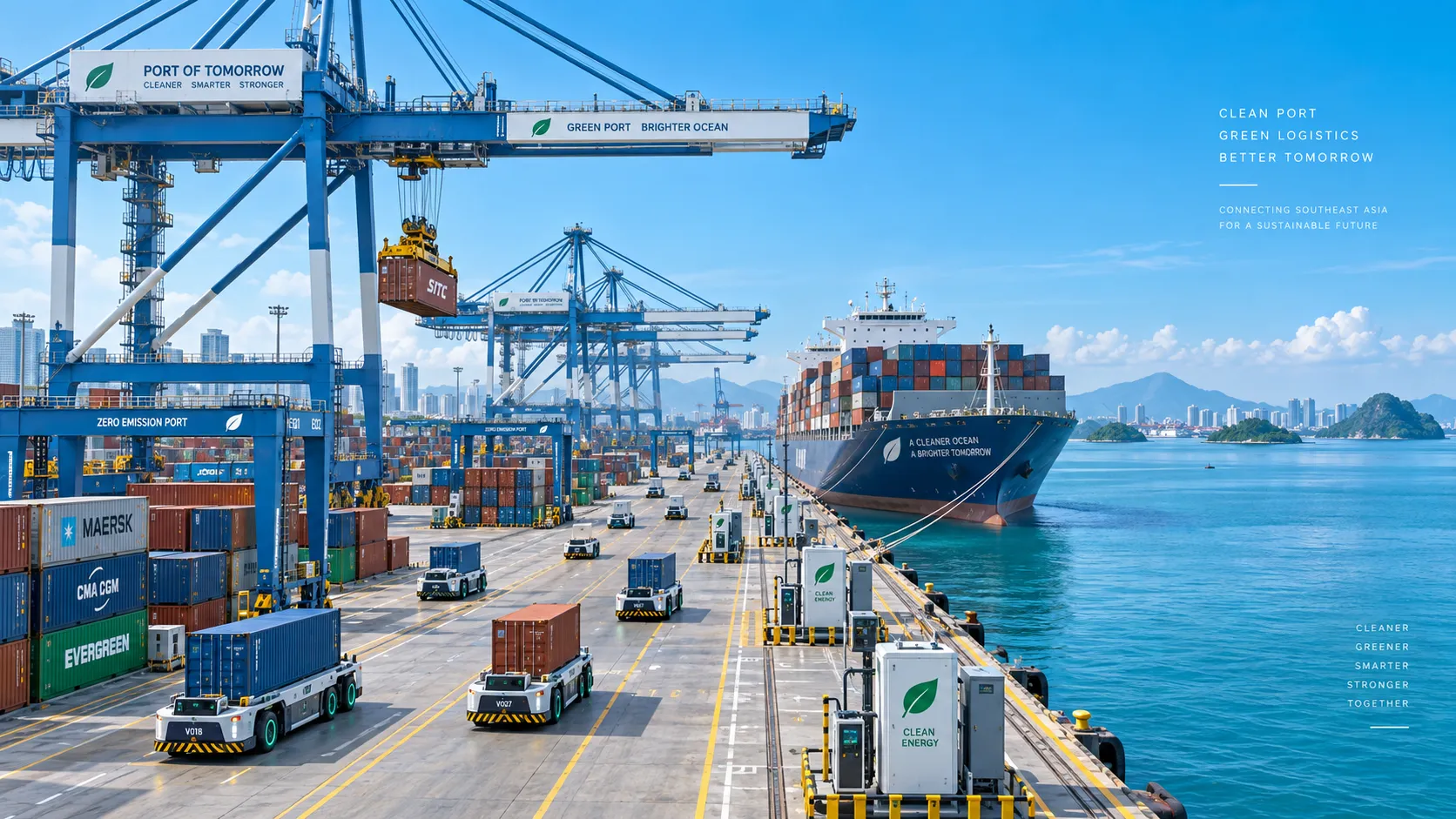
Smart Port Systems in Southeast Asia: Investment Priorities and Adoption Barriers
Smart port systems Southeast Asia: discover investment priorities, adoption barriers, and practical steps to build resilient, connected, high-performing terminals.

How to Evaluate Terminal Efficiency Solution Suppliers for High-Throughput Operations
Choose a terminal efficiency solutions supplier with confidence. Explore proven criteria for throughput, integration, lifecycle cost, safety, and reliable delivery.
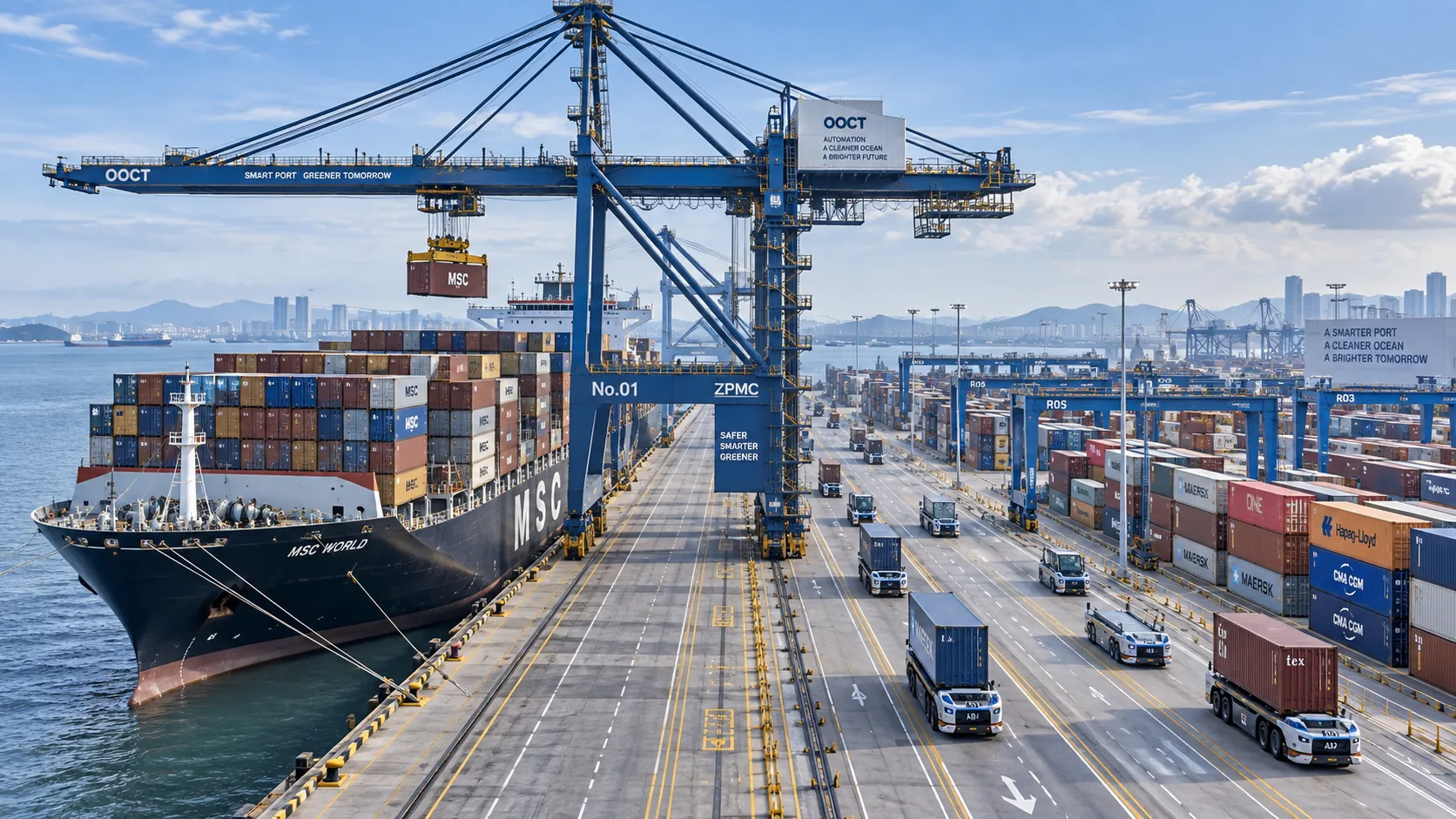
How to Specify a Quay Crane for Container Terminals by Vessel Size and Throughput?
Quay crane for container terminals: learn how to match outreach, lift height, capacity, automation, and cycle performance to vessel size and throughput goals.
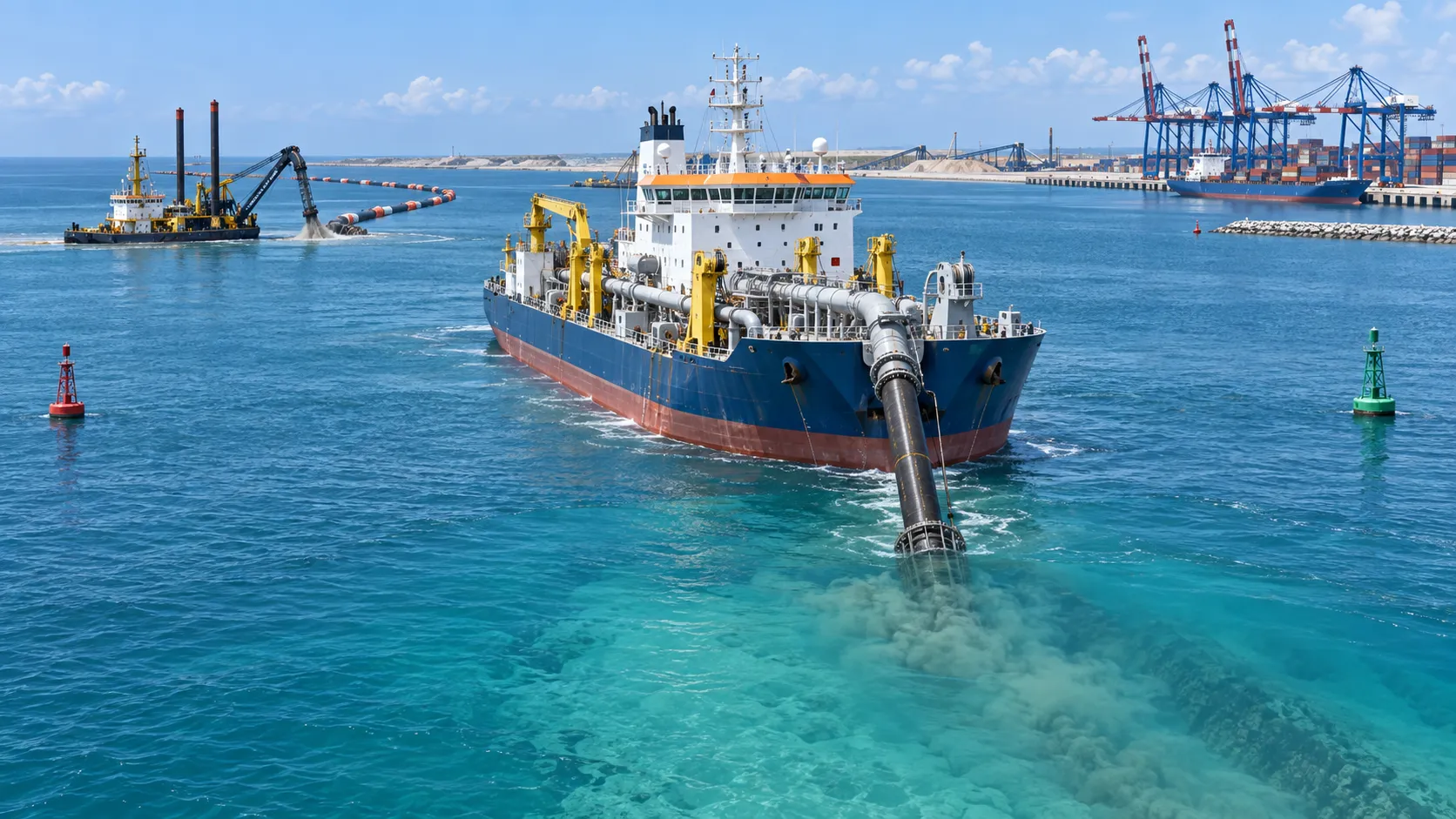
What Dredging Equipment Is Needed for Channel Deepening?
What dredging equipment is needed for channel deepening? Explore dredgers, pipelines, survey tools, and planning strategies for safer, more efficient port access.
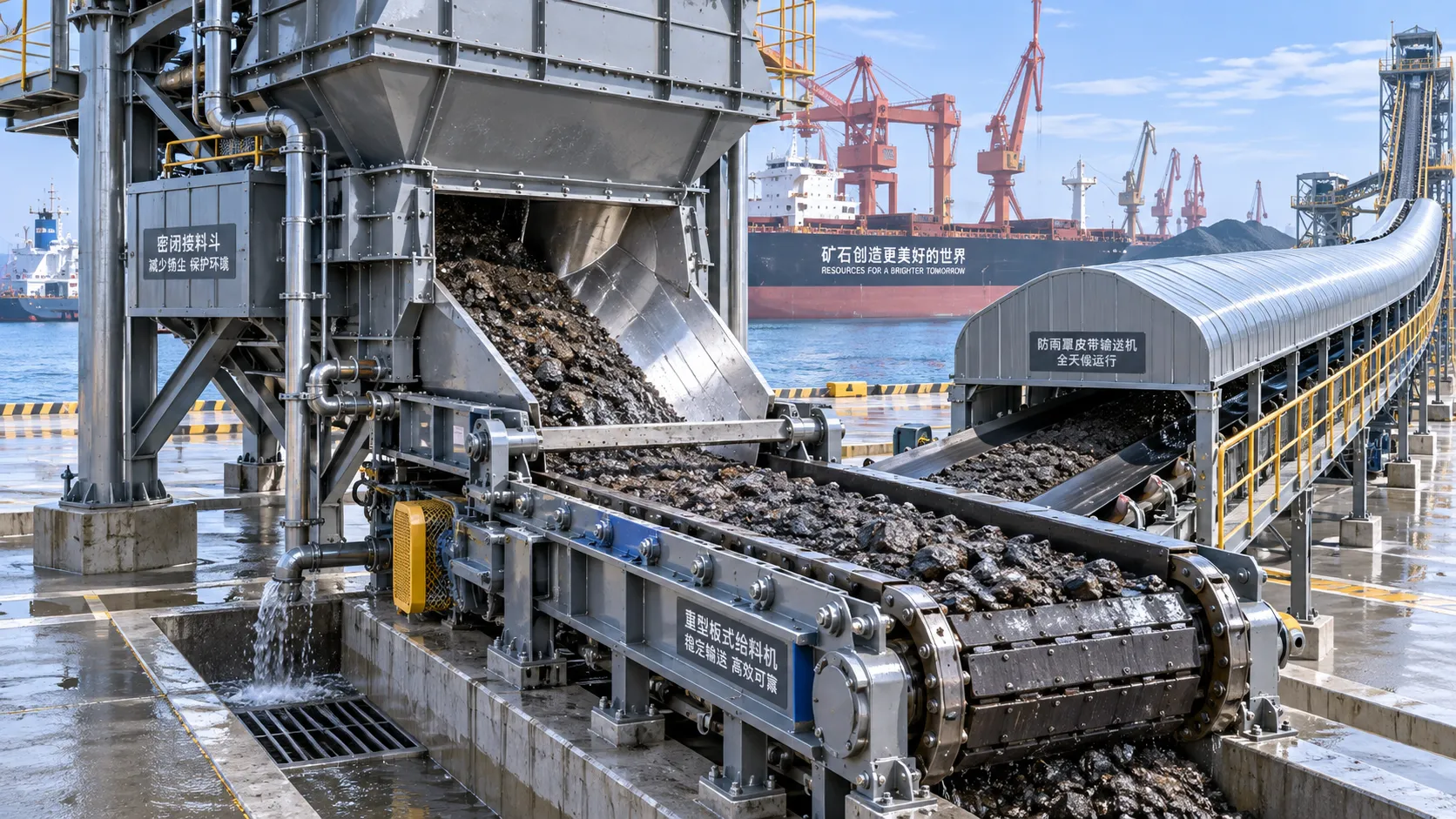
Which Bulk Handling Equipment Suits High-Moisture Cargo?
Which bulk handling equipment suits high-moisture cargo? Compare belt, apron, screw, drag, and slurry systems for reliable flow, less carryback, and higher terminal uptime.
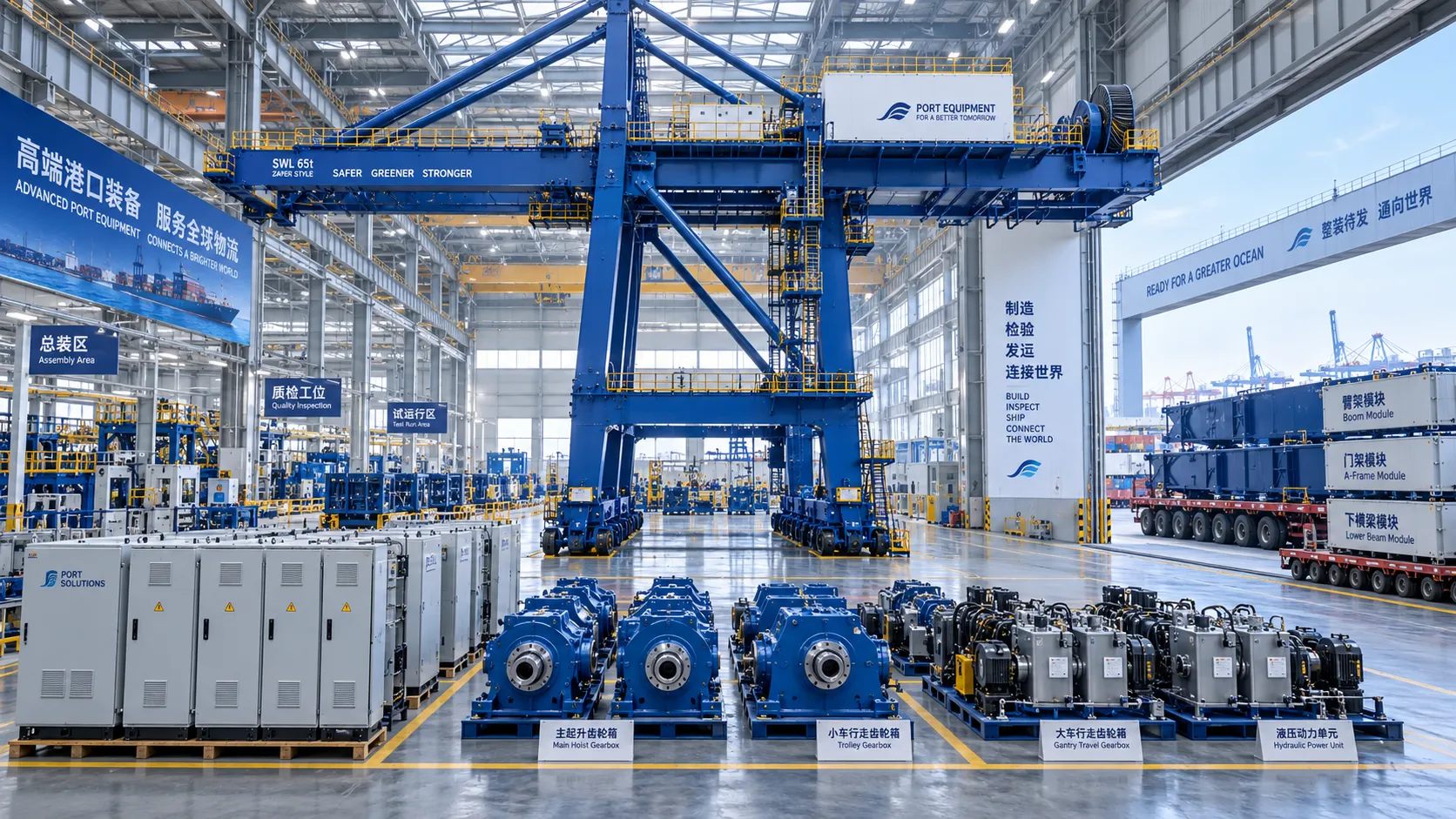
How Can Port Equipment Lead-Time Risk Be Managed?
How can port equipment lead-time risk be managed? Explore practical strategies to control critical paths, suppliers, transport, site readiness, and commissioning delays.
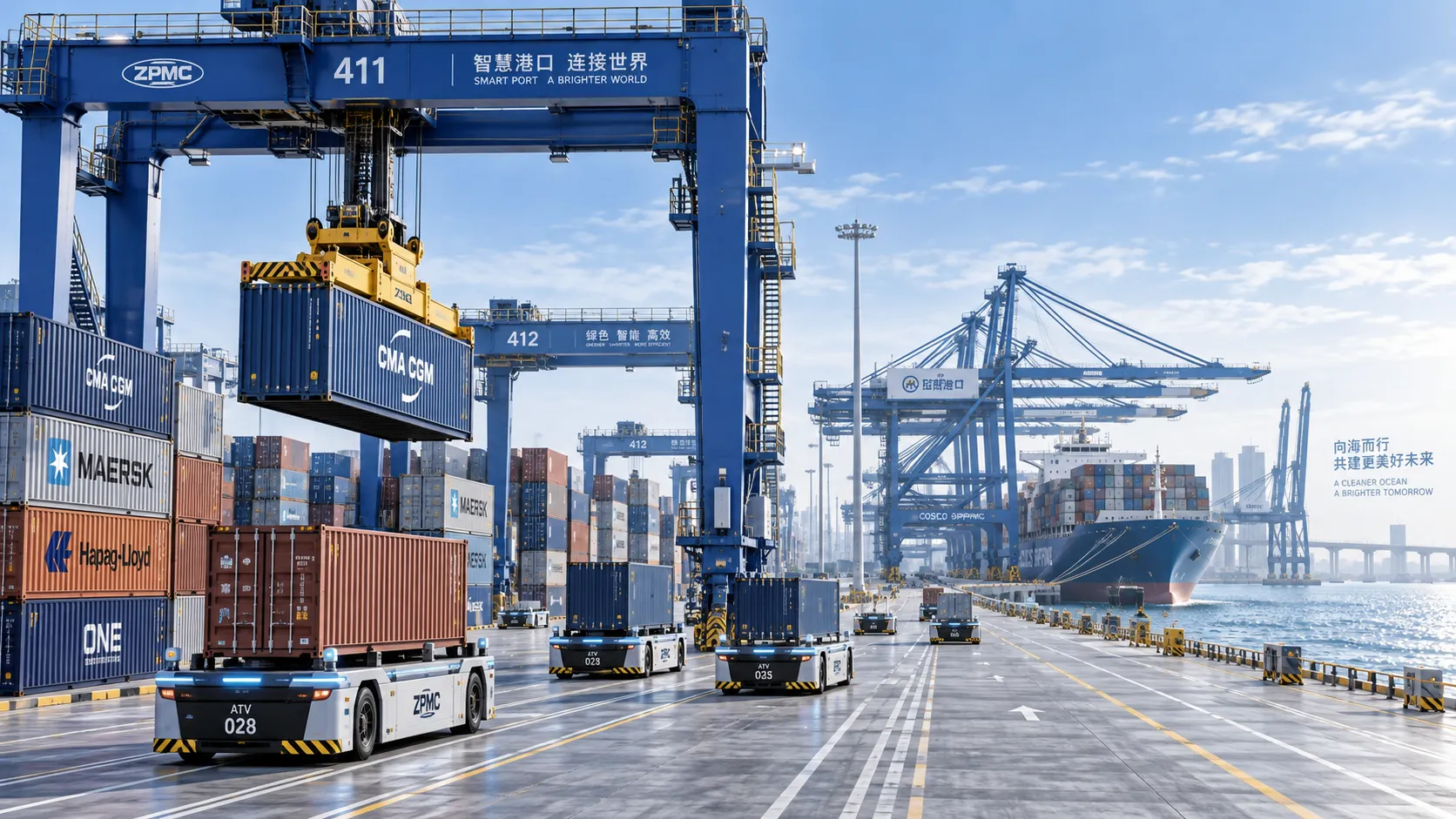
Terminal Automation Technologies That Raise Container Throughput Without Yard Disruption
Terminal automation technology that increases container throughput without disrupting yard flow. Explore smarter integration, resilient workflows, and phased deployment strategies.
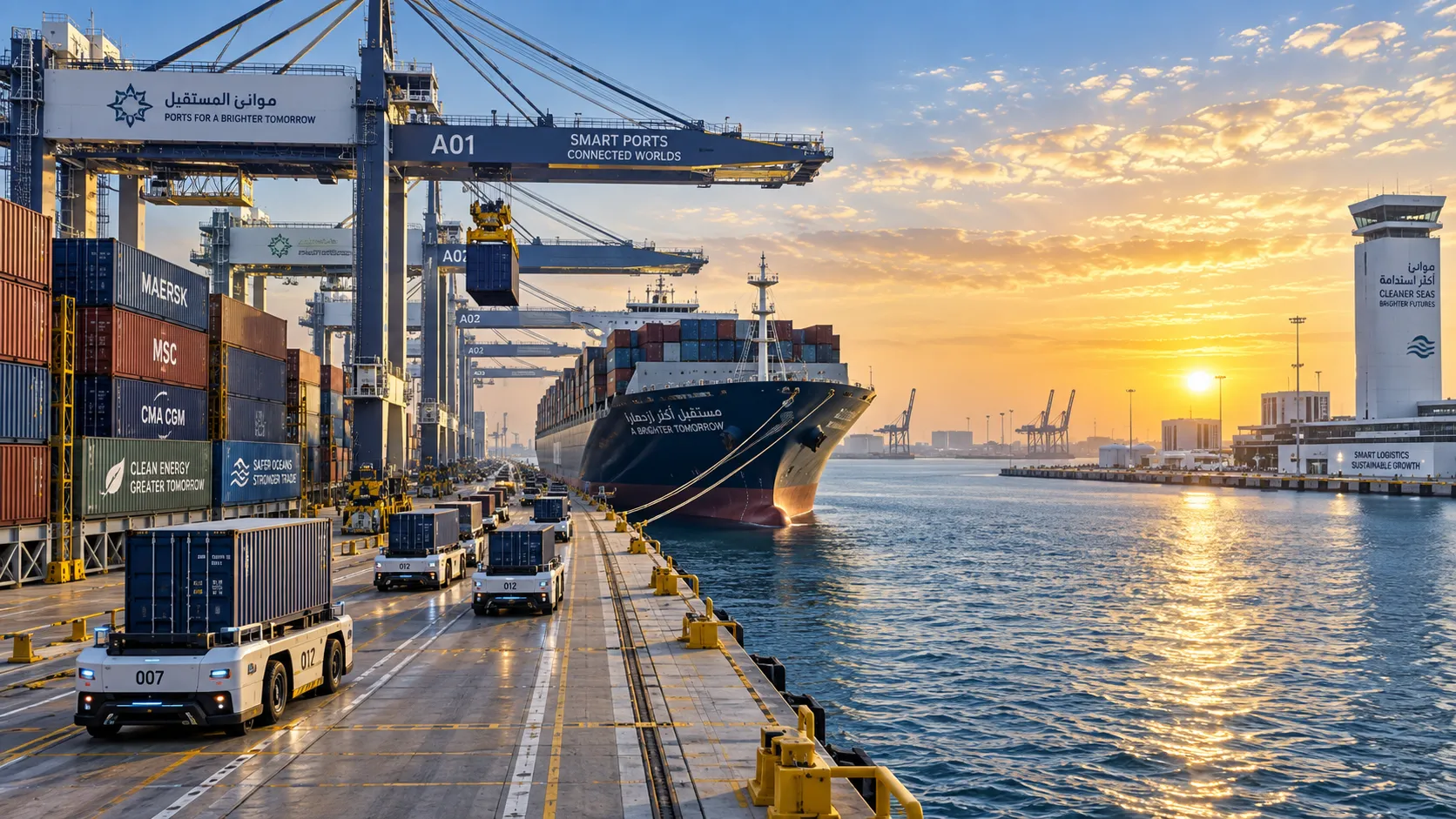
Middle East Port Automation: Key Market Drivers, Projects, and Investment Risks
Port automation systems Middle East: explore market drivers, flagship projects, integration challenges, and investment risks shaping smarter, resilient terminals.
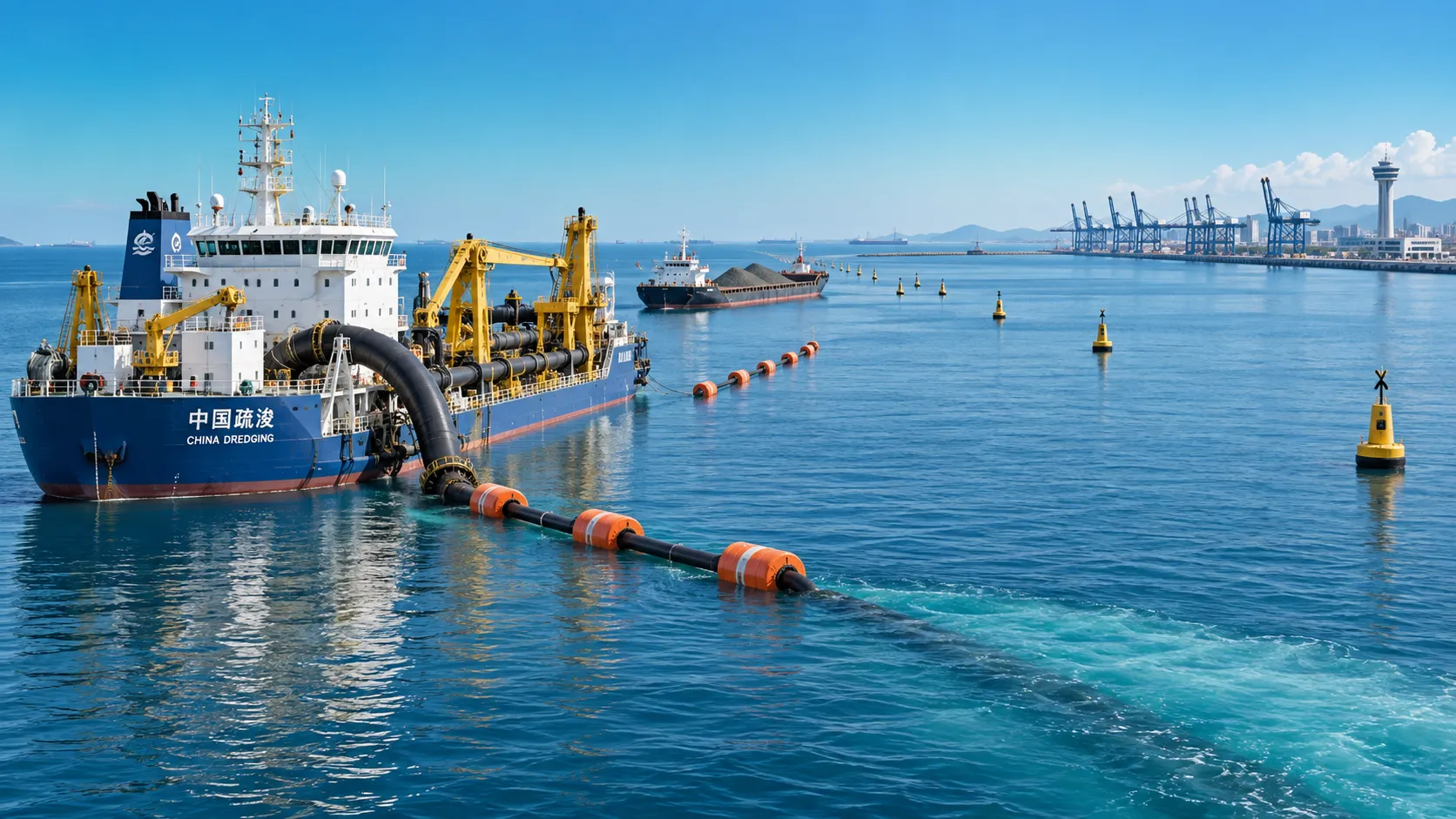
Planning Offshore Dredging Operations: Key Risks, Methods, and Project Controls
Offshore dredging operations demand smart planning. Explore key risks, proven methods, environmental controls, and project strategies for reliable delivery.