Related News
- 00
0000-00
How to Specify a Quay Crane for Container Terminals by Vessel Size and Throughput? - 00
0000-00
Which Bulk Handling Equipment Suits High-Moisture Cargo? - 00
0000-00
Terminal Automation Technologies That Raise Container Throughput Without Yard Disruption - 00
0000-00
Planning Offshore Dredging Operations: Key Risks, Methods, and Project Controls - 00
0000-00
Where Do Automated Guided Vehicles Deliver the Fastest Warehouse Gains in the Middle East?
Automated Guided Vehicles in Ports: Where They Fit and What Limits Performance
Automated Guided Vehicles in Ports: Where They Fit and What Limits Performance
Automated guided vehicles are no longer a pilot topic in ports. They are now a practical decision point for terminals chasing stable capacity, lower labor exposure, and safer horizontal transport.
That said, automated guided vehicles do not create value everywhere. Their payoff depends on terminal layout, crane strategy, traffic logic, and the discipline of system integration.
In real operations, the question is rarely whether AGVs work. The harder question is where automated guided vehicles fit best, and what limits performance after commissioning.
For ports evaluating automation, the useful lens is not marketing language. It is workflow fit, control latency, asset interaction, safety boundaries, and recovery under disruption.
This is where PS-Nexus brings value. Our focus on terminal gear, control systems, and scheduling intelligence helps frame automated guided vehicles as an operating system choice, not just a vehicle purchase.
Where Automated Guided Vehicles Fit Best in Port Workflows
Automated guided vehicles are strongest in repetitive, high-volume, clearly bounded transport loops. Ports with predictable container flows usually see the clearest fit.
The classic use case is quay-to-yard movement. AGVs shuttle containers between ship-to-shore cranes and yard blocks with controlled speed, fixed routes, and centralized dispatching.
This model works especially well in automated container terminals using ASC, ARMG, or other unmanned stacking concepts. The equipment ecosystem matters as much as the vehicle itself.
Automated guided vehicles also fit greenfield terminals better than heavily constrained brownfield sites. A new layout allows cleaner lane design, charging logic, and safer separation from manned equipment.
In mixed operations, the fit becomes narrower. If trucks, reach stackers, and terminal tractors share lanes unpredictably, AGV performance usually drops before planners expect it to.
Typical high-fit scenarios
- Large container terminals with stable vessel strings and high move density.
- Facilities with automated yard cranes and tightly controlled handoff zones.
- Sites with enough apron and yard space for segregated traffic lanes.
- Operations targeting lower emissions through battery-electric automated guided vehicles.
- Terminals seeking consistent performance across day, night, and weather shifts.
How Automated Guided Vehicles Support Throughput
The main operational benefit is not top speed. It is flow consistency. Automated guided vehicles reduce random travel behavior and support more predictable crane feeding.
When dispatching logic is strong, AGVs reduce idle time at both ends of the move. That directly affects ship-to-shore crane productivity and yard block rhythm.
They also improve traceability. Every task, route deviation, stop event, and battery cycle can be logged, which helps maintenance planning and operational tuning.
Another advantage is safety discipline. Automated guided vehicles operate inside defined logic layers, reducing the variability caused by manual driving patterns in high-pressure shift windows.
Still, none of these gains appear automatically. Ports only realize them when vehicle control, crane timing, and yard execution are synchronized at a system level.
What good AGV performance usually looks like
- Stable handoff times between quay cranes and transport vehicles.
- Low queue buildup near transfer points.
- Minimal empty travel during peak vessel exchanges.
- Fast route recovery after local blockage or equipment faults.
- Reliable charging cycles without creating transport bottlenecks.
What Limits Automated Guided Vehicles in Live Port Operations
The biggest limits are usually not mechanical. They come from system coordination, infrastructure constraints, and exception handling under real traffic pressure.
One common limit is route congestion. If too many automated guided vehicles converge near apron crossings or yard transfer lanes, throughput flattens quickly.
Battery strategy is another hard boundary. Poor charging placement or weak energy scheduling can quietly reduce available fleet size during peak vessel windows.
Communication latency also matters more than many early studies assume. If dispatch updates, positioning data, or crane status signals arrive late, the whole transport rhythm becomes reactive.
Then there is exception logic. Automated guided vehicles perform well in structured flow, but performance often drops when containers are rehandled, routes are blocked, or manual intervention is frequent.
The main performance constraints
- Traffic orchestration that cannot balance fleet density in real time.
- Insufficient separation between AGVs and manned vehicles.
- Weak integration with TOS, ECS, and crane control layers.
- Charging downtime that competes with vessel service peaks.
- Navigation degradation in harsh weather or degraded visibility zones.
- Poor recovery planning when one vehicle or one lane fails.
Infrastructure and Control Requirements That Matter Most
A serious AGV program starts with infrastructure discipline. Automated guided vehicles need more than paved lanes and charging points.
Lane geometry must support predictable turning behavior, overtaking rules, emergency stops, and access isolation. Small design compromises can later produce permanent flow losses.
Positioning architecture is equally important. Ports need reliable localization, low-latency wireless coverage, and clear logic for degraded-mode operation.
The control stack must connect vehicle dispatch, equipment status, and terminal planning. If these layers operate on different timing assumptions, AGV productivity becomes unstable.
From a PS-Nexus perspective, this is where port automation becomes strategic. The real engineering challenge is stitching mechanical assets and algorithmic decisions into one dependable transport fabric.
Priority design checks before deployment
- Validate route capacity against peak crane exchange rates.
- Map charging strategy to actual operational peaks, not average demand.
- Define safe interfaces with trucks, maintenance teams, and emergency access.
- Test communication resilience under interference and partial signal loss.
- Confirm that crane handoff logic matches real container sequence variation.
How to Evaluate Automated Guided Vehicles Without Overestimating Benefits
A practical evaluation starts with throughput dependencies, not fleet brochures. Ports should first identify what currently constrains vessel turnaround and yard flow.
If crane waiting, transfer congestion, and labor risk dominate, automated guided vehicles may be a strong fit. If the real bottleneck is yard capacity or berth planning, returns may disappoint.
It also helps to separate nominal capacity from resilient capacity. A system that performs well only in stable conditions may look attractive on paper and struggle in live service.
Simulation is useful, but only when the model includes disruption cases. Weather delays, crane faults, battery queuing, and lane blockage should all be part of the test logic.
In practice, the best AGV decisions come from comparing process fit, interface maturity, and recovery behavior, not from chasing the highest advertised automation level.
A grounded evaluation checklist
- Identify the exact transport segment targeted for automation.
- Measure current delay sources by minute, not by assumption.
- Check whether automated guided vehicles remove or merely shift bottlenecks.
- Review integration readiness across TOS, crane control, and maintenance systems.
- Stress-test exception handling before full-scale deployment.
- Model long-term fleet availability, battery aging, and spare strategy.
A Clear Decision Framework for Port Adoption
Automated guided vehicles make the most sense when a terminal can standardize flow, protect lanes, and coordinate every handoff from quay to yard.
They make less sense when operations depend on frequent improvisation, mixed-traffic freedom, or layouts that resist strict control logic.
The more obvious signal today is that automated guided vehicles are no longer judged in isolation. They are judged as part of a wider automation architecture.
For that reason, adoption decisions should combine transport engineering, software architecture, energy planning, and terminal operations into one evaluation path.
PS-Nexus tracks this shift closely across maritime logistics, port control systems, and equipment evolution. The winning pattern is consistent: good AGV projects are designed around workflow truth.
If a port wants automated guided vehicles to raise throughput, safety, and long-run efficiency, the first move is simple. Define where they fit, then measure every limit before scale-up.
Related News
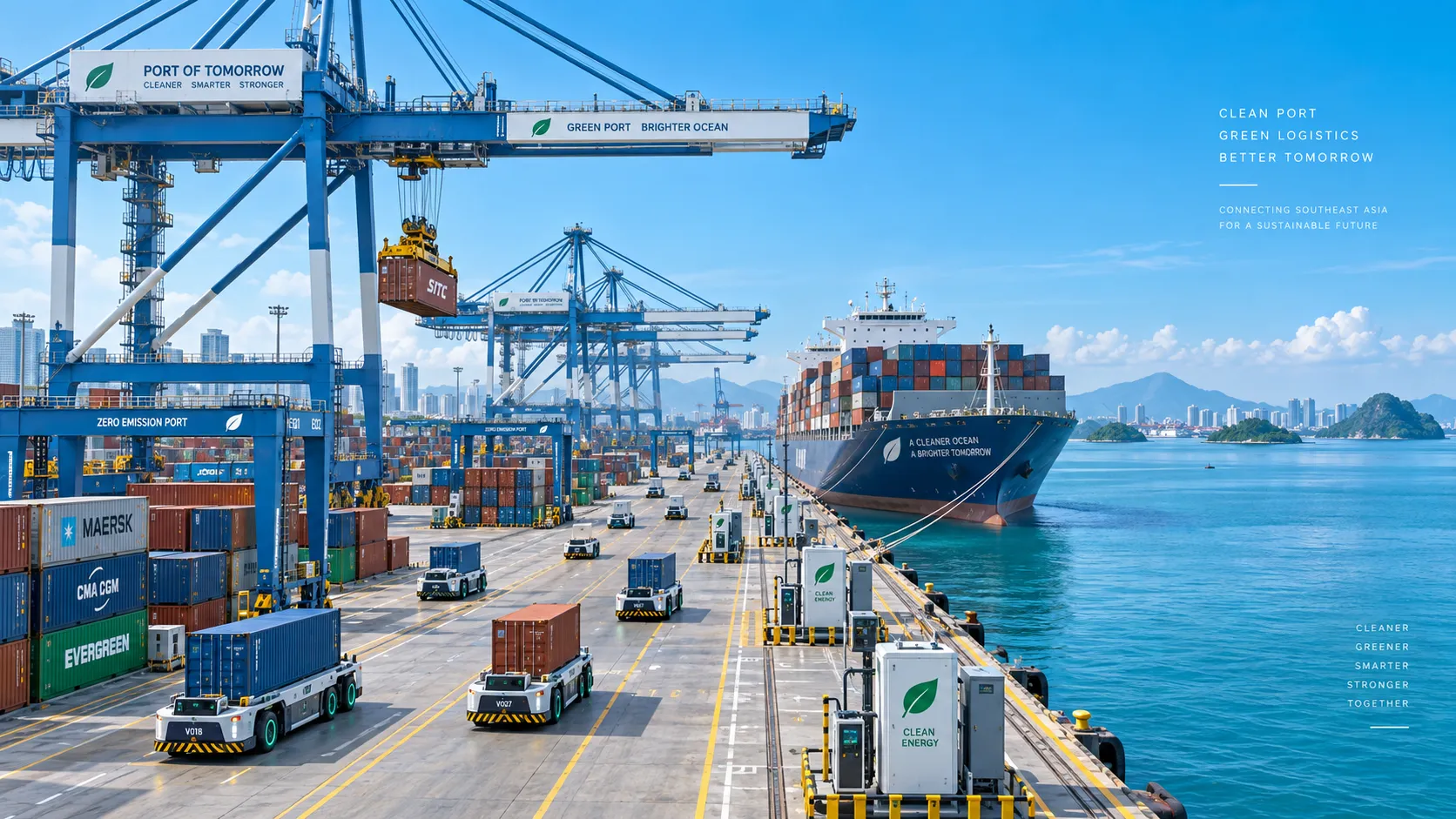
Smart Port Systems in Southeast Asia: Investment Priorities and Adoption Barriers
Smart port systems Southeast Asia: discover investment priorities, adoption barriers, and practical steps to build resilient, connected, high-performing terminals.

How to Evaluate Terminal Efficiency Solution Suppliers for High-Throughput Operations
Choose a terminal efficiency solutions supplier with confidence. Explore proven criteria for throughput, integration, lifecycle cost, safety, and reliable delivery.
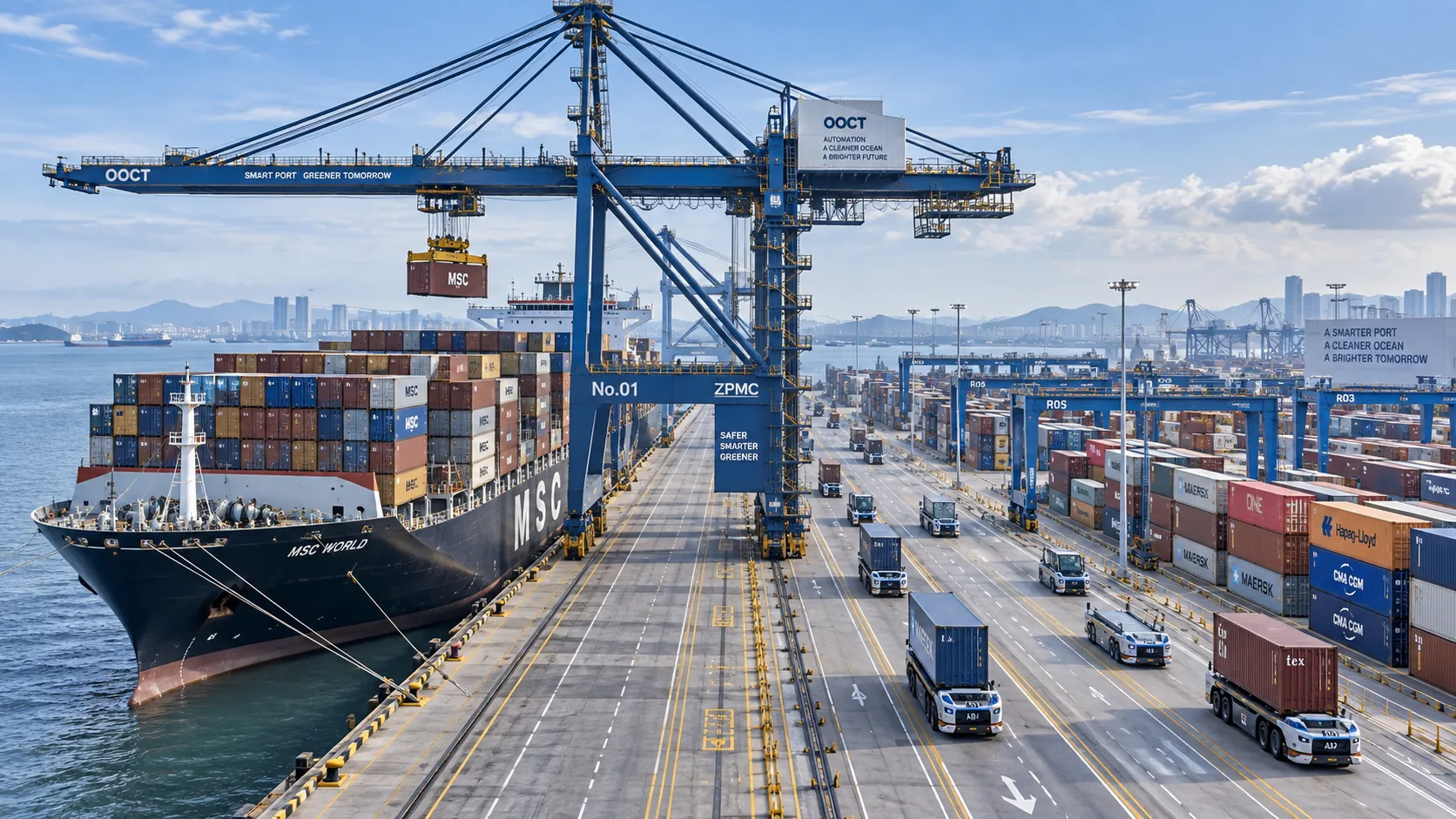
How to Specify a Quay Crane for Container Terminals by Vessel Size and Throughput?
Quay crane for container terminals: learn how to match outreach, lift height, capacity, automation, and cycle performance to vessel size and throughput goals.
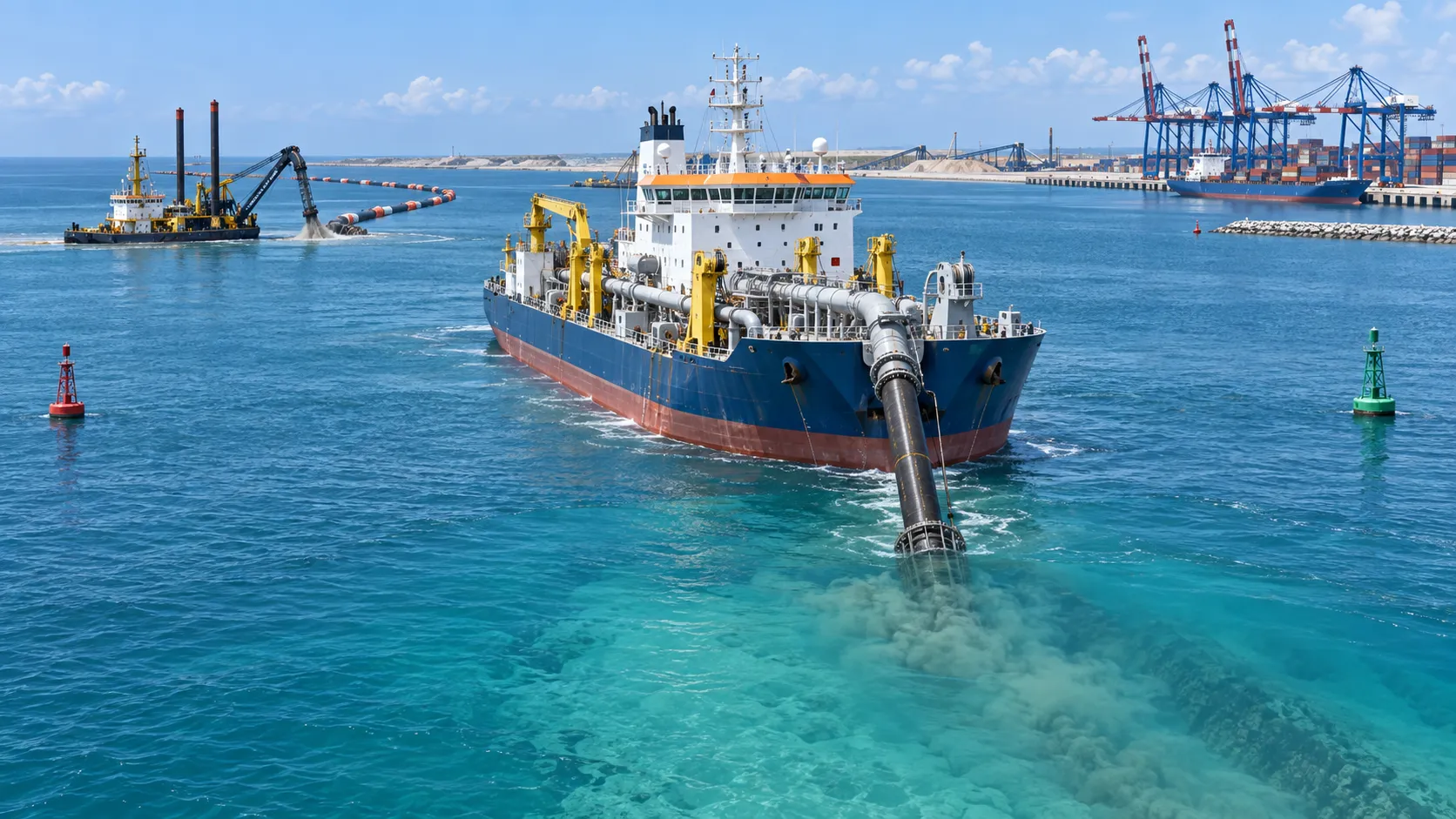
What Dredging Equipment Is Needed for Channel Deepening?
What dredging equipment is needed for channel deepening? Explore dredgers, pipelines, survey tools, and planning strategies for safer, more efficient port access.
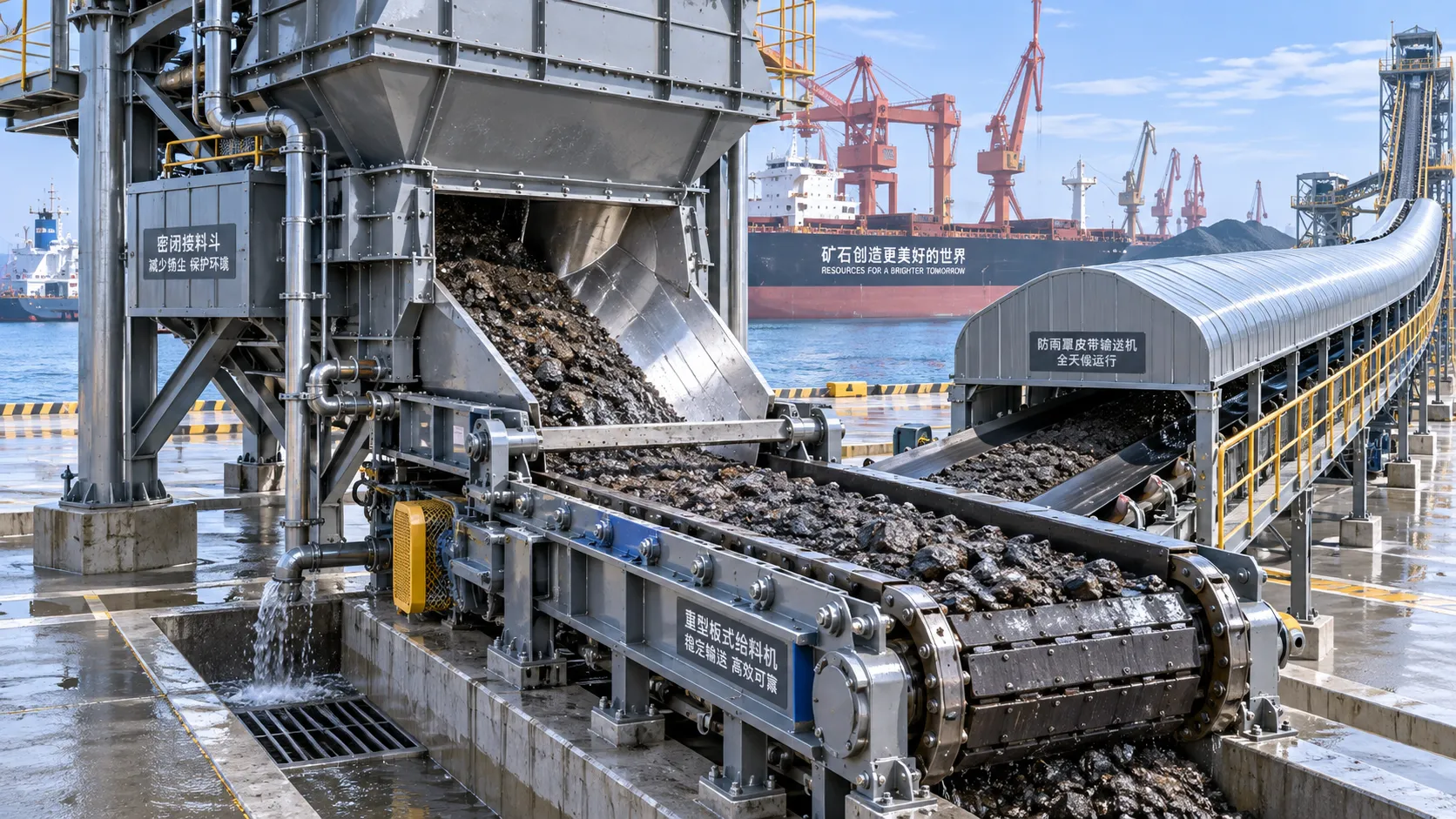
Which Bulk Handling Equipment Suits High-Moisture Cargo?
Which bulk handling equipment suits high-moisture cargo? Compare belt, apron, screw, drag, and slurry systems for reliable flow, less carryback, and higher terminal uptime.
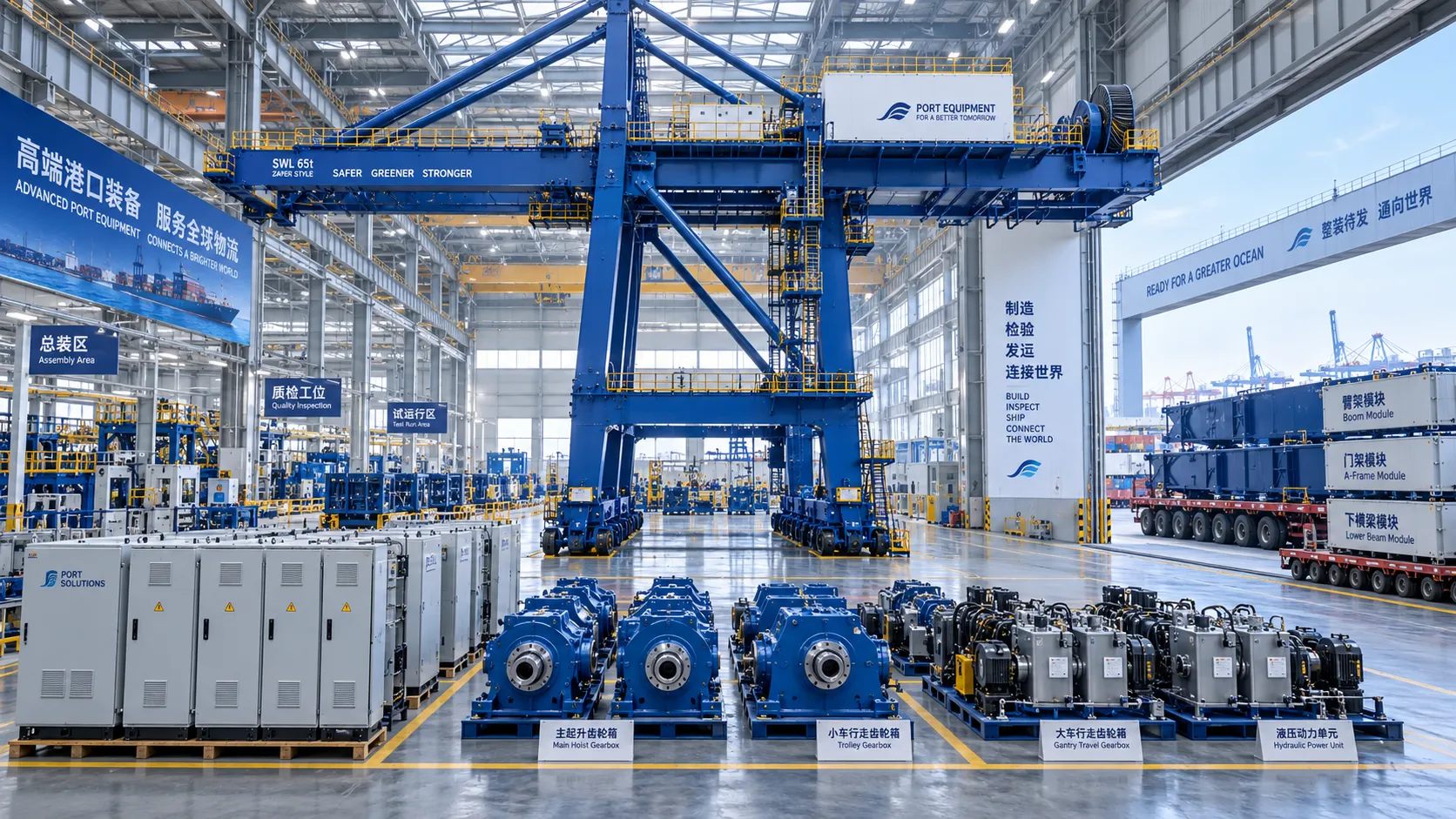
How Can Port Equipment Lead-Time Risk Be Managed?
How can port equipment lead-time risk be managed? Explore practical strategies to control critical paths, suppliers, transport, site readiness, and commissioning delays.
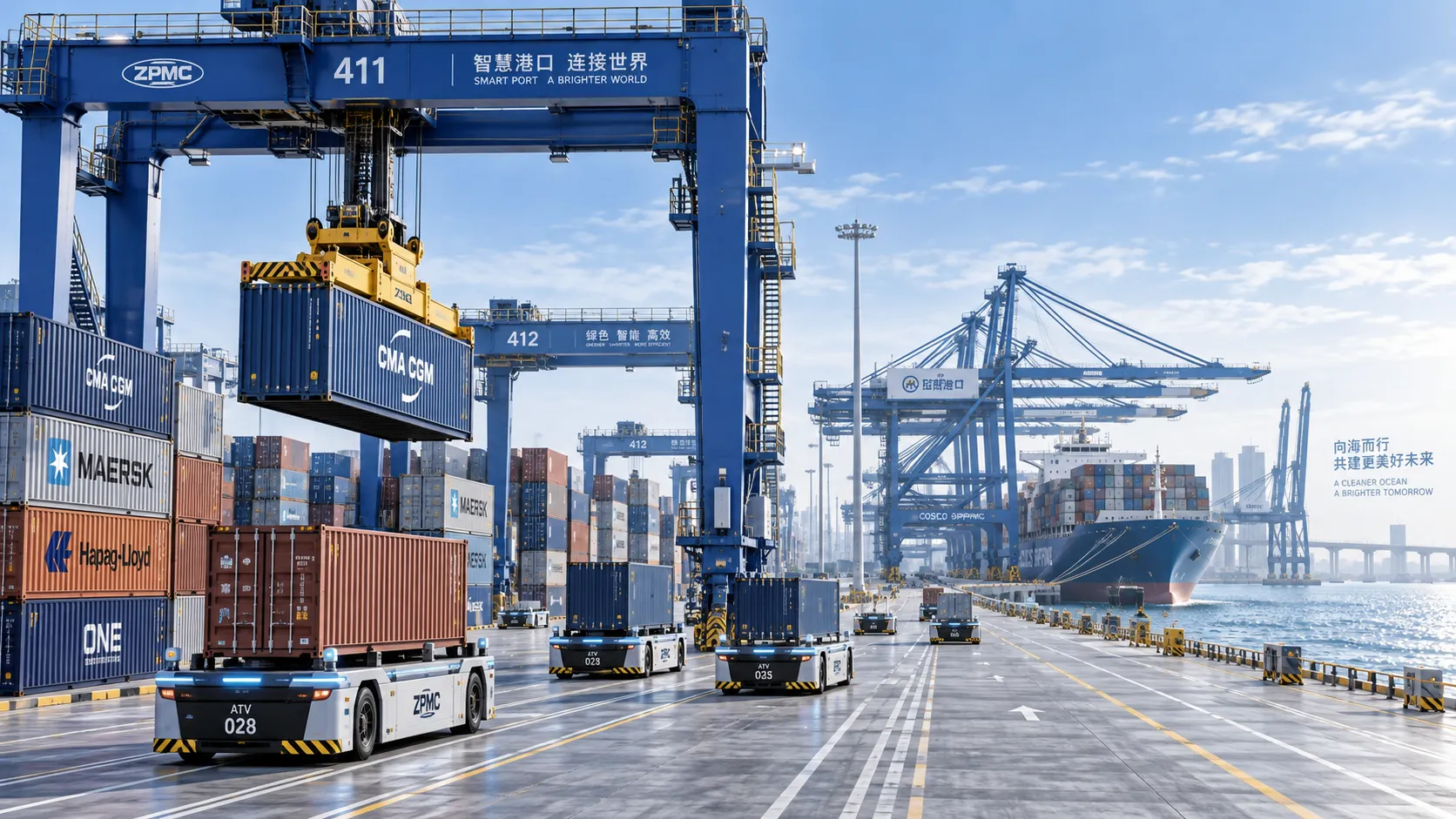
Terminal Automation Technologies That Raise Container Throughput Without Yard Disruption
Terminal automation technology that increases container throughput without disrupting yard flow. Explore smarter integration, resilient workflows, and phased deployment strategies.
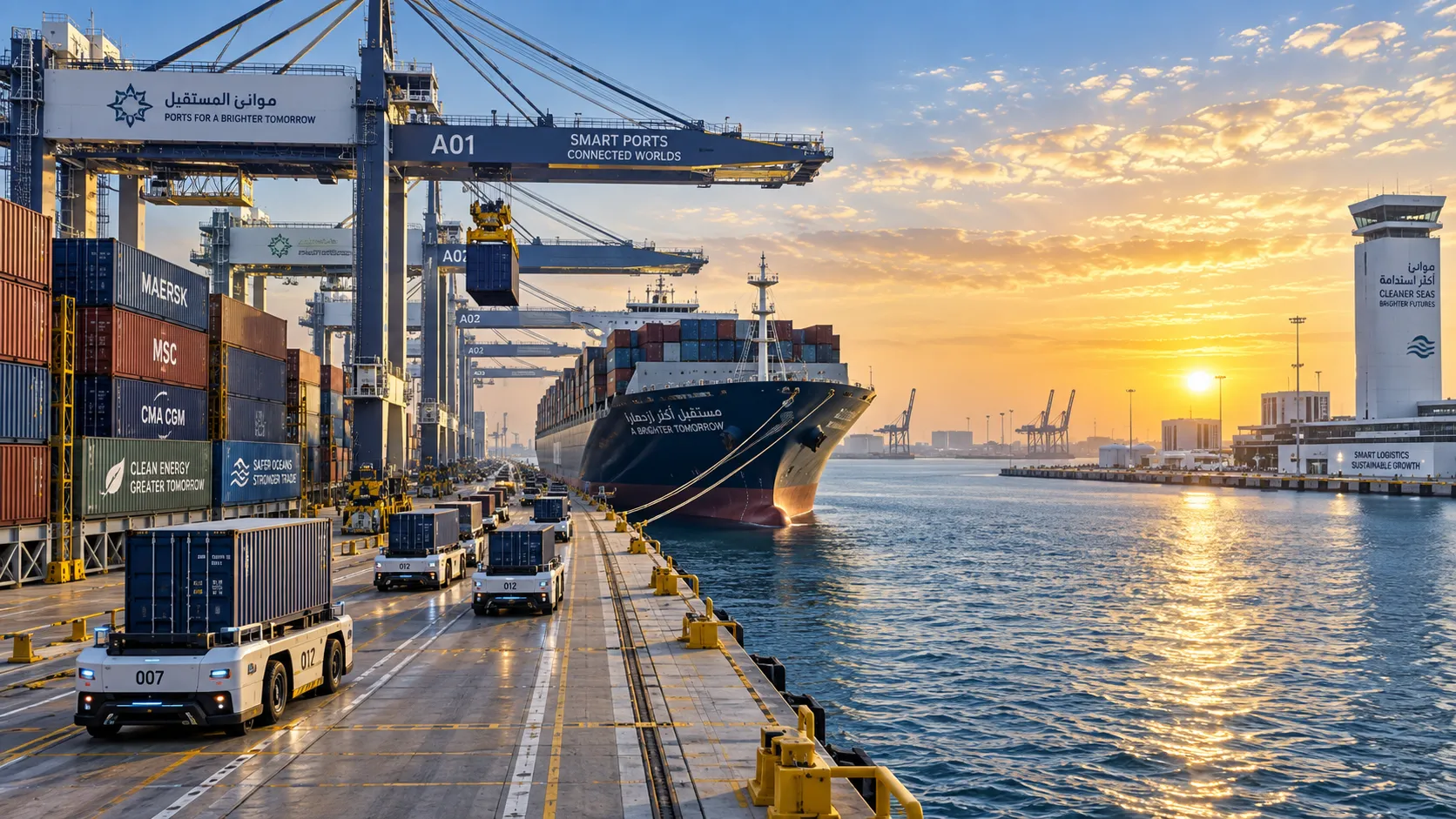
Middle East Port Automation: Key Market Drivers, Projects, and Investment Risks
Port automation systems Middle East: explore market drivers, flagship projects, integration challenges, and investment risks shaping smarter, resilient terminals.
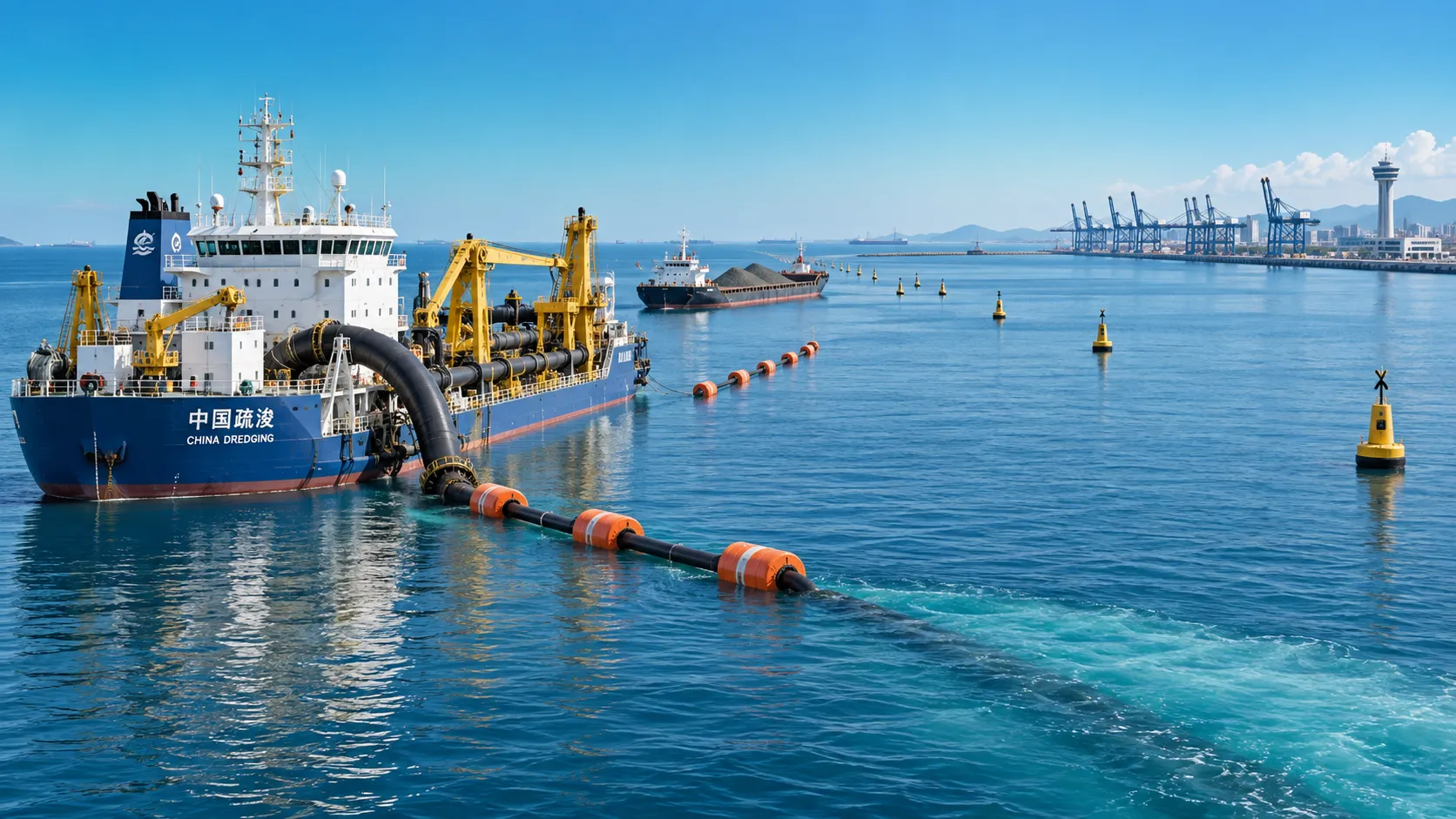
Planning Offshore Dredging Operations: Key Risks, Methods, and Project Controls
Offshore dredging operations demand smart planning. Explore key risks, proven methods, environmental controls, and project strategies for reliable delivery.