Related News
- 00
0000-00
How to Specify a Quay Crane for Container Terminals by Vessel Size and Throughput? - 00
0000-00
Which Bulk Handling Equipment Suits High-Moisture Cargo? - 00
0000-00
Terminal Automation Technologies That Raise Container Throughput Without Yard Disruption - 00
0000-00
Planning Offshore Dredging Operations: Key Risks, Methods, and Project Controls - 00
0000-00
Where Do Automated Guided Vehicles Deliver the Fastest Warehouse Gains in the Middle East?
How to Evaluate Automated Port Systems Software for Terminal Efficiency and Cargo Flow
Start with the operating model, not the feature list
When technical teams evaluate automated port systems software, the biggest mistake is starting with demo screens and module names. That usually leads to a polished shortlist and a weak decision. The real job is to test whether the software can handle the terminal’s actual operating logic: vessel windows, yard density, equipment conflicts, exception handling, and the constant trade-off between speed and stability.
A useful evaluation begins with one question: what decisions must the system make every minute to keep cargo flowing? If the answer is vague, the software review is already off track. For a technical assessor, this means mapping the flow from quay to yard to gate, then checking whether the platform supports that flow under real conditions, not only under ideal ones.
Use the checklist below in the same order a terminal feels pain: operational fit first, then control depth, then integration, then resilience. That sequence exposes weak systems much faster than a broad scorecard.
Check whether the software matches the terminal’s traffic pattern
Not every terminal needs the same control model. A transshipment-heavy container hub, a mixed-use terminal, and a high-volume export gateway will stress software in different ways. Before comparing vendors, define the traffic pattern that matters most:
- Peak vessel clustering and berth overlap
- Yard block turnover speed
- Ratio of automated to manually supervised moves
- Gate volatility and truck arrival bunching
- Rehandle sensitivity when yard utilization rises
Some systems look strong because they handle normal move planning well. Then yard density climbs, a quay crane goes down, or truck arrivals bunch within a short window, and the optimization logic starts producing work that is technically valid but operationally clumsy. That is where cargo flow slows down.
Ask vendors to walk through your busiest traffic pattern, not a generic container handling scenario. If they cannot explain how the software behaves when the yard is constrained, equipment paths intersect, and priorities change mid-shift, you are not evaluating a terminal system. You are evaluating a presentation.
Test the quality of the decision engine
In automated operations, software value comes from decisions, not dashboards. The core assessment point is how the platform allocates jobs, sequences moves, and recovers from disruption.
A technical review should cover these questions:
- How does the system prioritize between vessel productivity, yard balance, and truck turnaround?
- Can dispatching rules be tuned by operating mode, shift condition, or equipment availability?
- How are deadhead moves, travel distance, and queue formation controlled?
- What happens when telemetry is delayed, incomplete, or temporarily lost?
- Can planners see why a job sequence was chosen, or is the logic opaque?
That last point matters more than many teams expect. A black-box optimizer may look impressive until operations starts challenging its decisions. If supervisors cannot understand why equipment is being routed a certain way, they override the system, and automation value drops quickly. You do not need every algorithm explained at code level, but you do need enough transparency to validate behavior and tune rules with confidence.
Verify control over equipment coordination
Terminal efficiency is rarely lost in one dramatic failure. More often, it leaks away through poor coordination between quay cranes, yard cranes, AGVs, shuttle carriers, and gate-side processes. Software must do more than assign jobs; it must prevent local optimization from damaging the wider flow.
This is where evaluation needs to become very concrete. Check whether the system can:
- Synchronize crane work with horizontal transport availability so quay cranes do not wait on vehicles.
- Manage buffer zones and handoff points without building hidden congestion.
- Prevent two subsystems from optimizing the same resource differently.
- Adjust job release logic when one equipment class becomes the bottleneck.
- Support mixed fleets if the terminal is not fully homogeneous.
A common failure mode is good automation at the machine level and poor orchestration at the terminal level. You will see it in rising wait times, unbalanced yard blocks, or excessive reshuffling even though each individual asset appears busy. During evaluation, ask for evidence of coordinated control logic across assets, not separate module descriptions.
Look hard at exception handling
Most systems can perform when everything is scheduled, connected, and mechanically healthy. Terminal performance is decided by what happens when that picture breaks. A missed vessel update, a blocked lane, a container in the wrong slot, a crane slowdown, a weather interruption, a remote control latency spike: these are normal operating conditions, not edge cases.
The software should show a clear exception workflow:
- How the issue is detected
- Who gets the alert
- What work is automatically re-planned
- Which actions need human approval
- How the system returns to normal scheduling afterward
If that chain is fragmented, operators end up managing by phone calls, side spreadsheets, or manual dispatch workarounds. That may keep cargo moving for a while, but it destroys traceability and makes later tuning nearly impossible.
Do not treat integration as a separate IT workstream
For automated port systems software, integration is part of operational performance. If data arrives late or in the wrong structure, the best optimizer in the market will still make bad decisions. Technical assessors should inspect data dependencies early, especially around TOS, equipment control systems, telemetry layers, maintenance platforms, gate systems, and external planning inputs.
A practical review table helps here:
Do not accept “API available” as a meaningful answer. You need interface behavior, fallback logic, and ownership of data quality problems spelled out during evaluation.
Check whether the system can scale without becoming fragile
Scalability is not only about handling more transactions. In terminal operations, it also means absorbing more equipment, denser yard planning, additional automation zones, and more exception events without slowing the control loop or confusing operators.
Ask the vendor to define the scaling boundary in operational terms. For example: what changes when a terminal adds another yard block, introduces remote-controlled cranes, or shifts from assisted dispatch to higher automation autonomy? A platform that needs major logic redesign every time the operation matures will become a long-term constraint.
Also check configuration discipline. Systems that rely heavily on vendor-side customization for every rule change usually become slow to adapt. Terminals change. Stowage behavior changes. Yard strategies change. The software should allow controlled tuning without turning each operational improvement into a small redevelopment project.
Assess operator usability under pressure
Technical assessors sometimes undervalue usability because the purchase is framed as an automation decision. That is a mistake. Even highly automated terminals depend on supervisors, planners, maintenance teams, and control room staff making fast judgments during disruption.
Good software for this environment does three things well: it shows the current state clearly, exposes bottlenecks early, and allows intervention without breaking workflow logic. Watch for interfaces that bury critical alarms under visual clutter or force operators through too many steps to re-sequence work. In a live terminal, that friction becomes delay.
During demos, ask the vendor to show the system during a disrupted shift, not a steady one. That single request often reveals whether the platform was designed for control rooms or for conference rooms.
Review cybersecurity, access control, and recovery logic as operational risks
In port automation, security is not a compliance footnote. It affects availability, command integrity, and recovery time. The review should cover role-based access, segregation between planning and control functions, logging of operator actions, backup behavior, and recovery sequence after a fault.
What matters is not the existence of policy language but the operational design behind it. If a system loses one subsystem, can it degrade gracefully? Can the terminal continue in a reduced mode? How are manual overrides recorded and reconciled once normal control resumes? These are not abstract IT questions. They decide whether disruption remains local or spreads across the terminal.
Use a scenario-based evaluation before final selection
The cleanest way to compare candidates is to run the same set of operating scenarios through each one. Keep the scenarios close to reality and slightly uncomfortable. Include normal flow, heavy yard utilization, equipment loss, late plan changes, and gate pressure. Then score the system on behavior, not marketing claims.
A short evaluation pack usually works better than a huge one. Build it around:
- One peak vessel handling scenario
- One yard congestion scenario
- One equipment outage scenario
- One data degradation or communication delay scenario
- One operator intervention and recovery scenario
That approach keeps the assessment grounded in terminal efficiency and cargo flow, which is where the buying decision should stay.
Make the decision in the right order
When the shortlist is close, do not break the tie with interface polish or presentation quality. Decide in this order: operational fit, decision logic quality, coordination depth, exception handling, integration reliability, then scalability and usability. Price and implementation effort matter, but they should be read after the software proves it can control the operation you actually run.
A strong selection process for automated port systems software is less about collecting features and more about eliminating failure points before procurement. If the platform can keep decisions coherent under pressure, maintain cargo flow across connected assets, and stay understandable to the people running the terminal, you are looking at a serious candidate. If not, no amount of slideware will fix the gap once the system goes live.
Related News
Smart Port Systems in Southeast Asia: Investment Priorities and Adoption Barriers
Smart port systems Southeast Asia: discover investment priorities, adoption barriers, and practical steps to build resilient, connected, high-performing terminals.
How to Evaluate Terminal Efficiency Solution Suppliers for High-Throughput Operations
Choose a terminal efficiency solutions supplier with confidence. Explore proven criteria for throughput, integration, lifecycle cost, safety, and reliable delivery.
How to Specify a Quay Crane for Container Terminals by Vessel Size and Throughput?
Quay crane for container terminals: learn how to match outreach, lift height, capacity, automation, and cycle performance to vessel size and throughput goals.
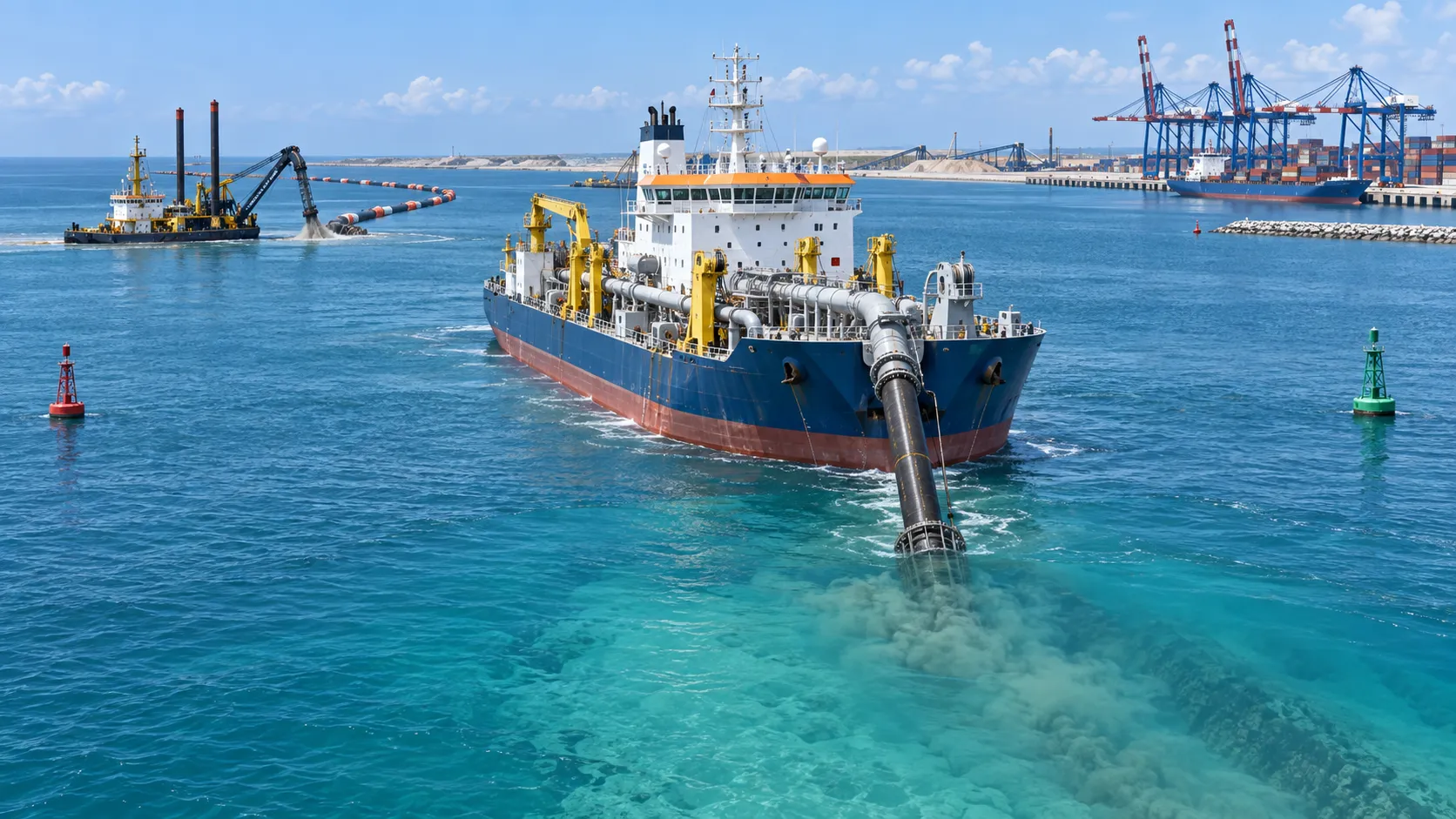
What Dredging Equipment Is Needed for Channel Deepening?
What dredging equipment is needed for channel deepening? Explore dredgers, pipelines, survey tools, and planning strategies for safer, more efficient port access.
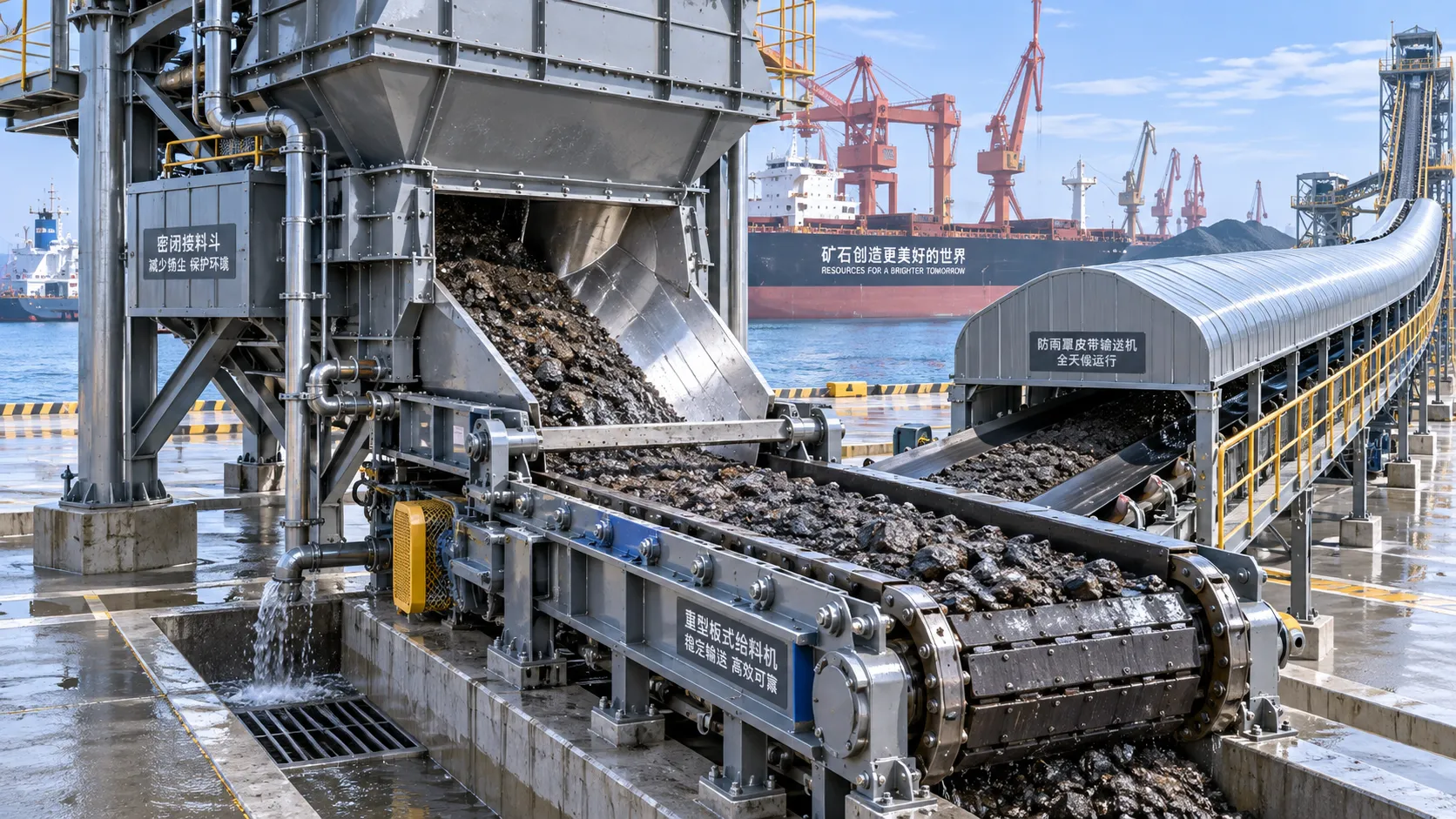
Which Bulk Handling Equipment Suits High-Moisture Cargo?
Which bulk handling equipment suits high-moisture cargo? Compare belt, apron, screw, drag, and slurry systems for reliable flow, less carryback, and higher terminal uptime.
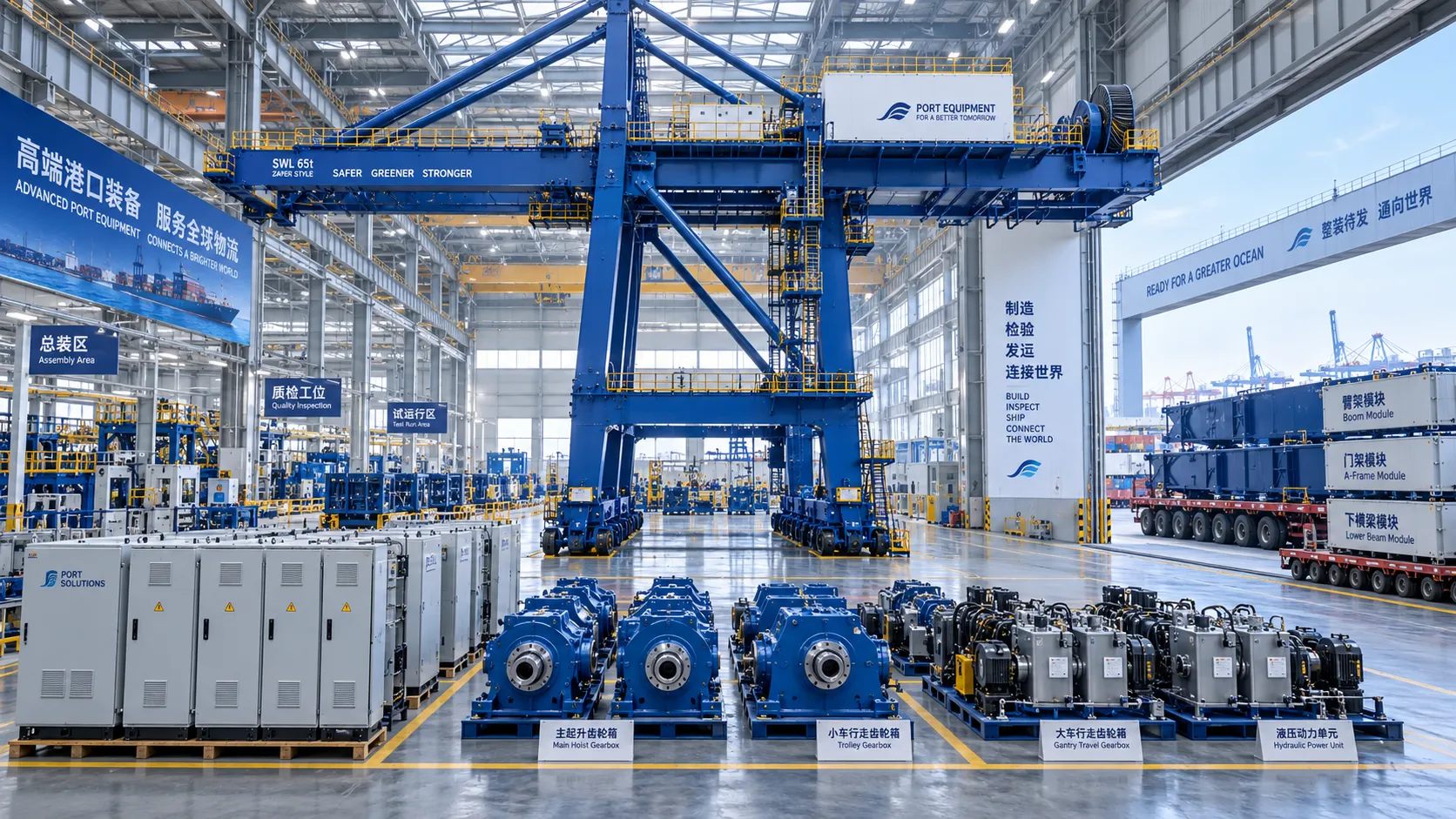
How Can Port Equipment Lead-Time Risk Be Managed?
How can port equipment lead-time risk be managed? Explore practical strategies to control critical paths, suppliers, transport, site readiness, and commissioning delays.
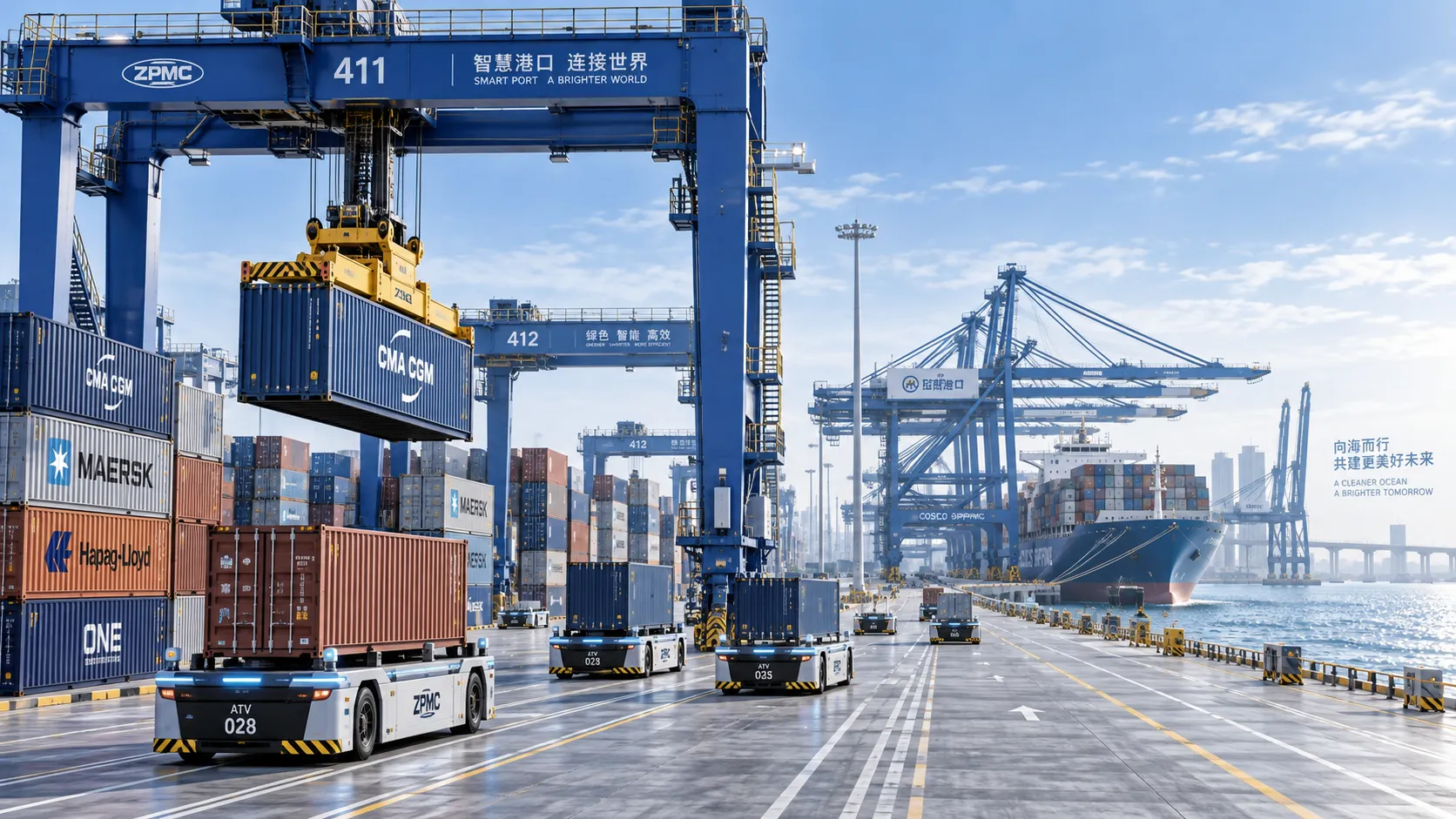
Terminal Automation Technologies That Raise Container Throughput Without Yard Disruption
Terminal automation technology that increases container throughput without disrupting yard flow. Explore smarter integration, resilient workflows, and phased deployment strategies.
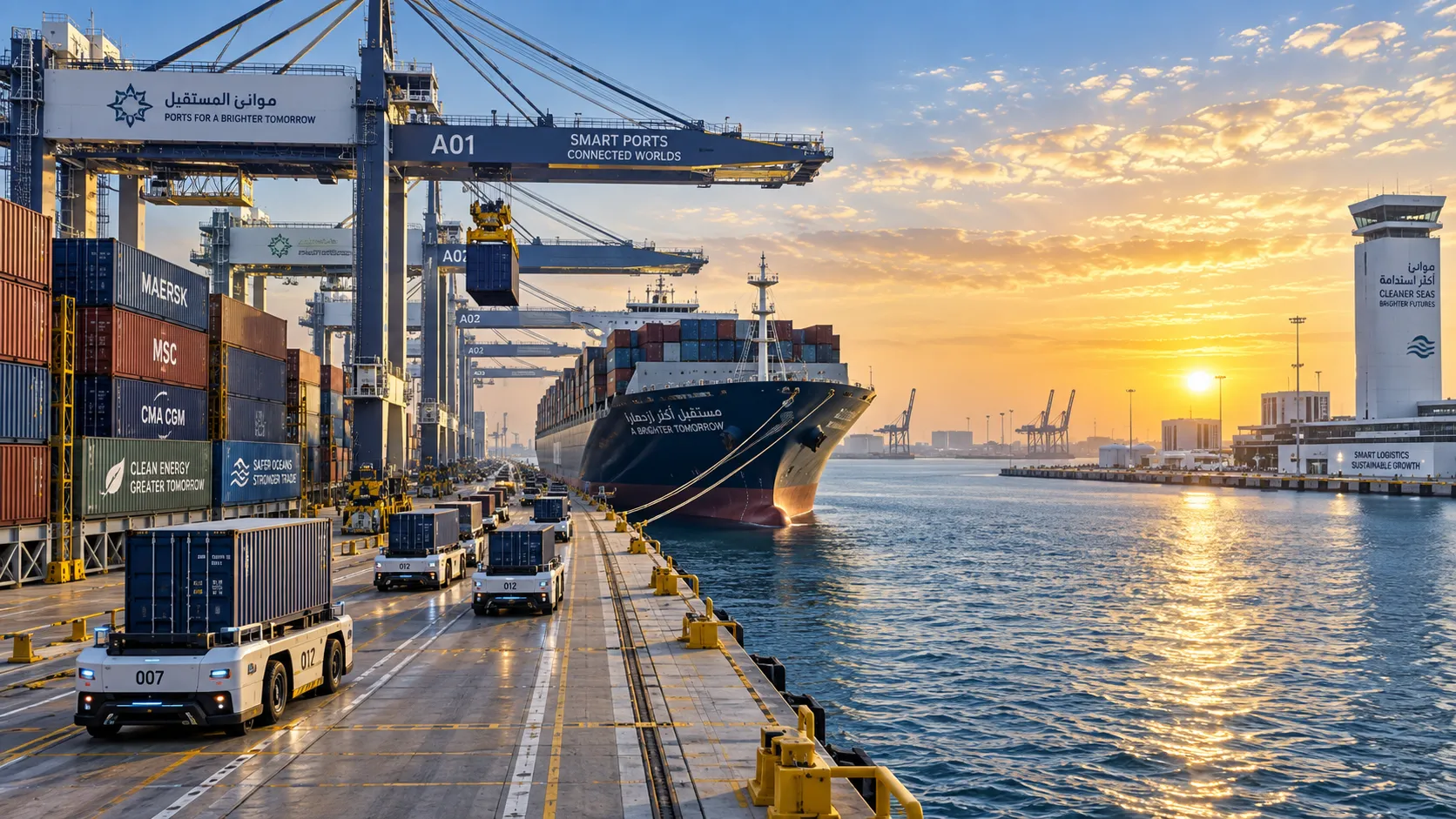
Middle East Port Automation: Key Market Drivers, Projects, and Investment Risks
Port automation systems Middle East: explore market drivers, flagship projects, integration challenges, and investment risks shaping smarter, resilient terminals.
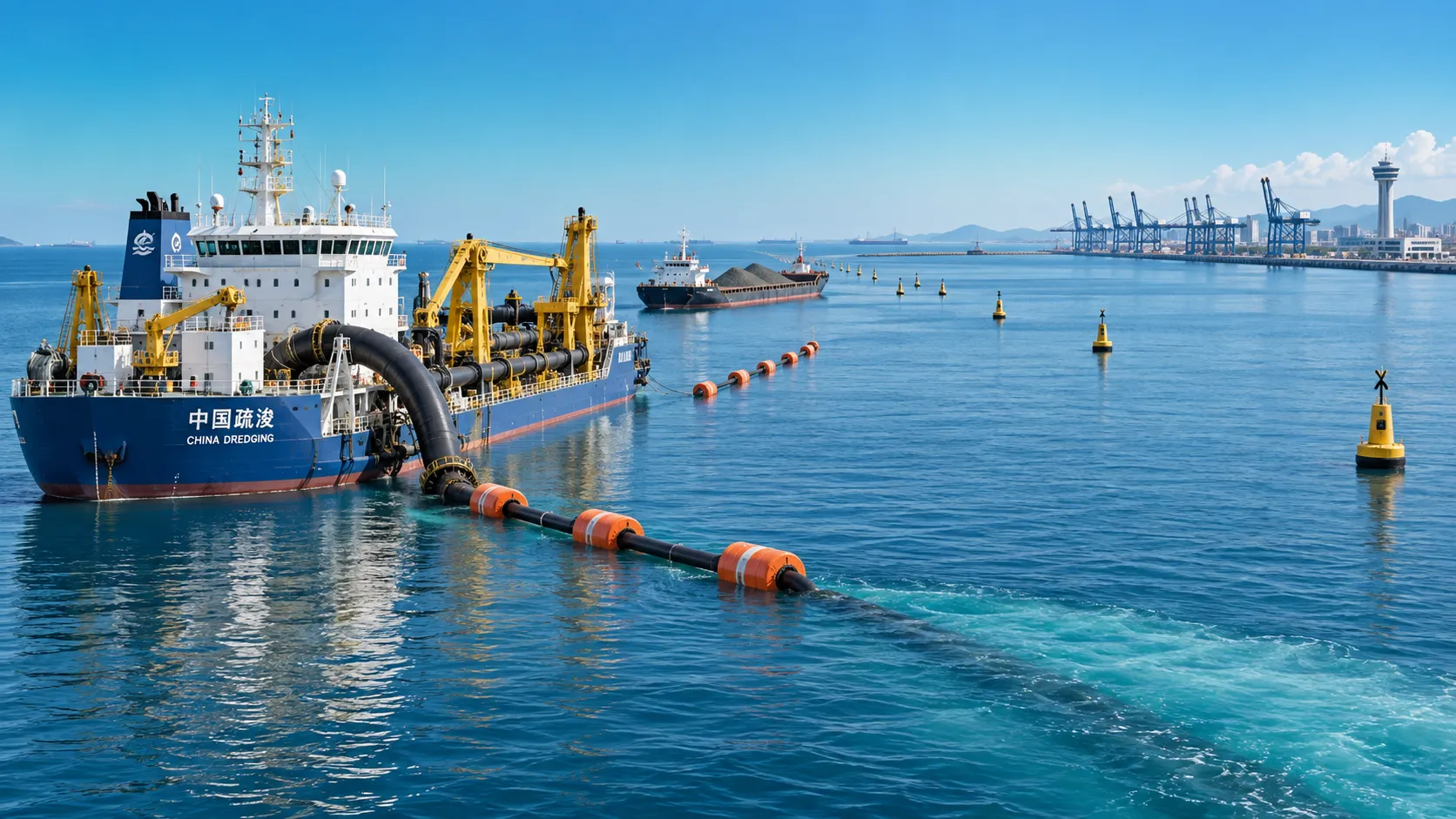
Planning Offshore Dredging Operations: Key Risks, Methods, and Project Controls
Offshore dredging operations demand smart planning. Explore key risks, proven methods, environmental controls, and project strategies for reliable delivery.