Related News
- 00
0000-00
How to Specify a Quay Crane for Container Terminals by Vessel Size and Throughput? - 00
0000-00
Which Bulk Handling Equipment Suits High-Moisture Cargo? - 00
0000-00
Terminal Automation Technologies That Raise Container Throughput Without Yard Disruption - 00
0000-00
Planning Offshore Dredging Operations: Key Risks, Methods, and Project Controls - 00
0000-00
Where Do Automated Guided Vehicles Deliver the Fastest Warehouse Gains in the Middle East?
How to Evaluate STS Remote Control Systems for Safe Industrial Equipment Operation
Evaluating STS remote control systems requires more than comparing feature lists—it demands a clear view of safety logic, communication stability, operator visibility, and fault response under real terminal conditions. For technical assessors, the right framework can reveal whether a system truly supports safe industrial equipment operation, reduces human risk, and aligns with the performance standards expected in modern port automation environments.
In port environments, “remote control” is often treated as a maturity marker: a crane has moved beyond manual cabin operation, therefore it is considered advanced. That assumption is risky. An STS remote control system can improve operator safety, reduce fatigue, and support more stable crane utilization, but only if the control chain remains predictable under real operating constraints—wind, glare, network congestion, signal degradation, mechanical wear, and the uneven behavior of mixed-vintage terminal equipment.
For technical evaluation teams, the practical question is not whether STS remote control systems are inherently good. It is whether a specific system can maintain safe control authority, preserve situational awareness, and fail in a controlled way when conditions deteriorate. That is a more demanding judgment than a standard automation brochure suggests.
Why STS remote control evaluation has become more demanding
Ship-to-shore cranes now sit inside a broader automation stack rather than functioning as isolated assets. In many terminals, crane operations are linked with TOS logic, yard equipment dispatching, OCR, anti-collision layers, and increasingly low-latency network infrastructure. As a result, the remote control system is no longer just an HMI extension. It becomes part of a safety-critical operational architecture.
This matters because risk no longer comes only from crane mechanics or operator handling. It can also emerge from interface lag, video blind zones, synchronization drift between control and feedback, or poorly designed fallback behavior during communication anomalies. A technically acceptable subsystem on paper may perform poorly once integrated with terminal traffic, maintenance routines, and live berth operations.
That is why evaluation should begin with operating philosophy, not hardware inventory. Is the system intended for pure teleoperation, operator-assist mode, or staged transition toward semi-automation? Does the terminal expect one operator per crane, or pooled supervision? Is the objective labor safety, productivity smoothing, recruitment flexibility, or future unmanned workflow compatibility? These are not commercial questions alone. They determine the safety envelope the system must support.
Start with the safety architecture, not the user interface
Technical assessors are often shown remote desks, camera walls, and ergonomic consoles early in vendor demonstrations. Those elements matter, but they are downstream of the real issue: how the system defines, limits, and transfers control.
A credible evaluation should examine at least four layers of safety logic.
The first is command integrity. The system must ensure that issued commands are authenticated, transmitted, executed, and acknowledged without ambiguity. In practical terms, that means assessors should ask how the system handles packet loss, duplicated commands, stale command frames, and command timing conflicts. “Low latency” alone is not enough. The more relevant metric is deterministic behavior under degraded conditions.
The second is state awareness. The operator should never act on an outdated or incomplete view of crane status. This includes trolley position, hoist height, spreader twistlock state, gantry movement status, emergency stop condition, anti-sway function state, and any automation layer overrides. If state changes can occur faster than the operator interface refresh or video stream synchronization, there is a safety gap even if nominal bandwidth appears sufficient.
The third is authority management. One of the most overlooked risks in STS remote control systems is unclear handover logic between local maintenance control, remote operator control, and automatic or semi-automatic functions. Technical teams should verify whether the system has explicit interlocks to prevent dual-command situations and whether authority transitions are logged, visible, and procedurally bounded.
The fourth is fail-safe degradation. A remote control system should not merely “disconnect safely” in a generic sense. Evaluators need to understand exactly what the crane does when video is lost, when control link delay exceeds threshold, when sensor disagreement appears, or when remote workstation failure occurs. Different terminals may prefer different fallback states depending on live load, boom position, or vessel-side risk. What matters is that the failure response is intentional, documented, and testable.
Communication performance should be tested under terminal reality
In procurement discussions, network performance is often presented in ideal laboratory terms. For remote crane operation, that creates a false sense of assurance. STS remote control systems should be evaluated in terms of end-to-end communication resilience, not just nominal throughput.
Technical assessors should focus on several operational variables:
- Round-trip latency under peak network usage
- Jitter and its effect on operator input feel
- Video compression delay and image artifact behavior
- Redundancy architecture for wireless or fiber segments
- Recovery time after link interruption
- Segregation between control traffic and non-critical terminal data traffic
In many port settings, the key issue is not average latency but latency variability. Operators can adapt to a stable delay more easily than to fluctuating response. If a vendor emphasizes impressively low millisecond values without explaining jitter control, traffic prioritization, or fault switchover behavior, the evaluation is incomplete.
Where remote control depends on wireless links for any part of the control chain, site-specific interference mapping becomes essential. Steel structures, vessel geometry, moving equipment, and weather can change signal quality in ways that do not appear in pre-installation simulations. A strong evaluation process therefore includes live testing during actual berth activity, not only during commissioning windows with light traffic.
Operator visibility is a system property, not just a camera count
A recurring mistake in remote control evaluation is equating more cameras with better safety. Visibility quality depends on perspective design, image continuity, depth interpretation, and workload management.
For STS applications, assessors should evaluate whether the visual system supports the operator in the moments where judgment is hardest: container landing, twistlock confirmation, vessel cell alignment, truck-side interaction, and abnormal load behavior. Camera coverage should be reviewed against task-critical decisions, not simply field-of-view diagrams.
Questions worth asking include:
- Can the operator reliably detect sway onset before it becomes operationally significant?
- How is depth perception supported—through camera angles, overlays, or sensor fusion?
- What happens to visibility under rain, salt contamination, backlight, night glare, or lens obstruction?
- Are alarms and overlays helping the operator, or creating visual clutter during high-tempo cycles?
- Is there consistency between visual cues and machine state data?
Good remote visibility is not only about seeing the spreader. It is about preserving confidence in the full operating context. If operators need to mentally reconstruct equipment behavior from fragmented feeds, fatigue and error probability rise quickly, even when cycle performance initially looks acceptable.
Compatibility with crane behavior often determines the real outcome
The same remote control platform can perform very differently on two cranes that appear similar in specification. Mechanical condition, control system vintage, drive tuning, anti-sway behavior, encoder accuracy, and spreader response all influence remote operability.
This is why assessors should resist evaluating the STS remote control system as a standalone software layer. Remote operation magnifies weaknesses already present in the crane. A cabin operator can often compensate for certain response irregularities through direct sensory feedback. A remote operator has less tolerance for inconsistent braking, oscillation, or delayed actuator response.
As a result, technical evaluation should include a crane-side readiness review:
- Condition of drives, brakes, encoders, and limit systems
- Repeatability of motion response under load and no-load conditions
- Stability of anti-sway and positioning assistance functions
- Interface openness with existing PLC or control architecture
- Maintenance record quality and fault history patterns
In retrofit projects, this point is especially important. The remote layer may be technically sound, but if the legacy crane has inconsistent control response, the final operating experience may fall below safe or efficient expectations. That can lead to unfair conclusions about remote operation when the root issue is equipment condition.
Alarm philosophy and abnormal scenario handling deserve more scrutiny
Many remote control evaluations concentrate on normal cycle performance. Yet the real safety value of the system emerges in abnormal situations: skewed container engagement, sensor disagreement, emergency stop activation, spreader communication failure, truck positioning error, or unexpected personnel presence in restricted zones.
Technical assessors should examine whether the alarm system is prioritized according to operator decision needs. Over-alarming is a serious risk in remote environments. If every anomaly appears with equal visual or audible weight, truly critical events can be obscured. Conversely, under-alarming can delay intervention in high-consequence scenarios.
A strong system does three things well:
- It distinguishes advisory events from intervention-critical faults.
- It presents alarms with enough context for immediate decision-making.
- It defines the machine response before the operator reacts.
That last point is essential. In safe industrial equipment operation, remote control cannot depend solely on human reaction speed. Protective functions must already be structured into the control logic.
Cybersecurity and access control are now part of equipment safety
For port operators moving toward centralized or network-dependent crane operation, cybersecurity is no longer a separate IT discussion. If remote command pathways are compromised, degraded, or improperly segmented, equipment safety is directly affected.
Evaluation should therefore include practical OT security questions:
- How are remote sessions authenticated?
- Is there role-based access control for operators, maintainers, and engineers?
- Can software changes be traced and approved?
- How are remote diagnostics separated from active control channels?
- What is the patching strategy for HMI, video, and control components?
Applicable cybersecurity requirements vary by jurisdiction and operator policy. Where formal conformance claims are made, they should be checked against the relevant standard scope rather than accepted at headline level. If a supplier cites industrial cybersecurity compliance, technical teams should verify whether the claim covers product development practice, system integration, or only selected components. If unclear, mark it as 【待核实】.
Human factors still matter, but they should be assessed operationally
Remote operation is often justified partly by improved working conditions, and that can be true. Removing operators from the crane structure may reduce exposure to height, vibration, weather, and certain emergency scenarios. But relocation alone does not guarantee safer operation.
The technical assessment should look at cognitive workload, not just ergonomic furniture. How many simultaneous visual sources must the operator monitor? How intuitive is the mode awareness when switching between manual assist and automated functions? Can the operator identify degraded sensor quality without excessive mental effort? How long can stable performance be sustained across a shift?
This becomes more important if the terminal plans to expand from direct teleoperation toward supervisory control models. A workstation that is acceptable for one crane in low-complexity operation may become unsuitable if the operator later manages denser workflows or exception handling across multiple assets.
Standards and compliance should support, not replace, engineering judgment
For safety-related evaluation, assessors will inevitably review conformity claims, functional safety practices, and applicable machinery requirements. Exact regulatory applicability depends on market, project scope, and whether the work is a newbuild or retrofit. For crane machinery safety frameworks and control system safety requirements, relevant references may include ISO, IEC, and regional machinery regulations, but project teams should verify the current editions and applicability to the delivered system scope before using them in acceptance criteria.
That caution matters because compliance documentation can create false confidence. A remote control subsystem may be built in line with a recognized standard while still performing poorly in the intended terminal environment. Standards help establish baseline discipline. They do not substitute for integrated site validation, failure mode testing, and operator-centered acceptance trials.
What a sound technical evaluation process looks like
The strongest evaluations usually move through three filters.
The first filter is architectural suitability. Does the system’s control philosophy match the terminal’s operating model, automation roadmap, and risk tolerance?
The second is integration fitness. Can the system work reliably with the actual crane fleet, communication infrastructure, maintenance capabilities, and operational tempo?
The third is degraded-mode credibility. When conditions become imperfect—as they inevitably do—does the system remain understandable, controllable, and predictably safe?
If a proposed STS remote control system passes only the first filter, it is still not ready for confident selection. Technical teams should require evidence from simulation, factory testing, site acceptance, and live operational trials that include disturbance scenarios, not just ideal cycles.
In practice, the most common selection mistake is choosing a system that looks advanced but has been evaluated too narrowly: strong screen design, impressive latency claims, clean marketing around automation readiness, but limited evidence on authority transfer, fault behavior, and integration under real berth conditions.
For technical assessors, the better approach is disciplined skepticism. Ask how the system behaves when visibility is compromised, when one data source disagrees with another, when a communication segment recovers mid-operation, when maintenance personnel require local intervention, and when the crane itself responds less cleanly than expected. Those are the moments that reveal whether the system genuinely supports safe industrial equipment operation.
In modern terminals, remote control capability is becoming less of an innovation showcase and more of an operational requirement. But not all implementations deserve the same confidence. The right evaluation framework treats STS remote control systems as part of a safety-critical operational ecosystem—where network behavior, machine condition, operator cognition, and fault logic matter as much as any headline feature. That is where sound selection decisions are made.
Related News
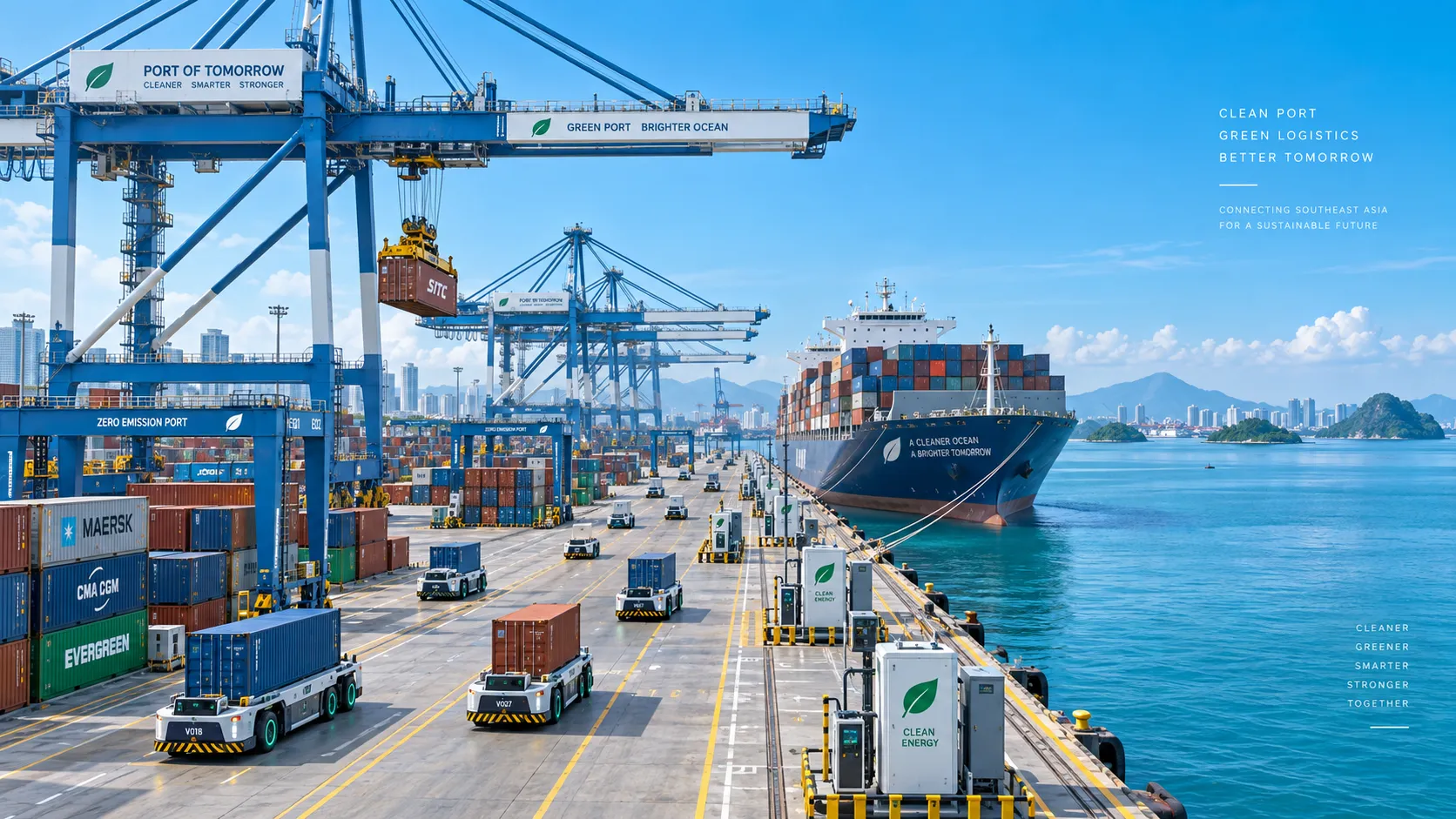
Smart Port Systems in Southeast Asia: Investment Priorities and Adoption Barriers
Smart port systems Southeast Asia: discover investment priorities, adoption barriers, and practical steps to build resilient, connected, high-performing terminals.

How to Evaluate Terminal Efficiency Solution Suppliers for High-Throughput Operations
Choose a terminal efficiency solutions supplier with confidence. Explore proven criteria for throughput, integration, lifecycle cost, safety, and reliable delivery.
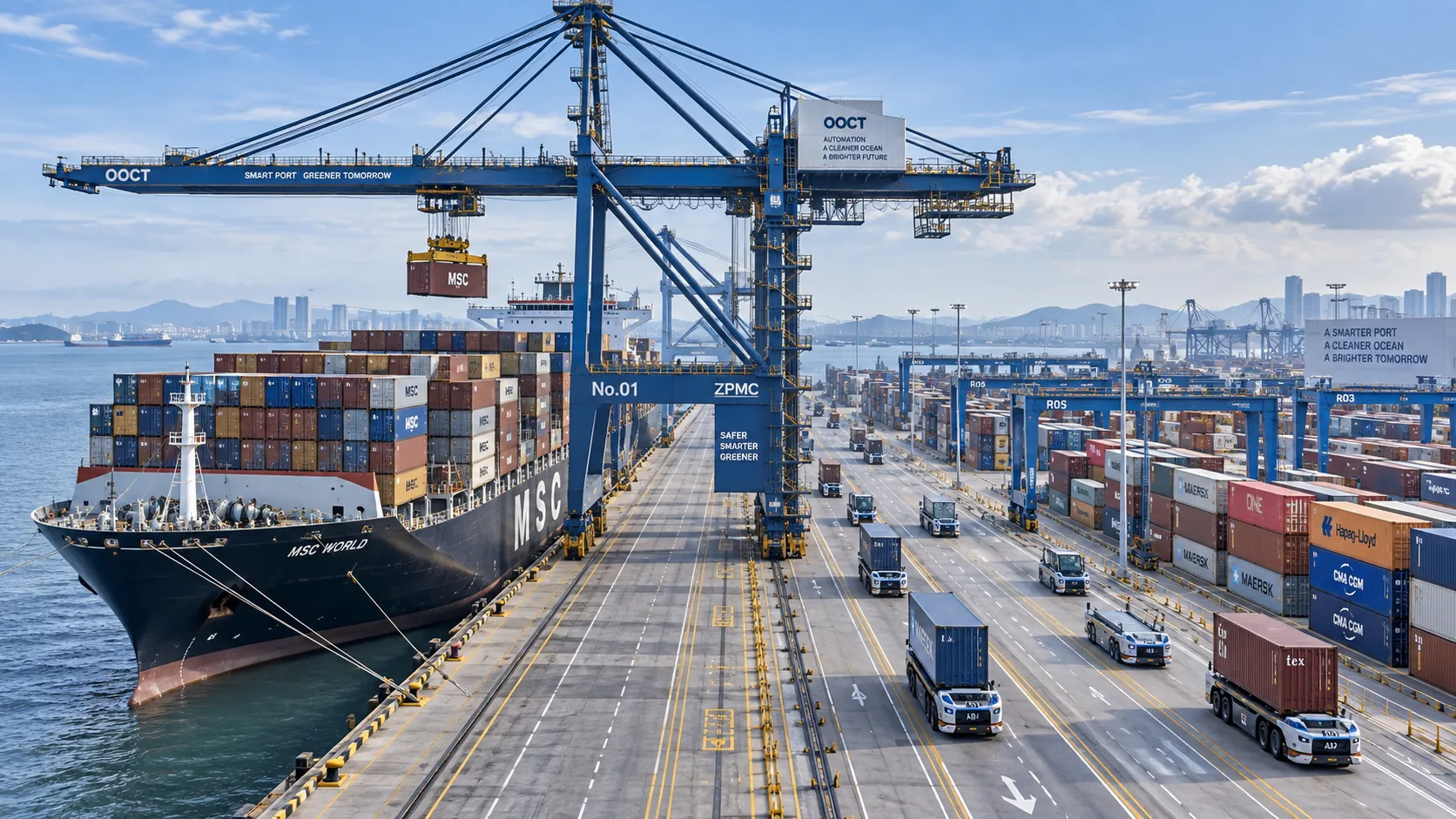
How to Specify a Quay Crane for Container Terminals by Vessel Size and Throughput?
Quay crane for container terminals: learn how to match outreach, lift height, capacity, automation, and cycle performance to vessel size and throughput goals.
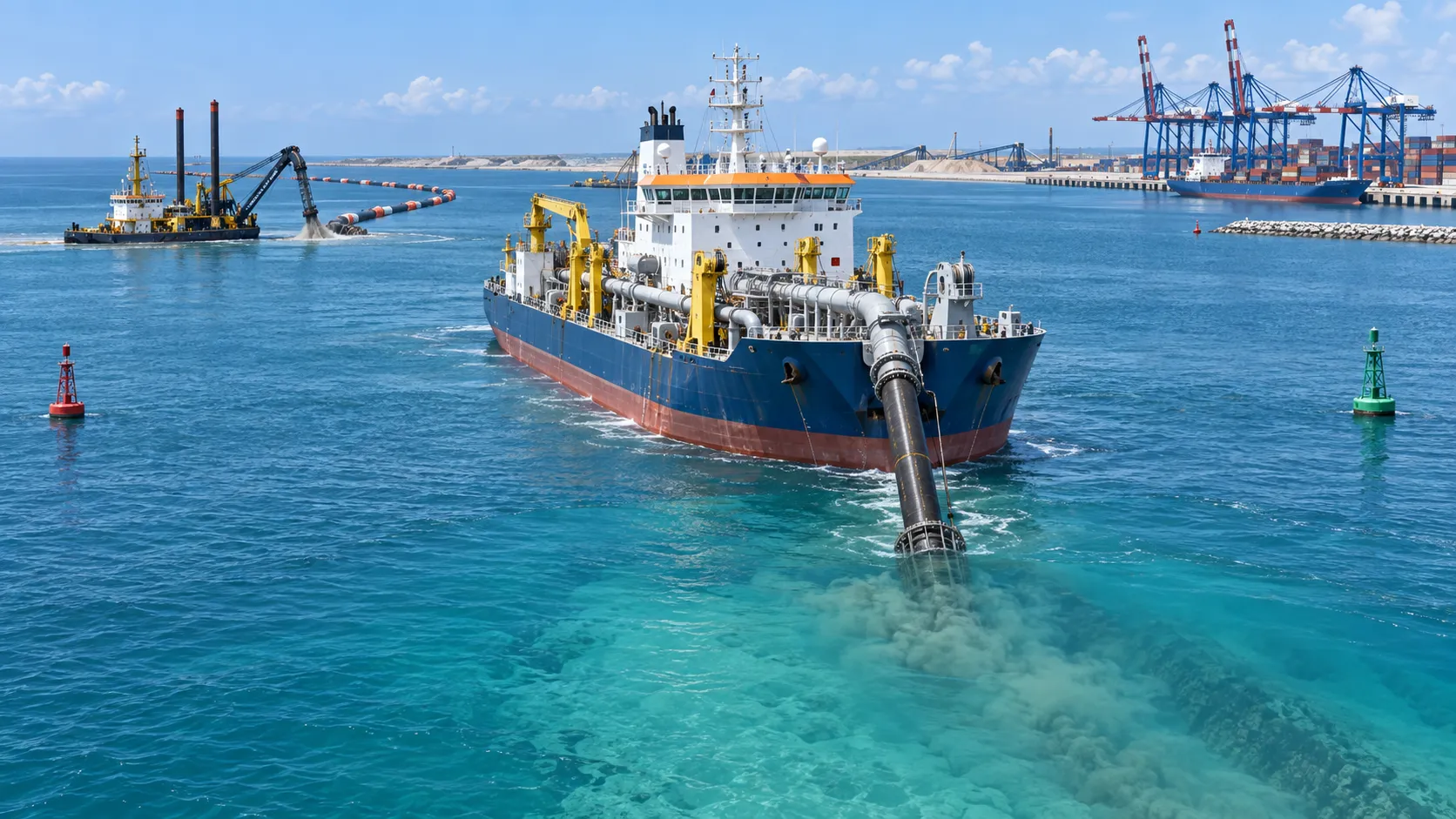
What Dredging Equipment Is Needed for Channel Deepening?
What dredging equipment is needed for channel deepening? Explore dredgers, pipelines, survey tools, and planning strategies for safer, more efficient port access.
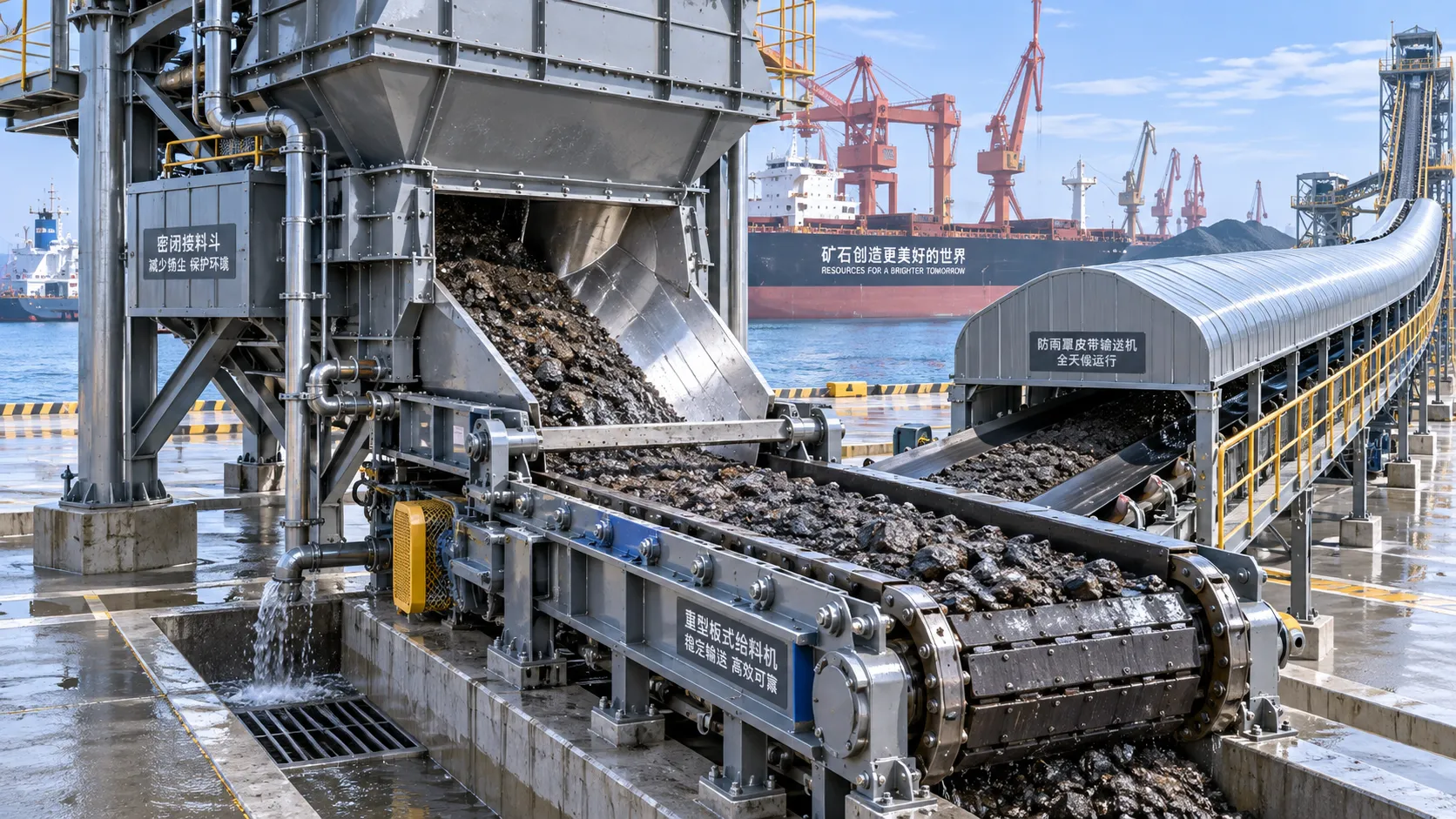
Which Bulk Handling Equipment Suits High-Moisture Cargo?
Which bulk handling equipment suits high-moisture cargo? Compare belt, apron, screw, drag, and slurry systems for reliable flow, less carryback, and higher terminal uptime.
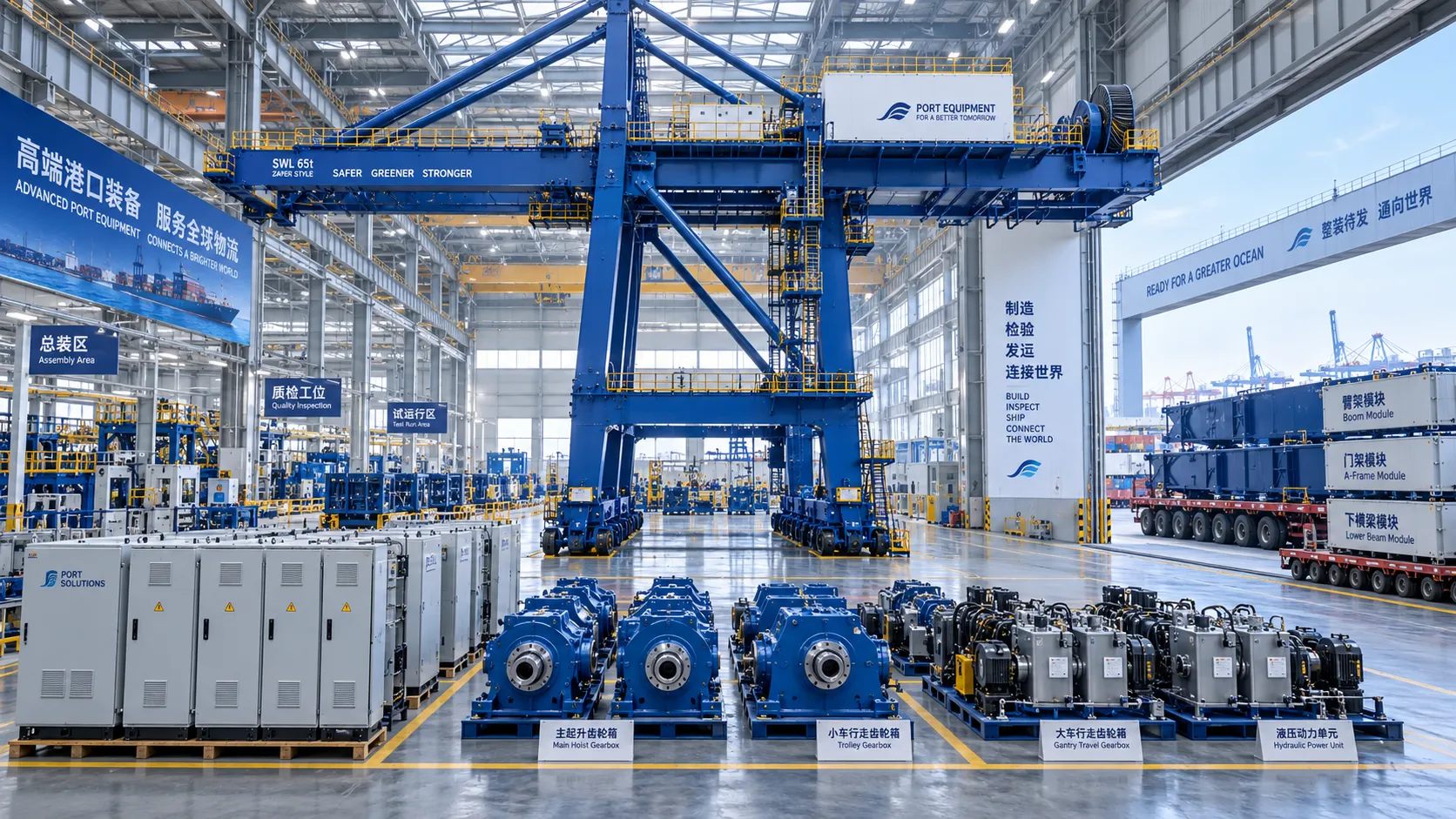
How Can Port Equipment Lead-Time Risk Be Managed?
How can port equipment lead-time risk be managed? Explore practical strategies to control critical paths, suppliers, transport, site readiness, and commissioning delays.
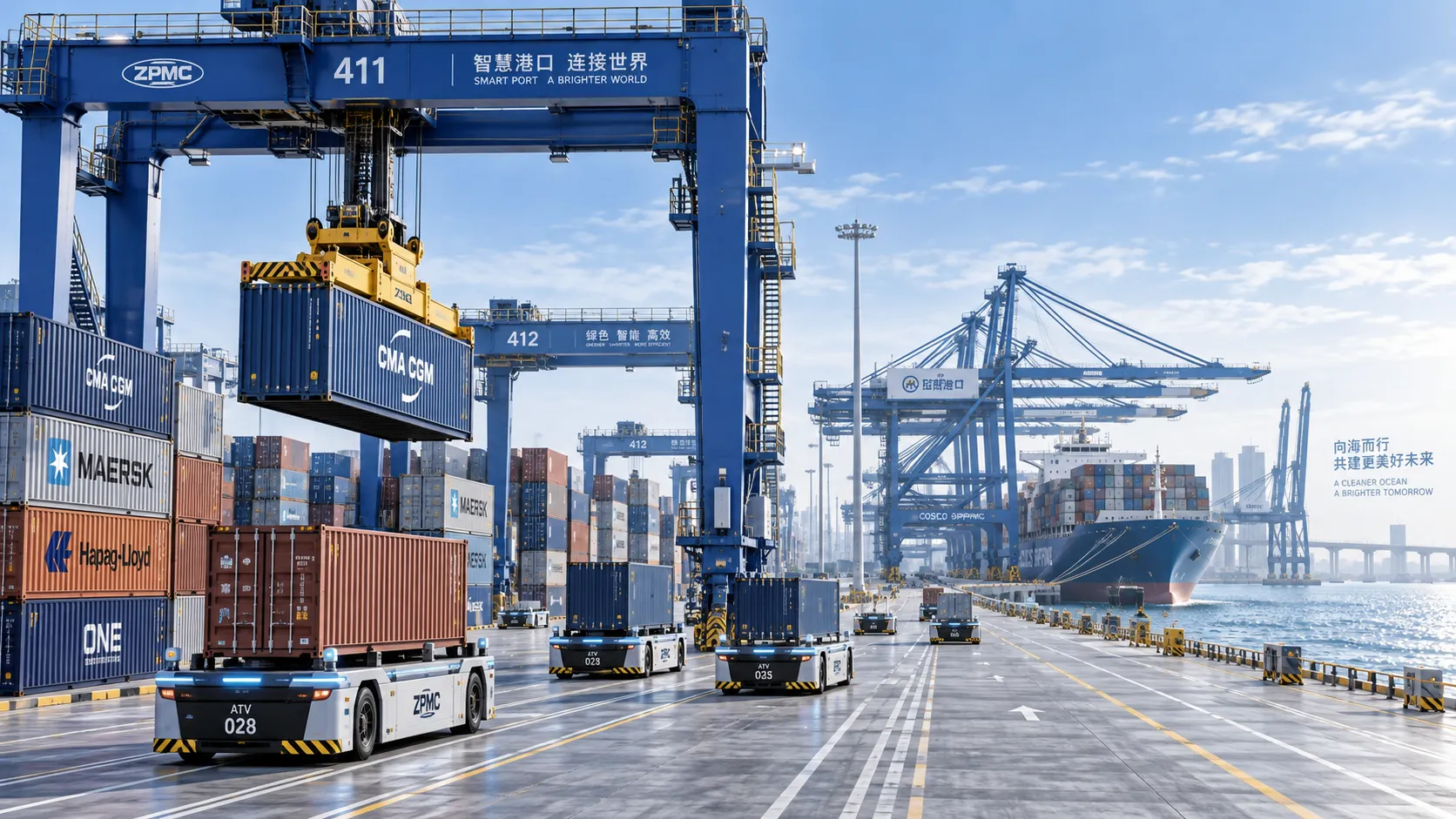
Terminal Automation Technologies That Raise Container Throughput Without Yard Disruption
Terminal automation technology that increases container throughput without disrupting yard flow. Explore smarter integration, resilient workflows, and phased deployment strategies.
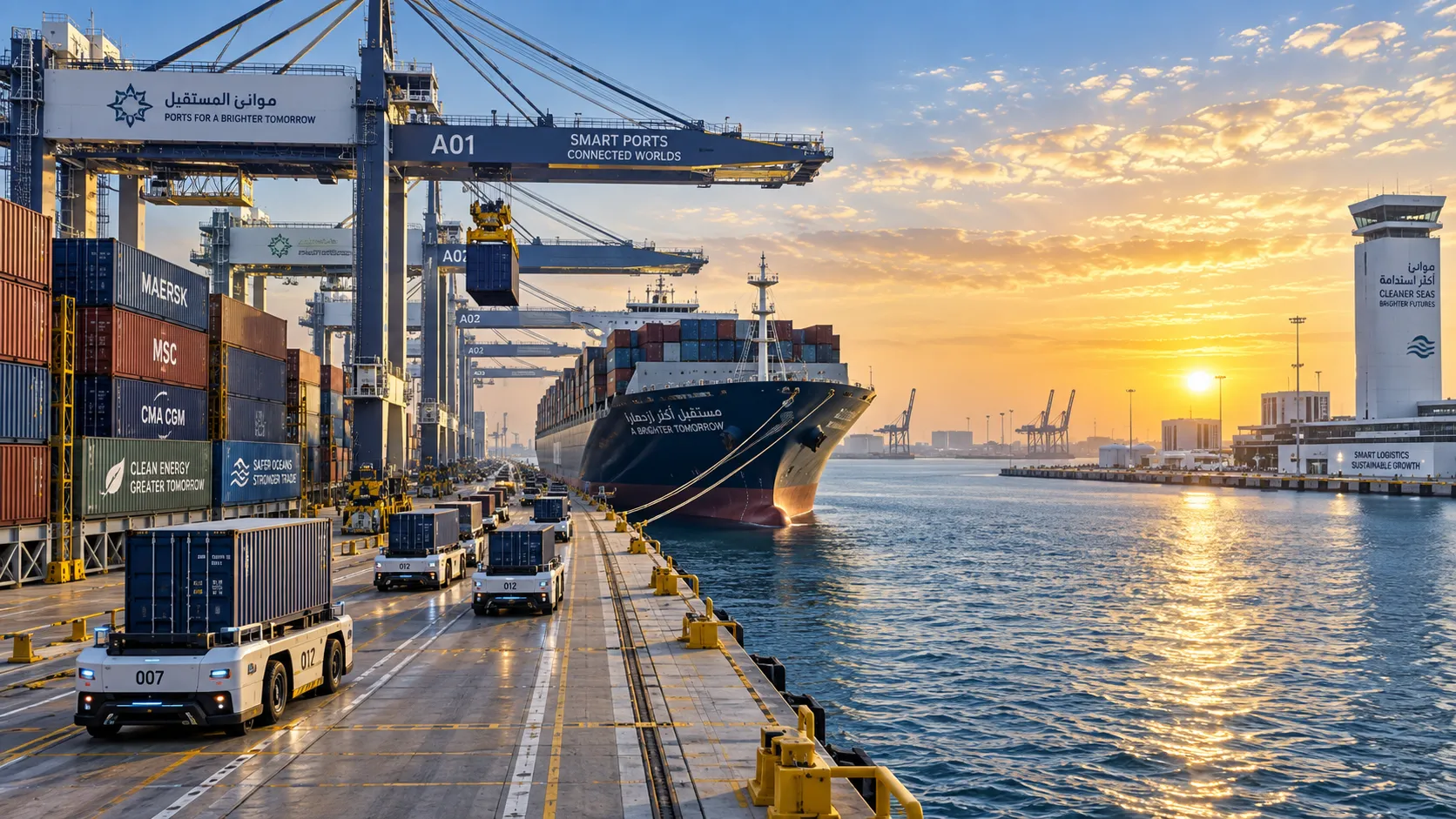
Middle East Port Automation: Key Market Drivers, Projects, and Investment Risks
Port automation systems Middle East: explore market drivers, flagship projects, integration challenges, and investment risks shaping smarter, resilient terminals.
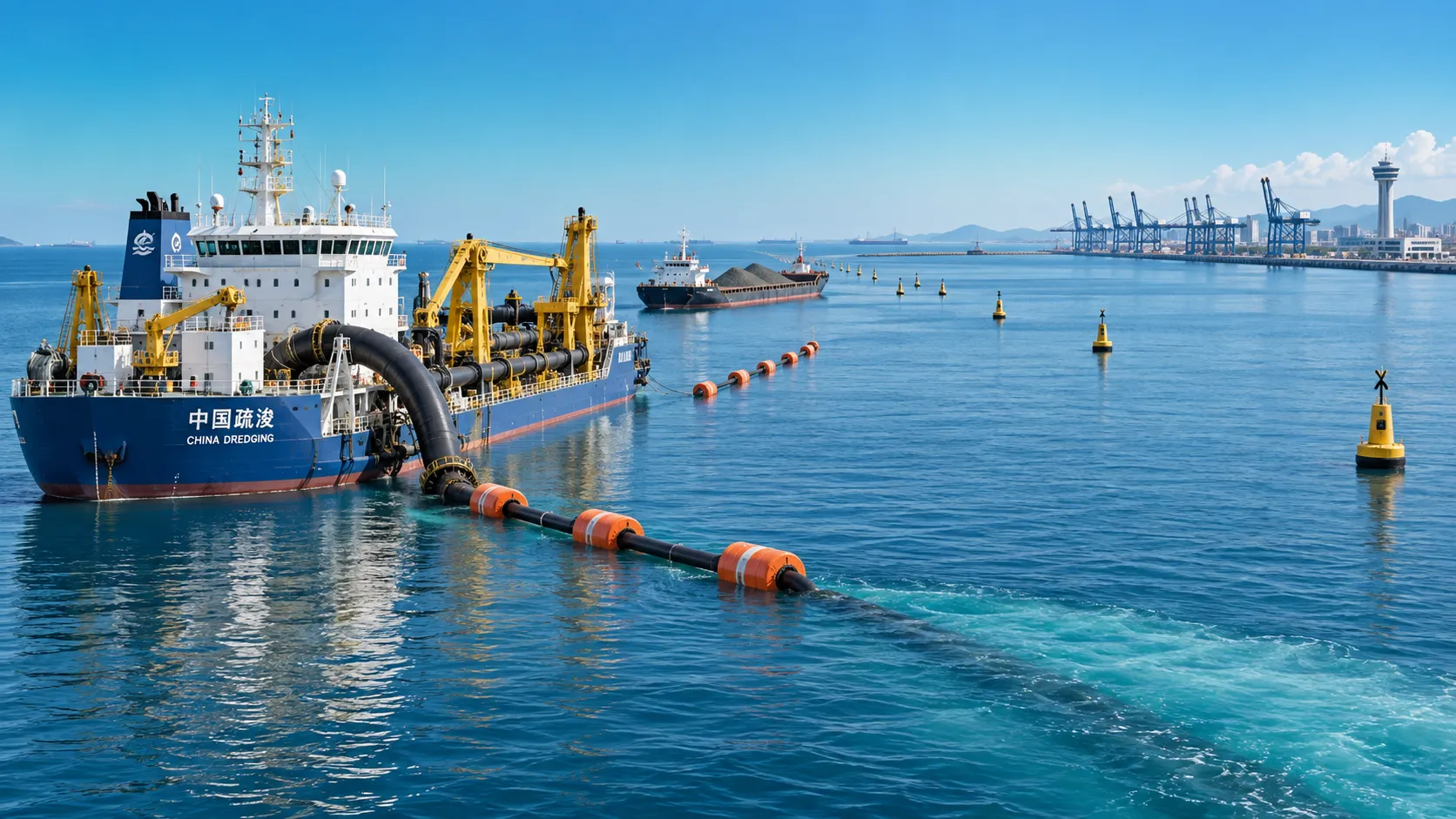
Planning Offshore Dredging Operations: Key Risks, Methods, and Project Controls
Offshore dredging operations demand smart planning. Explore key risks, proven methods, environmental controls, and project strategies for reliable delivery.