Related News
- 00
0000-00
How to Specify a Quay Crane for Container Terminals by Vessel Size and Throughput? - 00
0000-00
Which Bulk Handling Equipment Suits High-Moisture Cargo? - 00
0000-00
Terminal Automation Technologies That Raise Container Throughput Without Yard Disruption - 00
0000-00
Planning Offshore Dredging Operations: Key Risks, Methods, and Project Controls - 00
0000-00
Where Do Automated Guided Vehicles Deliver the Fastest Warehouse Gains in the Middle East?
How to Evaluate Automated Port Systems for Gate Operations in High-Volume Terminals
Gate automation is judged at the edges, not in the brochure
Evaluating automated port systems for gate operations in high-volume terminals sounds straightforward until you look at where projects usually strain: mixed truck arrival patterns, incomplete appointment discipline, exceptions in document matching, OCR misses in bad weather, and handoff delays between gate, TOS, customs, and yard execution. On paper, many systems can process a truck transaction. Under peak pressure, far fewer can do it without pushing congestion from one node to another.
That is the core selection problem. A gate platform is not just a lane automation package with cameras, kiosks, barriers, and software. In a high-volume terminal, it becomes part of the operational control fabric. If the decision logic is weak, if integration is brittle, or if exception handling is too dependent on supervisors, throughput figures become misleading very quickly.
This is also why intelligence portals such as PS-Nexus tend to look beyond isolated equipment specs. In automated terminals, the real performance story sits between heavy terminal gear, scheduling logic, traffic orchestration, and the visibility layer that helps operators see problems before queues spill outside the gate.
Start with the operating profile, not the feature list
Before comparing vendors, define the terminal’s actual gate workload. A system built for steady daytime drayage behaves differently from one serving vessel bunching, transshipment peaks, dual transactions, reefers, hazardous cargo, and late-arrival clusters. Technical assessors should map the transaction mix first: import pickup, export drop-off, empty return, chassis-related moves where relevant, inspection hold releases, and trouble tickets that require manual review.
The reason is practical. Automated gate systems often look strong in standard moves and noticeably weaker in exception-heavy flows. If 10% to 20% of transactions require human intervention, that percentage can consume a disproportionate amount of lane capacity during peak windows. A terminal does not need theoretical automation; it needs stable processing under imperfect conditions.
A useful early question is this: what percentage of truck visits can genuinely remain touchless from pre-arrival validation to lane exit, and what conditions break that flow? If a supplier cannot clearly explain those breakpoints, the system is probably being oversold.
Throughput matters, but queue behavior matters more
Most buyers ask for trucks per lane per hour. That is necessary, but not enough. In gate operations, the more revealing metric is how the system behaves when arrival rates exceed nominal design assumptions for a sustained period. Does transaction time remain predictable? Does the exception queue stay contained? Can lane assignments be changed dynamically? How quickly can operators identify whether the delay sits in OCR confidence, TOS response time, customs release validation, or yard-side slot readiness?
A high-volume terminal should test not only average transaction time but variance. Wide variance is usually what creates visible congestion, truck idling, and gate marshaling disorder. In practice, that often comes from software handshake delays, data mismatches across systems, or poor recovery logic after a failed read.
Ask vendors to explain their queue management model in operational terms. Can the system prioritize pre-cleared trucks? Can it isolate problematic transactions without blocking adjacent lanes? Can it redirect drivers with clear instructions instead of forcing staff intervention at every edge case? Those details matter more than a polished throughput number taken from a controlled demo.
Integration depth usually decides long-term value
For automated port systems for gate operations, integration is where projects either mature into a reliable terminal process or remain an expensive front-end layer. At minimum, technical evaluation should cover the terminal operating system, appointment system, customs or regulatory interfaces where applicable, weighbridge systems if used, billing or hold status logic, equipment control systems, and yard planning visibility.
What tends to be underestimated is the timing quality of those integrations. A link can exist and still be operationally weak. If release status updates lag, if the yard plan is not synchronized, or if truck appointment changes do not propagate quickly enough, the gate system will make “correct” decisions based on stale information. That is often worse than a visible system outage because the errors appear procedural rather than technical.
Assessors should press for interface architecture details: message timing, retry logic, fallback modes, event logging, and how the platform handles partial system availability. In unmanned or near-unmanned terminals, these are not back-office concerns. They shape live gate flow.
OCR, identification, and data confidence should be evaluated in bad conditions
Many gate automation decisions are triggered by identification quality: container number, license plate, chassis ID where applicable, seal visibility if required, and driver authentication path. A system may perform well in clean daylight conditions and degrade sharply with rain, glare, dirt, damaged markings, or inconsistent truck approach behavior.
That is why image capture and recognition should not be evaluated only by nominal read rates. Ask how confidence scoring is handled. What threshold creates automatic acceptance, and what threshold routes to review? How much manual image verification is needed during peaks? Can the system present evidence quickly enough for remote exception resolution? A few seconds lost per doubtful transaction can become a lane-level bottleneck.
If the terminal expects future remote operations or centralized supervision, image quality, event replay, and audit traceability become even more important. This is very much in line with the broader trend observed across automated port control environments: low-latency communications and decision transparency are not niche technical luxuries anymore; they are basic operating requirements.
Exception handling is where experienced teams separate systems
No high-volume gate runs on straight-through processing alone. Containers arrive with holds not yet cleared, booking mismatches, weight discrepancies, damaged IDs, late appointments, or documentation that changed after dispatch. The question is not whether exceptions happen. The question is whether the automated workflow contains them efficiently.
A strong system does three things well. It classifies exceptions precisely, routes them without confusion, and preserves lane capacity while the issue is resolved. A weak one simply sends everything to a generic manual booth or forces radio calls and spreadsheet workarounds. That may be tolerated in a small terminal. In a busy gateway terminal, it becomes a structural source of delay.
When evaluating suppliers, ask for a walkthrough of non-happy-path scenarios, not just the ideal truck visit. Request examples such as OCR ambiguity, duplicate bookings, no-show appointments reappearing late, hazardous cargo rule checks, and truck arrivals before yard-side readiness. If the logic tree is vague, operational risk is probably being shifted back to the terminal team.
Do not isolate the gate from yard and landside traffic logic
A common selection mistake is evaluating gate automation as a perimeter process only. In reality, gate efficiency is tied to yard availability, transfer point discipline, internal road capacity, and truck turn-time objectives. You can accelerate gate entry and still worsen terminal performance if trucks are released into an already saturated internal network.
The better systems treat the gate as one control node within a broader traffic orchestration framework. That may include dynamic lane allocation, staging instructions, appointment balancing, and feedback loops from yard execution. In automated terminals using AGVs or tightly scheduled horizontal transport, this coordination becomes even more sensitive. A gate system that ignores downstream congestion can flood the terminal with badly timed arrivals.
This systems view is one reason PS-Nexus and similar industry intelligence platforms increasingly frame gate automation alongside path-planning algorithms, equipment scheduling, and control-layer interoperability. The gate is visible, but the bottleneck often sits one layer deeper.
Resilience, maintainability, and fallback modes deserve a hard look
Technical assessors sometimes spend most of their time on functional fit and too little on recoverability. Yet gate operations are exposed, public-facing, and unforgiving. A small outage is immediately visible to truckers, carriers, and cargo owners.
Evaluate how the system behaves during network instability, partial sensor failure, camera contamination, kiosk malfunction, or upstream application downtime. Can individual lanes continue in degraded mode? Can staff switch to assisted processing without rebuilding transactions manually? Are maintenance alerts granular enough to support fast intervention? These are operational design questions, not just IT governance questions.
Also consider spare parts strategy, local support capability, software patch discipline, and the effort required for rule changes. Gate systems are rarely static. Customs procedures shift, appointment logic evolves, and terminal workflows change after go-live. If every change requires a long vendor cycle, the platform will age faster than expected.
Cybersecurity and auditability are now gate-level concerns
Because gate platforms sit at the intersection of physical access, cargo release logic, and multiple operational databases, they should be reviewed with the same seriousness applied to other critical terminal systems. Access control, user privilege separation, event logging, remote support methods, and patch management should all be visible in the evaluation process.
Not every project needs an elaborate cybersecurity framework discussion during early selection, but it is unwise to leave the topic until contract finalization. The gate is a live control point. If identity checks, release validation, or barrier commands are compromised or insufficiently audited, the consequences are immediate. At a minimum, the system should provide clear traceability of who overrode what, when, and why.
A practical evaluation structure
When comparing automated port systems for gate operations, it helps to score them against a small set of decision categories rather than an oversized checklist:
- Operational fit under the terminal’s real transaction mix
- Transaction stability during peak and exception-heavy periods
- Integration depth and timing reliability across adjacent systems
- Recognition quality and confidence handling in adverse conditions
- Exception workflow design and manual intervention burden
- Landside and yard coordination logic
- Resilience, maintainability, and fallback capability
- Cybersecurity, auditability, and governance readiness
If two vendors look similar on functionality, the tie-breaker is often not feature count. It is the quality of operational recovery, transparency of rule logic, and the amount of hidden labor the terminal must still provide.
What to ask before making the recommendation
A final recommendation should be based on evidence gathered from scenario testing, interface review, and operating-model fit. The best questions are usually blunt. What happens when appointments collapse into a two-hour peak? What happens when upstream release data is delayed? How many exceptions can one supervisor realistically manage? What part of the process still depends on local workarounds? And if traffic surges after a network interruption, how does the system recover without causing a second queue wave?
Those questions tend to reveal more than polished demonstrations. In high-volume terminals, gate automation is valuable when it keeps decisions fast, visible, and recoverable under pressure. If a system only looks strong in smooth conditions, it is not really ready for the job.
Related News
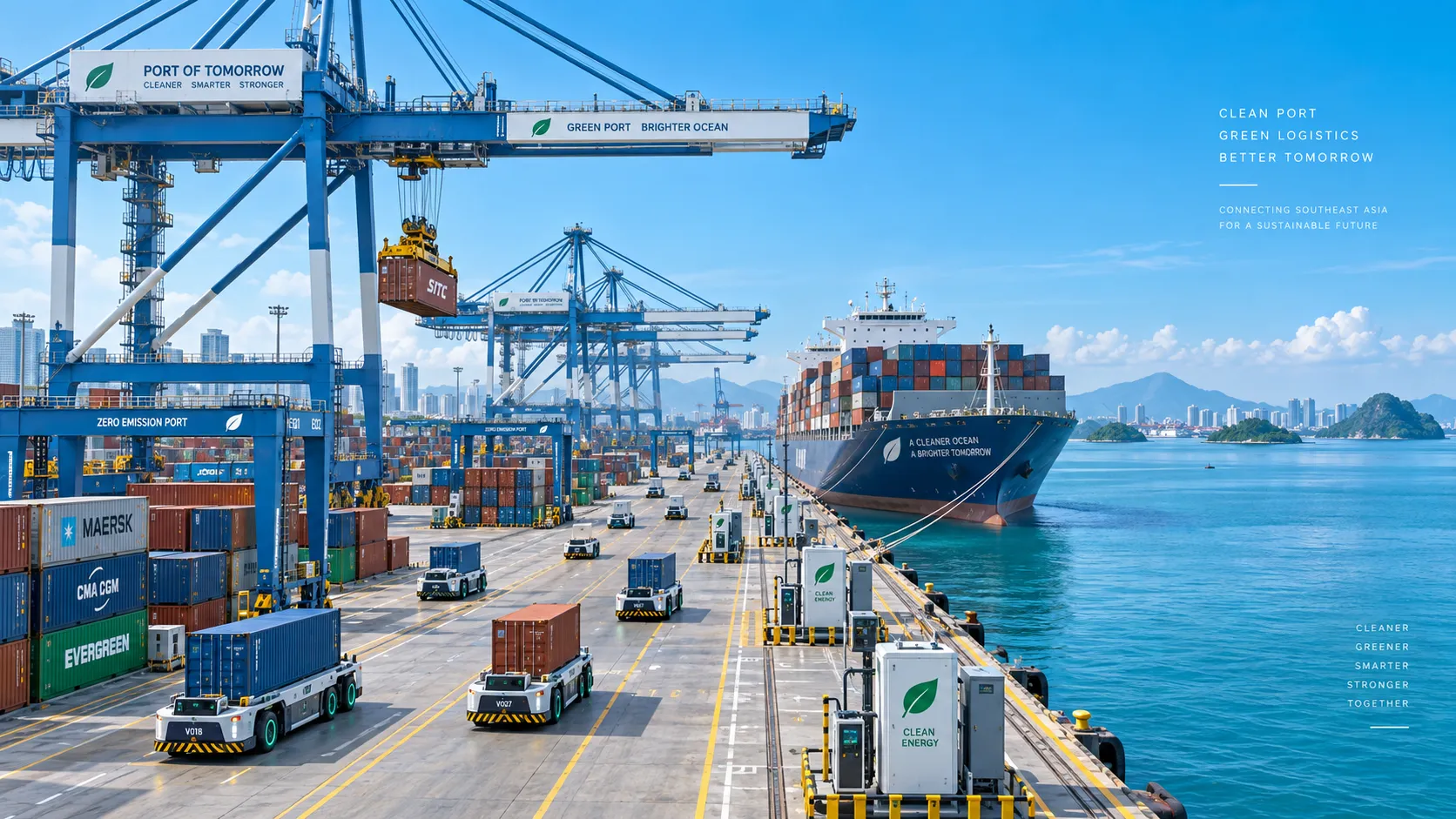
Smart Port Systems in Southeast Asia: Investment Priorities and Adoption Barriers
Smart port systems Southeast Asia: discover investment priorities, adoption barriers, and practical steps to build resilient, connected, high-performing terminals.
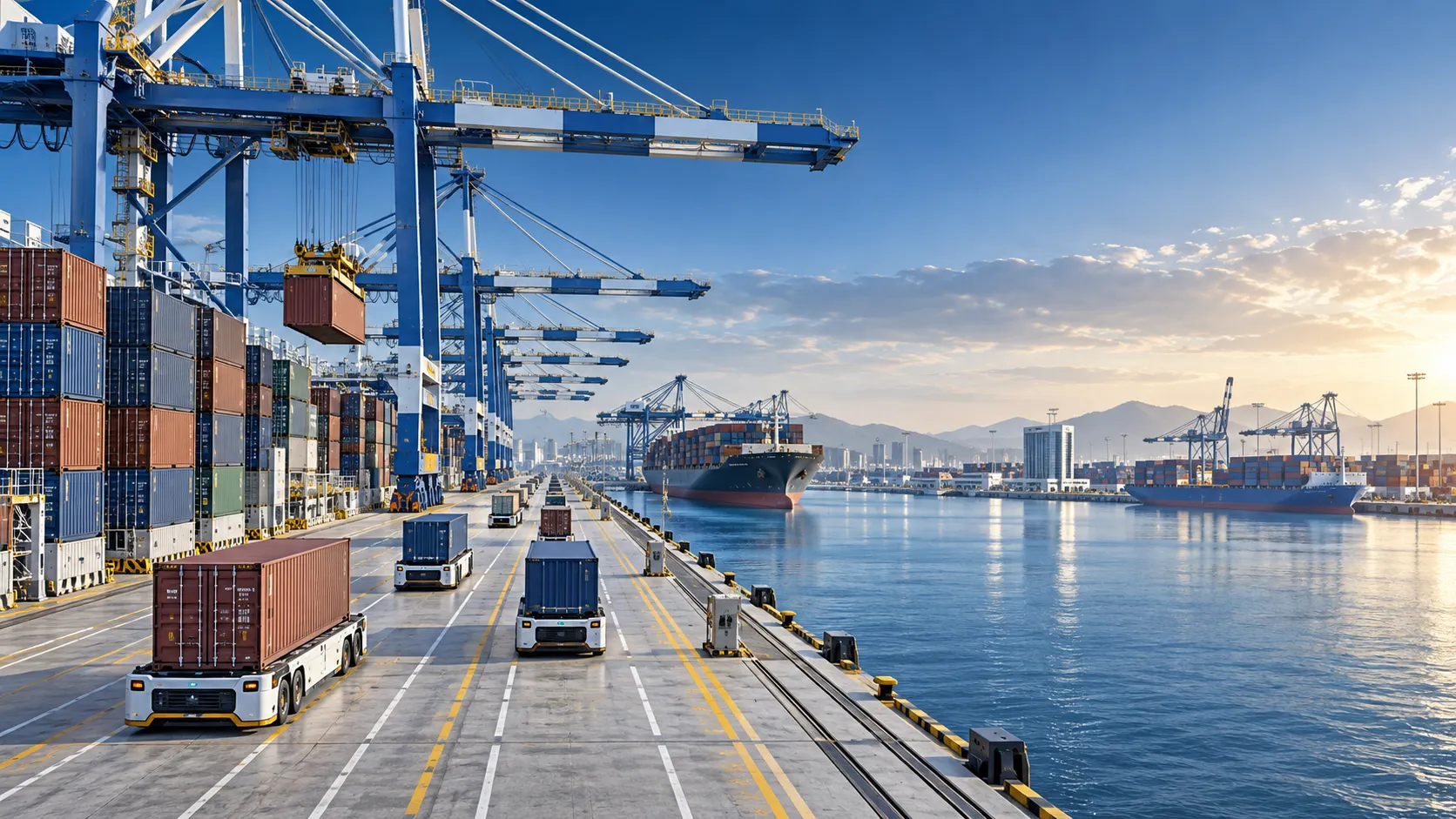
How to Evaluate Terminal Efficiency Solution Suppliers for High-Throughput Operations
Choose a terminal efficiency solutions supplier with confidence. Explore proven criteria for throughput, integration, lifecycle cost, safety, and reliable delivery.
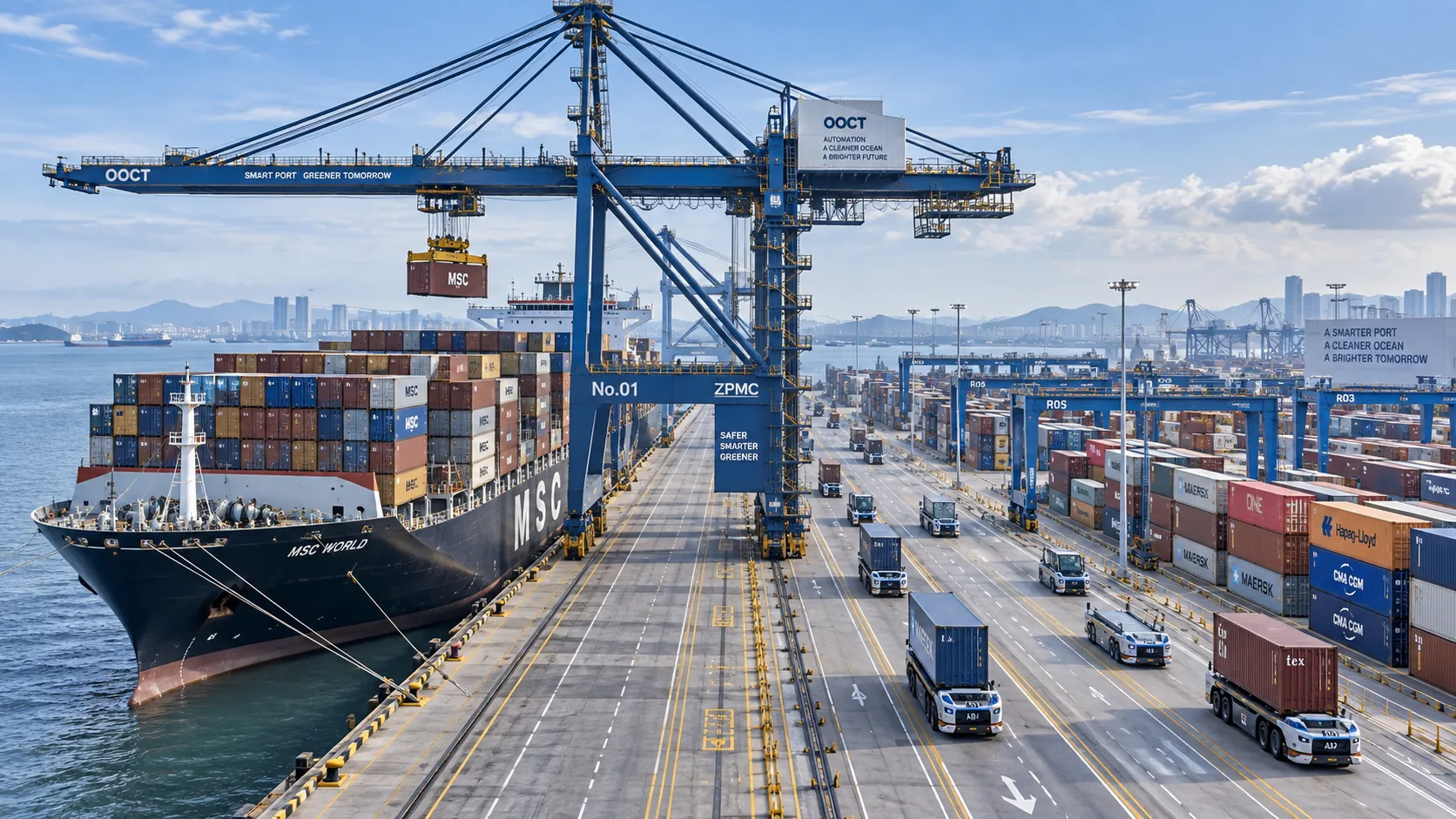
How to Specify a Quay Crane for Container Terminals by Vessel Size and Throughput?
Quay crane for container terminals: learn how to match outreach, lift height, capacity, automation, and cycle performance to vessel size and throughput goals.
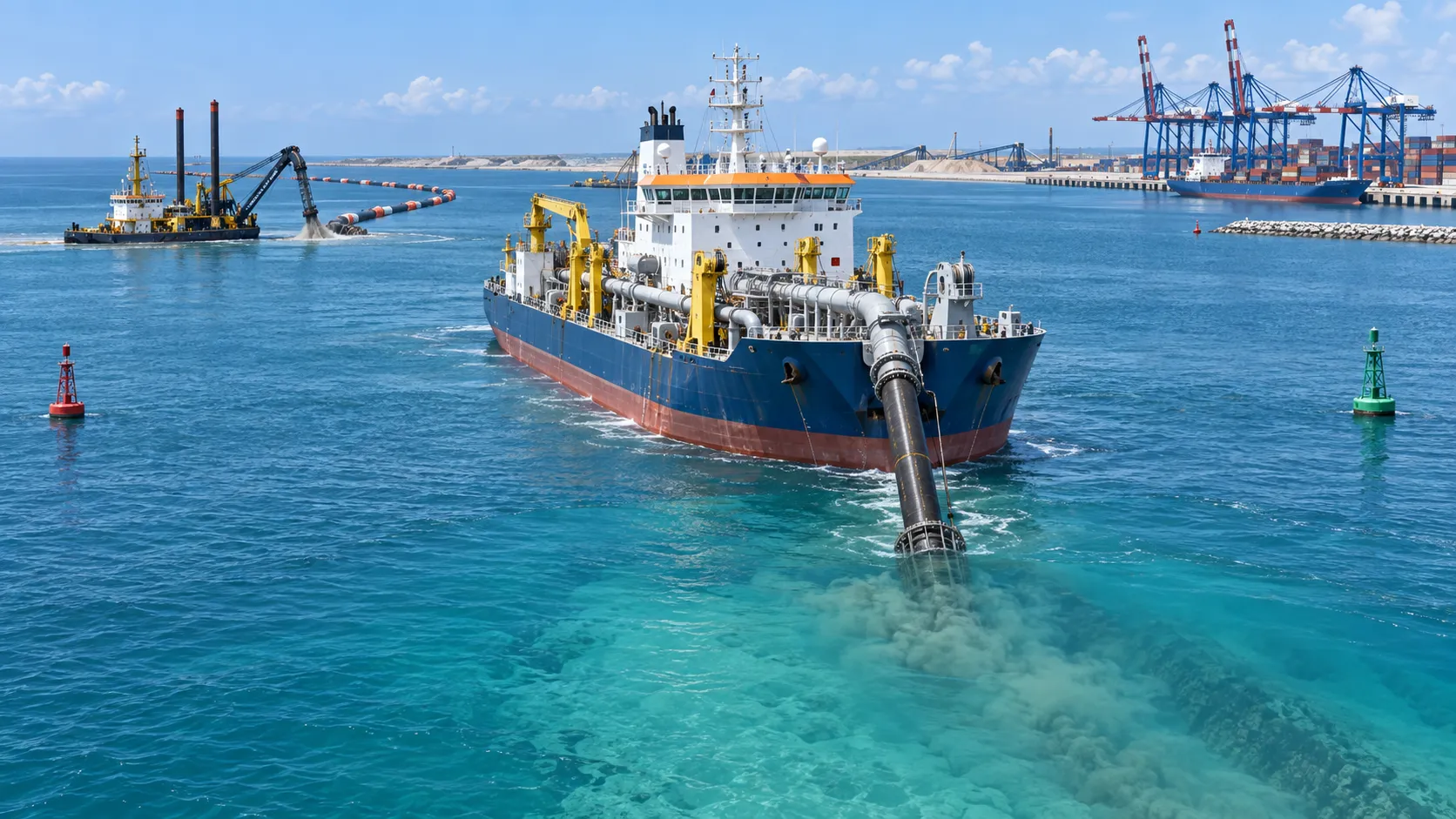
What Dredging Equipment Is Needed for Channel Deepening?
What dredging equipment is needed for channel deepening? Explore dredgers, pipelines, survey tools, and planning strategies for safer, more efficient port access.
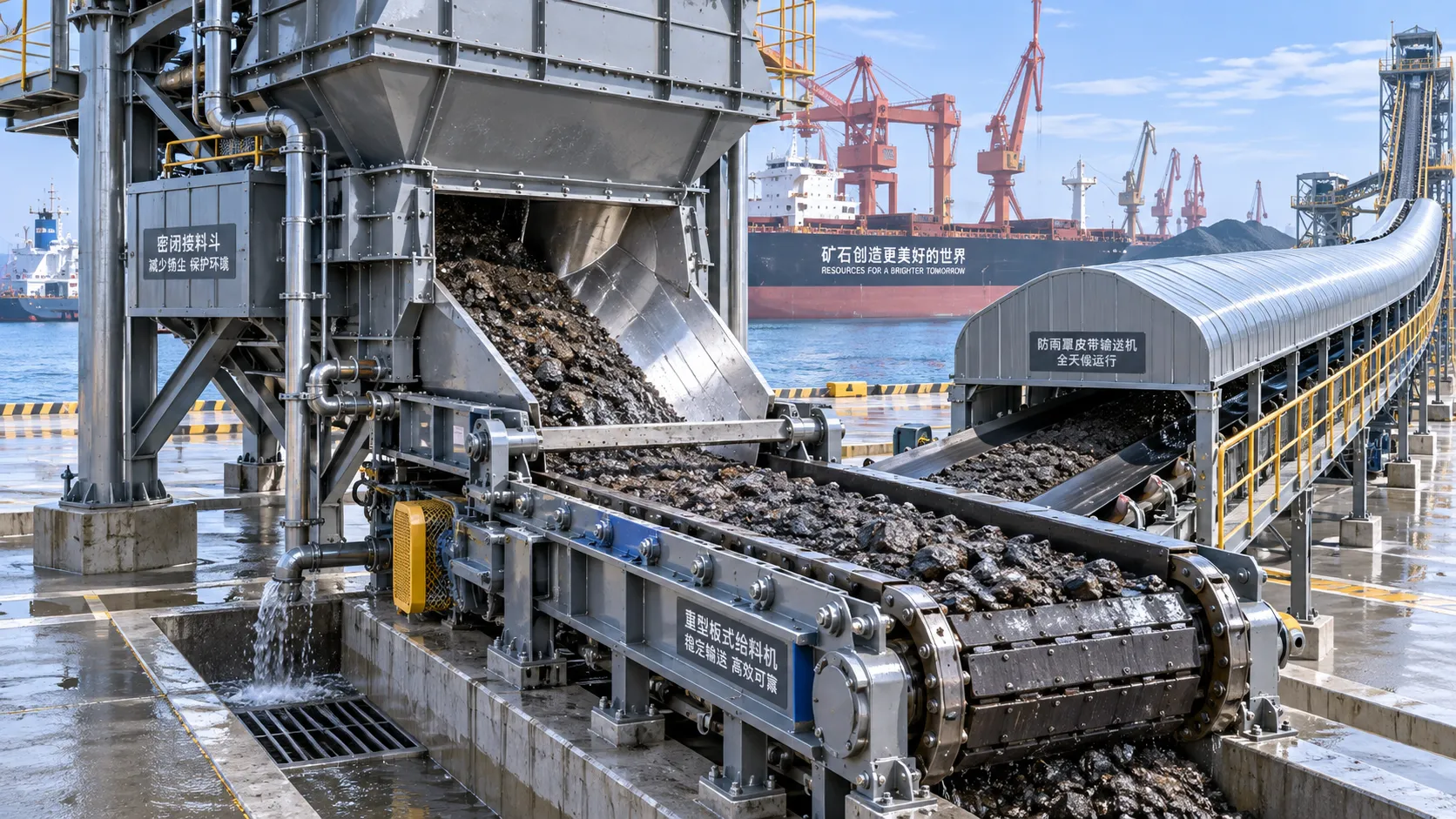
Which Bulk Handling Equipment Suits High-Moisture Cargo?
Which bulk handling equipment suits high-moisture cargo? Compare belt, apron, screw, drag, and slurry systems for reliable flow, less carryback, and higher terminal uptime.
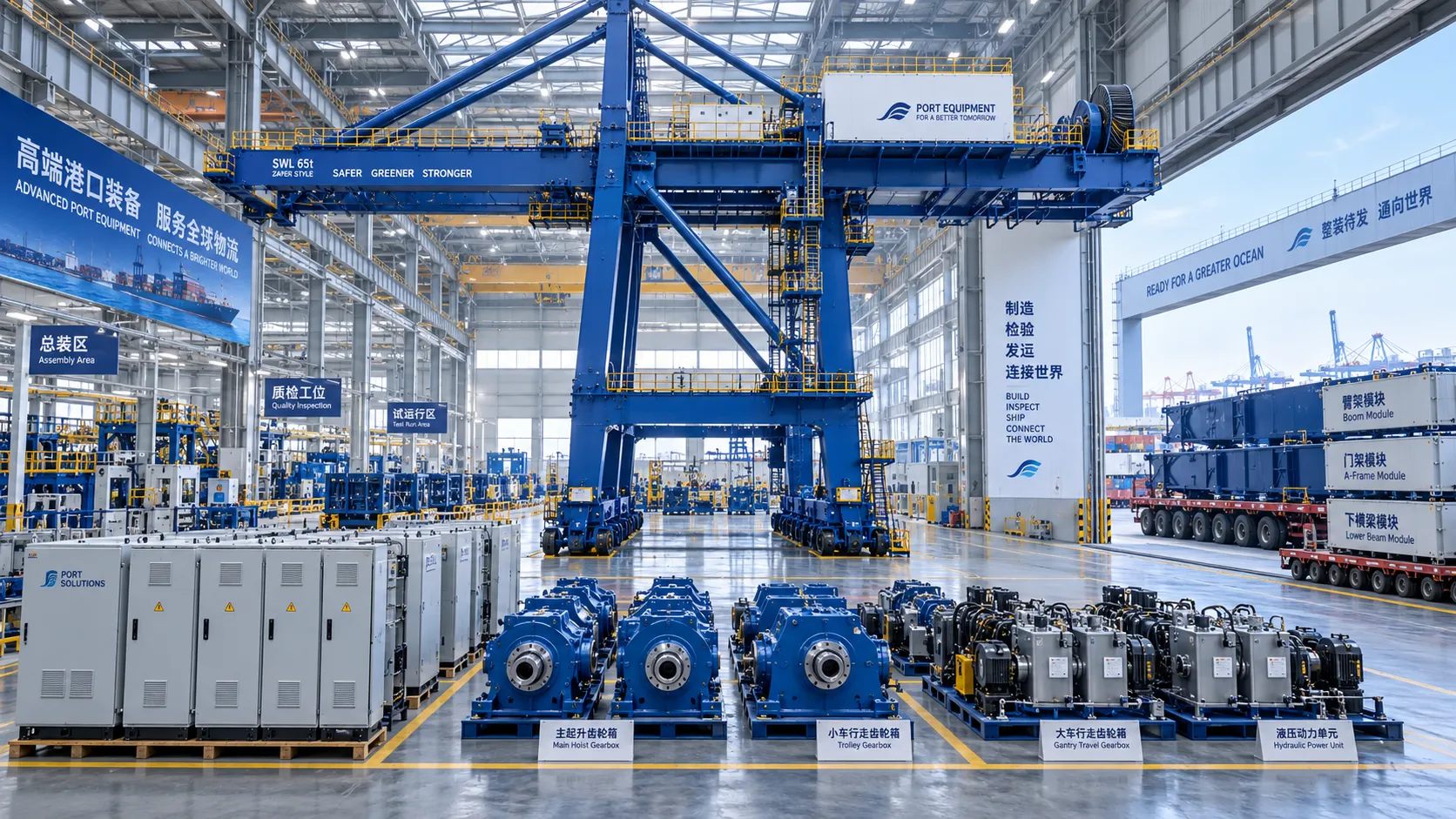
How Can Port Equipment Lead-Time Risk Be Managed?
How can port equipment lead-time risk be managed? Explore practical strategies to control critical paths, suppliers, transport, site readiness, and commissioning delays.
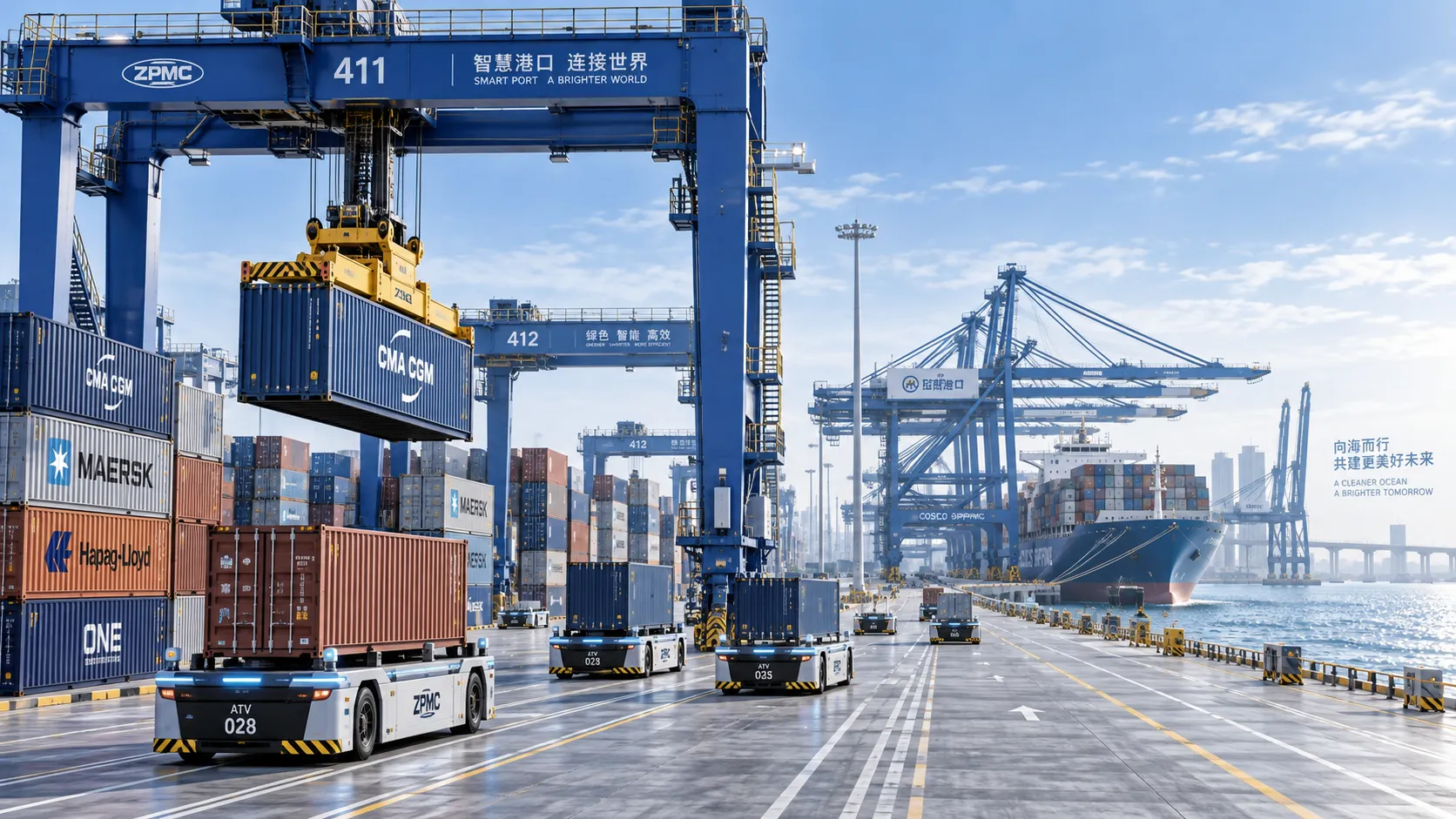
Terminal Automation Technologies That Raise Container Throughput Without Yard Disruption
Terminal automation technology that increases container throughput without disrupting yard flow. Explore smarter integration, resilient workflows, and phased deployment strategies.
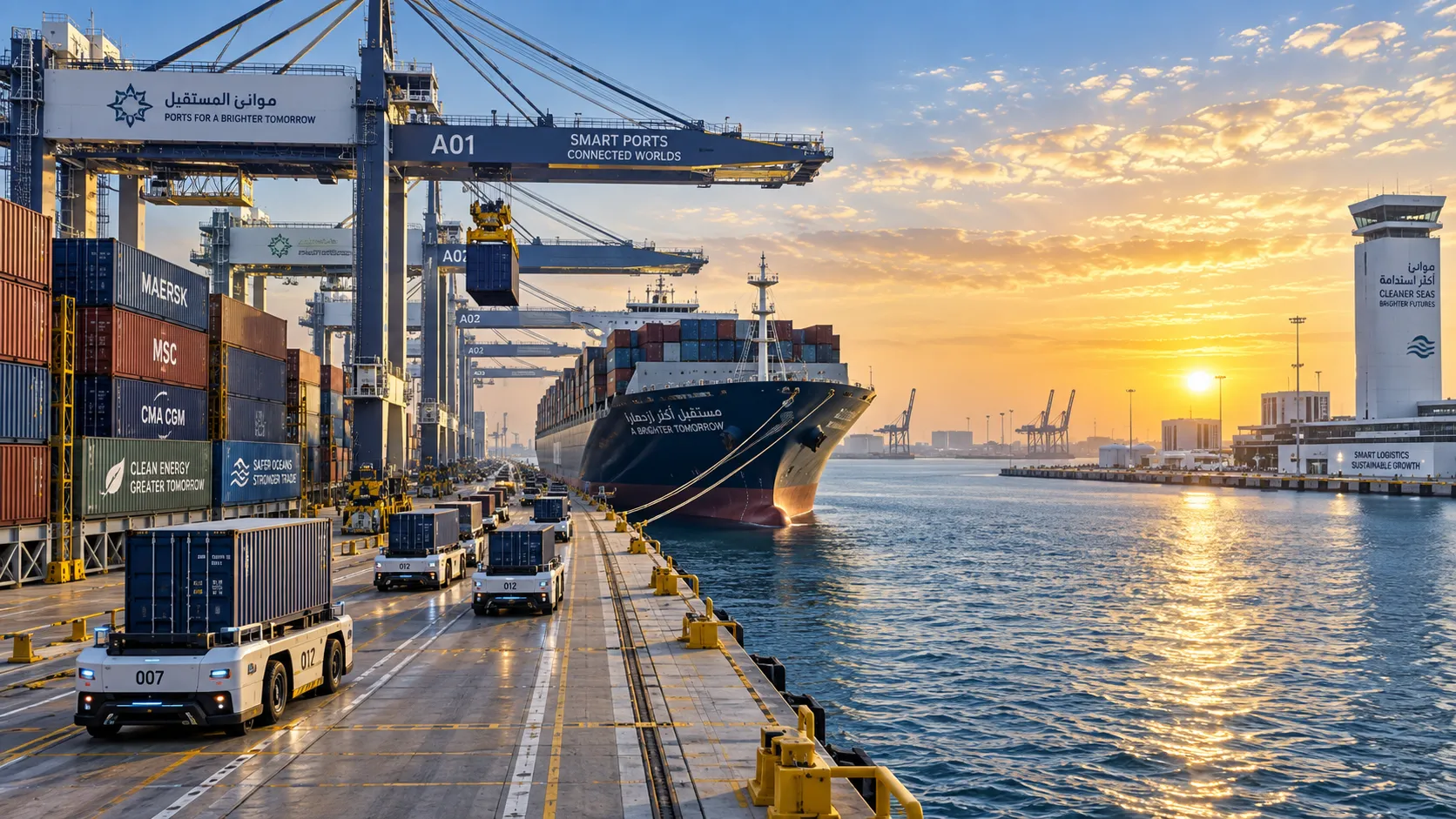
Middle East Port Automation: Key Market Drivers, Projects, and Investment Risks
Port automation systems Middle East: explore market drivers, flagship projects, integration challenges, and investment risks shaping smarter, resilient terminals.
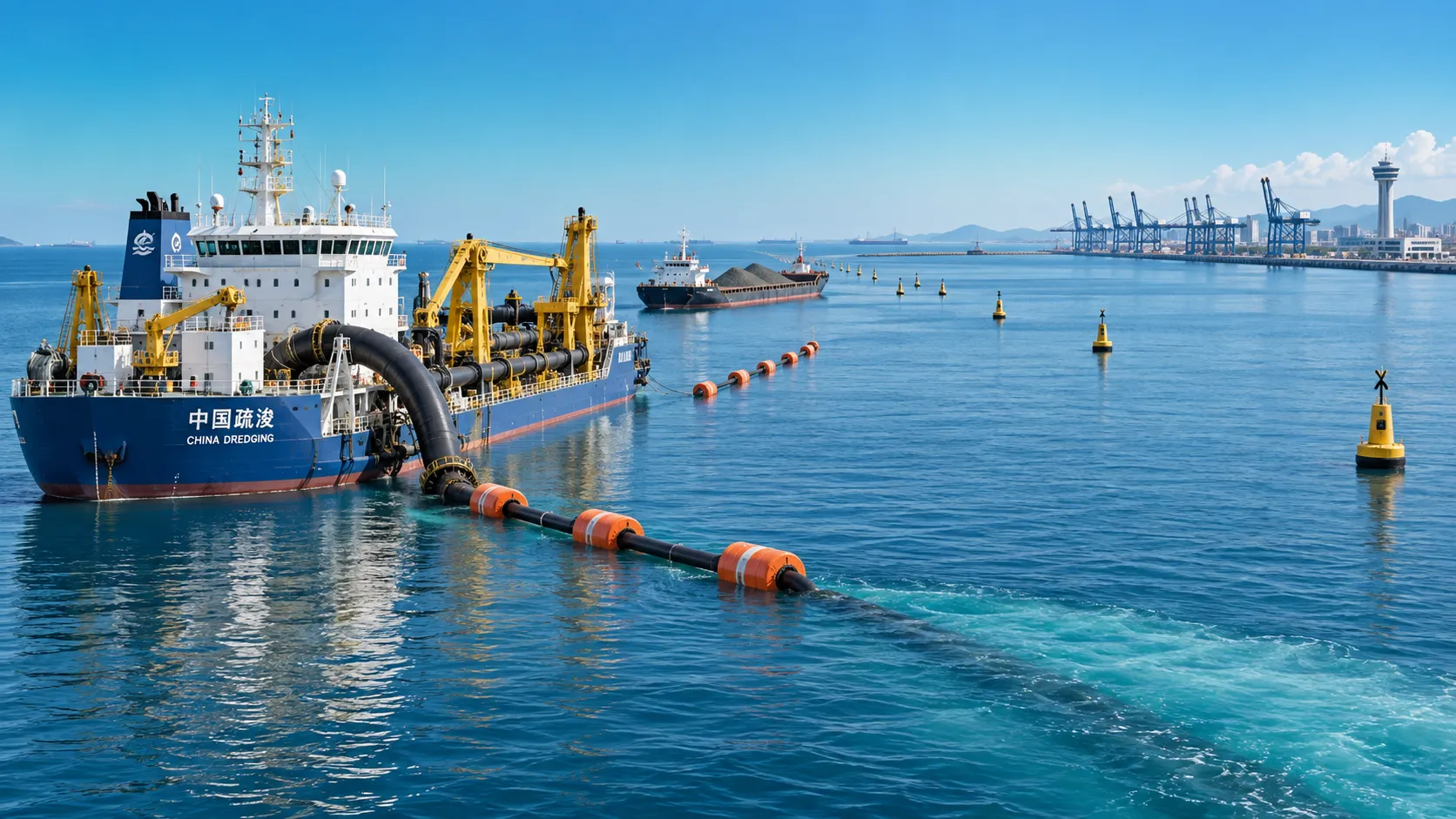
Planning Offshore Dredging Operations: Key Risks, Methods, and Project Controls
Offshore dredging operations demand smart planning. Explore key risks, proven methods, environmental controls, and project strategies for reliable delivery.