Related News
- 00
0000-00
How to Specify a Quay Crane for Container Terminals by Vessel Size and Throughput? - 00
0000-00
Which Bulk Handling Equipment Suits High-Moisture Cargo? - 00
0000-00
Terminal Automation Technologies That Raise Container Throughput Without Yard Disruption - 00
0000-00
Planning Offshore Dredging Operations: Key Risks, Methods, and Project Controls - 00
0000-00
Where Do Automated Guided Vehicles Deliver the Fastest Warehouse Gains in the Middle East?
How Does Remote Port Equipment Automation Improve Safety and Throughput?
Remote port equipment automation improves safety and throughput by moving people out of high-risk operating zones while making cranes, vehicles, and yard systems work with more consistency. For port leaders, the real value is not just fewer manual tasks. It is fewer exposure points, better equipment coordination, less idle time, and a terminal that can keep performing under pressure. When automation is designed well, it reduces accident risk and helps cargo move with fewer interruptions.
A lot of discussions around automation drift into headlines about “unmanned terminals” or abstract ideas about digital transformation. That usually does not help a project manager who is trying to answer a practical question: if we invest in remote control, automated handling, and connected control systems, what actually changes on the ground?
The short answer is this: remote port equipment automation changes where people work, how decisions are made, and how consistently machines execute those decisions. That combination matters because most port safety incidents and throughput losses are tied to variability. A driver takes a different route. A crane operator has limited visibility in poor weather. A handoff between quay, yard, and gate is delayed because systems are not synchronized. Automation does not remove complexity from terminal operations, but it can remove a large share of avoidable inconsistency.
Why safety usually improves first
In many ports, the highest-risk areas are easy to identify: under suspended loads, near moving container handling equipment, around transfer points, and in mixed-traffic zones where people, trucks, and heavy machinery cross paths. Traditional operations rely heavily on operator awareness, radio communication, and procedural discipline. Those controls are necessary, but they are still vulnerable to fatigue, visibility limits, and human timing errors.
Remote automation changes that exposure model. Operators can work from protected control rooms instead of sitting inside equipment cabins or standing close to active machinery. That does not eliminate risk completely, but it reduces direct exposure to collision, crush, fall, and load-swing hazards. For engineering leaders, this is one of the clearest gains: the safety case is often easier to justify than the headline productivity case because it is tied to operating conditions you can already see.
There is another layer that people sometimes miss. Safety improves not only because people are farther away, but because the machines themselves behave more predictably. Automated anti-sway control, travel path restrictions, geofencing, proximity detection, and system-enforced sequencing all reduce the number of judgment calls that have to be made in real time. In a busy terminal, fewer ad hoc decisions usually means fewer unsafe interactions.
That said, automation is not automatically safer just because it is automated. Poorly tuned interfaces, unstable network latency, or weak exception-handling procedures can shift risk rather than remove it. A remote crane operator who loses camera clarity during a critical lift is dealing with a different kind of hazard. So the right question is not “Does automation improve safety?” but “Under what operating conditions does it improve safety reliably?”
How remote port equipment automation raises throughput
Throughput improves when assets spend more time working and less time waiting, correcting, or coordinating manually. In port operations, delays rarely come from one dramatic failure. They usually come from hundreds of small frictions.
An automated stack crane can position more consistently. A remote-controlled quay crane can reduce unproductive pauses caused by visibility issues or repeated alignment corrections. Automated guided vehicles or terminal tractors can be dispatched based on live task logic rather than radio calls and local judgment. Yard moves can be sequenced around vessel plans, gate demand, and block availability instead of handled as isolated tasks.
That is where automation becomes more than remote control. The real throughput gains usually come from system orchestration. A terminal operating system, equipment control system, and real-time data layer can work together to reduce queue build-up between quay, yard, and landside flows. If one node slows down, the system can rebalance assignments faster than a purely manual operation.
In plain terms, remote automation helps throughput in four ways:
- It reduces idle time between jobs.
- It improves move consistency, especially in repetitive cycles.
- It shortens recovery time when the operation is disrupted.
- It gives supervisors better visibility into bottlenecks while they are still fixable.
None of those gains should be assumed in isolation. A remotely controlled crane may perform well, but if yard planning is weak or truck interfaces are chaotic, the terminal will still underperform. Project teams often over-credit equipment automation and under-credit process design.
Where the biggest gains usually show up
Not every terminal gets the same benefit from the same automation package. The strongest results often appear in operations where the work is repetitive, the traffic patterns are structured, and the cost of interruption is high.
Container terminals are the clearest example. Quay cranes, automated stacking cranes, and horizontal transport fleets can be linked into a controlled flow where every move is digitally visible. In that setup, remote operations can improve safety by reducing field exposure and improve throughput by smoothing handoffs between vessel discharge, yard placement, and outbound movement.
Bulk handling environments can also benefit, especially where remote monitoring and control reduce personnel presence near conveyors, ship loaders, reclaimers, or transfer towers. The gain there may show up less as “moves per hour” and more as steadier flow, fewer stoppages, and safer maintenance planning.
Mixed-use or older terminals are more complicated. They can still benefit from remote port equipment automation, but the gains are often uneven. If the yard layout is constrained, the wireless environment is unreliable, or equipment generations are mixed, the terminal may need selective automation rather than a broad rollout. This is where experienced project leads save money: they resist the temptation to automate everything at once.
The common misunderstanding: automation is not just labor reduction
One of the most persistent mistakes in automation planning is treating it as a staffing story first. Labor models do matter, but they are not the best starting point for a technical decision. If the business case depends only on reducing headcount, the project is often brittle from the beginning.
The stronger case usually comes from operational control. Can the port reduce human exposure in hazardous zones? Can it standardize task execution across shifts? Can it improve asset utilization without increasing congestion? Can it maintain performance during weather variation, night operations, or demand surges?
These questions are more useful because they connect directly to engineering design, operating rules, and measurable terminal performance. They also help prevent unrealistic expectations. For example, introducing remote-controlled cranes without redesigning maintenance support, camera coverage, operator ergonomics, and communications redundancy can leave a terminal with higher technical complexity and only modest throughput improvement.
In actual project reviews, this is where many teams get stuck. They buy into the idea of automation but underestimate the operating discipline it requires.
What project managers should check before committing
If you are evaluating remote port equipment automation, start with operating constraints, not vendor narratives. A few checks matter more than glossy performance claims.
- Network reliability: Remote operation depends on stable, low-latency communication. If coverage is inconsistent across the terminal, safety and control quality can suffer.
- Interface design: Camera views, alarms, control logic, and operator workload need serious attention. A remote station that looks advanced but creates cognitive overload will not deliver safe productivity.
- Exception handling: Automated systems perform best in predictable flows. You need a clear operating model for non-standard containers, equipment faults, weather disruption, and manual intervention.
- Integration maturity: Equipment automation should connect cleanly with the terminal operating system, maintenance systems, and dispatch logic. If not, the terminal may create new silos instead of removing old ones.
- Change readiness: Training, supervision, maintenance capability, and control-room procedures need to evolve with the equipment. The technology layer cannot carry the project alone.
This is also where independent sector intelligence becomes useful. Platforms such as PS-Nexus are relevant not because they “sell automation,” but because they track the underlying factors that shape success: low-latency communication for remote-controlled cranes, path-planning logic for AGVs, control system evolution, and demand trends in automated gear. For a project lead, that kind of information is often more valuable than generic automation messaging.
Safety and throughput can conflict if the design is weak
People sometimes assume safety and productivity always rise together. In reality, they can pull against each other if the system is poorly designed.
A good example is conservative automation logic. If collision-avoidance zones, braking margins, or task interlocks are set too rigidly, the terminal may become safer in a narrow sense but lose operational tempo. On the other hand, if the control logic is tuned too aggressively, throughput may look better until a near miss or equipment event exposes the weakness.
The aim is not maximum automation. It is stable, repeatable performance under real terminal conditions. That usually means phased optimization. First, remove obvious safety exposure. Then stabilize operating cycles. Then tune dispatching and machine logic to improve flow. Teams that chase peak theoretical performance too early often create rework.
Another detail worth mentioning: maintenance strategy has a direct impact on both safety and throughput. Remote and automated systems add sensors, controls, communication devices, and software dependencies. If maintenance planning remains reactive, the automation layer can become a new source of downtime. Predictive monitoring and disciplined fault response are not side features here; they are part of the operating model.
When automation is a good fit, and when it is not
Remote port equipment automation is a strong fit when the terminal has high cycle repetition, meaningful safety exposure, rising pressure on berth or yard productivity, and enough digital maturity to support integrated operations. It also makes sense when management is prepared to redesign workflows rather than simply attach new technology to old habits.
It is a weaker fit when the site has highly irregular cargo patterns, unstable utility or communications infrastructure, limited maintenance depth, or no appetite for operational standardization. In those environments, selective remote functions or monitoring tools may be more practical than a broad automation program.
This distinction matters because partial automation is not failure. In many ports, it is the rational path. A targeted rollout around quay crane remote control, yard visibility, or automated dispatch can generate better results than an oversized transformation plan.
What a sensible next step looks like
If you are still in the early evaluation stage, focus on three questions. Where is human exposure highest today? Where does equipment wait more than it should? Where do handoffs break down between systems or teams? Those answers usually reveal whether remote port equipment automation is worth deeper design work.
From there, build the case around a few measurable outcomes: exposure reduction, cycle consistency, recovery time after disruption, and utilization across critical assets. That gives stakeholders something more grounded than “smart port” language.
The ports getting the most from automation are usually not the ones chasing novelty. They are the ones treating remote operations, control systems, and data visibility as part of one operating architecture. When that architecture is thought through properly, remote port equipment automation does more than modernize equipment. It creates a safer terminal that can move cargo with less friction and more resilience.
FAQ
Does remote automation always increase container moves per hour?
No. It often improves consistency first. Throughput gains depend on integration, yard logic, equipment availability, and how well exceptions are managed.
Is remote control enough to call a terminal automated?
Not really. Remote control improves operator location and visibility, but full automation usually requires coordinated dispatch, system integration, and rule-based task execution across multiple assets.
What is the main safety advantage of remote port equipment automation?
The biggest advantage is reduced human exposure in hazardous operating zones. That matters most around heavy lifts, moving equipment, and mixed-traffic areas.
What usually causes automation projects to underperform?
Weak integration, unstable communications, poor exception handling, and assuming old workflows will work with new control logic are common reasons.
Should older terminals avoid automation?
No, but they should be selective. Older sites often benefit more from phased or targeted automation than from full-scale deployment.
Internal link anchor text suggestions
- automated container handling systems: page about container terminal automation technologies
- remote-controlled quay crane operations: page about crane control and operator systems
- AGV path planning in smart ports: page about automated horizontal transport
- port automation and control systems: page about terminal operating and equipment control systems
- predictive maintenance for terminal equipment: page about maintenance monitoring strategies
External authority source suggestions
- industry association reports on port automation, safety, and terminal productivity
- government or port authority guidance on terminal safety standards and automation deployment
- official technical documentation from major port equipment and control system manufacturers
- automated container handling
- port automation
- control systems
- remote-controlled cranes
- AGVs
- automated gear
- full automation
- quay crane
- port equipment automation
- automated guided vehicles
- container terminal automation
- terminal equipment
- container handling equipment
- remote port equipment automation
- automated container handling systems
Related News
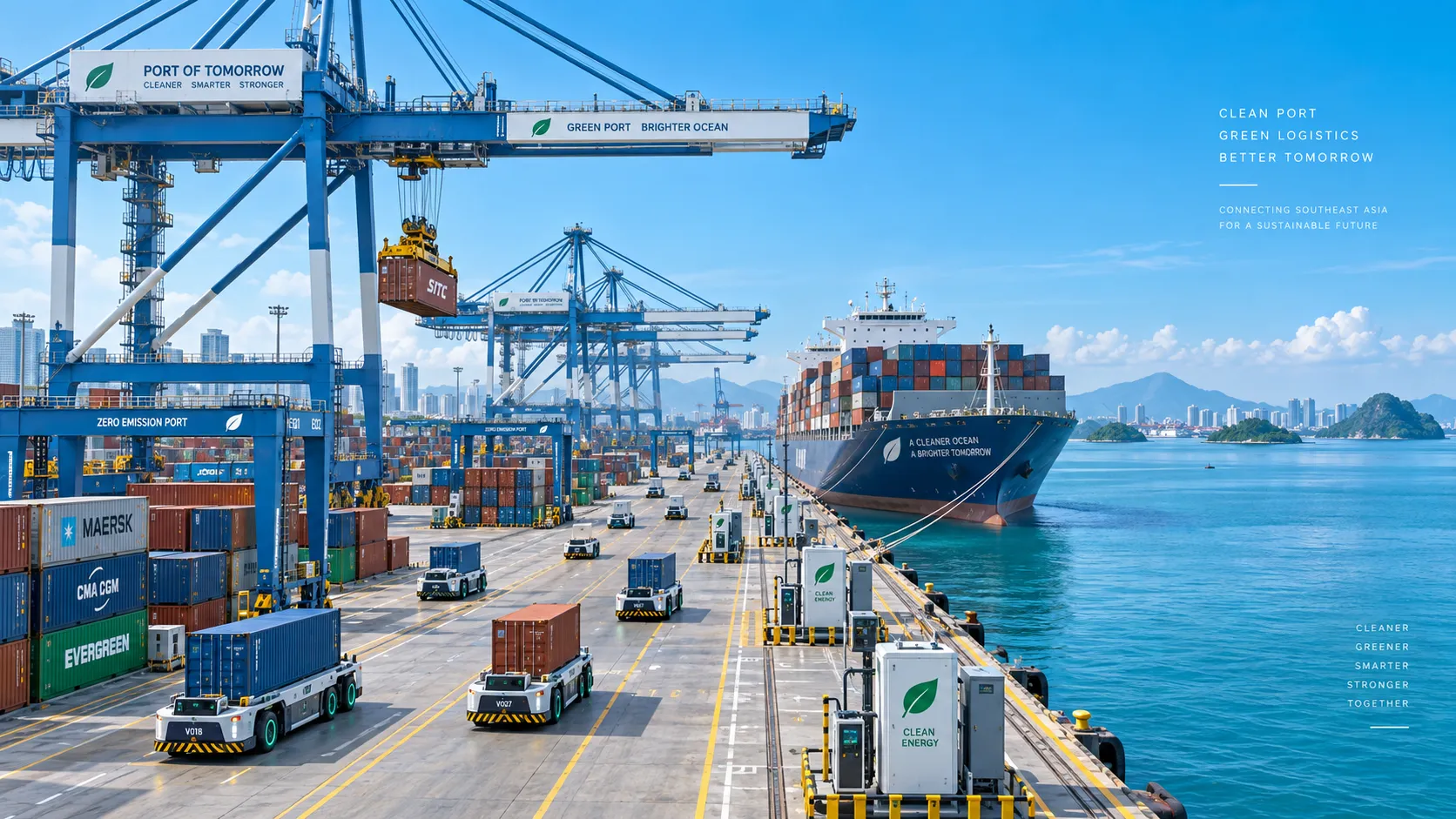
Smart Port Systems in Southeast Asia: Investment Priorities and Adoption Barriers
Smart port systems Southeast Asia: discover investment priorities, adoption barriers, and practical steps to build resilient, connected, high-performing terminals.
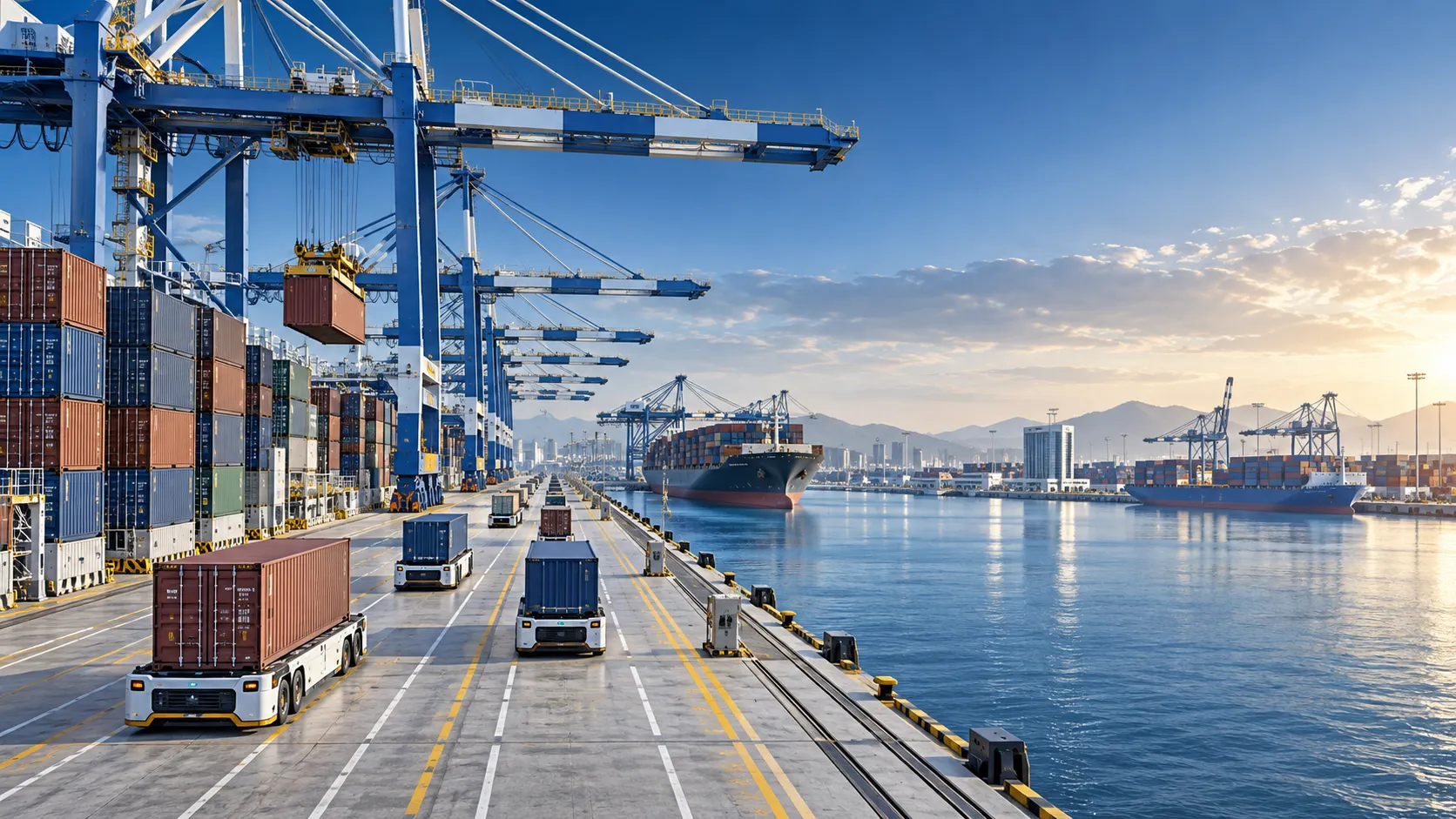
How to Evaluate Terminal Efficiency Solution Suppliers for High-Throughput Operations
Choose a terminal efficiency solutions supplier with confidence. Explore proven criteria for throughput, integration, lifecycle cost, safety, and reliable delivery.
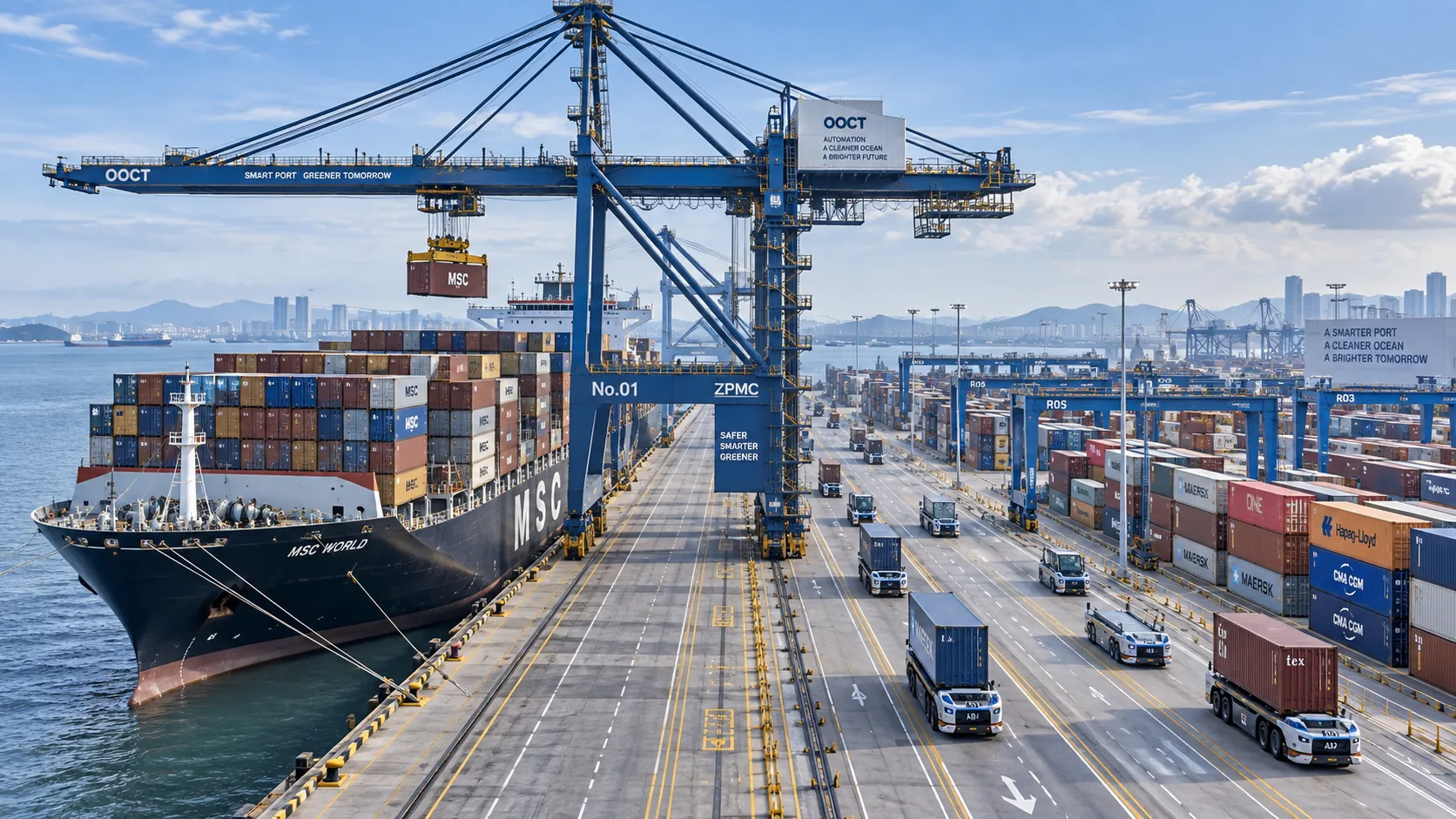
How to Specify a Quay Crane for Container Terminals by Vessel Size and Throughput?
Quay crane for container terminals: learn how to match outreach, lift height, capacity, automation, and cycle performance to vessel size and throughput goals.
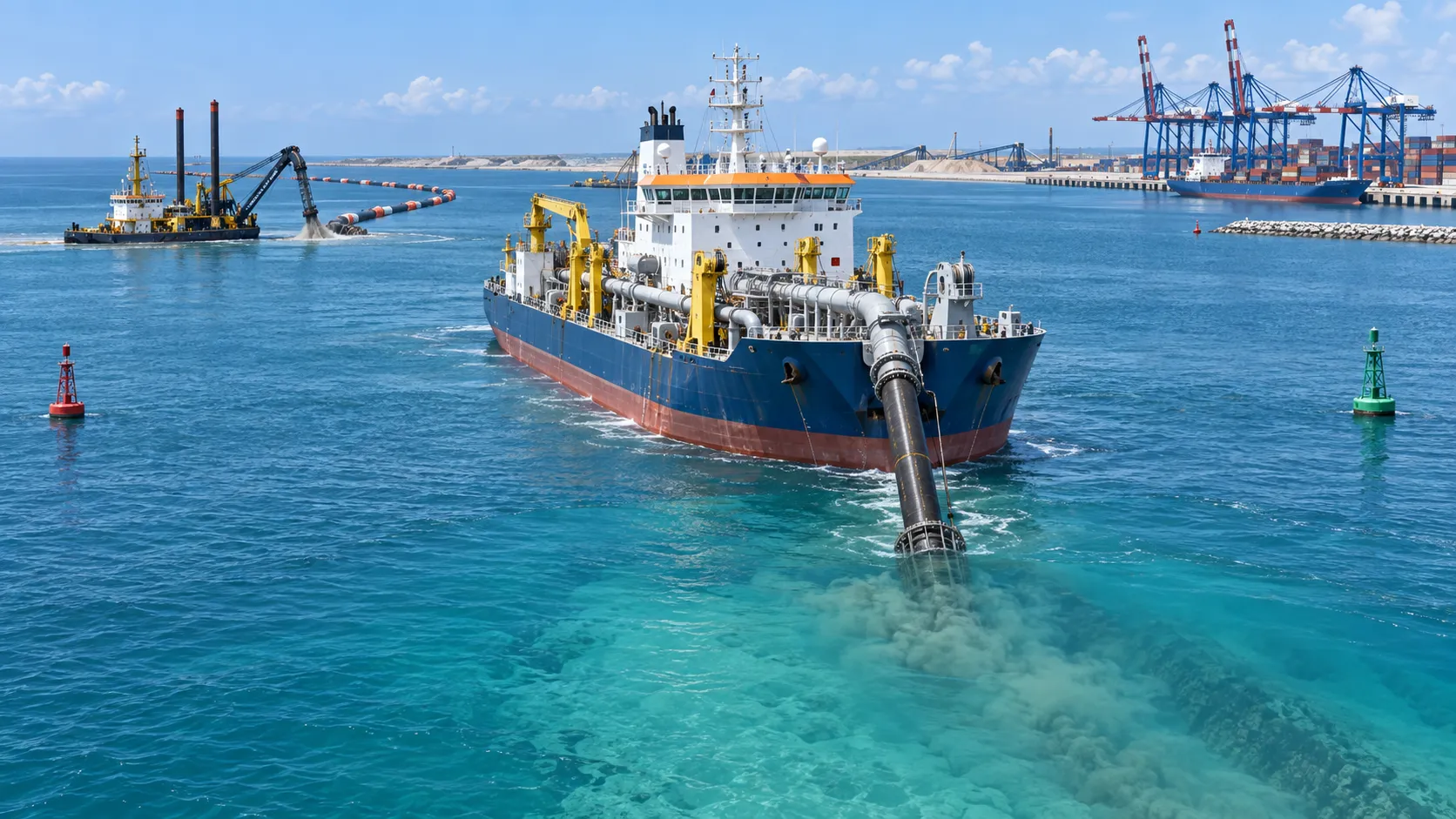
What Dredging Equipment Is Needed for Channel Deepening?
What dredging equipment is needed for channel deepening? Explore dredgers, pipelines, survey tools, and planning strategies for safer, more efficient port access.
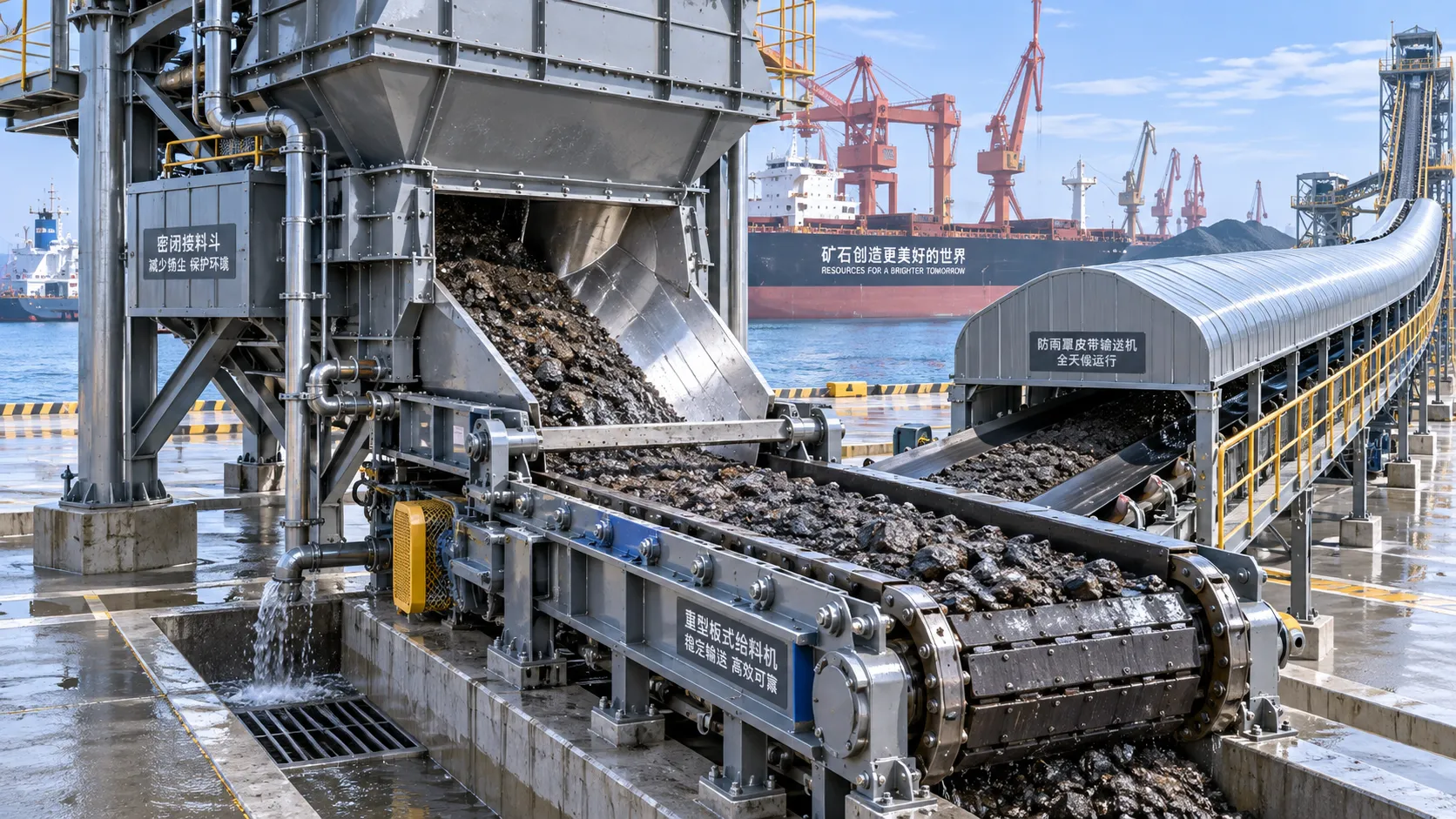
Which Bulk Handling Equipment Suits High-Moisture Cargo?
Which bulk handling equipment suits high-moisture cargo? Compare belt, apron, screw, drag, and slurry systems for reliable flow, less carryback, and higher terminal uptime.
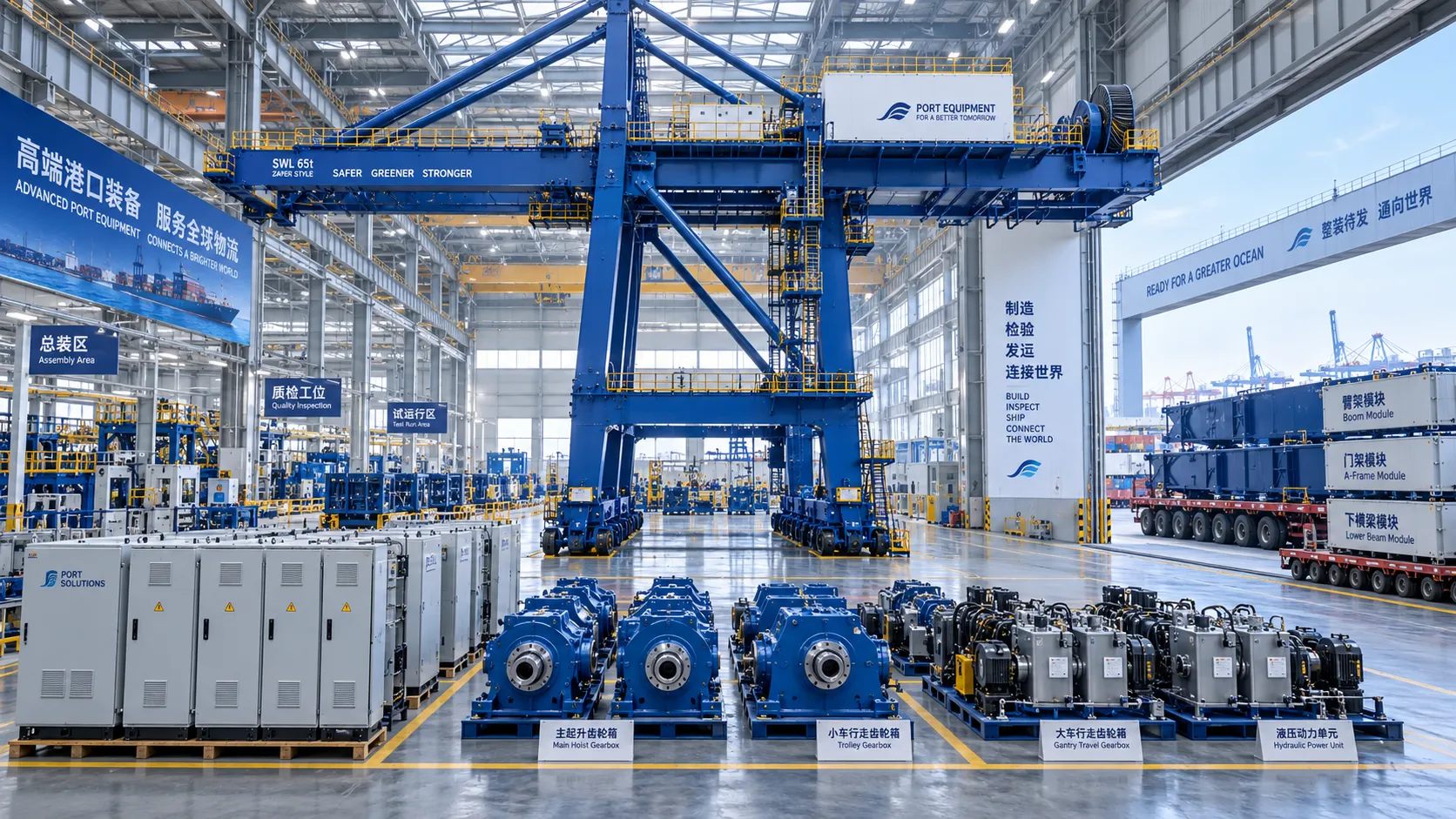
How Can Port Equipment Lead-Time Risk Be Managed?
How can port equipment lead-time risk be managed? Explore practical strategies to control critical paths, suppliers, transport, site readiness, and commissioning delays.
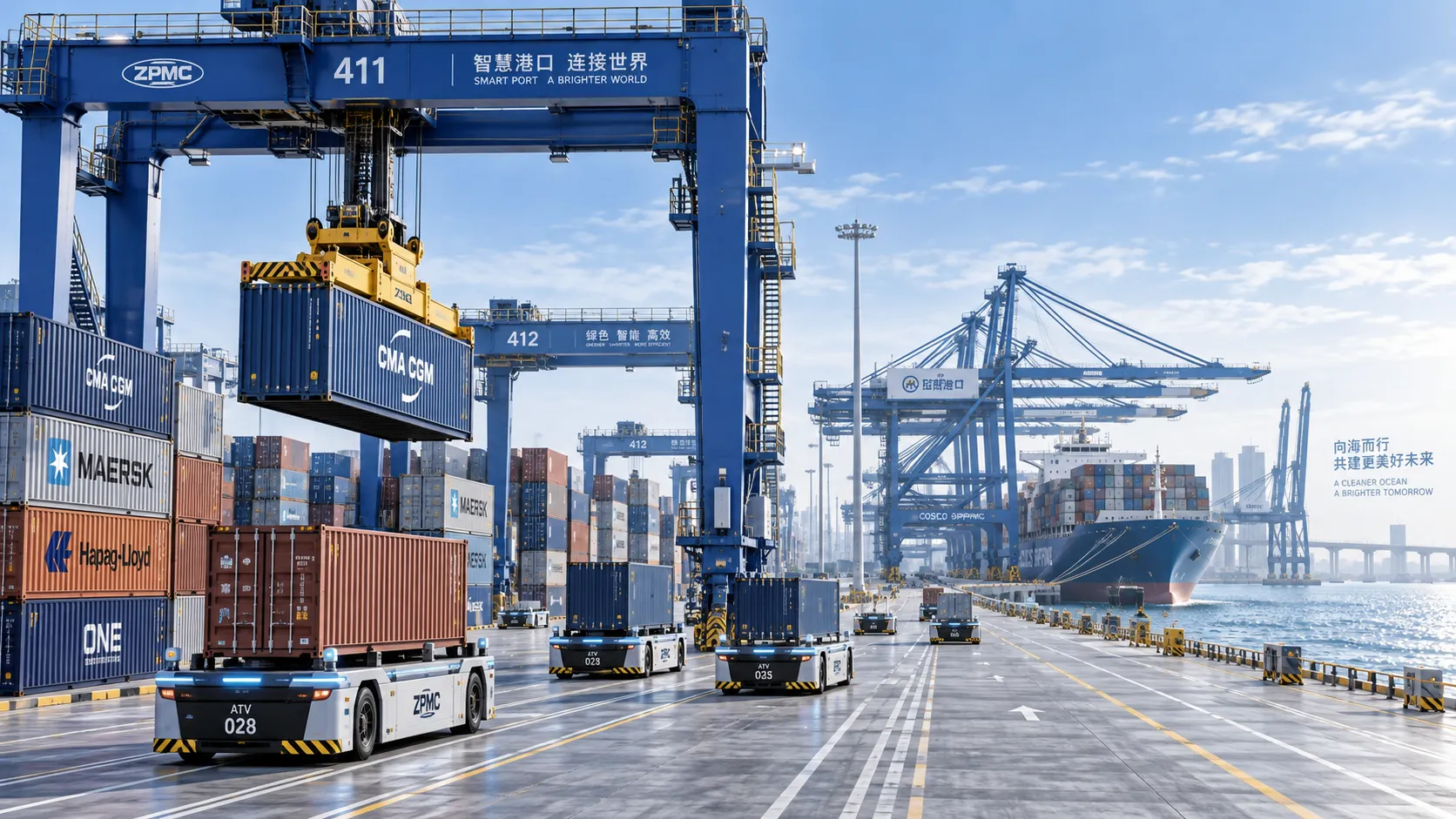
Terminal Automation Technologies That Raise Container Throughput Without Yard Disruption
Terminal automation technology that increases container throughput without disrupting yard flow. Explore smarter integration, resilient workflows, and phased deployment strategies.
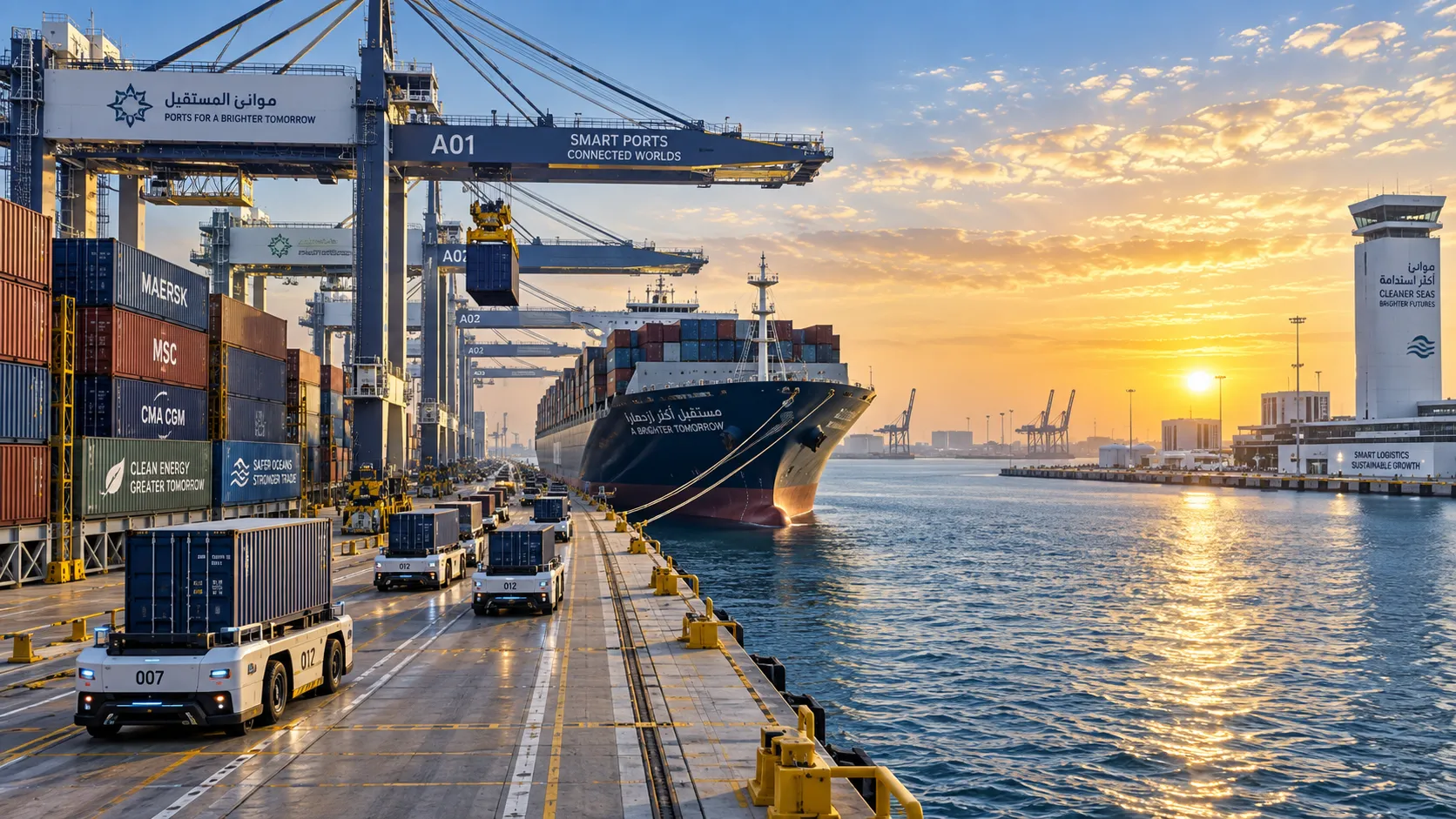
Middle East Port Automation: Key Market Drivers, Projects, and Investment Risks
Port automation systems Middle East: explore market drivers, flagship projects, integration challenges, and investment risks shaping smarter, resilient terminals.
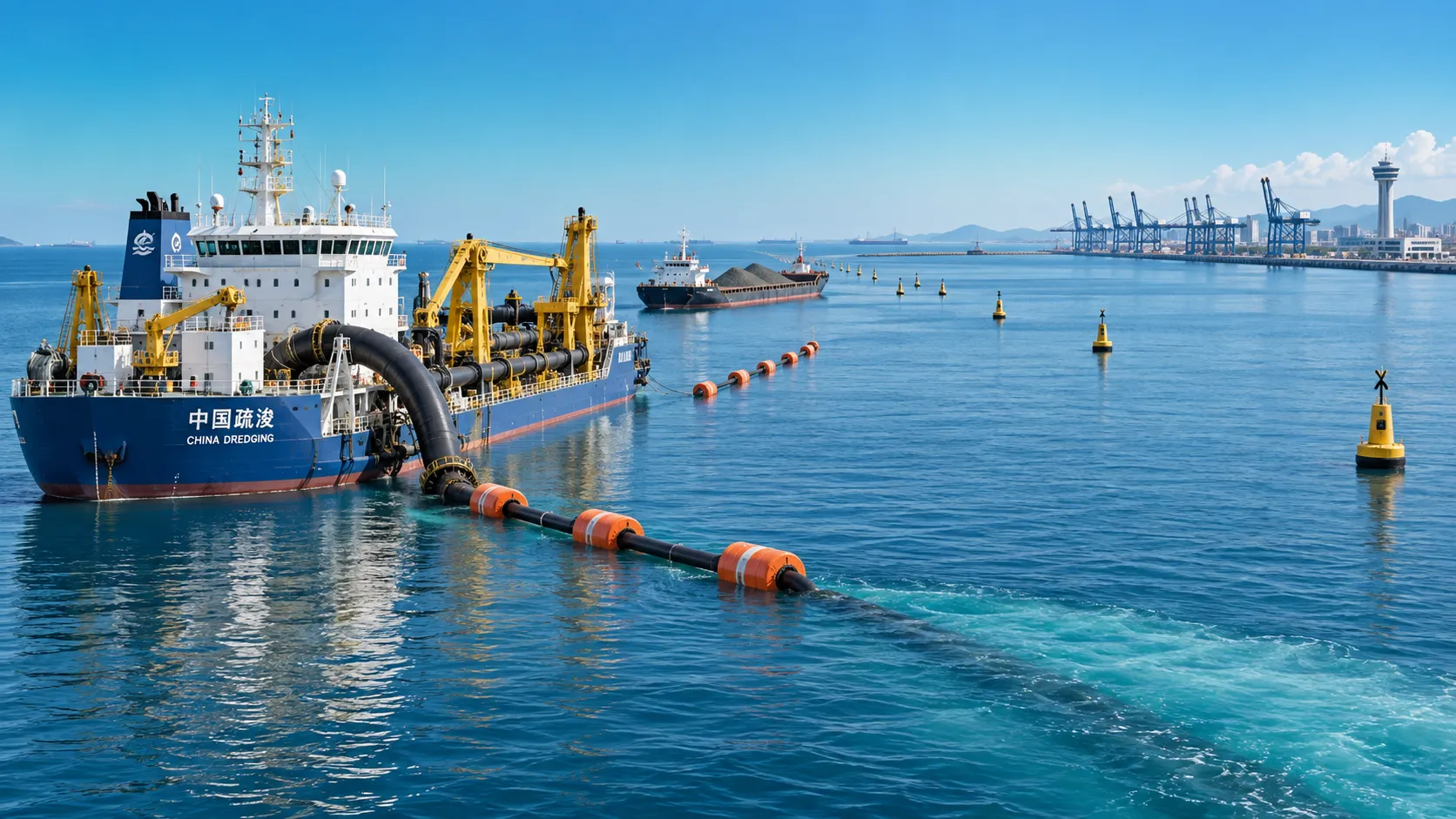
Planning Offshore Dredging Operations: Key Risks, Methods, and Project Controls
Offshore dredging operations demand smart planning. Explore key risks, proven methods, environmental controls, and project strategies for reliable delivery.