
Related News
- 00
0000-00
How to Specify a Quay Crane for Container Terminals by Vessel Size and Throughput? - 00
0000-00
Which Bulk Handling Equipment Suits High-Moisture Cargo? - 00
0000-00
Terminal Automation Technologies That Raise Container Throughput Without Yard Disruption - 00
0000-00
Planning Offshore Dredging Operations: Key Risks, Methods, and Project Controls - 00
0000-00
Where Do Automated Guided Vehicles Deliver the Fastest Warehouse Gains in the Middle East?
How to Evaluate Quay Crane Systems for Faster, Safer Ship Loading Operations
How to Evaluate Quay Crane Systems for Faster, Safer Ship Loading Operations
Evaluating quay crane systems for ship loading is rarely a matter of comparing brochure figures. On paper, two cranes may look similar in rated load, outreach, or hoisting speed. In practice, their value is decided by how they behave at the berth: under wind, over long shifts, with mixed vessel calls, variable container weights, and the constant pressure to shorten turnaround without adding risk.
For technical assessors, the real question is not “Which crane is bigger?” but “Which system fits our terminal’s operating logic?” A crane that is oversized for the berth structure, poorly integrated with the terminal operating system, or difficult to maintain can slow down loading even if its headline capacity is impressive. The best selection process looks at the crane as part of a larger port system that includes yard flow, controls, power supply, marine conditions, operator workload, and future automation plans.
That broader view is increasingly important in global terminals. Platforms such as PS-Nexus, which track heavy terminal gear, automated container handling, port control systems, and the wider economics of coastal trade, reflect a shift in how ports make infrastructure decisions. Quay cranes are no longer isolated assets. They sit at the intersection of mechanical performance, scheduling algorithms, energy strategy, and trade volatility.
Start with berth productivity, not crane specifications alone
Most evaluations begin too narrowly. Rated lifting capacity matters, but ship loading performance depends on the full cycle: trolley travel, hoisting, gantry positioning, spreader stability, landing accuracy, truck or AGV synchronization, and exception recovery when the stow plan changes. If your berth regularly handles larger vessels with deeper bays and higher stacks, outreach and lift height become critical. If calls are mixed and frequent, acceleration, positioning repeatability, and operator visibility may have a bigger operational effect than raw top speed.
A useful assessment framework is to map crane performance against actual vessel and berth profiles:
- Typical vessel size and future design vessel
- Row outreach required across deck width
- Lift height above rail and below rail handling needs
- Expected container mix, including twin-lift or tandem-lift operations if applicable
- Actual berth occupancy patterns and peak-hour loading pressure
- Interaction with horizontal transport systems
This sounds obvious, but many projects still end up with a mismatch between crane geometry and vessel mix. A technically capable crane may underperform if its operating envelope is not aligned with the ships the terminal is paid to turn faster.
Geometry, structure, and rail interface deserve early scrutiny
Quay crane systems are constrained by civil and marine realities. Before comparing brands or control packages, confirm the hard physical limits: rail gauge, wheel loads, quay beam capacity, seismic conditions if relevant, allowable storm tie-down arrangements, and the marine environment’s impact on corrosion and fatigue. These are not late-stage checks. They shape what is technically feasible.
Technical assessors should pay close attention to wheel loads under different operating conditions, not only nominal values. A crane optimized for larger outreach or heavier lifts may impose structural demands the berth was never designed for. Retrofitting quay structure can alter the business case more than the crane price itself.
The rail interface is another detail that often becomes a project risk. Track condition tolerances, rail alignment, storm anchoring, and long-term maintenance access all influence commissioning time and lifecycle behavior. If the terminal is planning phased upgrades rather than a greenfield installation, interface constraints can be even more decisive than crane performance data.
Safety is a system outcome, not a checklist item
When buyers discuss faster ship loading, safety is sometimes treated as a compliance gate that sits outside productivity. That is a mistake. In quay crane operations, safe systems are usually the more stable and predictable systems, which means fewer interruptions, less equipment abuse, and better consistency across shifts.
A serious safety review should examine anti-sway performance, collision avoidance logic, boom and trolley travel protections, overload behavior, emergency stop architecture, storm protection, access and rescue arrangements, and the quality of the human-machine interface. For terminals moving toward remote operation, camera layout, latency tolerance, situational awareness, and fallback modes become central.
It also helps to separate “safety features” from “safe operability.” A crane may include all expected protections yet still create risk if alarms are poorly prioritized, maintenance access is awkward, or visibility in certain loading positions is compromised. That is why site-specific hazard reviews matter more than generic claims.
Automation readiness is no longer optional in many ports
Even if a terminal is not deploying full unmanned operations today, quay crane selection should consider future automation compatibility. This includes controls architecture, sensor integration, remote-control capability, data exchange with TOS and equipment control systems, and support for low-latency communications. Retrofitting automation onto a crane that was not designed for it can be expensive and operationally disruptive.
This is one area where market intelligence is becoming more useful than product literature. PS-Nexus has positioned its coverage around the meeting point of terminal machinery and algorithmic scheduling, which is exactly where automation decisions become practical rather than theoretical. A crane can only support higher berth throughput if it coordinates cleanly with AGVs, yard cranes, truck lanes, and supervisory control logic.
Assessors should ask a few hard questions early:
- Is the control system open enough to integrate with the terminal’s current and planned software stack?
- What remote operation functions are native, and what would require later modification?
- How are sensor failures detected, isolated, and recovered during live operations?
- Can the system support phased automation without major redesign?
If those answers are vague, the crane may be technically serviceable today but strategically weak over its lifecycle.
Maintenance reality often decides the long-term winner
For a terminal engineering team, a quay crane is not judged only at handover. It is judged every time a drive faults during a vessel window, every time spare parts lead time extends beyond the maintenance plan, and every time a control issue requires specialist support from another time zone.
That is why lifecycle reliability deserves equal weight with acquisition cost. Review the maintainability of hoist systems, spreaders, rope reeving arrangements, drive systems, cable management, lubrication points, structural inspection access, and diagnostics. Predictive maintenance functions can be valuable, but only if the terminal has the people and processes to use them.
Spare parts strategy is another practical filter. Common components, local support capability, documentation quality, and training depth can matter more than a marginal efficiency advantage. In long-cycle port infrastructure, supportability is part of technical suitability.
Energy and environmental factors are now part of crane selection
Ports under pressure to reduce emissions are starting to look beyond vessel fuel and yard fleet electrification. Quay cranes are large electrical assets, and their power quality, regeneration behavior, and demand profile affect both operating cost and infrastructure planning. If a terminal has a broader net-zero roadmap, crane selection should include electrical efficiency, compatibility with the port power system, and the operational behavior of energy recovery functions.
Environmental durability matters too. Coastal exposure, salinity, humidity, and wind loading conditions should shape coating systems, enclosure ratings, corrosion protection strategy, and maintenance intervals. These are not glamorous topics, but they directly affect uptime and structural life.
Compare systems in context, not line by line
A line-by-line comparison table is useful, but it should not become the decision itself. Technical assessors usually get better outcomes by scoring options across a few weighted dimensions tied to terminal priorities.
This kind of matrix keeps the discussion anchored in operational consequence rather than feature accumulation.
Common mistakes during evaluation
A few patterns appear repeatedly in quay crane procurement and upgrade projects.
- Selecting for peak specification instead of average operational fit
- Underestimating berth structure and rail system constraints
- Treating automation as a later software problem rather than a current system-design issue
- Focusing on purchase price while neglecting serviceability and parts support
- Relying on generic factory acceptance confidence without enough site-specific operating analysis
None of these mistakes are dramatic at bid stage. They become expensive once the crane is expected to perform during live vessel windows.
A better decision process
The strongest evaluation processes usually combine engineering review, operations input, controls integration assessment, and long-horizon maintenance planning. In other words, they treat quay crane systems for ship loading as terminal infrastructure, not just lifting equipment.
That perspective matches the direction of more advanced maritime intelligence platforms, including PS-Nexus, where heavy mechanical assets are analyzed alongside automation logic, dredging capacity, port development trends, and trade-node behavior. For assessors, this is useful because crane selection is rarely only about the crane. It is about whether the terminal can handle future vessel patterns, labor models, digital control requirements, and energy constraints without redesigning the whole operating concept in five years.
If there is one practical rule to keep in mind, it is this: evaluate the crane in the sequence of your operation, not in the order of a specification sheet. Start with vessel calls and berth constraints. Move to cycle performance and safety behavior. Then test automation fit, maintainability, and infrastructure compatibility. The right choice usually becomes clearer when the crane is judged as part of a working port system rather than a standalone machine.
Before moving to final selection, it is worth confirming a few items that often remain unresolved too long: the exact vessel envelope, rail and quay loading limits, interface requirements with terminal software, local standards or authority approvals, spare parts strategy, and the realistic path toward remote or automated operation. Those checks do not slow down procurement. They prevent the wrong crane from speeding into the wrong berth.
Related News
Smart Port Systems in Southeast Asia: Investment Priorities and Adoption Barriers
Smart port systems Southeast Asia: discover investment priorities, adoption barriers, and practical steps to build resilient, connected, high-performing terminals.

How to Evaluate Terminal Efficiency Solution Suppliers for High-Throughput Operations
Choose a terminal efficiency solutions supplier with confidence. Explore proven criteria for throughput, integration, lifecycle cost, safety, and reliable delivery.
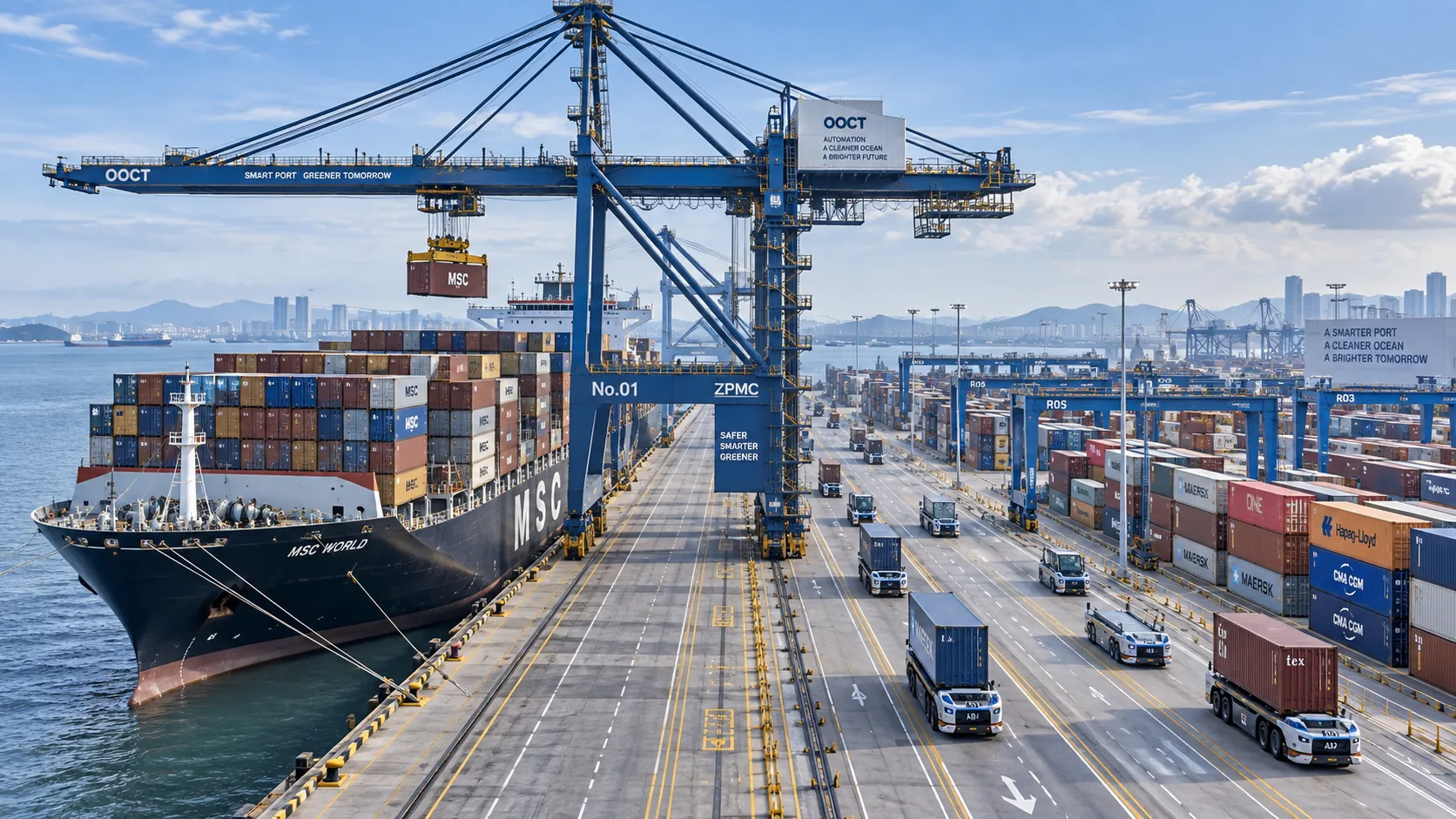
How to Specify a Quay Crane for Container Terminals by Vessel Size and Throughput?
Quay crane for container terminals: learn how to match outreach, lift height, capacity, automation, and cycle performance to vessel size and throughput goals.
What Dredging Equipment Is Needed for Channel Deepening?
What dredging equipment is needed for channel deepening? Explore dredgers, pipelines, survey tools, and planning strategies for safer, more efficient port access.
Which Bulk Handling Equipment Suits High-Moisture Cargo?
Which bulk handling equipment suits high-moisture cargo? Compare belt, apron, screw, drag, and slurry systems for reliable flow, less carryback, and higher terminal uptime.
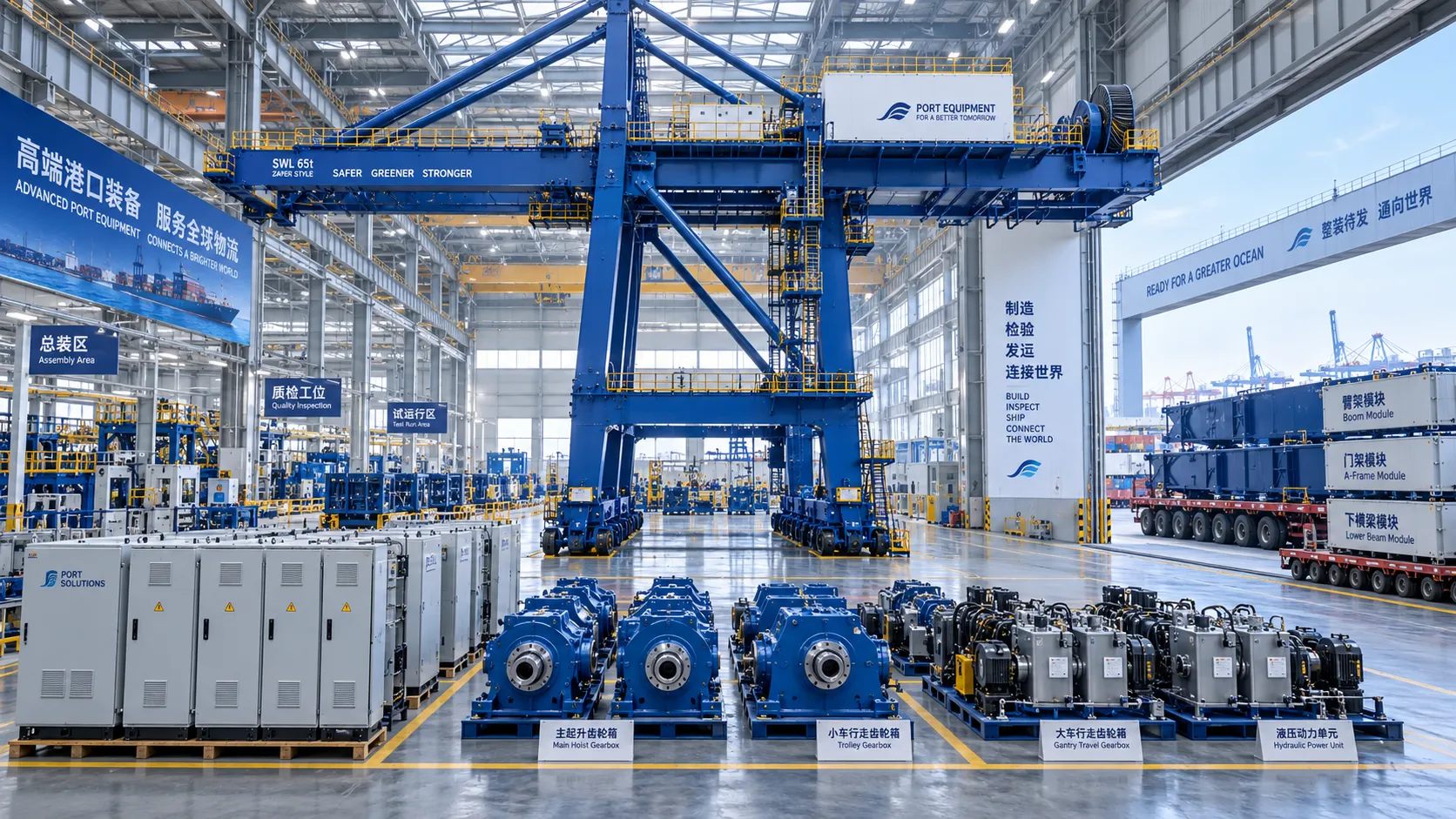
How Can Port Equipment Lead-Time Risk Be Managed?
How can port equipment lead-time risk be managed? Explore practical strategies to control critical paths, suppliers, transport, site readiness, and commissioning delays.
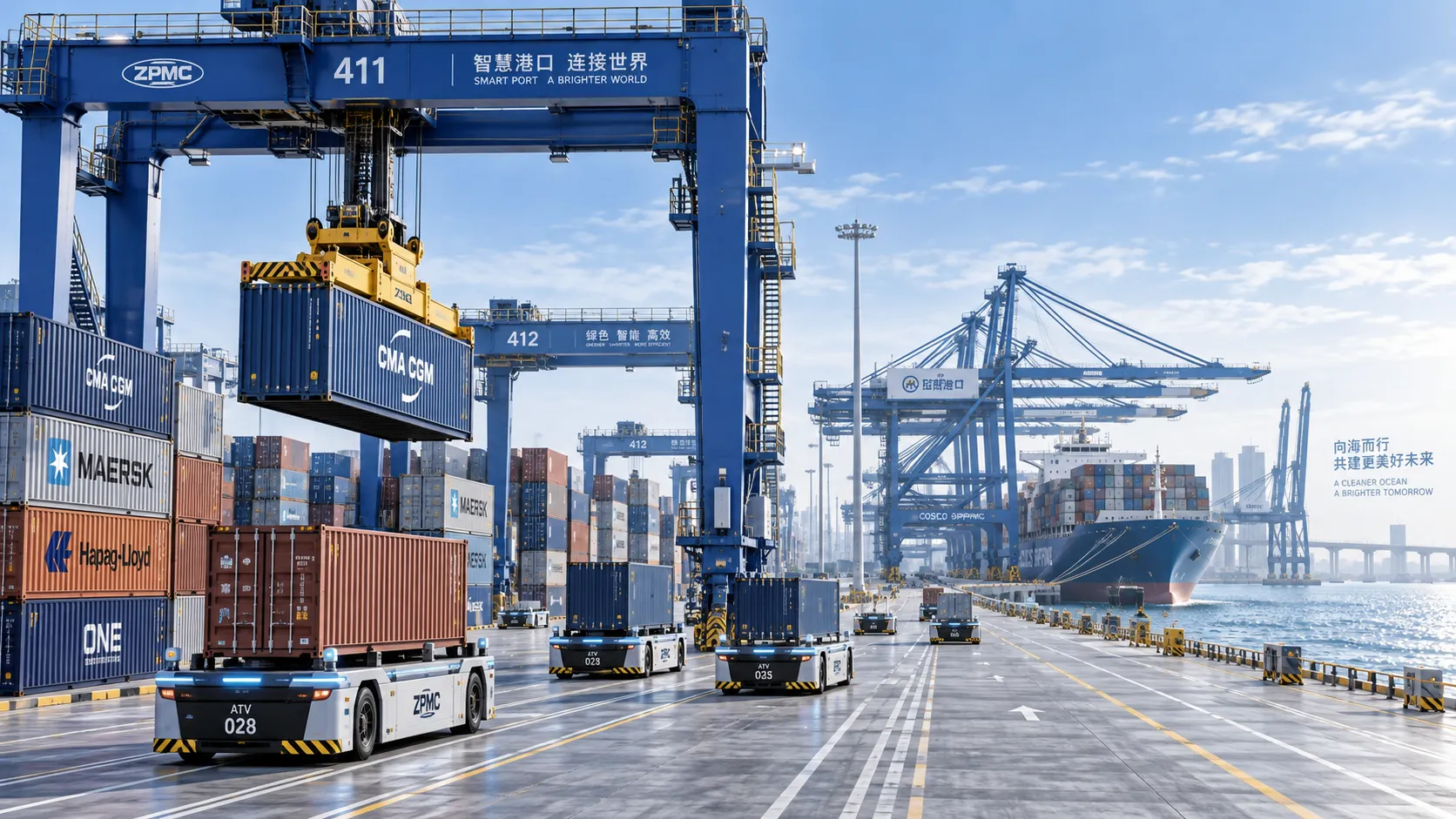
Terminal Automation Technologies That Raise Container Throughput Without Yard Disruption
Terminal automation technology that increases container throughput without disrupting yard flow. Explore smarter integration, resilient workflows, and phased deployment strategies.
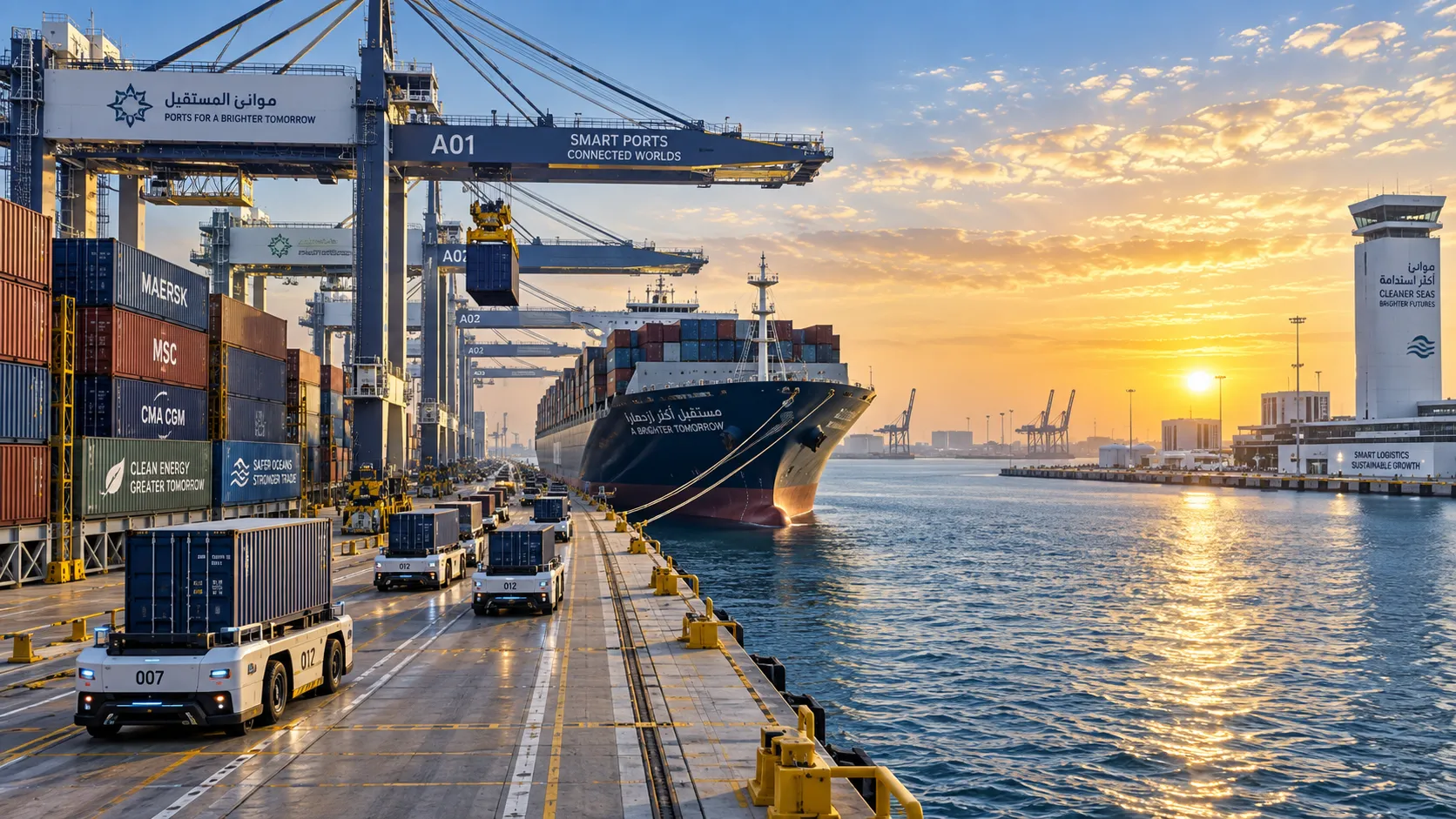
Middle East Port Automation: Key Market Drivers, Projects, and Investment Risks
Port automation systems Middle East: explore market drivers, flagship projects, integration challenges, and investment risks shaping smarter, resilient terminals.
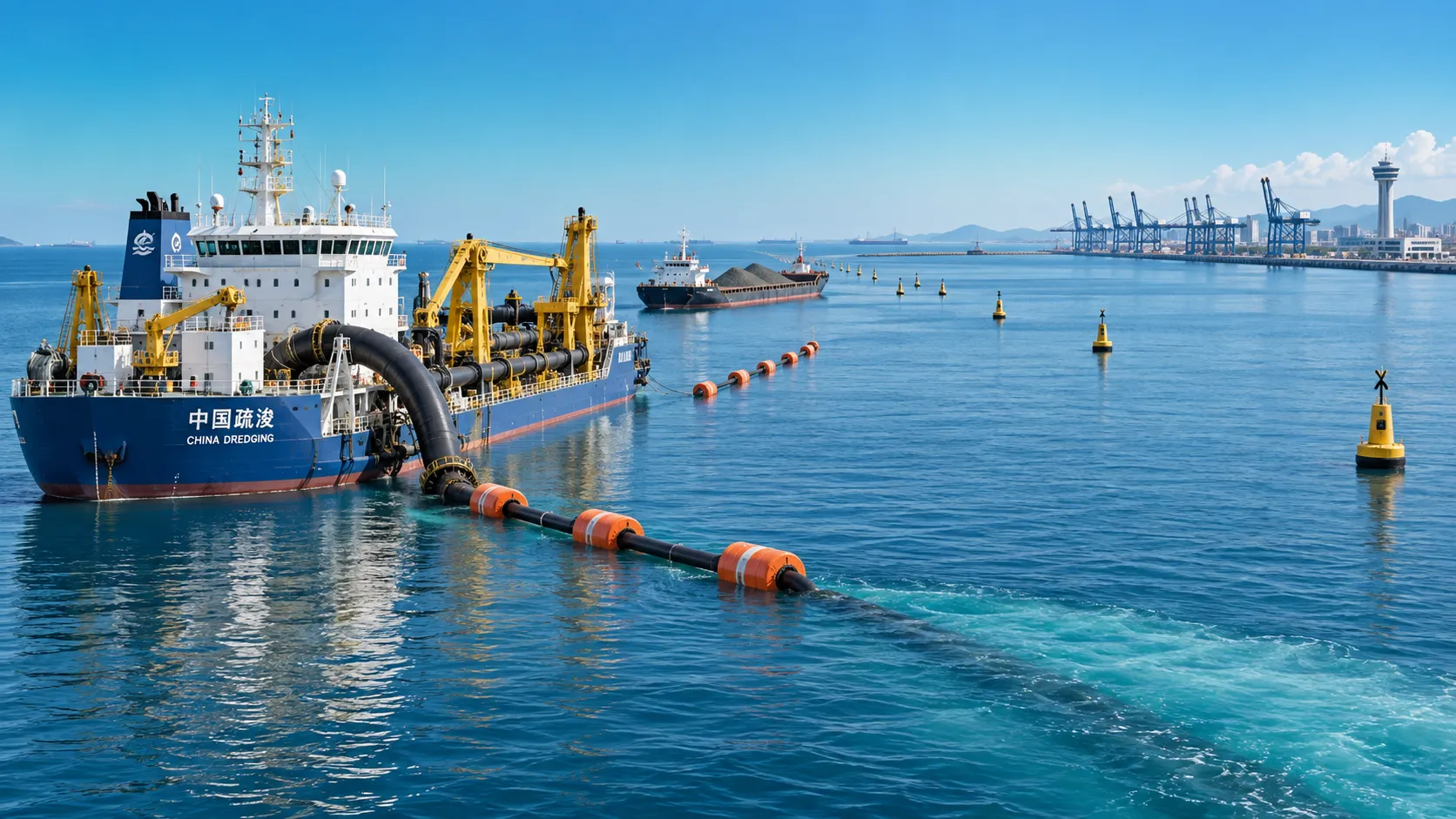
Planning Offshore Dredging Operations: Key Risks, Methods, and Project Controls
Offshore dredging operations demand smart planning. Explore key risks, proven methods, environmental controls, and project strategies for reliable delivery.