Related News
- 00
0000-00
How to Specify a Quay Crane for Container Terminals by Vessel Size and Throughput? - 00
0000-00
Which Bulk Handling Equipment Suits High-Moisture Cargo? - 00
0000-00
Terminal Automation Technologies That Raise Container Throughput Without Yard Disruption - 00
0000-00
Planning Offshore Dredging Operations: Key Risks, Methods, and Project Controls - 00
0000-00
Where Do Automated Guided Vehicles Deliver the Fastest Warehouse Gains in the Middle East?
What Does a Control Systems Integrator Do in an Industrial Automation Project?
A control systems integrator is the party that makes an automation project actually work as one system instead of a pile of expensive parts. In practical terms, that means connecting PLCs, drives, sensors, HMIs, SCADA, safety systems, networks, and higher-level software so equipment can run reliably, operators can understand what is happening, and managers can trust the data. If you are researching industrial automation for ports, bulk handling, container yards, or heavy equipment environments, this role matters more than many first-time buyers expect.
People often assume the main automation challenge is choosing the right hardware. In real projects, that is only part of it. The harder problem is getting machines from different vendors, different generations, and different control philosophies to behave like one coordinated operation. That is where a control systems integrator earns their place.
What the role really means
The simplest way to explain it is this: the integrator translates an operating goal into control logic, communication, and field execution. A manufacturer may supply a crane, a conveyor builder may supply the mechanical line, another vendor may handle variable frequency drives, and the owner may want production data visible in a central platform. None of that becomes useful until someone designs the control architecture, builds the interfaces, tests the sequences, and proves the system works under real conditions.
So when someone asks what a control systems integrator does, the answer is not just “programming.” Programming is one piece. Integration also includes system design, device selection support, network planning, panel coordination, safety logic, alarm strategy, FAT and SAT support, documentation, operator handover, and troubleshooting after startup.
In many projects, the integrator is the technical bridge between operations people who know what the plant needs and equipment suppliers who know their own machines but not always the entire process.
Where a control systems integrator works in the project lifecycle
The role starts earlier than many buyers realize. A capable integrator should be involved before equipment is fully locked in, because early architecture choices can either simplify the whole project or create years of headaches.
At the front end, they usually review the process narrative: what the system is supposed to do, what the operating modes are, what happens during faults, which devices must interlock, and which data points matter to production, maintenance, or compliance. If that sounds basic, it is. It is also where many projects go wrong. Poorly defined sequences create delays later, especially when several subcontractors assume different things.
During design, the integrator may define I/O structure, PLC platform approach, industrial networking, HMI philosophy, historian or SCADA links, and interface requirements for third-party systems. In a port or terminal setting, that can extend to remote diagnostics, yard equipment coordination, equipment health monitoring, or links between asset-level controls and scheduling logic.
Then comes implementation. This is where they build the PLC code, HMI screens, alarms, recipes if needed, communication drivers, safety logic, and reporting connections. But solid integrators do not stop at writing code. They also test edge cases: power loss, sensor failure, loss of communication, emergency stop recovery, manual override behavior, startup sequencing, and fault reset logic.
Commissioning is often where their value becomes most visible. On paper, every system works. In the field, devices come in with changed firmware, drawings do not match the installation, sensors are mounted differently than expected, and one machine’s “ready” signal does not behave the way the interface document said it would. The integrator is usually the one untangling those problems under time pressure.
What they are responsible for day to day
Responsibilities vary by project, but most control systems integrators are expected to cover a mix of these tasks:
- Reviewing the process and defining control sequences
- Developing PLC, PAC, or DCS logic
- Configuring HMI and SCADA screens for operators and maintenance teams
- Connecting sensors, actuators, drives, and field devices through appropriate industrial protocols
- Integrating safety systems, permissives, and shutdown logic
- Managing communication between OEM machines and plant-wide software
- Testing the system before shipment and again after installation
- Supporting startup, debugging, tuning, and post-commissioning optimization
- Producing documentation, backups, tag lists, and change records
That list looks straightforward, but the quality difference between average and strong integrators is usually found in the details. Anyone can make a machine move. Not everyone can make it move safely, predictably, and in a way the operations team can maintain three years later.
Why this role matters so much in industrial automation
Automation projects fail less often because of one catastrophic design mistake and more often because of coordination gaps. Signals are named inconsistently. Interlocks are undocumented. Alarm floods bury the real fault. Manual mode behaves differently across machines. A new subsystem cannot talk to the existing SCADA layer. Maintenance staff inherit code that only the original programmer can decode.
A good control systems integrator reduces that risk by giving the project structure. They create common logic conventions, clear interface definitions, and a usable operating model. That matters in any factory, but it matters even more in heavy-duty environments where unplanned downtime is expensive and restart conditions are complex.
Ports are a good example. Automated container handling and bulk transfer systems depend on timing, equipment handoff, and reliable control communication. One subsystem can be mechanically sound and still drag down throughput if it cannot exchange status correctly, recover from faults cleanly, or provide usable performance data. Researchers following terminal modernization often focus on cranes, AGVs, or software platforms, but the integration layer is what determines whether those assets behave like a coordinated operation.
This is one reason intelligence platforms such as PS-Nexus are useful to industry researchers: they help connect the equipment view, the automation view, and the operating context, especially in sectors where heavy machinery and control logic must work together continuously.
Common misunderstandings
One of the biggest misconceptions is that an integrator is the same as an OEM. Sometimes an OEM has strong in-house controls capability, but OEM controls are usually centered on that supplier’s machine. A system integrator is usually responsible for the full line, the cross-vendor logic, or the site-wide behavior.
Another misunderstanding is that integration is mainly about software. It is not. Good integration depends on clean instrumentation strategy, workable electrical design, realistic safety philosophy, proper network segmentation, and strong commissioning discipline. If the field devices are poorly chosen or the process logic is vague, no amount of clever code fixes the root issue.
There is also a budget mistake people make: they compare integrators mainly on programming hours. That tends to backfire. Lower upfront engineering cost can mean weaker documentation, rushed testing, minimal fault handling, and more expensive downtime later. In heavy industrial settings, lifecycle clarity often matters more than the cheapest first quote.
How to tell whether an integrator is good
If you are still at the research stage, look past the sales language and ask sharper questions.
Ask how they handle interface definition between vendors. Ask what their standard approach is for alarms, naming conventions, and code version control. Ask who owns backups and final source files. Ask how they test abnormal scenarios, not just normal operation. Ask whether they design with maintenance teams in mind or only with startup in mind.
It also helps to ask for relevant project examples by environment, not just by industry label. A water treatment integrator may be excellent in continuous process control but less experienced in fast-moving material handling. A packaging integrator may be very capable but not the right fit for a harsh outdoor terminal with high availability demands. “Industrial automation” is broad. The right fit depends on process type, safety requirements, uptime expectations, and how many systems need to talk to each other.
For ports, marine terminals, and dredging-related operations, that means looking for familiarity with outdoor equipment reliability, remote I/O behavior, radio or low-latency communications where applicable, machine-to-machine coordination, and the operational reality of maintaining assets under tough environmental conditions.
When you may not need a full control systems integrator
Not every project needs a large integration scope. If you are installing a standalone machine with a proven OEM package, minimal plant interfaces, and a well-defined operating envelope, the OEM’s controls package may be enough. The same is true for simple retrofits where only one panel, one PLC, and a limited number of field devices are involved.
But once the project includes multiple vendors, line-level sequencing, central monitoring, data reporting, safety coordination, or future expansion plans, integration becomes a separate discipline. That is the point where trying to “piece it together internally” often creates hidden cost.
The practical output they leave behind
By the end of a well-run project, the integrator should leave more than functioning code. They should leave a system that can be understood, maintained, and expanded. That usually includes current drawings, tag databases, PLC and HMI backups, alarm lists, network architecture records, cause-and-effect logic, and enough documentation that the next engineer does not have to reverse-engineer the whole site from scratch.
This is where experienced buyers pay attention. Startup is visible, but maintainability is what determines whether the automation investment stays useful.
If you remember one thing, let it be this: a control systems integrator is the discipline that turns separate automation components into an operating system for the real world. In industrial automation projects, especially those involving terminals, bulk handling, and heavy coordinated equipment, that role has direct impact on uptime, safety, troubleshooting speed, and future scalability.
FAQ
Is a control systems integrator the same as a PLC programmer?
No. PLC programming is part of the job, but integration also covers architecture, communications, safety logic, testing, commissioning, documentation, and coordination across vendors.
When should an integrator be brought into a project?
Ideally before equipment and interface decisions are fully fixed. Early involvement usually prevents expensive rework later.
Do small projects need a control systems integrator?
Sometimes no. A simple standalone machine may not need separate integration support. Multi-vendor or expandable systems usually do.
What is the biggest risk of choosing the wrong integrator?
The system may still run, but fault handling, maintainability, documentation, and cross-system coordination are often where weak integration shows up.
Internal Link Anchor Text Suggestions
- Port automation control systems: page about terminal automation architecture or control trends
- Automated container handling systems: page about yard equipment, cranes, and AGV coordination
- Bulk handling machinery monitoring: page about conveyor, stacker, or ship loader automation
- Industrial communication protocols in ports: page about low-latency networks and equipment interfaces
- Dredging equipment digital monitoring: page about pump monitoring, instrumentation, or marine asset diagnostics
External Authority Source Directions
- Industry association reports on industrial automation, controls, and system integration practices
- Official technical documentation from PLC, SCADA, drive, and industrial networking manufacturers
- Port authority, terminal operator, or academic research materials on automated terminal operations and control architecture
Related News
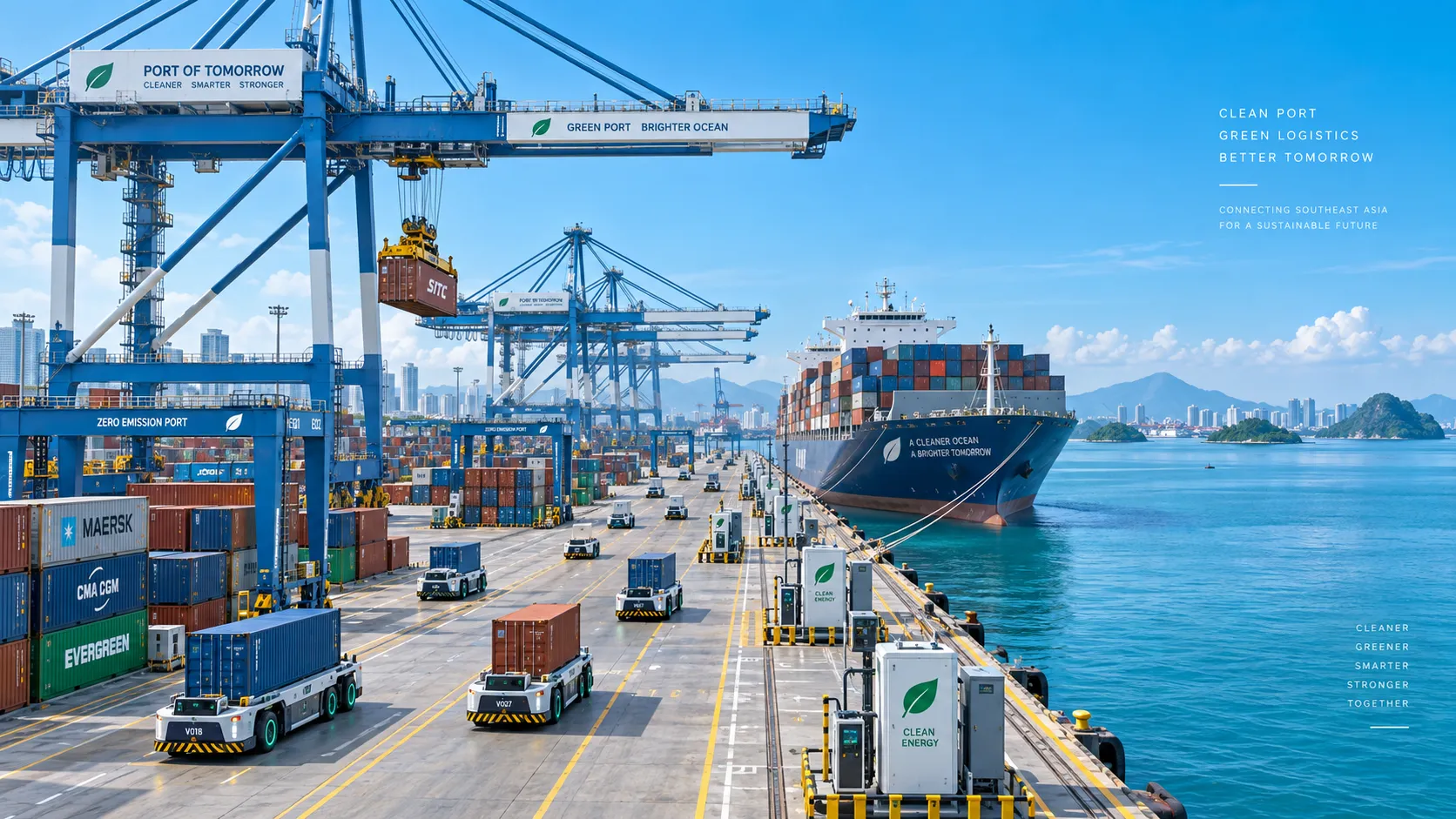
Smart Port Systems in Southeast Asia: Investment Priorities and Adoption Barriers
Smart port systems Southeast Asia: discover investment priorities, adoption barriers, and practical steps to build resilient, connected, high-performing terminals.
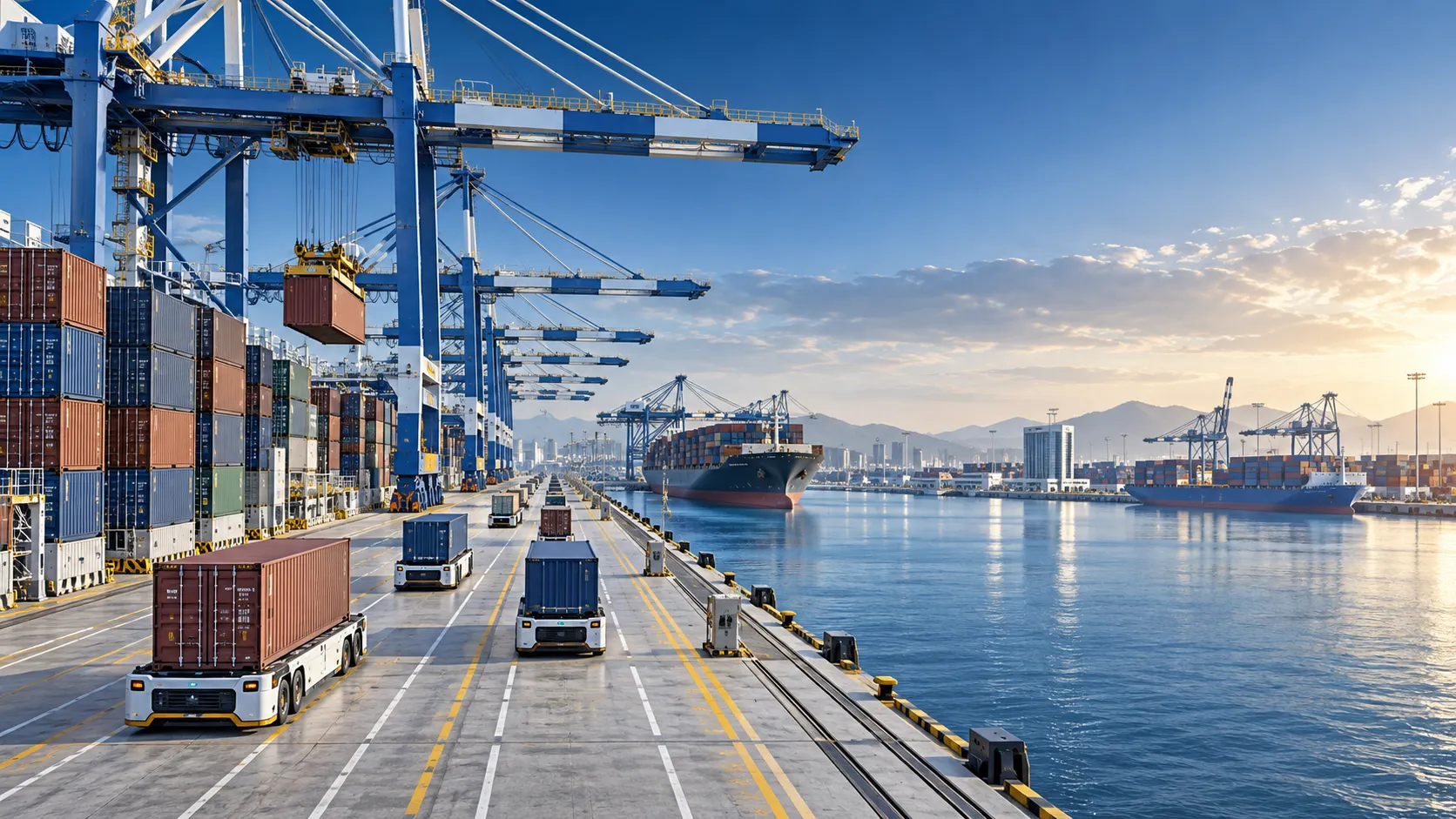
How to Evaluate Terminal Efficiency Solution Suppliers for High-Throughput Operations
Choose a terminal efficiency solutions supplier with confidence. Explore proven criteria for throughput, integration, lifecycle cost, safety, and reliable delivery.
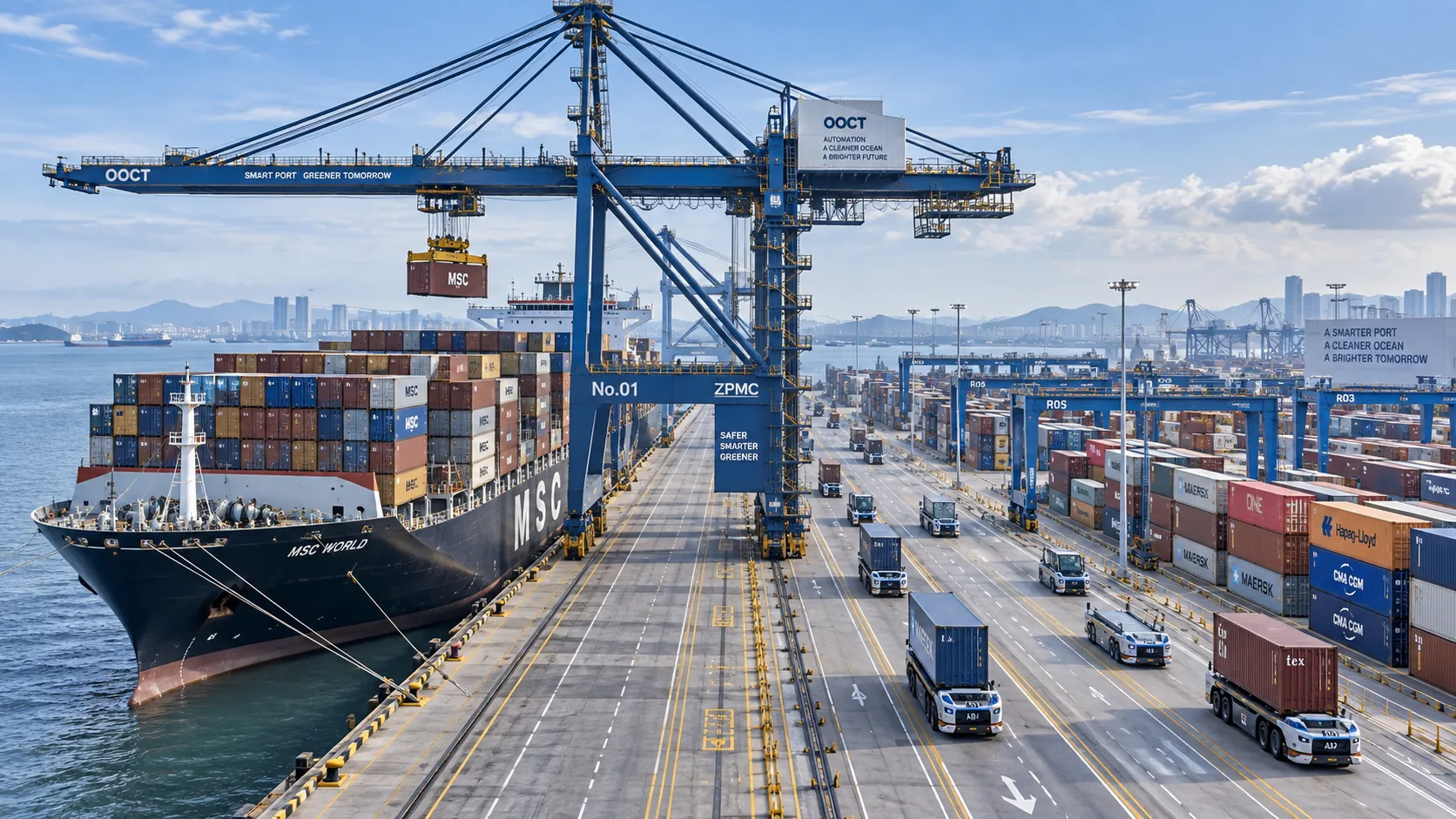
How to Specify a Quay Crane for Container Terminals by Vessel Size and Throughput?
Quay crane for container terminals: learn how to match outreach, lift height, capacity, automation, and cycle performance to vessel size and throughput goals.
What Dredging Equipment Is Needed for Channel Deepening?
What dredging equipment is needed for channel deepening? Explore dredgers, pipelines, survey tools, and planning strategies for safer, more efficient port access.
Which Bulk Handling Equipment Suits High-Moisture Cargo?
Which bulk handling equipment suits high-moisture cargo? Compare belt, apron, screw, drag, and slurry systems for reliable flow, less carryback, and higher terminal uptime.
How Can Port Equipment Lead-Time Risk Be Managed?
How can port equipment lead-time risk be managed? Explore practical strategies to control critical paths, suppliers, transport, site readiness, and commissioning delays.
Terminal Automation Technologies That Raise Container Throughput Without Yard Disruption
Terminal automation technology that increases container throughput without disrupting yard flow. Explore smarter integration, resilient workflows, and phased deployment strategies.
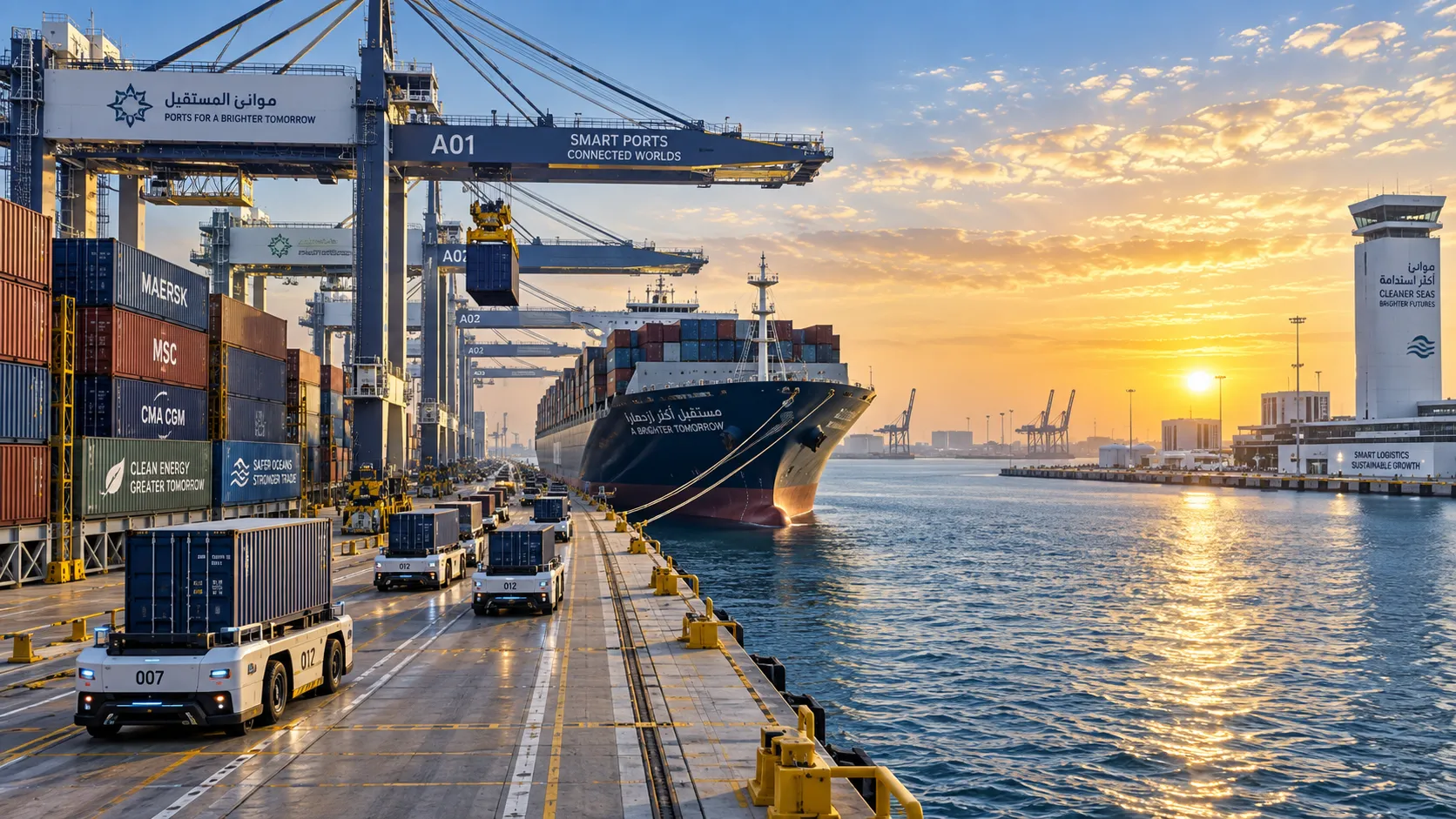
Middle East Port Automation: Key Market Drivers, Projects, and Investment Risks
Port automation systems Middle East: explore market drivers, flagship projects, integration challenges, and investment risks shaping smarter, resilient terminals.
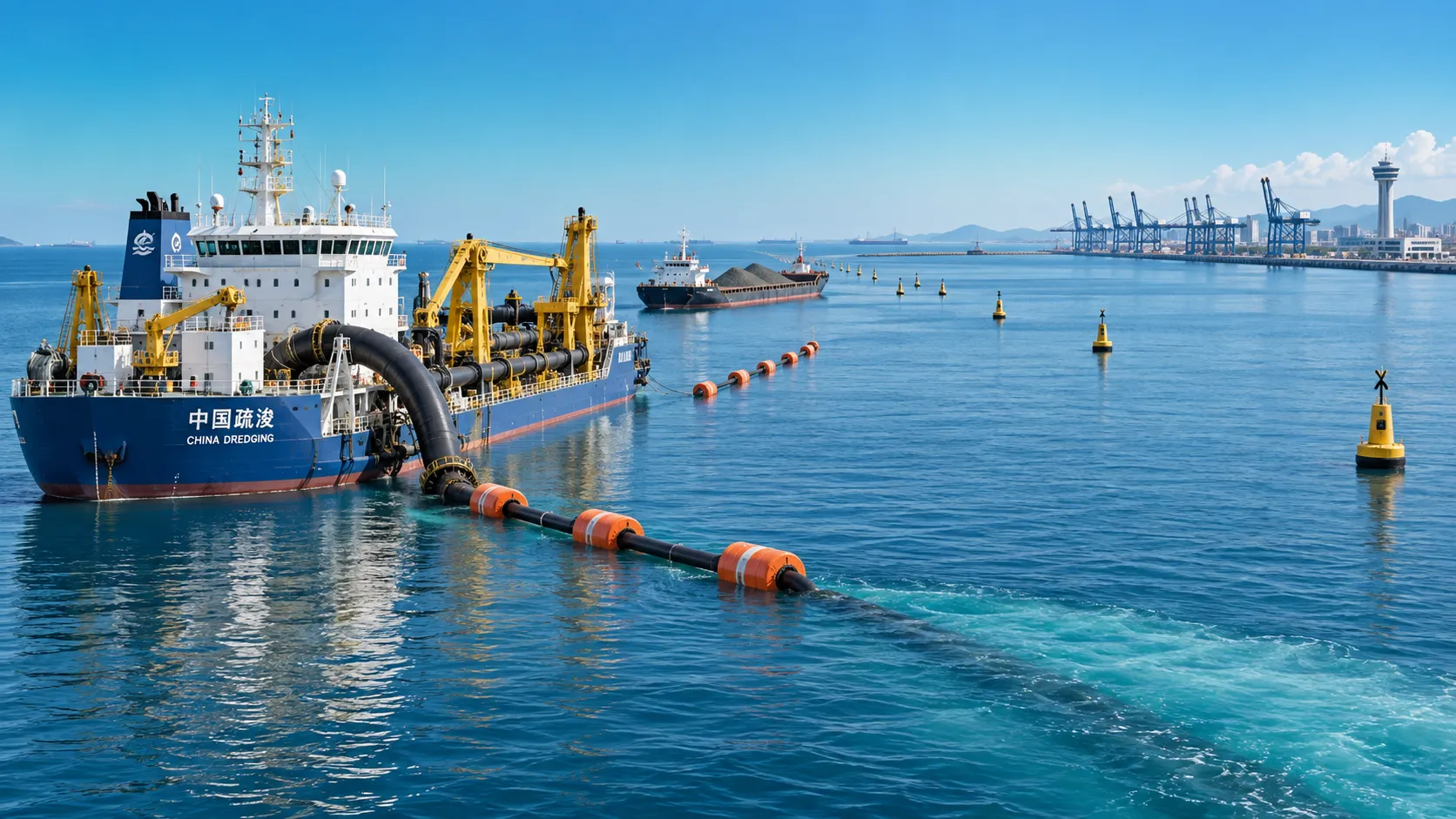
Planning Offshore Dredging Operations: Key Risks, Methods, and Project Controls
Offshore dredging operations demand smart planning. Explore key risks, proven methods, environmental controls, and project strategies for reliable delivery.