Related News
- 00
0000-00
How to Specify a Quay Crane for Container Terminals by Vessel Size and Throughput? - 00
0000-00
Which Bulk Handling Equipment Suits High-Moisture Cargo? - 00
0000-00
Terminal Automation Technologies That Raise Container Throughput Without Yard Disruption - 00
0000-00
Planning Offshore Dredging Operations: Key Risks, Methods, and Project Controls - 00
0000-00
Where Do Automated Guided Vehicles Deliver the Fastest Warehouse Gains in the Middle East?
What to Look for in a Port Control Systems Platform for Terminal Operations
Choosing a port control systems platform is rarely a purely technical purchase. In terminal operations, the wrong fit can slow vessel turnaround, create blind spots between yard and quay, and force teams to work around the software instead of with it. For technical evaluators, the real question is not whether a platform looks modern, but whether it can coordinate equipment, people, and data in the messy reality of a live port.
A port is a system of moving parts: ship-to-shore cranes, RTGs or RMGs, AGVs, gate systems, yard planning tools, maintenance alerts, and increasingly, remote operation layers. A strong port control systems platform sits in the middle of that environment and gives operators a stable way to see, decide, and act. When it is well chosen, the terminal feels calmer, even under pressure. When it is not, every disruption becomes more expensive.
Start with the operational model, not the feature list
Before comparing software demos, evaluators should map the terminal’s actual operating model. Is the site partially automated or fully automated? Are vessel calls predictable, or does the terminal absorb irregular peaks? Does the control room need to supervise a single terminal or multiple yards and berths? These questions matter because a port control systems platform is only useful when it matches the way work is really done.
Some platforms are built around dispatch logic and equipment monitoring. Others focus on orchestration across a broader automation stack. If a terminal is planning staged automation, the platform should support that transition without forcing a replacement later. Look for architecture that can expand from manual-assisted control to higher autonomy without breaking existing workflows.
Integration depth is where many projects succeed or stall
Port operations depend on systems talking to each other with very little delay. The platform should integrate cleanly with terminal operating systems, crane control layers, yard management tools, gate access systems, PLCs, sensors, and remote-control stations. Superficial integration, where data is copied but not operationally usable, often creates a false sense of readiness.
Technical evaluators should ask how the platform handles event synchronization, command acknowledgment, exception handling, and interface failures. Can it keep operating when one subsystem drops offline? Does it support open APIs or industry-standard protocols, or is every connection a custom job? The more complex the terminal, the more important it becomes to avoid brittle integrations that are difficult to maintain.
One useful test is to trace a single container movement from berth to yard. If the platform cannot show how the instruction is created, validated, executed, and recorded across systems, the integration story is probably thinner than it looks.
Real-time visibility is only valuable when the data can be trusted
Many platforms promise real-time dashboards. That is not the same as operational truth. In terminal environments, late sensor updates, inconsistent timestamps, and duplicate event records can lead to scheduling errors that are hard to unwind. A serious port control systems platform should make data lineage clear: where the signal came from, when it was last updated, and whether it has been confirmed by another source.
This becomes especially important in remote and automated operations. If operators are controlling cranes or AGVs from a distance, they need confidence that the status on screen reflects the physical asset. Evaluators should look for systems that support validation rules, conflict detection, and clear alarm prioritization. A noisy control room is often a sign that the platform lacks good data hygiene.
Scheduling logic should help the terminal think, not just react
Good scheduling in terminal operations is not about perfection. It is about reducing wasted motion and preventing avoidable clashes. The best platforms combine rules-based planning with enough flexibility to adapt when vessels arrive early, equipment goes down, or yard conditions change. Static schedules rarely survive the realities of port work.
When reviewing scheduling logic, consider how the platform balances crane productivity, yard density, equipment availability, and labor constraints. Does it optimize one asset at the expense of the rest of the operation? Can it re-plan quickly after an exception? For technical teams, a useful platform should make its decision logic explainable, so planners can understand why a task was assigned a certain way.
That transparency matters. In terminals, operators tend to trust systems that they can read, not just systems that produce output.
Equipment compatibility is more than a hardware checklist
A platform may support cranes, AGVs, stackers, pumps, or dredging-related assets on paper, but the real question is whether it supports their operating logic. Different equipment classes generate different signals, safety constraints, and timing requirements. A port control systems platform should respect those differences rather than forcing every device into the same pattern.
For example, crane control may require fine-grained command validation and low-latency feedback, while yard equipment may depend more on path planning and congestion management. The platform should also support mixed fleets, because many terminals operate with a combination of legacy assets and newer automated units. Compatibility should be judged by how gracefully the system handles that mix over time.
Safety, cybersecurity, and fallback behavior deserve equal attention
In a port, operational efficiency is never separate from safety. A platform that improves throughput but obscures exceptions or weakens intervention paths is not a good trade. Technical evaluators should examine how the system handles emergency stop logic, manual override modes, access control, alarm escalation, and audit trails.
Cybersecurity is part of this conversation too. As port control systems become more connected, the attack surface grows. Look for role-based permissions, encrypted communications, event logging, and segmentation between critical control functions and less sensitive interfaces. The platform should also support recovery after failure. If a controller, database, or network segment goes down, what keeps the terminal operational?
Fallback behavior is often overlooked during sales conversations, but it is one of the clearest signs of platform maturity.
Scalability should be tested against future pressure, not current comfort
Many terminals buy for today and inherit tomorrow’s limits. A platform that works well at moderate volume may struggle once berth occupancy rises, automation expands, or remote operations are added. Scalability is not only about server capacity. It also includes how easily the control logic, user roles, interface layers, and reporting tools can grow with the terminal.
Evaluators should ask whether new equipment types can be added without rewriting the system, whether multi-terminal visibility is supported, and whether performance remains stable when event volume increases. In port environments, growth is rarely linear, so the platform should tolerate bursts without losing control quality.
Support matters because terminal operations do not pause for software issues
Even a well-designed platform will need configuration changes, tuning, and occasional troubleshooting. That makes vendor support a technical criterion, not a commercial afterthought. Ask how updates are handled, how quickly critical issues are escalated, and whether the platform comes with documentation that is clear enough for your internal engineering team to maintain.
It also helps to know whether the vendor understands port-specific operations or simply sells generic industrial software. Platforms built with terminal reality in mind tend to handle edge cases better: interrupted crane cycles, yard re-sequencing, uneven equipment utilization, and the operational pressures that come with vessel delays. In long-life infrastructure environments, that kind of domain familiarity is worth a great deal.
A practical way to compare platforms
When the shortlist gets crowded, technical evaluators can narrow the field by asking a few blunt questions:
Does the platform improve control without adding hidden complexity?
Can it integrate deeply with existing and planned systems?
Is its data reliable enough for live decision-making?
Will its scheduling logic survive exceptions and peak demand?
Can it scale without forcing a rebuild?
These questions cut through presentation language and go straight to operational risk. They also help distinguish between a platform that looks impressive in a demo and one that can support terminal work over the long term.
What the best platforms usually have in common
There is no single perfect port control systems platform for every terminal, but the strongest options tend to share a few qualities. They are integration-aware, not isolated. They are designed for real-time operations, not just reporting. They balance automation with human oversight. And they make it easier for teams to adapt when trade patterns, equipment mixes, or berth strategies change.
For technical evaluators, that combination is often the difference between a system that digitizes existing problems and one that genuinely improves the terminal’s operating rhythm. In an industry where every minute at berth matters, the best choice is the platform that keeps control clear, decisions traceable, and operations resilient.
Related News
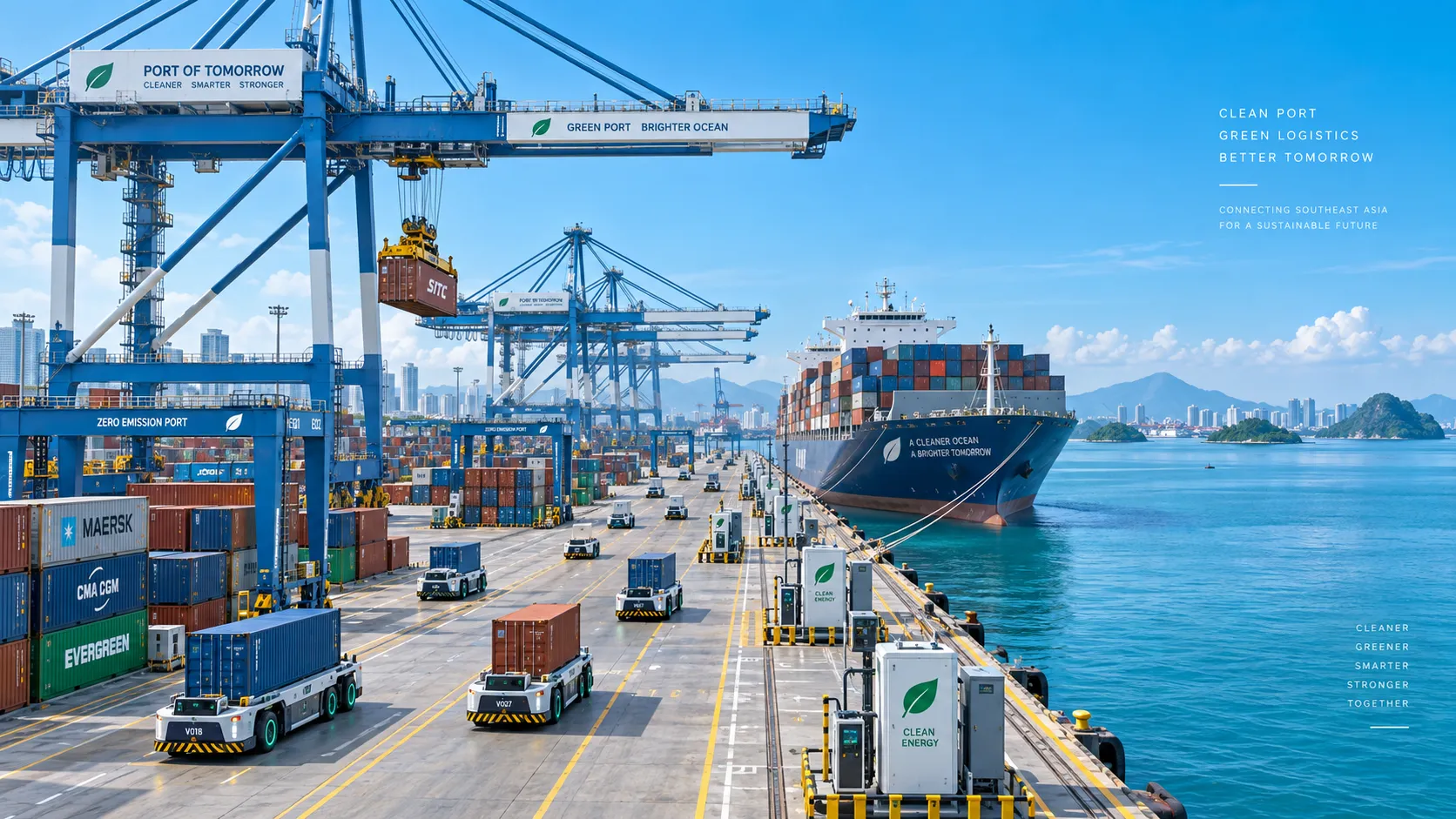
Smart Port Systems in Southeast Asia: Investment Priorities and Adoption Barriers
Smart port systems Southeast Asia: discover investment priorities, adoption barriers, and practical steps to build resilient, connected, high-performing terminals.

How to Evaluate Terminal Efficiency Solution Suppliers for High-Throughput Operations
Choose a terminal efficiency solutions supplier with confidence. Explore proven criteria for throughput, integration, lifecycle cost, safety, and reliable delivery.
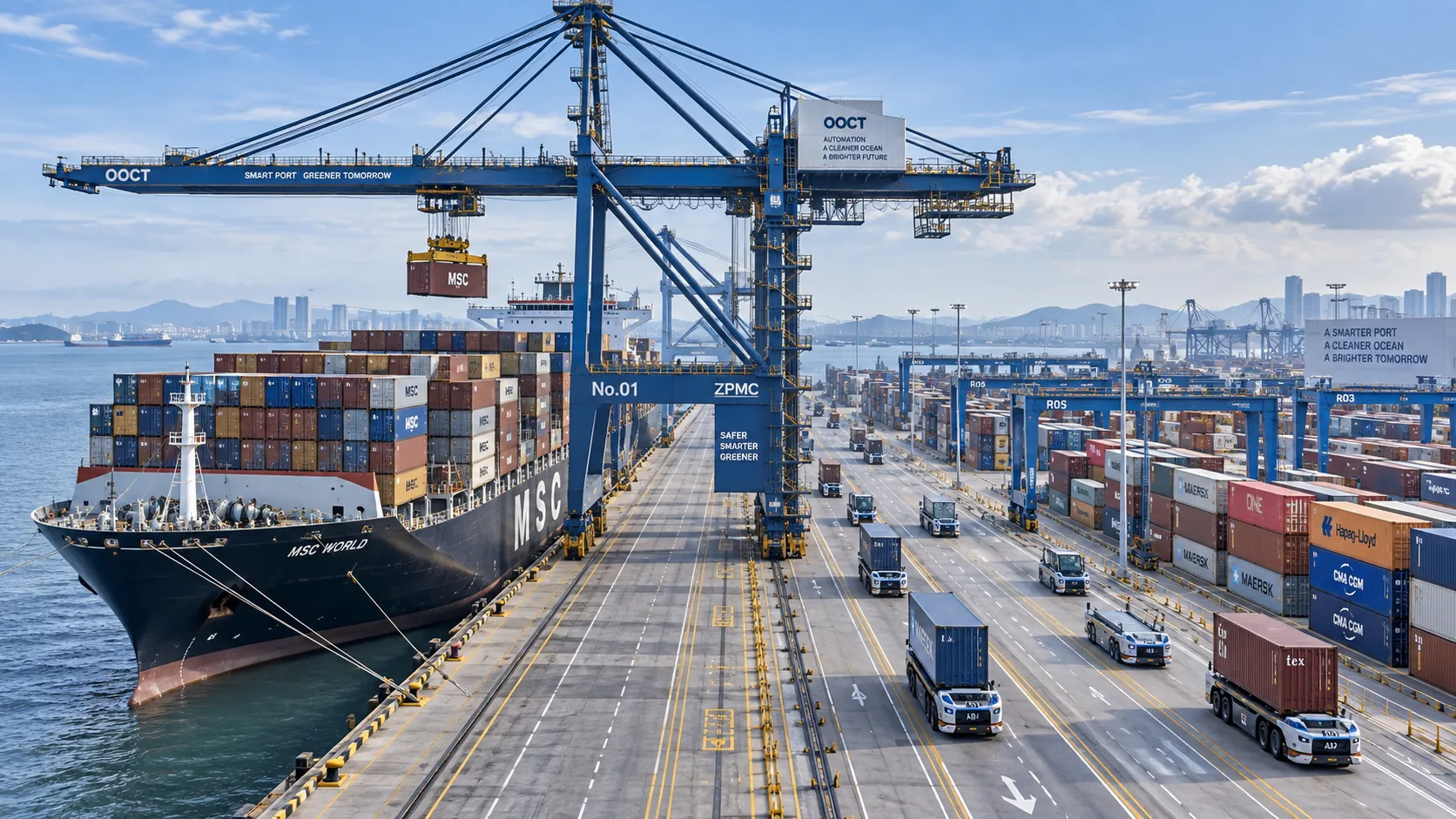
How to Specify a Quay Crane for Container Terminals by Vessel Size and Throughput?
Quay crane for container terminals: learn how to match outreach, lift height, capacity, automation, and cycle performance to vessel size and throughput goals.
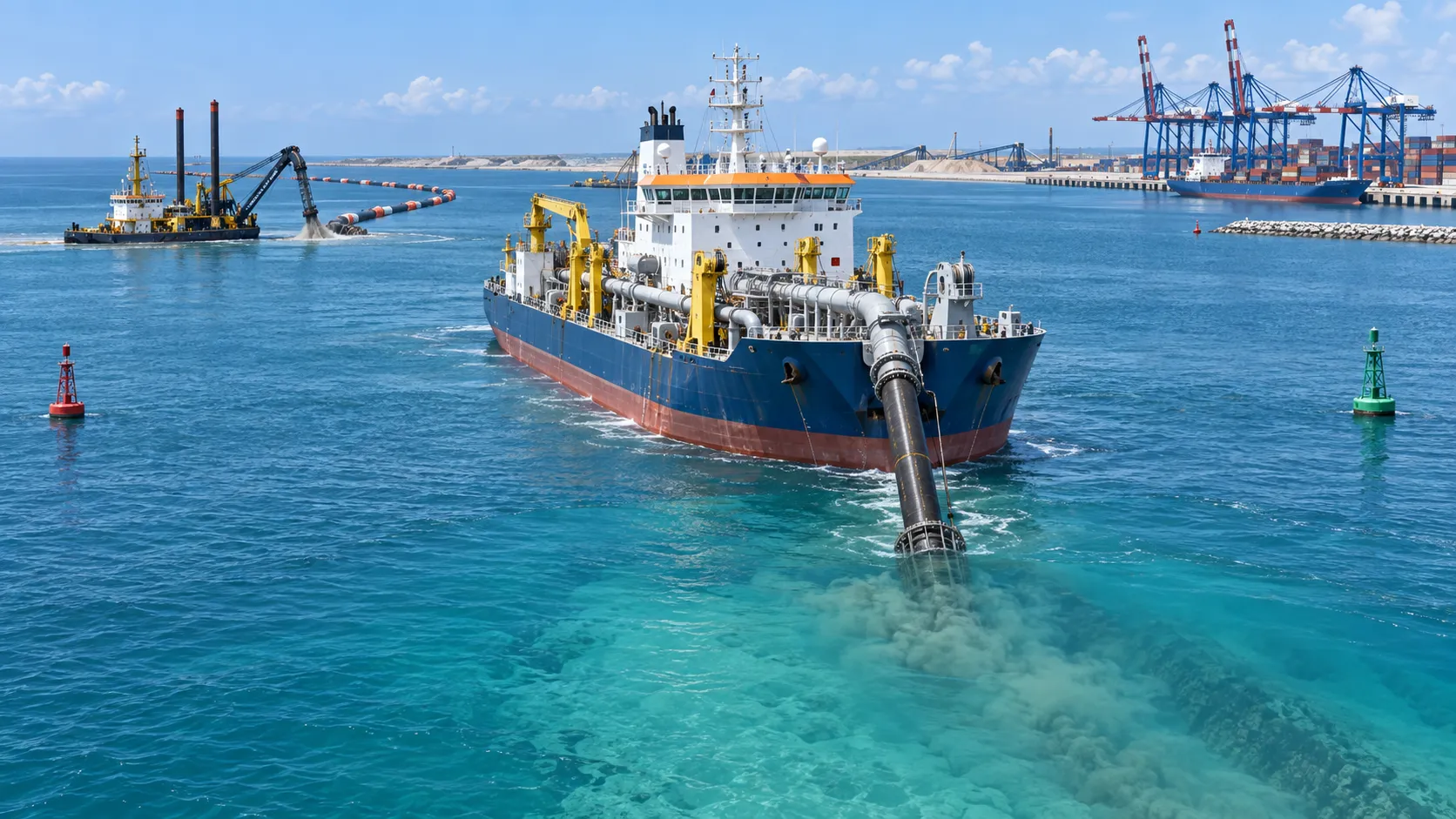
What Dredging Equipment Is Needed for Channel Deepening?
What dredging equipment is needed for channel deepening? Explore dredgers, pipelines, survey tools, and planning strategies for safer, more efficient port access.
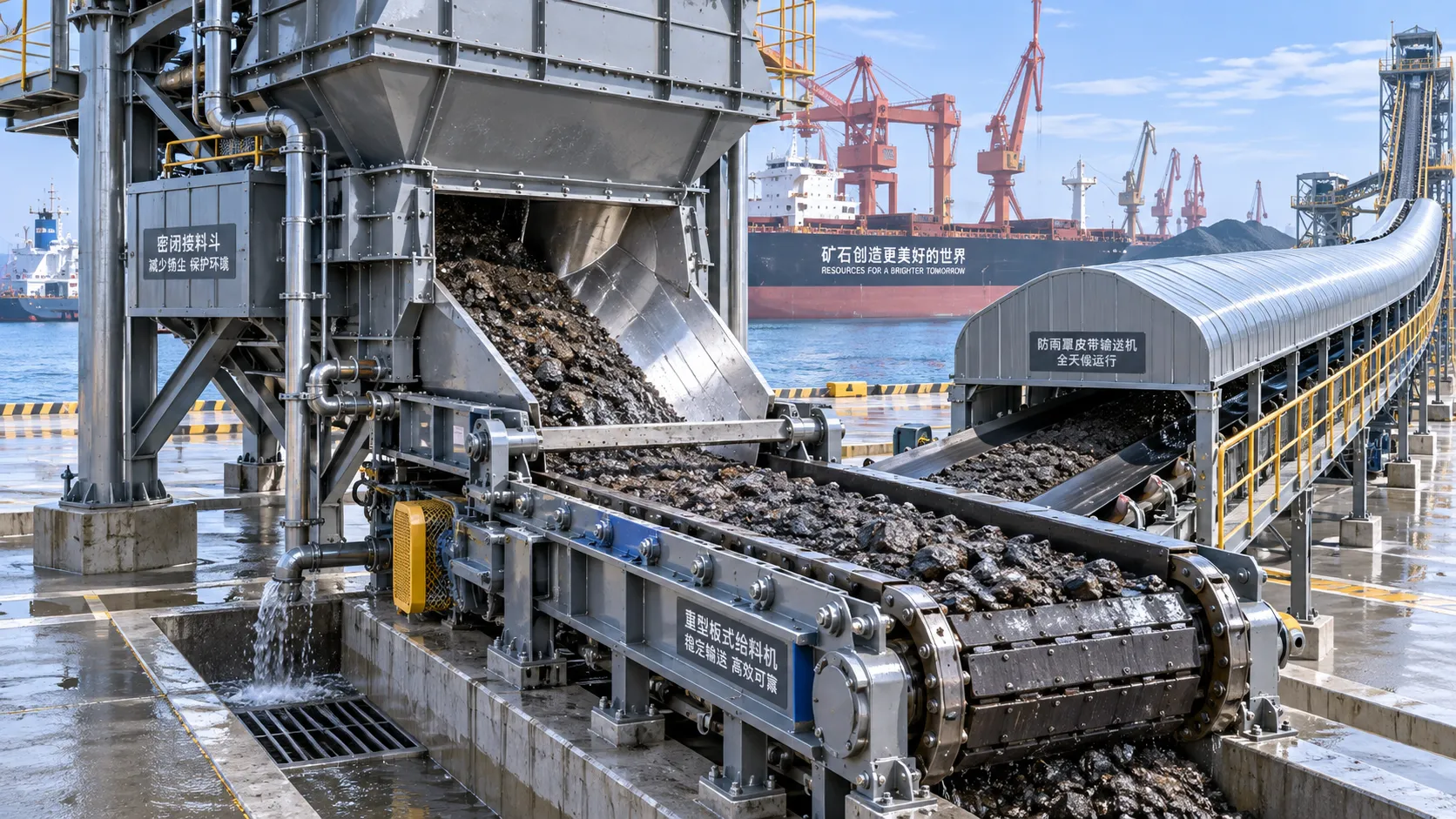
Which Bulk Handling Equipment Suits High-Moisture Cargo?
Which bulk handling equipment suits high-moisture cargo? Compare belt, apron, screw, drag, and slurry systems for reliable flow, less carryback, and higher terminal uptime.
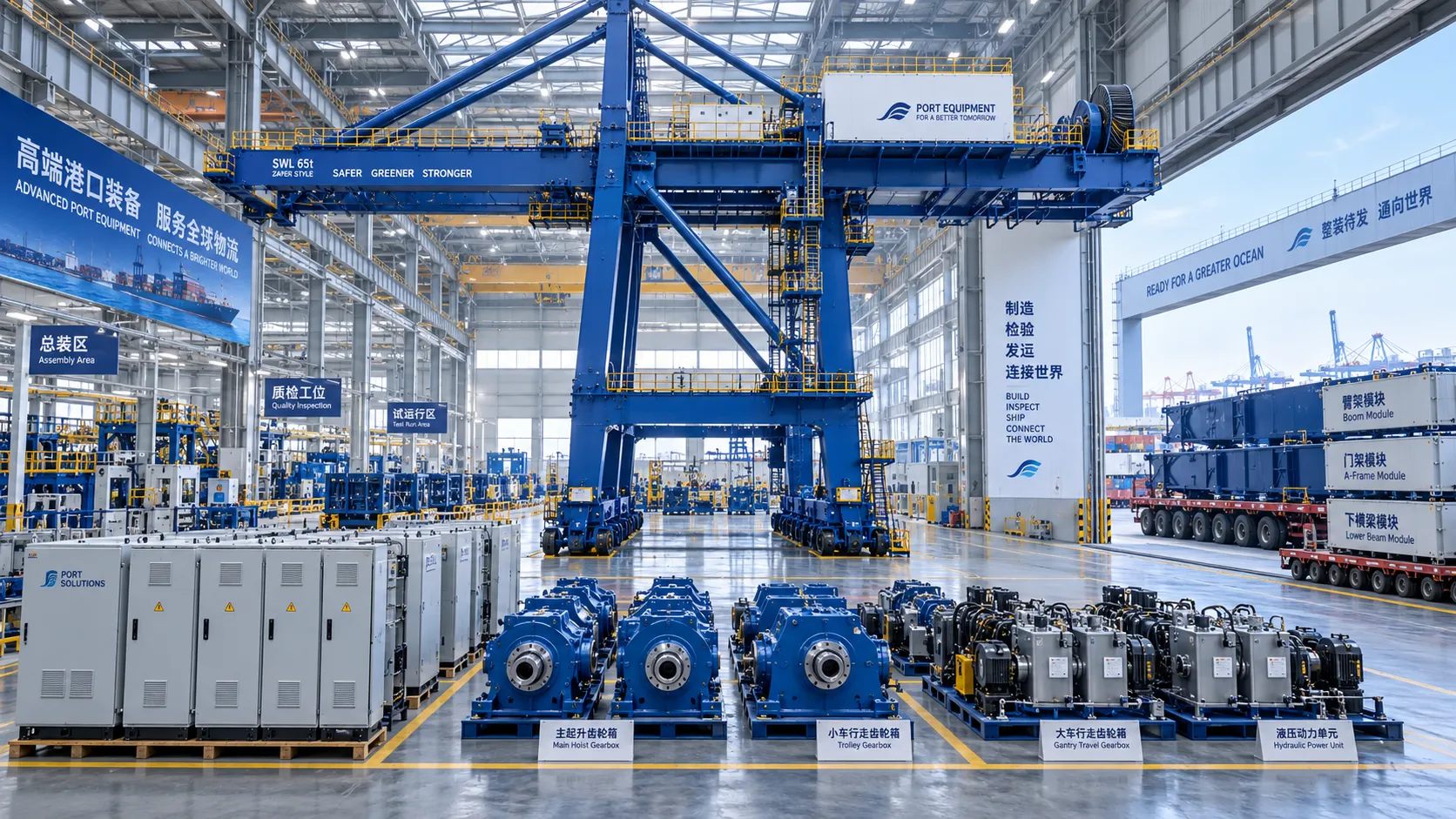
How Can Port Equipment Lead-Time Risk Be Managed?
How can port equipment lead-time risk be managed? Explore practical strategies to control critical paths, suppliers, transport, site readiness, and commissioning delays.
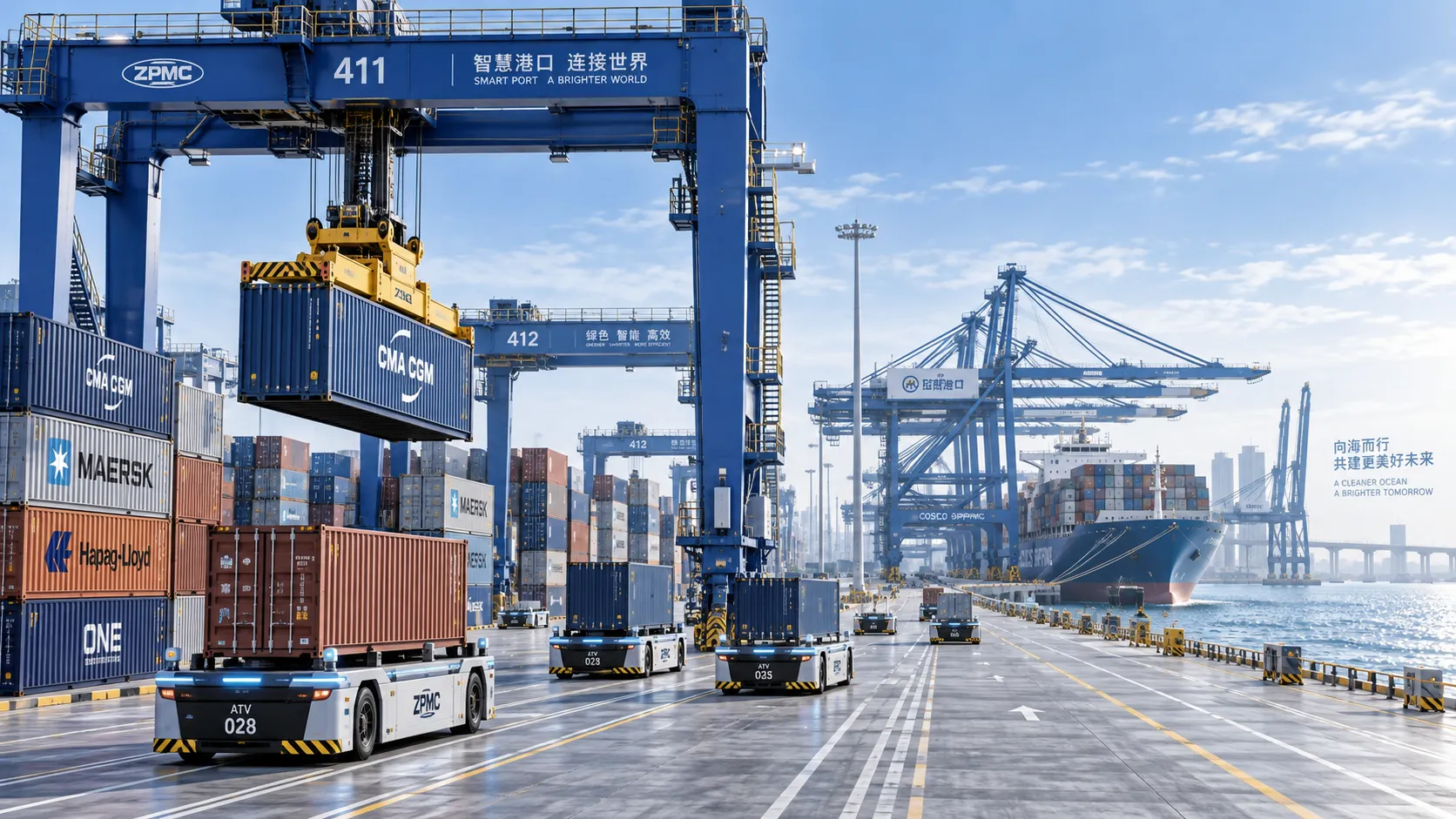
Terminal Automation Technologies That Raise Container Throughput Without Yard Disruption
Terminal automation technology that increases container throughput without disrupting yard flow. Explore smarter integration, resilient workflows, and phased deployment strategies.
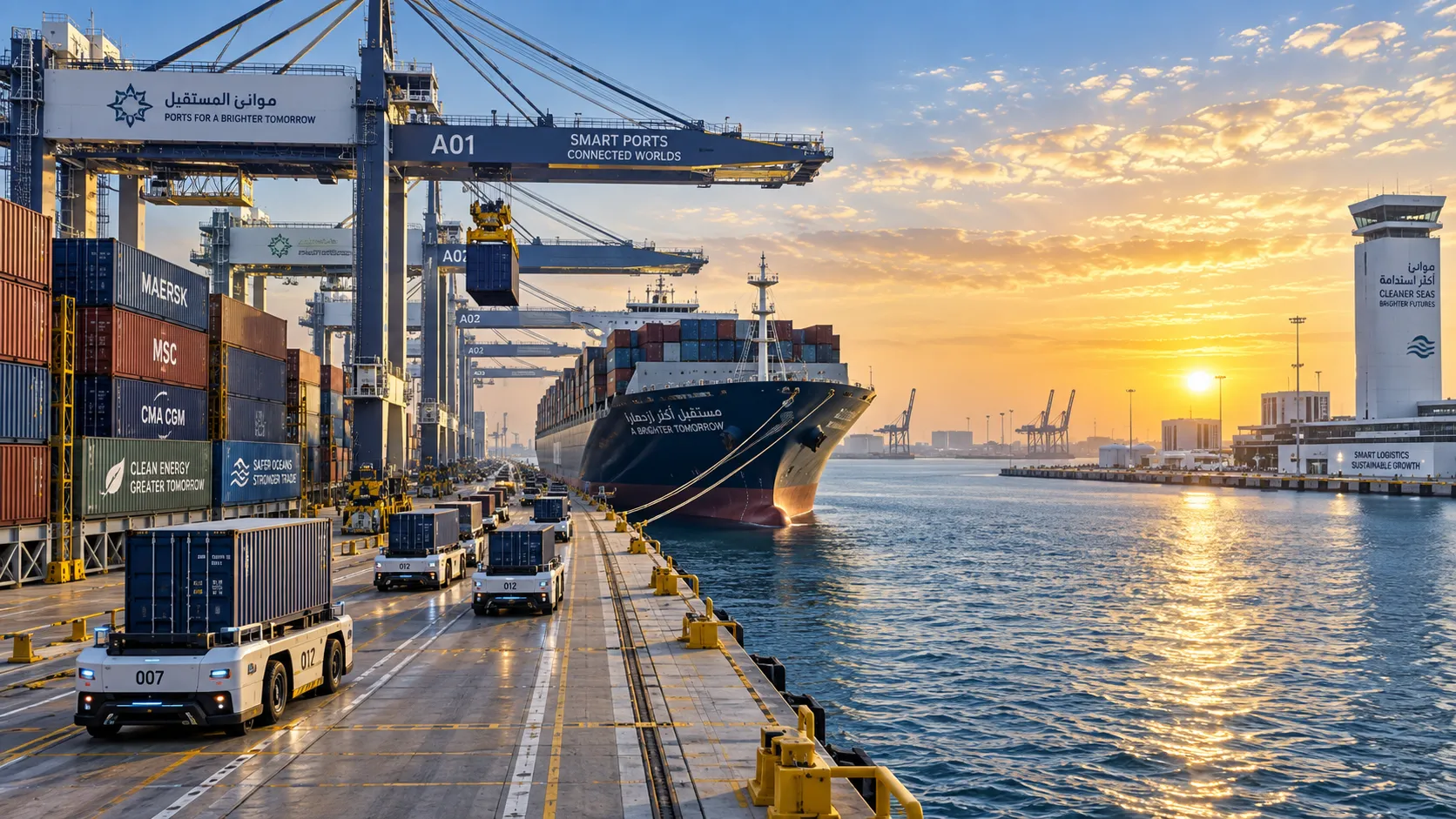
Middle East Port Automation: Key Market Drivers, Projects, and Investment Risks
Port automation systems Middle East: explore market drivers, flagship projects, integration challenges, and investment risks shaping smarter, resilient terminals.
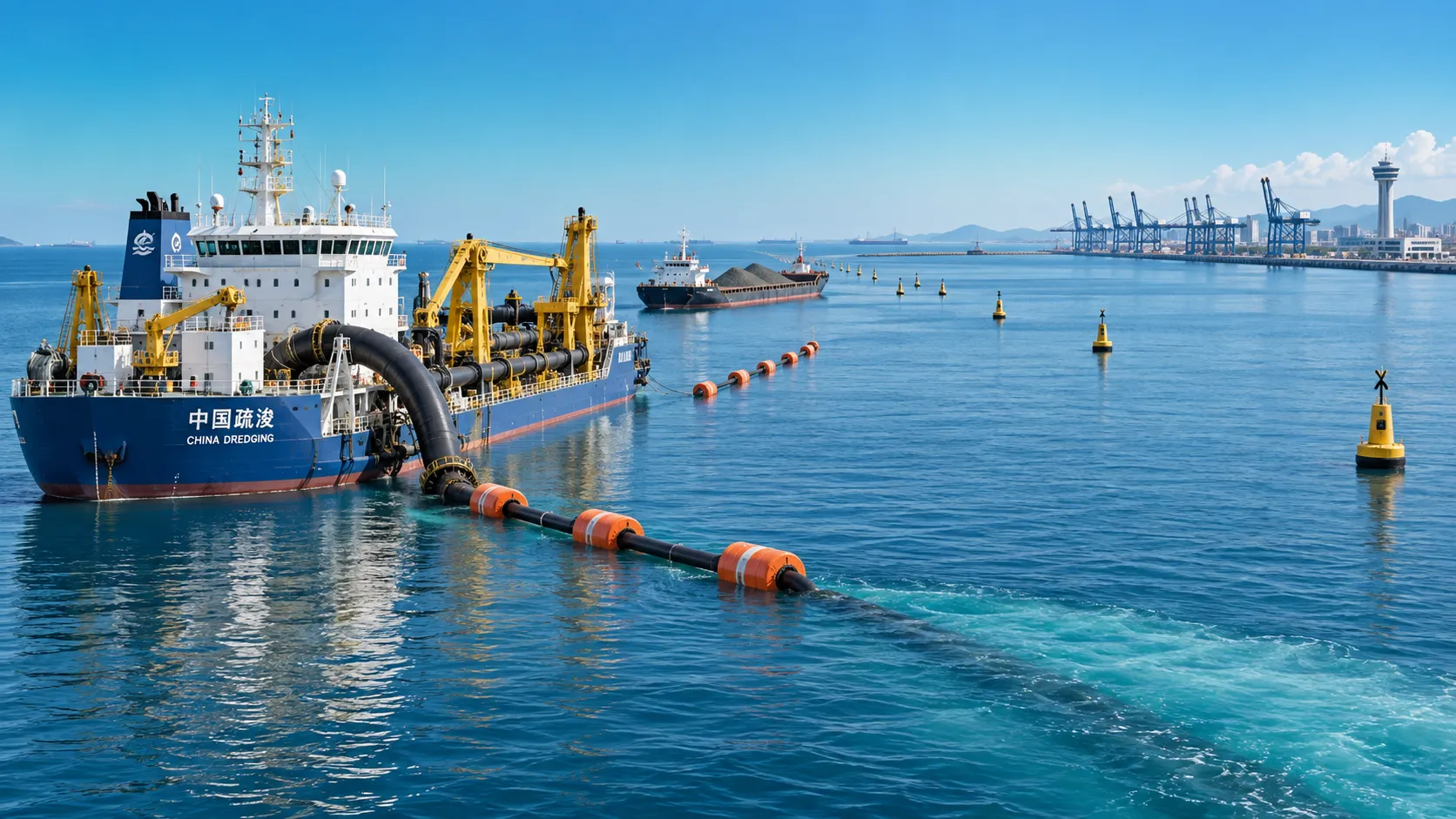
Planning Offshore Dredging Operations: Key Risks, Methods, and Project Controls
Offshore dredging operations demand smart planning. Explore key risks, proven methods, environmental controls, and project strategies for reliable delivery.