
Related News
- 00
0000-00
How to Specify a Quay Crane for Container Terminals by Vessel Size and Throughput? - 00
0000-00
Which Bulk Handling Equipment Suits High-Moisture Cargo? - 00
0000-00
Terminal Automation Technologies That Raise Container Throughput Without Yard Disruption - 00
0000-00
Planning Offshore Dredging Operations: Key Risks, Methods, and Project Controls - 00
0000-00
Where Do Automated Guided Vehicles Deliver the Fastest Warehouse Gains in the Middle East?
How Automated Terminal Systems Software Improves Throughput and Yard Visibility
How Automated Terminal Systems Software Improves Throughput and Yard Visibility
For project managers and engineering leads, the argument for automation in terminal operations is no longer theoretical. The pressure comes from vessel peaks, tighter truck appointment windows, denser yards, labor constraints, and the growing expectation that every container move should be visible before it becomes a problem. In that environment, automated terminal systems software is less about adding another IT layer and more about making the terminal behave like a coordinated system rather than a collection of fast but disconnected machines.
That distinction matters. A terminal can own modern cranes, automated guided vehicles, yard blocks, OCR gates, and telemetry-rich equipment, yet still lose time in handoff delays, rehandles, route conflicts, or stale inventory status. Throughput suffers not because the hardware is weak, but because the operating logic between assets is fragmented. Yard visibility suffers for the same reason: data exists, but not in a form that supports live decisions.
This is where software becomes operational infrastructure. In automated and semi-automated terminals, it acts as the decision layer linking equipment control, planning rules, traffic orchestration, and exception management. At PS-Nexus, where port automation and control systems are treated as the central nervous system of the terminal, this systems view is essential. Heavy mechanical power sets the ceiling, but scheduling logic and data quality decide how often that ceiling is actually reached.
Throughput is usually lost in coordination, not in headline capacity
When teams discuss throughput, they often start with crane rates or berth productivity. Those metrics matter, but they are only the visible end of a longer chain. A quay crane can discharge quickly and still create downstream congestion if yard allocation is poorly sequenced, if horizontal transport arrives out of sync, or if containers are placed in blocks that increase future rehandles.
Automated terminal systems software improves throughput by reducing those coordination losses. It does this in several practical ways:
- matching quay, transport, and yard tasks in a single move chain rather than optimizing each subsystem separately;
- sequencing equipment assignments based on vessel plan, stack position, priority, and route availability;
- preventing avoidable rehandles through smarter slotting and dwell-time awareness;
- managing conflicts before they reach the equipment layer, especially in AGV corridors and automated stacking areas;
- re-planning quickly when a crane slows down, a lane closes, or a truck queue deviates from forecast.
In other words, the software does not magically create capacity. It removes waste between assets that already have capacity. That is often the faster win in brownfield upgrades, where replacing all field equipment is unrealistic but improving orchestration is still feasible.
Yard visibility is not a dashboard problem
Many terminals claim visibility because they can display container locations, equipment status, and move counts. For operations teams, that is only partial visibility. The harder requirement is decision-grade visibility: knowing where the box is, whether that location is trusted, what move dependency exists around it, and how that status changes the next hour of work.
Automated terminal systems software improves yard visibility by continuously reconciling plan, execution, and exceptions. If OCR reads conflict with booking data, if a container is misstacked, if a reefer needs power verification, or if a transshipment box is drifting toward a missed vessel cut-off, the system should surface the discrepancy in operational terms, not just record it in an event log.
For project leaders, this changes how yard control is managed. Instead of relying on periodic manual checks and local operator knowledge, teams can work from a live operational picture that includes inventory confidence, block occupancy, move backlog, equipment availability, and exception queues. The benefit is not only speed. It is also fewer hidden risks building up across the shift.
What the software actually needs to connect
The term automated terminal systems software can cover a broad stack: terminal operating system functions, equipment control interfaces, yard planning modules, traffic management, gate integration, analytics, and supervisory workflows. In practice, the value comes from how well these layers exchange usable data.
A common implementation mistake is to focus on feature lists before confirming integration logic. If the planning engine does not receive reliable equipment feedback, optimization quality degrades. If the TOS and automation layer use different event timing assumptions, task execution becomes noisy. If gate, rail, or vessel interfaces are delayed, the yard plan may still be technically valid but operationally wrong.
That is why engineering reviews should look beyond software modules and ask a more physical question: how does the system connect the quay crane cycle, horizontal transport dispatch, yard block strategy, and landside release process? PS-Nexus often frames this through the interaction of mechanical systems and algorithmic scheduling. The software is not abstract. It is only as good as its fit with travel paths, crane envelopes, stack rules, communication latency, and exception procedures.
Where project managers usually see the difference first
The early gains from better terminal automation are often less dramatic than marketing language suggests, but more useful. Teams typically notice them in operating discipline.
Move instructions become more consistent. Yard block congestion becomes easier to predict. Dispatchers spend less time resolving avoidable conflicts. Exceptions become visible sooner, which reduces the need for manual firefighting at shift change. The terminal may not instantly jump to a new nameplate performance level, but it starts wasting fewer moves and fewer minutes.
That shift is especially important in mixed environments where automated equipment and manually operated assets coexist. Software has to mediate between deterministic machine behavior and less predictable human execution. If that handoff is poorly designed, automation can create new bottlenecks instead of removing old ones.
Typical friction points worth checking early
Choosing a solution: look at operating fit before feature breadth
For an engineering-led evaluation, broad functionality is not enough. The better question is whether the software matches the terminal’s operating model and implementation reality.
A greenfield automated terminal can often design workflows around the software from the start. A brownfield site usually cannot. Legacy cranes, mixed OEM environments, existing TOS constraints, labor agreements, and phased commissioning all shape what is practical. A platform that performs well in a highly standardized environment may require heavy adaptation elsewhere.
This is where project managers should press for clarity on a few non-glamorous items:
- interface responsibility between software vendor, automation provider, and equipment OEMs;
- latency tolerance for control and status messaging in remote or semi-autonomous operations;
- how the system behaves during degraded modes, not just normal production;
- commissioning sequence and fallback procedures during partial go-live;
- data governance, especially master data quality for inventory, equipment states, and booking events.
Those questions are less exciting than AI-driven optimization claims, but they usually decide whether the project stabilizes or slips.
Why visibility and throughput now sit inside a wider port strategy
Automation software is also becoming part of a larger economic and infrastructure discussion. Terminal productivity is tied to vessel scheduling reliability, inland connections, emissions targets, and capital planning across the port ecosystem. That broader lens is one reason intelligence platforms such as PS-Nexus matter to decision-makers. The useful conversation is no longer only about whether a yard system can dispatch equipment faster. It is whether the terminal’s control architecture supports smarter trade flows, better asset utilization, and more resilient responses to disruption.
In ports investing toward net-zero operations and higher automation maturity, software choices increasingly affect energy profiles as well. Better task sequencing can reduce idle time, unnecessary travel, and avoidable rehandles. The exact impact depends on equipment type and operating conditions, so it should not be overstated. Still, the link between operational logic and energy efficiency is real enough that it deserves attention during design reviews.
A practical next step for active projects
If a terminal is evaluating or upgrading automated terminal systems software, the most useful starting point is usually not a generic demo. It is a workflow audit around missed moves, yard blind spots, and recurring exceptions. Which handoffs fail most often? Where does inventory confidence drop? Which delays come from equipment limits, and which come from task logic or data timing?
Once those answers are visible, solution decisions become more grounded. Some terminals need deeper yard strategy logic. Others need cleaner integration between control systems and the TOS. Others still need better degraded-mode procedures rather than more automation features. The right path depends on layout, cargo mix, automation level, and commissioning constraints.
For teams working across heavy terminal gear, automated container handling, and control architecture, the main lesson is straightforward: throughput and yard visibility improve when software reflects real operational physics, not just digital ambition. If the system can coordinate assets, expose exceptions early, and keep inventory truth close to real time, the terminal becomes easier to run under pressure. That is usually the point where automation stops being a concept and starts behaving like infrastructure.
Related News
Smart Port Systems in Southeast Asia: Investment Priorities and Adoption Barriers
Smart port systems Southeast Asia: discover investment priorities, adoption barriers, and practical steps to build resilient, connected, high-performing terminals.
How to Evaluate Terminal Efficiency Solution Suppliers for High-Throughput Operations
Choose a terminal efficiency solutions supplier with confidence. Explore proven criteria for throughput, integration, lifecycle cost, safety, and reliable delivery.
How to Specify a Quay Crane for Container Terminals by Vessel Size and Throughput?
Quay crane for container terminals: learn how to match outreach, lift height, capacity, automation, and cycle performance to vessel size and throughput goals.
What Dredging Equipment Is Needed for Channel Deepening?
What dredging equipment is needed for channel deepening? Explore dredgers, pipelines, survey tools, and planning strategies for safer, more efficient port access.
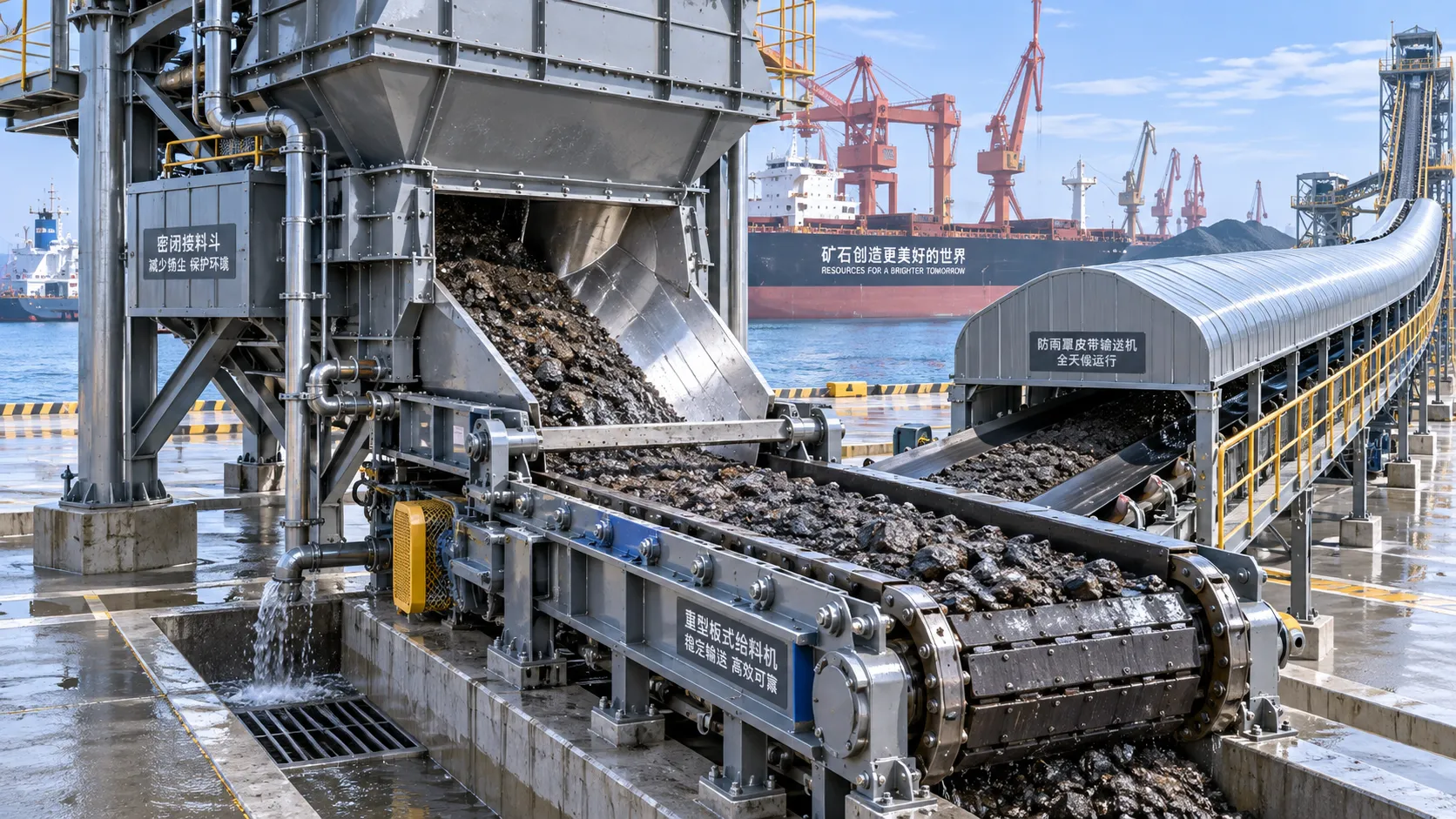
Which Bulk Handling Equipment Suits High-Moisture Cargo?
Which bulk handling equipment suits high-moisture cargo? Compare belt, apron, screw, drag, and slurry systems for reliable flow, less carryback, and higher terminal uptime.
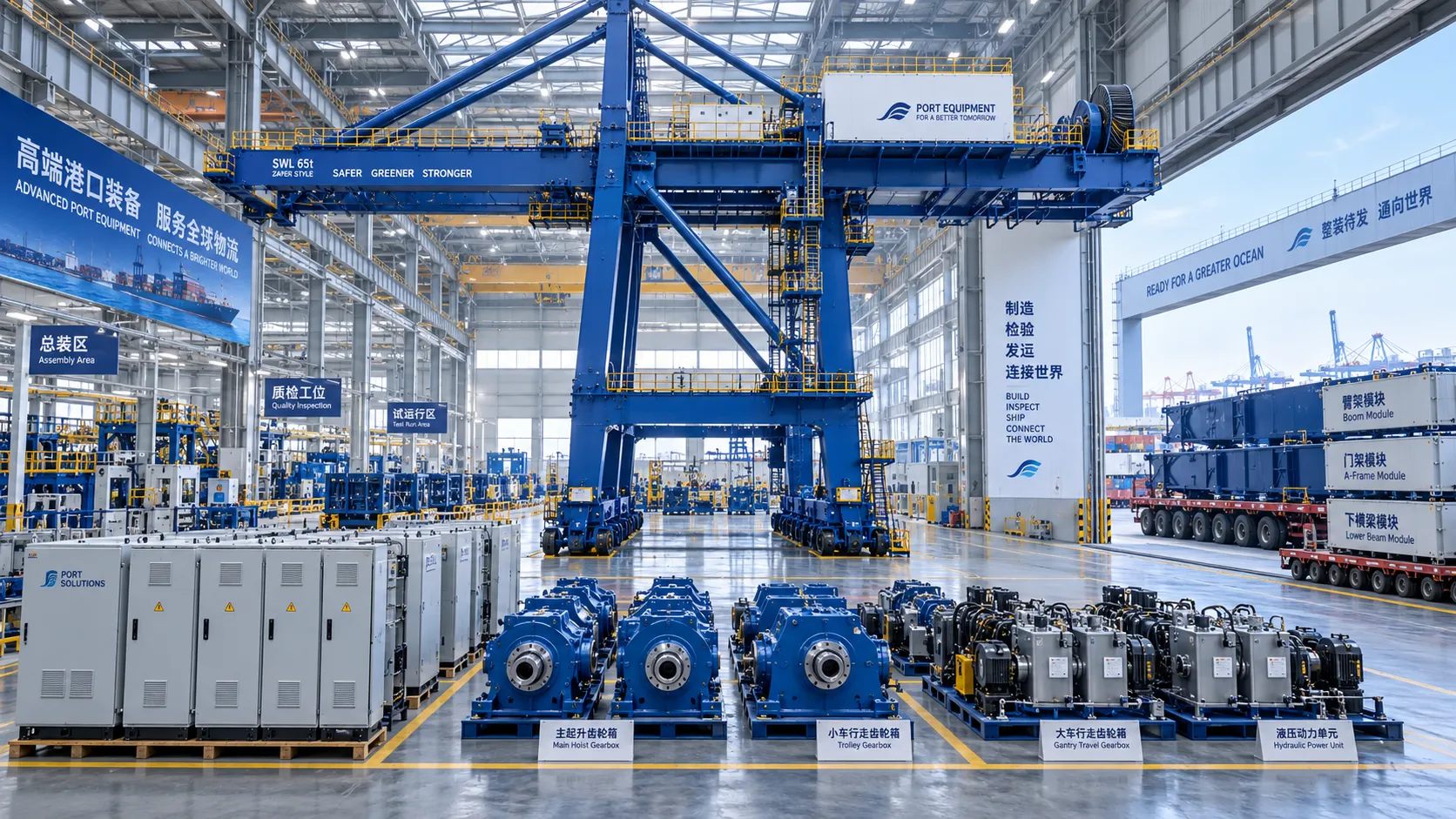
How Can Port Equipment Lead-Time Risk Be Managed?
How can port equipment lead-time risk be managed? Explore practical strategies to control critical paths, suppliers, transport, site readiness, and commissioning delays.
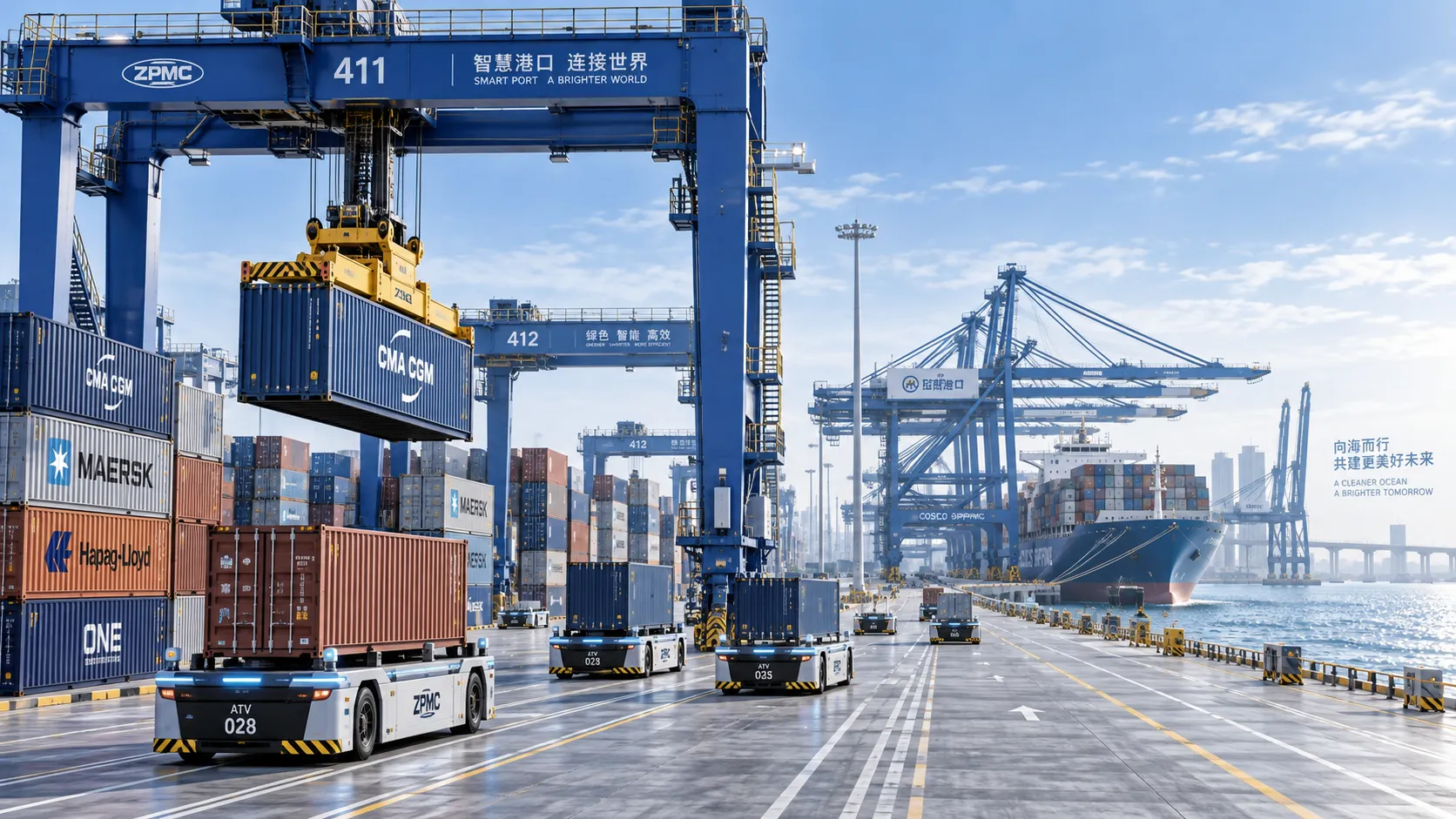
Terminal Automation Technologies That Raise Container Throughput Without Yard Disruption
Terminal automation technology that increases container throughput without disrupting yard flow. Explore smarter integration, resilient workflows, and phased deployment strategies.
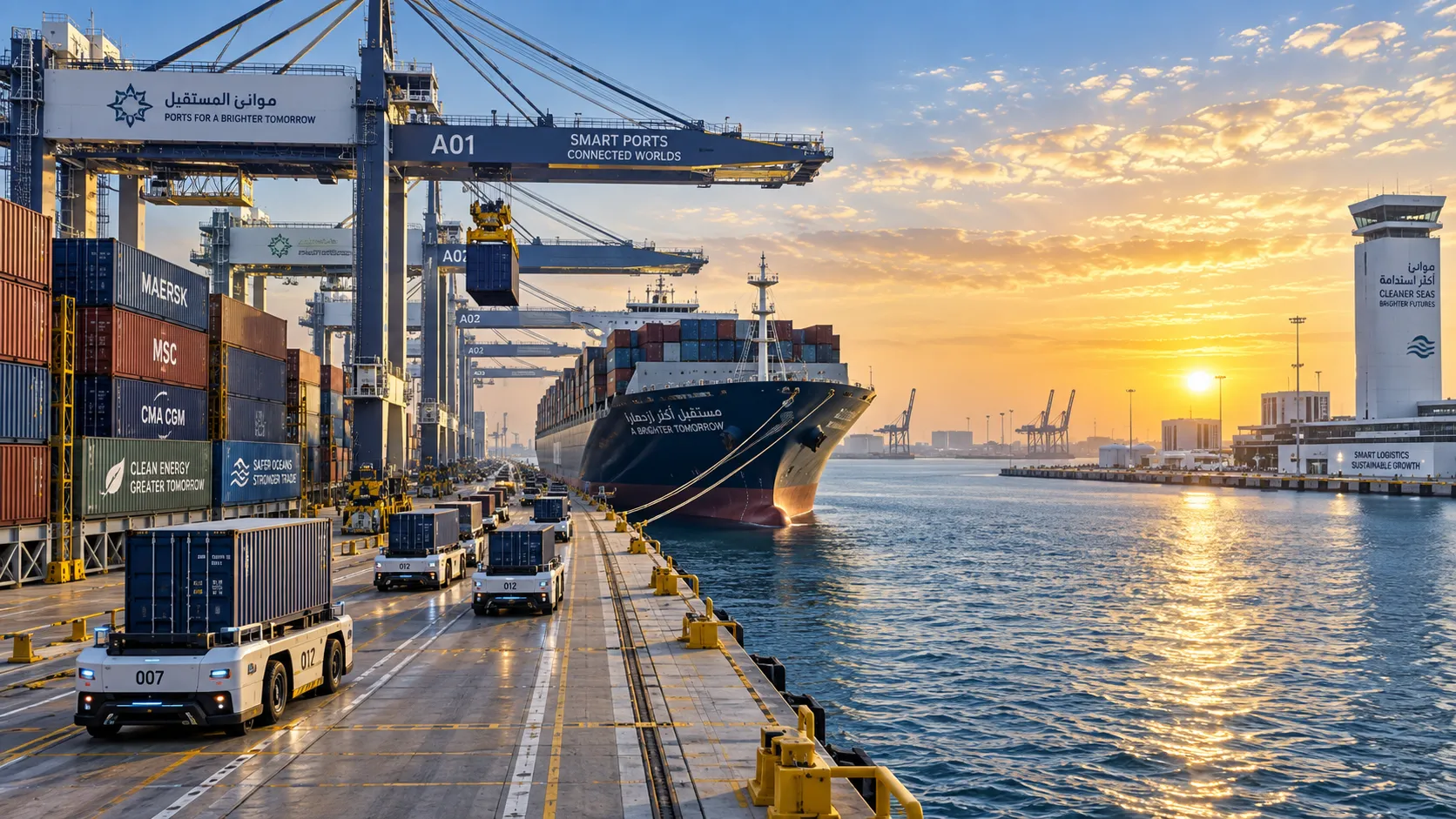
Middle East Port Automation: Key Market Drivers, Projects, and Investment Risks
Port automation systems Middle East: explore market drivers, flagship projects, integration challenges, and investment risks shaping smarter, resilient terminals.
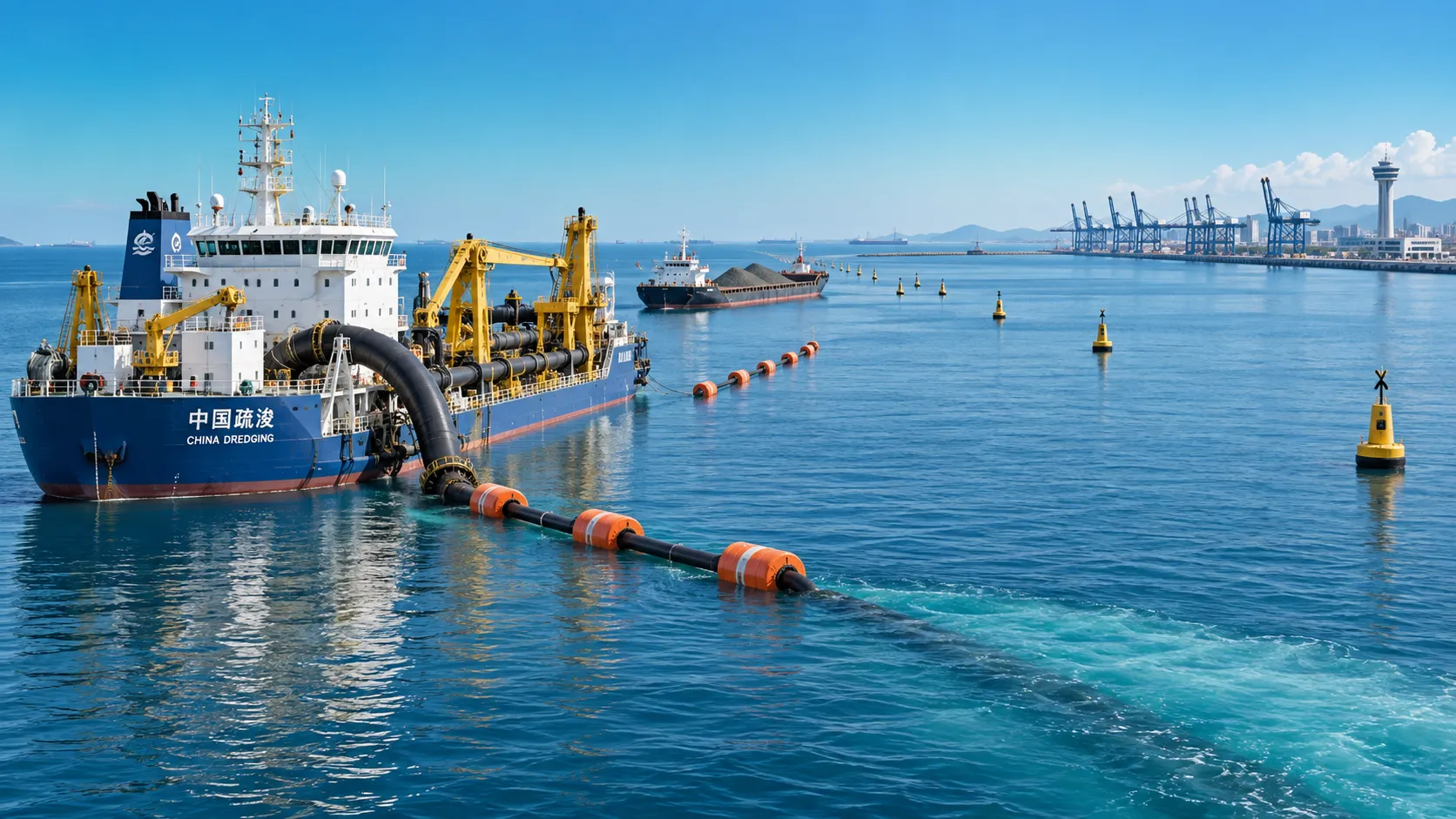
Planning Offshore Dredging Operations: Key Risks, Methods, and Project Controls
Offshore dredging operations demand smart planning. Explore key risks, proven methods, environmental controls, and project strategies for reliable delivery.