Related News
- 00
0000-00
How to Specify a Quay Crane for Container Terminals by Vessel Size and Throughput? - 00
0000-00
Which Bulk Handling Equipment Suits High-Moisture Cargo? - 00
0000-00
Terminal Automation Technologies That Raise Container Throughput Without Yard Disruption - 00
0000-00
Planning Offshore Dredging Operations: Key Risks, Methods, and Project Controls - 00
0000-00
Where Do Automated Guided Vehicles Deliver the Fastest Warehouse Gains in the Middle East?
How to Plan Coastal Infrastructure for Ports Under Erosion, Storm Surge, and Capacity Pressure
When a port authority or EPC team starts discussing expansion, the conversation often begins with berth length, yard density, and vessel turnaround. Yet on many coastlines, those are no longer the variables that decide success on their own. The shoreline may be retreating. Storm surge maps may have changed since the last master plan. Sedimentation patterns may be forcing more frequent dredging while cargo forecasts keep climbing. In that environment, planning coastal infrastructure for ports becomes a balancing act between physics, operations, and capital discipline.
For project managers and engineering leads, the challenge is not simply to “make the port bigger.” It is to build assets that continue performing when erosion undercuts edges, extreme water levels disrupt access, and throughput pressure pushes every system closer to its limit. The strongest plans connect coastal defense, marine civil works, dredging strategy, and terminal operations into one decision framework rather than treating them as separate packages.
Why old port expansion logic is no longer enough
Many legacy port developments were planned around a fairly linear assumption: demand rises, so capacity is added. That still matters, but today’s projects face stacked constraints. A quay extension can lose value if adjacent shoreline instability increases maintenance risk. A new yard can flood more frequently if drainage and elevation design lag behind updated surge scenarios. A deeper access channel may improve vessel access but create new sediment transport behavior that raises annual operating costs.
This is why coastal infrastructure planning for ports should start with system interaction, not just asset lists. Breakwaters, revetments, quay walls, dredged channels, stormwater systems, automation zones, power supply corridors, and inland evacuation routes all influence one another. A project that optimizes one element in isolation can create a weak point somewhere else.
From an execution standpoint, this matters because project leaders are usually judged on a combination of schedule certainty, capex control, operability, and long-term asset performance. A design that looks efficient on paper but triggers recurring emergency dredging, slope failures, or downtime during seasonal storms is not an efficient design at all.
Start with a coastal risk baseline, not a layout sketch
Before selecting structures or terminal footprints, define the coastal behavior of the site in practical terms. That means more than collecting a few bathymetric charts and historical tide records. The project team needs a working baseline that explains how the shoreline moves, how wave energy reaches the berth area, how storm surge propagates into the basin, and where erosion or scour is most likely to threaten structural integrity.
A useful baseline usually combines:
- Historical shoreline change and erosion trends
- Nearshore bathymetry and seabed mobility
- Extreme water level and storm surge scenarios
- Wave climate, overtopping exposure, and harbor agitation
- Sediment transport and likely dredging recurrence
- Ground conditions for marine foundations and embankments
- Operational exposure points such as substations, control rooms, access roads, and yard drainage
For project managers, the point of this exercise is not academic completeness. It is to identify which risks are design drivers and which are manageable through operations or maintenance. If erosion threatens a secondary shoreline but not the terminal core, the response may differ from a site where toe scour could undermine quay structures. If storm surge mainly affects electrical rooms and gate access, resilience spending should be targeted there instead of being spread too thinly across the entire facility.
Choose protective measures that support operations, not just survival
Ports do not exist merely to withstand events; they need to keep cargo moving. That is why the design of coastal defenses should be aligned with operational performance. Seawalls, revetments, detached breakwaters, surge barriers, elevated platforms, and scour protection all have different implications for maintenance access, navigation safety, dredging needs, and expansion flexibility.
For example, a robust shoreline armoring approach may reduce immediate erosion risk but complicate future berth extension or utility routing. A breakwater configuration may calm the basin for safer crane operations while also changing sediment deposition in the approach channel. Elevating critical terminal zones may improve flood resilience, yet if grade separation is poorly coordinated, truck circulation and equipment transfers can become less efficient.
The better question is not “Which coastal defense is strongest?” but “Which combination of measures protects port function over its full operating life?” In many cases, the answer is layered protection: offshore wave attenuation where feasible, reinforced shoreline treatment at vulnerable edges, targeted elevation of mission-critical assets, and drainage systems designed for rapid recovery after overtopping or intense rainfall.
Capacity planning should include hydraulic and sediment realities
There is a recurring mistake in port development: cargo demand forecasting is performed in one stream, while coastal and marine engineering proceeds in another. The result is often a mismatch between nominal throughput capacity and the physical reliability of the marine interface.
If a port expects larger vessels, higher berth occupancy, and tighter crane windows, the access channel, turning basin, berth pocket, and sediment management plan must be assessed as part of the same capacity model. Otherwise, theoretical capacity can be lost to draft restrictions, weather downtime, berth unavailability, or excessive maintenance closures.
This is where marine dredging engineering becomes central rather than peripheral. Dredging is not just a construction-stage activity to reach design depth. It is also a long-term capacity safeguard. The project team should evaluate whether the proposed layout increases siltation risk, whether breakwater or reclamation geometry alters current patterns, and whether maintenance dredging can be executed without disrupting peak operations.
For readers following PS-Nexus, this integrated view is familiar: terminal gear, automated handling systems, and dredging engineering only create value when synchronized. A high-productivity quay crane system cannot deliver its intended performance if channel access becomes less reliable or if yard operations are repeatedly affected by surge-related outages.
Critical assets deserve different resilience standards
Not every component of coastal infrastructure for ports requires the same protection level. Treating all assets equally can waste budget, while under-protecting a few key systems can cripple the whole facility. A more disciplined approach is to tier assets by operational consequence.
Typically, the highest resilience priority belongs to assets whose failure causes broad shutdowns or expensive recovery: main substations, data and control rooms, automation servers, fuel or power transfer systems, emergency response routes, mooring interfaces, and primary drainage outfalls. In automated or semi-automated terminals, communications and control architecture deserve especially careful siting and protection. If storm surge disrupts the “central nervous system” of the port, physical infrastructure strength alone will not preserve continuity.
This tiered method also helps during value engineering. Instead of blunt cost-cutting across all works packages, teams can preserve stronger standards for indispensable nodes while allowing more flexible treatment for lower-consequence areas. That produces a more rational capex profile and a clearer justification for investors, boards, or public agencies reviewing the plan.
Design for staged growth, because demand and climate signals rarely move in sync
One of the hardest realities in port planning is timing. Trade volumes can rise faster than environmental approvals. Coastal protection may need to be built early, even if full berth utilization comes later. In other cases, a port may face urgent climate adaptation needs before it can justify a complete expansion package.
That is why phased development is often the most resilient strategy. Instead of forcing one massive buildout, structure the master plan so each stage stands on its own operationally while preserving future options. A first phase might secure shoreline stability, improve drainage, protect utilities, and optimize maintenance dredging access. A second phase could add berth capacity and yard automation. A later phase might deepen channels or expand reclamation once cargo commitments are clearer.
Staging reduces the risk of stranded capital and gives project leaders more room to absorb changing assumptions. It also supports better procurement. Heavy terminal gear, control systems, and marine works do not always move on the same timeline, so phasing can reduce interface conflict and improve commissioning quality.
What project leaders should ask before approving the concept design
At concept stage, a few sharp questions can reveal whether the plan is robust or merely optimistic:
- Does the layout remain functional under realistic storm surge and downtime scenarios, not just fair-weather conditions?
- Have erosion and scour risks been mapped against actual structural foundations and shoreline assets?
- Is maintenance dredging built into the operating model, budget logic, and marine access planning?
- Which assets must remain operational during or immediately after an extreme event?
- Can future capacity be added without dismantling today’s protective works?
- Are automation, power, drainage, and civil marine systems being designed as one operational network?
- What assumptions depend too heavily on historical conditions that may no longer be reliable?
These questions are especially important in boardrooms where pressure for visible expansion can overshadow less visible resilience investments. A reclaimed platform or longer quay is easy to present. Drainage redundancy, geotechnical reinforcement, or upgraded control-room elevation may be less dramatic, but often they are what keep the terminal functioning when conditions turn difficult.
Common planning traps that quietly damage long-term performance
Some failures in port infrastructure do not come from dramatic engineering mistakes. They come from modest decisions made too early and revisited too late. One common trap is underestimating the operational cost of sedimentation after changing coastal geometry. Another is placing critical electrical or digital systems in areas that are technically buildable but hard to protect. A third is assuming that a hard defense structure automatically solves resilience, while drainage, access continuity, and recovery time remain weak.
There is also the tendency to separate terminal productivity from coastal resilience in governance terms. The operations team may push for maximum land use efficiency, while marine engineers argue for setbacks, buffers, or more conservative edge conditions. The answer is rarely to let one side win entirely. The better path is to model the trade-off openly: how much usable yard is gained, what coastal risk is introduced, and what lifetime maintenance burden follows.
A workable framework for modern coastal port planning
In practice, strong outcomes usually come from a simple but disciplined sequence. First, establish the coastal and operational baseline together. Second, identify assets and processes that cannot tolerate interruption. Third, test alternative layouts against erosion, surge, sediment, and throughput performance at the same time. Fourth, define a staged investment path that protects current operations while enabling future growth. Finally, build governance around lifecycle performance rather than handover alone.
This is where intelligence platforms like PS-Nexus add real value to industry teams. Ports now operate at the intersection of marine structure engineering, automated handling logic, dredging performance, and trade volatility. Decision-makers need more than isolated technical updates; they need stitched insight across equipment, control systems, dredging engineering, and infrastructure evolution. For project leaders navigating complex coastlines, that integrated perspective is becoming essential.
The future of coastal infrastructure for ports will be defined by planners who can hold two truths at once: ports must move more cargo, and they must do so on coastlines that are less predictable than before. Success lies in treating resilience and capacity not as competing agendas, but as parts of the same design brief. When erosion, storm surge, and throughput pressure are planned together from the start, ports are far better positioned to remain reliable, expandable, and commercially relevant for the long haul.
Related News
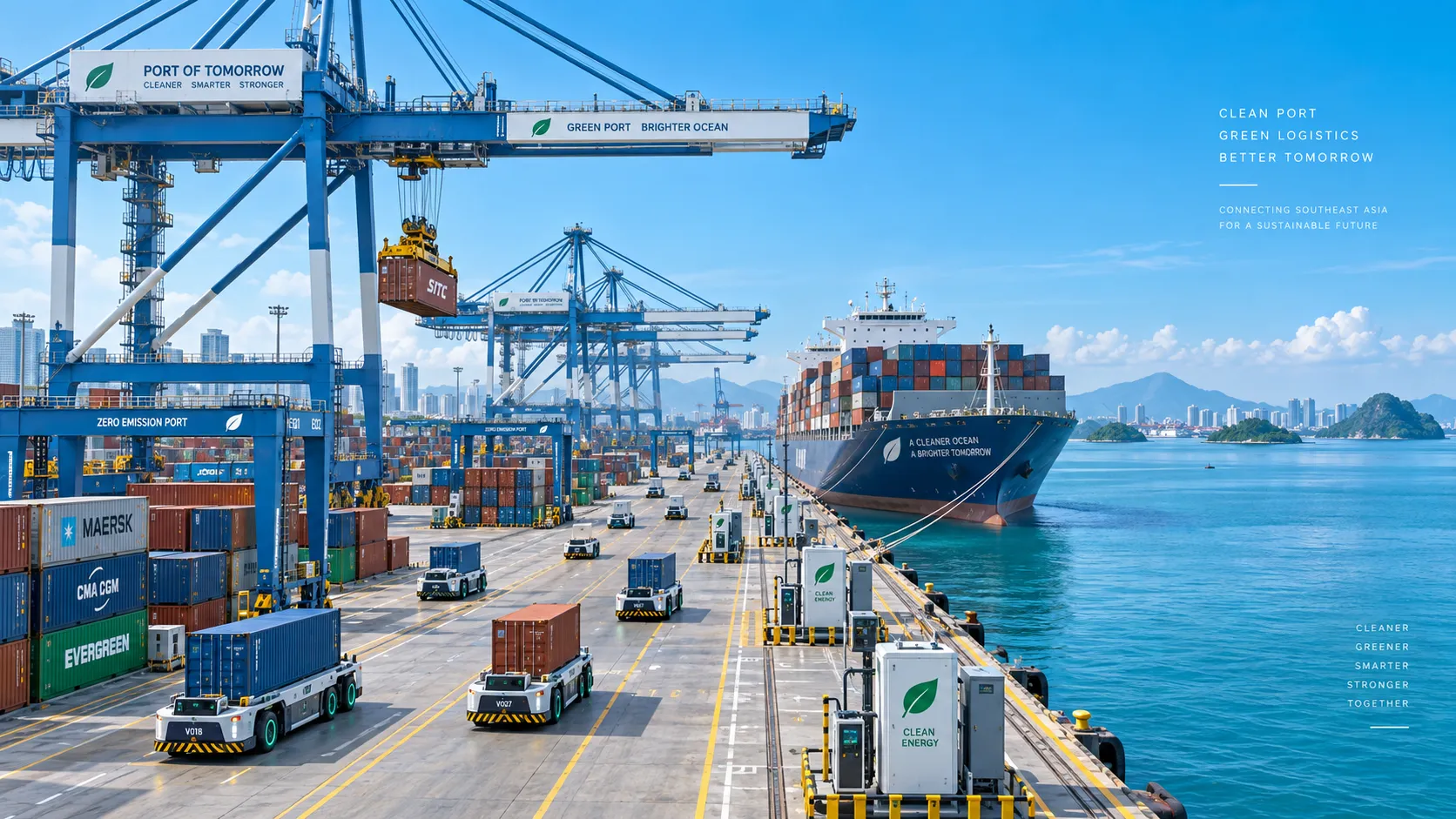
Smart Port Systems in Southeast Asia: Investment Priorities and Adoption Barriers
Smart port systems Southeast Asia: discover investment priorities, adoption barriers, and practical steps to build resilient, connected, high-performing terminals.
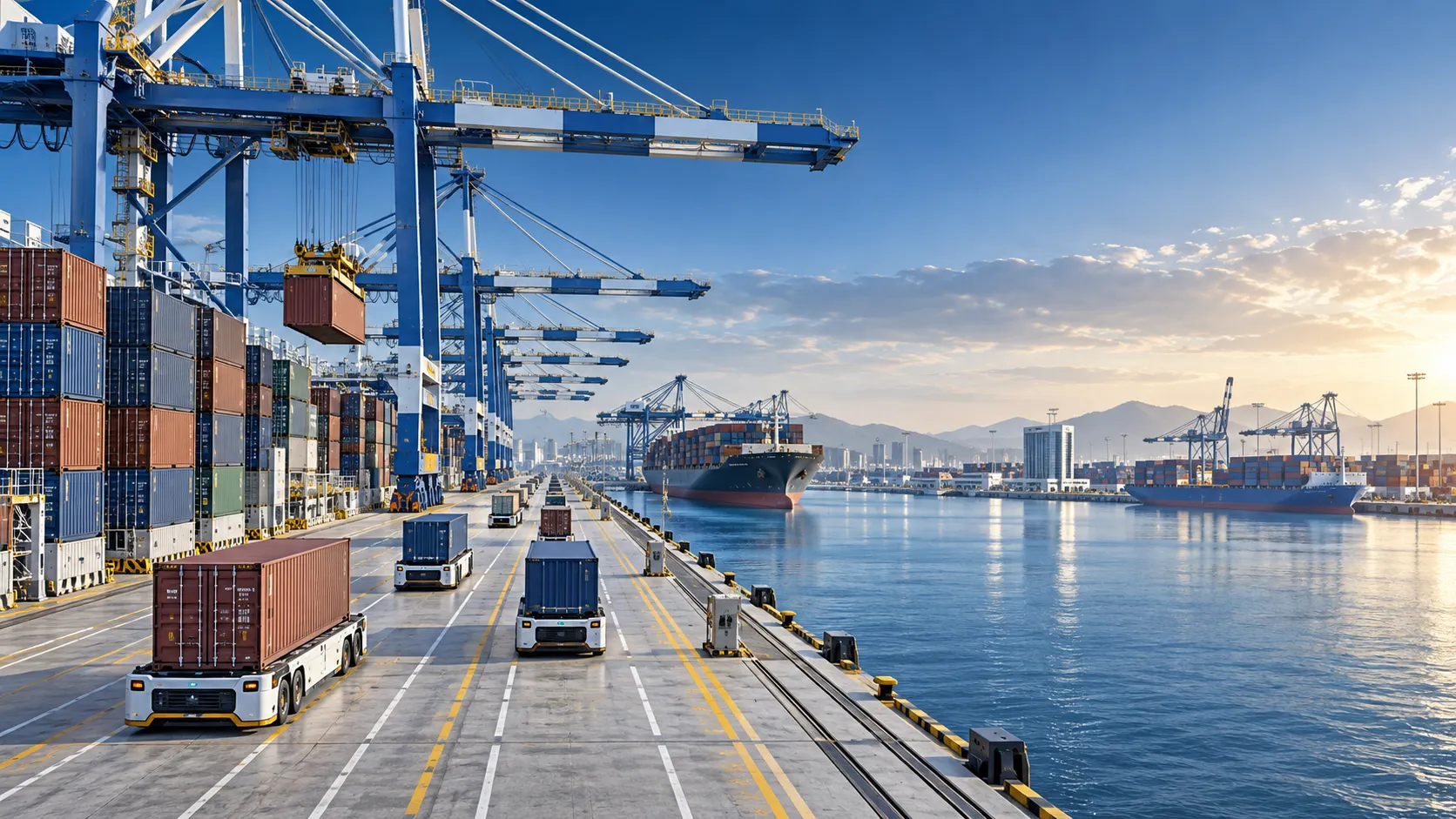
How to Evaluate Terminal Efficiency Solution Suppliers for High-Throughput Operations
Choose a terminal efficiency solutions supplier with confidence. Explore proven criteria for throughput, integration, lifecycle cost, safety, and reliable delivery.
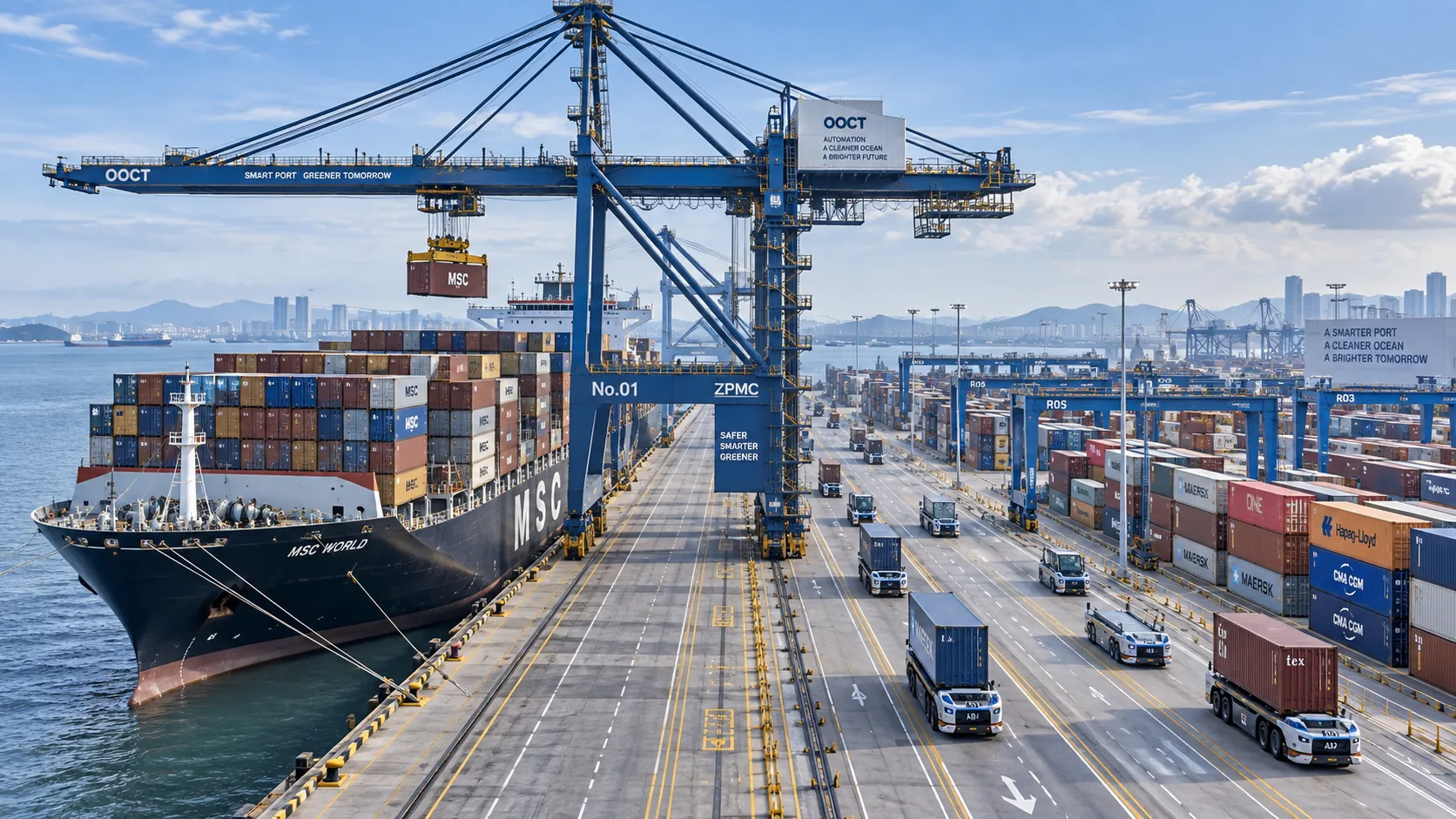
How to Specify a Quay Crane for Container Terminals by Vessel Size and Throughput?
Quay crane for container terminals: learn how to match outreach, lift height, capacity, automation, and cycle performance to vessel size and throughput goals.
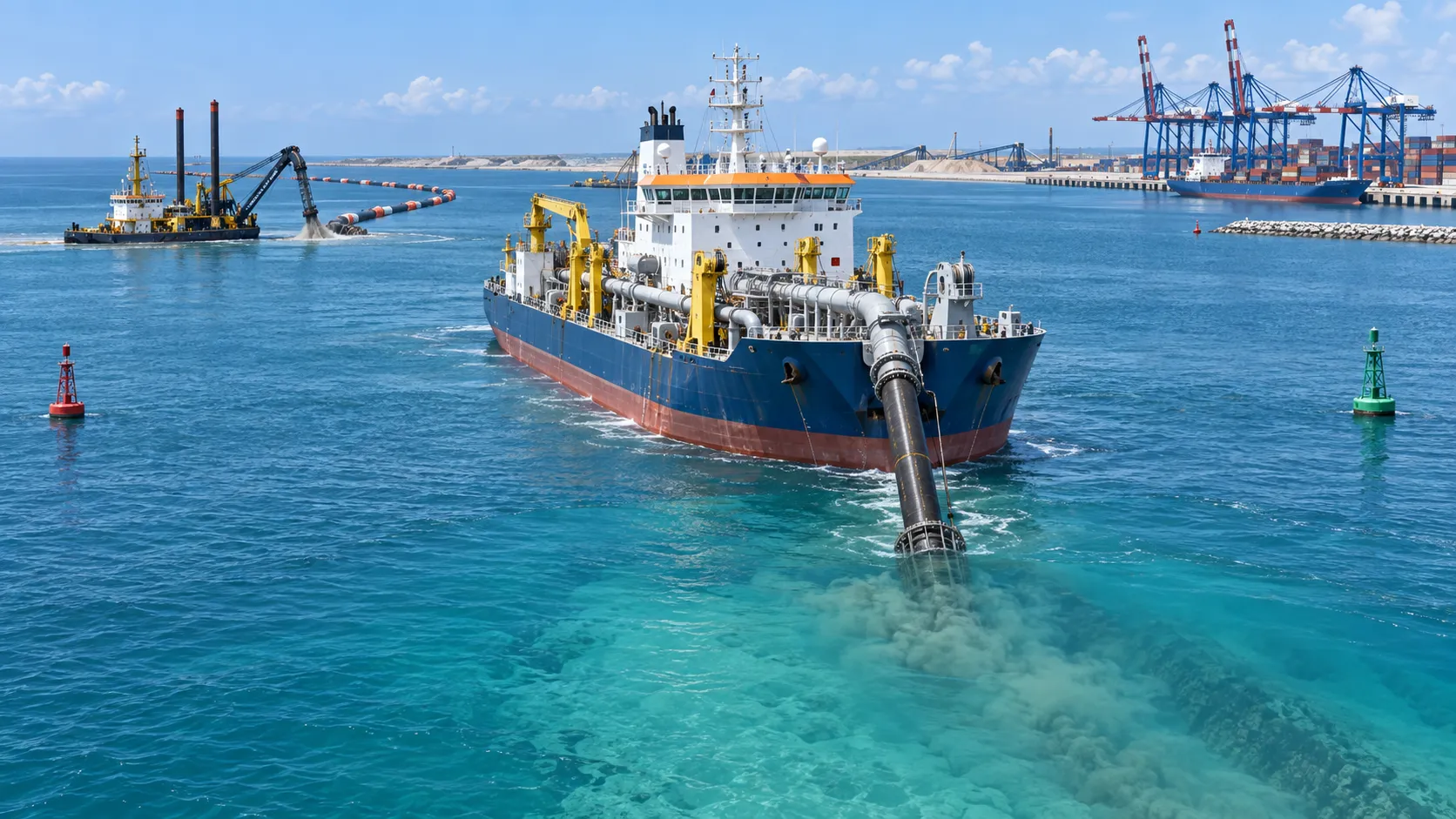
What Dredging Equipment Is Needed for Channel Deepening?
What dredging equipment is needed for channel deepening? Explore dredgers, pipelines, survey tools, and planning strategies for safer, more efficient port access.
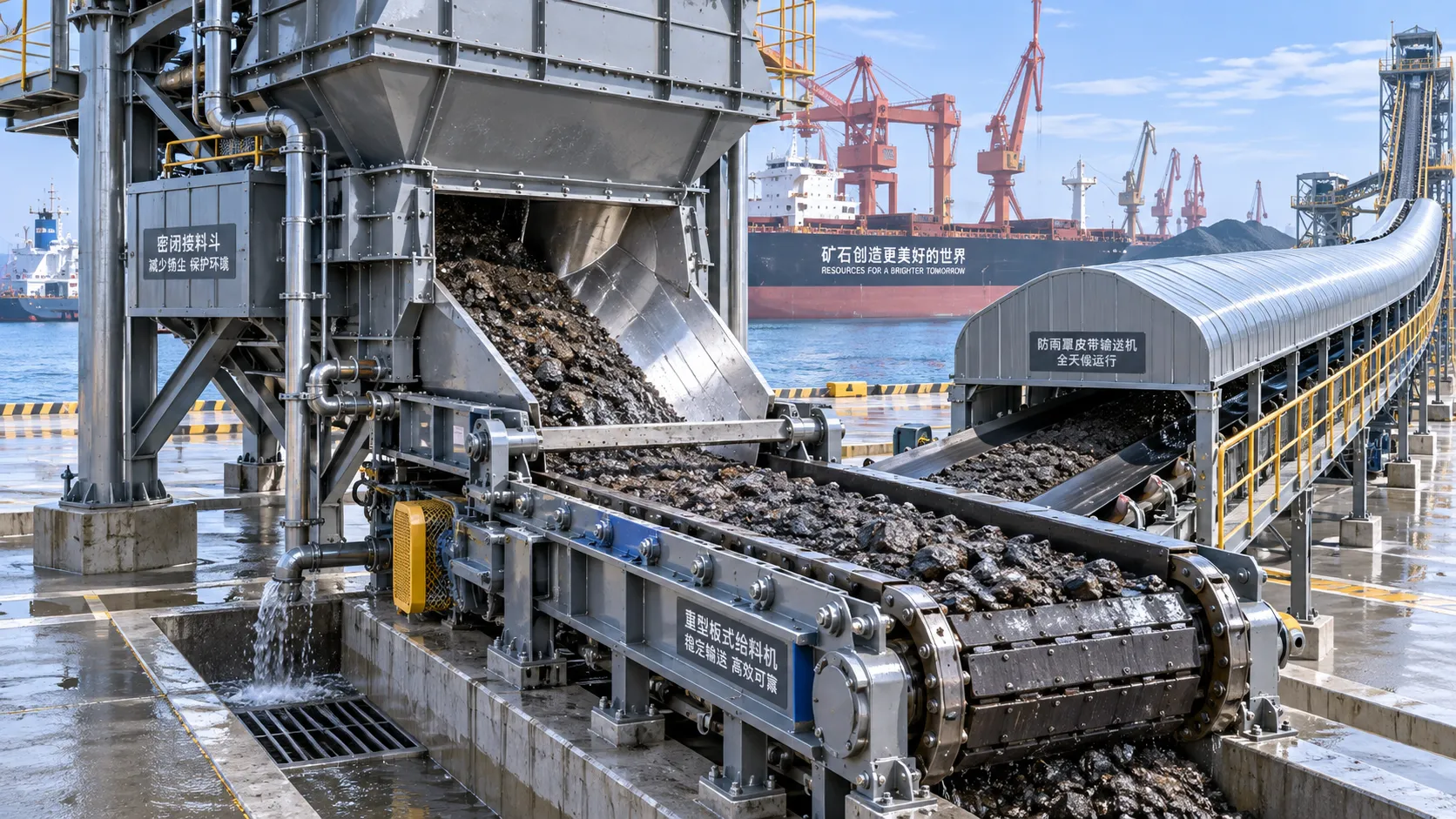
Which Bulk Handling Equipment Suits High-Moisture Cargo?
Which bulk handling equipment suits high-moisture cargo? Compare belt, apron, screw, drag, and slurry systems for reliable flow, less carryback, and higher terminal uptime.
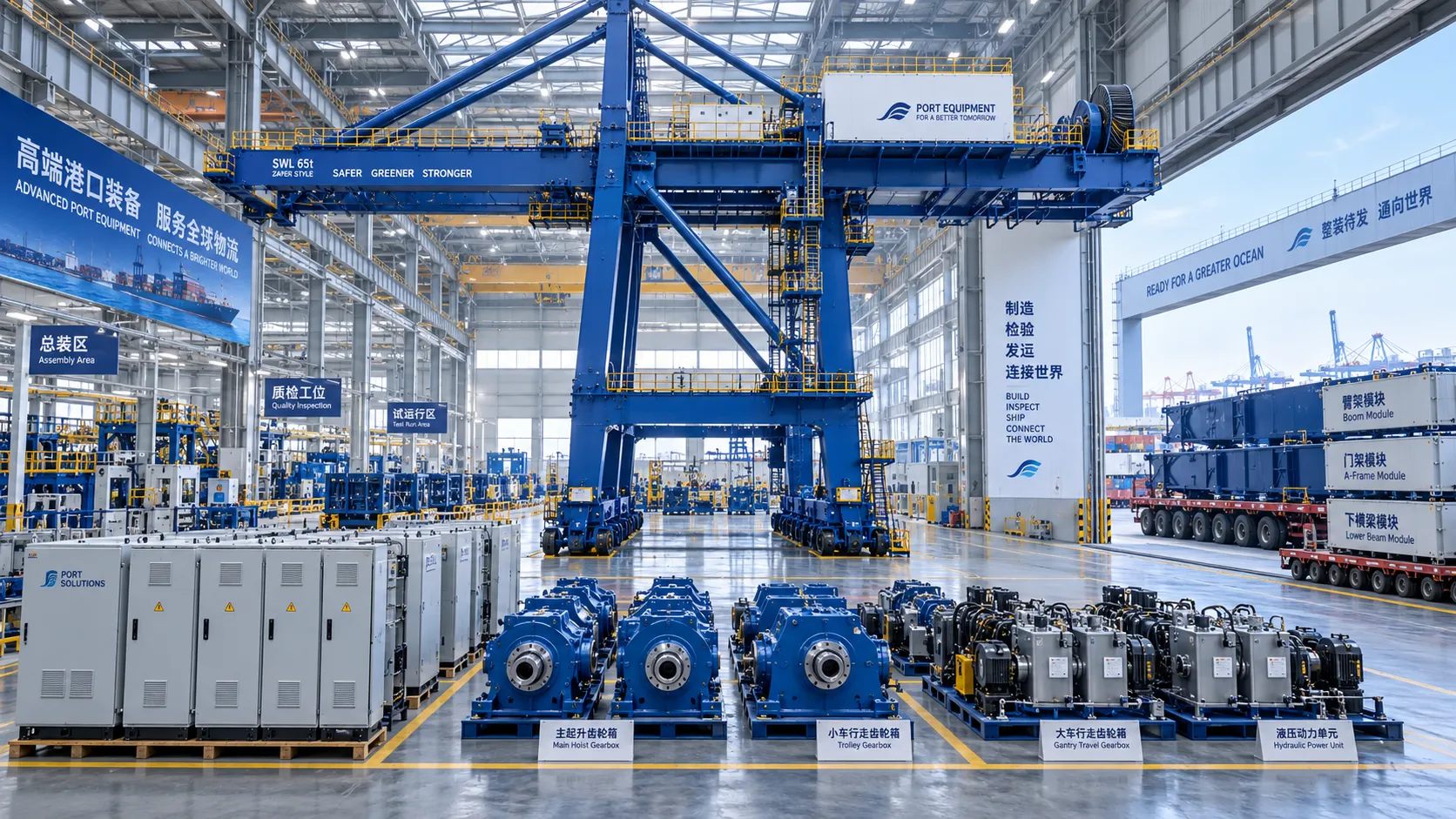
How Can Port Equipment Lead-Time Risk Be Managed?
How can port equipment lead-time risk be managed? Explore practical strategies to control critical paths, suppliers, transport, site readiness, and commissioning delays.
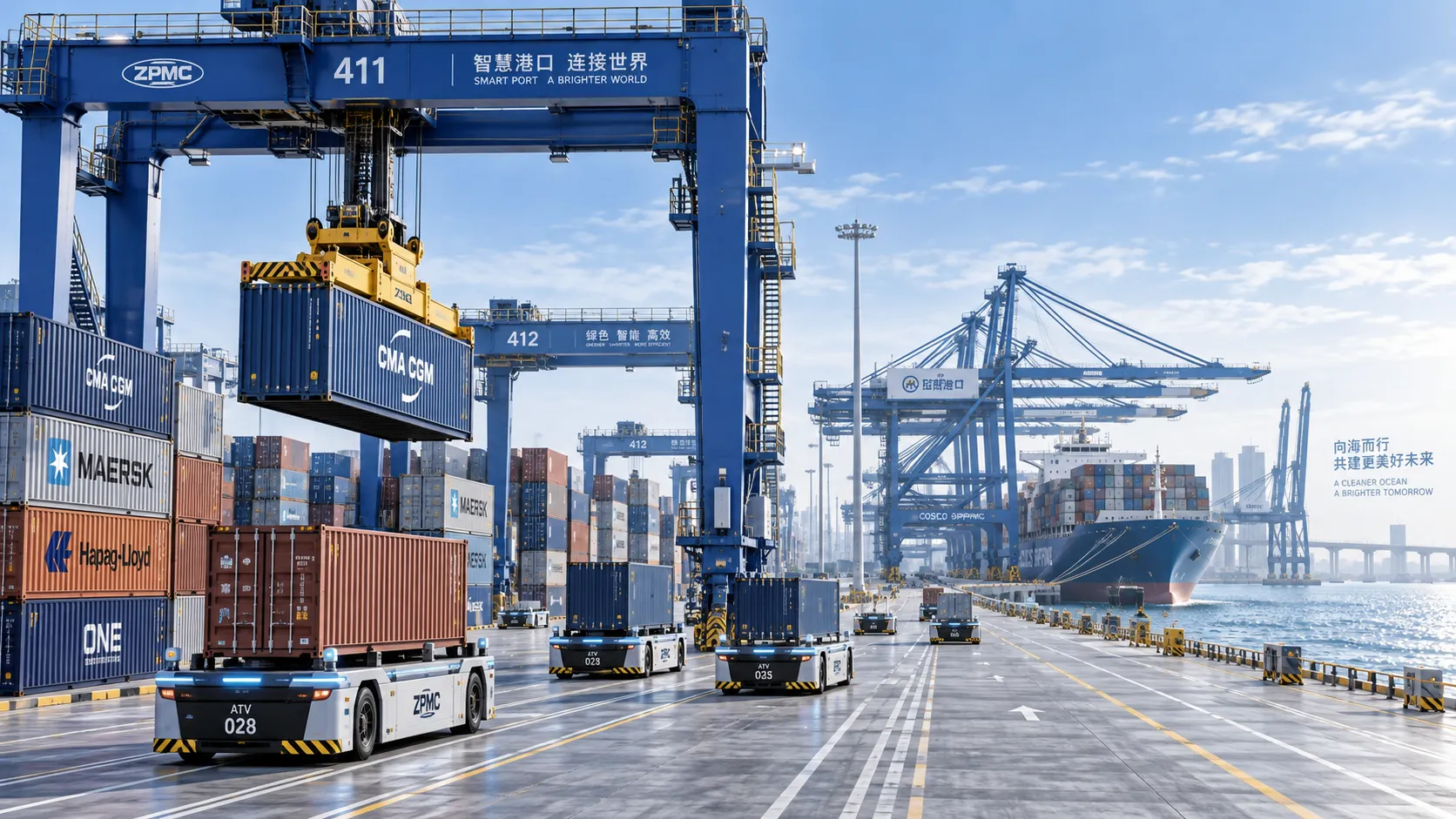
Terminal Automation Technologies That Raise Container Throughput Without Yard Disruption
Terminal automation technology that increases container throughput without disrupting yard flow. Explore smarter integration, resilient workflows, and phased deployment strategies.
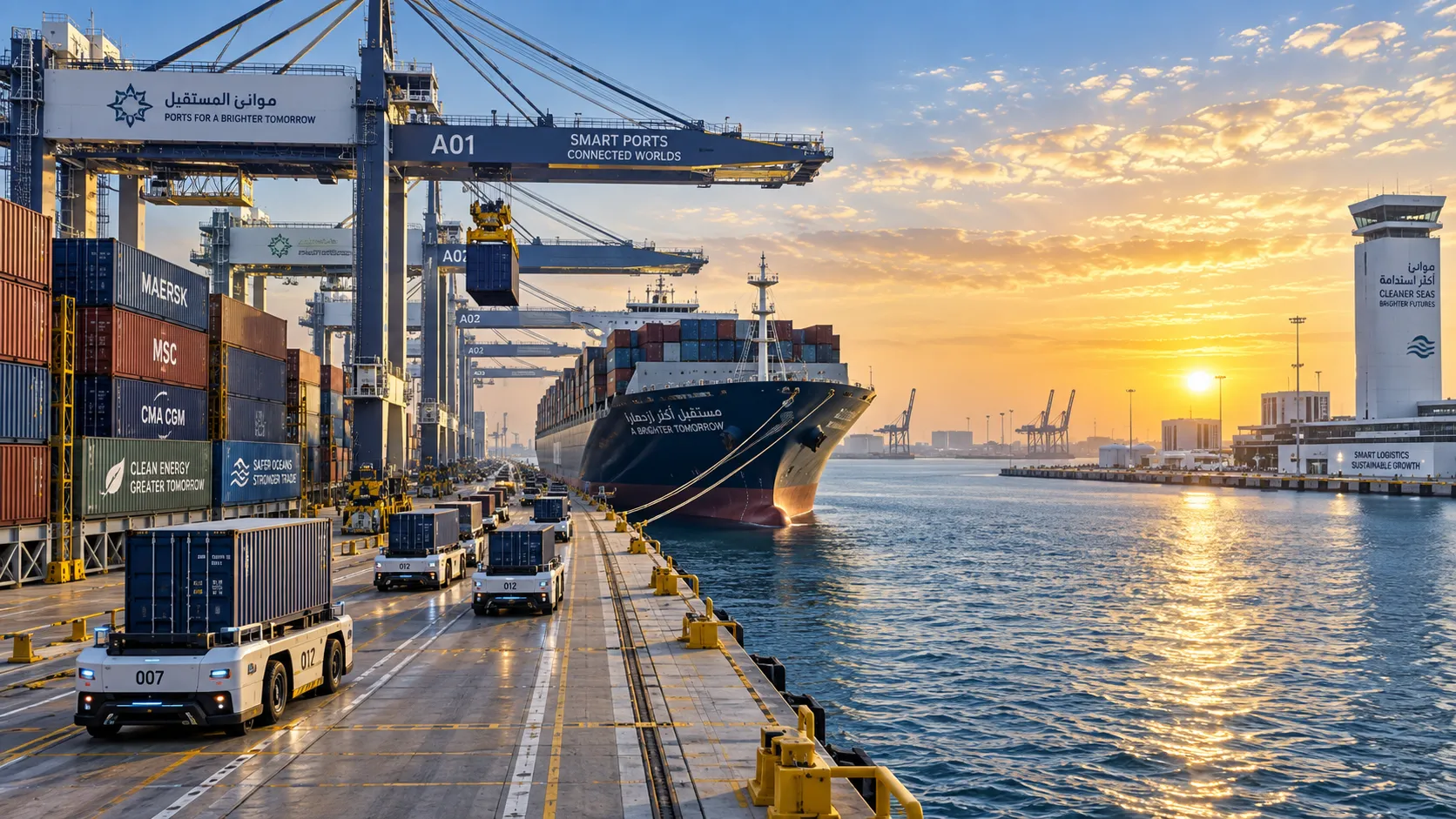
Middle East Port Automation: Key Market Drivers, Projects, and Investment Risks
Port automation systems Middle East: explore market drivers, flagship projects, integration challenges, and investment risks shaping smarter, resilient terminals.
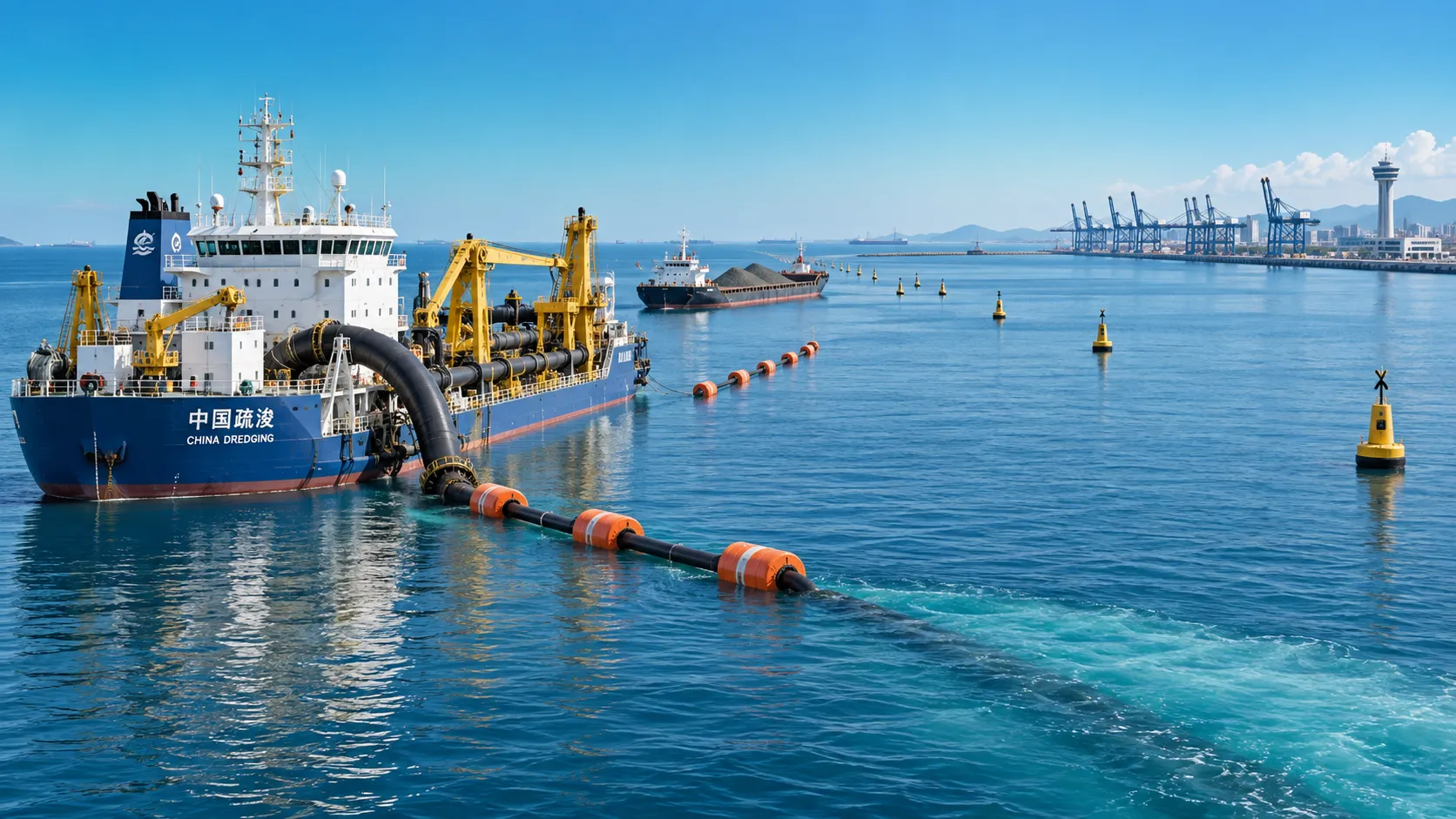
Planning Offshore Dredging Operations: Key Risks, Methods, and Project Controls
Offshore dredging operations demand smart planning. Explore key risks, proven methods, environmental controls, and project strategies for reliable delivery.