Related News
- 00
0000-00
How to Specify a Quay Crane for Container Terminals by Vessel Size and Throughput? - 00
0000-00
Which Bulk Handling Equipment Suits High-Moisture Cargo? - 00
0000-00
Terminal Automation Technologies That Raise Container Throughput Without Yard Disruption - 00
0000-00
Planning Offshore Dredging Operations: Key Risks, Methods, and Project Controls - 00
0000-00
Where Do Automated Guided Vehicles Deliver the Fastest Warehouse Gains in the Middle East?
How Remote Quay Crane Systems Improve Safety and Throughput at Container Terminals
Remote quay crane systems improve terminal safety and throughput when they are treated as an operational architecture rather than a simple cab relocation project. Moving crane control away from the boom and trolley area removes personnel from high-vibration, high-elevation, high-consequence positions. At the same time, a well-designed remote station can give clearer camera views, more stable work conditions, and tighter coordination with landside equipment than a conventional onboard cabin. The result is usually steadier container flow, fewer interruptions caused by poor visibility or fatigue, and better control over handoff points between quay crane, truck, and yard systems.
The safety gain starts with exposure reduction. A conventional operator sits inside a moving structure subject to sway, weather, glare, and noise. Access to the crane also creates routine risk during shift changes, maintenance escorts, and emergency evacuation planning. In a remote configuration, these direct exposures can be reduced because the control room stays at ground level or in a protected building. This matters most during high winds, heavy rain, night operations, and vessel calls with difficult stow patterns where concentration is repeatedly broken by physical discomfort. The remote model does not remove all site risk, but it shifts the human role toward supervised control and exception handling instead of constant physical presence on the machine.
Why visibility often improves after control is moved off the crane
Many terminals first consider remote quay crane systems for labor flexibility or automation readiness, yet the immediate operational change is often visual quality. Camera arrays can be mounted at the trolley, spreader, boom hinge, portal level, and landside handoff area. If the system is engineered correctly, the remote station no longer depends on a single forward-looking line of sight from a cabin window. It can combine zoom views for twistlock alignment, wide views for truck positioning, and depth references for hatch work. Some installations also overlay container outlines, landing markers, anti-collision zones, or stack profile guidance, provided the sensor fusion is stable and latency remains controlled.
This creates a safer working rhythm around blind spots. Under deck operations, twin-lift positioning, and discharge from irregularly packed bays are common points where misjudgment can develop into equipment contact or suspended-load instability. A remote interface can reduce those errors if the video feeds are synchronized, color-balanced for low light, and displayed with predictable screen logic. If camera switching is confusing or delays appear between joystick input and motion response, the system can quickly become harder to use than a traditional cabin. Throughput gains therefore depend less on the presence of screens and more on whether the image chain, control logic, and mechanical response behave as one coherent loop.
Latency, control feel, and the hidden line between smooth flow and lost moves
Terminals sometimes underestimate how sensitive crane handling is to network behavior. A remote operator can adapt to a modest and consistent delay much more easily than to variable delay. Jitter is often more damaging than raw latency because it disrupts timing during final landing, spreader centering, and truck lane alignment. That is why remote quay crane systems rely on low-latency communication paths, deterministic switching where possible, and strict separation between critical control traffic and general terminal data traffic.
In practice, this affects hardware selection and layout. Fiber backbone routing, redundant network paths, edge processing at the crane, and industrial-grade switches matter as much as joystick ergonomics. Video compression settings also need care. Aggressive compression can save bandwidth, yet motion artifacts or frame drops may obscure corner castings, lashing remnants, or chassis alignment. The system works best when control commands, position feedback, and video transport are engineered together instead of procured as isolated packages from unrelated scopes.
Throughput improves when the control response is predictable enough to support rhythm. A smooth rhythm allows faster recovery after each container set-down, fewer micro-pauses before hoist or gantry movement, and cleaner coordination with truck arrivals beneath the crane. These are small cycle-time effects, but in continuous berth work they accumulate into meaningful operational stability.
Where remote control changes the handoff between quay and yard
The crane itself does not define terminal output. The handoff zone does. A remote system becomes valuable when it reduces friction at the transfer point between vessel, quay crane, horizontal transport, and yard reception. Camera-based truck alignment, lane occupancy sensors, OCR feeds, and interface prompts can shorten the hesitation that commonly appears when chassis position is slightly off or when the receiving vehicle enters the lane late. In a conventional setup, these moments often depend on radio calls, hand signals, or repeated visual confirmation from awkward sight angles.
When remote control is linked with terminal operating logic, the crane station may display target lane, box identity confirmation, sequence priority, or exception flags before the container reaches the truck. This is especially useful during mixed traffic conditions where manned trucks, automated guided vehicles, and maintenance vehicles may share adjacent operational areas under controlled rules. Cleaner information flow reduces rehandling, lane confusion, and spreader dwell time over the landside transfer point.
There is also a planning advantage. Because remote stations are fixed and digitally connected, operational supervision can compare several cranes in parallel, reassign remote desks, and isolate disturbances faster than in a purely distributed onboard model. That does not mean one desk should simply control everything. It means dispatch discipline, escalation paths, and technical alarms can be organized centrally enough to prevent local confusion from spreading across the berth.
Mechanical condition still sets the ceiling
Remote control does not compensate for worn hoist brakes, rail misalignment, distorted trolley travel, or unstable spreader telescoping behavior. If the crane has inconsistent motion because of backlash, hydraulic lag in ancillary functions, poor encoder feedback, or corrosion-related signal noise, the remote layer will expose those defects more sharply. Operators who once compensated instinctively from inside the cabin may find the same machine harder to handle from a distant room.
That is why retrofit projects should begin with a mechanical and electrical condition survey rather than a screen layout workshop. Rope condition, drum behavior, motor drive health, limit switch reliability, cable festoon integrity, and structural vibration patterns all influence how usable the remote interface will be. Sensor mounting brackets and camera housings also need marine-grade protection against salt, condensation, and impact. Stainless fasteners, sealed enclosures, vibration-resistant mounts, heater elements for optics where climate requires them, and maintainable cable routing are practical details that affect uptime more than presentation graphics do.
Installation risk usually sits in integration, not in equipment delivery
A remote quay crane project can appear straightforward on paper: add cameras, install controls, connect the network, commission the desk. The harder part is integrating these layers into live terminal operations without creating unstable transitional states. Existing PLC logic, anti-sway controls, interlocks, spreader telemetry, and terminal operating interfaces may come from different generations of equipment. Some cranes may have undocumented modifications from earlier upgrades. Unless these are mapped carefully, commissioning can uncover conflicts only when the crane is already needed for vessel service.
Phased installation reduces this risk. It is often safer to validate one crane under constrained operational windows, confirm video quality in day and night conditions, test handover between local and remote control modes, and then standardize the retrofit package across the fleet. Temporary dual-mode operation is common during acceptance, but it needs strict authority logic. Ambiguous control ownership between cabin and remote room is unacceptable. Mode selection should be explicit, interlocked, and visible both locally and centrally.
Transport and installation sequencing deserve equal attention. Camera mast assemblies, control cabinets, fiber reels, UPS units, and workstations are relatively compact compared with the crane structure, but access windows on an operating berth can be narrow. Salt exposure during storage, cable damage during crane travel, and rushed terminations in poor weather are common sources of early faults. Many persistent commissioning problems start as basic installation quality issues rather than software defects.
Common misreadings that delay the expected result
One frequent mistake is assuming that remote control automatically means fully autonomous container handling. In reality, remote operation can stand alone, or it can sit midway between manual crane driving and higher automation layers such as automatic landing, anti-sway assistance, or truck positioning support. Confusing these levels leads to mismatched expectations during procurement and acceptance testing.
Another misreading is to judge the project mainly by average move time during ideal daylight conditions. Safety and throughput are shaped by edge conditions: glare at sunrise, rain on camera housings, stack irregularity in deep bays, vessel list, poor lane discipline below the crane, and recovery from communication faults. If those scenarios are not tested, a system may look successful in demonstrations yet remain fragile in live service.
A third problem appears when terminals focus on crane-side technology but leave maintenance response unchanged. Remote systems add cameras, network devices, processors, displays, and interface software to the traditional mechanical asset base. Fault isolation now crosses electrical, IT, controls, and field maintenance domains. Without a clear escalation map, minor issues such as packet loss, dirty optics, or time-sync drift can linger and quietly erode performance.
Operational discipline after commissioning
Once the system is live, the most useful routines are usually simple. Camera cleaning intervals need to reflect airborne salt and dust conditions rather than office assumptions. Joystick calibration and deadband settings should be reviewed after early operating feedback, especially if different cranes show slightly different response. Event logs need timestamps aligned across crane PLC, video servers, and workstation records so disturbances can be reconstructed without guesswork. Spare parts planning should cover optics, encoders, operator consoles, and network components, not just the traditional hoist and drive inventory.
Training also changes in substance. The issue is no longer only crane handling skill, but understanding how to interpret multi-view displays, how to respond when one camera path is lost, when to revert to local control, and how to report anomalies that seem small but indicate network or synchronization drift. Good remote operation depends on stable habits around exceptions. Most serious interruptions begin as small inconsistencies that were tolerated too long.
Where the system is engineered with disciplined control latency, durable field hardware, clear mode management, and realistic commissioning boundaries, remote quay crane systems can make the berth safer and more productive at the same time. The strongest result usually comes from removing exposure, sharpening the visual task, and tightening each handoff around the crane rather than expecting software alone to transform a weak operating process.
Related News
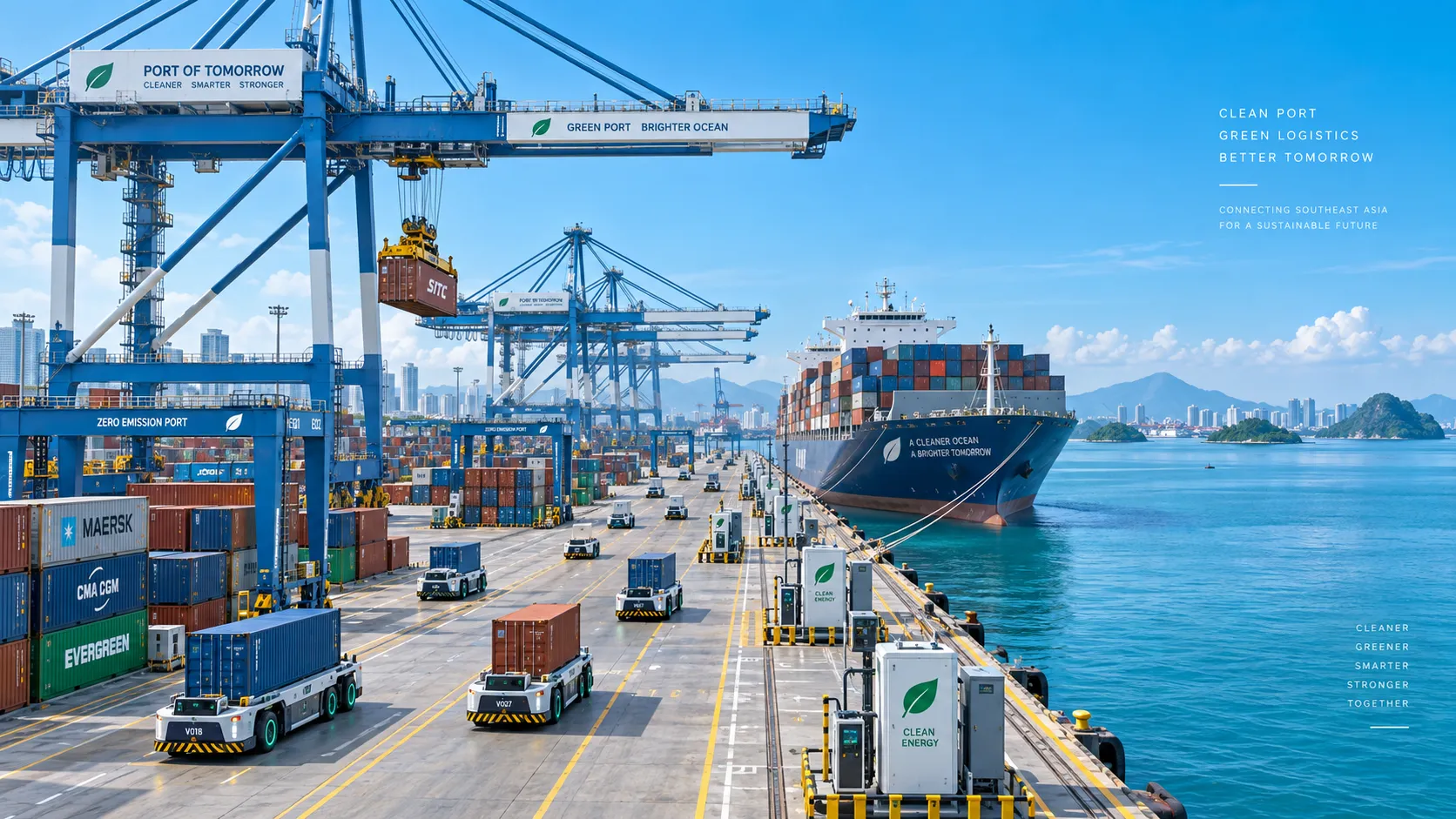
Smart Port Systems in Southeast Asia: Investment Priorities and Adoption Barriers
Smart port systems Southeast Asia: discover investment priorities, adoption barriers, and practical steps to build resilient, connected, high-performing terminals.
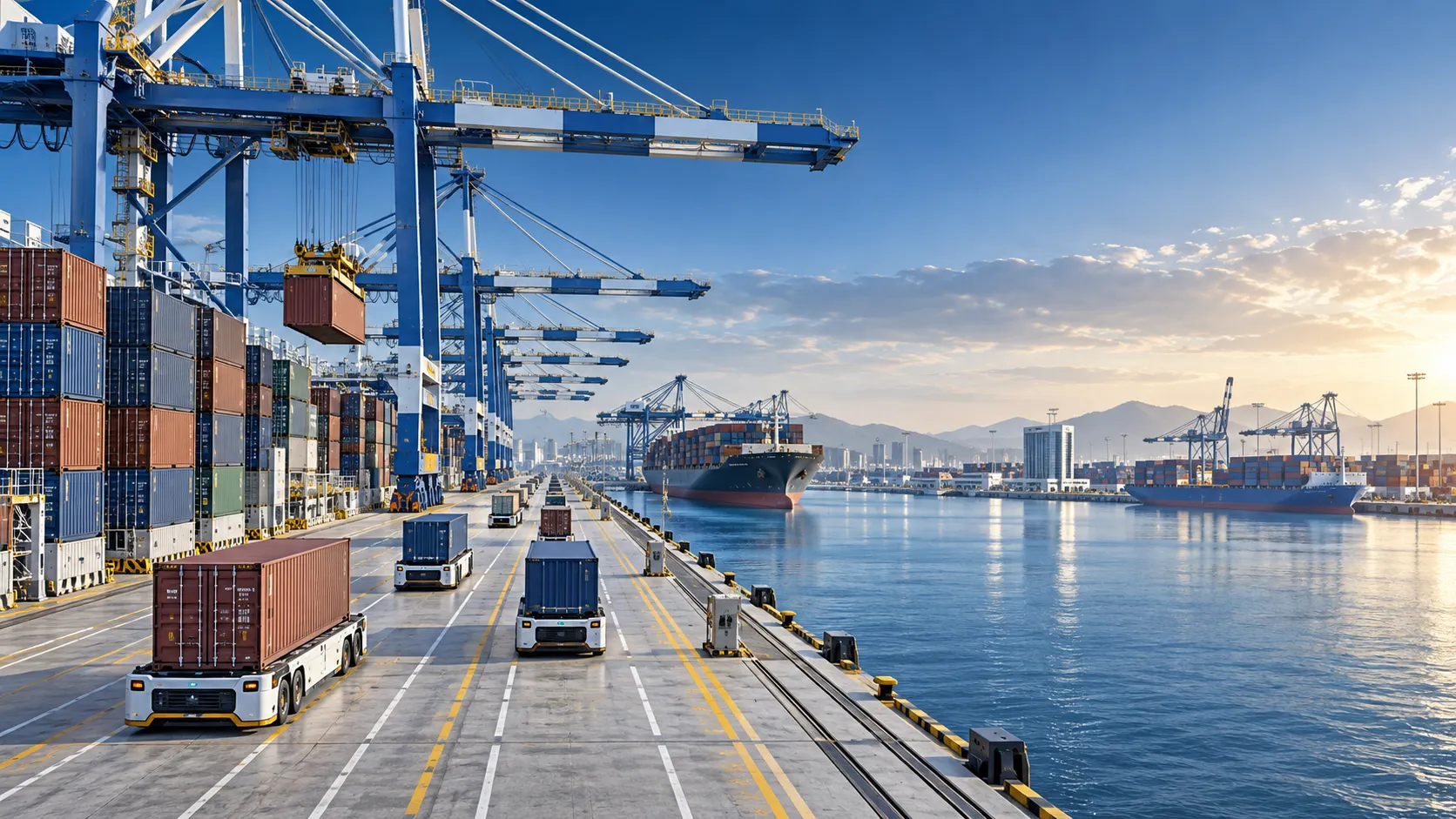
How to Evaluate Terminal Efficiency Solution Suppliers for High-Throughput Operations
Choose a terminal efficiency solutions supplier with confidence. Explore proven criteria for throughput, integration, lifecycle cost, safety, and reliable delivery.
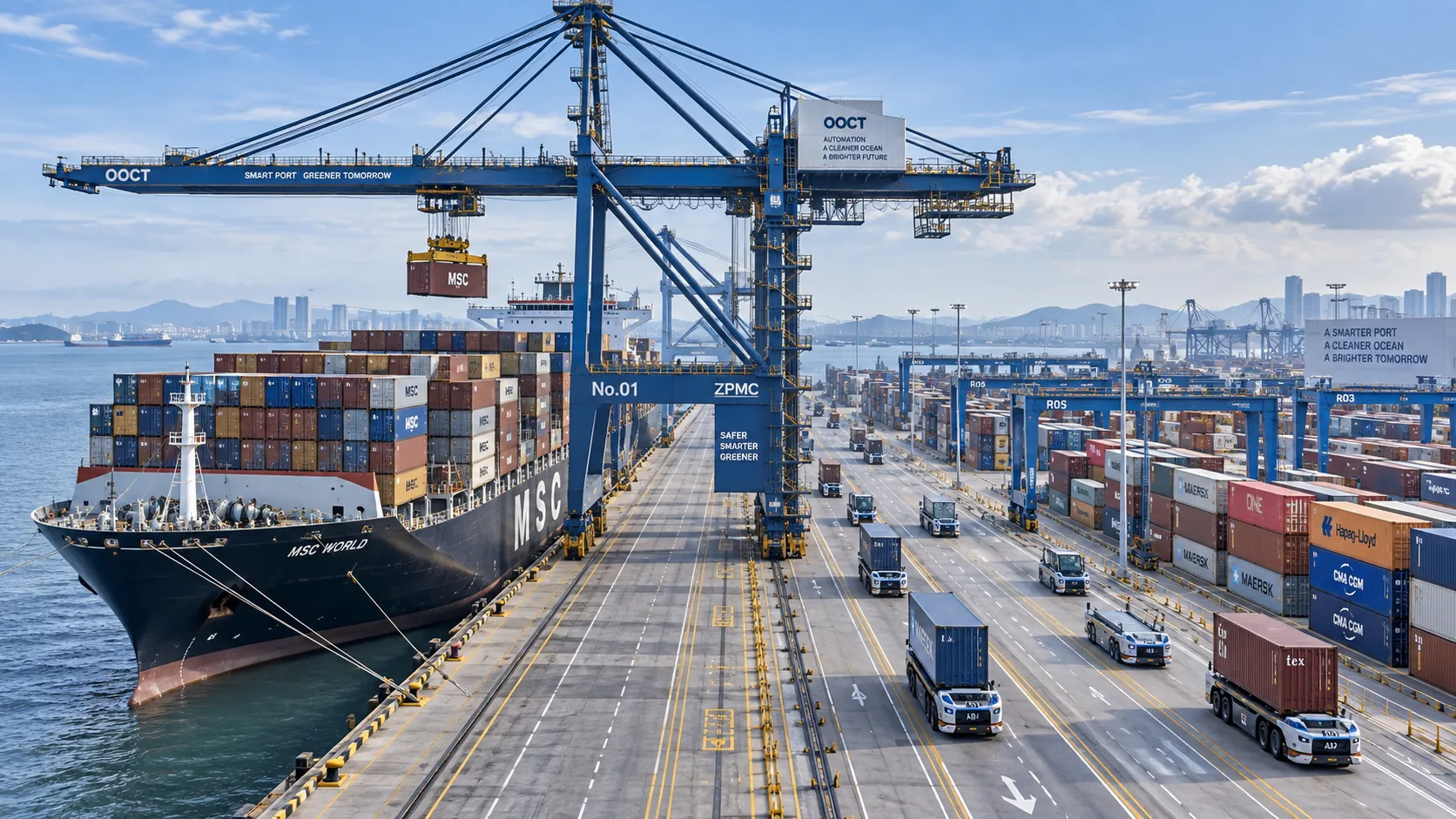
How to Specify a Quay Crane for Container Terminals by Vessel Size and Throughput?
Quay crane for container terminals: learn how to match outreach, lift height, capacity, automation, and cycle performance to vessel size and throughput goals.
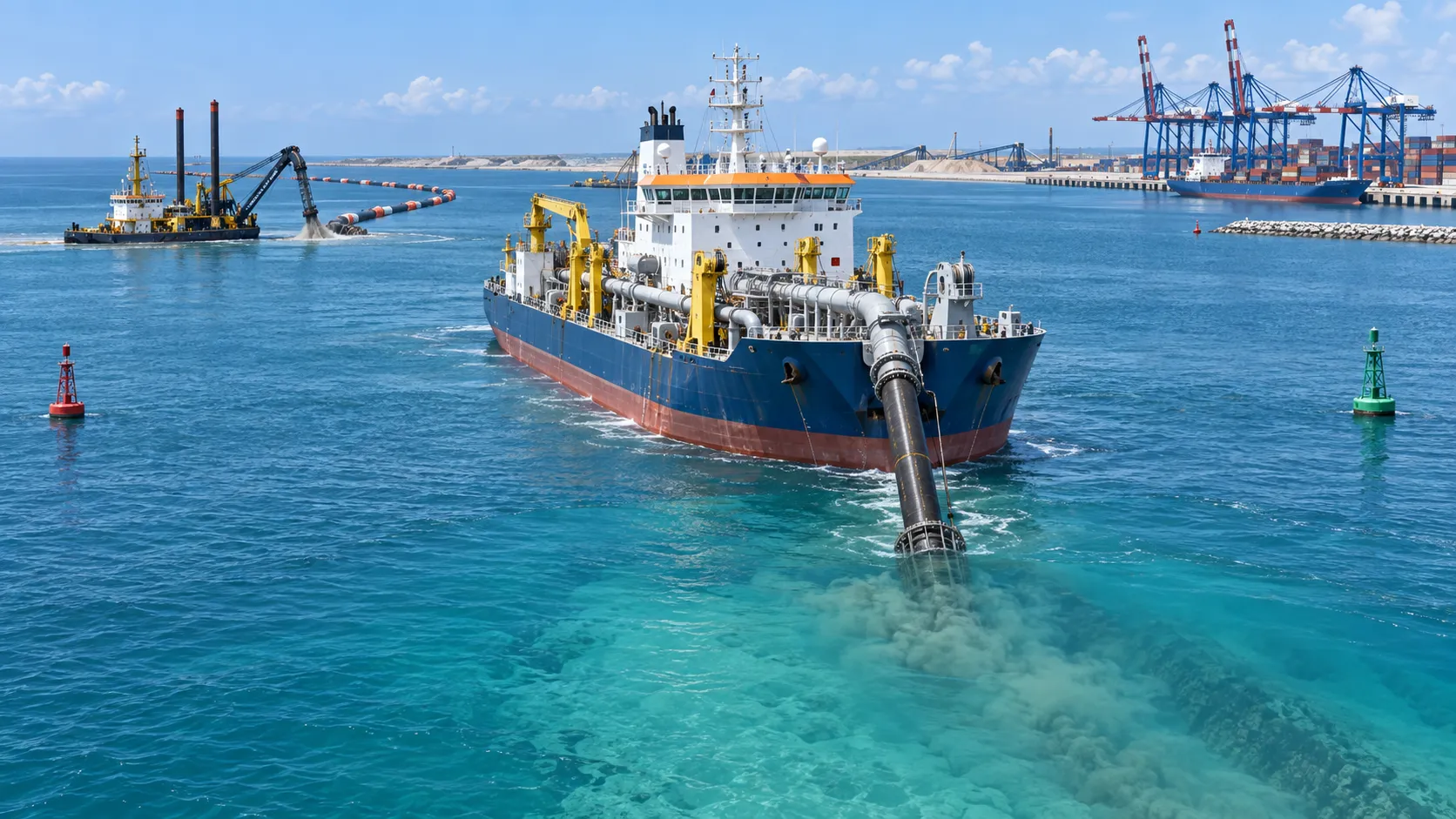
What Dredging Equipment Is Needed for Channel Deepening?
What dredging equipment is needed for channel deepening? Explore dredgers, pipelines, survey tools, and planning strategies for safer, more efficient port access.
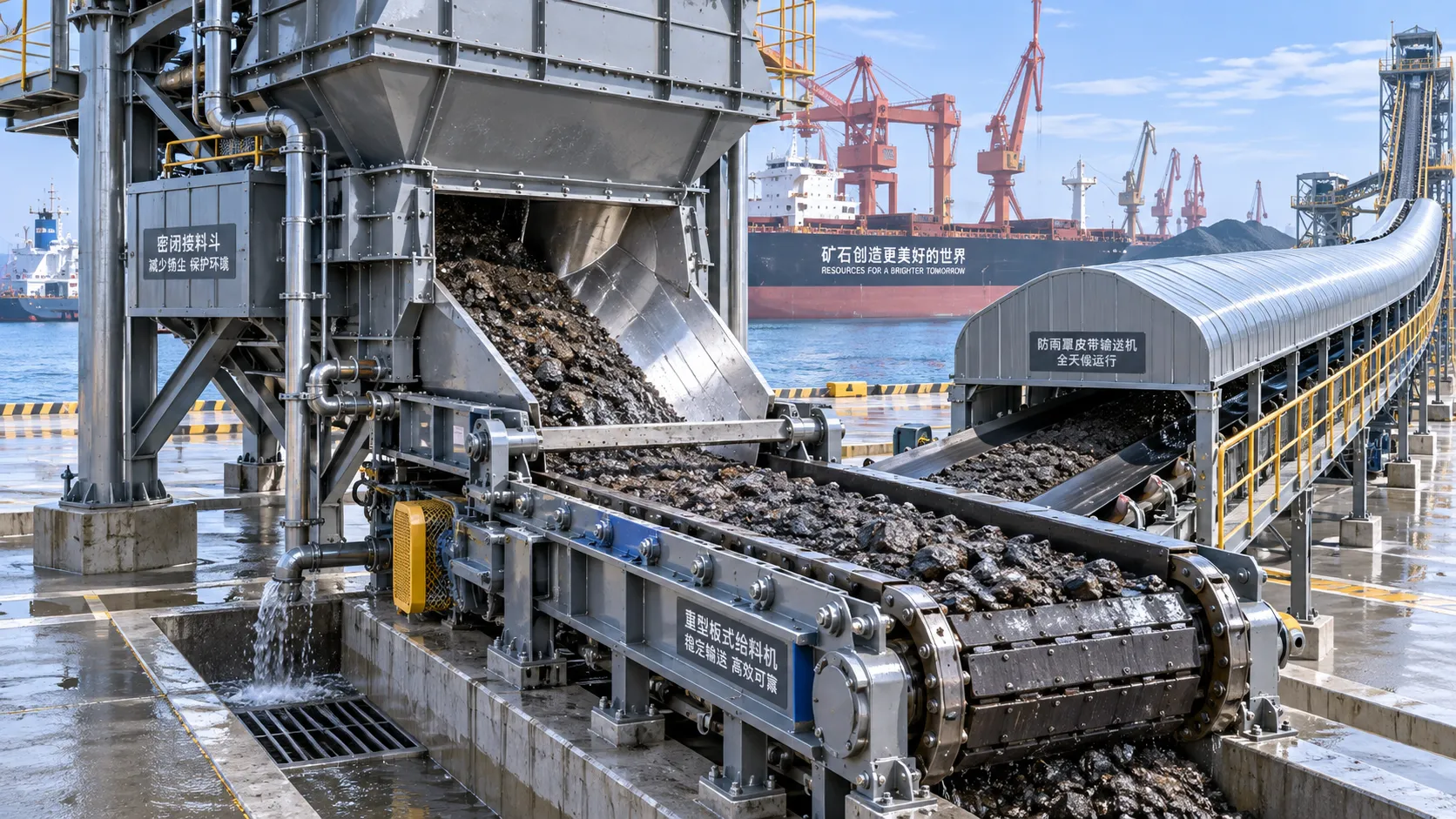
Which Bulk Handling Equipment Suits High-Moisture Cargo?
Which bulk handling equipment suits high-moisture cargo? Compare belt, apron, screw, drag, and slurry systems for reliable flow, less carryback, and higher terminal uptime.
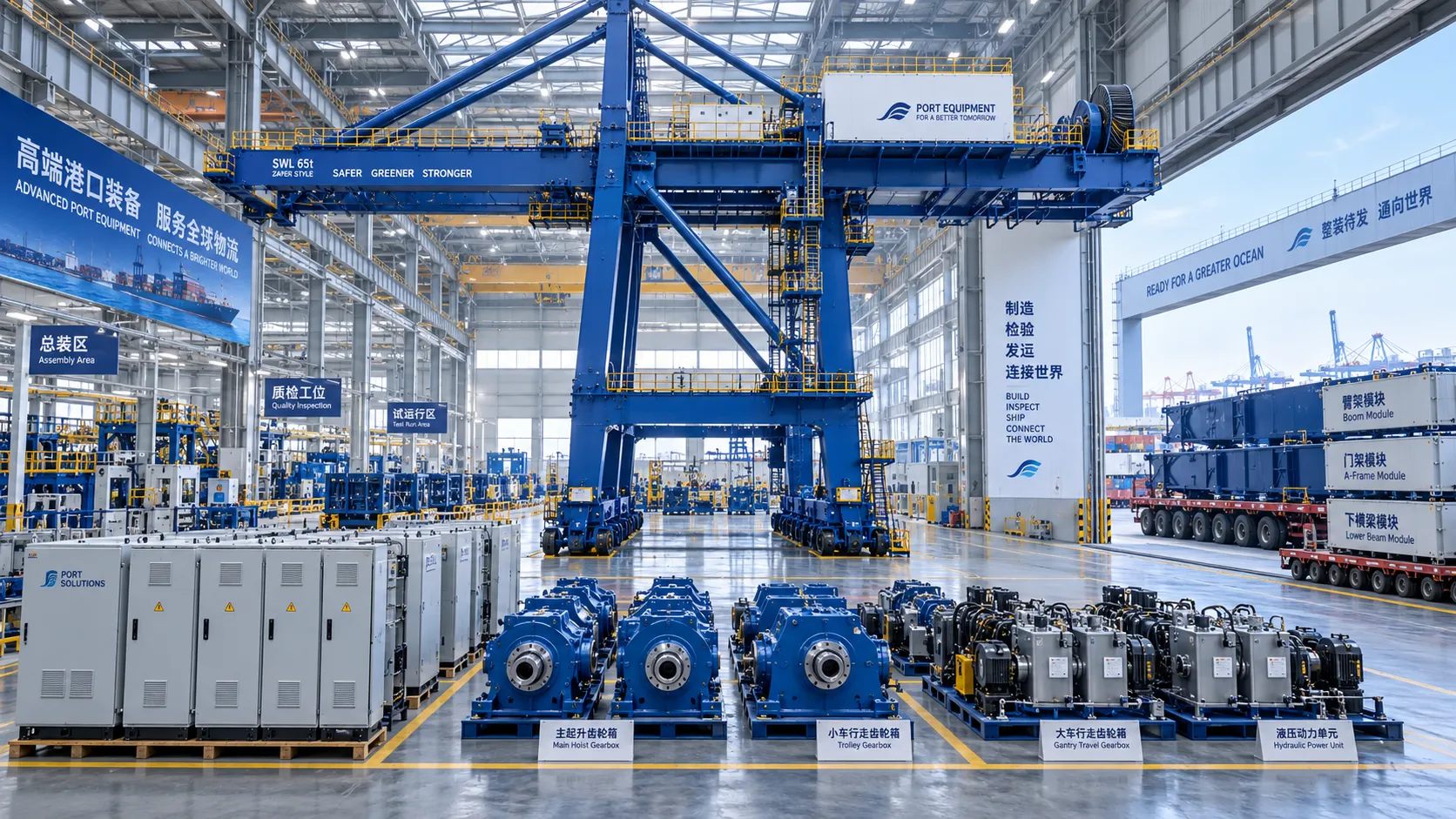
How Can Port Equipment Lead-Time Risk Be Managed?
How can port equipment lead-time risk be managed? Explore practical strategies to control critical paths, suppliers, transport, site readiness, and commissioning delays.
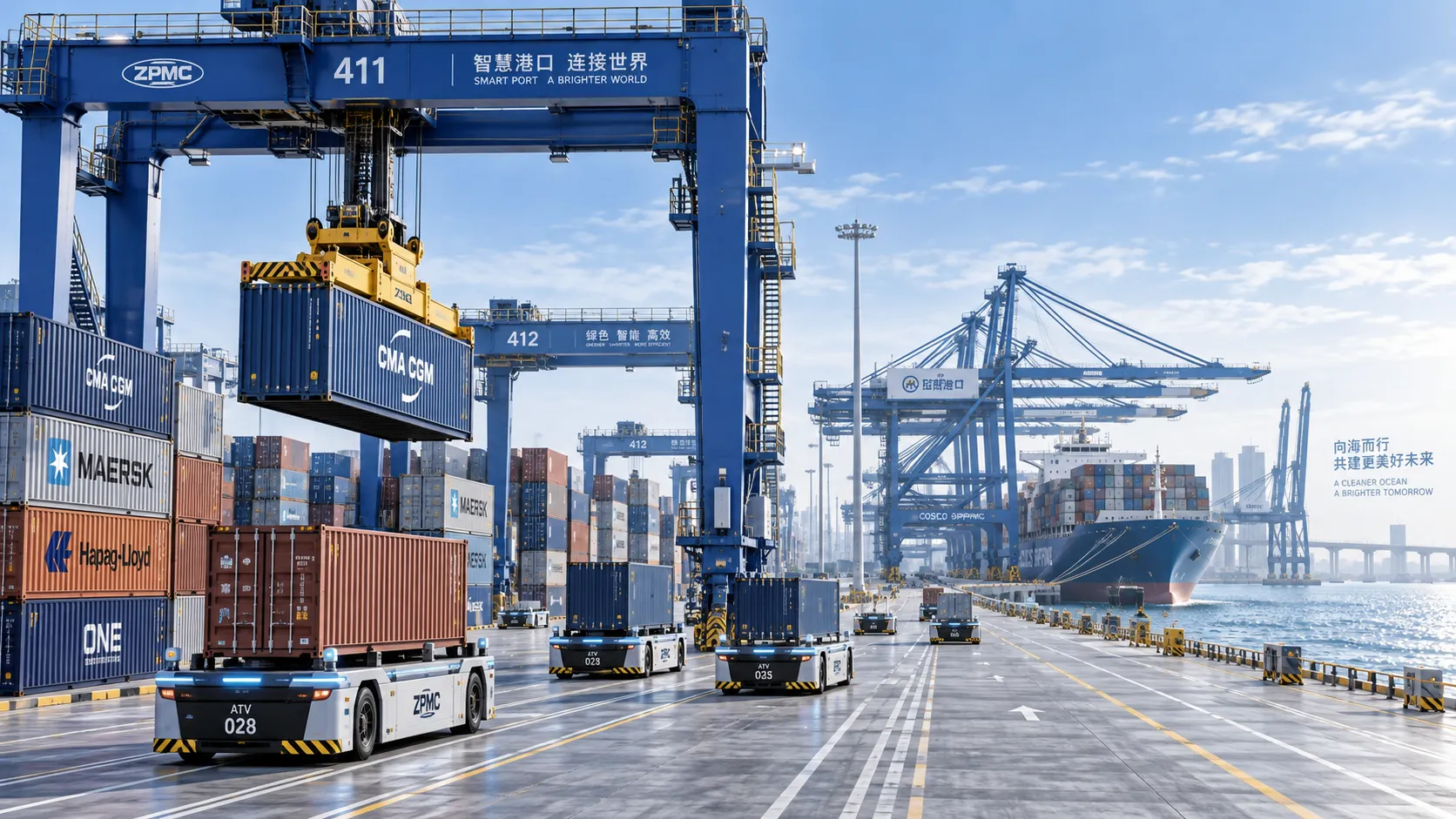
Terminal Automation Technologies That Raise Container Throughput Without Yard Disruption
Terminal automation technology that increases container throughput without disrupting yard flow. Explore smarter integration, resilient workflows, and phased deployment strategies.
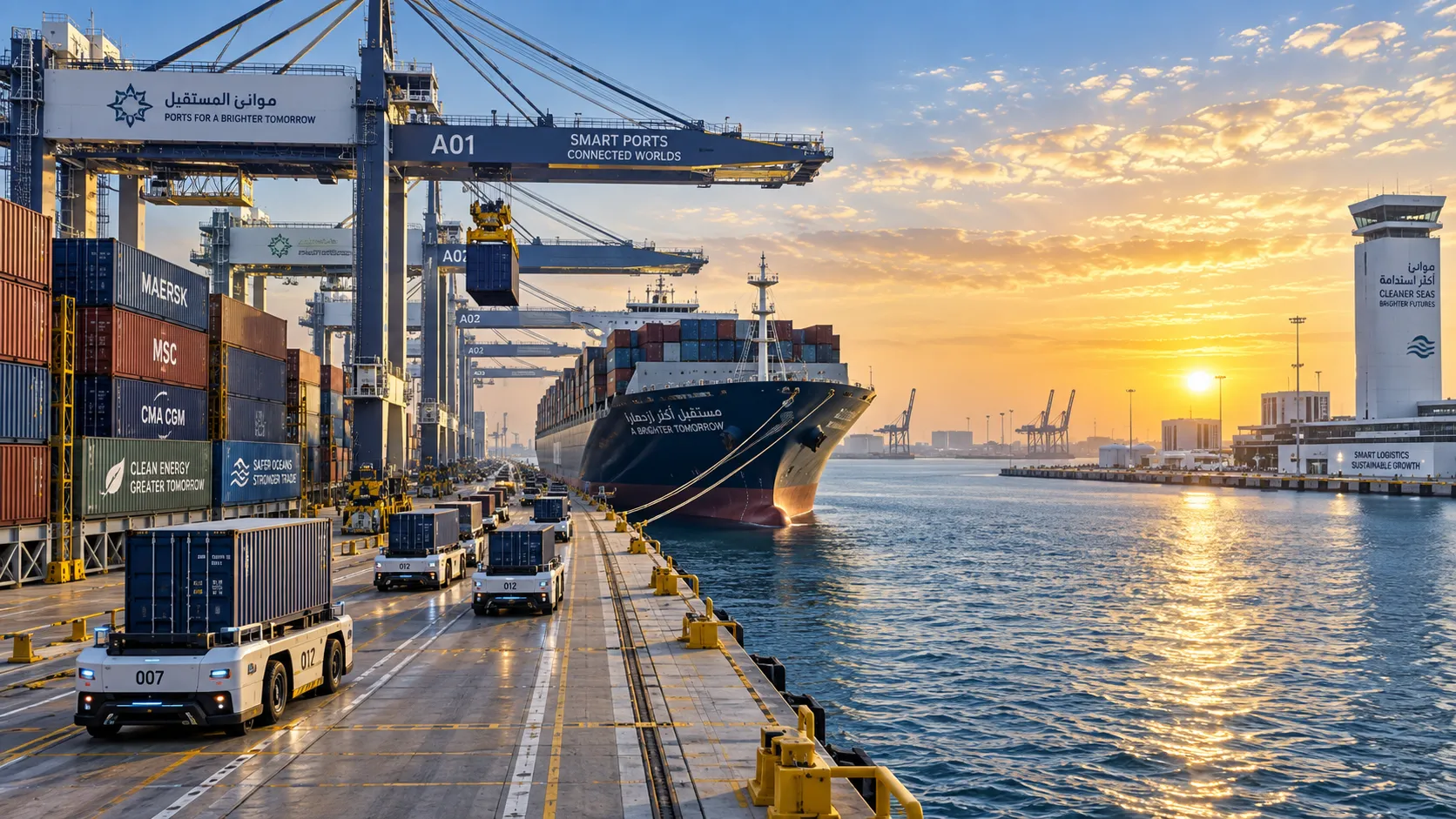
Middle East Port Automation: Key Market Drivers, Projects, and Investment Risks
Port automation systems Middle East: explore market drivers, flagship projects, integration challenges, and investment risks shaping smarter, resilient terminals.
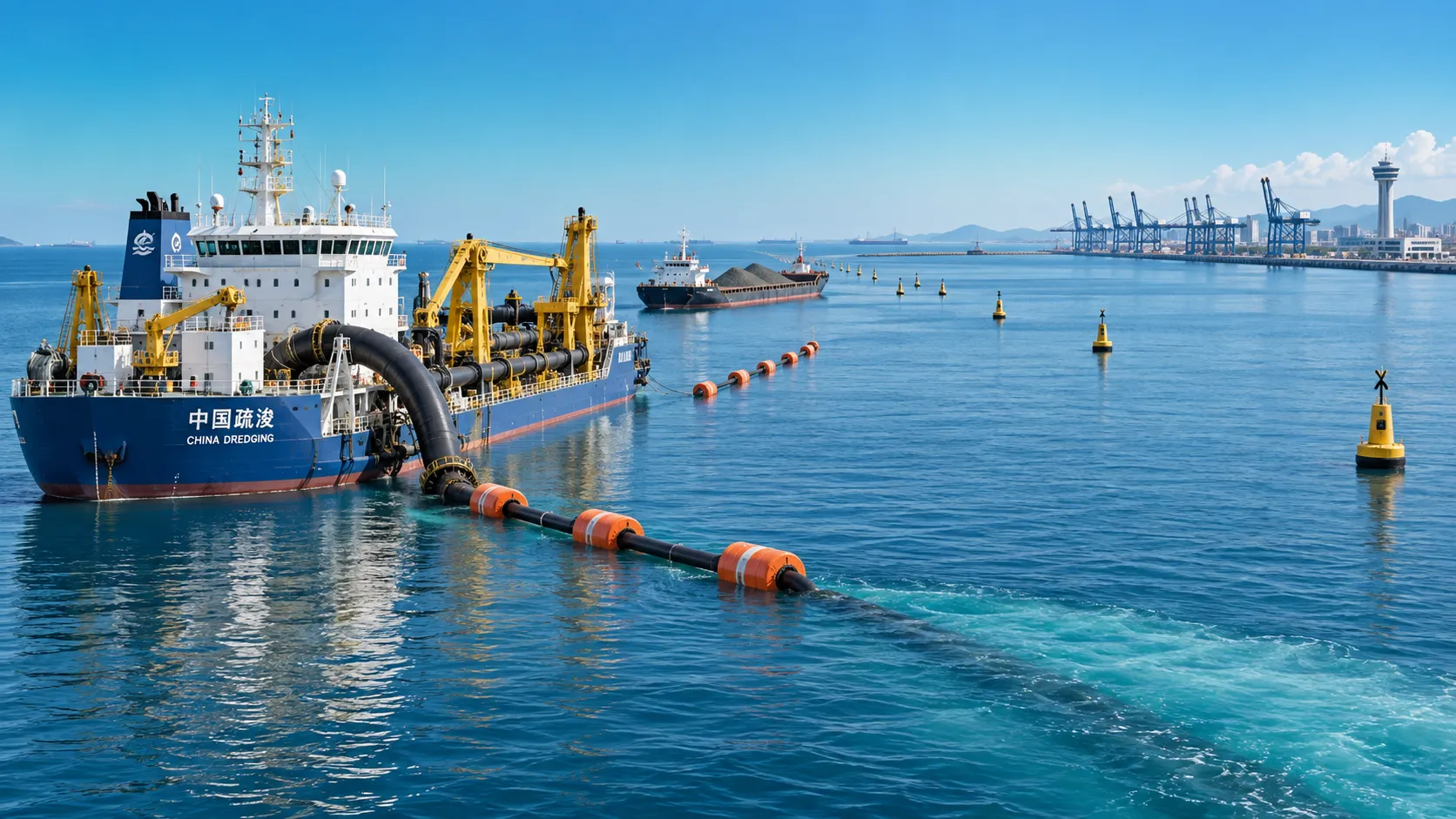
Planning Offshore Dredging Operations: Key Risks, Methods, and Project Controls
Offshore dredging operations demand smart planning. Explore key risks, proven methods, environmental controls, and project strategies for reliable delivery.